Whether a Great Dane Stays on Puppy Food to Two
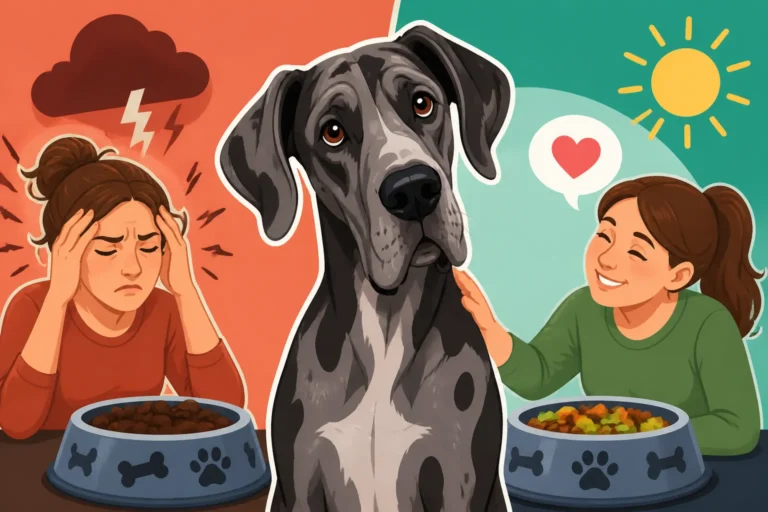
It’s a really common question, and one that causes a lot of head-scratching for new Great Dane owners: how long exactly do you keep these giant puppies on "puppy food"? You might be picturing your big, goofy Dane, still acting like a puppy at a year and a half, and wondering if that tiny bag of specialized puppy kibble is still appropriate for their towering frame. This guide is here to cut through the confusion and explain the specific nutritional journey of a growing Great Dane, helping you ensure they get exactly what they need for healthy development, not too fast and not too slow.
The Unique Growth Needs of a Great Dane Puppy
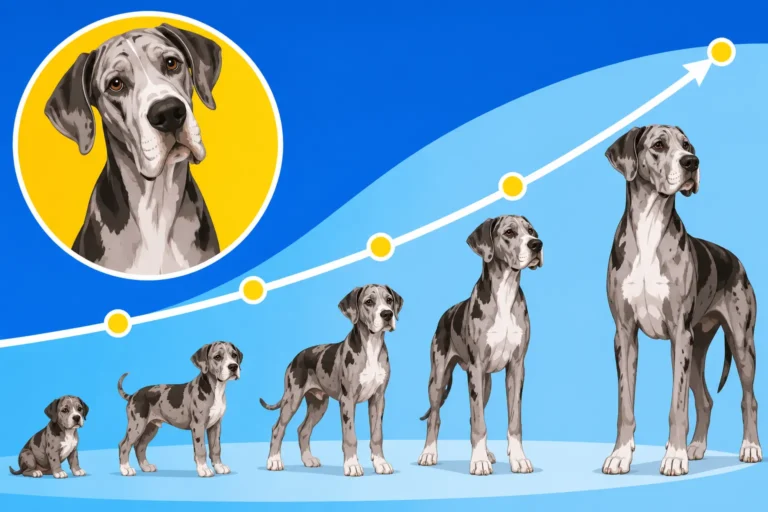
When you bring home a Great Dane puppy, you're signing up for a truly astonishing growth spurt. These pups go from a tiny bundle you can hold in one arm to a towering, majestic dog in a remarkably short amount of time. But here's the kicker: that rapid growth, while impressive, needs to be managed carefully through nutrition. Unlike smaller breeds that can often thrive on higher calorie, higher protein, and higher calcium puppy foods for longer periods, a Great Dane's system simply isn't built for that kind of accelerated development. The goal isn't to get them big as fast as possible; it's to get them big right.
Why "Regular" Puppy Food Isn't Enough (or Too Much)
This is where many well-meaning owners stumble. They see "puppy food" and assume it's universally good for all puppies. But typical puppy formulas, designed for medium or small breeds, often contain elevated levels of calories, protein, and critically, calcium and phosphorus. For a Great Dane, these higher nutrient densities can be a recipe for disaster. Why Regular Puppy Food Hurts a Great Dane is a crucial topic for understanding this. Imagine pushing a super-fast-growing plant to grow even faster; sometimes, the stems get weak. It's similar for a Great Dane puppy. Their bones and joints are developing at an incredible rate, and if you overload them with nutrients that force even faster growth, those developing structures can't keep up. The cartilage and bone tissue become compromised, leading to serious orthopedic issues down the line. It's counterintuitive, but for giant breeds, less "rich" food during puppyhood is actually more beneficial.
The Importance of Slow, Steady Growth
The mantra for Great Dane puppy feeding should always be "slow and steady wins the race." We're not talking about stunting their growth; we're talking about optimizing it. Why a Great Dane Puppy Should Grow Slowly is not just a suggestion, it’s a vital aspect of preventing debilitating conditions. By feeding a diet specifically formulated for large and giant breed puppies, you're providing appropriate, balanced nutrition that supports gradual bone and joint development. This controlled growth minimizes stress on their rapidly forming skeletal system, allowing bones and cartilage to mature correctly and robustly. It reduces the risk of developmental orthopedic diseases that are all too common in Great Danes. Instead of aiming for the heaviest or tallest puppy, you should be aiming for a lean, healthy puppy that reaches its adult size in due time, usually around 18-24 months, but on its own terms, not forced by an overly rich diet.
Understanding Large Breed Puppy Formulas
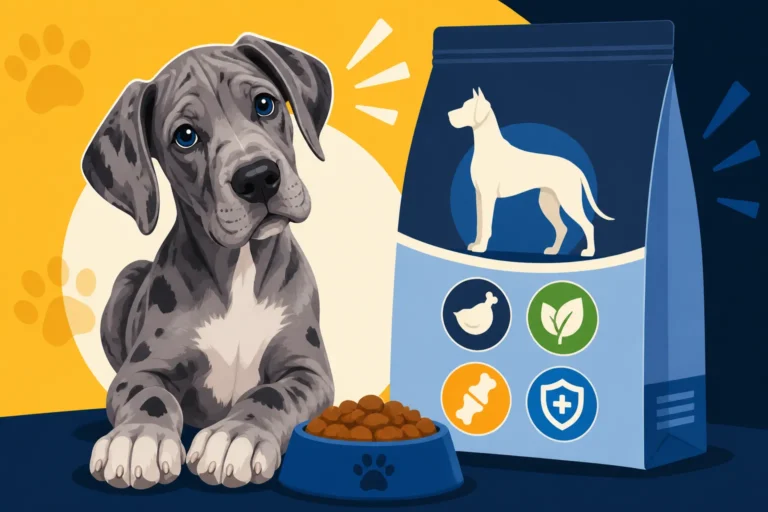
So, if regular puppy food is out, what should you be feeding your Great Dane puppy? The answer lies in specialized large breed puppy formulas. These foods are designed with the unique, extended growth phase of giant breeds in mind. They recognize that a Great Dane puppy isn't just a bigger version of a Labrador puppy; they have distinct needs that generic formulas simply don't meet. The market has evolved to offer excellent choices, often found at pet supply stores like Chewy, or from specialized brands that focus on canine nutrition.
What to Look For in a Great Dane Puppy Food
When you're scrutinizing those bags of kibble, don't just look at the catchy marketing. Dive into the guaranteed analysis. For a large breed puppy food suitable for a Great Dane, you're looking for specific ranges for calcium and phosphorus, as well as protein and fat.
Here's a general guideline for what to look for, though always follow your veterinarian's specific advice and the manufacturer's recommendations for giant breeds:
| Nutrient | Ideal Range (Dry Matter Basis) | Why it Matters for Great Danes |
|---|---|---|
| Protein | 23-28% | Supports muscle development without excessively rapid growth. Too high can contribute to growth disorders. |
| Fat | 12-16% | Provides necessary energy but in a controlled manner to prevent excessive weight gain, which stresses joints. |
| Calcium | 1.0-1.5% (ideally closer to 1.2%) | Crucial for bone development. Too high accelerates bone growth and can lead to skeletal deformities. |
| Phosphorus | 0.8-1.2% | Works with calcium. The calcium-to-phosphorus ratio should be between 1.1:1 and 1.3:1. |
| DHA | Present | Beneficial for brain and eye development. |
| Glucosamine/Chondroitin | Often added, but not strictly necessary in a puppy food if other nutrients are balanced. | May support joint health, but primary focus is balanced growth. |
What to Look For on a Great Dane Puppy Food Bag is a fantastic resource to help you decode those labels. Some brands specifically formulate for "Giant Breed Puppies," which takes much of the guesswork out. Companies like Purina Pro Plan, Royal Canin, and Eukanuba often have excellent large/giant breed puppy formulas that adhere to these guidelines. Even fresh food companies, like Ollie, have begun tailoring meal plans to specific breed sizes and ages, offering an alternative for those seeking different dietary approaches, though volume can be a real consideration for a Great Dane.
When to Transition from Puppy to Adult Food
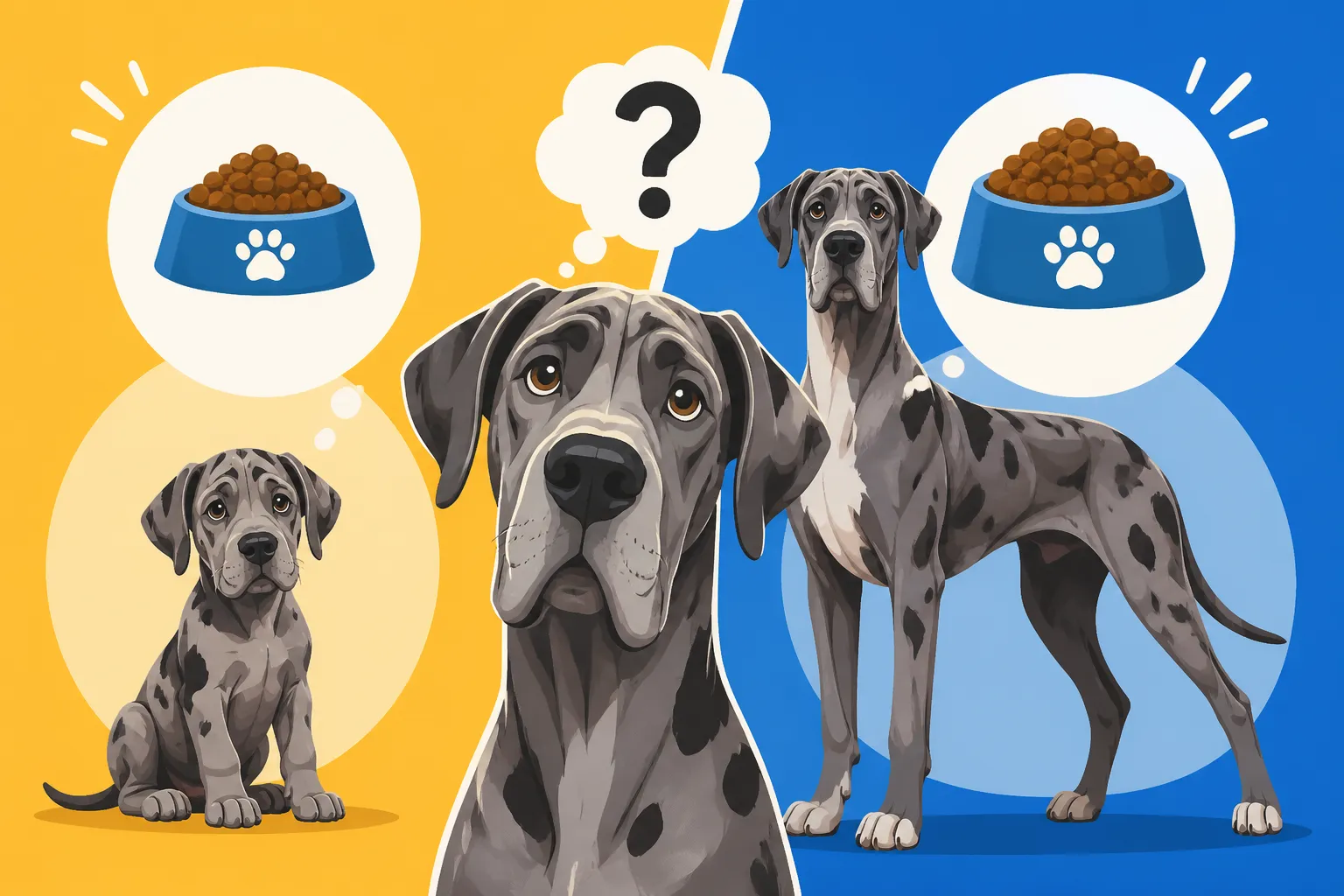
Here's the often-misunderstood part of the question: when to transition. For Great Danes, you typically transition from a large breed puppy formula to a large breed adult formula somewhere between 12 to 18 months of age, sometimes even earlier if your vet recommends it based on your dog's individual growth curve. It's rarely as late as two years old for the full transition, although they continue to "fill out" for that second year.
The key is that they are transitioning off a puppy formula that, even if large breed specific, still has growth-oriented nutrient levels. Switching to an adult formula means a slight reduction in calories, protein, and often calcium and phosphorus, further ensuring that their skeletal system continues to mature without being overstimulated. This transition isn't a hard and fast rule set in stone for every single Great Dane, so regular check-ups with your vet are essential to gauge their development and make an informed decision together. Your vet can look at their overall health, body condition score, and growth plate closure to guide you on the best timing.
Risks of Improper Feeding During Growth
Ignoring the specific nutritional needs of a Great Dane puppy isn't just a minor oversight; it can have profound, lifelong consequences. The rapid growth period is a critical window where nutritional imbalances, particularly an excess of certain minerals and calories, can literally warp their development. It’s a sad reality that many Great Danes suffer from preventable joint and bone problems due to inappropriate feeding during their formative months.
Orthopedic Issues Linked to Rapid Growth
When a Great Dane puppy grows too quickly, it places immense strain on their developing bones and joints. Their cartilage, which is still forming and relatively soft, can't keep up with the rate of bone elongation, leading to a host of painful and debilitating conditions. These include:
- Osteochondrosis Dissecans (OCD): This is a condition where cartilage in the joints fails to mature properly, resulting in a thick flap that can detach and cause pain, lameness, and ultimately arthritis. Shoulders, elbows, and knees are common sites.
- Hypertrophic Osteodystrophy (HOD): Hypertrophic Osteodystrophy in a Great Dane is a painful inflammatory condition affecting the growth plates of long bones, typically seen in rapidly growing large and giant breed puppies. It causes severe lameness, fever, and swelling around the joints, often described as "growing pains" but far more serious.
- Panosteitis (Pano): Also known as "growing pains," this condition causes shifting lameness in the long bones. While often self-limiting, it can be very painful and is more common in fast-growing pups.
- Hip and Elbow Dysplasia: Although largely genetic, environmental factors like rapid growth and excessive weight can exacerbate or even trigger the manifestation of these conditions. Great Dane Hips, Elbows and Growing Joints are delicate, and nutritional stress can make them worse. If your Great Dane puppy is Swollen Painful Joints in a Great Dane Puppy, nutritional imbalance could be a factor, and a vet visit is imperative.
These conditions aren't just uncomfortable; they can significantly impact a Great Dane's quality of life and lead to expensive veterinary interventions down the road. The goal of slow, controlled growth through proper nutrition is to help prevent or minimize the severity of these heartbreaking issues.
The Dangers of Calcium and Other Supplements
It might seem logical to give a growing giant dog extra calcium for strong bones, right? Wrong. This is perhaps one of the most dangerous myths in Great Dane puppy care. Whether a Great Dane Puppy Needs Bone Supplements is a resounding "no" unless specifically prescribed by a veterinarian for a diagnosed deficiency, which is rare.
Excess calcium intake during the critical growth phase disrupts the delicate balance of calcium and phosphorus in the body. It interferes with bone remodeling, where old bone is broken down and new bone is formed, and can actually lead to skeletal abnormalities, including some forms of hip and elbow dysplasia, as well as contributing to OCD and HOD. Commercial large breed puppy foods are already carefully formulated to provide the correct amount of calcium and phosphorus, so adding more through supplements, dairy, or even certain human foods can throw everything off balance. Stick to the scientifically formulated diet and trust that it provides what your giant breed puppy truly needs.
Monitoring Your Great Dane's Condition
Feeding your Great Dane puppy isn't a set-it-and-forget-it task. Their needs change rapidly as they grow, and you need to be constantly vigilant about their body condition and overall health. Regular assessments at home and consistent veterinary check-ups are key to ensuring they're on the right track.
How to Assess Body Condition Score
One of the most valuable tools you have as an owner is your own eyes and hands. Learning to assess your Great Dane's body condition score (BCS) can tell you if they're too thin, too heavy, or just right. This isn't about the number on the scale as much as it is about their physical shape.
Here’s a quick guide to checking your Great Dane’s BCS:
- Ribs: Gently run your hands along their sides. You should be able to feel their ribs easily, like feeling the knuckles on the back of your hand, but not see them protruding sharply, which indicates being too thin. If you have to press hard to feel them, they're likely carrying too much weight.
- Waist: Look down at your Great Dane from above. You should see a distinct "tuck" in behind their ribs, creating a visible waistline. If they're barrel-shaped with no discernible waist, they're likely overweight.
- Abdominal Tuck: Look at them from the side. Their belly should tuck up slightly from their chest to their hind legs, not hang low or be straight across like a table.
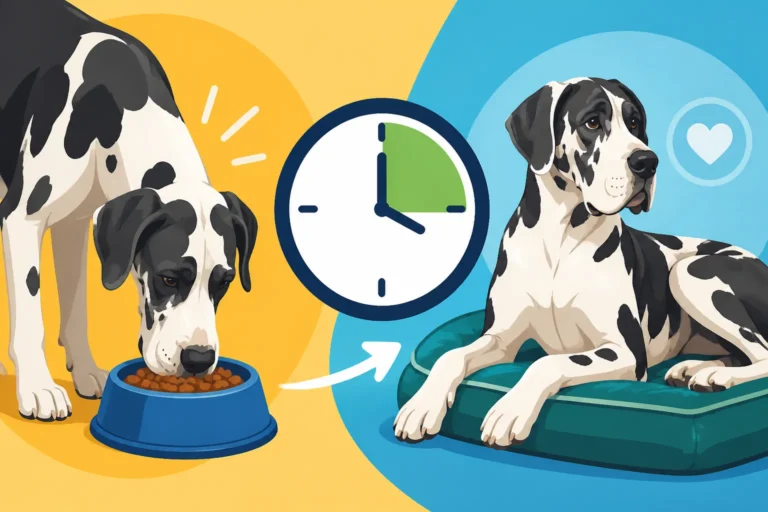
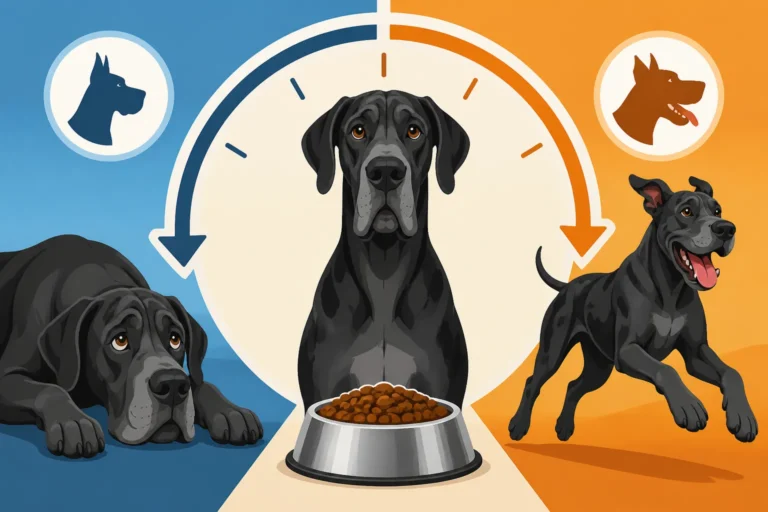
A lean puppy is a healthy puppy, especially a giant breed puppy. You want to see that lean athleticism, not a plump, round figure. Reading Ribs on a Great Dane provides even more detailed guidance on this essential skill. If you find your Great Dane is getting a bit chunky, you might need to re-evaluate The Calorie Load a Great Dane Actually Needs or adjust their How Many Meals a Great Dane Puppy Eats a Day schedule, always in consultation with your vet.
Consulting Your Veterinarian
Ultimately, your veterinarian is your most important partner in your Great Dane's health journey. They have the expertise to assess your specific puppy's growth rate, bone development, and overall health. They can weigh in on specific food choices, advise on when to transition from a large breed puppy formula to an adult one, and help you troubleshoot any issues that arise.
Don't hesitate to ask them if your puppy is Whether a Great Dane Puppy Is Growing Too Fast or if their current diet is ideal. They can discuss The Great Dane Growth Curve Month by Month and compare your pup to typical healthy development. Regular vet visits, especially during the critical first 18-24 months, are not just for vaccinations; they're vital for monitoring growth and development. If you're ever in doubt about feeding, weight, or any aspect of your Great Dane's health, pick up the phone and talk to your vet. They are there to help you give your magnificent companion the best start possible.
Disclaimer
This article is for general informational purposes only and does not constitute professional advice. Laws, prices and regulations vary by location and change over time. Consult a qualified professional for guidance on your specific situation.