A Great Dane Puppy That Refuses Food
It's incredibly stressful and anxiety-inducing when your magnificent Great Dane puppy, who you expect to be a bottomless pit, suddenly turns its nose up at food. You’re pouring over expensive kibble, coaxing them with treats, and watching their ribs ever so slightly, wondering if something is terribly wrong. This guide is here to walk you through the reasons why your Great Dane puppy might be refusing food and what steps you can take to get them back to healthy, enthusiastic eating.
Understanding Why a Great Dane Puppy Might Turn Up Its Nose
One minute your Great Dane puppy is happily devouring their meals, and the next, they're looking at their bowl like it's a foreign object. For such a large breed, known for their impressive appetites as they grow, this can be incredibly alarming. It’s natural to jump to the worst conclusions, especially when you know how sensitive these giants can be. But before panic sets in, let's break down the common culprits, from minor issues to more serious concerns, so you can approach the problem systematically.
The "Finicky Eater" Myth vs. Real Concerns
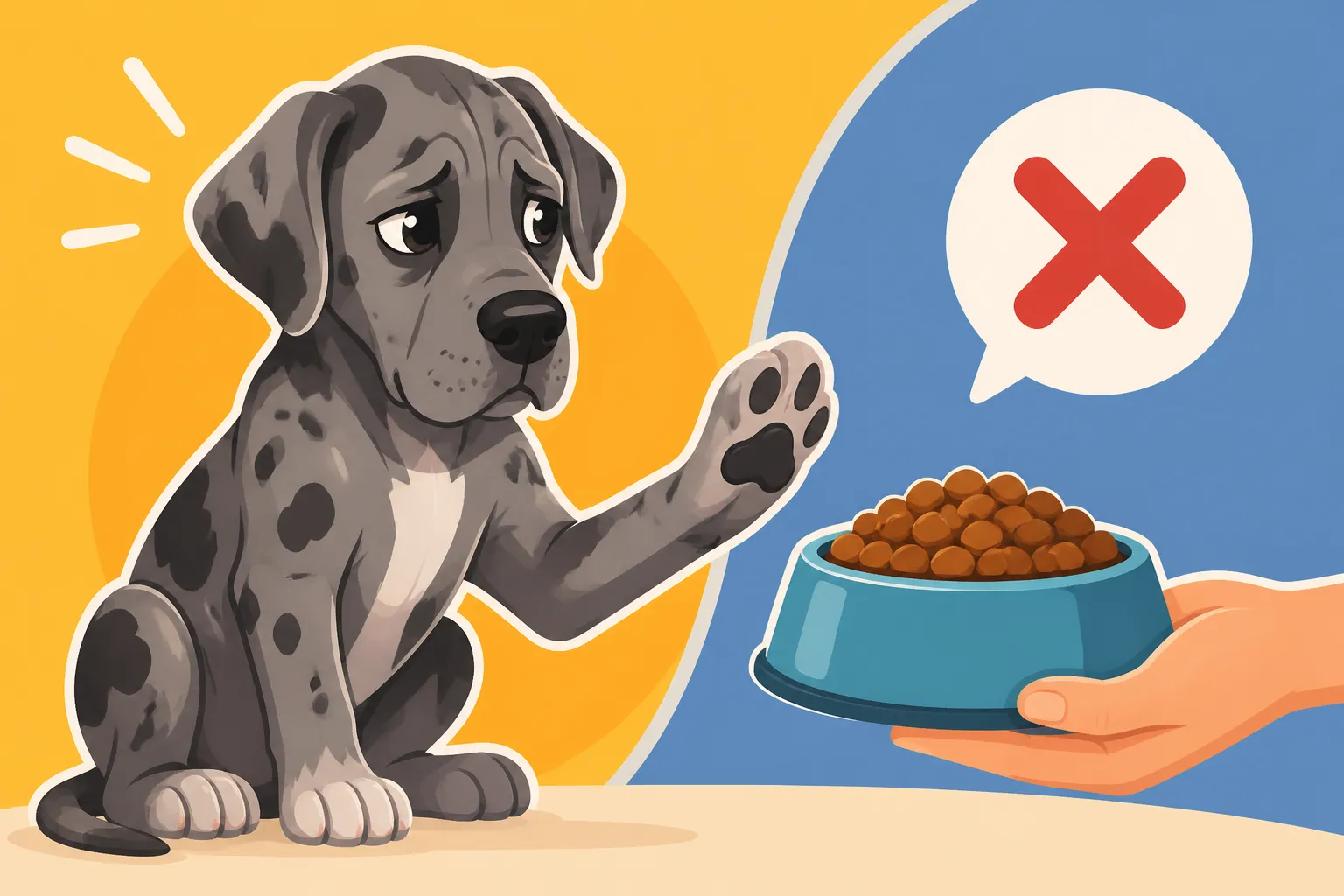
Great Danes, by and large, are not known for being finicky eaters. When a tiny terrier decides to skip a meal, it might be a quirk. When a growing Great Dane puppy, who needs every calorie to fuel their colossal development, does it, it's usually a red flag. Your puppy isn't trying to be difficult; their refusal to eat almost always signals that something is off, even if it's subtle. This isn't a breed that plays games with its food, so take their reluctance seriously.
Imagine bringing home your beautiful blue Great Dane puppy, and for the first few days, they’re eating with gusto, clearing their bowl in minutes. Then, on day four, they just sniff it, maybe take one piece, and walk away. Your heart sinks. You try warming it, adding a little water, even hand-feeding, but nothing works. This isn't normal puppy behavior for a Dane, and it's a clear sign that you need to investigate. Ignoring it, even for a day, can have consequences for a breed that grows so rapidly and relies on consistent nutrition.
It's tempting to think they'll "eat when they're hungry," but with a Great Dane puppy, especially in those critical first few months, missing meals consistently can impact their delicate growth plate development. We're talking about a puppy that could reach half its adult weight by six months, and that kind of growth needs steady, appropriate fuel. Don't fall into the trap of dismissing it as pickiness; instead, approach it as a mystery to solve.
Common Medical Reasons for Appetite Loss
When a Great Dane puppy stops eating, your first thought should always be their health. There are numerous medical reasons why a puppy might lose its appetite, ranging from mild discomfort to serious conditions. Pain is a huge appetite suppressant for dogs, just as it is for us. They can't tell you they have a tummy ache or a sore joint, but refusing food is often their clearest communication.
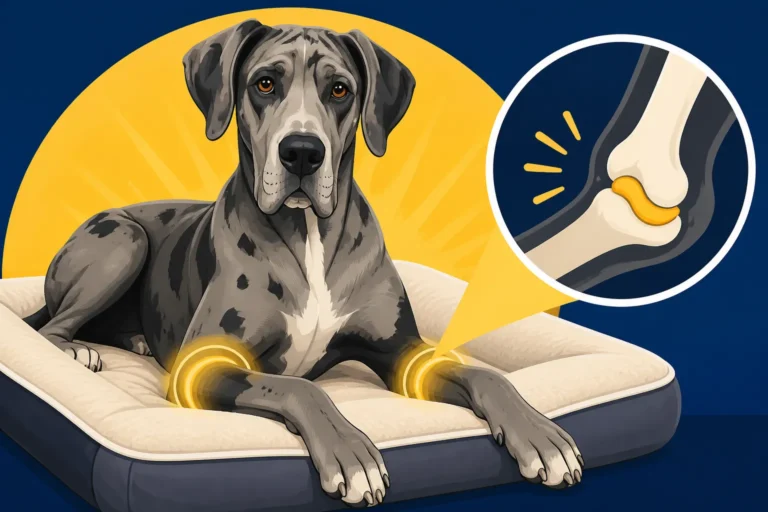
Gastrointestinal upset is a very common culprit. This could be anything from a mild bacterial imbalance, a sudden change in food, or even a foreign object they've ingested (and let's be honest, Dane puppies are masters of finding and swallowing things they shouldn't). Parasites, both internal like worms and external like fleas causing anemia, can also significantly impact appetite. Less obvious issues like dental pain from erupting teeth, a developing infection, or even a subtle lameness making them uncomfortable can also cause them to turn away from their meal. It’s critical to remember that Swollen Painful Joints in a Great Dane Puppy can be a serious issue that impacts their overall wellbeing, including their desire to eat.
In more serious cases, especially with Great Danes, you have to be vigilant for signs of bloat, even in puppies. While more common in adults, the risk is always there. If your puppy is not eating and also showing signs like pacing, restlessness, attempting to vomit but bringing nothing up, or a distended belly, this is an immediate emergency. We’ll discuss bloat more later, but for now, understand that any accompanying symptoms with appetite loss necessitate an urgent vet visit.
Behavioral and Environmental Factors
Sometimes, the reason a Great Dane puppy isn't eating isn't medical at all, but stems from stress or changes in their environment. These gentle giants are often more sensitive than their imposing size might suggest. A new home, a change in routine, or even a stressful event can throw them off their feed. Moving to a new house, a new family member, or even just rearranging the furniture can be unsettling enough to affect their appetite.
Consider a scenario where you've just brought your puppy home. The first few days are a whirlwind of new smells, sights, and sounds. They might eat fine initially, fueled by nervous energy, but then the stress catches up. Or perhaps your puppy is experiencing separation anxiety when left alone, and mealtime coincides with a period of loneliness. Even something as simple as a new, loud appliance in the kitchen, or another pet trying to eat from their bowl, can be enough to deter a sensitive Dane.
Overfeeding or too many treats can also inadvertently lead to a refusal of regular meals. If your puppy is getting a steady stream of training treats, table scraps, or has constant access to food, they might simply not be hungry for their actual meals. Remember, treats are meant to be special, not a replacement for a balanced diet. Pay attention to how often you're offering these extras, as it could be inadvertently sabotaging their main meal intake.
What to Do When Your Great Dane Puppy Won't Eat
Discovering your Great Dane puppy isn’t eating can feel like hitting a brick wall. Your instinct might be to panic, but a calm, methodical approach is far more beneficial for both you and your furry friend. The most important thing is to observe closely and act swiftly, especially given the rapid growth and specific nutritional needs of Great Dane puppies. Remember, these magnificent creatures have a lot of growing to do, and consistent, proper nutrition is key to their healthy development.
Immediate Steps and Veterinary Consultation
First things first: observe your puppy. Is the lack of appetite the only symptom? Or are there other red flags? Check for lethargy – are they still playing, or are they unusually tired and listless? Are they vomiting or having diarrhea? Any blood in their stool or vomit? Are their gums pink and moist, or pale and sticky (a sign of dehydration)? Gently press on their belly – is it soft or hard and distended? A distended belly, coupled with unproductive retching, pacing, or general discomfort, especially in a Great Dane, is a screaming emergency that could indicate bloat. This is a life-threatening condition, and How Many Minutes a Bloating Great Dane Has often translates to minutes, not hours, to get to an emergency vet.
If you observe any of these additional symptoms, or if your puppy has gone more than 12-24 hours without eating, especially if they are very young, pick up the phone and call your veterinarian immediately. Do not wait to see if it "gets better." Explain all your observations clearly. Your vet may advise you to bring your puppy in right away. Timely veterinary intervention can make all the difference, particularly with a breed as prone to certain serious conditions as the Great Dane. A quick check-up can rule out serious issues or catch them early when treatment is most effective.
Tempting a Reluctant Eater
If your puppy seems otherwise normal – playful, bright-eyed, no vomiting or diarrhea – and your vet isn't recommending an immediate visit, you can try some gentle methods to encourage eating. Start with a bland diet. Boiled plain chicken (no skin, no bones, no seasoning) mixed with plain white rice is often recommended. This is easy on their digestive system and generally appealing. Offer small portions. Another trick is to warm their regular kibble slightly. You can add a little warm water, low-sodium chicken or beef broth (check ingredients to ensure no onion or garlic!), or even a small dollop of plain canned pumpkin. The warmth often enhances the aroma, making it more enticing.
Avoid forcing food on your puppy. This can create a negative association with mealtime and increase their stress. Instead, offer the tempting food, leave it down for 10-15 minutes, and if they don’t eat, pick it up. Do not offer more food until the next scheduled mealtime. This creates a bit of hunger and teaches them that food is available at specific times. If your puppy is still not eating after a day of trying these methods, even if they seem otherwise fine, it's time for that vet visit. Sometimes, even seemingly minor issues need a professional eye.
Remember that when feeding a Great Dane puppy, How Many Meals a Great Dane Puppy Eats a Day can vary, but generally, smaller, more frequent meals are better for digestion and overall health, especially to minimize bloat risk. If you've been feeding only once or twice, try breaking it into three or four meals.
Adjusting the Feeding Routine and Environment
Sometimes, a slight adjustment to the feeding routine or environment can make all the difference. Great Dane puppies can be sensitive to their surroundings, and a bustling, noisy kitchen might be too distracting or overwhelming. Try feeding your puppy in a quiet, low-traffic area where they feel safe and undisturbed. This could be a designated corner, their crate, or even a separate room if you have one.
Consider if other pets or even family members are inadvertently adding stress to mealtime. If you have other dogs, feed them separately to eliminate any competition or perceived threat. Even if your other dog is perfectly friendly, some puppies feel more secure eating alone. Whether a Great Dane Should Eat Alone is often a good practice to ensure they can relax and focus on their food. If you're free-feeding (leaving food out all day), stop. This can lead to grazing, a less enthusiastic appetite, and it makes it much harder to monitor how much they are actually eating. Establish a consistent feeding schedule – offer food at the same times each day. This helps regulate their digestive system and builds a predictable routine they can rely on.
Lastly, evaluate their bowls. Are they clean? Is the material comfortable for their face? Some dogs prefer ceramic or stainless steel over plastic. While the "raised bowl" argument is often discussed regarding bloat risk (and can be contentious), simply ensuring the bowl is stable and at a comfortable height for your growing giant can sometimes help, especially if they are experiencing any joint discomfort that makes bending down painful.
Long-Term Strategies for Healthy Eating Habits
Once you’ve tackled the immediate concern of your Great Dane puppy refusing food and ruled out any serious medical issues, it’s time to focus on establishing long-term healthy eating habits. This isn't just about getting them to eat something; it's about ensuring they get the right nutrition for their unique needs as a giant breed. Proper feeding from puppyhood can dramatically impact their adult health, especially concerning their joints and overall lifespan.
Choosing the Right Food for Giant Breed Puppies
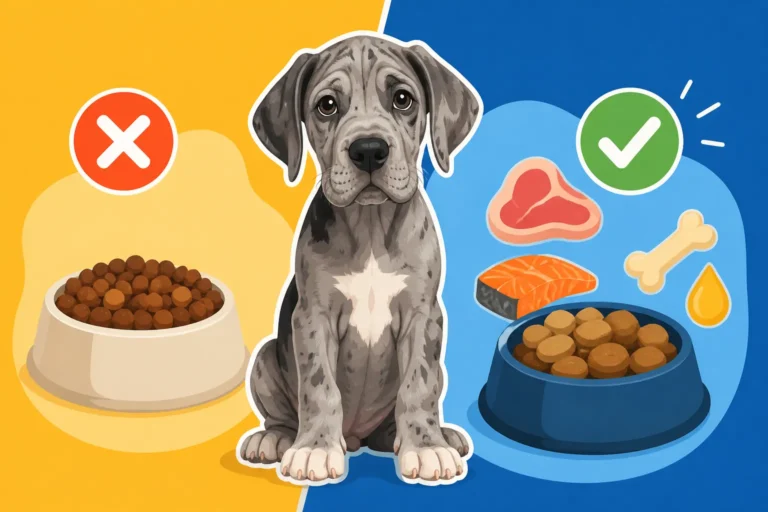
This is perhaps the most critical component of feeding a Great Dane puppy. You simply cannot feed them standard puppy food. Great Danes have specific nutritional requirements, particularly regarding growth and skeletal development. They need a diet that promotes slow, steady growth, not rapid weight gain. Look for formulas specifically labeled "large breed puppy" or "giant breed puppy." These foods are formulated with lower protein, fat, and crucially, carefully controlled calcium and phosphorus levels.
Why is this so important? Why Regular Puppy Food Hurts a Great Dane is because typical puppy food often has higher calorie and calcium content, which can cause Great Dane puppies to grow too quickly. This rapid growth puts immense strain on their developing bones and joints, increasing their risk for orthopedic problems like hip and elbow dysplasia, osteochondrosis (OCD), and hypertrophic osteodystrophy (HOD). You want your puppy to fill out, yes, but at a controlled, natural pace. You might find appropriate options on sites like Chewy, which often have a wide selection of specialized diets, or even explore fresh-food options like Ollie, though you'll need to confirm their giant-breed specific formulations and calorie counts.
When you're looking at a food bag, pay close attention to the guaranteed analysis. What to Look For on a Great Dane Puppy Food Bag includes a calcium content typically between 1.0-1.5% (dry matter basis), and a calcium-to-phosphorus ratio between 1.1:1 and 1.3:1. It sounds technical, but it’s vital. Avoid any calcium supplements unless specifically directed by your vet, as Why Calcium Supplements Damage a Great Dane by throwing off this delicate balance, causing more harm than good. Your breeder should have provided guidance, and your vet can help you decode labels if you're unsure.
Establishing a Consistent Feeding Schedule
Consistency is key, not just for house-training but for establishing healthy eating habits and minimizing health risks. Great Dane puppies should ideally be fed multiple, smaller meals throughout the day, rather than one or two large ones. This is crucial for two main reasons: digestion and bloat prevention. A very young puppy might eat three to four times a day, gradually reducing to two or three meals as they get older.
Consider your puppy's routine. Waking up, going out to potty, then breakfast. A mid-day meal. An early evening meal. This predictability helps their digestive system regulate itself and minimizes the stomach being overly full at any one time, which is a known risk factor for bloat. The Feeding Routine That Lowers Great Dane Bloat Risk emphasizes this structured approach, often recommending waiting at least an hour before and after meals for any strenuous activity or extensive play.
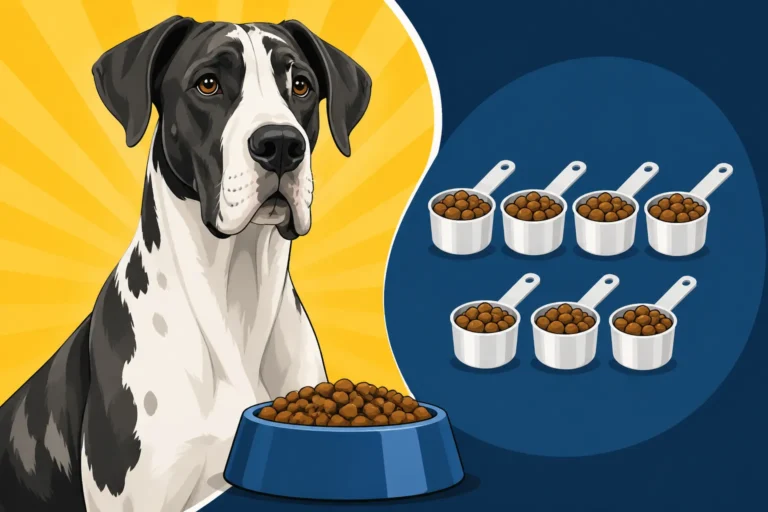
Free-feeding, where food is left out all day, is a definite no-go for Great Danes. It makes it impossible to monitor their actual intake, contributes to erratic eating habits, and doesn't train them to eat at specific times, which is important for managing bloat risk. Sticking to a schedule means you can accurately Weighing a Great Dane's Ration and ensure they are getting the correct amount of calories for their growth stage, which is paramount for a growing giant breed puppy.
Monitoring Growth and Condition, Not Just Appetite
Beyond just getting your puppy to eat, you need to monitor how they are growing and their overall body condition. A healthy Great Dane puppy isn't necessarily a chunky one; in fact, being slightly lean is often preferred to prevent joint stress. You should be able to easily feel your puppy's ribs with slight pressure, but not see them prominently. Their waist should tuck in slightly when viewed from above.
Regularly assessing their body condition is far more important than their weight in isolation. You can learn to Reading Ribs on a Great Dane to gauge if they're at a healthy weight, underweight, or overweight. Your vet can also help you with this during check-ups. Remember, the goal is Why a Great Dane Puppy Should Grow Slowly, so don't be tempted to overfeed to make them "bigger." Bigger isn't always better, especially when it comes to their long-term orthopedic health.
Keep an eye on their energy levels, coat condition, and stool quality as well. These are all indicators of good health and proper nutrition. If their coat is dull, they have loose stools, or their energy levels drop, even if they are eating, it might indicate an issue with nutrient absorption or the food itself. Your veterinarian will also be monitoring The Great Dane Growth Curve Month by Month during their check-ups, ensuring they are tracking well for their breed and age.
| Symptom | Possible Cause | Action to Take |
|---|---|---|
| Refusing food, otherwise normal | Stress, new environment, mild upset, picky | Offer tempting bland food, consistent schedule, quiet feeding spot. Monitor for 24 hours. |
| Refusing food + lethargy, vomiting, diarrhea, fever | Gastrointestinal upset, infection, parasites, pain | Contact vet immediately. Do not delay. |
| Refusing food + pacing, restlessness, distended belly, unproductive retching | Bloat (GDV) – Emergency! | Rush to emergency vet immediately. This is life-threatening. |
| Refusing food, then eating less later | Too many treats, free-feeding, overfeeding | Cut out extra treats, establish strict meal times, pick up food after 15 mins. |
| Slow growth, dull coat | Inappropriate food, malabsorption, parasites | Consult vet about diet, deworming, or further diagnostics. |
When to Worry: Red Flags You Can't Ignore
As a Great Dane owner, you quickly learn to be hyper-vigilant about certain health issues, and a puppy refusing food can be the first, and sometimes only, sign of something critical developing. While we’ve covered some common reasons and initial steps, it's absolutely vital to know when to shift from observation and home remedies to immediate professional help. The sheer size and rapid growth rate of Great Danes mean that issues can escalate quickly, and early intervention can literally be a lifesaver.
Signs Beyond Just Refusing Food
A Great Dane puppy merely skipping a single meal might not be cause for outright panic, but when that refusal is accompanied by other symptoms, your internal alarm bells should be clanging. This isn't a small dog that can easily go a day without food; their metabolic needs are immense. If your puppy is not eating and also experiencing vomiting, especially repetitive vomiting or dry heaving, that's a serious concern. Diarrhea, particularly if it's severe, watery, or contains blood or mucus, indicates significant gastrointestinal distress.
Lethargy is another critical red flag. Is your usually playful, bouncy puppy now lying around, uninterested in toys or interaction? Are they struggling to get up, or walking with an uncoordinated gait? Any sign of pain, such as whimpering, guarding their belly, or limping, in conjunction with appetite loss, means you need veterinary attention, and fast. Don’t wait it out. A change in gum color (pale or bluish), excessive drooling, or difficulty breathing are also emergency indicators that warrant an immediate trip to the vet, regardless of whether they've eaten. These signs, especially in a breed as prone to rapid deterioration as a Great Dane, are non-negotiable reasons to seek help.
Understanding Bloat Risk in Great Danes
We simply cannot talk about a Great Dane refusing food without addressing the elephant in the room: bloat, or Gastric Dilatation-Volvulus (GDV). While typically more common in adult Great Danes, puppies are not entirely immune, particularly as they approach adolescence. Bloat is an incredibly rapid and fatal condition where the stomach fills with gas and can then twist upon itself, cutting off blood supply.
If your Great Dane puppy refuses food and is also pacing restlessly, repeatedly trying to vomit but producing nothing (dry heaving), drooling excessively, or if their abdomen appears swollen and hard, do not hesitate. These are classic signs of bloat. Every minute counts. Bloat in a Great Dane and the One in Three Odds highlight just how prevalent and deadly this condition is for the breed. Do not try to "wait and see." Do not try home remedies. Get your puppy to an emergency veterinary clinic immediately. This is one scenario where the time you spend driving could literally be the difference between life and death for your beloved companion.
Persistent Pickiness vs. Underlying Issues
What if your puppy seems fine, but just consistently snubs certain foods or is chronically a "light eater"? This can be frustrating, especially when you're trying to ensure they get all the nutrients they need for proper growth. If you’ve exhausted all options with your primary veterinarian, and they've ruled out all common medical causes, you might consider asking for a referral to a veterinary internal medicine specialist or a veterinary nutritionist.
A specialist can delve deeper into subtle issues that might be missed in a general check-up, such as malabsorption problems, chronic low-grade inflammation, or even rare metabolic conditions. A veterinary nutritionist can help you formulate a highly palatable and perfectly balanced diet tailored specifically to your Great Dane puppy's unique needs, taking into account their growth stage, activity level, and any sensitivities. Sometimes, they might recommend specific brands (which you can often find through retailers like Amazon for specialized diets) or even home-prepared diets under strict guidance. While it might seem like a lot for a "picky" eater, a Great Dane's health trajectory, and indeed The Seven to Ten Year Great Dane Lifespan, is heavily influenced by their early nutrition. Don't dismiss persistent eating issues as mere pickiness without thoroughly investigating underlying causes.
Disclaimer
This article is for general informational purposes only and does not constitute professional advice. Laws, prices and regulations vary by location and change over time. Consult a qualified professional for guidance on your specific situation.