How Long to Wait After a Great Dane Eats
The moment your beloved Great Dane finishes their meal, a silent countdown often begins in the back of every owner's mind. It's not just about letting their food settle; for our magnificent giants, it's about a very real and terrifying risk known as bloat. Understanding how long to wait after a Great Dane eats before engaging in various activities isn't just a suggestion; it's a critical part of responsible Dane ownership, and this guide is here to help you navigate those crucial post-meal hours.
The Shadow of Bloat: Why Waiting Matters for Great Danes
Let's not sugarcoat it: Gastric Dilatation-Volvulus, or GDV, commonly known as bloat, is the number one health concern for Great Dane owners. It's a terrifying, life-threatening condition where the stomach fills with gas and then twists upon itself, cutting off blood supply. This isn't just a tummy ache; it's an emergency that can kill a dog in hours. The deep, narrow chest conformation of Great Danes makes them particularly susceptible, and activities immediately following a meal are often implicated as a potential trigger. The anxiety this causes among us Dane owners is palpable, and for good reason. It’s why we need to be extra vigilant about mealtime routines.
What is GDV and Why Great Danes are Vulnerable
Imagine a balloon filling with air, then imagine it tied off and twisting violently. That's essentially what happens with GDV. The stomach rapidly expands with gas, fluid, or food, then it rotates, pinching off both the entry (esophagus) and exit (duodenum). This traps everything inside, preventing burping or vomiting, and quickly leads to shock. The Great Dane’s deep chest, often described as barrel-like, provides ample space for the stomach to distend and twist, unlike breeds with shallower chests where organs are more tightly packed. This anatomical predisposition means we always need to have The Lifetime Bloat Risk in a Great Dane in the forefront of our minds. It's a cruel reality of owning these wonderful dogs, and it means we have to be proactive.
The Link Between Meals, Activity, and Bloat
While the exact cause of bloat is complex and multifactorial, vigorous activity shortly after eating is widely considered a significant risk factor. The theory is that a full stomach, especially with gas-producing foods, can swing and torque more easily when a dog is jumping, running, or rolling. Think about it: if you've just had a big meal, you're probably not going to immediately run a marathon. For a Great Dane, a sudden burst of activity post-meal could potentially destabilize that already vulnerable stomach. This isn't to say every single jump will cause bloat, but the cumulative risk is something we, as owners, need to mitigate. Understanding Whether Exercise After Meals Bloats a Great Dane is crucial for peace of mind and prevention.
General Guidelines for Post-Meal Waiting Times
So, how long is long enough? There's no absolute, universally agreed-upon magic number, but veterinary consensus and years of Great Dane owner experience point to a clear window of caution. Our goal is to allow gravity and normal digestion to do their work before introducing anything that might jostle that vital organ.
The Golden Hour (or Two!)
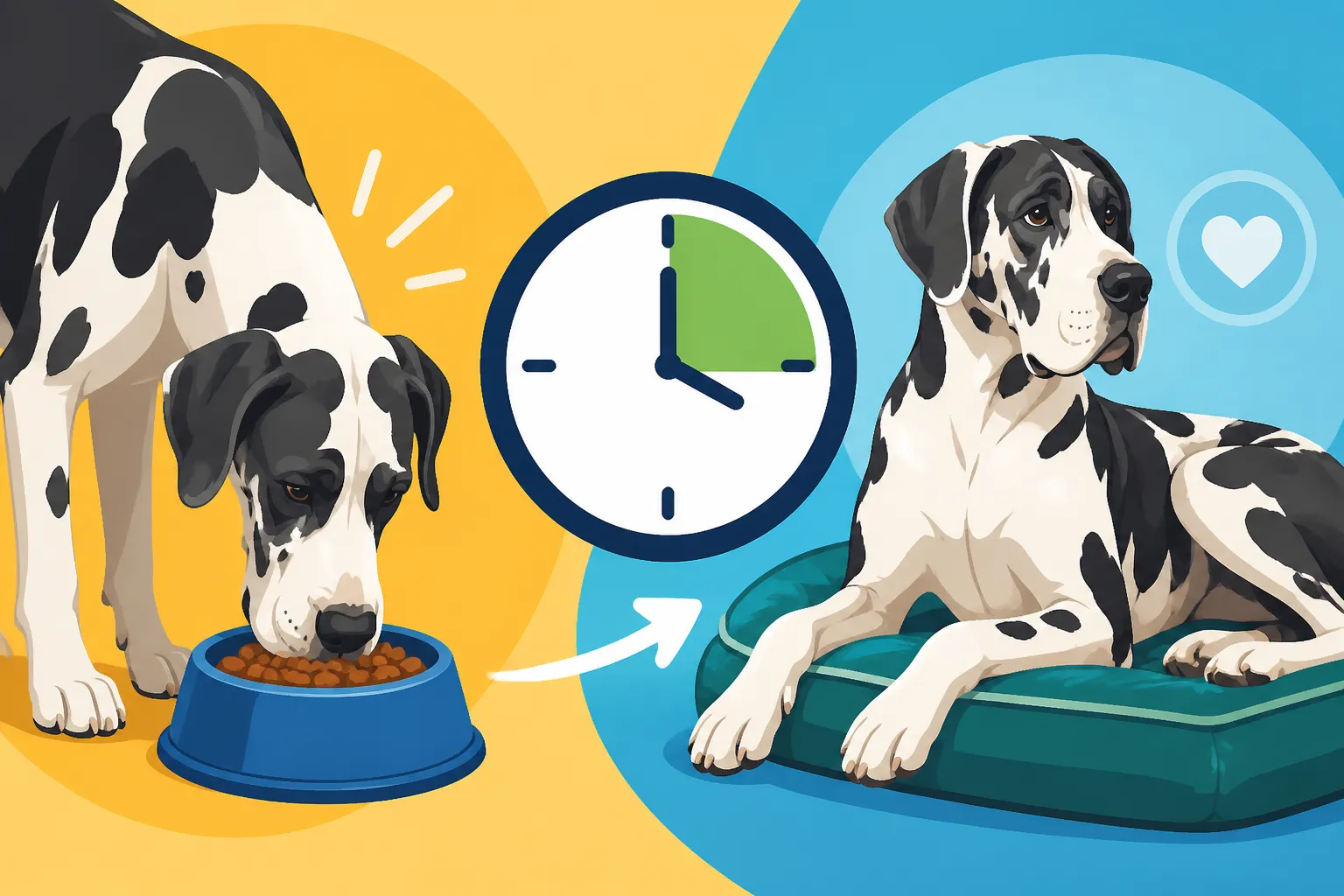
For most adult Great Danes, a minimum waiting period of 1-2 hours after a meal is highly recommended before any significant activity. During this time, your Dane should be encouraged to simply relax. This means no enthusiastic games of fetch, no roughhousing with other dogs or children, and no sudden sprints. Picture a lazy Sunday afternoon – that's the vibe you're aiming for. This allows the stomach to begin processing food and gas to pass naturally, reducing the chances of any dangerous gastric acrobatics.
For puppies, especially those growing rapidly, some owners extend this even further, aiming for closer to 2.5-3 hours, particularly after their main meals. This extra caution is due to their still-developing bodies and sometimes boundless energy. It might feel like a long time to keep a rambunctious puppy still, but it's a small price to pay for their safety.
Gentle Activities vs. Strenuous Play
It's important to distinguish between "activity." A gentle, leashed potty break in the backyard is usually fine after 30-60 minutes, provided your Great Dane isn't pulling on the leash or launching into a full-speed run. We're talking about a calm stroll to do their business, then back inside for more relaxation.
On the other hand, anything that involves high impact, twisting, jumping, or intense running should be strictly avoided for the full 2-3 hour period. This includes:
- Dog park visits: Too unpredictable, too much chance for sudden sprints and turns.
- Fetch or tug-of-war: These games involve quick movements and often jumping.
- Stairs: While not always avoidable, try to limit vigorous stair climbing immediately after eating.
- Roughhousing with people or other pets: This can get intense quickly and involve body slams or rapid changes in direction.
- Agility training or similar sports: Definitely wait the full recommended time.
A good rule of thumb is: if it makes them pant heavily or changes their gait from a walk to a run, it's too much too soon.
Waiting After Water Consumption
While food is the primary concern, some Great Dane owners also worry about water intake. Gulping down large quantities of water rapidly can also distend the stomach. Many suggest waiting at least 30 minutes to an hour after a large drink before strenuous exercise, especially if your Dane tends to guzzle water. Providing smaller, more frequent access to water, rather than one huge bowl after a long walk, can help. Some Great Dane owners even go so far as to remove water bowls for a short period (15-30 minutes) immediately after a meal, especially if their dog is a known water guzzler, reintroducing it slowly.
Here's a quick reference table for common post-meal activities:
| Activity Type | Recommended Waiting Time (Post-Meal) | Notes |
|---|---|---|
| Gentle Potty Break (leashed) | 30-60 minutes | Calm walk, no running, avoid excitement. |
| Light, Calm Walk (leashed) | 1-2 hours | Gentle pace, on-leash only, minimal pulling. |
| Strenuous Exercise/Play | 2-3 hours (minimum) | Running, jumping, roughhousing, dog parks, intense training. |
| Training Session (low impact) | 1-2 hours | Mental work is fine, avoid physical exertion. |
| Car Ride (short & calm) | 30-60 minutes | Ensure dog is settled; avoid bumpy roads. |
| Car Ride (long or exciting) | 2-3 hours | Excitement can increase risk; plan for rest stops if necessary. |
| Bedtime/Sleeping | Immediately safe | Rest and sleep are ideal for digestion. |
| Water Gulping (large amount) | 30-60 minutes | Discourage rapid guzzling; offer smaller amounts more frequently. |
Factors That Can Influence the Waiting Period
While general guidelines are helpful, every Great Dane is an individual. Several factors can influence how long your specific Dane might need to wait after eating. It's about tuning into your dog and adjusting accordingly.
Age and Health Status
A spry, well-conditioned two-year-old Dane might handle a slightly shorter waiting period than a growing puppy or a senior dog. Puppies have an abundance of energy and are often prone to zooming around, making the longer end of the waiting spectrum (2.5-3 hours) a safer bet. For older Great Danes, whose digestive systems might be slowing down or who might have other health issues, extending the resting period is also wise. Caring for a Great Dane Past Six often means making adjustments to their routine, including post-meal rest. Their joints might also appreciate the calm.
Danes with pre-existing digestive sensitivities or anxiety might also benefit from longer, calmer periods after eating. Observing your dog's typical post-meal behavior is key. Do they seem restless or prone to pacing? Do they immediately want to play? Adjust your expectations and their environment to encourage rest.
Meal Type and Size
What your Great Dane eats can play a role. Dry kibble, especially if it expands significantly when wet, might be perceived as a higher risk factor by some, although this is debated. Larger meals, such as the Feeding an Adult Great Dane Six to Ten Cups they typically require, will naturally take longer to digest than smaller, lighter portions. If you feed a fresh food diet from a service like Ollie, where meals are often less dense and pre-portioned, you might find digestion is a bit quicker, but the general principle of resting still applies due to the sheer volume a Dane consumes. Regardless of food type, the goal is always to avoid a stomach full of food being jostled.
Some studies suggest that foods with higher fat content might slow gastric emptying, potentially increasing the time the stomach remains full and therefore, theoretically, increasing risk. However, this is just one piece of the puzzle, and maintaining a balanced diet is always paramount.
Individual Dane's Temperament and Digestion
Some Great Danes are naturally more laid-back and will flop onto their bed for a nap immediately after eating, requiring minimal intervention. Others are bundles of energy, always ready to play, and might need more active management from you to ensure they rest. If your Dane is a known fast eater, this could also increase the amount of air they swallow during meals, contributing to gas buildup. You might find that a dog who eats quickly and then gets excited immediately after needs a longer, stricter rest period. Every dog is an individual, and knowing your Dane's specific habits and energy levels is paramount.
Beyond the Wait: Holistic Bloat Prevention Strategies
While post-meal rest is crucial, it's just one piece of the bloat prevention puzzle. A comprehensive approach involves several other strategies that work together to minimize risk for your Great Dane.
The Importance of Multiple Smaller Meals
Instead of feeding one or two huge meals a day, breaking your Great Dane’s daily ration into two or three smaller meals is highly recommended. For example, if your Dane eats 8 cups of food per day, instead of two 4-cup meals, you could do three meals of roughly 2.5-3 cups each. This reduces the volume of food in the stomach at any one time, making it less prone to distension and twisting. Many owners split their Dane's meals into breakfast, lunch, and dinner, mimicking how they might eat in the wild or simply providing a more constant stream of nutrition without overwhelming their system. You can read more about this in Splitting a Great Dane's Meals in Two.
Slowing Down Fast Eaters
If your Great Dane inhales their food in seconds, they're likely swallowing a lot of air along with it, which can contribute to gas buildup – a precursor to bloat. Investing in a slow feeder bowl can make a huge difference. These bowls have ridges or obstacles that force your dog to eat around them, significantly slowing down their intake. You can find a huge variety of slow feeder bowls on sites like Amazon or Chewy, ranging from simple designs to complex puzzle feeders. Even if you don't use a specialized slow feeder, many regular bowls available at pet supply stores or Chewy come with anti-gulp features. Another trick is to place a large, heavy, non-chewable object (like a clean, smooth river rock or a specific slow-feeder insert) in their regular bowl to make them eat around it.
Stress Reduction Around Mealtime
Believe it or not, stress and anxiety around mealtime can also play a role in bloat risk. Dogs who feel rushed, are competing for food, or are generally anxious can swallow more air and experience digestive upset. Ensure your Great Dane eats in a quiet, calm environment where they feel safe and undisturbed. This means no other pets trying to snatch food, no noisy children running nearby, and no sudden startling noises. This is especially important for multi-dog households where competition can be high. Creating a serene eating experience can contribute to better digestion and reduce overall risk, something discussed further in Whether Stress at Mealtime Matters for a Great Dane.
Considering a Gastropexy
For many Great Dane owners, the ultimate preventative measure against bloat is a prophylactic gastropexy. This surgical procedure involves tacking the stomach to the abdominal wall, preventing it from twisting. While it doesn't prevent the stomach from dilating (filling with gas), it dramatically reduces the risk of the fatal "volvulus" or twisting component of GDV. It's often performed during a spay or neuter surgery, or as a standalone procedure. This is a conversation you absolutely should have with your veterinarian, as it can be a lifesaver. Learning about Stomach Tacking Surgery for a Great Dane and When to Book a Great Dane Gastropexy can provide immense peace of mind.
By combining diligent post-meal resting with these proactive strategies, you can significantly reduce the risk of bloat for your beloved Great Dane, allowing you both to enjoy many happy, healthy years together.
Disclaimer
This article is for general informational purposes only and does not constitute professional advice. Laws, prices and regulations vary by location and change over time. Consult a qualified professional for guidance on your specific situation.