Whether a Great Dane Suits a City Apartment
The idea of bringing a magnificent Great Dane into a city apartment often conjures images of chaos: a gigantic dog tripping over furniture, a cramped space, and a general sense of unease. It's a common fear, one that makes many potential owners hesitate, wondering if they're inadvertently setting themselves and their future companion up for misery. This guide is here to untangle that perception, offering a realistic look at whether a Great Dane can truly thrive in a smaller urban living situation and what dedicated owners can do to make it work.
Dispelling the "Big Dog, Big Yard" Myth for Great Danes
It’s a tale as old as time: big dogs need big yards. And while a sprawling estate certainly isn't a bad thing for any dog, it's not the be-all and end-all for every giant breed, especially Great Danes. Many people assume that their immense size automatically translates to endless energy and a need for vast outdoor acreage. This simply isn't always the case, and understanding their true nature is the first step in assessing apartment suitability.
The Great Dane's True Energy Levels
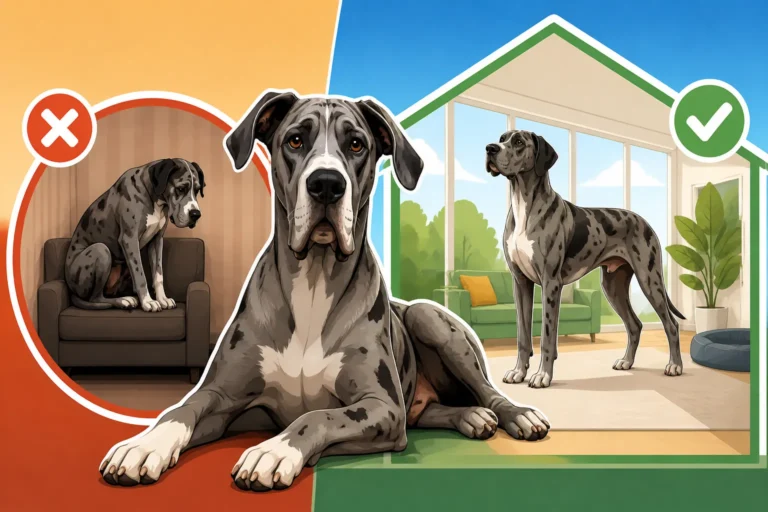
Believe it or not, Great Danes are often lovingly referred to as "couch potatoes" or "lap dogs" in giant form. Their energy isn't typically of the hyperactive, constantly-on-the-go variety that you might see in a Jack Russell Terrier or a Border Collie. While puppies are, of course, puppies and have bursts of energy, adult Great Danes tend to be surprisingly mellow indoors. They are perfectly content to curl up on a soft bed, lean against your legs while you watch TV, or follow you from room to room just to be near you. They don't usually zoom around the house knocking things over just for the fun of it, provided their basic exercise needs are met. This inherent calm demeanor is one of their most apartment-friendly traits, often surprising those who only see their impressive stature. How Much Sleep a Great Dane Actually Needs is often more than people expect!
However, this doesn't mean they're statues. They do need daily physical activity, but it's more about quality than sheer quantity. A couple of solid, brisk walks a day, some playtime at a dog park, or a vigorous indoor game of tug-of-war can often suffice. The key is to manage their energy output strategically, rather than relying on a backyard to do all the work. If you're envisioning a dog that runs laps outside unsupervised all day, a Great Dane might actually disappoint you, as they prefer to be with their people.
Making the Most of Small Spaces
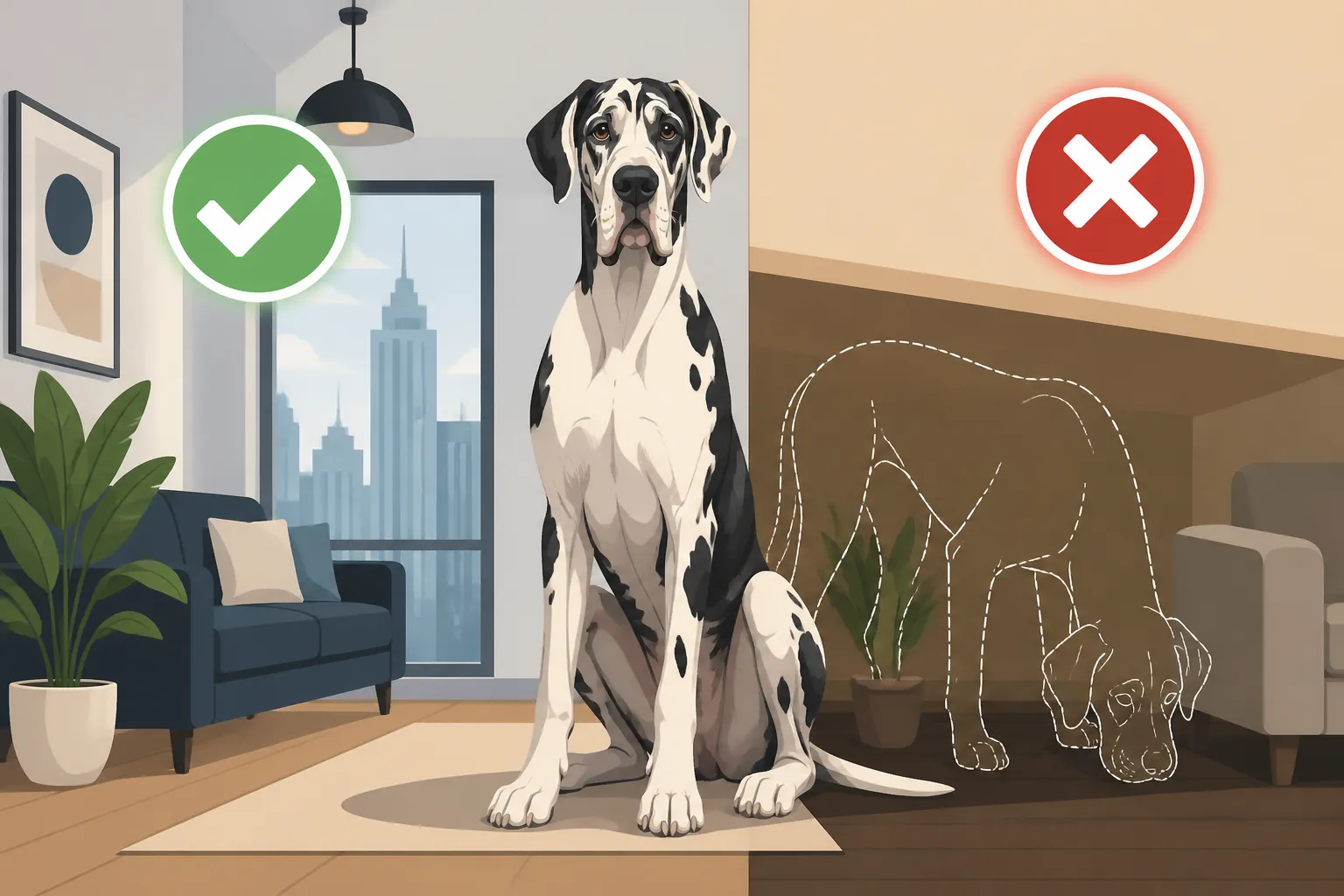
Living with a giant dog in a smaller space isn't about fitting a square peg in a round hole; it's about smart design and intentional living. Instead of viewing your apartment as a limitation, think of it as a cozy den where your Dane can feel safe and close to you. This often means being minimalist in your own decor, as less clutter equals more navigable space for a dog with a tail that can clear a coffee table in a single wag. Choosing furniture that can withstand a leaning Dane or that provides ample resting spots is also crucial.
Vertical space can also be your friend. While a Great Dane can't use cat trees, you can use shelving for your own items to keep them out of tail-swiping range. Consider open floor plans where possible, or ensure pathways between rooms are wide enough for your dog to turn around comfortably. Training is paramount here; teaching your Great Dane to settle on their bed, to move out of the way on command, and to respect boundaries makes a huge difference. The Manners a Great Dane Needs Before It Grows is not just about politeness, it's about practical living in a small home.
Essential Considerations for Apartment Dwelling with a Great Dane
Okay, so we've established that a Great Dane can be a laid-back housemate. But apartment living comes with its own unique set of logistical challenges that are magnified when your dog weighs as much as an adult human. From navigating tight corridors to managing their sheer physical presence, there are practicalities you simply cannot overlook.
Navigating Stairs and Elevators
One of the biggest physical hurdles in apartment living for a Great Dane is stairs. While a young, healthy Dane might manage a flight or two with ease, constant stair climbing can put undue stress on their developing joints, leading to issues like hip and elbow dysplasia later in life. Great Dane Hips, Elbows and Growing Joints are particularly vulnerable, especially during their rapid growth phases. As they age, or if they develop mobility issues, stairs can become an impassable barrier, leaving you with the challenging task of helping a hundred-plus-pound dog up and down.
If your apartment is on an upper floor without an elevator, or if your building has numerous stairs to access common areas, this is a serious consideration. An elevator is ideal, but even then, teaching your Dane good elevator etiquette – waiting patiently, not crowding other residents – is essential. For ground-floor apartments, this issue is greatly minimized, but it’s still wise to limit excessive stair use if there are any within your unit. Ramps can be helpful for getting into cars, but for daily apartment stairs, they are rarely a practical solution inside the home.
Dog Gear and Personal Space
Even the most minimalist apartment suddenly feels smaller when you add a giant dog's necessities. Think about the size of the dog bed your Great Dane needs – it's practically a twin mattress! You'll likely need multiple of these, one in the main living area and perhaps another in your bedroom, as Danes love to be near their people. Orthopedic Beds a Great Dane Needs are not just a luxury but a necessity for their large, heavy joints. These beds take up significant floor space.
Then there's the crate. While not every Dane needs to be crated indefinitely, a crate is an invaluable tool for potty training, managing destructive chewing, and providing a safe den. But finding a crate large enough for a Great Dane means investing in something that resembles a small shed. Crates That Hold a Full-Grown Great Dane are enormous and will undoubtedly dominate a corner of your living room. You'll also need robust leashes and harnesses, extra-large food and water bowls, and a secure spot for their substantial food supply. Consider where you'll store everything – bulk bags of kibble, large toys, and grooming supplies all require dedicated space. When shopping for these essentials, platforms like Chewy offer a wide selection of giant-breed-specific items, making it easier to find what you need and have it delivered directly to your door, which is a huge bonus in a city apartment without ample storage.
Neighborly Nuisances and Noise
Living in close quarters means being a good neighbor, and a Great Dane can present unique challenges. Their bark is deep and resonant, capable of carrying through walls and floors. While Great Danes aren't typically excessive barkers, an anxious or bored Dane can develop a barking habit that will quickly strain relations with your neighbors. Training your Dane to be quiet on command and providing ample mental stimulation can mitigate this.
Furthermore, their size alone can be intimidating to some, regardless of their gentle temperament. You might encounter neighbors who are fearful of large dogs, or landlords who have specific weight or breed restrictions. Even if your building allows Danes, being proactive about socializing your puppy and ensuring they are well-behaved around strangers and other pets is crucial. Great Danes With Children and Small Dogs need to be carefully introduced and supervised, especially in shared common areas of an apartment building or neighborhood parks. Remember, their tail wag alone can be a powerful force!
Exercise and Enrichment in an Urban Environment
Okay, so your Great Dane is chill inside, but that doesn't mean they can just lie around all day. Regular, appropriate exercise and mental stimulation are vital for their physical and mental health, especially in an apartment setting where they might not have direct access to a yard. The city might seem like an obstacle, but it also offers unique opportunities if you know where to look.
Daily Exercise Requirements
An adult Great Dane needs at least two substantial walks a day, ideally 20-30 minutes each, though some Danes might enjoy more. These aren't just potty breaks; they're opportunities for sniffing, exploring, and moving their large bodies. The goal is a brisk pace that gets their heart rate up without overexertion. Remember, Great Danes are prone to bloat, a life-threatening condition, so avoid strenuous exercise immediately before or after meals. Whether Exercise After Meals Bloats a Great Dane is a critical piece of knowledge for any Dane owner.
Beyond walks, active play sessions are important. This could be a vigorous game of fetch in a dog park, a long line recall practice in an open field, or even a session of tug-of-war in your living room. The key is consistency. A bored or under-exercised Dane is more likely to develop undesirable behaviors, like chewing furniture or excessive barking, which are amplified in a smaller apartment. Think about how you'll manage exercise on rainy or very cold days; indoor games and mental puzzles become even more crucial then.
Finding Green Spaces and Dog-Friendly Zones
Living in a city apartment means you’ll be reliant on public spaces for your dog’s outdoor activity. Research your local area thoroughly before committing. Are there dog parks within walking distance or a short drive? How busy are they? Are there large, open green spaces where you can safely let your Great Dane off-leash (if permitted and if your dog has excellent recall)? Look for local trails, community parks, or even designated dog runs.
It's also worth investigating local businesses. Are there dog-friendly cafes or patios where your Dane can comfortably lie at your feet? Some cities are more accommodating than others. Remember that walking a Great Dane means encountering other people and dogs. Great Dane Leash Manners at a Hundred and Fifty Pounds are non-negotiable. You simply cannot afford to have a giant dog that pulls you down the street or lunges at strangers. This requires consistent training from puppyhood. Many online retailers, including Chewy, offer extra-strong harnesses and leashes designed for giant breeds that can help manage their strength on walks.
Indoor Games and Training for Mental Stimulation
Since outdoor space might be limited, mental stimulation becomes incredibly important for an apartment-dwelling Great Dane. These dogs are intelligent and thrive on interaction. Regular training sessions, even short ones, can tire them out mentally. Work on new commands, brush up on old ones, or practice trick training. This builds their confidence and strengthens your bond.
Puzzle toys are a lifesaver. Look for durable, giant-sized puzzle feeders or KONGs that can be stuffed with treats or peanut butter. These can keep your Dane occupied for a good while, especially when you need a moment of quiet or have to leave them alone for a short period. Scent work, where you hide treats around the apartment for your dog to find, is another fantastic way to engage their brains and can be done entirely indoors. Interactive play, such as hide-and-seek or structured games of tug, can also provide exercise and mental engagement within your apartment walls.
Financial and Logistical Realities of Apartment Living
Beyond the day-to-day care, there are significant financial and logistical hurdles that come with owning a Great Dane, especially in an urban apartment. Ignoring these can lead to stressful situations and unexpected costs.
Renters Insurance and Pet Policies
Many apartment complexes, particularly those in cities, have strict pet policies. These often include weight limits and breed restrictions. Due to their size, Great Danes often exceed typical weight limits, and sometimes specific breeds are on "aggressive breed" lists (even though Danes are generally gentle). You absolutely must verify your landlord or building association's pet policy in writing before you even consider getting a Great Dane. Even if they are allowed, expect to pay a higher pet deposit, monthly pet rent, or both. Renters Insurance and Great Dane Weight Limits is another crucial point. Standard renters insurance may not cover liability for a dog of a certain size or breed, or may have very low limits. You might need to seek out specialized insurance or a rider on your policy, which will add to your monthly expenses. Don't assume your current policy will cover it.
Vet Visits and Mobility Challenges
One of the less glamorous but very real logistical challenges is veterinary care. Transporting a sick or injured Great Dane, especially without a personal vehicle, can be incredibly difficult. Imagine trying to get a 150-pound dog into a taxi or ride-share when they can barely walk. You'll need to plan for this contingency. Many urban vets offer house calls, but these services typically come at a premium.
Regular vet visits for vaccinations, check-ups, and screenings (like yearly heart exams, as Great Danes are prone to The Heart Muscle Disease Great Danes Are Prone To) also become more complex. Your Dane might not fit on the standard exam table, requiring ground examinations. Getting them into the clinic itself might be a struggle if they're nervous or unwell. Consider the layout of your vet's office and whether they are equipped to handle such a large breed comfortably. Planning ahead for these scenarios is not being pessimistic; it's being a responsible Great Dane owner.
Supplies and Space-Saving Solutions
The sheer volume of supplies a Great Dane needs can be surprising. As mentioned, their beds are huge, their food bags are enormous, and their toys need to be indestructible and large enough not to be swallowed. Many apartment dwellers find creative ways to integrate these items without completely sacrificing their living space. Vertical shelving, under-bed storage, and multi-functional furniture can help. For instance, a large, sturdy ottoman could double as a low bed for your Dane if you put a soft mat on it.
Purchasing food in bulk from a retailer like Chewy can save money and ensure you always have enough, but then you need a place to store that massive bag of kibble. Airtight, large containers are a must to keep it fresh and pest-free. Think about storage for leashes, collars, grooming tools, and medications. Every item for a Great Dane is scaled up, which means it requires more space. Planning how you'll manage this before your gentle giant arrives will save you a lot of headaches later on.
| Aspect of Apartment Living | Great Dane Pros | Great Dane Cons | Solutions for Owners |
|---|---|---|---|
| Indoor Energy | Generally calm and mellow indoors, "couch potato" tendencies. Prefers to be near owner. | Can be destructive if bored or under-exercised. | Consistent daily walks, mental enrichment, specific indoor training. |
| Space Needs | Adapts well to smaller spaces if exercise is met. | Takes up considerable floor space for beds, crates, and general movement. | Smart furniture choices, minimalist decor, dedicated dog zones, vertical storage. |
| Stairs/Mobility | Young Danes can manage some stairs. | Heavy impact on joints; difficult for older/ailing Danes; access to upper floors without elevators is challenging. | Ground-floor apartment, reliable elevator access, ramps for vehicles (if needed for outings). |
| Noise/Neighbors | Not typically excessive barkers. | Deep, loud bark can carry; size can intimidate; potential breed/weight restrictions from landlords. | Early training, socialization, soundproofing, clear communication with landlord/neighbors, good renters insurance. |
| Exercise Access | Enjoys walks and focused play. | Requires regular access to dog parks/green spaces; needs disciplined leash walking. | Research local dog-friendly parks, consistent leash training, indoor mental games. |
| Supply Storage | N/A | Large items (beds, crates) and bulk food require significant storage. | Large, airtight food bins, under-bed storage, multi-functional furniture, online delivery (e.g., Chewy). |
Disclaimer
This article is for general informational purposes only and does not constitute professional advice. Laws, prices and regulations vary by location and change over time. Consult a qualified professional for guidance on your specific situation.