Why a Great Dane Is a Hard First Dog
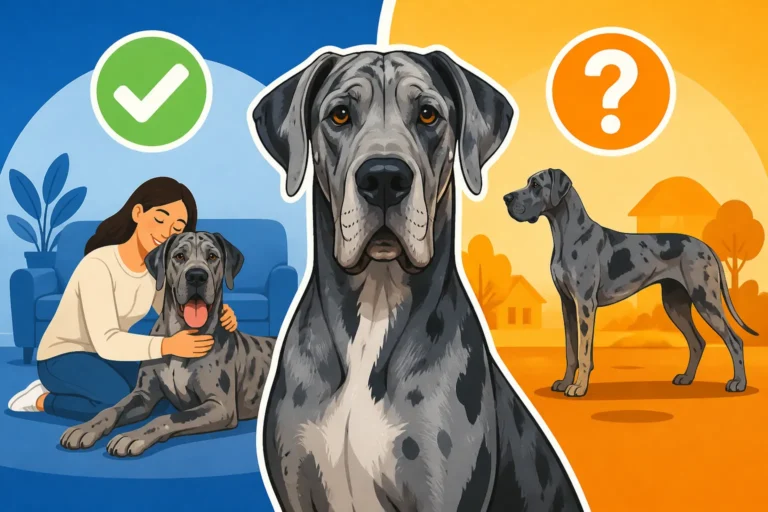
Many people fall head over heels for the majestic Great Dane, drawn in by their imposing size and the popular image of a gentle giant. It’s easy to picture a calm, statuesque companion lounging elegantly by your side. However, the reality of living with a Great Dane as your very first dog can be a significant shock, bringing a unique set of challenges that can quickly overwhelm an unprepared new owner. This guide is here to shed light on why these magnificent dogs, despite their charm, often aren't the best fit for someone just starting their dog-owning journey.
The Sheer Scale of Everything: Size and Strength Challenges
It’s one thing to admire a Great Dane from afar or see one in a movie, but it’s an entirely different experience when you’re sharing your home, your car, and your daily life with a creature that can easily outweigh an adult human. Their size isn’t just about visual impact; it dictates almost every aspect of their care and interaction, creating hurdles that even experienced dog owners find demanding.
Managing a Living, Breathing Tower
Imagine a giant puppy, full of clumsy enthusiasm, bounding through your living room. Now, imagine that puppy weighing 80 pounds at six months, then 120, then 150 pounds or more as a full adult. That cute little wagging tail that barely grazed your knee as a pup can become a powerful, table-clearing weapon when it’s at hip height. We're talking about things being accidentally knocked off counters, lamps sent flying, and even small children or unsuspecting guests being inadvertently bowled over by a happy, excited Dane. Their sheer volume means they take up a lot of space, whether they're curled up on the sofa (or trying to get all 160 pounds of themselves onto your lap) or just walking past you in a narrow hallway. A Great Dane That Puts Paws on Shoulders is a common, endearing behavior that quickly becomes problematic if not managed early.
Even something as simple as drinking water becomes an event. Their enormous jowls often mean that after a good drink, water drips and sprays across your floors and walls at eye level. You'll quickly learn to strategically place towels or "slobber rags" around the house. They can also reach almost anything on a kitchen counter or dining table without even trying to jump. That entire roast chicken you left to cool? Gone in a blink. Their size isn’t just imposing; it fundamentally changes the dynamics of your home and requires constant vigilance and proactive management.
Physical Demands on the Owner
Walking a Great Dane is not like strolling with a Beagle. A fully grown Great Dane can easily weigh more than many adult people, and if they decide to lunge after a squirrel or pull towards another dog, you can quickly find yourself being dragged along like a rag doll. This isn't just an inconvenience; it can be genuinely dangerous, leading to falls and injuries. Therefore, teaching Great Dane Leash Manners at a Hundred and Fifty Pounds is not optional; it's a critical safety measure that needs to begin the moment they set paw in your home.
Beyond walks, consider vet visits. Can you lift a 150-pound dog into your car if they are injured or sick? Many vet clinics aren't equipped with hydraulic tables for giant breeds, meaning you might have to physically help hoist your dog onto an examination surface. Even basic grooming, like bathing, becomes a monumental task. Fitting a dog this size into a standard bathtub is often impossible, requiring specialized setups or professional groomers. These are physical demands that many first-time dog owners simply haven't encountered and aren't prepared to handle.
A Marathon, Not a Sprint: Great Dane Health and Financial Realities
The "gentle giant" moniker often comes with a trade-off: a shorter lifespan and a higher propensity for serious health issues. This means that while you may only have your Great Dane for The Seven to Ten Year Great Dane Lifespan, those years can be exceptionally expensive and emotionally draining, requiring a level of financial and emotional resilience that new owners might not possess.
Predisposition to Specific Ailments
Great Danes are unfortunately prone to several significant health problems, some of which are life-threatening and require immediate, costly intervention. One of the most terrifying is Gastric Dilatation-Volvulus (GDV), commonly known as bloat. This condition, where the stomach fills with gas and can twist, is rapidly fatal without emergency surgery. The Lifetime Bloat Risk in a Great Dane is distressingly high, and the signs can be subtle at first. Knowing What to Do the Minute a Great Dane Bloats can literally mean the difference between life and death, but the emergency vet bills can be astronomical.
Beyond bloat, Great Danes are prone to The Heart Muscle Disease Great Danes Are Prone To, specifically Dilated Cardiomyopathy (DCM), which can lead to heart failure. This often requires ongoing medication and regular veterinary check-ups. They can also suffer from orthopedic issues like Great Dane Hips, Elbows and Growing Joints and a neurological condition called The Neck Condition That Trips a Great Dane Up, or Wobbler Syndrome. These conditions are not just abstract possibilities; they are real, common threats that require vigilant monitoring and can necessitate specialized care.
The True Cost of Giant Breed Care
Everything about owning a Great Dane costs more, simply because of their size. This isn't an exaggeration; it's a fundamental truth of giant breed ownership. You'll quickly realize that Feeding a Great Dane That Eats Ten Cups a Day means buying huge bags of specialized large-breed puppy food, and later, adult kibble, on a very frequent basis. A single bag of quality food might only last a couple of weeks. Many owners find themselves placing recurring orders on sites like Chewy just to keep up with the demand.
Medications, from monthly heartworm preventatives to antibiotics for an infection, are dosed by weight. This means a Great Dane often requires a much larger, and therefore more expensive, dose than a smaller dog. Emergency vet visits, as mentioned with bloat, can easily run into thousands of dollars. Even routine procedures, like spaying or neutering, cost more due to the increased anesthesia and surgical time for such a large animal. Insuring a Great Dane Against Bloat and Heart Bills becomes less of an option and more of a necessity to manage these potential financial blows. Without a robust emergency fund or pet insurance, a severe health crisis could force an owner into heartbreaking financial decisions.
Consider also the cost of durable toys that won't be shredded in minutes, giant orthopedic beds designed to support their large frames and prevent issues like Elbow Hygromas on a Great Dane, and heavy-duty leashes and harnesses. Your spending on "dog stuff" will be exponentially higher than what a first-time owner of a medium-sized breed might anticipate.
| Category | First-Time Owner Expectation | Great Dane Reality |
|---|---|---|
| Size & Space | "They'll fit fine in my apartment." | Needs significant floor space, large car, durable furniture. |
| Food Costs | "A bag of kibble lasts a month." | Buys extra-large bags every couple of weeks. |
| Vet Bills | "Routine shots and yearly check-ups." | Prone to costly emergencies (bloat) and chronic conditions (DCM, Wobblers). |
| Training Needs | "I'll teach basic commands." | Non-negotiable, intensive early training; physical management challenges. |
| Physical Demands | "Walking will be easy exercise." | Can pull grown adults off their feet; lifting is a major challenge. |
| Lifespan | "Many years of companionship." | Shorter lifespan (7-10 years), often with significant senior care needs. |
Beyond the 'Gentle Giant' Myth: Training and Socialization Imperatives
While Great Danes are indeed known for their generally sweet and docile nature, this temperament is not guaranteed, nor does it negate the critical need for extensive training and socialization. For a first-time owner, the sheer urgency and scale of these needs can be overwhelming.
The Crucial Window for Early Training
A Great Dane puppy grows at an astonishing rate. What starts as a manageable 20-pound fluffball can be a 70-pound adolescent within months. This means that the training window for basic manners, obedience, and house rules is incredibly short and absolutely critical. Why Waiting Until a Great Dane Is Grown Is Too Late cannot be stressed enough. If you wait until your Dane is 100 pounds to teach them not to jump, pull on the leash, or counter-surf, you've essentially let a small horse develop bad habits that are now incredibly difficult, if not impossible, to curb physically.
Puppy classes and consistent at-home training are not optional for a Great Dane; they are fundamental. A Great Dane needs to learn The Manners a Great Dane Needs Before It Grows, such as "sit," "stay," "leave it," and polite leash walking, before their size makes managing them physically impossible. This requires dedication, patience, and a solid understanding of positive reinforcement methods, which can be a steep learning curve for someone new to dog ownership. If you've never trained a dog before, tackling a giant breed can feel like trying to steer a cruise ship with a kayak paddle.
Managing a Powerful, Sensitive Temperament
Great Danes, for all their strength, are often quite sensitive. They don't respond well to harsh corrections or yelling; it can make them fearful or shut down. This means a first-time owner needs to be particularly adept at consistent, gentle, and positive training techniques. While they are intelligent, they can also be strong-willed, and their sheer size makes it easy for them to "win" a battle of wills if the owner isn't confident and consistent.
Socialization is another massive undertaking. A Great Dane needs to be exposed to a wide variety of people, places, sounds, and other animals from a young age to ensure they grow into a well-adjusted adult. A poorly socialized giant breed can become fearful, reactive, or overly protective, and a fearful or reactive 150-pound dog is a serious liability. Socializing a Great Dane Puppy Early is paramount, but it takes conscious effort and planning, often involving trips to busy parks, pet-friendly stores, and dog classes. A first-time owner might underestimate the sheer volume of exposure required to raise a truly confident and calm giant.
Redefining Your Life: Lifestyle and Home Adjustments
Bringing a Great Dane into your life isn't just getting a pet; it's adopting a new lifestyle. Their presence impacts everything from your furniture choices to your vacation plans, demanding a level of accommodation that many new dog owners simply haven't considered.
Space, Furniture, and Vehicle Logistics
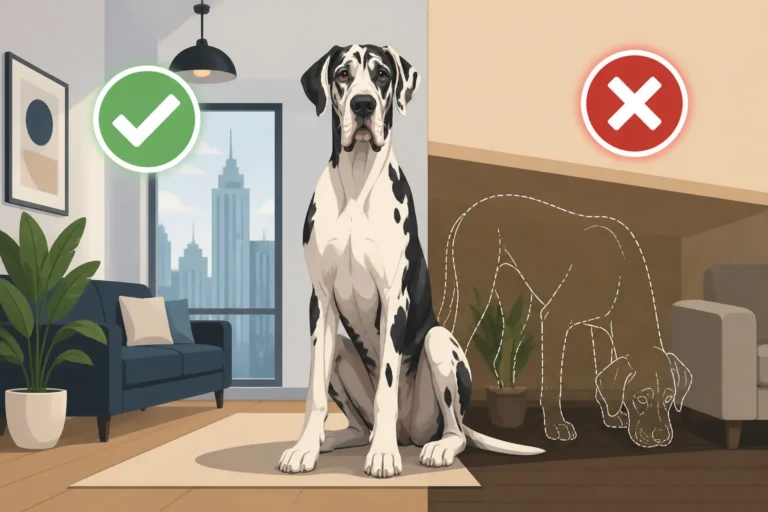
Despite their size, Great Danes are often described as indoor dogs. They don't necessarily need acres of outdoor space; what they need is significant indoor space to stretch out, move around, and avoid bumping into everything. Your beautiful coffee table might need to be relocated, and breakable decor placed well out of "tail-wagging height." Furnishing your house for a Great Dane means prioritizing durability and space. Large, plush, orthopedic dog beds are essential for their joints, which you can often find readily available from major pet suppliers like Chewy.
Consider your vehicle: Does your car actually fit a full-grown Great Dane comfortably and safely? Many standard SUVs or sedans simply aren't big enough for a Dane to stand up, turn around, or lie down comfortably. This impacts vet visits, road trips, and even quick errands. Fitting a Great Dane Into a Car often means investing in larger vehicles or specialized transport equipment like ramps.
And don't forget the everyday items: extra-large food and water bowls (and perhaps a raised feeder to help with bloat prevention), heavy-duty crates (if you choose to crate train, and many do for safety when A Great Dane That Cannot Be Left in the House), and indestructible toys that can withstand their powerful jaws. Every single item related to your dog will need to be supersized.
The Emotional Investment and Time Commitment
Great Danes are incredibly devoted and social dogs. They thrive on companionship and want to be a central part of their family's life. This means they generally don't do well being left alone for long periods. If you work long hours, travel frequently, or have a very busy social life that often takes you away from home, a Great Dane might not be the right fit. They can develop separation anxiety, leading to destructive behaviors (which, given their size, can cause extensive damage) or excessive barking. A Great Dane That Howls in an Empty House can be a major issue for neighbors.
The emotional connection they forge is deep, but it also means experiencing their potentially shorter lifespan can be particularly heartbreaking. Caring for an aging or ill Great Dane involves considerable emotional fortitude, coupled with the aforementioned financial strain. For a first-time dog owner, navigating the joys and inevitable heartbreaks of pet ownership with a breed that faces so many unique challenges can be an incredibly intense, almost all-consuming experience. It truly redefines what it means to share your life with a dog.
Disclaimer
This article is for general informational purposes only and does not constitute professional advice. Laws, prices and regulations vary by location and change over time. Consult a qualified professional for guidance on your specific situation.