Whether a Great Dane Coat Costs Anything to Keep
It's easy to look at a majestic Great Dane with their sleek, short coat and think, "Well, that won't cost much to maintain!" You might envision a quick brush once a week and an occasional bath, imagining significant savings compared to friends battling the endless tangles of a Poodle or the double-coat shedding of a Golden Retriever. But the reality for us Dane owners is often quite different. Despite their minimalist fur, Great Dane coat care, including the underlying skin health, actually comes with its own unique set of expenses and considerations that can surprise even seasoned dog owners. This comprehensive guide will peel back the layers (pun intended!) to reveal the true costs involved in keeping your gentle giant's coat healthy and gleaming, ensuring you're prepared for the financial realities beyond the initial brush.
The Basics of Great Dane Coat Care – More Than Just a Brush
When you think about "coat care," your mind probably jumps straight to brushing and bathing. While these are certainly part of the routine for a Great Dane, their sheer size and specific needs mean that even these basic tasks carry their own distinct set of challenges and associated costs. It’s not just about the fur you see, but the skin beneath it that needs diligent attention.
Shedding – A Year-Round Reality
Let's be real: that short, seemingly low-maintenance Great Dane coat? It sheds. A lot. Anyone who owns a Dane can attest to the fine, stiff hairs that seem to weave themselves into every piece of fabric, every carpet fiber, and somehow, even into your freshly brewed coffee. It’s a common frustration to constantly find short, stubborn hairs clinging to everything despite your best efforts. You might think a short coat means minimal shedding, but that's a myth many Dane owners quickly debunk. They shed continuously, often more heavily during seasonal changes in spring and fall, but it's truly a year-round phenomenon.
To manage this, you'll need effective tools. A good quality rubber curry brush is essential for loosening dead hair and stimulating the skin. For more intensive de-shedding, especially during those heavy shedding periods, a specialized tool designed to pull out undercoat can be incredibly helpful. These tools aren't always cheap, and you might find yourself replacing them every few years. Beyond the brushes themselves, consider the cost of lint rollers – you'll go through them like candy – and a robust vacuum cleaner with good pet hair attachments. Some owners even invest in robot vacuums specifically to combat the daily influx of Dane hair. Understanding How Much Hair a Great Dane Drops can really set expectations for the amount of cleaning required.
Bathing – The Logistics and the Cost of Volume
Bathing a Great Dane is less like washing a lapdog and more like orchestrating a small marine operation. They're huge, they don't always fit gracefully into standard bathtubs, and they take up an incredible amount of space. If you're tackling it at home, you'll need ample space, potentially a walk-in shower or even an outdoor setup, and certainly patience. Specialized shampoos and conditioners are a must. Great Danes often have sensitive skin, so investing in gentle, pH-balanced formulas designed for dogs with allergies or dry skin can prevent irritation. These aren't your average drugstore shampoos; they often come with a higher price tag, and given your Dane's size, you'll go through bottles much faster than if you had a smaller breed.
For many, the sheer logistical challenge of bathing a giant dog leads them to professional groomers. While Danes don't typically require fancy haircuts, they do need regular bathing, nail trims, and ear cleaning. Professional grooming for a giant breed can be surprisingly expensive, simply due to the time and effort involved. What might cost one amount for a smaller dog could be double or triple for a Great Dane. Some groomers even have special giant-breed washing stations or charges. So, while you might save on intricate styling, the basic wash and dry for a dog of this magnitude is a significant line item. Doing it at home requires preparation, as you'll see in Bathing a Great Dane at Home, and knowing How Much Shampoo a Great Dane Bath Takes will give you an idea of the product consumption.
Protecting That Short Coat and Skin – Preventative Costs
A healthy coat begins with healthy skin, and for Great Danes, their size often predisposes them to certain skin and joint issues that directly impact coat health. Investing in preventative measures is not just about comfort; it's about avoiding more costly problems down the line.
Bedding – Cushioning Against Calluses and Hygromas
This is perhaps one of the most crucial, yet often underestimated, aspects of Great Dane skin and coat care. Due to their immense size and weight, Great Danes put a lot of pressure on their joints when they lie down, particularly their elbows and hocks. Without adequate cushioning, this constant pressure can lead to painful and unsightly elbow calluses. Worse yet, it can result in hygromas – fluid-filled sacs that develop over bony prominences as the body tries to protect itself from repeated trauma. Hygromas can become infected, rupture, and require veterinary intervention, which can be very expensive.
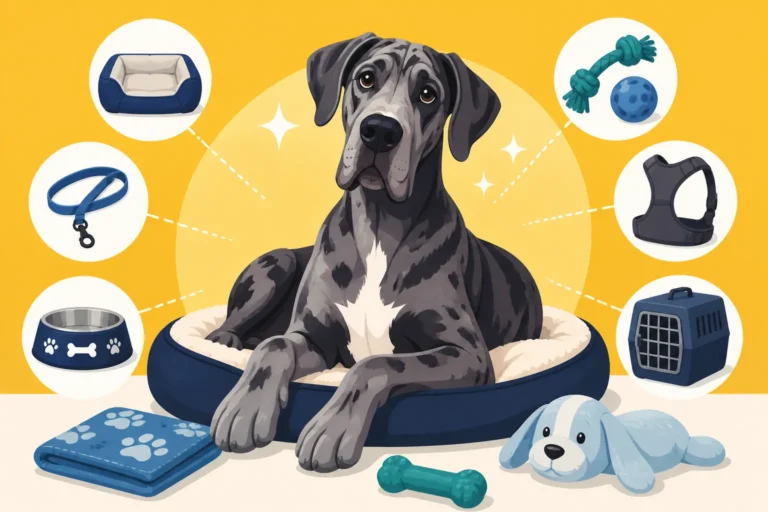
To prevent these issues, high-quality, orthopedic bedding is not just a luxury; it’s a necessity. You can't just throw a thin blanket on the floor and expect it to do the job. You'll need thick, supportive memory foam or orthopedic beds designed for giant breeds. These beds typically come with a hefty price tag, and given a Dane's propensity for nesting, they may need replacing more frequently than you'd expect. Investing in good bedding from the start, perhaps from a reputable pet supply retailer like Chewy which offers a range of durable orthopedic options, can save you significant veterinary bills and discomfort for your dog in the long run. Learn more about Bedding That Prevents Great Dane Hygromas and the potential issue of Elbow Hygromas on a Great Dane to understand why this investment is so critical. Finding Beds That Cushion a Great Dane's Joints is paramount for their comfort and long-term health.
Pest Prevention – Essential for All Coats, Especially Short Ones
While a short coat might seem less prone to hiding fleas and ticks than a long, shaggy one, the reality is that all dogs need robust parasite prevention. For Great Danes, the cost associated with this essential care is higher simply because their dosage for flea, tick, and heartworm medications is based on weight. A Great Dane falls into the highest weight bands for these medications, meaning their monthly or quarterly treatments will always be more expensive than for a smaller dog.
These are non-negotiable health expenses that directly impact their skin and coat. Flea infestations can cause intense itching, leading to skin irritation, hot spots, and secondary infections, which then require costly veterinary treatment. Ticks can transmit serious diseases. Heartworm is a deadly parasite. So, whether you opt for topical treatments, oral medications, or a combination, be prepared for a consistent and higher-than-average monthly outlay. These preventative measures are crucial for maintaining overall health, which in turn reflects in the condition of their skin and coat. Budgeting for Flea Prevention Priced by Great Dane Weight and Heartworm Tablets for the Heaviest Weight Band is a critical part of owning a Dane.
Addressing Specific Coat and Skin Issues
Even with the best preventative care, Great Danes can still experience specific coat and skin problems. Their genetic predispositions and general sensitivity can lead to issues that require veterinary attention and ongoing management, adding another layer to your coat care expenses.
Dry Skin, Allergies, and Other Dermatological Concerns
Many Great Danes are prone to dry, flaky skin, environmental allergies, or food sensitivities that manifest as skin issues. You might notice them scratching excessively, developing dandruff, or experiencing redness and irritation. It's frustrating when you're doing everything right, but their skin just seems perpetually upset. This isn't just a cosmetic problem; it can lead to discomfort, secondary bacterial or yeast infections, and a dull, unhealthy coat.
Addressing these issues often involves multiple steps, each with a cost. First, there's the veterinary visit to diagnose the underlying cause, which might include skin scrapings, blood tests, or elimination diets. Then come the treatments: medicated shampoos specifically formulated to soothe irritated skin or combat infections, topical creams, oral antihistamines, or even prescription medications like Apoquel or Cytopoint. Dietary changes, such as switching to a hypoallergenic food or adding supplements like fish oil for healthy skin, can also be necessary. While diet might seem separate from coat care, feeding a Great Dane with skin issues a specialized diet can be quite an expense, but vital for their comfort and appearance. Managing Dandruff on a Great Dane's Back often starts with addressing these deeper issues, and supplements like Fish Oil for a Great Dane can be beneficial.
Ear Care – Often Overlooked, Crucial for Health
While not directly "coat," the ears are an extension of the skin and require diligent care, especially for Great Danes with their characteristic floppy ears. These long, heavy ears can trap moisture, heat, and debris, creating a perfect breeding ground for bacteria and yeast. This makes them prone to ear infections, which can be incredibly painful for your dog and costly to treat.
Routine ear cleaning is a must, using a veterinarian-approved ear cleaner. You'll need to purchase a good quality product and integrate ear cleaning into your regular grooming schedule. Should an infection take hold, you'll be looking at vet visits, potentially ear cytology tests to identify the type of infection, and then prescription ear drops or oral antibiotics. Chronic ear infections can become a recurring headache and a significant drain on your wallet. It's much better to prevent them with consistent care. Ensuring proper Ear Cleaning on a Cropped or Natural Great Dane is vital, and understanding Whether a Great Dane's Ears Trap Infection highlights the importance of this routine.
The Unseen Costs and Long-Term Considerations
Beyond the direct expenses of shampoos, brushes, and vet visits, there are several "invisible" costs associated with keeping a Great Dane's coat and skin in top condition. These often creep up on owners and can significantly impact your budget and lifestyle.
Cleaning Supplies and Home Maintenance
Let's circle back to the shedding: that Great Dane hair gets everywhere. This means a continuous need for cleaning supplies. We're talking heavy-duty lint rollers for your clothes and furniture, specialized vacuum cleaners designed for pet hair, and even particular types of mops or floor cleaners that can effectively tackle the fine, short hairs. You might find yourself upgrading your cleaning arsenal significantly just to keep your home looking presentable.
Moreover, the size of a Great Dane means they physically take up a lot of space, and their movements can impact your home. Their tails, affectionately known as "Dane Wrecking Balls," can leave slobber and hair on walls or furniture. Their sheer bulk means more wear and tear on carpets, upholstery, and even flooring. You might find yourself replacing items more frequently or investing in more durable, pet-friendly materials from the outset. This constant battle against hair and mess, while not a direct coat treatment, is a very real cost of living with a Great Dane and their short, yet prolific, fur. Managing Great Dane Hair on Furniture and Floors becomes a daily ritual for many owners.
Health Insurance and Unexpected Expenses
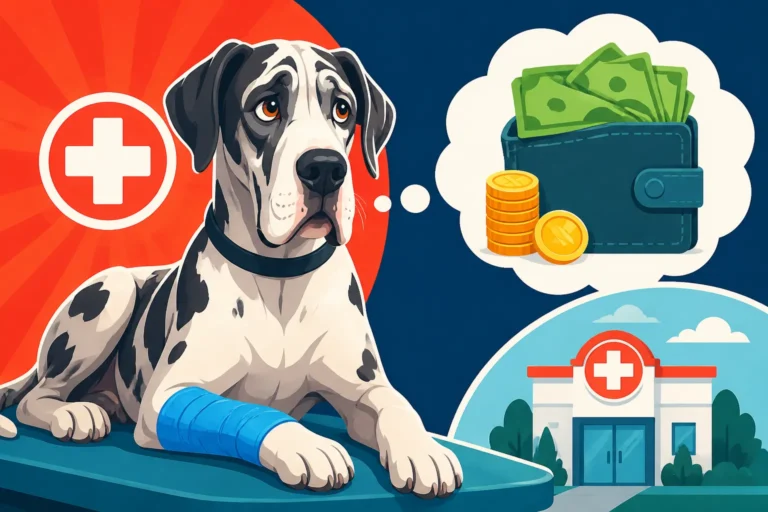
While the cost of a brush or a bottle of shampoo might seem small, the reality is that dermatological issues, chronic allergies, or even severe hygromas can quickly escalate into substantial veterinary bills. A Great Dane's size means that medication dosages are higher, anesthesia costs are typically greater, and even routine procedures can be more expensive than for a smaller dog. An unexpected skin infection requiring multiple vet visits, diagnostics, and a course of antibiotics can easily run into hundreds of dollars. Chronic allergy management, with prescription foods and long-term medication, can be a continuous drain on resources.
This is where pet insurance can truly become your best friend. While you might not immediately think of pet insurance as a "coat cost," it absolutely is when considering the potential for expensive skin and allergy treatments. Plans from providers like Healthy Paws can help mitigate the financial shock of unexpected health issues, allowing you to focus on getting your Dane the best care without worrying about the bill. Investing in pet insurance means you're prepared for those unforeseen dermatological problems that can impact your Dane's coat and overall well-being. This is a crucial consideration for Whether Pet Insurance Is Essential for a Great Dane.
| Cost Category | Typical Frequency | Estimated Annual Expense Shape (Great Dane) | Key Considerations |
|---|---|---|---|
| Brushing Tools | Annually/Bi-annually | Moderate | Quality curry combs, de-shedding tools, lint rollers. |
| Shampoos & Conditioners | Monthly/Bi-monthly | Moderate to High | Specialized formulas for sensitive skin; high volume needed per bath. |
| Professional Grooming | Quarterly/Bi-annually | High (if used) | Due to size, basic wash/dry for a giant breed is costly. |
| Orthopedic Bedding | Every 1-3 years | High | Essential for joint health, preventing calluses and hygromas. |
| Flea/Tick Prevention | Monthly | Moderate to High | Weight-based dosing means higher cost; crucial for skin health. |
| Heartworm Prevention | Monthly | Moderate to High | Weight-based dosing; essential health. |
| Ear Cleaner | Monthly/Bi-monthly | Low | Preventative for infections in floppy ears. |
| Vet Visits (Skin/Allergy) | As needed | Potentially Very High | Diagnostics, medications, prescription diets for dermatitis, allergies, infections. |
| Cleaning Supplies | Ongoing | Moderate | Vacuums, mops, pet-specific cleaners to manage shedding. |
| Pet Insurance | Monthly | Moderate | Crucial for mitigating costs of unexpected dermatological and other health issues. |
In conclusion, the seemingly simple, short coat of a Great Dane is a bit of a deceptive illusion when it comes to cost. While you might not be shelling out for intricate haircuts or endless detangling sprays, the reality is that the expenses associated with their general skin and coat health are considerable. From investing in robust shedding tools and large quantities of specialized shampoos, to crucial orthopedic bedding that protects their giant joints, and the higher-dose pest preventatives, every aspect is magnified by their sheer size. Moreover, the potential for costly dermatological issues and the ongoing need for rigorous household cleaning to manage their shedding means that "coat care" for a Great Dane is a holistic and often expensive endeavor. It's a true investment in their comfort, health, and your peace of mind, proving that even a short coat requires a long budget.
Disclaimer
This article is for general informational purposes only and does not constitute professional advice. Laws, prices and regulations vary by location and change over time. Consult a qualified professional for guidance on your specific situation.