What a Great Dane Puppy Should Weigh at Four Months
It’s a totally natural thing to obsess over your Great Dane puppy’s growth, especially when they’re changing so rapidly. You watch them literally grow before your eyes, and then you start wondering, "Is this right? Are they too big, too small, growing too fast?" This guide is here to help ease some of those worries by diving deep into what a four-month-old Great Dane puppy's weight typically looks like and, more importantly, what healthy growth truly entails for these magnificent giants.
The Four-Month Great Dane: What to Expect on the Scale
By the time your Great Dane puppy hits the four-month mark, they're not just a tiny fluffball anymore. They're a gangly, often clumsy, and rapidly expanding bundle of joy, typically well on their way to doubling or even tripling their birth weight. It’s a stage where their personalities are really starting to blossom, right alongside their impressive physical development. But when it comes to weight, it's not a one-size-fits-all number, and trying to hit a precise target can actually be detrimental.
Understanding Average Weight Ranges
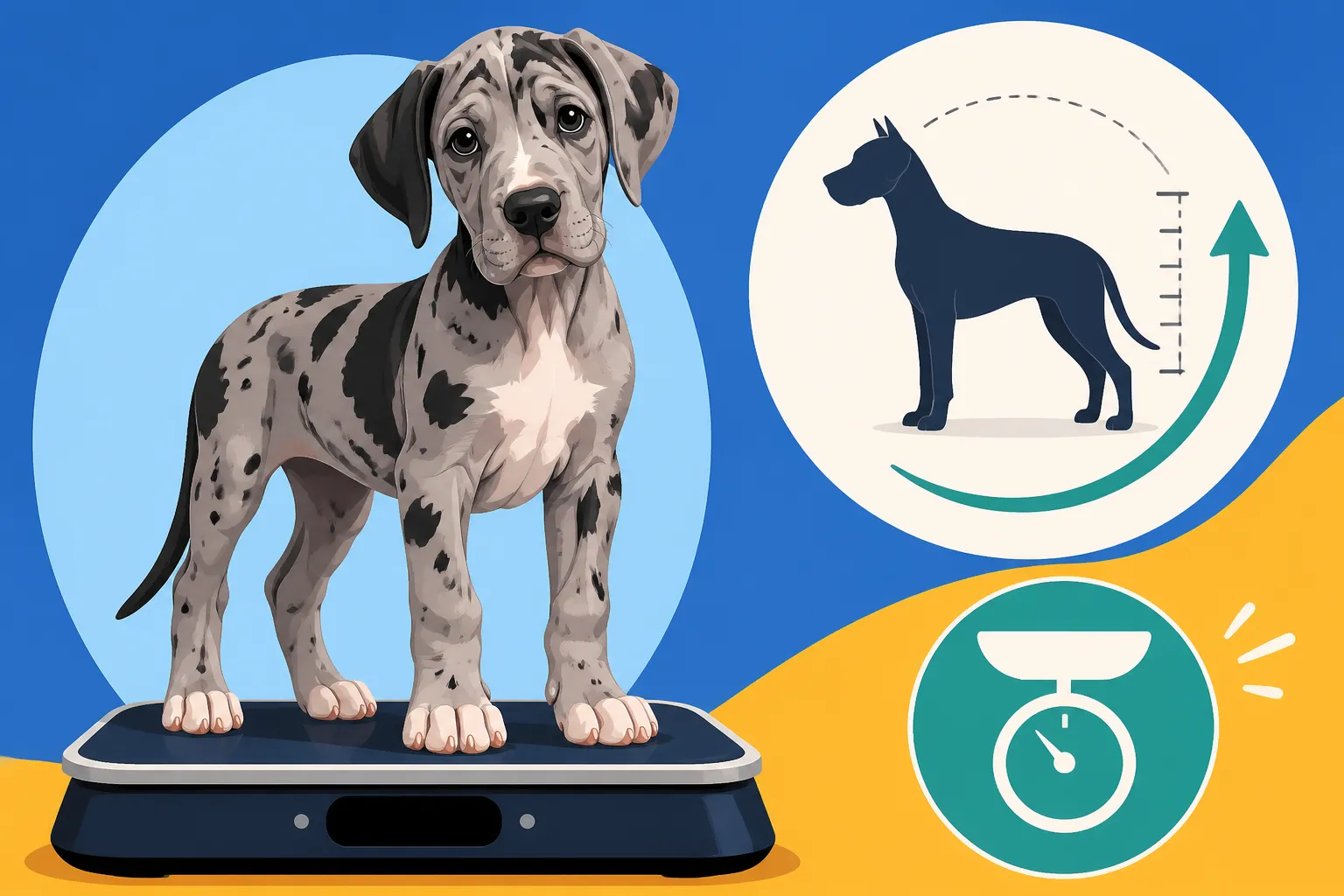
At four months old, a Great Dane puppy is usually in that awkward, leggy phase. They’re gaining weight and height at an incredible pace, but they haven't started to really fill out in their chest and musculature yet. Generally speaking, a male Great Dane puppy at four months might weigh anywhere from 50 to 75 pounds, while a female could be in the range of 40 to 65 pounds.
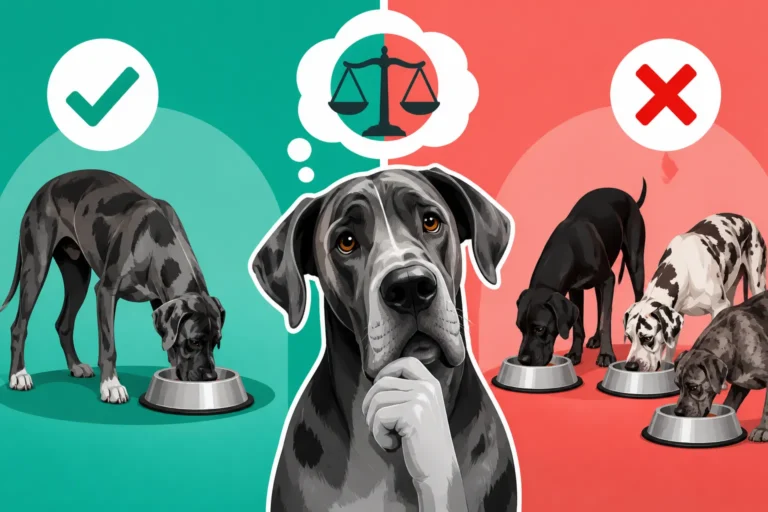
Now, I know those are pretty wide ranges, and that's for a very good reason. Factors like their genetic lineage – whether they come from exceptionally large parents, for example – and even the specific growth rate their breeder has encouraged (hopefully, a slow and steady one!) can influence these numbers. Remember, these are just averages. Your pup might be a little above or below and still be perfectly healthy. What we're really looking for at this age is consistent, healthy progress, not hitting a precise number on a chart. It’s a marathon, not a sprint, when it comes to Great Dane growth.
Why Your Puppy Might Be Different
There are so many variables that contribute to why your four-month-old Great Dane puppy might not fit neatly into an "average" weight category. First off, genetics play a huge role. Just like in human families, some lines of Great Danes naturally mature into larger, heavier adults, while others are a bit more moderate in size. If your puppy's parents were on the bigger side, it's reasonable to expect your pup to trend towards the higher end of the four-month weight range, or vice-versa.
Then there’s gender, which we touched on briefly. Male Great Danes are typically larger and heavier than females, even at this early age. Their skeletal structure is usually more robust, and they carry more muscle mass as they develop. Beyond that, even within the same litter, you can see significant differences. Some puppies are just naturally bigger, or they might have been more competitive for resources at feeding time in their earliest weeks. What really matters is not how they compare to a generic number, but how they are developing as an individual. Are they energetic? Are their bowel movements normal? Are they eating well? These holistic observations often tell you more than a number on the scale.
The Dangers of "Too Big, Too Fast"
This is perhaps the most critical point when discussing Great Dane puppy weight. Unlike smaller breeds where rapid growth might not be a huge concern, forcing or allowing a Great Dane puppy to grow "too big, too fast" can have devastating, lifelong consequences for their skeletal health. Their bones, joints, and ligaments are still incredibly soft and pliable at four months, and they're not ready to bear excessive weight or handle strenuous activity.
When a Great Dane puppy grows too quickly, especially if it’s due to an imbalanced diet with too much calcium or excessive calories, their bones can outgrow the surrounding cartilage and soft tissues. This can lead to a host of orthopedic problems, including osteochondritis dissecans (OCD), panosteitis (growing pains), and even exacerbate conditions like hip and elbow dysplasia. These aren't minor aches; they can be incredibly painful, require expensive surgeries, and often lead to early-onset arthritis, severely impacting your dog's quality of life and potentially shortening their already brief Why a Great Dane Only Lives Seven to Ten Years. It's a classic case of wanting the best for your pup, but unknowingly doing harm by pushing them to be bigger than they should be at that stage. We want strong, healthy foundations, not just impressive size numbers.
Nurturing Healthy Growth: Beyond Just the Numbers
Understanding the ideal weight range is just one piece of the puzzle. What's truly vital is promoting healthy growth, which focuses on proper nutrition, appropriate exercise, and regular veterinary oversight. This approach helps ensure your Great Dane puppy develops into a strong, resilient adult, minimizing the risks associated with their rapid development.
The Critical Role of Proper Nutrition
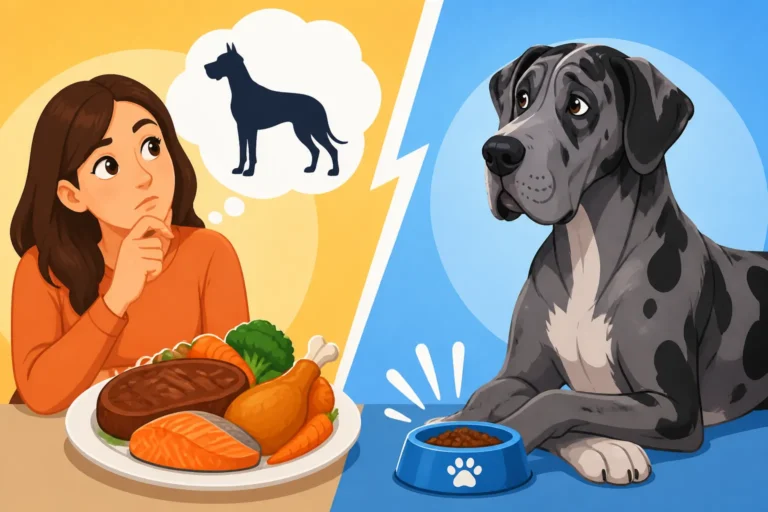
For Great Dane puppies, nutrition is paramount and vastly different from what a small or medium breed puppy needs. The goal isn't to make them chunky; it's to foster slow, steady bone and muscle development. This means feeding a high-quality large or giant breed puppy food. These specialized formulas are specifically designed with a carefully balanced calcium-to-phosphorus ratio and a moderate protein and fat content to prevent excessively rapid growth. Why Great Dane Puppy Food Is Different delves into this in more detail.
Avoid feeding adult dog food too early, as it might lack the necessary nutrient density for a growing pup. Conversely, don't overfeed "regular" puppy food, which is often too calorie-dense and high in calcium for a giant breed. When browsing options on sites like Chewy or Amazon, make sure the bag explicitly states it's for "large breed puppies" or "giant breed puppies." These specific formulations are designed to support a gradual growth curve. If you're considering fresh food options, companies like Ollie sometimes offer formulations that can be tailored, but ensure they meet the specific large-breed puppy nutritional guidelines. Always discuss your feeding plan with your veterinarian to ensure it’s appropriate for your individual puppy's needs.
Avoiding Common Growth Pitfalls
Beyond choosing the right food, there are other crucial pitfalls to avoid that can negatively impact your Great Dane puppy's growth. The biggest one? Calcium supplements. I cannot stress this enough: do not give your Great Dane puppy calcium supplements unless specifically prescribed by your veterinarian to treat a diagnosed medical condition. Why Calcium Supplements Damage a Great Dane explains exactly why this is so dangerous. Large breed puppy foods are already formulated with the correct calcium levels. Adding more can throw off this delicate balance, leading to serious bone development issues like Hypertrophic Osteodystrophy (HOD) or even Osteochondrosis.
Another pitfall is over-exercising a young puppy. While it might seem counterintuitive, too much forced exercise, like long runs or strenuous hikes, can put immense strain on their still-developing joints. Free play in a safely enclosed yard is great, but structured, intense exercise should be minimal at four months. Think short, gentle walks on a leash, rather than pushing for endurance. Also, avoid allowing excessive jumping or climbing stairs, as repetitive impact can harm growth plates. Whether a Great Dane Puppy Should Use Stairs offers more guidance on this.
Regular Vet Checks: Your Best Growth Partner
Your veterinarian is your absolute best resource for monitoring your Great Dane puppy's growth. At your regular check-ups, your vet won't just weigh your puppy; they'll also assess their overall body condition, feel their joints, and watch how they move. This comprehensive evaluation is far more valuable than simply comparing a number on a scale to a generic chart.
They can help you understand The Great Dane Growth Curve Month by Month and confirm if your puppy is developing at a healthy rate. If your vet notes that your puppy is growing too fast, or if they identify any early signs of orthopedic issues, they can provide immediate guidance on adjusting their diet or activity level. They can also screen for conditions like Growth Disorders in a Great Dane Puppy. Don't hesitate to bring up any concerns you have about your puppy's size or development during these visits. Early intervention can make a significant difference in preventing long-term problems.
How to Monitor Your Great Dane Puppy's Development
It’s easy to get caught up in the numbers when your puppy is growing so fast, but monitoring your Great Dane’s development isn't just about the scale. It's about a holistic understanding of their health and well-being. Focusing on the overall picture will give you much more valuable insights than obsessing over a precise weight at any given moment.
The Visual Cues: Reading Ribs and Body Condition
One of the most effective ways to tell if your Great Dane puppy is at a healthy weight, regardless of their exact age, is by assessing their body condition. This involves a visual and tactile examination that’s much more informative than a number on the scale. At four months, you should be able to easily feel your puppy's ribs with slight pressure, almost like feeling the back of your hand. You shouldn’t be able to see them protruding sharply, but they shouldn’t be buried under a thick layer of fat either.
When you look down at your puppy from above, you should see a discernible waistline behind their ribs, like an hourglass figure, but not an exaggerated tuck-in. From the side, their belly should tuck up slightly from their chest. A Great Dane puppy should generally appear lean and leggy, even a bit "underweight" by the standards of other breeds. Whether a Great Dane Puppy Should Be Kept Lean is a really important read on this topic. If you’re struggling to feel their ribs, or if they look round and plump, it’s a strong indicator they might be carrying too much weight, which, as we discussed, is dangerous for their developing joints.
Here's a quick reference table for assessing body condition in a growing Great Dane:
| Body Condition Score | Visual/Tactile Cues | Interpretation |
|---|---|---|
| Too Thin | Ribs, spine, pelvic bones easily visible, little to no fat covering. Obvious waist and abdominal tuck. | Puppy needs more food. Could indicate underlying health issue or insufficient nutrition. Consult vet immediately. |
| Ideal Lean | Ribs easily felt with slight pressure but not visible. Waist apparent when viewed from above. Abdominal tuck present. | This is generally the target for growing Great Danes. Healthy growth without excess strain on joints. |
| Slightly Heavy | Ribs felt with more pressure, some fat covering. Waist less obvious. Abdominal tuck present but less pronounced. | Puppy is starting to carry too much weight. Review feeding amounts and activity levels. Small adjustments needed. |
| Overweight | Ribs difficult to feel under fat layer. No distinct waist. Abdominal tuck absent or minimal. | Dangerous for a growing Great Dane. Significant risk of orthopedic problems. Immediate dietary changes and vet consultation crucial. |
Tracking Growth Without Obsession
It’s definitely helpful to track your Great Dane puppy’s weight and height over time, but the key is to do it consistently and without falling into the trap of obsession. Rather than weighing them daily, a weekly or bi-weekly weigh-in is sufficient at this age. Many vet clinics have scales accessible in their lobbies, or you can invest in a large-capacity pet scale if you prefer to do it at home.
Keep a simple log. Note their weight and, if you're ambitious, their height at the shoulder. What you're looking for is a steady, upward trend, not massive jumps or stalls. You'll likely see them gain a few pounds a week at four months. More importantly, cross-reference these numbers with their body condition. If the numbers are going up but they remain lean and active, that’s great! If they’re gaining rapidly and starting to look a bit plump, it’s time to re-evaluate their food portions and activity. Remember, the goal is long-term health, not just hitting a certain weight by a specific date.
When to Talk to Your Vet About Growth Concerns
If you have any concerns about your Great Dane puppy's growth, whether you think they're too small, too big, or just not developing as you expected, the very first step is to talk to your veterinarian. Don't rely solely on online charts or advice from well-meaning friends. Your vet knows your specific puppy and can provide tailored guidance.
Signs that warrant a vet visit include:
- Your puppy consistently falling outside the average weight range and showing signs of being too thin or too heavy based on body condition.
- Sudden, unexplained weight loss or a plateau in growth.
- Limping, stiffness, reluctance to play, or unusual gait (stumbling, awkward movement). These could be signs of Growing Pains in a Great Dane at Eight Months or other orthopedic issues that need immediate attention.
- Changes in appetite, energy levels, or bowel movements accompanying any growth concerns.
It's always better to be proactive and get professional advice. Your vet can perform a thorough examination, possibly recommend specific diagnostics, and help you adjust your feeding and exercise regimen to ensure your Great Dane puppy grows up as healthy and happy as possible.
Disclaimer
This article is for general informational purposes only and does not constitute professional advice. Laws, prices and regulations vary by location and change over time. Consult a qualified professional for guidance on your specific situation.