A Great Dane at Half Its Adult Weight by Six Months
It’s a truly exhilarating, and sometimes terrifying, experience watching a Great Dane puppy grow. One minute you've got this adorable, clumsy fluffball, and the next, they're practically eye-level with your kitchen counter. A common benchmark you'll often hear is that a Great Dane should be roughly half its adult weight by six months of age, and it can leave new owners wondering if their giant-to-be is on track. This guide is here to demystify that rapid growth, help you understand what's normal, and equip you with the knowledge to support your Great Dane through this crucial developmental period.
The Great Dane Growth Spurt: What's Happening at Six Months?
Watching a Great Dane puppy develop is like fast-forwarding through dog evolution. They don't just grow; they explode in size, seemingly overnight. This isn't just about getting bigger; it's a complex process of bone lengthening, muscle development, and organ maturation, all happening at an incredible pace. Understanding this intense period is key to supporting their long-term health.
Understanding the Rapid Development Phase
Around six months, a Great Dane puppy is in the thick of its most intense growth phase. Their bones are lengthening at an astonishing rate, laying the foundation for their massive adult frame. It's a bit like building a skyscraper – you need a strong, stable foundation, and you can't rush the process without risking structural integrity. While a human infant takes years to reach half its adult height, a Great Dane puppy hits this milestone in mere months. This rapid expansion demands a specific kind of care, unlike what you'd provide for a smaller, slower-growing breed. Imagine the sheer physiological effort involved in adding pounds and inches every week! It's why this stage is so vital; mistakes made here can have lasting consequences on their joints and overall skeletal health. We're talking about forming the very structure that needs to support over a hundred pounds for years to come.
The "Half-Weight" Benchmark
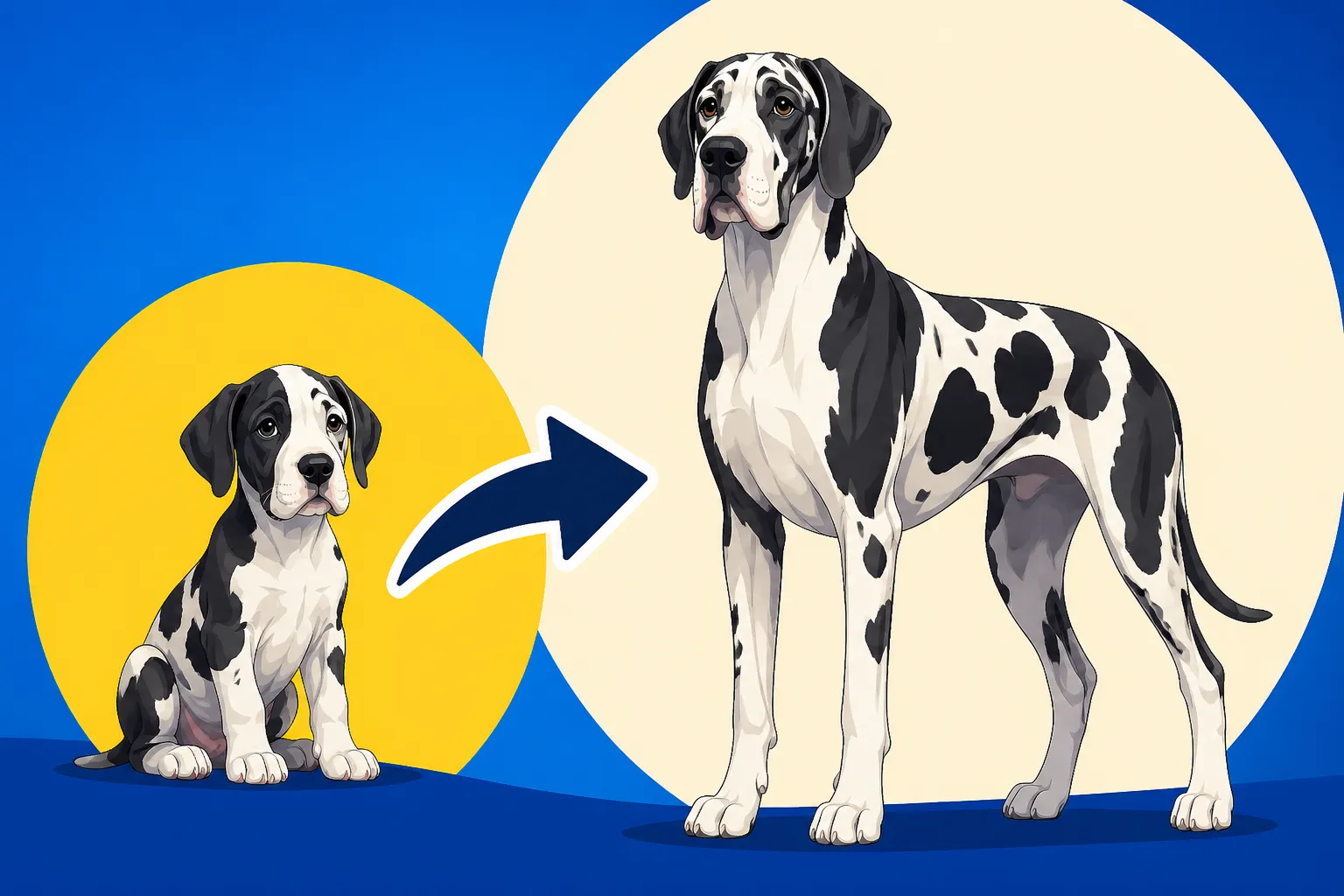
The idea that a Great Dane should reach roughly half its adult weight by six months is a long-standing guideline in the breed community. For a male Great Dane, who might mature to be 140-180 pounds or more, this means he could easily be in the 70-90 pound range at half a year old. Females, typically a bit lighter as adults (110-140 pounds), might weigh 55-70 pounds at six months. It's a general marker, not a rigid rule written in stone, and individual genetics and growth rates will always play a part. Some Danes might be a little ahead, others a little behind, but it gives you a ballpark figure to gauge progress. The important thing isn't hitting an exact number, but observing a steady, consistent growth pattern without sudden spikes or plateaus. Think of it as a helpful checkpoint to ensure your puppy isn't growing too fast, which can actually be detrimental. Checking The Great Dane Growth Curve Month by Month can give you an even more detailed insight into typical developmental stages.
Nutritional Needs During This Explosive Growth Phase
Feeding a Great Dane puppy isn't just about filling a bowl; it's a science. During these rapid growth stages, their nutritional requirements are incredibly specific, and getting it wrong can lead to serious skeletal and joint issues down the line. It's one of the most critical aspects of raising a healthy giant.
Why Specialized Large Breed Puppy Food is Crucial
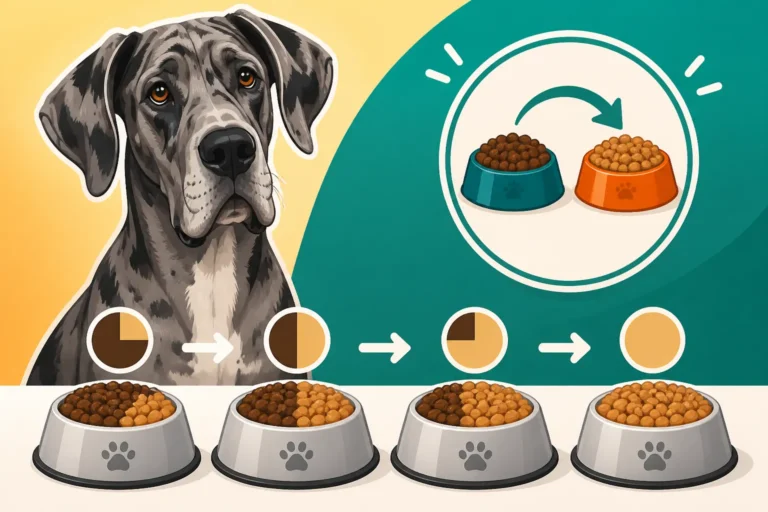
This might sound counter-intuitive, but regular puppy food, which is often rich in calories and calcium, is actually detrimental to a growing Great Dane. Their massive frame needs to develop slowly and steadily. Foods designed for all-breed puppies can encourage too-rapid growth, putting immense stress on their developing growth plates and joints. This can lead to orthopedic problems like osteochondritis dissecans (OCD) or hypertrophic osteodystrophy (HOD). Instead, you need a high-quality large or giant breed puppy formula that is specifically designed to promote controlled growth. These foods typically have a lower calorie density and a carefully balanced calcium-to-phosphorus ratio. Don't skimp here; investing in the right food now can save you significant vet bills and heartache later. You might look for these specialized formulas on platforms like Chewy, which often have a wide selection. For further reading, check out Why Great Dane Puppy Food Is Different.
The Delicate Balance of Calcium and Phosphorus
When we talk about controlled growth, the calcium and phosphorus balance is paramount. Too much calcium, especially when coupled with high calorie intake, can throw off bone development and contribute to conditions that lead to painful joint problems. This isn't about giving calcium supplements – in fact, that's often exactly what you shouldn't do, as it can push their intake past safe levels. Instead, it's about the precise ratios present in their kibble. Large breed puppy foods are formulated to ensure these minerals are present in proportions that support healthy, gradual bone mineralization. Always check the guaranteed analysis on the food bag for calcium levels, aiming for something in the range of 1.0-1.5% on a dry matter basis. Phosphorus should ideally be between 0.8-1.2%, with a calcium-to-phosphorus ratio of roughly 1.1:1 to 1.5:1. Understanding Calcium and Phosphorus in a Great Dane Puppy Bowl is a game-changer for responsible Great Dane ownership.
Feeding Frequency and Portion Control
A six-month-old Great Dane puppy generally does best on two or three meals a day. Splitting their daily ration helps prevent them from eating too much at once, which can be a factor in bloat risk later in life, and also aids in more consistent energy levels and nutrient absorption. Portion control is absolutely vital. Resist the urge to "free-feed" or constantly refill their bowl. Instead, measure out their food precisely according to the recommendations on the specific large breed puppy food bag, adjusting as needed based on their body condition. You want to be able to easily feel, but not prominently see, their ribs. If they look too thin or too chunky, make small, gradual adjustments to their food intake. Some owners find using fresh-delivered food services like Ollie can help with precise portioning, as their plans are often tailored to your dog's specific needs and weight goals. Remember, a lean puppy is a healthy puppy, especially one destined to carry so much weight into adulthood.
Monitoring Growth and Identifying Potential Concerns
Keeping a close eye on your Great Dane's development involves more than just periodic weigh-ins. It's about a holistic understanding of their physical well-being and knowing when something might be amiss. Their rapid growth makes them particularly susceptible to certain issues if not monitored carefully.
Beyond the Scale: Assessing Overall Development
While the scale provides a number, your eyes and hands are equally important tools for assessing your Great Dane's growth. At six months, you should still be able to easily feel their ribs when you run your hands along their sides, much like feeling the knuckles of your hand with your palm flat. They shouldn't look barrel-chested or have rolls of fat. A slight tuck in at the waist is ideal. Observe their gait: are they moving freely and gracefully, or do they seem stiff, hesitant, or uneven? Their energy levels should be good, but not excessively hyperactive in a way that suggests pain. Their coat should be shiny and healthy. Slow, steady growth, even if it means they're slightly below the "half adult weight" benchmark, is always preferable to rapid, unchecked growth. A dog that is too heavy too soon puts undue strain on their still-developing skeletal system. This careful observation is key to preventing problems that can arise when a giant breed puppy is growing too quickly. For more information on preventing joint issues, look into Why a Great Dane Puppy Should Grow Slowly.
When to Consult Your Vet About Growth
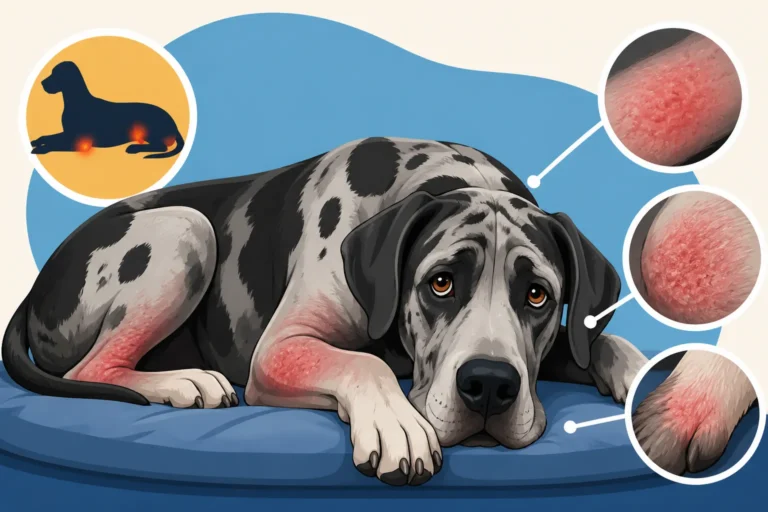
Knowing when to reach out to your veterinarian is crucial. If your Great Dane puppy seems noticeably underweight or overweight for their age and size, despite appropriate feeding, it warrants a vet visit. More importantly, watch for any signs of discomfort or lameness. A slight limp, a reluctance to play, changes in gait, or what appears to be pain in their joints are urgent signs that need professional attention. Conditions like panosteitis ("growing pains"), osteochondrosis, or hypertrophic osteodystrophy (HOD) are unfortunately common in rapidly growing giant breeds and require prompt veterinary intervention. These might manifest as shifting lameness (limping on different legs at different times), swollen joints, or general malaise. Don't assume they'll just "grow out of it." Regular check-ups with a vet experienced in giant breeds are invaluable during this intense growth period. They can provide an objective assessment of your puppy's growth rate and overall health. If you see signs of discomfort, don't wait; catching issues early can significantly improve outcomes. A visit to the vet can help to identify issues such as Growth Disorders in a Great Dane Puppy.
Exercise and Lifestyle Considerations for a Growing Giant
The sheer size of a Great Dane puppy means their physical activity needs careful management. While they might seem like boundless bundles of energy, their immature joints and growth plates are incredibly vulnerable. Overdoing it now can lead to painful, chronic conditions in adulthood.
The Dangers of Over-Exercising Young Great Danes
It's tempting to think that a big dog needs lots of exercise, but for a Great Dane puppy, too much too soon is a recipe for disaster. Their growth plates, which are areas of cartilage at the ends of long bones where new bone is produced, don't fully close until they're often 18-24 months old. Excessive impact, jumping, forced running (like jogging beside a bike), or extended periods of intense play can damage these vulnerable plates, leading to improper bone formation and severe orthopedic issues. Instead, focus on short, frequent, low-impact play sessions. Think gentle walks on soft surfaces, supervised playtime in a fenced yard, or puzzle toys that engage their minds without straining their bodies. Let your puppy dictate the pace and duration of exercise; if they flop down, it's time for a rest. Avoid dog parks where uncontrolled rough play with other dogs could result in injury. Remember, Exercise Limits While a Great Dane Is Still Growing are not just recommendations, but crucial safeguards for their long-term health.
Creating a Safe and Supportive Environment
Beyond controlled exercise, the environment your Great Dane puppy lives in also plays a huge role in their joint health. Hard, slippery floors can be incredibly challenging for their growing bodies, leading to slips, falls, and unnecessary strain on joints. Consider runners, rugs, or non-slip mats in high-traffic areas. Perhaps one of the most important investments you'll make is in appropriate bedding. A Great Dane needs a thick, supportive, orthopedic bed that cushions their joints and prevents pressure sores or elbow hygromas. Generic thin beds simply won't cut it for a dog that will soon weigh well over 100 pounds. Look for options on platforms like Amazon that specify high-density foam or memory foam designed for large and giant breeds. Ensuring they have comfortable places to rest, away from drafts and hard surfaces, is paramount. This isn't just about comfort; it's about active prevention of joint trauma and ensuring their heavy bodies are properly supported during their many hours of sleep. A deep dive into Bedding That Prevents Great Dane Hygromas will offer great insights into protective measures.
Great Dane Puppy Growth at Six Months: A General Guide
Here's a quick overview of typical ranges for a Great Dane at six months, and their approximate adult weights. Remember, these are averages, and individual dogs will vary.
| Metric | Male Great Dane (6 Months) | Female Great Dane (6 Months) | Adult Male Great Dane (Avg.) | Adult Female Great Dane (Avg.) |
|---|---|---|---|---|
| Weight Range | 70-95 lbs | 55-75 lbs | 140-180+ lbs | 110-140 lbs |
| Height Range | 25-28 inches | 23-26 inches | 30-34 inches | 28-32 inches |
| Growth Status | Rapid growth phase | Rapid growth phase | Maturing (filling out) | Maturing (filling out) |
| Key Concern | Joint/skeletal health | Joint/skeletal health | Longevity & maintenance | Longevity & maintenance |
Raising a Great Dane puppy is an incredible journey, full of growth and learning for both of you. While the "half adult weight by six months" benchmark is a useful guide, remember that steady, controlled growth fueled by appropriate nutrition and managed exercise is far more important than hitting an exact number. Stay vigilant, work closely with your vet, and embrace the magnificent, gentle giant your puppy is becoming.
Disclaimer
This article is for general informational purposes only and does not constitute professional advice. Laws, prices and regulations vary by location and change over time. Consult a qualified professional for guidance on your specific situation.