Bathing a Great Dane at Home
Okay, let's talk about bathing your magnificent Great Dane at home. We all know the struggle: you've got this enormous, loving creature who, despite their short coat, manages to get incredibly dirty, and the sheer logistics of getting them clean can feel like planning a small naval operation. If you've ever found yourself wondering how on earth you're going to get your giant dog bathed without turning your bathroom into a tsunami zone or ending up soaked head-to-toe, you're in the right place. This comprehensive guide will walk you through everything you need to know to make bath time less of a wrestling match and more of a manageable, even enjoyable, routine for both of you.
Getting Ready: Pre-Bath Preparation is Key
Bathing a Great Dane isn't like washing a tiny terrier; it requires strategy and preparation. Rushing into it is a recipe for disaster, leaving you frazzled, your dog uncomfortable, and your house wetter than it needs to be. Think of this stage as setting the foundation for a successful bath. Skipping these steps can lead to tangles, ineffective cleaning, and a much longer, more stressful experience for everyone involved.
Gathering Your Supplies
Before you even think about getting your Great Dane wet, gather every single thing you'll need. Imagine trying to find the shampoo with a soaking wet, wiggly Dane trying to shake off water in a confined space. It's not pretty. Having everything within arm's reach will save you immense frustration and keep the process flowing smoothly. You'll need appropriate shampoo, plenty of towels, a brush, cotton balls for ears, and maybe even some treats for positive reinforcement.
First, choose the right shampoo. A high-quality dog shampoo designed for sensitive skin or shedding can make a huge difference, especially if your Dane has particular skin needs or sheds a lot, which they do despite their short hair! Avoid human shampoos, as they can irritate a dog's skin. You might want a conditioner too, particularly if your Dane has any skin issues that benefit from added moisture. Look for large bottles, as you'll go through quite a bit. Many online retailers like Chewy offer excellent selections of shampoos and conditioners specifically formulated for large breeds, and often in economical large sizes. Next, speaking of volume, you’ll need many towels – think at least 4-5 large bath sheets. Great Danes hold a shocking amount of water in their coats, and you'll want to get as much off as possible before they decide to shake. Microfiber towels can be incredibly absorbent and help cut down drying time significantly.
Finally, don't forget the small but mighty details. Cotton balls are crucial for protecting your Dane's ears from water, preventing potential ear infections. You’ll also want some high-value treats to reward good behavior during and after the bath. A non-slip mat for the tub or shower area is also non-negotiable to prevent slips and make your dog feel more secure. And for your sake, consider a waterproof apron!
Brushing Out Loose Fur
This step is absolutely critical, and it's one many people try to skip, only to regret it later. Great Danes, despite their sleek appearance, shed a fair amount, and bathing them without prior brushing will turn loose hair into a matted mess in the tub. This matted hair clogs drains and makes the shampooing process less effective. Plus, it can take ages to rinse out properly.
Take a good 10-15 minutes before the bath to give your Great Dane a thorough brushing. Use a rubber curry brush or a shedding tool specifically designed for short coats. This will help remove all the dead hair that's just waiting to clump up when wet. Think of it as a preemptive strike against clogged drains and endless rinsing. Brushing a Short-Coated Great Dane can be a bonding experience and helps distribute natural oils, making their coat healthier. For breeds like Great Danes, a good de-shedding tool can make a dramatic difference in how much hair ends up in your tub versus in the trash can. This also gives you a chance to check for any mats, skin irritations, or external parasites that might need attention before they get soaked and harder to see.
The more hair you can remove before the water hits, the easier your entire bathing experience will be. Plus, a pre-bath brush can also help loosen any dried mud or debris that's clinging to their coat, making the initial wetting process much more efficient. Don't forget their legs and belly, areas that often accumulate a surprising amount of loose hair.
Setting Up Your Bathing Area
Where you bathe your Great Dane matters immensely. A standard bathtub might work for a puppy, but a full-grown Dane can easily overwhelm it. Many owners opt for a walk-in shower, a dedicated utility sink (if it's large enough and elevated), or even outdoor bathing if the weather permits. The key is to choose a space where both you and your dog can be as comfortable and safe as possible.
If using an indoor tub or shower, ensure you have a non-slip mat firmly in place. This provides traction for your Dane's large paws, preventing slips and helping them feel more secure. A nervous dog on a slippery surface is a recipe for a panic, and a panicking Great Dane in a tub is something you definitely want to avoid. If your Dane is still a puppy, getting them used to the bathing area and the sounds of running water early on can be very beneficial. Getting a Great Dane Puppy Used to Handling includes familiarizing them with various sensations, and bath time is a big one.
Consider the water temperature. Lukewarm water is best – not too hot, not too cold. Test it on your inner wrist first. Having a sprayer attachment for your showerhead or hose is incredibly helpful for thoroughly wetting and rinsing their massive body, especially their undersides. A regular cup or pitcher simply won't cut it for a dog of this size, making rinsing incredibly tedious and incomplete. Finally, make sure the door to the bathroom can be easily secured to prevent a soggy escape artist from doing a victory lap through your freshly cleaned house post-bath.
The Bathing Process: Making a Splash (But Not Too Much)
Once you've got your supplies and your space sorted, it's time to get down to business. This is where the real work begins, but with good preparation, it should flow much more smoothly than you might expect. Remember to stay calm and speak in a reassuring voice; your Great Dane will pick up on your energy.
Getting Your Dane Wet
This can be the most challenging part if your Great Dane isn't a fan of water. The goal is to get their entire coat thoroughly soaked without startling them. Use a gentle, continuous stream of lukewarm water from your sprayer, starting from their back and working your way down their sides and legs. Avoid spraying directly into their face or ears.
Many Danes find the sudden rush of water alarming, so introduce it slowly. Start by just wetting their paws and lower legs, then gradually move up their body. If they're particularly hesitant, you can use a damp washcloth to gently wet their face and around their ears, rather than directly spraying. Remember those cotton balls? Pop them gently into your Dane's ears before the water really starts flowing. This prevents water from entering the ear canal, which can lead to discomfort or infections. This is also where a calm demeanor from you is paramount. If you're stressed, they'll be stressed. Keep the praise flowing, even for just standing still.
It takes a surprising amount of water to penetrate a Great Dane's dense coat, even a short one. Work the water in with your hands, ensuring their fur is saturated right down to the skin. If you don't get them fully wet, the shampoo won't lather properly, and you'll end up using far more product than necessary. This thorough wetting is the foundation for an effective cleaning.
Shampooing and Lathering
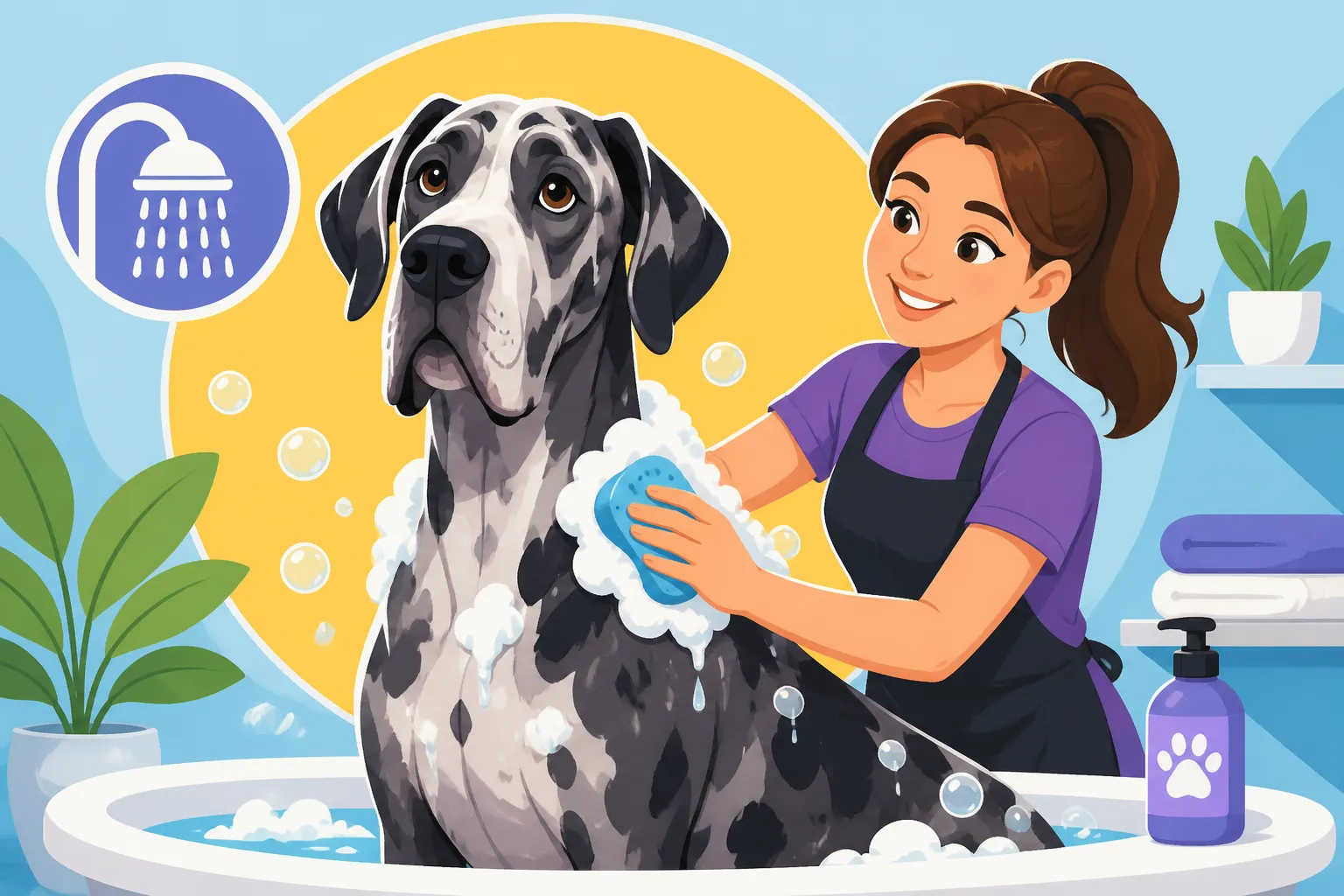
Now for the suds! Once your Great Dane is completely wet, apply a generous amount of dog shampoo. Don't be shy; with a dog this size, you'll need more than you think. How Much Shampoo a Great Dane Bath Takes is often underestimated by new owners. Start by applying it to their back and neck, then work it into a rich lather all over their body. Use your fingers to really massage the shampoo into their coat, reaching their skin.
Pay special attention to areas that tend to get dirtier, like their paws, belly, and around their tail. Don't forget their chest and underarms, which can get grimy from leaning and lying down. For their face, dilute a tiny bit of shampoo in water and use a washcloth to gently wipe it, avoiding their eyes and nose. If you're using a specific medicated shampoo, make sure to follow the instructions for how long it needs to stay on the coat before rinsing. This might mean you need to keep them standing calmly for a few extra minutes, which is where those tasty treats come in handy.
This massaging action isn't just for cleaning; it also helps stimulate blood flow to the skin and can be quite enjoyable for your dog. It's an opportunity to check their skin for any unusual bumps, rashes, or dry patches. This hands-on approach ensures no spot is missed, which is particularly important with Great Danes who love to roll in anything interesting they find outside.
Thorough Rinsing
This is arguably the most important part of the bath. Any residual shampoo left in your Great Dane's coat can cause skin irritation, dryness, or even an uncomfortable itch that leads to excessive scratching. You need to rinse, and then rinse again, and then probably rinse one more time for good measure.
Use your shower sprayer or hose attachment to direct a continuous stream of water over their entire body. Start from their neck and work your way down, making sure the water runs clear and no suds remain. Lift their legs, spread their toes, and check their armpits and belly. These are common spots where shampoo can hide. You can tell if you've rinsed enough by running your hands over their coat; it should feel squeaky clean, not slick or soapy. If you used a conditioner, follow the rinsing instructions for that product as well.
This prolonged rinsing can sometimes be a test of patience, but it's crucial for your Dane's skin health. Imagine how irritating it would be to have dried shampoo residue on your own skin all day! Make sure to remove the cotton balls from their ears after the rinsing is complete and gently dry their outer ear flaps. Leaving any moisture can promote yeast or bacterial growth, leading to uncomfortable ear infections. This meticulous attention to rinsing will prevent problems down the line.
Drying Your Great Dane: The Post-Bath Shake
The bath is done, congratulations! But don't let your guard down just yet. The drying phase is just as important as the washing itself, and if not managed properly, it can lead to a very messy situation or even skin issues. Great Danes can hold an incredible amount of water, and their post-bath shake is legendary.
Towel Drying Techniques
The moment the water stops, your Great Dane will likely instinctively want to shake. While you can't prevent it entirely, you can mitigate the splash zone. Quickly grab a large, absorbent towel and drape it over their back, trying to absorb as much surface water as possible before they do their full-body wiggle. Then, gently but firmly rub their coat all over.
Don't just dab; really work the towel into their fur, squeezing out water from their legs, chest, and tail. Consider using multiple towels – one for the initial heavy duty soak-up, and then another for a more thorough rub-down. Microfiber towels are fantastic for this because of their superior absorbency and quick-drying properties. Towels and Time to Dry a Great Dane are resources worth investing in for efficiency. Some owners even invest in large, absorbent dog robes or drying coats that can be wrapped around their Dane immediately after the bath, helping to contain the initial shakes and draw out a significant amount of water.
The goal here isn't to get them bone dry, but to remove as much standing water as possible. This speeds up the rest of the drying process and prevents them from chilling, especially in cooler weather. Pay extra attention to their paws and between their toes, as moisture here can lead to yeast infections.
Air Drying Considerations
For many Great Danes, especially with their short coats, air drying is a perfectly acceptable method once the bulk of the water has been towel-dried. However, it requires a controlled environment and supervision to ensure they don't get too cold or roll in something immediately after their bath.
If you're air-drying, make sure your Dane is in a warm, draft-free area of your home. A mild-temperature blow dryer designed for dogs (never use a human hair dryer on high heat, as it can burn their skin) can be used on a low, cool setting if you need to speed things up or if it's chilly indoors. However, many Danes are sensitive to the noise of a dryer, so introduce it slowly and with positive reinforcement if you plan to use one. A Great Dane who fears the dryer will make subsequent baths much harder.
Allow your Dane to relax in their designated area, perhaps on a clean, absorbent bed or a pile of fresh towels. Keep them away from dirt, grass, or anything else they might be tempted to roll in. A good bone or a puzzle toy can keep them occupied while they air dry, preventing them from finding mischief. While air drying is generally safe, always ensure they are fully dry, especially in areas like their armpits and groin, to prevent any skin issues.
Dealing with Dampness
Even after thorough towel drying and some air time, your Great Dane might still have residual dampness, particularly in their skin folds or denser areas of their coat. This dampness is an invitation for skin issues if not addressed. Great Danes, especially those with more prominent jowls or loose skin, can be prone to moisture trapping.
After they are mostly dry, do a final check, running your hands through their coat to feel for any lingering damp spots. Use a dry, clean towel to blot these areas again. Pay close attention to their chest, under their legs, and around their neck – places where towels might not have reached effectively. For dogs with facial folds, gently wipe inside these folds with a dry cloth or even a cotton swab to ensure they are completely dry. Great Dane Skin Folds and Pressure Points can be problematic if moisture is allowed to fester.
Leaving any dampness, particularly in warmer or humid conditions, creates an ideal environment for bacterial or fungal growth, which can lead to itchy, inflamed skin. If you live in a cold climate, ensuring your Dane is completely dry before letting them outside is crucial to prevent them from getting chilled. A quick final brush with a soft bristle brush can also help fluff out the coat and encourage any remaining moisture to evaporate.
Post-Bath Care and Ongoing Maintenance
The bathing process doesn't truly end when your Great Dane is clean and dry. There are a few crucial steps to take immediately after the bath, and then ongoing maintenance practices that will keep them comfortable, healthy, and minimize the need for frequent full baths.
Ear and Eye Cleaning
While you were careful during the bath, it’s a good practice to double-check and perform a full ear and eye cleaning afterwards. Even with cotton balls, sometimes a little water can get in the outer ear canal, and the steam from the bath can loosen up any eye gunk.
For their ears, gently remove the cotton balls. Then, using a vet-approved ear cleaning solution on a fresh cotton ball or gauze, carefully wipe the visible parts of their ear flaps and the opening of the ear canal. Never insert anything deep into the ear canal. Your vet can show you the correct technique for Ear Cleaning on a Cropped or Natural Great Dane to avoid damage. This helps remove any wax, dirt, or moisture that might have accumulated. For their eyes, a clean, damp cloth (or a dedicated pet eye wipe) can be used to gently wipe away any discharge from the corners, always wiping away from the eye.
This post-bath check is vital for preventing common issues. Great Danes, like many dogs, can be prone to ear infections if moisture gets trapped, so proactive cleaning helps keep those floppy or cropped ears healthy. These small steps contribute significantly to their overall hygiene and comfort.
Nail Trimming After Bath
Bath time is often the perfect time to tackle nail trims. Why? Because the warm water softens your Great Dane's nails, making them much easier to cut or grind. If you've ever struggled with hard, brittle nails, you'll appreciate this little hack.
Have your heavy-duty nail clippers or a dremel tool ready. After their bath, while their nails are still soft, you can get a cleaner, quicker cut. For a large breed like a Great Dane, proper nail length is crucial for their joint health and gait. Overly long nails can splay their toes and put stress on their joints, which is something you definitely want to avoid for a breed prone to orthopedic issues. If your Dane is not fond of nail trims, this softened state can make the experience less stressful for them. Trimming Nails a Great Dane Will Not Give You can be a huge challenge, so take advantage of any situation that makes it easier.
Remember to only trim the tip, avoiding the quick (the pink part inside the nail that contains blood vessels and nerves). If you're using a dremel, just smooth off the end. Always have styptic powder nearby in case of an accidental quicking. Positive reinforcement with treats during this process can also help build a positive association with nail care.
Rewarding Good Behavior
Great Danes are intelligent and respond incredibly well to positive reinforcement. Throughout the entire bathing process, from preparation to drying, you should be praising them for their patience and cooperation. But don't forget a final, big reward once everything is done!
A special treat, a favorite toy, or extra cuddle time can solidify the idea that bath time isn't just a necessary evil, but something that can lead to good things. This reinforces good behavior and makes them more likely to tolerate (or even enjoy!) the next bath. A high-value chew from Chewy or Amazon, like a bully stick or a durable Kong filled with peanut butter, can be a fantastic way to cap off the experience, allowing them to decompress and enjoy a well-deserved reward.
Consistency in your routine and positive reinforcement are key to making bath time a calm and predictable event for your Great Dane. They thrive on routine, and knowing what to expect, coupled with positive rewards, will build their confidence and reduce anxiety around bathing. This isn't just about getting them clean; it's about building trust and making care routines less stressful for their entire life.
Addressing Common Challenges: When Bath Time Gets Tricky
Let's be real: bathing a giant dog isn't always smooth sailing. There will be days when your Great Dane decides they'd rather be anywhere else, or when the sheer volume of water and dog hair becomes overwhelming. It's important to anticipate these challenges and have a plan for addressing them.
Dealing with a Reluctant Dane
A Great Dane that doesn't want to get in the tub can quickly turn bath time into a battle of wills, and with their size and strength, you're usually not going to win. Force can also create negative associations, making future baths even harder. The trick is to make it as positive an experience as possible, or at least a neutral one.
Start by introducing the bathing area gradually, outside of bath time. Let them sniff around, give treats near the tub, and praise them for simply standing by it. On bath day, use a trail of treats to lure them into the shower or tub. Have someone else distract them with a puzzle toy filled with peanut butter smeared on the side or an extra-long lasting chew. If they're truly terrified, Building Confidence in a Nervous Great Dane is a long-term project that can involve desensitization and counter-conditioning. A nervous or fearful dog often reacts by trying to escape, which can be dangerous for both of you in a wet environment.
If indoor bathing is simply too stressful for your dog (or too physically demanding for you), consider professional groomers. Many groomers have walk-in tubs or hydraulic grooming tables that can accommodate large breeds, making the process much easier. They are also adept at handling reluctant dogs with patience and expertise. Sometimes, the best solution for a particularly anxious Dane is to let a professional handle it.
Managing the Mess
Let's face it, Great Danes are big, and big dogs make big messes, especially when wet. Hair, water, mud, shampoo suds – it can feel like your bathroom has been hit by a tidal wave. Managing this mess proactively will save you a lot of clean-up time and stress.
Before you start, lay down old towels or plastic sheeting around the bathing area, especially on the floor leading out of the bathroom. If your Dane is prone to shaking vigorously, you might even consider putting a child's inflatable pool liner around the tub to catch spray. Have a separate bucket or scoop handy to clear out any clumps of hair from the tub or shower drain as you go; this prevents massive clogs later. Why a Great Dane's Short Coat Sheds a Lot means you'll always have hair, wet or dry.
After the bath, immediately gather all the wet towels and throw them into the laundry. Give your bathing area a quick rinse down to clear any remaining suds or hair. Wiping down the walls and floor can prevent hard water stains and mildew. The sooner you tackle the mess, the less time it has to dry and become harder to clean. Having a designated "bath time clean-up kit" (rags, spray cleaner, squeegee) ready beforehand can streamline this post-bath chore.
Preventing Skin Irritation
Great Danes can be prone to various skin issues, and improper bathing techniques can exacerbate them. Leaving shampoo residue, using harsh products, or not drying thoroughly are common culprits behind post-bath skin irritation, itching, and dryness.
Always use a high-quality, pH-balanced dog shampoo. If your Dane has sensitive skin, look for hypoallergenic or oatmeal-based formulas. Brands like Earthbath or Vet's Best, often found on Chewy or Amazon, offer good options for sensitive skin. Never use human shampoos, as they strip the natural oils from a dog's coat and disrupt their skin's pH balance. As we discussed, rinsing thoroughly is paramount. Any leftover shampoo will dry on their skin, causing itching and flakiness. Similarly, drying them completely, especially in skin folds, is critical. Moisture trapped against the skin creates a breeding ground for bacteria and yeast, leading to hot spots or infections.
If your Dane frequently develops dry, flaky skin after baths, consider adding a moisturizing conditioner or a leave-in hydrating spray designed for dogs. You might also want to re-evaluate How Long a Great Dane Goes Between Washes. Over-bathing can strip essential oils, leading to dryness, while under-bathing can allow dirt and allergens to build up, also causing irritation. Finding the right balance for your individual Great Dane is key to maintaining a healthy, comfortable coat and skin.
| Bathing Supplies Checklist | Why You Need It | Notes |
|---|---|---|
| Dog-specific Shampoo & Conditioner | Prevents skin irritation; formulated for canine pH | Large bottles recommended for Great Danes |
| Absorbent Towels | Quick drying, prevents massive shakes | 4-5 large microfiber towels or bath sheets |
| Non-slip Mat | Safety and comfort in tub/shower | Prevents slips, reduces anxiety |
| Sprayer Attachment | Efficient wetting and rinsing | Essential for thorough coverage on a large dog |
| Cotton Balls | Ear protection from water | Prevents ear infections |
| High-Value Treats | Positive reinforcement | Distraction and reward for good behavior |
| Rubber Curry Brush / Shedding Tool | Removes loose hair pre-bath | Prevents clogged drains, more effective cleaning |
| Ear Cleaning Solution | Post-bath ear hygiene | Vet-approved formula, cotton balls for application |
| Dog Nail Clippers / Dremel | Nail maintenance | Easier to trim softened nails post-bath |
| Styptic Powder | Emergency nail bleeding | Always keep handy for quick nicks |
| Washcloths | Gentle face/eye cleaning | Avoids direct spray, for sensitive areas |
| Waterproof Apron (for you!) | Keeps you dry | Seriously, you'll thank yourself |
| Old Towels / Plastic Sheeting | Floor protection | Contains splashing, simplifies clean-up |
Disclaimer
This article is for general informational purposes only and does not constitute professional advice. Laws, prices and regulations vary by location and change over time. Consult a qualified professional for guidance on your specific situation.