Great Dane Skin Folds and Pressure Points
One of the lesser-talked-about challenges of living with a magnificent giant like a Great Dane is managing their skin. Their sheer size, combined with sometimes loose skin and their habit of flopping down wherever they please, can lead to painful and irritating issues like skin fold dermatitis and persistent calluses on pressure points. This guide is here to walk you through understanding these common skin concerns, how to prevent them, and what to do if they arise, ensuring your gentle giant stays comfortable and healthy.
Understanding Your Great Dane's Skin and Anatomy
It's easy to overlook the skin when you're admiring a Great Dane's majestic presence, but it's actually a highly sensitive and vital organ that requires specific care, especially in a breed of this size. Their unique build contributes to several common skin challenges that owners need to be aware of.
The Unique Challenges of a Giant Breed's Skin
Imagine a canvas of skin stretched over a powerful, rapidly growing frame. A Great Dane's skin isn't just "more" skin; it's subject to different stresses than that of a smaller dog. Their enormous weight means increased pressure on contact points, and the sheer surface area means more places for potential issues to hide. Their skin can sometimes be quite loose, especially around the jowls, neck, and chest, which while charming, creates perfect little microclimates for problems to brew. This large, relatively thin skin, particularly on areas like the elbows and hocks, simply isn't designed for constant friction against hard surfaces. It’s a delicate balance trying to keep it healthy and protected from the wear and tear of daily life for a dog this big.
Common Areas for Skin Folds and What Causes Them
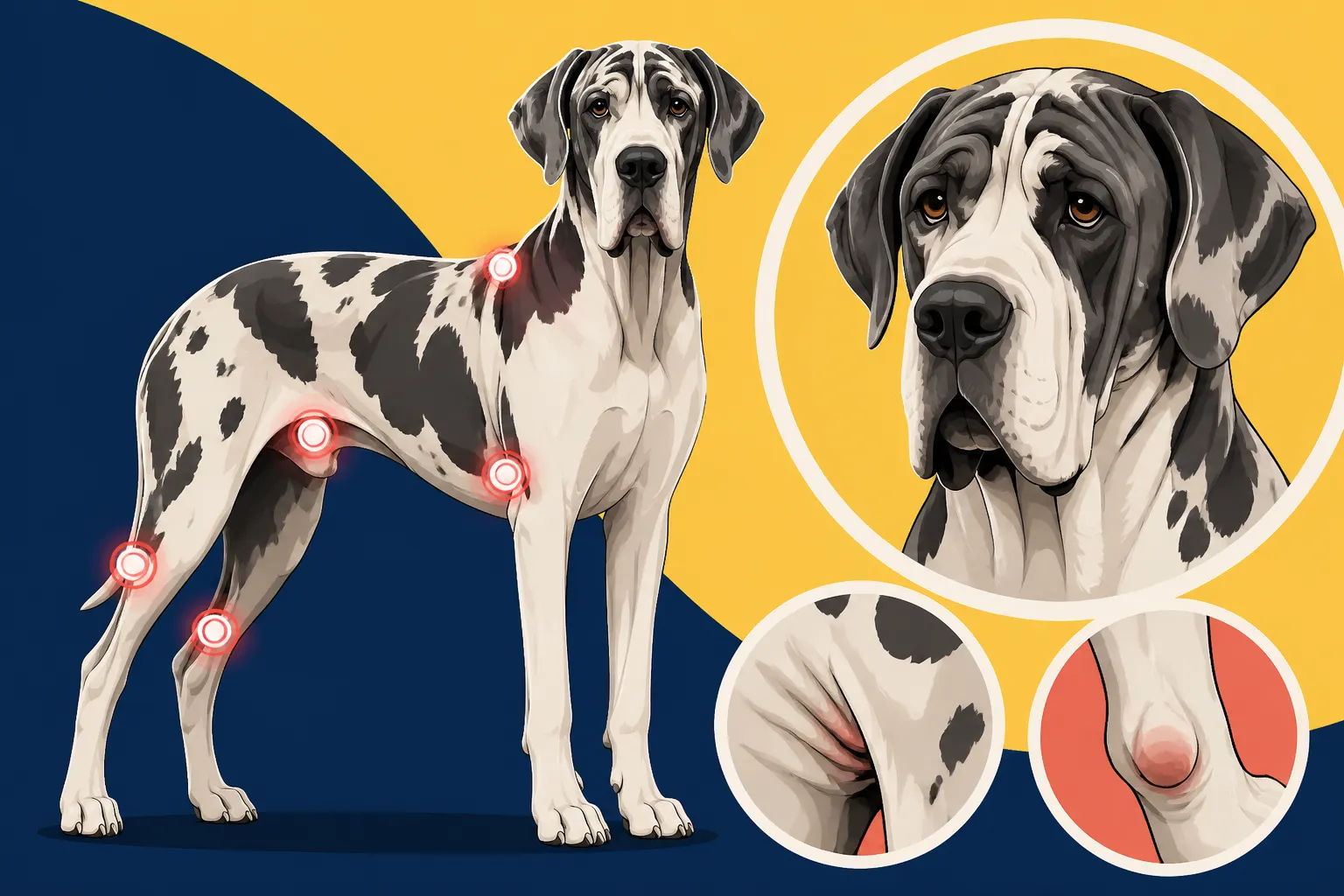
Great Danes, particularly those with more pronounced jowls or a heavier build, can develop skin folds in several key areas. The most obvious is around their magnificent, often droopy, lips and jowls. These folds, combined with their characteristic drool, create a perpetually moist environment that can become a breeding ground for bacteria and yeast. You might also notice folds around their neck, especially if they have a bit more skin there, or sometimes in their armpits or groin area. These folds aren't just cosmetic; they trap moisture, sweat, dirt, and even food particles. Over time, this constant dampness and lack of air circulation lead to inflammation and irritation, often referred to as skin fold dermatitis. It's a common, often frustrating, battle for many Great Dane owners, and one that requires vigilant attention. Regular cleaning and attention, as detailed in Wiping a Great Dane's Jowls, can make a world of difference.
Identifying Pressure Points on a Great Dane
Beyond skin folds, Great Danes are highly susceptible to issues at their pressure points. Think about where your Dane typically rests – their elbows, hocks (the joint that looks like an ankle on their back legs), hips, and even their sternum (breastbone). These are the bony prominences that take the brunt of their massive weight every time they lie down. When a dog lies on a hard surface, like tile, hardwood, or even thinly carpeted floors, these points experience constant friction and pressure. This repeated trauma leads to the skin thickening and hardening, forming calluses. Initially, they might just look like tough, darkened patches of skin, but if neglected, they can become painful, cracked, and even infected. It’s a classic Great Dane problem, and one that highlights the absolute necessity of appropriate bedding and diligent care to prevent these areas from deteriorating into serious sores.
Preventing Skin Fold Dermatitis and Irritation
Prevention is truly the name of the game when it comes to keeping your Great Dane's skin folds healthy. Once irritation sets in, it can be a persistent battle, so establishing a routine before problems emerge is crucial. It’s not about being obsessive, but about being consistent and thoughtful in your approach.
The Importance of Regular Cleaning and Drying
Consistency is your best friend when it comes to skin folds. These areas, particularly around the mouth and neck, need to be checked daily and cleaned regularly. Imagine not washing behind your ears or under your chin for days – it wouldn't feel great, right? For your Great Dane, it's even more critical because moisture gets trapped so easily. After meals, check their jowls for any food debris. If they’ve had a big drink of water, gently blot the excess moisture from their folds. A simple wipe-down with a damp cloth, followed by thorough drying, can prevent a lot of headaches. It's not just about removing visible dirt; it's about disrupting the warm, moist environment that bacteria and yeast thrive in. Making this a quick, positive part of your daily interaction, perhaps with a small treat, will make it easier for both of you.
Choosing the Right Cleansers and Wipes
When you’re cleaning those delicate folds, you can’t just use any old soap. You need gentle, canine-specific products that won't strip their skin's natural oils or cause further irritation. Many veterinarians recommend antiseptic wipes or solutions containing chlorhexidine or medicated ingredients, especially if your Dane is prone to yeast or bacterial overgrowth. For everyday cleaning, plain water followed by thorough drying is often sufficient. However, for a deeper clean or if you notice a slight odor or redness developing, a gentle, soap-free cleanser designed for sensitive skin is ideal. You can find excellent options on platforms like Chewy or Amazon, often with reviews from other large breed owners, which can be super helpful. Always patch test any new product on a small area first to ensure your dog doesn't have a reaction. Remember, the goal is to clean and dry, not to leave residue.
Managing Moisture and Humidity in Folds
Keeping skin folds dry is paramount. After cleaning, take the extra minute to gently pat the folds completely dry with a soft cloth or even a cotton pad. For areas that tend to get exceptionally moist, some owners use a very light dusting of cornstarch (make sure it's plain, unscented cornstarch, not talc) to absorb residual moisture. Alternatively, your vet might recommend a medicated powder or a barrier cream to protect the skin from continued dampness. Think about the climate you live in too; humid environments will naturally make these areas more prone to dampness. If you’re battling persistent moisture, consider wiping down the folds more frequently throughout the day, especially during hot, sticky weather, or after any activity that might lead to increased sweating or drooling. This diligent management of moisture is a primary defense against uncomfortable and potentially painful skin fold issues.
Addressing Pressure Point Calluses and Sores
While skin folds demand attention to moisture, pressure points are all about cushioning and friction reduction. These areas take a constant pounding from your Great Dane's weight, and without proper care, they will inevitably develop calluses and potentially much worse.
The Root Cause of Calluses: Hard Surfaces
It sounds simple, but the primary culprit behind those tough, sometimes unsightly, calluses on your Great Dane's elbows, hocks, and hips is consistent contact with hard surfaces. Your Dane loves to sprawl out on the cool tile floor in the summer, or maybe they gravitate to a bare spot of hardwood in the living room. While this might seem harmless, over time, the constant pressure and friction from these hard surfaces stimulate the skin to thicken and harden as a protective response. This thickening is what we call a callus. It's the body's way of trying to shield the underlying bone and soft tissue. However, these calluses aren't perfect; they can become dry, cracked, and if the pressure continues relentlessly, they can eventually break open, leading to painful infections. Understanding this direct link between hard surfaces and calluses is the first step in prevention.
Selecting the Best Bedding for Giant Breeds
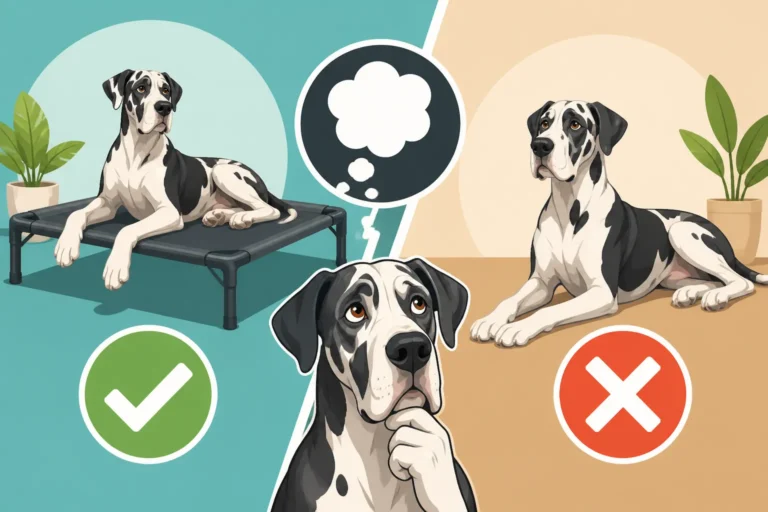
Given the root cause, the solution to preventing and managing pressure point calluses is clear: provide ample, appropriate cushioning. This isn't just about throwing down any old blanket; Great Danes require specialized bedding. You'll want to look for orthopedic dog beds that offer dense, supportive foam, such as memory foam, which cradles their heavy joints and distributes their weight evenly. Chewy and Amazon are great places to explore a wide range of options, from flat mats to bolster beds, all designed with large breeds in mind. The key is thickness and density – a thin, flimsy bed will compress under their weight and offer little protection. Many owners find that investing in two or three high-quality beds for different areas of the house (living room, bedroom, perhaps even a durable one for outdoors) is a wise move. This ensures that wherever your Dane chooses to flop, they have a soft landing. For more specific advice, check out Orthopedic Beds a Great Dane Needs.
Here's a quick comparison of popular bedding materials for Great Danes:
| Bedding Type | Pros | Cons | Ideal For |
|---|---|---|---|
| Memory Foam | Excellent pressure relief, molds to body, durable | Can be expensive, may retain heat (look for cooling gels) | Older Danes, those with joint issues, active dogs |
| Orthopedic Foam | Firm support, good weight distribution, often dense | Can still be bulky, some lower quality foams break down faster | All Great Danes, especially for preventative care |
| Microfiber/Polyfill | Soft, cozy, often washable covers | Less supportive for heavy weight, can flatten quickly, offers less pressure relief | Younger, lighter Danes, supplemental comfort on top of other beds |
| Elevated/Cot Beds | Excellent air circulation, easy to clean | May not provide enough cushion for bony points, some dogs dislike the 'give' | Hot climates, outdoor use, dogs who prefer sleeping off the floor |
Treating Existing Calluses and Preventing Infection
If your Great Dane already has calluses, don't despair! While they may never completely disappear, you can certainly improve their condition and prevent them from worsening or becoming infected. The first step is to immediately upgrade their bedding as described above. Next, you can work on softening the calluses. Many vets recommend applying a moisturizing cream or balm specifically designed for dog calluses, often containing ingredients like lanolin, vitamin E, or urea. Apply these regularly to help keep the skin supple and prevent cracking.
If a callus has already cracked or looks red, swollen, or has any discharge, it’s crucial to contact your veterinarian right away. This could indicate an infection, which will require professional medical attention, possibly antibiotics or anti-inflammatory medication. Never try to "scrub off" a callus, as this can cause more harm than good. The goal is gentle moisturization and providing consistent soft surfaces to allow the skin to heal and soften naturally. For more on this, see Elbow Calluses on a Great Dane.
Nutritional Support for Healthy Skin and Coat
While external care is vital, what goes into your Great Dane's body plays an equally critical role in maintaining healthy skin and a shiny coat. A dog's skin is often a mirror of their internal health, and a well-balanced diet rich in specific nutrients can make a significant difference.
The Role of Omega Fatty Acids in Skin Health
Omega-3 and Omega-6 fatty acids are superstars for skin and coat health. These essential fatty acids are crucial for maintaining the integrity of the skin barrier, reducing inflammation, and promoting a healthy, lustrous coat. Think of them as the building blocks that keep the skin supple and strong, much like how good oils keep an engine running smoothly. While many commercial dog foods include these, Great Danes, with their large surface area and susceptibility to skin issues, often benefit from additional supplementation. Sources like fish oil (salmon oil, cod liver oil), flaxseed oil, or even certain algal oils can be excellent additions. Just be sure to talk to your vet about the appropriate dosage for your giant breed, as "one size fits all" dosing often falls short for a Dane. This is directly related to Fish Oil for a Great Dane and Whether Joint Supplements Reach a Great Dane's Dose.
High-Quality Diet for Overall Skin Integrity
The foundation of healthy skin always starts with a high-quality, complete, and balanced diet. A diet that is deficient in essential nutrients, or one that contains common allergens for your particular dog, can manifest as dull coats, flaky skin, excessive shedding, and even recurring skin infections. Look for dog foods where a named meat source is the first ingredient, and which avoid excessive fillers or artificial additives.
Brands like Ollie, which offer fresh, human-grade food tailored to a dog's specific needs, can be a fantastic option for promoting optimal skin health, though feeding a Great Dane at that volume can be a financial consideration. If fresh food isn't feasible, many premium kibble brands found on Chewy provide excellent nutrition. Ensure the protein and fat levels are appropriate for a giant breed, promoting slow, steady growth for puppies and lean body condition for adults. A healthy weight, as discussed in Reading Ribs on a Great Dane and The Calorie Load a Great Dane Actually Needs, also reduces stress on joints and skin.
Hydration and Its Impact on Skin Elasticity
Just like in humans, proper hydration is critical for skin health in Great Danes. Skin that is dehydrated can appear dry, flaky, and lose its elasticity, making it more prone to irritation and damage. Ensure your Great Dane always has access to fresh, clean water. For a dog of their size, this often means multiple large water bowls placed in convenient locations throughout the house. Some Great Danes enjoy drinking from a large water fountain, which can encourage them to drink more. Pay attention to how much your dog is drinking, especially during hot weather or after exercise. If you notice your Dane's skin seems overly dry, beyond external factors, it's worth assessing their water intake and discussing it with your veterinarian to rule out any underlying health concerns.
Recognizing and Responding to Skin Issues
Despite your best preventative efforts, skin issues can sometimes arise. Knowing what to look for and when to seek professional help is crucial for keeping your Great Dane comfortable and preventing minor irritations from becoming serious problems.
Signs of Infection in Skin Folds and Pressure Points
A proactive approach means being a keen observer of your Great Dane's skin. You know your dog best, so any subtle change should catch your eye. For skin folds, watch for redness, inflammation, or an unpleasant odor – a tell-tale sign of yeast or bacterial overgrowth. You might also notice a greasy or moist discharge within the fold, or your dog might be excessively scratching or rubbing the area. For pressure points, look for calluses that are becoming noticeably red, swollen, hot to the touch, or starting to crack. Any broken skin, pus, or persistent oozing from a callus is a clear indication of infection. Your Dane might also limp, seem reluctant to lie down in their usual spot, or show signs of pain when you touch the affected area.
When to Consult Your Veterinarian
It's tempting to try and manage every little skin irritation at home, but with Great Danes, things can escalate quickly due to their size and the unique challenges their skin presents. You should absolutely consult your veterinarian if:
- You notice any signs of infection (redness, swelling, heat, pain, discharge, odor).
- A callus has broken open or is bleeding.
- Your dog is showing discomfort, pain, or lameness related to a skin issue.
- The problem isn't improving with diligent home care after a few days.
- The skin issue is recurring frequently despite your best efforts.
- Your dog develops multiple skin lesions or generalized skin irritation.
Don't wait until the problem becomes severe; early intervention can prevent much suffering and more costly treatments down the line. Remember, Great Danes are prone to certain health conditions, and some skin changes could even be indicative of a deeper systemic issue, making a vet visit essential.
Home Care vs. Professional Treatment Options
For very minor, superficial irritations in skin folds (e.g., a tiny bit of redness from dampness), gentle cleaning with a mild, veterinary-approved wipe and thorough drying might resolve the issue. Similarly, for dry, intact calluses, consistent use of an appropriate emollient balm and improved bedding can help soften the skin.
However, once an infection sets in, home care alone is usually not enough. Your veterinarian will likely need to prescribe specific treatments. For bacterial infections, antibiotics (oral or topical) are common. For yeast infections, antifungal medications will be necessary. In more severe cases of skin fold dermatitis, the vet might recommend a medicated shampoo or a more aggressive cleaning protocol. For infected pressure sores, wound care, pain relief, and possibly even bandages will be part of the treatment plan. Your vet might also recommend diagnostics, such as skin scrapings or cultures, to accurately identify the pathogen and guide treatment. Sometimes, underlying allergies or hormonal imbalances can contribute to chronic skin problems, which your vet can also investigate. Staying on top of routine care, like that discussed in Bathing a Great Dane at Home, can help prevent some of these issues.
Disclaimer
This article is for general informational purposes only and does not constitute professional advice. Laws, prices and regulations vary by location and change over time. Consult a qualified professional for guidance on your specific situation.