Whether Some Great Danes Drool Less
Oh, the infamous Great Dane drool! If you're living with one of these magnificent giants, you've probably wondered if your walls, furniture, and clothes are destined to be perpetually damp. It's a common lament among Dane owners: "Is there any way to have a Great Dane without a constant waterfall from their jowls?" The good news is that while drooling is certainly a Great Dane hallmark, there can be subtle variations, and more importantly, there are plenty of strategies to help manage the slobber. This guide will dive into why Great Danes drool, explore if some genuinely drool less, and equip you with practical tips to keep your home a little drier.
The Great Dane Drool Factor: Understanding Why Our Giants Slobber
Let's be honest, Great Danes are not known for their tidy mouths. It's one of those charming (or sometimes frustrating) quirks that come with owning such a grand breed. But why exactly are they such prolific droolers? It's not just a matter of individual personality; a lot of it comes down to their very design.
The Anatomy of the Drool: Loose Lips and Deep Flews
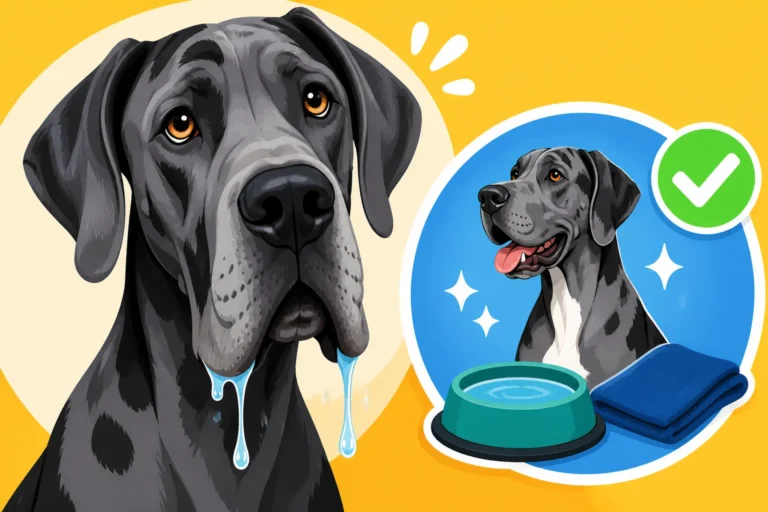
The primary reason Great Danes drool so much is their unique facial anatomy. Take a close look at your Dane's mouth. You'll notice they have what are called "flews" – these are the loose, pendulous lips that hang down from their upper jaw. Unlike breeds with tighter, more compact lips, the Great Dane's flews act like a natural catchment system that isn't quite leak-proof. When saliva is produced (and Danes produce a lot of it, just like other large dogs), these loose lips aren't able to contain it efficiently.
Imagine trying to hold water in a leaky bucket; eventually, it's going to overflow. That's essentially what happens with a Great Dane's mouth. The saliva pools, gravity does its work, and drip, drip, drip you have drool. This isn't a defect; it's simply a characteristic of their breed standard, a remnant of their history as boar hounds where such a powerful muzzle was key. The sheer volume of their mouths and the way their jowls are structured simply make drool a frequent visitor.
Beyond Physiology: Triggers for Increased Salivation
While anatomy sets the stage, various factors can crank up the drool production from a gentle seep to a full-blown waterfall. Understanding these triggers can help you anticipate and, sometimes, even mitigate the mess. The most common culprit? Food. Just the smell, the sight, or even the thought of a tasty treat can send a Dane's salivary glands into overdrive. Ever watched your Dane stare intently at you while you're preparing their meal? That glistening chin is often a clear indicator of their anticipation.
Excitement is another huge factor. When you come home after a long day, or when they're about to go for a walk, that joyful exuberance often manifests as an increased flow of saliva. Even certain activities, like vigorous exercise or playing with toys, can stimulate drooling. Lastly, thirst can play a role; a Dane who's just gulped down a large amount of water will often have residual water mixed with saliva that cascades from their jowls as they shake their head. It's a multi-faceted problem that often feels unavoidable.
Is Drool a Sign of Health or Trouble?
Most of the time, your Great Dane's drool is completely normal and simply part of their breed. It's a natural bodily function, much like a human sweating. However, there are instances where changes in drooling patterns can signal an underlying health issue that needs attention. It's all about recognizing what's normal for your dog versus what's new or excessive.
For example, if your Dane suddenly starts drooling far more than usual, or if the drool is thicker, discolored, or has an unusual odor, these are red flags. This might indicate dental problems, a foreign object lodged in their mouth, nausea, or even something more serious. A healthy Great Dane should have clear, watery saliva. Any significant deviation warrants a call to your veterinarian. Ignoring persistent or unusual drooling could mean missing an early sign of discomfort or illness.
Navigating the Drool Spectrum: Do Some Great Danes Really Slobber Less?
This is the million-dollar question for many prospective and current Great Dane owners. Is there hope for a slightly less slobbery existence, or are we all doomed to carry a drool rag at all times? The answer, like with many things in the canine world, is nuanced: yes, some Great Danes do tend to drool less than others, but it's not a guarantee, and it's certainly not a reason to choose a dog solely based on this trait.
Genetic Variations: The Role of Lip and Muzzle Conformation
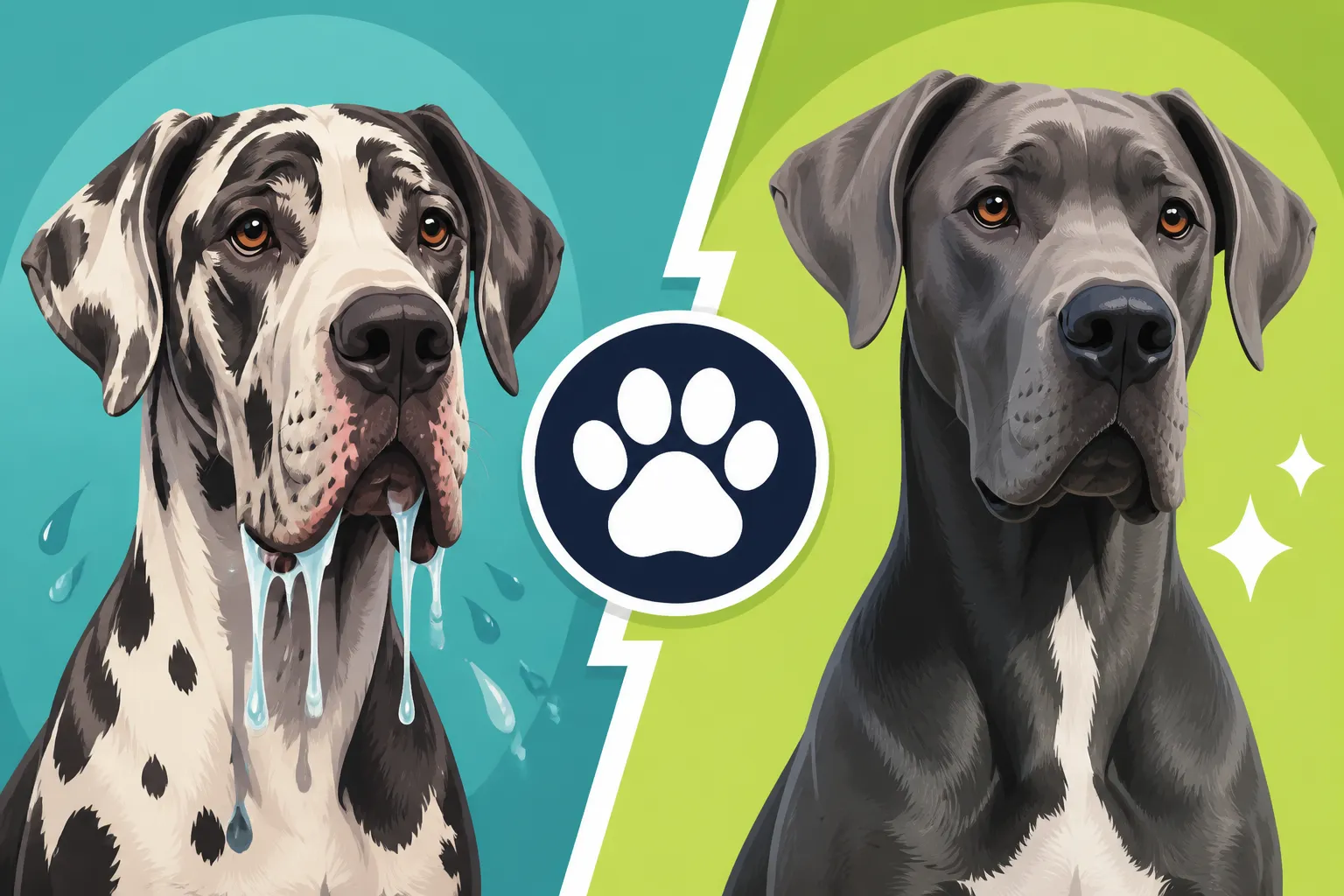
The biggest factor influencing how much a Great Dane drools is directly tied to the individual's specific facial structure. While all Great Danes have flews, the degree of looseness and depth varies from dog to dog. Some Danes have tighter, more refined jowls and a less pronounced "lip pocket," which allows saliva to be contained a bit more effectively within their mouth. Others have very deep, pendulous flews that seem designed to catch and release every drop.
This variation is largely genetic. Think of it like human facial features – some people have fuller lips, others thinner. It's the same principle in Danes. While two Great Danes might stand side-by-side, one could have a noticeably "drier" mouth simply due to the way their lips are formed and how snugly they fit against their teeth and gums. These subtle differences in muzzle and lip conformation are what truly define a Dane as a "less drooly" individual.
The Impact of Size and Build on Saliva Output
Does a bigger Dane mean more drool? Not necessarily, but there can be a correlation. Generally, larger dogs tend to produce more saliva simply because they have larger bodies and larger salivary glands. So, a massive male Dane might, on average, produce more saliva than a smaller female Dane. However, the manageability of that saliva – meaning how much of it ends up on your floor – still comes back to the lip conformation.
A very large Dane with tight lips might drool less than a medium-sized Dane with extremely loose jowls. It's not just the volume of saliva produced, but how well that volume is contained. So while size can be a contributing factor to overall saliva production, it's not the sole determinant of how much drool you'll be wiping up. Interestingly, the question of Whether Smaller Great Danes Live Longer is sometimes posed, but even if they did, it wouldn't automatically equate to a significantly drier existence.
Breeder Practices and "Drier Mouth" Lines
It's natural to wonder if breeders can selectively breed for "drier mouth" Great Danes. While most reputable Great Dane breeders prioritize health, temperament, and adherence to the breed standard, the "drool factor" is rarely a primary selection criterion. The breed standard describes the ideal Great Dane muzzle and head, and while extreme looseness of flews can be considered a fault in some show rings, a completely "dry mouth" is not typically a goal.
Breeders focus on genetic health screening for issues like hip and elbow dysplasia, cardiac conditions, and bloat risk. Traits like drooling are usually secondary. That being said, if a breeder consistently produces Danes with tighter flews, it could become a characteristic of their line. If you are very concerned about drool, you could certainly ask breeders about the typical drool level of their adult dogs and the parents of a litter. However, be prepared that it might not be a trait they actively track or guarantee. What they can tell you about, however, is The Health Testing a Great Dane Breeder Owes You when it comes to more critical health concerns.
Living with a Drooly Dane: Practical Solutions and Everyday Management
Okay, so maybe you have a Great Dane who's an enthusiastic drooler, or perhaps you're just preparing for the inevitable. The good news is that living with a drooly Dane doesn't mean resigning yourself to a constantly wet home. There are many practical strategies and tools that can make a huge difference in managing the mess and keeping your home (and your Dane) a bit tidier.
Essential Tools for the Proactive Dane Owner
The first rule of Great Dane drool club is: always be prepared. Your best friend will quickly become a collection of towels, rags, and cleaning supplies. These aren't just for cleaning after a slobber incident; they're for prevention and quick clean-up.
- Drool Rags: These are non-negotiable. Keep them everywhere – by the door, in the car, next to the sofa, in your pocket. A small, absorbent towel or even a dedicated "slobber cloth" can quickly catch drips before they hit the floor or become a decorative stripe on your clothing. Many owners swear by microfiber cloths for their absorbency. This is exactly why you'll find that What Great Dane Owners Keep by the Door often includes a stack of these indispensable rags.
- Waterproof Furniture Covers: If your Dane is allowed on furniture (and let's be real, most Danes find their way onto the sofa eventually), investing in waterproof covers or throws is a game-changer. These can protect your upholstery from drool, water, and muddy paws. Many options are available on marketplaces like Amazon or Chewy, ranging from fitted covers to simple throws.
- Wipes: Keep pet-safe wipes on hand for quick clean-ups of faces, jowls, and even floors. These are especially handy for travel or after a particularly enthusiastic drink of water.
- Floor Mats/Runners: Placing absorbent mats under water bowls and in high-traffic drool zones can help catch drips before they spread. These are also beneficial for older Danes, as they provide better traction, a topic covered in Mats and Runners a Great Dane Will Not Slip On.
Dietary Approaches and Hydration Strategies to Minimize Mess
While you can't stop a Great Dane from drinking water or eating, you can adjust some habits to minimize the subsequent drool fest. These small changes can significantly reduce the amount of slobber you encounter daily.
- Scheduled Mealtimes: Instead of free-feeding, stick to scheduled mealtimes. This allows you to anticipate drooling and be ready with your drool rag. It also helps with monitoring their appetite and overall health. For more on meal planning, you can read Meal Habits That Cut a Great Dane's Twist Risk.
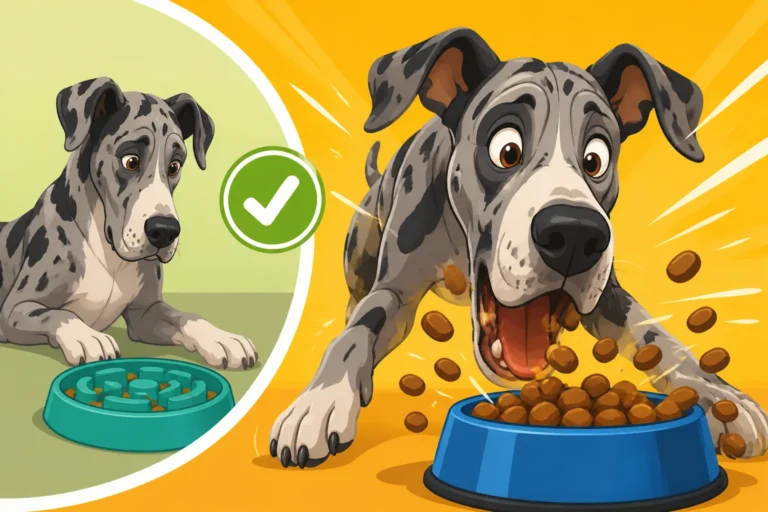
- Slow Feeder Bowls: Some Danes eat very quickly, which can lead to more slobber and even increase their risk for bloat. Slow feeder bowls, available on sites like Chewy or Amazon, can make them work a little harder for their food, potentially reducing mess and promoting better digestion.
- Water Management: This is crucial. Provide plenty of fresh water, but be mindful of how your Dane drinks. Many Danes will dunk their entire muzzle, then lift their head, resulting in water everywhere. Some owners find that a wider, shallower bowl helps reduce the "face dunk" factor. You might also place the water bowl outdoors or in an easy-to-clean area. For the sheer volume of water they consume, it's often recommended to have Two Water Bowls in a Great Dane House, ensuring constant access without necessitating indoor spillage.
- Wait Time After Eating/Drinking: Encourage your Dane to "settle" for a few minutes after eating or drinking, giving them time to swallow excess saliva and water before moving around and shaking their head.
Maintaining Oral Hygiene and Health
Sometimes, excessive drooling can be a symptom of poor oral health. Keeping your Great Dane's mouth clean isn't just about fresh breath; it's about their overall well-being and can indirectly influence drooling.
- Regular Brushing: Brushing your Dane's teeth regularly helps prevent plaque and tartar buildup, which can irritate gums and lead to increased salivation. It can be a challenge with a large dog, but consistency is key. For tips on managing this colossal task, check out Keeping a Great Dane's Very Large Mouth Clean.
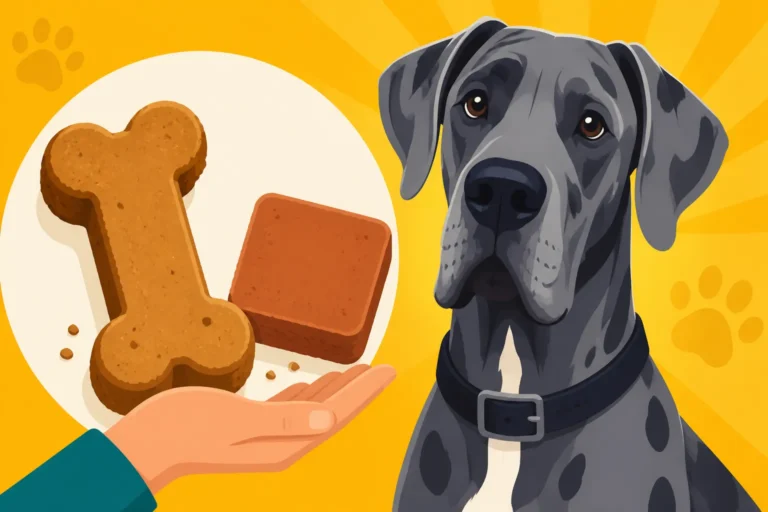
- Dental Chews: High-quality dental chews, sized appropriately for a Great Dane, can help reduce plaque and satisfy their natural urge to chew. Brands like Greenies (ensure they are the large size) or other robust options found on Chewy can be beneficial.
- Vet Check-ups: Regular veterinary check-ups should always include an oral examination. Your vet can identify early signs of dental disease, which, if left untreated, can lead to pain, infection, and increased drooling. Sometimes, a professional dental cleaning under anesthesia is necessary, a topic further explored in Whether a Great Dane's Teeth Need Annual Sedation. Addressing these issues can sometimes noticeably reduce drooling.
Home Modifications for a Slobber-Proof Environment
Your home doesn't have to look like a disaster zone because you own a Great Dane. With a few strategic modifications, you can make your living space more resistant to drool and easier to clean.
- Strategic Placement of Furniture: Consider the placement of furniture near high-drool areas. If your Dane likes to lean against the wall while looking out the window, you might find drool streaks at Great Dane head height. Slobber on Walls at Great Dane Head Height is a real issue for many owners! Consider washable paint in these areas or placing protective panels.
- Easy-to-Clean Surfaces: Hard floors like tile, sealed concrete, or quality vinyl planks are much easier to clean than carpet when it comes to drool. If you have carpets, consider area rugs that can be easily cleaned or replaced. For details on durable flooring, refer to Floors That Hold Up Under a Great Dane.
- Washable Throws and Blankets: Use washable throws on sofas, chairs, and beds where your Dane relaxes. These can be tossed into the laundry regularly, keeping your furniture clean and fresh.
- Dog Beds with Removable Covers: Invest in good quality dog beds with removable, washable covers. This ensures their resting spots stay hygienic and helps contain any drool while they sleep.
When Drool Becomes a Concern: Recognizing Red Flags
While a certain amount of drool is par for the course with a Great Dane, there are definitely times when it goes beyond "normal Dane behavior" and warrants closer inspection. Recognizing these red flags can be crucial for your dog's health and well-being.
Persistent Excessive Drooling: Beyond Normal Dane Tendencies
We've talked about what's typical, but what if your Great Dane's drooling suddenly ramps up to an alarming degree, or becomes constant even when they're not excited or eating? This isn't just about aesthetics; it's a potential indicator of something amiss internally. If your Dane is consistently dripping saliva, soaking their jowls and the floor around them, and this is new or significantly worse than their usual level, it's time to take note.
This kind of excessive drooling can sometimes be accompanied by other subtle signs, like changes in appetite, lethargy, or reluctance to open their mouth. Don't dismiss a noticeable increase in drool as just "being a Dane" if it deviates sharply from their established norm. Your intuition as an owner is powerful, and if something feels off, it usually is.
Oral Health and Dental Disease as Drool Culprits
One of the most common reasons for an uptick in drooling is dental pain or oral disease. Great Danes, like all dogs, can develop plaque and tartar buildup, leading to gingivitis and periodontal disease. When their gums are inflamed or infected, it can cause discomfort and stimulate increased saliva production. Imagine a persistent toothache – you might find yourself salivating more than usual.
Beyond periodontal disease, other oral issues can trigger drooling:
- Broken or Fractured Teeth: A cracked tooth can be incredibly painful and expose nerves, leading to drooling.
- Abscesses: Pockets of infection in the gums or around tooth roots will cause discomfort and often excessive salivation.
- Foreign Objects: Something as simple as a stick splinter, a piece of bone, or even a blade of grass lodged between their teeth or in their gums can cause irritation and drooling as their body tries to dislodge it.
- Oral Tumors: While less common, growths or tumors in the mouth can also lead to increased drooling, especially if they are irritating or obstructing normal swallowing.
When you check your Dane's mouth, keep an eye out for red, swollen gums, brown tartar buildup (as discussed in Plaque on a Great Dane's Back Molars), bad breath, or any visible foreign objects or sores.
Life-Threatening Emergencies: The Drool Connection
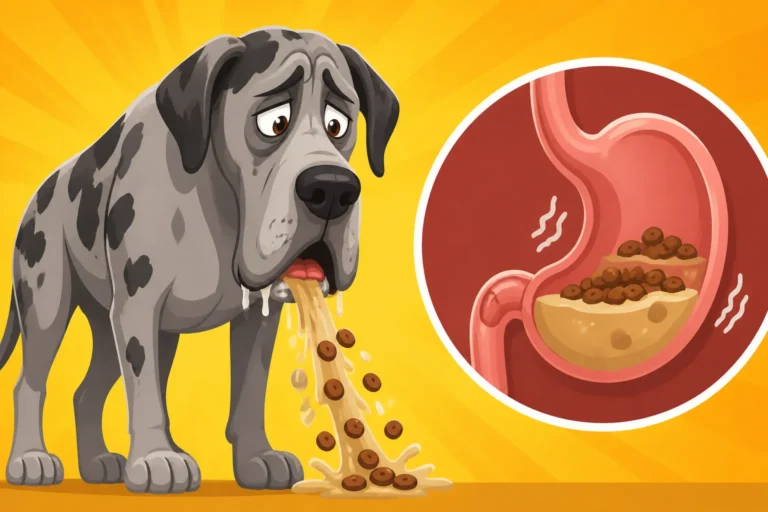
This is perhaps the most critical point. In very specific, acute situations, drooling can be a symptom of a rapidly progressing and life-threatening emergency, particularly bloat (Gastric Dilatation-Volvulus or GDV). Bloat is an urgent condition where the stomach fills with gas and can then twist, cutting off blood supply and quickly becoming fatal.
One of the signs of bloat is often unproductive retching or attempting to vomit without anything coming up, which can be accompanied by profuse drooling. A Great Dane who is A Great Dane Trying to Vomit and Failing and also drooling excessively, pacing, and showing signs of abdominal discomfort (like a distended belly) needs immediate veterinary attention. This is not a situation where you can "wait and see." Every minute counts. For more information on this critical condition, please be aware of The Signs of a Great Dane Stomach Twisting and know what to do if you suspect it. While drooling on its own isn't always a bloat symptom, when combined with other alarming signs, it's an emergency.
Ultimately, while some Great Danes might be naturally "drier" than others due to their unique facial structure, drooling is an inherent part of living with this wonderful breed. By understanding the causes, employing proactive management strategies, and being vigilant about changes in their drooling patterns, you can enjoy your gentle giant to the fullest, even if it means keeping a drool rag always within reach.
Disclaimer
This article is for general informational purposes only and does not constitute professional advice. Laws, prices and regulations vary by location and change over time. Consult a qualified professional for guidance on your specific situation.