Stomach Tacking Surgery for a Great Dane
The terrifying reality for many Great Dane owners is the silent, swift threat of bloat, medically known as Gastric Dilatation-Volvulus (GDV). This life-threatening condition can turn a happy day into a frantic race against time, leaving you feeling helpless and heartbroken. This comprehensive guide aims to demystify stomach tacking surgery, or gastropexy, offering a detailed look at this crucial preventive measure that can dramatically reduce the risk of this devastating twist.
Understanding the Threat: Gastric Dilatation-Volvulus GDV
There's almost nothing more frightening for a Great Dane owner than the thought of bloat. It's a word that strikes fear into our hearts, and for good reason. This condition, known by its formal name Gastric Dilatation-Volvulus (GDV), is a true emergency and unfortunately, Great Danes are statistically one of the most susceptible breeds. The sheer size and deep-chested conformation of these magnificent dogs make them uniquely vulnerable to their stomach flipping, a situation that often proves fatal without immediate and aggressive veterinary intervention. It's not just a 'tummy ache'; it's a catastrophic event that can unfold in mere minutes, demanding rapid decision-making and access to specialized care.
What Exactly is Bloat?
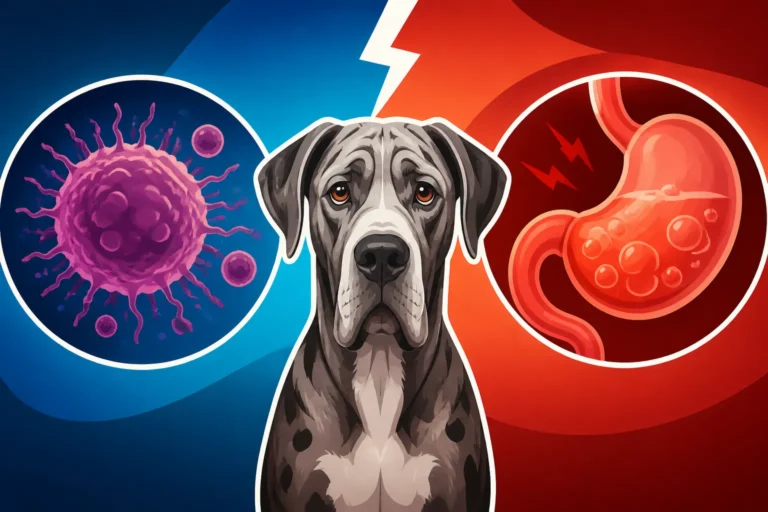
When we talk about bloat, we're actually describing a two-part process that can spiral into a life-threatening crisis. The first part, gastric dilatation, happens when a dog's stomach fills with gas, food, or fluid, causing it to swell dramatically. Imagine a balloon inflating inside your dog's abdomen, pressing against organs and blood vessels. This alone is incredibly painful and dangerous, as the distension can restrict blood flow and put immense pressure on the diaphragm, making it hard for your dog to breathe. It can happen surprisingly quickly after a meal, especially if your Dane eats too fast, drinks too much water, or engages in vigorous exercise.
The second, and far more critical, part is the volvulus. This is when the distended stomach twists on its axis, often by 180 to 360 degrees, effectively pinching off both the entry (esophagus) and exit (duodenum). This twisting action traps everything inside, preventing gas from escaping and blood from flowing to and from the stomach. Without blood supply, the stomach tissue begins to die. Simultaneously, the trapped gas and fluids put increasing pressure on the major veins returning blood to the heart, leading to shock. It's a cruel domino effect that, once started, accelerates with terrifying speed. Understanding this two-stage process highlights why simply alleviating gas isn't enough once the twist has occurred, and why immediate surgical intervention is the only recourse.
Why Great Danes Are So Susceptible
It's not just bad luck that Great Danes are so prone to bloat; it's deeply rooted in their unique anatomy. Their majestic, deep-chested build, often described as an "inverted keel," provides ample space for the stomach to distend and, crucially, to swing and twist. Breeds with narrow, deep chests, like our Danes, are simply built in a way that allows the stomach more freedom of movement than in broader, shallower-chested dogs. This physical characteristic is a major predisposing factor that cannot be changed.
Beyond their chest conformation, other elements contribute to the risk. Research indicates that genetics play a role, with some lines showing higher incidence. Temperament, too, might be a factor; anxious or stressed dogs may be more prone to digestive upset. Feeding habits, such as eating one large meal a day, rapid eating, or exercising too close to meal times, are also commonly cited as potential triggers. While many of these factors can be managed to some extent, the inherent anatomical predisposition of a Great Dane remains the most significant, making the conversation about preventive measures like gastropexy not just important, but often a necessity for responsible ownership. Knowing The Lifetime Bloat Risk in a Great Dane truly hammers home the importance of understanding these vulnerabilities.
The Immediate Danger and Its Progression
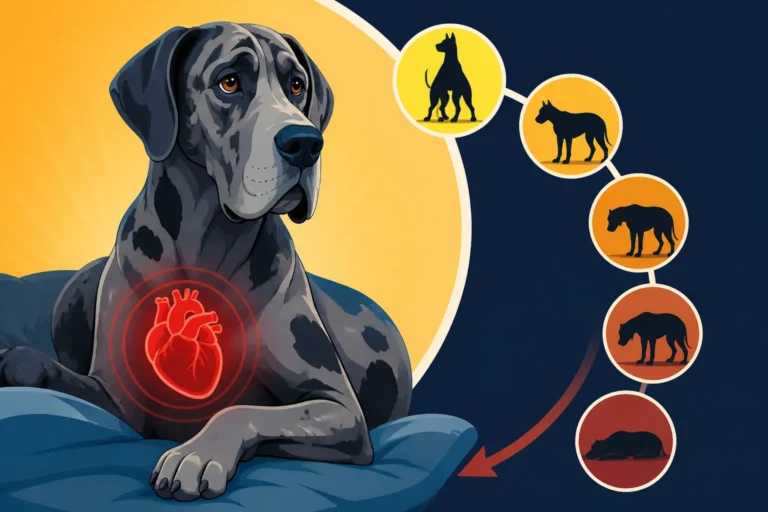
The danger of GDV is not just its rapid onset, but its devastating progression. Once the stomach twists, the clock starts ticking, and every minute counts. The lack of blood flow to the stomach wall quickly leads to tissue death (necrosis), which can result in perforations and leakage of stomach contents into the abdominal cavity, causing peritonitis—a severe and often fatal infection. Beyond the stomach itself, the restricted blood flow profoundly impacts the entire cardiovascular system, leading to systemic shock, irregular heart rhythms (arrhythmias), and multi-organ failure.
A Great Dane trying to vomit and failing is one of the most alarming signs. You might see them retching, gagging, or attempting to bring something up, but nothing comes out. This is a classic indicator that the stomach is twisted shut. Other signs include extreme restlessness, pacing, an enlarged and firm abdomen, excessive drooling, rapid shallow breathing, weakness, and collapse. If you notice The Signs of a Great Dane Stomach Twisting, you have literally minutes, maybe an hour or two at best, to get your dog to an emergency veterinary clinic. Delay can mean the difference between life and death. Even with prompt surgical intervention, the mortality rate for GDV remains significant, underscoring why prevention is always the best strategy for Great Danes.
Introducing Gastropexy: The Preventive Solution
Given the terrifying speed and severity of GDV, preventive measures are paramount for Great Danes. This is where gastropexy, commonly known as stomach tacking surgery, enters the conversation. For many Great Dane owners, this procedure isn't just an option; it's a profound act of love and responsible pet ownership that can offer immense peace of mind. It's important to understand that gastropexy is not a cure-all that prevents bloat entirely, but rather a highly effective surgical intervention designed to prevent the deadly twist that makes bloat so fatal. It addresses the core mechanical problem of the stomach rotating within the abdominal cavity, offering a crucial layer of protection.
What Stomach Tacking Surgery Entails
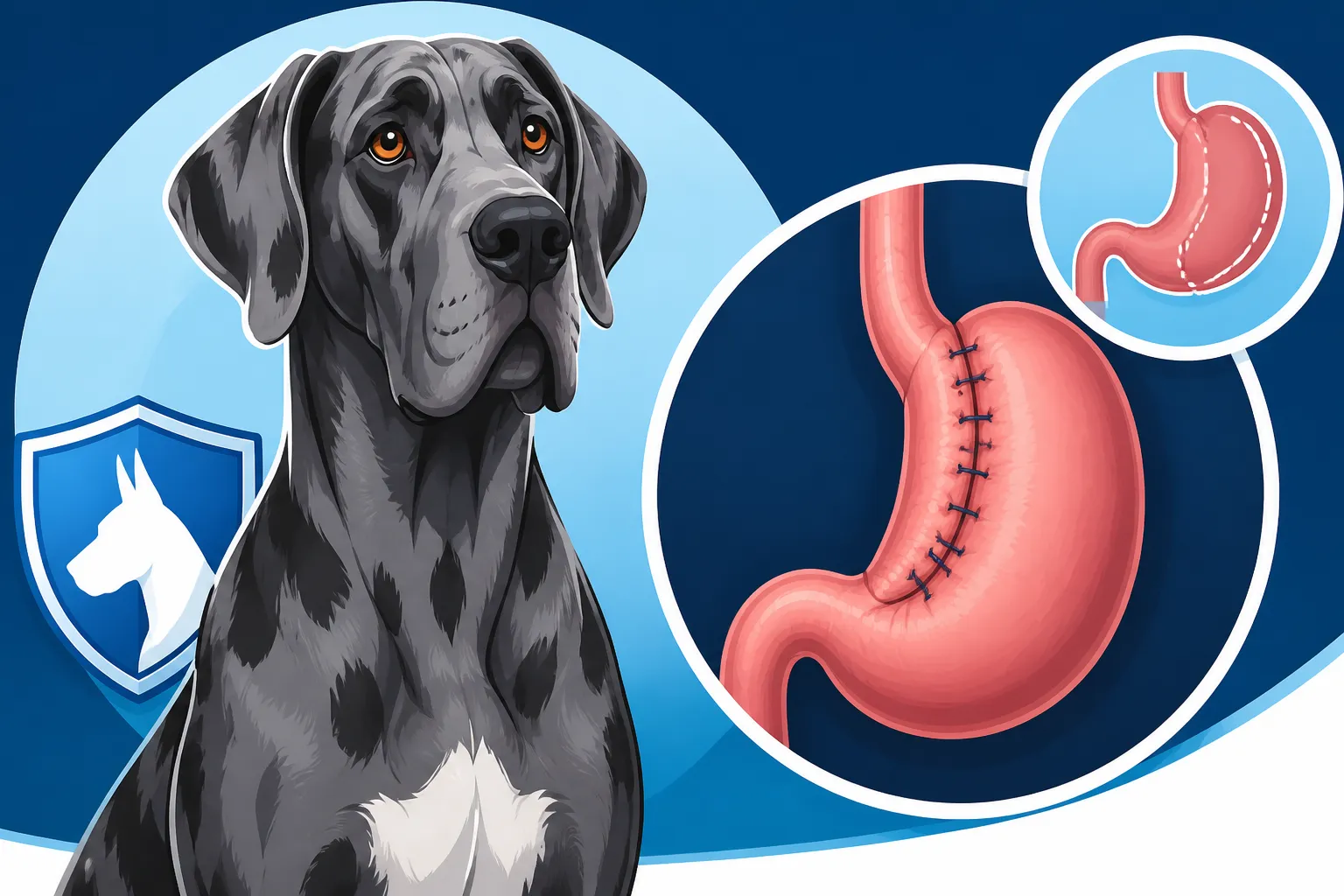
At its heart, a gastropexy is a surgical procedure where a veterinarian permanently attaches a portion of the stomach to the abdominal wall. Think of it as anchoring the stomach in place so it can't swing freely and twist. There are several techniques for performing a gastropexy, but they all share the common goal of creating a strong, fibrous adhesion between the stomach and the internal body wall. This adhesion effectively prevents the stomach from rotating more than a very slight degree, which is not enough to cause a life-threatening volvulus.
The most common area for attachment is the pylorus, the lower part of the stomach that connects to the small intestine. By securing this section, the stomach is held firmly against the right side of the abdominal wall. Over time, the surgical attachment heals and strengthens, forming a permanent bond. This means that even if your Great Dane's stomach still fills with gas or food (gastric dilatation), it simply cannot flip over, thereby preventing the much deadlier "volvulus" component of GDV. This mechanical intervention is a game-changer for high-risk breeds like ours.
The Core Goal: Preventing the Twist, Not the Bloat
It's a critical distinction that sometimes gets overlooked: gastropexy prevents the volvulus (the twist), not the dilatation (the bloat itself). Your Great Dane can still experience a buildup of gas and food in their stomach even after a successful gastropexy. This means that they could still feel uncomfortable, might gag or retch, and could even show some abdominal distension. However, because the stomach is anchored, that life-threatening rotation cannot occur. Without the twist, the blood supply isn't cut off, and the gas can eventually be released (either through burping, flatulence, or via veterinary intervention if needed, such as tubing or stomach decompression).
This distinction is key for managing expectations. Even with a gastropexy, owners should still be vigilant about feeding habits, exercise routines, and stress management, all of which contribute to the risk of initial gastric distension. The gastropexy provides a vital safety net, transforming a potentially fatal emergency into a serious but manageable discomfort. It buys you time, removes the immediate deadly threat, and turns what could have been a frantic drive to the emergency vet for a life-or-death surgery into a more controlled situation where your veterinarian can address the gas buildup without the added complication of a twisted stomach. Knowing Whether a Tacked Great Dane Can Still Bloat is essential for continued vigilance.
Different Surgical Approaches
Veterinary medicine has advanced, and there are now a few ways to perform a gastropexy, offering options depending on your vet's expertise and your dog's individual needs. Each method aims to achieve the same result: a strong, permanent attachment of the stomach to the abdominal wall.
- Open Gastropexy: This is the traditional method, involving a larger incision in the abdomen, similar to a spay or neuter surgery. The surgeon directly visualizes the stomach and abdominal wall, creating the adhesion. This method is often performed if the dog is already undergoing another abdominal surgery, like a spay, or if a laparoscopic approach isn't available. It provides excellent visualization and allows for a very strong attachment, though it is more invasive with a longer recovery compared to newer techniques.
- Laparoscopic-Assisted Gastropexy: This minimally invasive technique uses a laparoscope (a small camera) and specialized instruments inserted through tiny incisions. The surgeon uses the camera to guide the procedure, and then often makes a small incision (still much smaller than an open surgery) to help with the actual tacking of the stomach. This method offers reduced pain, smaller incisions, and typically a faster recovery time. Many owners prefer this if available, as it minimizes surgical stress on their large Danes.
- Full Laparoscopic Gastropexy: In some specialized veterinary hospitals, a full laparoscopic gastropexy can be performed entirely through small keyhole incisions, without any larger incision. This is the least invasive technique and typically leads to the fastest recovery, but it requires highly specialized equipment and training.
- Incisional Gastropexy: This technique involves making an incision through the outer layers of the stomach wall and the inner abdominal wall, then suturing them together. This is a common and highly effective method, whether performed via an open or laparoscopic-assisted approach.
Here's a quick comparison of the two main approaches:
| Feature | Open Gastropexy | Laparoscopic-Assisted Gastropexy |
|---|---|---|
| Invasiveness | More invasive (larger incision) | Minimally invasive (smaller incisions) |
| Recovery Time | Generally longer | Generally shorter, less post-op pain |
| Visualization | Direct, full view of abdominal organs | Indirect via camera, excellent visualization |
| Cost | Potentially lower due to less specialized equipment | Potentially higher due to specialized equipment and expertise |
| Availability | Widely available at most veterinary clinics | Requires specialized equipment and trained surgeons |
| Strength of Tack | Very strong, permanent adhesion | Very strong, permanent adhesion |
For more details on specific methods, you can look into How a Great Dane Gastropexy Is Done. The choice of technique will largely depend on your veterinarian's recommendation, their surgical capabilities, and what you feel is best for your beloved Great Dane.
The "When" and "Why" of Getting a Gastropexy
Deciding to pursue a gastropexy for your Great Dane is a significant decision, often made with a mix of fear and hope. Fear of the dreaded bloat, and hope that this preventive surgery can spare your beloved companion a life-threatening crisis. It's a proactive step that many Great Dane owners consider, recognizing the breed's unique vulnerabilities. The timing of this procedure, and whether it's truly the right choice for your dog, are crucial discussions to have with your veterinarian. It’s not a one-size-fits-all answer, but rather a decision tailored to your dog's health, age, and your family's circumstances.
Ideal Age for the Procedure
The consensus among veterinarians and Great Dane breeders is that the ideal time for a gastropexy is when the dog is young, typically between six months and two years of age. There are several compelling reasons for this recommendation. Firstly, younger dogs generally recover more quickly from surgery than older dogs. Their bodies are resilient, and they often bounce back with minimal complications. Waiting until a dog is older increases the inherent risks of any surgical procedure, including anesthesia complications and slower healing times.
Secondly, performing the gastropexy before the dog has had a chance to experience a bloat episode is the entire point of the preventative measure. If your Great Dane has already suffered a GDV episode and required emergency surgery, a gastropexy will almost certainly be performed during that life-saving operation to prevent recurrence. However, the goal is to avoid that emergency scenario altogether. By performing the surgery proactively in a healthy, young dog, you're investing in a lifetime of reduced risk and peace of mind. Many owners opt to schedule the procedure around the same time as their Great Dane's spay or neuter surgery, which brings us to the next point. Consider discussing When to Book a Great Dane Gastropexy.
Combining Gastropexy with Spay/Neuter
One of the most common and practical approaches to preventive gastropexy is to combine it with a planned spay or neuter surgery. This makes a lot of sense for several reasons. Your Great Dane will already be undergoing anesthesia and recovery for one major procedure, so adding the gastropexy minimizes the overall number of times they need to be sedated and go through surgical recovery in their lifetime. It’s often a more efficient and less stressful option for both the dog and the owner. The cost might also be marginally less than two separate surgeries, as some initial setup and anesthesia time is shared.
When performed concurrently, the veterinary team can often use the same incision for both procedures, especially with an open spay or neuter, further reducing surgical impact compared to two entirely separate incisions. Discussing this option with your vet well in advance is crucial, as not all clinics offer laparoscopic options for both at the same time, and scheduling may require specific surgical slots. It's an excellent way to address two significant health considerations—population control and bloat prevention—in one go, allowing your Great Dane to grow into adulthood with these major risks mitigated. For more on this, you might explore Adding a Gastropexy to a Great Dane Spay.
Deciding If It's Right for Your Dane
The decision to proceed with a gastropexy is deeply personal and should be made in close consultation with your veterinarian. While Great Danes are undeniably a high-risk breed, there are still individual factors to consider. For some, the peace of mind offered by prevention far outweighs the risks and costs of surgery. For others, particularly those with dogs having pre-existing health conditions or very advanced age, the surgical risks might be higher.
Your vet will conduct a thorough physical exam and discuss your Dane's overall health, medical history, and any concerns you might have. They can help you weigh the statistical risk of GDV for your specific dog against the potential complications of surgery. They might also discuss lifestyle factors – for example, if your Dane is an anxious eater, or if you live in an area far from emergency veterinary care, the argument for preventative surgery becomes even stronger. This conversation isn't just about statistics; it's about your individual dog, your family's situation, and making the best informed decision for their long-term health and well-being. Ultimately, a gastropexy offers a profound sense of security against a truly devastating condition, allowing you to enjoy your Great Dane more fully without the constant shadow of bloat looming.
Preparing for Your Great Dane's Gastropexy
Once you’ve made the informed decision to move forward with a gastropexy for your Great Dane, the next step is preparation. This isn't just about showing up on surgery day; it involves crucial pre-surgical steps to ensure your dog is as healthy as possible for the procedure, understanding what to expect at the clinic, and what measures the veterinary team will take to safeguard your giant companion. A well-prepared owner and a well-prepared veterinary team are the best recipe for a smooth surgery and successful recovery.
Pre-Surgical Consultations and Diagnostics
Before any surgery, especially one involving a giant breed like a Great Dane, a thorough pre-surgical consultation and diagnostic workup are essential. This typically starts with a comprehensive physical examination by your veterinarian to assess your dog's overall health, listen to their heart and lungs, and check for any existing issues that might complicate anesthesia or recovery. Great Danes, like all large breeds, can have specific considerations regarding anesthesia, given their sheer size and potential for certain underlying conditions.
The diagnostic workup will almost certainly include blood tests. This usually involves a complete blood count (CBC) to check for anemia, infection, or other blood disorders, and a chemistry panel to assess organ function, particularly of the liver and kidneys, which are crucial for metabolizing anesthetic drugs. In some cases, your vet might recommend additional tests like a urinalysis, an electrocardiogram (ECG) to screen for heart arrhythmias (which Great Danes can be prone to), or even chest X-rays, especially for older Danes or those with any history of respiratory concerns. These diagnostics provide a vital baseline, helping the veterinary team tailor the anesthetic protocol specifically for your dog, minimizing risks and maximizing safety.
What to Expect on Surgery Day
Surgery day can be nerve-wracking for any pet owner, but knowing what to expect can help ease some of the anxiety. When you arrive at the veterinary clinic, you’ll typically check in with a veterinary technician or receptionist. They will confirm the procedure, review any pre-operative instructions (like withholding food and water), and answer any last-minute questions you might have. Many clinics will ask you to sign consent forms, acknowledging the risks and procedures involved.
Your Great Dane will then be taken to the back for pre-operative care. This usually includes placing an intravenous (IV) catheter, which allows for fluid administration (to maintain hydration and blood pressure during surgery) and easy access for medications. They will also likely receive pre-anesthetic medications, which help to relax them, reduce anxiety, and can also provide some pain relief. Your dog will then be induced with anesthesia and, once asleep, will have their surgical site carefully clipped and prepped for sterility. During the surgery itself, a dedicated veterinary technician will continuously monitor your dog's vital signs, including heart rate, respiratory rate, blood pressure, and oxygen levels, ensuring their safety under anesthesia. This meticulous monitoring is critical, especially for giant breeds. For a deeper dive, consider understanding Anesthesia Risk in a Great Dane.
Post-Operative Care at the Clinic
The immediate post-operative period is just as critical as the surgery itself. Once the gastropexy is complete, your Great Dane will be moved to a recovery area where they will be closely monitored as they wake up from anesthesia. The veterinary team will continue to watch their vital signs, ensure they are comfortable, and manage any pain. Pain management is a high priority, and your dog will likely receive injectable pain medications to keep them comfortable during these initial hours.
Many Great Danes will be kept overnight at the clinic for observation, especially if the surgery was extensive or if they had any complications. During this time, the staff will continue to administer fluids, monitor their incision, check for any signs of discomfort or adverse reactions, and ensure they are recovering smoothly. They’ll also monitor for their first urination and bowel movement. Before discharge, the veterinary team will provide you with detailed instructions for at-home care, including medication schedules, activity restrictions, and signs to watch out for. Don't hesitate to ask for clarification on anything; it's a lot to take in when you're anxious about your dog.
Life After Gastropexy: Recovery and Long-Term Management
Bringing your Great Dane home after a gastropexy is a huge relief, but the journey isn't over yet. The recovery period is crucial for ensuring the surgical site heals properly and that your dog returns to full health without complications. It requires patience, careful monitoring, and strict adherence to your veterinarian's instructions. While the immediate threat of a twisting stomach is gone, responsible long-term management is still vital for their overall well-being.
Managing Pain and Discomfort at Home
One of your primary responsibilities during your Great Dane's recovery will be managing their pain and discomfort. Your vet will send you home with prescription pain medications, which are absolutely essential. These usually include a non-steroidal anti-inflammatory drug (NSAID) to reduce inflammation and pain, and sometimes an additional opioid-based pain reliever for more severe discomfort. It is critical to administer these medications exactly as prescribed, even if your dog seems to be feeling better. Pain can hinder recovery and stress your dog, so staying on top of it is paramount. Never give human pain medications unless specifically instructed by your vet, as they can be toxic to dogs.
Beyond medication, provide a quiet, comfortable, and warm place for your Dane to rest. A soft, orthopedic bed is ideal, especially for their large joints. Limit access to stairs if possible, or provide assistance. Gently check the incision site daily for any signs of redness, swelling, discharge, or separation. A small amount of bruising is normal, but anything concerning warrants a call to your vet. Keeping them comfortable and calm will aid in their healing process.
Activity Restrictions and Gradual Return to Normality
Activity restriction is perhaps the most challenging, yet most important, part of gastropexy recovery for a lively Great Dane. For the first 10-14 days post-surgery, strict rest is usually required. This means no running, jumping, playing, or roughhousing. Leash walks for potty breaks only are essential, and these should be short and controlled. Avoid off-leash activities, dog parks, or interactions with other pets that might encourage exuberance. Think of it as kennel rest, even if they aren't actually crated.
Gradually, over the next few weeks, your vet will advise on a slow increase in activity. This might involve longer, slower leash walks. The goal is to allow the internal tissues to heal fully and form a strong, permanent adhesion without being stretched or torn. Rushing the process can lead to complications like seromas (fluid pockets), dehiscence (incision breakdown), or a weakened tack. It's tough to keep a Great Dane calm, but remember that this temporary restriction is for their long-term health. Think of this phase as similar to Recovery After Great Dane Bloat Surgery, even though it's preventive, the physical healing process is comparable.
Continuing to Monitor for Bloat Signs Even Post-Tack
Even with a successful gastropexy, it's crucial to remember that your Great Dane can still experience gastric dilatation – their stomach can still fill with gas or food. What the gastropexy prevents is the deadly twist. Therefore, while the immediate panic of GDV might be alleviated, you still need to be vigilant for signs of stomach upset. If your Great Dane starts pacing, drooling excessively, seems uncomfortable, or tries to vomit and nothing comes up, even after a gastropexy, you should still contact your vet.
In a tacked dog, these signs usually indicate severe gastric distension rather than a twist. The distress your dog experiences will still warrant veterinary attention, as the stomach may need to be decompressed (gas released) to relieve discomfort and prevent other complications. Your vet can advise on dietary changes, feeding schedules, and ways to slow down eating to help mitigate the risk of even non-twisting bloat episodes. Remember, the gastropexy is an incredible tool for preventing the worst outcome, but it doesn't mean you can ignore digestive health altogether.
Addressing Common Concerns and Misconceptions
When considering a major preventive surgery like gastropexy, it’s natural to have a myriad of questions and concerns. There's a lot of information, and sometimes misinformation, out there. As responsible Great Dane owners, it’s important to cut through the noise and understand exactly what gastropexy does and doesn't do, its potential downsides, and how it truly impacts your dog's future health. Let's tackle some of the most frequently asked questions head-on.
Does Gastropexy Eliminate All Bloat Risk?
This is perhaps the most critical misconception to clarify: no, gastropexy does not eliminate all bloat risk. What it does, with very high efficacy (over 90-95%), is prevent the volvulus – the life-threatening twisting of the stomach. Your Great Dane’s stomach can still dilate, meaning it can still fill with gas, food, or fluid and expand. This distension can still cause discomfort, pain, and even lead to a visit to the vet for decompression. However, because the stomach is surgically anchored to the abdominal wall, it cannot rotate and cut off its own blood supply or the exits.
This distinction is vital for owner awareness. Even after a gastropexy, you should still observe your Great Dane for signs of gastric upset or discomfort. If your dog appears to be bloating, is restless, or is attempting to vomit unsuccessfully, contact your veterinarian immediately. While the emergency is no longer life-or-death in the same way, severe distension can still lead to complications and requires professional attention. Think of gastropexy as an incredibly effective safety net against the most fatal aspect of bloat, rather than a magic wand that makes all digestive issues disappear. This understanding is key for long-term care, as even a tacked Great Dane can still experience issues if meal habits are poor or stress is high.
Potential Complications and Risks
Like any surgical procedure, gastropexy carries potential complications and risks, though they are generally low, especially when performed on a young, healthy Great Dane. The most common immediate risks are associated with anesthesia. Giant breeds like Great Danes can sometimes be more sensitive to anesthetic agents, and there's always a slight risk of adverse reactions, though modern veterinary anesthesia protocols and vigilant monitoring significantly minimize these.
Post-surgically, potential complications can include:
- Infection: As with any incision, there's a risk of bacterial infection at the surgical site. This is usually managed with antibiotics.
- Seroma or Hematoma: A seroma is a collection of fluid, and a hematoma is a collection of blood, both of which can form under the incision. They often resolve on their own but may require drainage in some cases.
- Dehiscence: This refers to the surgical incision opening up. This is rare but serious and often requires re-suturing. Strict activity restriction helps prevent this.
- Adverse Reaction to Medication: Some dogs may experience side effects from post-operative pain medications or antibiotics.
- Recurrence of Volvulus: While rare, it is technically possible for the tack to fail or stretch over time, allowing for a partial twist. However, the success rate of gastropexy is remarkably high, making this a very low probability.
Discussing these risks thoroughly with your veterinarian beforehand is essential. They can provide a personalized risk assessment based on your Great Dane's health profile. In most cases, the potential risks of gastropexy are far outweighed by the very real and high risk of fatal GDV in Great Danes, making it a sound preventive choice.
The Cost-Benefit Analysis of Prevention
For many Great Dane owners, the decision to proceed with a gastropexy boils down to a critical cost-benefit analysis. On one side, there's the upfront cost of the surgery. This includes the procedure itself, anesthesia, pre-surgical bloodwork, hospitalization, and post-operative medications. These costs can range significantly depending on your location, the veterinary clinic (general practice vs. specialty clinic), and the surgical technique used (open vs. laparoscopic).
On the other side of the equation is the overwhelming benefit: potentially saving your dog's life and avoiding the astronomical costs and emotional devastation of emergency GDV surgery. The cost of emergency bloat surgery, often performed in the middle of the night on an urgent basis, can easily run into thousands of dollars, far exceeding the cost of a preventive gastropexy. This emergency situation is also far more invasive, carries a higher mortality rate, and has a much more complicated and prolonged recovery period than a planned, preventive gastropexy.
Beyond the financial aspect, there's the immense emotional benefit. The fear and anxiety associated with a Great Dane potentially bloating is a heavy burden for many owners. Gastropexy offers peace of mind, allowing you to enjoy your dog more fully without that constant worry. When you consider The Night a Great Dane Bloats and What It Costs, both financially and emotionally, the preventive gastropexy becomes a very compelling and responsible investment in your Great Dane’s health and your own peace of mind.
Financial Considerations: Investing in Your Dane's Future
Let's be real: owning a Great Dane is not a cheap endeavor, and preventive healthcare, while invaluable, adds to that financial commitment. Gastropexy, being a surgical procedure, comes with its own price tag. However, viewing it as an investment in your dog's future health and longevity, rather than just an expense, can help put the costs into perspective. Understanding the typical expenses involved and exploring options like pet insurance are crucial steps in responsible Great Dane ownership.
Understanding the Costs Involved
The cost of a prophylactic (preventive) gastropexy for a Great Dane can vary widely. Generally, you can expect to pay anywhere from $800 to $2,500, though these figures can fluctuate based on several factors:
- Geographic Location: Veterinary costs vary significantly between urban and rural areas, and across different states or regions.
- Type of Clinic: A specialty veterinary surgery center offering advanced laparoscopic techniques might charge more than a general practice performing an open gastropexy.
- Surgical Technique: As discussed, a full laparoscopic procedure often carries a higher price tag due to specialized equipment and expertise, compared to a traditional open approach.
- Included Services: The total cost typically covers pre-surgical bloodwork, anesthesia, the surgery itself, IV fluids, monitoring, hospitalization (often overnight), and post-operative medications. Always get a detailed estimate from your vet so you know exactly what’s included.
- Combination with Other Surgeries: If performed concurrently with a spay or neuter, the total combined cost might be slightly less than two completely separate procedures, as some overhead costs are shared.
While this might seem like a significant upfront cost, it’s essential to compare it to the potential cost of an emergency GDV surgery, which can easily range from $3,000 to $10,000 or more, especially if there are complications, extensive tissue damage, or prolonged hospitalization in an intensive care unit. The preventative cost is almost always substantially lower than the emergency treatment.
The Role of Pet Insurance
This is where pet insurance truly shines, especially for a breed with specific, well-documented health risks like the Great Dane. Many pet insurance plans, like those offered by Healthy Paws, will cover a preventive gastropexy if it is performed before any signs of bloat have ever occurred. This is a critical point: if your dog has already experienced a bloat episode (even if it wasn't a twist, just distension), some insurers might consider it a pre-existing condition and exclude future bloat-related claims or subsequent preventive surgery.
Therefore, the best time to enroll your Great Dane in pet insurance is when they are a young puppy, before any health issues arise. By doing so, you ensure that conditions like bloat, and the preventive surgery to mitigate its risk, are covered according to your policy terms. When researching policies, specifically ask about coverage for preventive procedures and how bloat (GDV) is handled. A good pet insurance plan can turn a financially daunting surgery into a manageable expense, providing not only peace of mind for the gastropexy but also protection against a wide range of other common Great Dane health issues, from joint problems to cardiac conditions. This can make Insuring a Great Dane Against Bloat and Heart Bills, a truly smart decision.
Comparing Costs: Prevention vs. Emergency Treatment
Let’s lay out a clear comparison to truly understand the financial logic behind preventive gastropexy.
| Cost Factor | Preventive Gastropexy (Elective) | Emergency GDV Surgery (Life-Saving) |
|---|---|---|
| Typical Cost Range | $800 – $2,500 | $3,000 – $10,000+ |
| Scheduling | Planned, scheduled at your convenience | Urgent, unpredictable, often after hours |
| Stress Level | Lower for dog and owner | Extremely high for dog and owner |
| Surgical Risk | Lower (healthy patient, controlled environment) | Higher (critically ill patient, emergency) |
| Recovery | Generally faster, less complicated | Slower, higher chance of complications, ICU stay |
| Mortality Rate | Very low | 15-30% even with surgery, higher without |
| Pet Insurance Coverage | Often covered (if proactive) | Usually covered (but higher deductible/copay) |
| Long-Term Impact | Peace of mind, reduced lifelong risk of fatal GDV | Lingering health issues, potential for recurrence |
This table clearly illustrates that while a preventive gastropexy is an investment, it is a far more predictable, less expensive, and less emotionally taxing investment than facing an emergency GDV. For Great Dane owners, this calculation often leads to the same conclusion: prevention, in this case, is unequivocally worth every penny. Healthy Paws and other reputable insurers understand this, offering coverage that supports proactive health measures for our giant companions.
Disclaimer
The information provided in this article is for general informational purposes only and does not constitute veterinary medical advice. Always consult with a qualified veterinarian for any health concerns or before making any decisions about your pet's medical care.