Getting a Great Dane to Lie Down for Nail Trims
One of the most intimidating parts of owning a Great Dane is managing their enormous size, especially when it comes to routine care like nail trims. It’s not just about wrangling a hundred-plus pounds of dog; it’s about dealing with their genuine fear or discomfort, which can turn a simple task into a wrestling match for both you and your gentle giant. This guide is here to walk you through a calm, positive, and safe approach to teaching your Great Dane to lie down cooperatively for nail trims, making the experience less stressful for everyone involved.
The Giant Struggle: Why Great Danes Resist Nail Trims
Let's be real: trying to trim the nails of a Great Dane who isn't keen on it can feel like wrestling a small horse. It's not just a matter of stubbornness on their part; there are very legitimate reasons why this particular chore often becomes such a colossal battle. Understanding these underlying causes is the first step toward finding a more harmonious solution.
The Fear Factor and Negative Associations
For many Great Danes, nail trims are inherently scary. Think about it from their perspective: a strange, often noisy, tool comes out, someone starts holding their paw firmly (which can feel restraining), and then there's a clipping sensation that, if too close to the quick, can be genuinely painful. Even if you've never "quicked" your dog, they might have experienced it in the past, perhaps at a previous home or groomer, leaving a lasting negative impression. This past negative experience can build up, creating an association where the sight of the clippers or grinder, or even just the handling of their paws, triggers a deep-seated fear response.
Their natural instinct to pull away isn't about being disobedient; it's a very real panic. When you have a dog that weighs as much as an adult human, their attempts to escape can be powerful and even dangerous, potentially leading to injuries for both the dog and the person holding the clippers. They might start to brace, stiffen their legs, pull their paws away violently, or even attempt to snap if they feel truly cornered and terrified. This isn't aggression; it's often fear manifesting as a defensive behavior. Recognizing this fear, rather than seeing it as naughtiness, helps you approach the situation with more empathy and patience. Building Confidence in a Nervous Great Dane is crucial for all kinds of handling, including nail care.
Physical Challenges of a Large Breed
Beyond the psychological aspect, there are significant physical hurdles. Great Danes are big. They have long legs, often clumsy movements when they're trying to avoid something, and a low center of gravity that makes them surprisingly hard to move if they decide to plant themselves. Getting them into a comfortable, stable position for a nail trim – especially one where you can safely access all four paws without awkwardly bending or twisting – is a challenge in itself. If they're standing, you're bending uncomfortably or kneeling, and they can shift their weight, making precise trimming difficult.
Their size also means their nails are thicker and tougher than those of smaller breeds, requiring specialized The Clippers a Great Dane Nail Needs that can handle the job, which can be louder and more intimidating. Furthermore, just the act of lifting or supporting a Great Dane's paw can be uncomfortable for them if you're not doing it gently and correctly. They might have joint sensitivities, especially as they get older, which makes forced manipulation of their legs painful. This is why a calm, relaxed, lying down position is often the safest and most comfortable for both of you.
Laying the Groundwork: Desensitization and Positive Reinforcement
Transforming nail trim time from a battle into a bonding experience starts long before the clippers even come out. It's all about patient desensitization and building positive associations, which are cornerstone principles in The Manners a Great Dane Needs Before It Grows.
Creating a Calm and Safe Environment
First things first, choose your battleground wisely. A calm, quiet space where your Great Dane feels safe and secure is paramount. Avoid busy areas of the house, loud noises, or distractions from other pets or people. You want their full, albeit initially reluctant, attention. Consider setting up a special "grooming station" – perhaps a thick, comfortable mat or a favorite dog bed in a quiet room. The goal is to make this spot feel like a sanctuary, not a vet's examination table. You can find robust, orthopedic beds and mats on platforms like Amazon or Chewy that provide ample cushioning for your Dane's joints and help them feel stable.
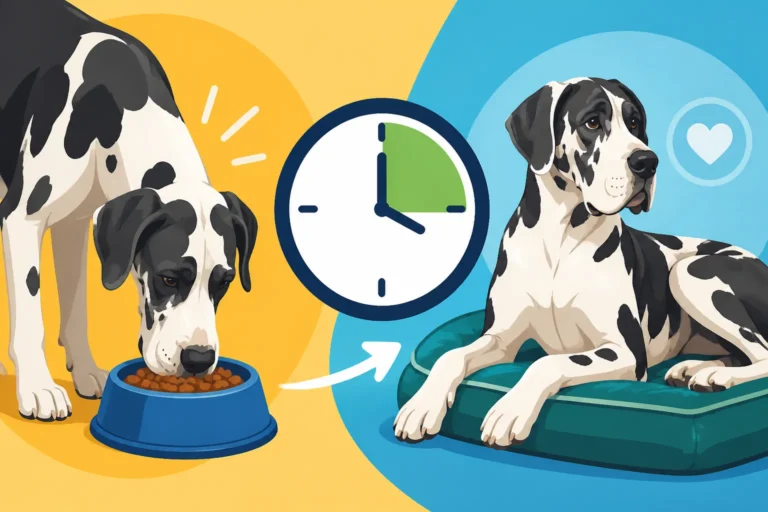
Before you even touch a paw, spend time simply being in this space together, offering praise and treats. No tools, no expectations, just positive interaction. This helps them associate the location with good feelings. Think about timing, too. Don't attempt nail trims when your Great Dane is overly energetic, stressed, or right after a big meal when they might be prone to bloat. A good time is after a gentle walk, when they're a bit tired and more amenable to relaxing, but not so exhausted they can't focus on treats.
Introducing Tools and Touch Slowly
The key here is gradual exposure. Start by simply having the clippers or grinder visible in the room, placed far away, while you give your Dane treats and praise. Slowly, over days or even weeks, move the tool closer. Let them sniff it. If they show curiosity, reward them. If they back away, move it further away again. Never force it. The goal is for them to see the tool and think, "Oh, good things happen when that's around!"
Next, introduce touch. Great Danes, despite their size, can be surprisingly sensitive. Start with gentle touches on their shoulders, then slowly work your way down their legs. When you reach their paws, simply hold a paw gently for a second or two, praise, and immediately give a high-value treat. Release the paw before they pull it away. Repeat this many, many times, gradually increasing the duration of the paw hold. Don't worry about the nails yet. The focus is purely on comfort with paw handling. You want to make Getting a Great Dane Puppy Used to Handling a lifelong practice, not just something you do once.
You can also introduce the sound of the clippers or grinder without actually touching their nails. For clippers, gently click them in the air near your dog, followed by a treat. For grinders, turn it on in another room initially, then gradually closer. The sound should predict good things, not scary ones.
The Power of High-Value Rewards
This cannot be stressed enough: for a Great Dane, especially one with a strong aversion, you need seriously high-value rewards. Regular kibble often won't cut it. Think about soft, smelly, irresistible treats. Cooked chicken, cheese, hot dogs cut into tiny pieces, or even specialized training treats from brands like Ollie (which often come in soft, rollable textures perfect for breaking into small, potent rewards) or chewy, meaty sticks from Chewy.
The timing of the reward is critical. It must be given immediately after the desired behavior (even a tiny step towards it). If they let you touch their paw for one second, bam, treat! If they look at the clippers without flinching, bam, treat! This creates a clear association: "I did X, and I got Y amazing thing." Use a steady stream of these treats during your training sessions. Don't be stingy. This isn't about teaching them tricks; it's about overriding deeply ingrained fear. Having an array of Treats a Great Dane Will Work For on hand will make a huge difference.
Mastering the Down-Lie Position for Grooming
Once your Great Dane is comfortable with paw handling and the presence of the tools, it's time to work on the actual position. For many large dogs, a relaxed down-lie position is far superior to standing for nail trims, as it offers stability and better access for you.
Step-by-Step Training for a Relaxed Down
- "Down" Command Mastery: Ensure your Great Dane has a solid "down" command in various environments. Practice this regularly, always rewarding a calm, relaxed lie-down.
- Introducing the "Relax" Cue: Once they are in a down, ask them to "relax" or "settle." Reward them for sighing, putting their head down, or generally looking comfortable.
- Practice in the Grooming Spot: Bring your Dane to the designated calm spot. Ask for a "down." Once they're down, gently offer them a long-lasting, high-value chew, like a stuffed Kong or a dental chew, to keep them occupied and happy while lying there. This helps them associate the spot and the position with pleasant, quiet activity.
- Gradual Paw Handling in Down: While they're happily chewing, very gently and subtly begin to touch a paw. Don't stop their chew time! Just a light touch, then immediately return to focus on the chew. Slowly increase the duration of the paw touch. The idea is to make the paw handling secondary to the amazing thing they are already enjoying.
- Simulate Trimming: Once they're okay with paw handling in the down position, start holding the clippers or grinder near their paw while they're chewing, without actually trimming. Tap the clippers on the table, turn the grinder on briefly away from them. Give an extra treat from your hand if they stay calm.
- Progressive Exposure to Trimming: The very first actual "trim" might just be clipping one tiny, easy nail tip or even just touching the grinder to one nail for a fraction of a second, followed by a huge celebration and a handful of delicious treats. Keep these initial sessions extremely short and positive. The goal is success, not completion.
The Gentle Approach to Nail Trimming in Position
When your Great Dane is lying down, relaxed and munching on a treat or focused on a puzzle toy, you have a much better angle and more control. Here's how to approach the trim itself:
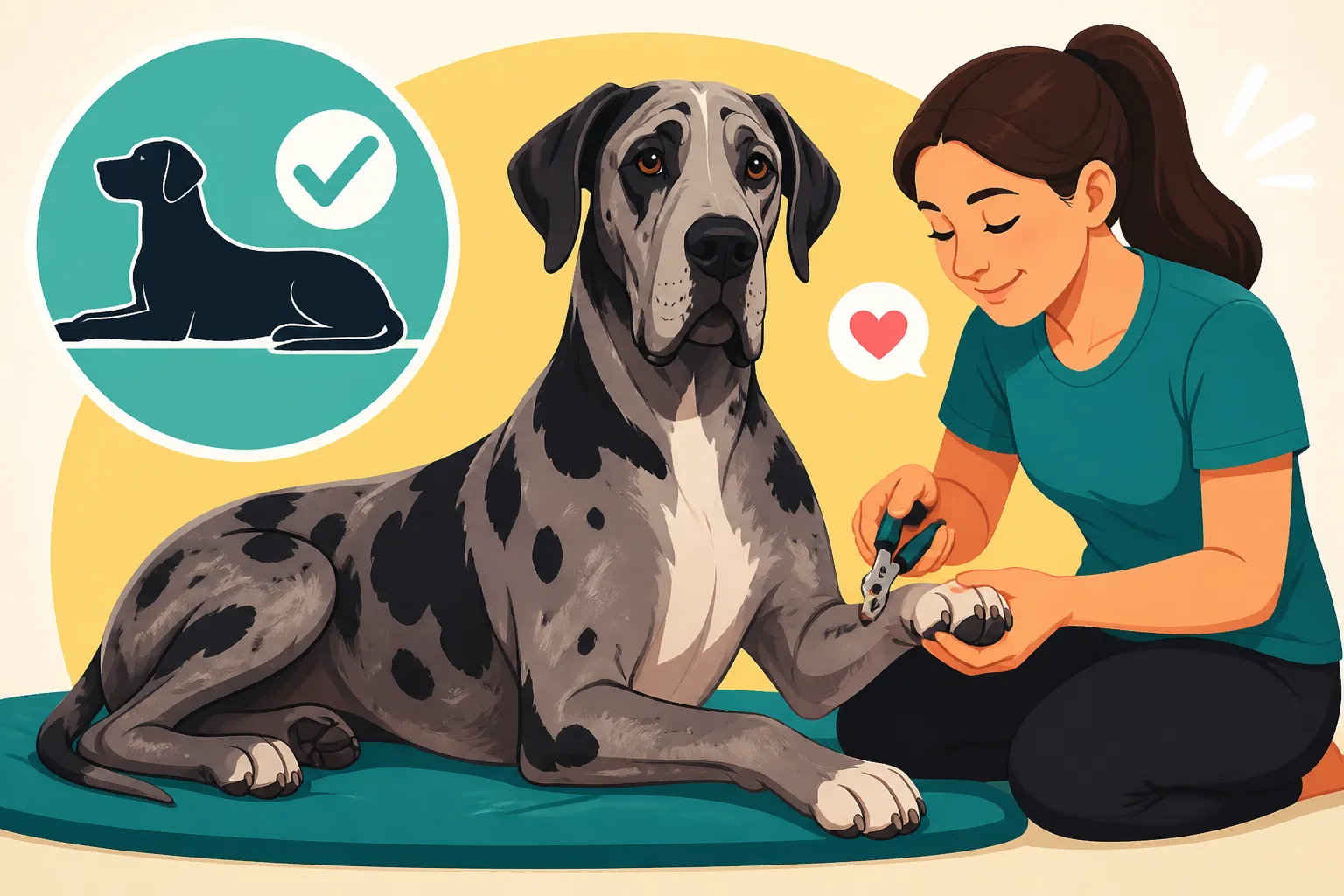
- Optimal Positioning: Kneel or sit next to your Dane, facing their side. Gently cradle their paw in one hand, extending the leg slightly forward if possible. This allows you to see the nail clearly and keep their body stable with your leg or arm if needed, without feeling restrictive.
- Minimalist Trimming: Instead of trying to do all nails at once, aim for just a few nails, or even one nail per session, especially in the beginning. Small, frequent positive sessions are far better than one long, traumatic one.
- Distraction is Your Friend: Have someone else feed your Dane treats continuously during the trim, or let them lick peanut butter from a LickiMat attached to a nearby surface. This provides a powerful, positive distraction.
- The "One-and-Done" Clip: When you do clip, make it quick and confident. Snip only the very tip of the nail, avoiding the quick. If using a grinder, a few seconds per nail is often enough. Praise immediately.
- Watch for Cues: Pay close attention to your Dane's body language. Are their ears back? Are they tensing up? Are they trying to pull away? If you see signs of stress, stop, take a break, offer comfort, and re-evaluate. You don't want to push them past their comfort zone and undo all your hard work. Remember, Nail Length and How a Great Dane Stands is important, but a traumatized dog is harder to manage in the long run.
Here's a quick comparison of popular tools you might use:
| Tool Type | Pros | Cons | Best For |
|---|---|---|---|
| Scissor-Style | Quick, precise cuts; no noise; traditional | Easy to quick if not careful; can crush nails | Confident owners, dogs tolerant of quick clips |
| Guillotine-Style | Good leverage for thick nails; quick cut | Can be tricky to position; dull blades pull | Experienced users with calm dogs |
| Dremel/Grinder | Smooth finish; less risk of quicking; gradual | Noise/vibration can be scary; takes longer | Nervous dogs, maintaining shorter nails |
For Great Danes with really thick nails, a Dremel-style grinder can be a great option. Many Danes are initially wary of the sound and vibration, but with patient desensitization, it can be a less invasive way to keep nails short without the sharp "snap" of clippers. Platforms like Chewy and Amazon offer a wide range of suitable grinders designed for large breeds.
Overcoming Hurdles and Maintaining Long-Term Success
Even with the best intentions and consistent training, you'll hit bumps in the road. It's perfectly normal, and recognizing when to pivot or seek extra help is part of responsible Great Dane ownership.
What to Do When Your Dane Refuses
If your Great Dane flat-out refuses to cooperate, do not get angry or frustrated. That will only make things worse and reinforce their negative associations. Instead, take a deep breath and reassess.
- Go Back to Basics: If they're showing severe resistance, you've likely moved too fast. Go back several steps in your desensitization process. Maybe they're not ready for paw handling, and you need to spend more time simply touching their legs. Or maybe the tool itself is still too scary, and you need to spend more time introducing the sound or sight of it without any contact.
- Increase Reward Value: Are your treats truly irresistible? Sometimes, a change to an even higher-value treat can make all the difference. Think about fresh meats or specialty dog-safe purees they only get during these sessions.
- Change Your Approach: Perhaps the lying down position isn't what they prefer yet. Some Danes might tolerate one nail while standing, or while sitting with their paw draped over your lap. Experiment cautiously, always prioritizing their comfort and safety.
- Shorten Sessions Drastically: If they can only handle one second of paw contact before pulling away, then one second is your training goal for that session. End on a positive note, even if it feels like you achieved almost nothing. These tiny wins add up.
- Rule Out Pain: Sometimes, resistance isn't just fear; it's pain. If your Great Dane suddenly starts resisting when they were previously tolerant, or if they show signs of limping or discomfort, consult your vet. Joint pain or other underlying issues could be making them unwilling to have their paws handled. Arthritis in a Six-Year-Old Great Dane can certainly make handling sensitive.
When Professional Help is Needed
There's no shame in admitting you need a hand with a hundred-plus pound dog! If you're consistently struggling, feeling unsafe, or if your Great Dane's fear is so profound that you're making no progress, it's time to call in the professionals.
- Certified Professional Dog Trainer (CPDT): A trainer specializing in positive reinforcement and fear-free techniques can observe your interactions, identify triggers, and guide you through a tailored desensitization and counter-conditioning program. They can show you specific techniques for handling and positioning a large dog like a Great Dane.
- Fear-Free Veterinary Professionals: Many veterinary clinics now employ fear-free certified staff. They are trained to make vet visits, including nail trims, as stress-free as possible. They might use calming pheromones, gentle restraint techniques, or even mild sedatives if absolutely necessary for the dog's welfare. Discussing options like Sedating a Great Dane for a Dental can provide context for how vets manage anxious giant breeds for essential procedures.
- Experienced Groomers: Some groomers specialize in large or difficult-to-handle dogs. Look for one who uses positive reinforcement and is patient. Call ahead to discuss your Great Dane's specific challenges and ensure they have experience with fearful giants.
- Veterinary Behaviorist: For extreme cases of fear or anxiety surrounding handling, a veterinary behaviorist (a DVM with specialized training in behavior) can diagnose underlying anxiety disorders and prescribe medication that can help lower your dog's overall anxiety levels, making training more effective. This is usually a last resort for severe phobias.
Remember, the goal is always to keep your Great Dane's nails at a healthy length to prevent discomfort, pain, and long-term orthopedic issues. Paw Protection for a Great Dane in Winter and other forms of paw care become much easier when your dog is cooperative. Prioritizing their emotional well-being and building a foundation of trust will serve you well, not just for nail trims, but for all aspects of their care throughout their life.
Disclaimer
This article is for general informational purposes only and does not constitute professional advice. Laws, prices and regulations vary by location and change over time. Consult a qualified professional for guidance on your specific situation.