Paw Protection for a Great Dane in Winter
Winter can be a truly magical time, full of crisp air and beautiful snow, but for us Great Dane owners, it often brings a unique set of challenges – especially when it comes to those enormous, sensitive paws. It’s a real headache trying to keep those big feet healthy and protected from icy sidewalks, harsh chemicals, and freezing temperatures without turning every walk into a wrestling match. This guide is all about tackling those winter paw woes head-on, offering practical advice and product recommendations to ensure your gentle giant can enjoy the colder months comfortably and safely.
Why Your Great Dane's Paws Are So Vulnerable in Winter
Let's be honest, those big, beautiful Great Dane paws are built for covering ground, but they weren't exactly designed for navigating frozen tundra or salt-laden city streets. Their sheer size, combined with the delicate nature of their paw pads, makes them particularly susceptible to winter's harsh realities. It's not just about cold, it's about a whole cocktail of irritants and dangers that can turn a simple walk into a painful ordeal for your big dog.
The Delicate Nature of Great Dane Paw Pads
Think about it: your Great Dane weighs in at a hundred pounds or more, sometimes significantly more. All that weight is supported by four relatively small, albeit sturdy, paw pads. These pads are designed to be tough, yes, but they're also composed of fatty tissue, which helps with insulation and shock absorption. However, this natural design can only do so much against extreme conditions. When temperatures drop below freezing, these pads can become brittle and less flexible, much like human skin. We've all experienced chapped lips or cracked hands in winter, and your Dane's paw pads face similar challenges, only compounded by constant contact with harsh surfaces. The cold air strips away moisture, leading to dryness, stiffness, and eventually, painful cracks. It's a frustrating cycle to watch your dog go through, especially when all they want to do is explore.
Exposure to Harsh Winter Elements
Beyond just the cold, your Great Dane's paws are on the front lines against a barrage of winter hazards. We're talking about rock salt, chemical de-icers, sharp ice shards, and frozen snow. These aren't just minor annoyances; they can cause serious damage. Rock salt and de-icing chemicals, while effective at melting ice, are incredibly corrosive and irritating to paw pads. They can cause chemical burns, inflammation, and further dry out the skin. Imagine walking barefoot on a salted sidewalk – that's what your Dane is doing. And then there's the physical trauma: sharp edges of ice or compacted snow can cut or puncture pads, leading to infections. Even seemingly innocuous snow can turn into tiny, painful ice balls that get lodged between their toes, pulling at the fur and causing discomfort with every step. It’s enough to make you dread every icy patch, knowing the potential pain your dog might endure.
Common Winter Paw Problems for Great Danes
It feels like winter just brings a whole new set of health checks to add to our already vigilant routine for Great Danes. From the subtle signs of discomfort to outright limping, understanding what your Dane's paws might be going through is the first step in providing effective care. We're not just looking for a little chill; we're talking about tangible issues that can severely impact their comfort and mobility.
Cracked and Dry Paw Pads
This is probably one of the most prevalent and heartbreaking issues we see in winter. Those robust paw pads become incredibly dry, leading to unsightly and often very painful cracks. The problem is multi-faceted: the cold air saps moisture, icy surfaces are abrasive, and then you add in the constant exposure to drying agents like road salt. When a crack forms, it's not just on the surface; it can extend deep into the sensitive tissues, causing bleeding and making every step agony. I've known Danes who become visibly reluctant to walk on hard surfaces because of this. You might notice them licking their paws excessively, or even holding a paw up, trying to alleviate the discomfort. If left unaddressed, these cracks can become entry points for bacteria, leading to secondary infections, which is the last thing any Great Dane owner needs to deal with. Just like us, a Great Dane needs proper Foot and Pad Care for a Great Dane year-round, but especially when the weather turns cold.
Irritation and Chemical Burns from De-icers
Walk through any urban or suburban area in winter, and you'll inevitably encounter sidewalks and roads covered in de-icing agents. While they make human travel safer, they are often a menace to dog paws. Many of these products contain harsh chemicals like sodium chloride, calcium chloride, or magnesium chloride. These chemicals are not only drying, exacerbating cracked pads, but they can also cause direct chemical burns. You might see redness, swelling, blistering, or even peeling skin on your Dane's pads or between their toes. The worst part is that dogs often lick their paws after a walk, ingesting these chemicals, which can lead to stomach upset, vomiting, or diarrhea. It's a double whammy: external irritation and internal distress. It forces us to be incredibly mindful of where we walk our dogs and what they're stepping on, which can feel like an impossible task sometimes.
Ice Balls and Foreign Objects Between Toes
This problem is particularly common for Great Danes due to the generous amount of fur they often have between their toes. When snow falls and temperatures hover around freezing, moisture gets trapped in this fur, freezing into solid, painful ice balls. These can be incredibly uncomfortable, pulling at the fur and creating pressure points that make walking awkward and painful. Imagine having tiny, frozen rocks wedged between your toes with every step – that’s what your Dane feels. Beyond ice, smaller debris, sharp grit, or tiny pieces of salt can also get stuck, irritating the delicate skin and potentially causing cuts or abrasions. After a walk in snowy conditions, it’s crucial to carefully check between each toe, gently melting or picking out any ice balls or foreign objects. This also ties into how important Nail Length and How a Great Dane Stands is, as overgrown nails can exacerbate these issues by changing how their paw makes contact with the ground.
Effective Paw Protection Strategies for Great Danes
Knowing the dangers is one thing, but actively protecting those precious paws is another. It takes a conscious effort and a bit of routine adjustment, but it's entirely worth it to keep your big companion happy and healthy. There are several tools and habits we can adopt to make winter walks less hazardous and more enjoyable for everyone.
Paw Balms and Waxes: The Invisible Shield
One of the simplest yet most effective ways to protect your Great Dane's paw pads is by applying a protective balm or wax. Think of it as a moisturizer and a barrier all in one. Products specifically designed for dog paws create a semi-permeable shield that helps to lock in moisture, preventing dryness and Cracked Pads on a Great Dane. This barrier also offers a defense against harsh elements like road salt, de-icing chemicals, and even hot pavement in other seasons.
The key is consistency. Apply the balm liberally to all paw pads and in between the toes before every winter walk. You’ll want to massage it in gently, ensuring good coverage. Many owners find it helpful to reapply after shorter walks if their Dane has been exposed to particularly harsh conditions. Companies like Chewy offer a wide range of popular paw balms, often made with natural ingredients like beeswax, shea butter, and vitamin E, which are safe if ingested when your dog inevitably licks their paws. Look for unscented options to avoid any unnecessary irritants. While it won't prevent ice balls from forming entirely, it can make it easier to remove them and prevent the underlying skin from becoming dry and irritated. This simple step can make a profound difference in their comfort during the colder months.
Dog Boots: The Full Armor Approach
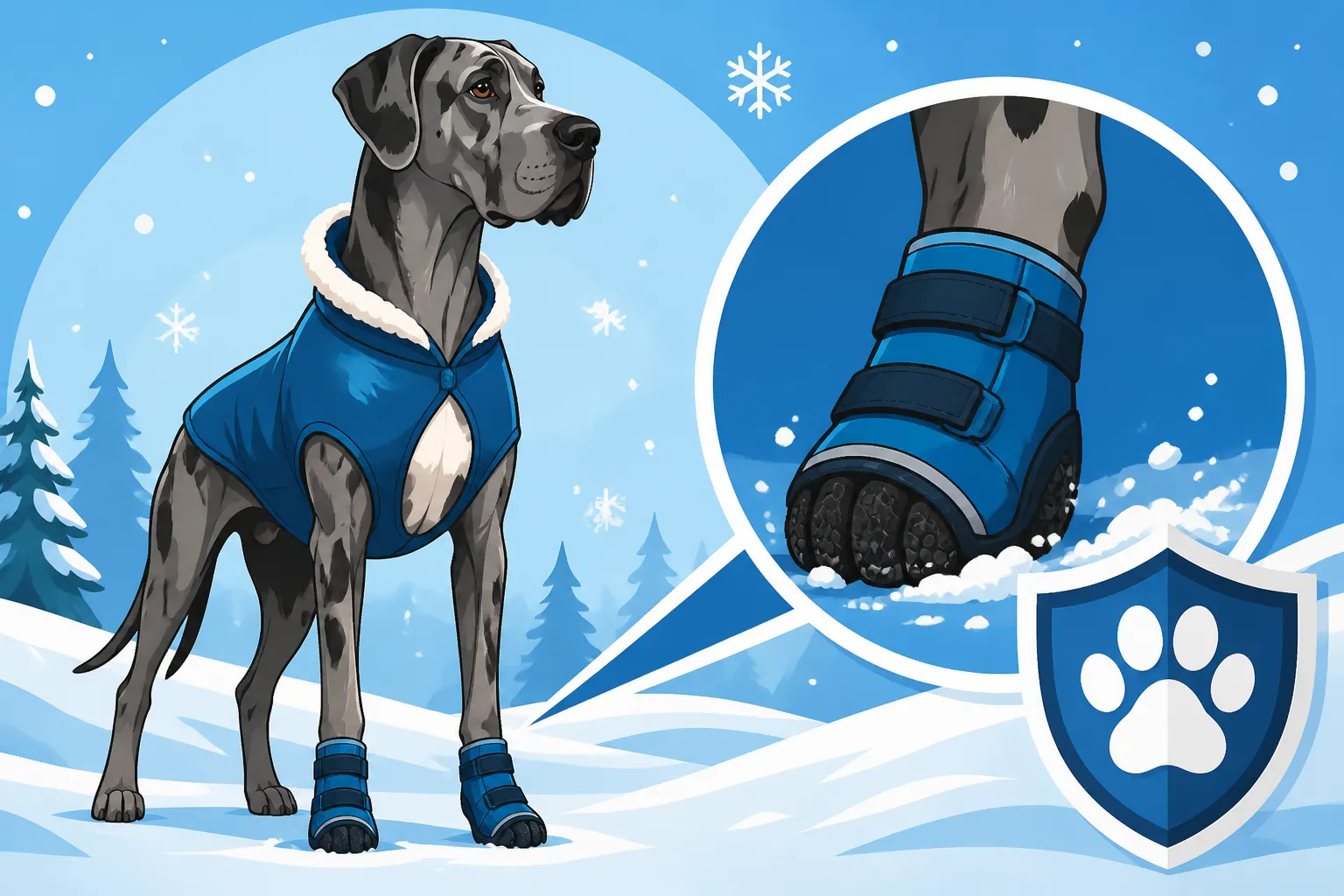
For maximum protection, especially in areas with heavy snow, ice, or pervasive de-icing chemicals, dog boots are truly the ultimate solution. I know, I know, getting a Great Dane to wear boots can be a comedic challenge worthy of a viral video. Their size means finding boots that fit well and stay on can be tricky, but the benefits often outweigh the initial struggle. Boots provide a physical barrier against all winter hazards: they prevent chemical burns, protect against sharp ice, keep out snow and ice balls, and add an extra layer of insulation against the cold.
When choosing boots for a Great Dane, focus on durability, fit, and grip. You need something robust enough to withstand their weight and powerful stride. Look for boots with sturdy soles, perhaps with a rubberized grip, to prevent slipping on ice. The fit is crucial: too loose, and they’ll fall off; too tight, and they’ll be uncomfortable. Many brands on Amazon offer sizing guides that include measurements for larger breeds like Great Danes. It might take a few tries to find the perfect pair, and definitely introduce them gradually, with lots of positive reinforcement and treats. Start with short indoor sessions, then brief outdoor excursions. Don't be surprised if your Dane does the "high-stepping" dance at first – it's a common reaction! But once they get used to them, you’ll have peace of mind knowing their paws are fully protected. Coats and Sweaters Sized for a Great Dane also help overall, but boots are specifically for those paws!
Post-Walk Cleaning Routine
Regardless of whether you use balms or boots, a consistent post-walk cleaning routine is non-negotiable in winter. This is your chance to remove any lingering irritants and check for potential issues before they become serious problems.
Here’s a simple routine:
- Wipe Down Paws: Immediately after coming inside, use a damp cloth or warm water to thoroughly wipe down each paw, paying special attention to the pads and between the toes. This removes salt, chemicals, and any dirt or debris.
- Inspect Paws: While cleaning, take a moment to carefully inspect each paw. Look for redness, swelling, cuts, cracks, or any foreign objects lodged in the fur or pads. If you find ice balls, gently melt them with warm water or carefully pick them out. This is also a good time to check their Nail Length and How a Great Dane Stands and trim if needed.
- Dry Thoroughly: Ensure the paws are completely dry, especially between the toes. Moisture trapped in these areas can lead to skin irritation or fungal infections.
- Optional: Reapply Balm: If your dog's pads are particularly dry or cracked, you might reapply a thin layer of paw balm after drying, to soothe and moisturize.
This routine not only keeps their paws healthy but also prevents them from tracking harmful substances into your home. It’s a small investment of time that pays off immensely in preventing discomfort and potential veterinary bills. Many convenient paw washing devices can be found at retailers like Chewy or Amazon, making this chore a bit easier for those giant paws.
Choosing the Right Paw Protection Products for Your Giant
Finding the right products for a Great Dane can sometimes feel like trying to find a needle in a haystack – everything needs to be bigger, more durable, and often, more specialized. Paw protection is no exception. You can't just grab any old tiny boot or balm; you need products that stand up to the unique demands of a giant breed.
Sizing and Durability for Great Dane Paws
This is paramount. A poorly fitting boot will chafe, fall off, or simply won't offer the protection your Dane needs. When measuring for boots, make sure to measure the widest part of their paw, and also consider the length. Great Danes have substantial paws, so don't be shy about looking for "extra-large" or "giant breed" specific sizing. Brands often have their own sizing charts, and it’s always best to follow those closely. Remember, your Dane isn't just a big dog, they have powerful strides and can put a lot of wear and tear on their gear. The boots need to be made from tough, abrasion-resistant materials that won't rip or tear after a few walks. Look for strong closures, like multiple Velcro straps, to ensure they stay put on those active paws. A company like Ruffwear, often available through outdoor retailers and sites like Amazon, is known for making durable gear that stands up to rugged use, including their boots.
For paw balms, while sizing isn't an issue, the quantity might be. You'll go through balms faster with a Great Dane than with a Chihuahua, so consider larger tubs or multi-packs if available. The ingredients should also be a priority – natural, non-toxic components are best since your dog will inevitably lick them. Think about consistency too; some balms are harder and require more warming up before application, while others are softer and easier to spread over broad pads.
Ingredients to Look For and Avoid in Paw Care Products
When it comes to paw balms and waxes, the ingredient list matters a lot. You're looking for natural, moisturizing, and protective components.
Look For:
- Beeswax or Candelilla Wax: These form a natural, breathable barrier that protects against moisture loss and environmental irritants.
- Shea Butter, Coconut Oil, Hemp Seed Oil: Excellent natural moisturizers that soothe and soften dry, cracked pads.
- Vitamin E: An antioxidant that can aid in skin healing and overall health.
- Essential Fatty Acids (e.g., Omega-3s): Can help maintain skin barrier integrity.
- Lanolin: A natural emollient that provides deep hydration.
Avoid:
- Artificial Fragrances or Dyes: These can be irritating to sensitive skin and are unnecessary.
- Petroleum Jelly (Vaseline): While it forms a barrier, it doesn't allow the skin to breathe and isn't truly absorbed to moisturize. It can also trap bacteria.
- Zinc Oxide: Often found in human sunscreens, it can be toxic if ingested by dogs.
- Mineral Oil: Similar to petroleum jelly, it's a byproduct of petroleum and doesn't offer true moisturizing benefits.
Some brands like Musher's Secret or Burt's Bees for Pets (available on Chewy and Amazon) are often recommended by Great Dane owners for their natural ingredients and protective qualities. Even fresh food companies like Ollie, while primarily focused on nutrition, understand the importance of overall health, and a well-nourished dog often has healthier skin and pads. Always read labels carefully and, if in doubt, consult with your veterinarian, especially if your Dane has sensitive skin or allergies.
When to Consult Your Veterinarian for Paw Issues
While most winter paw issues can be managed at home with proper care, there are times when a vet visit is absolutely necessary. Don's ever hesitate to reach out if you notice any of these more serious signs.
Seek Vet Attention If:
- Deep Cracks or Bleeding: If cracks are severe, bleeding consistently, or don't show signs of healing with home care.
- Limping or Severe Pain: If your Great Dane is consistently limping, refusing to put weight on a paw, or crying out in pain. This could indicate a deep cut, infection, or even something more serious like a fracture, though less common from simple winter walking.
- Signs of Infection: Redness, swelling, pus, foul odor, or excessive heat radiating from a paw pad or between the toes.
- Blistering or Peeling Skin: These are classic signs of chemical burns, which can be very serious and require professional treatment.
- Persistent Licking or Chewing: While some licking is normal, obsessive licking, chewing, or biting at the paws suggests significant discomfort or irritation that isn't resolving.
- Changes in Nail or Pad Appearance: Any unusual growths, discoloration, or hardening of the pads that seems out of the ordinary.
Remember, Great Danes are stoic, and sometimes by the time they show obvious signs of pain, the issue might be quite advanced. It's always better to err on the side of caution. A vet can properly diagnose the issue, provide pain relief, antibiotics for infection, or other treatments to get your big pal back on their feet comfortably. This is especially true if you're dealing with a senior Great Dane, as Caring for a Great Dane Past Six often means they have reduced mobility or a harder time recovering from injuries.
Making Winter Walks Enjoyable and Safe
Beyond specific products, a holistic approach to winter walks can make a huge difference in your Great Dane's comfort and willingness to head out into the cold. It’s about being smart, prepared, and attuned to their needs.
Adjusting Your Walking Routine for Winter Conditions
Sometimes, the best protection is prevention, and that means being strategic about when and where you walk.
- Timing is Everything: Try to schedule walks during the warmest part of the day, usually midday, when snow might have softened a bit and temperatures are slightly higher. Avoid early mornings or late evenings when ice is at its peak and the air is coldest.
- Choose Your Path Wisely: Opt for snowy, untouched paths or grassy areas over salted sidewalks or roads whenever possible. If you live in an urban area, scout out parks or trails where de-icing chemicals are less frequently used. If you must walk on treated surfaces, make those stretches as short as possible.
- Shorter, More Frequent Walks: Instead of one long walk, consider breaking it into two or three shorter outings. This limits exposure to extreme cold and chemicals and allows for more frequent paw checks and cleanings. While Great Danes need exercise, remember that Whether a Great Dane Overheats Easily is also a concern during more strenuous activity, and a cold climate doesn't negate the need for moderation.
- Monitor Weather Forecasts: Stay ahead of the game by checking local weather. If a severe cold snap or an ice storm is predicted, plan for indoor enrichment and shorter potty breaks. A Great Dane might prefer playing with puzzle feeders inside on a truly bitter day rather than facing the biting wind.
By being flexible and mindful of the conditions, you can significantly reduce the risks associated with winter walks and keep your Great Dane’s spirits high, even when the thermometer dips.
Maintaining Overall Great Dane Health in Colder Months
Paw health doesn't exist in a vacuum; it's intricately linked to your Great Dane's overall well-being. Keeping them healthy from nose to tail will support their paw health.
- Nutrition and Hydration: A well-balanced diet rich in essential fatty acids (like Omega-3s) can contribute to healthier skin and paw pads. Ensure your Great Dane has constant access to fresh water; even in winter, dehydration can lead to dry skin. Knowing How Much Water a Great Dane Drinks a Day helps ensure they're meeting their needs.
- Weight Management: Keeping your Great Dane at a healthy weight reduces stress on their joints and paws. Excess weight can make them more prone to cracked pads or injuries if they slip on ice.
- Regular Grooming: Beyond paw cleaning, regular grooming helps manage their coat and general skin health. This includes brushing, checking for dry skin, and maintaining appropriate nail length. The Clippers a Great Dane Nail Needs are often heavy-duty, but keeping their nails short prevents splaying and improves traction, which is vital on slippery surfaces.
- Joint Support: For older Great Danes, or those prone to joint issues, continued joint supplements can help them maintain mobility and comfort, making winter walking less of a strain. Arthritis in a Six-Year-Old Great Dane is a common concern, and supporting their joints can indirectly help them walk more naturally and confidently, reducing the chance of paw injuries from awkward steps.
A healthy Great Dane is a happy Great Dane, and by focusing on their holistic well-being, you provide the best foundation for resilient paws, ready to tackle whatever winter throws their way.
Table: Winter Paw Protection Methods at a Glance
| Method | Best For | Pros | Cons |
|---|---|---|---|
| Paw Balms/Waxes | Mild cold, dry pads, light chemical exposure | Natural barrier, moisturizes, soothing, easy to apply, often lick-safe. | Less protection against sharp ice/deep snow, needs frequent reapplication, doesn't prevent ice balls from forming entirely. |
| Dog Boots | Severe cold, heavy snow, harsh chemicals, ice | Full physical barrier, prevents cuts/burns, insulation, excellent grip. | Can be difficult to fit/keep on, some dogs resist them, may require training, sizing for Great Danes can be challenging and costly for durable pairs. |
| Post-Walk Rinse | All winter conditions, immediate clean-up | Removes salt/chemicals/debris, allows for inspection, prevents ingestion. | Requires diligence after every walk, doesn't prevent damage during the walk itself, paws must be thoroughly dried. |
| Route Planning | All winter conditions, proactive management | Avoids harsh conditions, reduces exposure to irritants, less stress. | Limits walking options, might require more indoor enrichment, weather dependent. |
Ultimately, keeping your Great Dane's paws safe and sound through the winter months is an act of love and careful planning. Those giant paws carry a giant heart, and ensuring their comfort helps them live their best, happiest life. With the right combination of products, routines, and a little common sense, you and your Great Dane can still enjoy all the beauty of winter, one protected paw print at a time.
Disclaimer
This article is for general informational purposes only and does not constitute professional advice. Laws, prices and regulations vary by location and change over time. Consult a qualified professional for guidance on your specific situation.