The Year the Great Dane Became Germany’s Breed
It’s a common moment for Great Dane owners, isn't it? You’re out with your magnificent "Great Dane," and someone inevitably remarks, "Oh, the Danish dog!" or "I love Danish Hounds!" It's a natural assumption, given the breed’s name, but it completely misses the mark on where these gentle giants truly hail from. This guide aims to clear up that persistent misunderstanding, delving deep into the rich history that firmly roots the Great Dane in Germany and exploring the pivotal year when it officially became recognized as Germany's national breed, the Deutsche Dogge.
Unpacking the "Great Dane" Misnomer
The name "Great Dane" is perhaps one of the most misleading labels in the canine world, causing endless confusion for new owners and the general public alike. It conjures images of Scandinavian fjords and Viking ships, but the reality couldn't be further from the truth. If you’ve ever wondered why your supposedly "Danish" dog has such a strong German connection, you’re not alone. The journey to understanding this breed’s true heritage is fascinating and, frankly, a little frustrating when you consider how entrenched the misnomer has become.
The Danish Connection (or Lack Thereof)
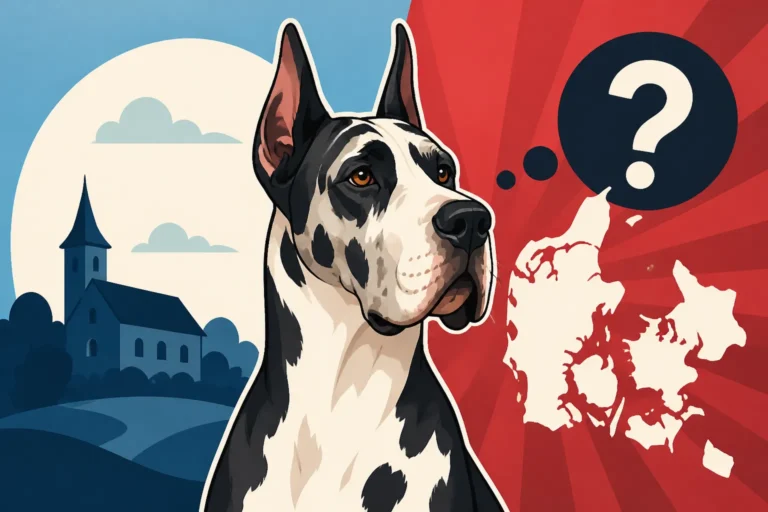
So, where did the name "Great Dane" even come from? It's a question that has puzzled historians and breed enthusiasts for generations. The short answer is: nobody really knows for sure, but it certainly wasn't because the breed originated in Denmark. There are theories, of course. Some speculate that an 18th-century French naturalist, Georges-Louis Leclerc, Comte de Buffon, observed a boar hound in Denmark and mistakenly attributed its origin there, describing it as "Grand Danois." Others suggest it was simply a popular nickname or a marketing ploy that stuck, long before any formal breed recognition. Whatever the precise origin, it's clear that Denmark played a minimal, if any, role in the actual development or standardization of the breed we know and love today. Why the Great Dane Is Not Danish dives deeper into this historical puzzle.
The breed's early history involves a complex tapestry of European noble courts and hunting practices, far more spread out than a single country. But Denmark, despite lending its name, was never the central hub for the creation or refinement of these impressive dogs. It's akin to calling a French Bulldog an "American Bully" just because it became popular in the States – the name might catch on, but the roots remain elsewhere. This misidentification has persisted for centuries, a linguistic fossil that continues to spark conversations and correct misapprehensions at dog parks around the globe. It's a testament to how stubbornly a name can stick, even when it’s historically inaccurate.
From Boar Hound to Noble Companion
Before the Great Dane, or Deutsche Dogge as it’s properly known in its homeland, became a recognized breed, its ancestors were formidable hunting dogs. These were not simply pets; they were working animals bred for a very specific and dangerous task: hunting wild boar. Imagine a dense European forest, a fierce wild boar, and a pack of powerful, agile dogs tasked with tracking, cornering, and holding this dangerous prey. These were the ancestors of our modern Great Danes – powerful, courageous, and built for speed and strength. The Boar Hound the Great Dane Descends From explores this fascinating ancestral lineage.
Over time, as grand hunts became less common for many nobles, the role of these impressive dogs began to shift. Their imposing stature, regal appearance, and surprisingly gentle nature made them appealing as companions and estate guardians. They moved from the muddy forests into the lavish halls of European aristocracy, where their presence was a symbol of status and their calm demeanor a welcome addition to the household. This transition marked a crucial step in their evolution, moving them closer to the "Apollo of Dogs" we recognize today, celebrated not just for their power but for their elegance and loyalty. It was this dual nature, of both fierce hunter and noble companion, that set the stage for their eventual formal recognition.
The German Identity Takes Hold
While various regions across Europe contributed to the Great Dane's genetic melting pot, it was in Germany that the breed truly began to crystallize into a distinct and recognizable form. German breeders, driven by a desire for a national dog that embodied strength, beauty, and temperament, took on the task of standardizing these impressive dogs. They meticulously worked to refine the breed's characteristics, focusing on consistency in size, structure, and disposition. This wasn't a casual endeavor; it was a concerted effort by dedicated individuals who saw the potential for a truly magnificent breed.
They sought to create a dog that was not only powerful but also refined, intelligent, and even-tempered. This dedication to careful breeding and formal recognition paved the way for the breed to shed its ambiguous "Great Dane" label in its country of origin and embrace a name that truly reflected its heritage and the efforts invested in its development. The shift wasn't just about a name; it was about pride, identity, and a commitment to preserving and enhancing the qualities that made these dogs so special. This German focus would eventually lead to the crucial moment of official national recognition.
The Road to National Recognition: A German Journey
The journey for the Great Dane to be formally recognized as Germany’s national breed was a long and dedicated one, fueled by national pride and a desire to establish a definitive identity for these magnificent dogs. It wasn't an overnight decision, but rather the culmination of years of passionate advocacy and meticulous breeding work by German enthusiasts who believed their "Deutsche Dogge" deserved its rightful place in the world.
Early Efforts and Breed Development in Germany
In the mid to late 19th century, Germany was a hotbed of canine development. Various types of large, powerful dogs existed across the German states, all with roots in the ancient boar hounds. However, there was a growing desire to standardize these dogs into a single, cohesive breed. Breeders and enthusiasts began to collaborate, holding early dog shows and conventions to discuss breed types, temperaments, and ideal characteristics. This period was marked by intense debate and collaboration, as different factions sought to influence the direction of the nascent breed.
These early German efforts were critical. They moved beyond mere selective breeding for hunting prowess and focused on establishing a breed standard – a blueprint for what a Great Dane should look like, how it should move, and what its temperament should be. This was about more than just aesthetics; it was about consolidating the best traits from regional variations and forging a consistent identity. Clubs began to form, dedicated to the "Deutsche Dogge," pushing for uniformity and recognition on a national scale. It was a foundational period that laid the groundwork for the momentous decision to come.
Otto von Bismarck's Influence
It's impossible to discuss the Great Dane's German identity without mentioning Otto von Bismarck, the "Iron Chancellor" of Germany. Bismarck was not just a political powerhouse; he was also an ardent admirer and owner of Great Danes, or as he knew them, Deutsche Doggen. His personal preference and public association with the breed undoubtedly lent it a significant boost in prestige and visibility. Imagine the most powerful man in a newly unified Germany, often photographed or seen with his impressive dogs – it sends a clear message about the breed's nobility and standing.
Bismarck reportedly kept several Great Danes throughout his life, and they were often by his side, even during political meetings. This high-profile endorsement from such an influential figure certainly helped cement the breed's image as a symbol of German strength, loyalty, and dignity. His affection for the breed went beyond mere ownership; it symbolized a connection between the powerful new German state and a magnificent, native dog. Bismarck and His Great Danes offers a fascinating glimpse into this historical relationship, highlighting how one man's passion can elevate a breed.
The Official Proclamation of 1878
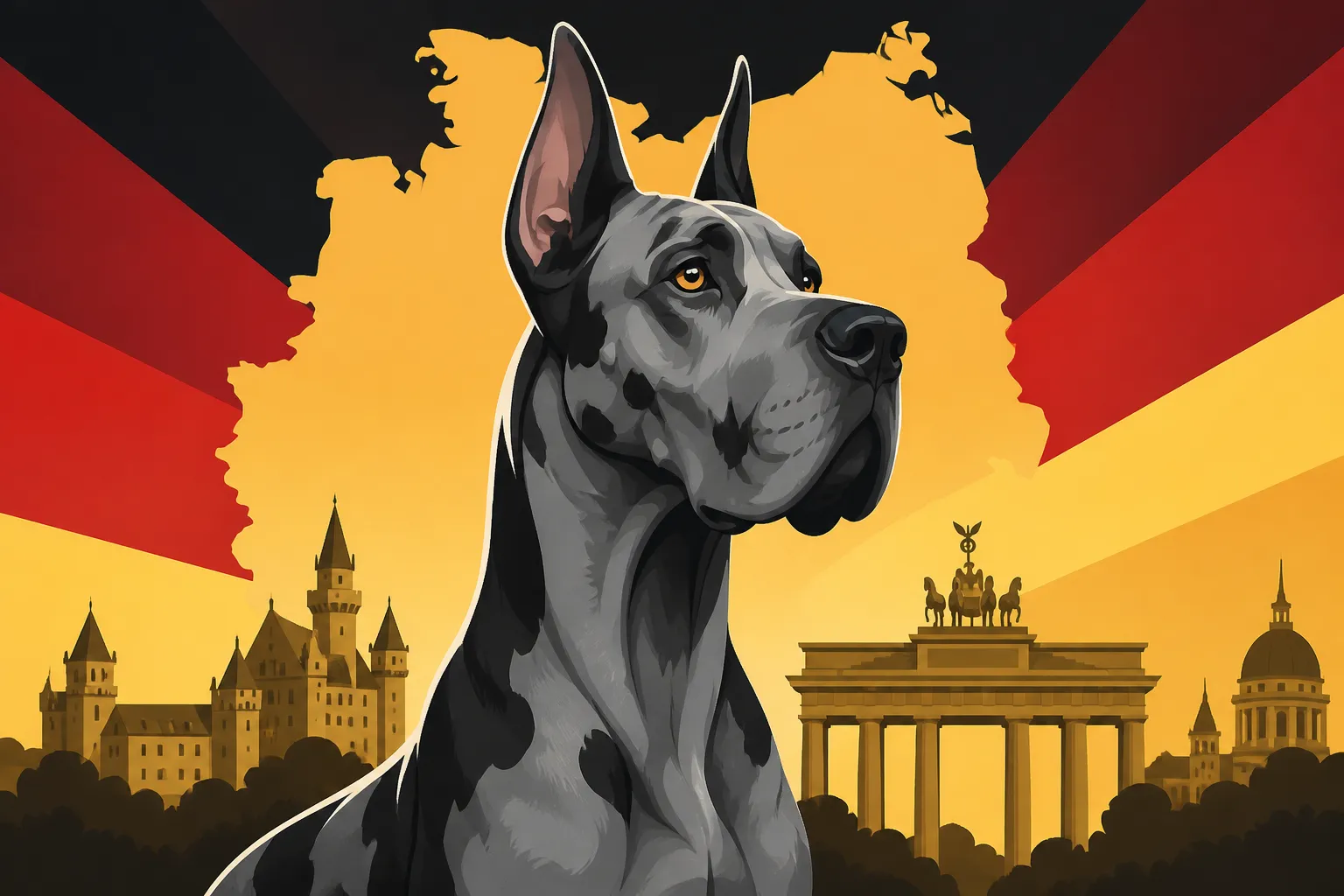
And now, for the moment we've been building up to: the year the Great Dane truly became Germany's own. It was in 1878 that a pivotal gathering took place in Berlin, Germany. A committee of dedicated breeders and judges, led by Dr. Bodinus, convened to formally classify the various large mastiff-like dogs under one umbrella name. This wasn't just a casual meeting; it was a serious undertaking to define a national dog.
At this congress, it was officially declared that the "Deutsche Dogge" (German Mastiff or German Dog) was the national breed of Germany. This declaration formally rejected the misleading "Great Dane" appellation and firmly established the breed’s German origins and identity. It was a moment of immense national pride, cementing centuries of development and dedication under a single, proud German banner. This was a crucial step not only for the breed's identity but also for its future development, as it provided a unified standard for breeders across the nation to follow. The ripple effect of this decision would be felt for decades, shaping how the breed was perceived and propagated globally.
| Feature | Misconception (Pre-1878) | Reality (Post-1878 German Recognition) |
|---|---|---|
| Origin Country | Denmark (due to "Great Dane" name) | Germany |
| Official Name | Great Dane, Grand Danois, various regional names | Deutsche Dogge |
| Primary Role | Varied hunting/guard dog, ambiguous | National breed, companion, guardian |
| Breed Standard | Loose, regional variations common | Unified, formalized German standard |
| National Identity | Ambiguous, internationally generic | Strong German national symbol |
| Breeding Focus | Regional, sometimes inconsistent | Cohesive, standardized nationwide |
The Deutsche Dogge: More Than Just a Name Change
The adoption of "Deutsche Dogge" as the official name was far more than a linguistic adjustment; it represented a profound shift in how the breed was perceived, developed, and cherished. It was a declaration of ownership, a statement of national pride, and a commitment to refining what was to become one of the world's most recognizable and beloved giant breeds. This rebranding, if you will, solidified the German contribution to the breed’s history and laid down the blueprint for its future.
The Meaning Behind "Deutsche Dogge"
The name "Deutsche Dogge" translates directly to "German Mastiff" or "German Dog," a clear and unambiguous statement of the breed’s heritage. It immediately corrected the long-standing misnomer of "Great Dane" and firmly placed the breed within its true cultural context. For German breeders and enthusiasts, this was a moment of immense satisfaction. It provided a clear identity and a sense of collective ownership over the breed's future. What Deutsche Dogge Means for a Great Dane Owner delves into the cultural significance of this name.
This wasn't just about semantics; it was about honoring the extensive work put in by German breeders to develop and standardize the breed. The term "Dogge" itself has historical roots in Germany, referring to large, powerful dogs used for hunting and guarding. By combining "Deutsche" (German) with "Dogge," the name encapsulated both the breed's national origin and its ancestral function, creating a title that was both historically accurate and deeply symbolic. It helped solidify the image of the Great Dane as a truly German creation, embodying the ideals of strength, nobility, and courage that were valued in the emerging German nation.
Defining the Breed Standard
With the official recognition in 1878 came the urgent need for a universally accepted breed standard. Prior to this, various regional types existed, each with slightly different characteristics. The formation of the German Great Dane Club (Deutsche Doggen Club) in 1888 was a crucial step in this process. This club took on the monumental task of consolidating all the differing opinions and types into a single, coherent document that would guide all future breeding. The First German Great Dane Standard outlines these early foundational principles.
This standard meticulously detailed everything from the Great Dane's ideal height and weight to the shape of its head, the set of its ears, the color of its coat, and its required temperament. It was a comprehensive blueprint designed to ensure consistency and quality across the breed. Breeders now had a clear target to aim for, preventing the dilution of desirable traits and promoting the healthy development of the breed. This standardization was instrumental in shaping the Great Dane into the majestic animal we see today, ensuring that dogs bred in different regions of Germany (and later, the world) would still conform to a unified ideal.
Shaping the Modern Great Dane
The impact of Germany's formal recognition and the subsequent establishment of a strict breed standard cannot be overstated in shaping the modern Great Dane. This structured approach to breeding meant that certain traits were consistently favored, leading to the elegant, powerful, and gentle dogs we know. Emphasis was placed not only on impressive size and majestic appearance but also on a steady, calm temperament, which is a hallmark of the breed. The Great Dane Head the Standard Wants and The Long Reaching Stride a Great Dane Shows highlight the specific physical traits that were carefully curated.
This meticulous approach by German breeders helped solidify the Great Dane's reputation as the "Apollo of Dogs," a perfect balance of strength and grace. It ensured that the breed maintained its distinctive characteristics, preventing it from fragmenting into disparate types. Even today, responsible Great Dane breeders worldwide look to these foundational German standards as the benchmark for quality and authenticity. The German influence has, therefore, been utterly central to the enduring form and character of this magnificent animal, far beyond the borders of its homeland.
Why National Recognition Mattered So Much
The act of declaring the Great Dane as Germany's national breed in 1878 was more than just a historical footnote. It was a declaration that had profound and lasting consequences, not only for the breed itself but also for its perception on the global stage. This formal recognition lent an air of legitimacy and purpose that had been lacking when the dogs were simply known by various regional names or the misnomer "Great Dane."
Unifying the Breed
Before the 1878 declaration and the subsequent establishment of a breed standard, there was a fair amount of variation among the large dogs often referred to as "German Mastiffs" or "Boar Hounds." Different regions might have preferred slightly different builds, coat colors, or temperaments. This lack of uniformity could make breeding decisions complicated and could lead to inconsistent offspring. The national recognition provided a powerful impetus for consolidation.
It created a singular vision for what the ideal Great Dane should be, giving breeders a shared goal. This unity allowed for more focused breeding programs, aiming to eliminate undesirable traits and strengthen desirable ones. The process involved careful selection and a commitment to health and conformation, ensuring that the breed would thrive and maintain its majestic qualities. It moved breeding efforts from scattered, individual endeavors to a cohesive, national movement dedicated to the perfection of the Deutsche Dogge.
International Influence and Spread
Once Germany officially claimed the Deutsche Dogge as its national breed, it immediately elevated its status on the international stage. Other countries began to take notice of this powerful and elegant dog, now backed by a unified national standard. This recognition gave the breed a clear identity when it was introduced to new enthusiasts across Europe and eventually, North America. Breeders in other nations could now import dogs with confidence, knowing they were acquiring animals that conformed to a defined and respected standard.
The German emphasis on temperament and health, alongside impressive physical characteristics, meant that the Great Dane was well-received wherever it went. It facilitated the breed's expansion, allowing it to gain popularity in places where it might otherwise have been viewed as just another large, generic hound. This consistent standard, originating from Germany, made it easier for Great Danes to establish themselves as a distinct and beloved breed globally. Organizations like the American Kennel Club (AKC) would later adopt standards heavily influenced by these foundational German principles, further cementing their worldwide impact.
Preserving the Legacy
The act of formally recognizing the Great Dane as Germany's national breed imbued it with a cultural significance that helped ensure its preservation. When a breed becomes a national symbol, it receives a level of protection and dedication that might otherwise be absent. It becomes a part of the national heritage, inspiring enthusiasts to safeguard its future. This includes upholding strict breeding practices, promoting health testing, and educating the public about the breed’s true characteristics and origins.
This commitment to the breed's legacy meant that even through challenging times, dedicated individuals and clubs worked tirelessly to maintain the integrity of the Deutsche Dogge. It encouraged responsible ownership and discouraged practices that could harm the breed's reputation or health. The German legacy lives on in every well-bred Great Dane today, a testament to the foresight and dedication of those who championed its recognition over a century ago. It’s a powerful reminder that behind every cherished breed is a story of human passion and careful stewardship.
Living with a Legacy: The Modern Great Dane Owner's Perspective
For those of us who share our lives with these magnificent dogs, understanding their German heritage adds a profound layer to our appreciation. It's not just about owning a large dog; it's about being part of a continuing legacy, one shaped by centuries of careful breeding and a pivotal moment of national recognition. Being a Great Dane owner means embracing their history, understanding their needs, and honoring the standards that define them.
Understanding Your Dane's Heritage
Knowing that your Great Dane descends from centuries of carefully bred German boar hounds and, later, companions of powerful figures like Bismarck, truly enriches the ownership experience. It explains so much about their character: their impressive size, their noble bearing, their unexpected gentleness, and their deep loyalty. These aren't random traits; they are the result of generations of intentional breeding, striving for that "Apollo of Dogs" ideal. The Great Dane's Reputation as the Apollo of Dogs is a wonderful read that captures this essence.
When you see your Dane exhibiting that regal stance or leaning into you for affection, you're witnessing the culmination of that historical journey. It encourages a deeper respect for the breed, prompting us to learn more about its history, its challenges, and its triumphs. It also fosters a sense of responsibility to uphold the breed's reputation and ensure that our individual Danes are ambassadors for their proud heritage. It's about recognizing that this isn't just your dog; it's a living piece of history, an ambassador of the Deutsche Dogge legacy.
Health and Temperament as a German Ideal
The German breed standard didn't just focus on aesthetics; it placed significant emphasis on robust health and a stable temperament. These factors were, and still are, critical for a dog of the Great Dane's size and power. A giant dog with health issues or an unstable temperament can pose significant challenges, so early German breeders were careful to select for sound minds and bodies. This means that responsible modern breeders continue to prioritize these traits, often performing extensive health testing to ensure the longevity and well-being of their lines. The Health Testing a Great Dane Breeder Owes You explains the importance of this due diligence.
From hip and elbow health to cardiac screening, the drive to produce healthy, well-adjusted Great Danes is a direct continuation of these historical ideals. Likewise, the "gentle giant" temperament is not accidental; it was deliberately fostered. While early Danes were fierce hunters, the move to companion animals saw a clear preference for a calm, confident, and amiable disposition. This is why a well-socialized Great Dane is typically wonderful with families and other pets. When considering bringing a Great Dane into your home, it’s vital to acknowledge and appreciate this dual emphasis on health and temperament, ensuring you choose a dog that embodies these foundational traits. How Big a Great Dane Actually Gets underscores why soundness in both body and mind is so critical for a dog of this stature.
Finding Reputable Breeders
Given the extensive history and the specific standards established by Germany, finding a reputable breeder is paramount for any aspiring Great Dane owner. A good breeder understands the significance of the Deutsche Dogge lineage and is committed to upholding those standards of health, temperament, and conformation. They won't just be breeding for pretty faces; they'll be breeding for the complete package that honors the breed's heritage. This means they should be transparent about health testing, provide detailed pedigrees, and be passionate about finding the right homes for their puppies.
When you're looking for a Great Dane, ask about their lines, their breeding philosophy, and how they ensure the health and temperament of their dogs. They should be able to articulate how their breeding program aligns with the historical goals of the Deutsche Dogge. A reputable breeder will also be a valuable resource for advice and support throughout your dog's life, helping you navigate everything from nutrition for a rapidly growing giant to finding appropriate toys and supplies. For those daily essentials like food, treats, and giant-breed-appropriate toys, online retailers like Chewy offer a vast selection, making it easier to cater to your Great Dane's unique needs, often with convenient delivery right to your door. Investing in a dog from a breeder who truly respects and understands the Great Dane’s rich German legacy is the best way to ensure you welcome a healthy, happy, and true representative of this magnificent breed into your family. Whether a Great Dane Suits Your House can help you determine if you're truly ready for the commitment.
Disclaimer
This article is for general informational purposes only and does not constitute professional advice. Laws, prices and regulations vary by location and change over time. Consult a qualified professional for guidance on your specific situation.