Whether Great Danes Came From Denmark at All
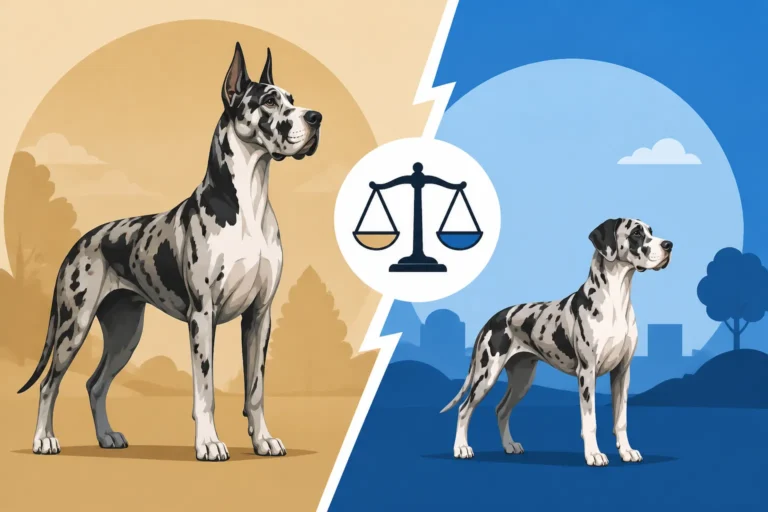
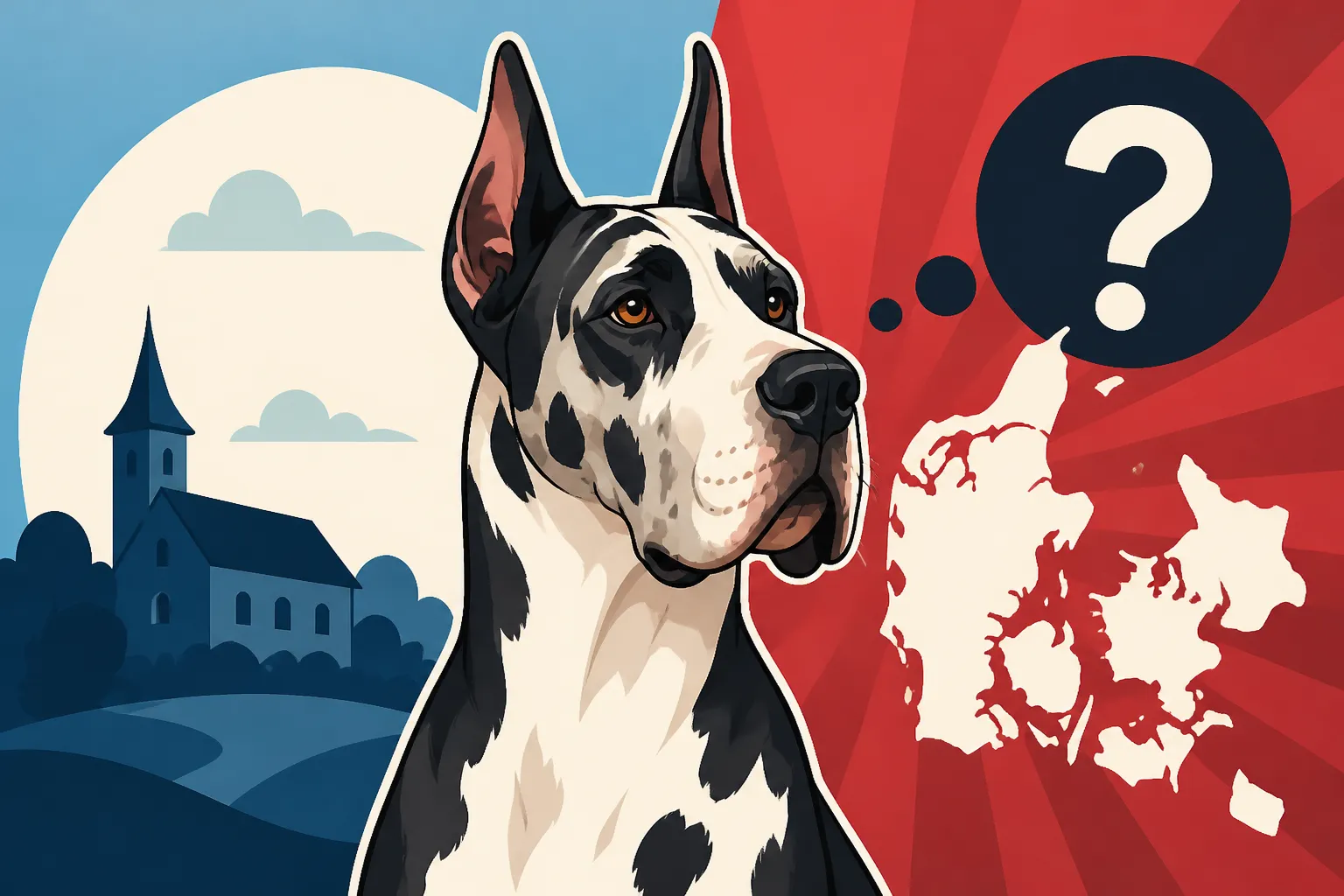
It's a question that trips up so many Great Dane lovers, new and old: with a name like "Great Dane," surely these magnificent dogs must hail from Denmark, right? It feels perfectly logical, but the truth is, the name is a bit of a historical red herring, leading countless well-meaning owners down the wrong path when trying to understand their giant companion's true heritage. This guide is here to clear up that persistent confusion and dig into the fascinating, and decidedly non-Danish, origins of the Great Dane.
The Persistent Danish Misconception
It’s completely understandable why so many people assume the Great Dane comes from Denmark. The name itself is a pretty strong indicator, isn't it? It rolls off the tongue, implying a proud, historical link to that Scandinavian country, and for centuries, that's precisely the image it conjured. When you think of a dog named specifically for a country, your mind naturally goes straight to that place as its origin.
This isn't just a modern mix-up; this confusion has been baked into the breed's identity for a very long time. Even today, if you mention "Great Dane" to someone, their immediate thought is often of Denmark. It's one of those bits of trivia that has become so ingrained in popular culture that separating the name from its true geographical roots can feel almost impossible. Many new owners, in their excitement, don't even question it until they delve deeper into the breed's history, only to find a surprising twist.
Why the Name Sticks (and Confuses Everyone)
The name "Great Dane" actually has its roots in an old French term, "Grand Danois," which roughly translates to "Big Danish." This moniker wasn't coined by the Danes themselves, nor did it accurately reflect the dog's true birthplace. Instead, it seems to have emerged from an 18th-century French naturalist who encountered large, mastiff-type dogs in Denmark and mistakenly associated them with the country. These dogs might have been imported to Denmark, or simply observed there, leading to a casual, and ultimately misleading, designation.
The problem, of course, is that once a name takes hold, especially in print and popular imagination, it's incredibly difficult to change. Over time, as these impressive dogs became more widely known across Europe and eventually to America, the "Great Dane" name stuck. It was catchy, it sounded regal, and it gave the breed a distinct identity, even if that identity was built on a geographical misunderstanding. Imagine trying to rebrand a beloved, well-established breed overnight; it’s practically impossible, which is why the legacy of the "Grand Danois" continues to this day.
Clearing Up the Geographical Confusion
Let's cut right to the chase: the Great Dane did not come from Denmark. I know, it sounds almost sacrilegious to say, given the name, but it's a critical piece of information for any true Great Dane enthusiast. The country that can proudly claim the Great Dane as its own, the place where this magnificent breed truly developed and was refined, is Germany. It might throw you for a loop, but understanding this fundamental fact is the first step in truly appreciating the breed's heritage.
Germany considers the Great Dane its national dog, referring to it by its proper German name: Deutsche Dogge Means for a Great Dane Owner. This is where the powerful, elegant canine we know today was specifically bred for strength, courage, and nobility. The German breeders and enthusiasts worked diligently to establish the breed standard, develop its distinctive characteristics, and elevate its status. So, while the name points north, the paw prints lead decidedly eastward, into the heart of Germany.
Germany's National Dog: The Deutsche Dogge
Germany's claim to the Great Dane is not just a matter of national pride; it's deeply rooted in historical records and meticulous breeding efforts that span centuries. For anyone truly interested in the breed's development, looking beyond the misleading English name and understanding its German heritage is absolutely essential. This is where you find the true story of its purpose, its temperament, and its physical form.
The commitment of German breeders to perfecting this dog as the "Deutsche Dogge" speaks volumes. They saw a noble and capable animal that deserved recognition for its true origins and not for a name that was, essentially, a geographical flub. They poured their knowledge and passion into shaping the breed, ensuring its health, conformation, and temperament reflected its intended purpose and inherent dignity.
The True Ancestry: Boar Hounds of Germany
To truly understand the Great Dane, you have to go back to its ancestral roots in Germany, specifically to the powerful hunting dogs used to tackle formidable game like wild boar. These were not just any hunting dogs; these were The Boar Hounds the Great Dane Descends From, massive, courageous canines known for their incredible strength and speed. Imagine a dog capable of confronting a wild boar—a task requiring immense bravery, agility, and raw power.
These early ancestors were not necessarily the sleek, elegant dogs we recognize today, but rather more rugged, powerful mastiff-type hounds. They were bred for a singular, dangerous purpose: to assist hunters in bringing down large, aggressive animals. This rigorous selection process for physical prowess, fearlessness, and a certain level of controlled aggression laid the foundation for the Great Dane's impressive physique and its often surprisingly gentle yet protective temperament. The essence of the modern Great Dane's power and loyalty comes directly from this demanding past. The Wild Boar the Great Dane Was Bred to Hold was no easy feat, and it shaped the breed profoundly.
How the Breed Developed in Germany
The transformation from ancient boar hound to the refined Great Dane we know today was a long and deliberate process, primarily carried out by German breeders. They weren't just looking for brute force; they aimed to combine power with elegance, courage with kindness, and a commanding presence with a devoted disposition. This wasn't a haphazard evolution; it was a carefully orchestrated breeding program.
Over generations, various mastiff-type dogs and perhaps even some Greyhound-like breeds were incorporated to achieve the desired combination of size, speed, and refined appearance. The goal was to create a dog that was not only an imposing protector and capable hunter but also a noble companion. This dedication culminated in the late 19th century when Germany officially recognized the breed as The Great Dane as Germany's National Breed and established the first breed standard. This standard meticulously outlined everything from height and weight to head shape and temperament, solidifying the dog's identity and heritage for generations to come. When Germany Adopted the Great Dane Officially marked a significant turning point in the breed's history.
The Naming Journey: From "Great Dane" to "Deutsche Dogge" and Back
The Great Dane's identity has been a bit of a tug-of-war, with different nations vying for recognition or simply contributing to the confusion surrounding its name. It's a fascinating linguistic and historical journey that highlights how even a small misunderstanding can become deeply entrenched over time. Understanding this naming saga helps clarify why we use the name we do, despite the breed's true origins.
It wasn't just a casual mistake; cultural influences and national pride played significant roles in how the breed was perceived and named across different regions. The irony is that while one part of Europe gave it a misleading name, another was diligently working to solidify its true heritage, often struggling against the prevailing popular terminology. This dual identity has followed the Great Dane throughout its history.
The French Influence and the "Grand Danois"
As we touched on earlier, the term "Grand Danois" — meaning "Big Dane" — is largely attributed to French naturalists. During the 1700s, it seems these individuals, upon observing large, powerful dogs in Denmark, simply called them "Grand Danois," perhaps without much deeper investigation into their actual lineage. It's easy to imagine a scenario where a few impressive specimens were imported or seen in Denmark, leading to a casual association that then became canonized in scientific writings and popular discourse.
Once this French designation was made, it began to spread across Europe. The term was picked up and translated into various languages, and in English-speaking countries, it became "Great Dane." This propagation of the name, despite the dogs not originating in Denmark, cemented the misconception for centuries. It's a prime example of how a misnomer, once established, can become incredibly difficult to correct, especially when it gains widespread acceptance and becomes part of a breed's charm and identity. This is why Why the Great Dane Is Not Danish remains a common question.
Germany's Push for the "Deutsche Dogge"
While the French term gained traction, German breeders and enthusiasts were understandably keen to claim their magnificent creation. They knew the true history of their "Deutsche Dogge" — the German Mastiff or German Dog — and they wanted the world to recognize it. There was a strong push in Germany to officially designate the breed as the "Deutsche Dogge" to reflect its true homeland and distinguish it from the misleading "Great Dane" label.
This push reached its peak in the late 19th century, particularly around 1878 in Berlin, when a committee of breeders and judges officially declared the "Deutsche Dogge" as a distinct German breed. They even attempted to gain international acceptance for this name. Figures like Otto von Bismarck, the first Chancellor of Germany, who famously owned several Great Danes (or Deutsche Doggen, as he would have called them), implicitly lent their support to this national identity. He loved these dogs, and his association with them further solidified their place as a symbol of German strength and nobility. However, despite Germany's best efforts, the English-speaking world largely held onto the name "Great Dane," proving just how sticky an adopted name can be.
Why This History Matters for Modern Owners
Knowing the true origin of your Great Dane isn't just a fun fact to share at parties. It actually provides a deeper understanding of the breed's inherent traits, its needs, and what makes it such a unique companion. When you appreciate the journey your dog's ancestors took, you gain valuable insight into their behaviors and physical makeup, which can profoundly impact how you care for them.
It's about connecting with the lineage, understanding the purpose for which these dogs were originally bred, and respecting the diligent work of the breeders who shaped them. This knowledge helps you move beyond superficial characteristics and truly grasp the essence of the Great Dane, preparing you for a more informed and fulfilling ownership experience.
Understanding Breed Type and Purpose
The fact that Great Danes were originally The Boar Hounds the Great Dane Descends From in Germany tells you so much about their fundamental characteristics. They were bred to be powerful, agile, and courageous enough to confront large, dangerous animals, yet also to be controllable and loyal companions to their human handlers. This duality is still very much present in the modern Great Dane. While they might be known as "gentle giants" today, that underlying strength, protective instinct, and impressive physique are direct legacies of their working past.
When you understand this, it helps explain why your Great Dane might possess a certain level of alertness, why they might have bursts of surprising speed for their size, or why they are so incredibly devoted to their families. It's not just random behavior; it's ingrained purpose. This historical context also informs why they need specific types of exercise that support their powerful musculature and why early training and socialization are paramount to channel their natural instincts in a positive way. After all, a dog bred to hold a wild boar needs to know boundaries and commands far more than a lapdog!
Navigating Breeding and Pedigrees
Understanding the Great Dane's true German heritage is also incredibly important when you're looking into responsible breeding practices or trying to interpret a pedigree. Reputable breeders, whether in Germany, the US, or anywhere else, will be deeply familiar with the breed's origins and will strive to maintain the health, temperament, and conformation standards established by those early German pioneers. They know that this isn't just about producing "big dogs"; it's about preserving the integrity of the Deutsche Dogge.
When looking at health testing, for example, a breeder who understands the lineage will prioritize screenings for conditions common in giant breeds, like the Heart Muscle Disease Great Danes Are Prone To or Bloat in a Great Dane and the One in Three Odds. They're not just breeding random large dogs; they are consciously continuing a specific line of carefully developed canines. You'll often find that breeders will discuss the European versus American lines, which also ties back to how the breed has been developed and interpreted in different regions over time. When you're sourcing supplies for your Great Dane, whether it's specialized food or large dog beds, knowing these historical influences ensures you're looking for products that cater to a breed with specific, historically-rooted needs. You might find great options for large-breed specific food and gear at places like Chewy, ensuring your giant friend gets what they need to thrive.
| Feature | Common Perception (from Name) | True Origin (Historical Fact) |
|---|---|---|
| Place of Origin | Denmark | Germany |
| Original Role | Unclear / Companion | Large Game Hunter (Wild Boar) |
| National Breed Of | Denmark | Germany (as "Deutsche Dogge") |
| Naming Influence | Direct Danish heritage | French naturalists misattributing to Denmark; English adoption |
| Core Characteristics | Gentle Giant (sometimes seen as less active) | Powerful, courageous, protective, yet gentle companion (active) |
The Global Great Dane Community
Despite the geographical mix-up in its English name, the Great Dane has found a loving home in countries all over the world. From the bustling streets of New York to the quiet countryside of the UK, the breed's majestic presence and gentle nature have captivated hearts everywhere. This global community often celebrates the dog's true German roots, with enthusiasts eagerly sharing information about the breed's development and historical significance. When you connect with other Great Dane owners, you'll find that many are well-versed in this origin story and appreciate its nuances.
This international perspective reinforces the idea that while a name can create confusion, the intrinsic qualities of the breed ultimately shine through. Whether called "Great Dane" or "Deutsche Dogge," the magnificent animal remains the same: a loyal, powerful, and deeply affectionate companion. You might find resources, communities, and even breed-specific products through online retailers like Chewy that cater to this global appreciation for the breed, regardless of its nomenclature. It’s a testament to the dog itself that its popularity has transcended its linguistic misattribution.
Debunking Other Great Dane Myths
The naming confusion is just one of several misconceptions surrounding the Great Dane. Because of their impressive size and somewhat intimidating appearance, these dogs often become subjects of various myths and misunderstandings that can impact how people perceive and interact with them. It's important for owners and prospective owners to go beyond superficial assumptions and really understand the breed's true nature.
Shedding light on these inaccuracies is crucial for promoting responsible ownership and ensuring the well-being of these magnificent animals. Just as we've explored the truth behind their name, it's vital to address other common beliefs that don't quite align with reality. This deeper understanding will only strengthen the bond between Danes and their humans.
Are Great Danes Truly "Great" in Every Sense?
The "Great" in Great Dane certainly refers to their immense physical stature, but it often leads people to assume they are equally "great" in terms of resilience or independence. This isn't always the case. Despite their imposing size, Great Danes are surprisingly sensitive dogs. They are often profoundly attached to their families and can suffer from separation anxiety if left alone for extended periods. This is why discussions around A Great Dane That Cannot Be Left in the House are so common among owners. Their large size doesn't make them rugged, outdoor-only dogs; in fact, they thrive on companionship and comfort.
Furthermore, their "greatness" in terms of size also comes with specific health considerations. They age faster than smaller dogs, often having a shorter lifespan of The Seven to Ten Year Great Dane Lifespan, and are prone to specific health issues like bloat and certain heart conditions. So, while they are physically great, they require a "great" deal of attentive care, specialized nutrition, and proactive veterinary attention to ensure they live their best, albeit often shorter, lives.
Temperament: Gentle Giant or Fierce Protector?
The most enduring descriptor for a Great Dane is "gentle giant," and for the most part, this is wonderfully accurate. They are known for their calm, affectionate, and patient demeanor, especially with children and other pets, which is why Great Danes With Children and Small Dogs is a popular topic. Their patience and tolerance are often astounding, given their sheer power. However, this "gentle" reputation can sometimes lead people to underestimate their protective instincts or their sheer physical capabilities.
While rarely aggressive without provocation, a Great Dane's size alone can be a deterrent to intruders, and they certainly possess a natural inclination to guard their family. They are not typically guard dogs in the sense of being highly suspicious or prone to barking incessantly, but their presence is commanding. It's crucial for owners to understand this balance: their innate gentleness coexists with a profound loyalty and capacity for protection. Proper Socializing a Great Dane Puppy Early is key to ensuring their protective instincts are well-managed and they remain well-adjusted members of society, differentiating between true threats and everyday occurrences.
Disclaimer
This article is for general informational purposes only and does not constitute professional advice. Laws, prices and regulations vary by location and change over time. Consult a qualified professional for guidance on your specific situation.