The Fawn Great Dane and Its Black Mask
When you picture a Great Dane, chances are the image that springs to mind is a magnificent dog with a striking golden-yellow coat and a distinguished black face. This classic look belongs to the fawn Great Dane, a color variation that has captivated enthusiasts for generations, embodying the breed's elegance and power. Yet, there’s more to this iconic coloration than just outward beauty; understanding the fawn Great Dane and its characteristic black mask involves delving into breed standards, genetics, and the practicalities of everyday life with such a majestic animal. This comprehensive guide aims to unpack everything you need to know about the beloved fawn Great Dane, offering insights into its unique attributes, historical context, and the considerations for bringing one into your home.
The Grandeur of the Fawn Great Dane Coat
The fawn Great Dane is arguably one of the most recognizable color varieties of the breed, a testament to its enduring appeal and classic beauty. This isn't just a random shade; it's a carefully defined aspect of the Great Dane standard, carrying with it a rich history and specific aesthetic expectations.
What Defines the Fawn Coloration?
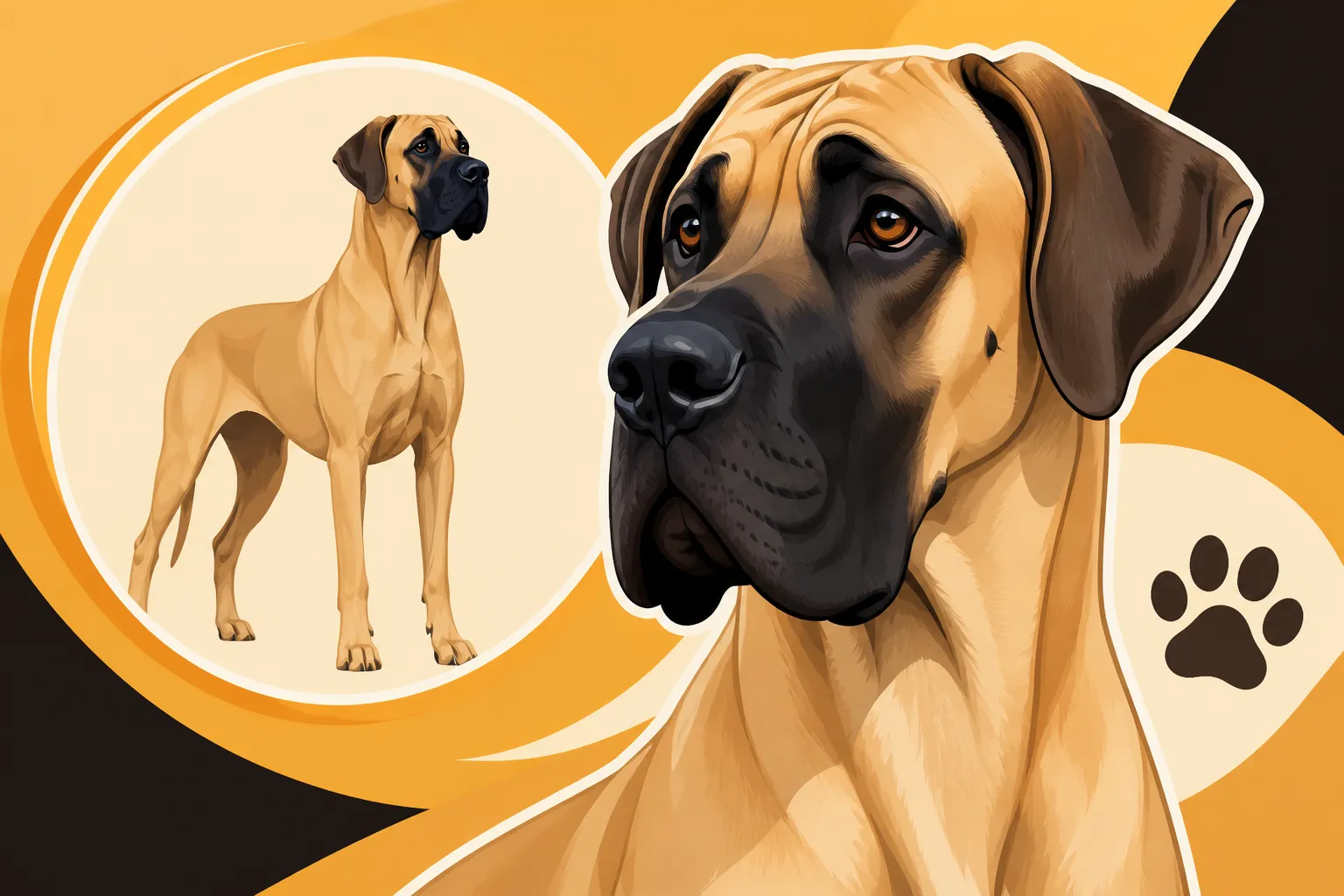
At its heart, the fawn coloration in a Great Dane is characterized by a beautiful golden-yellow hue, often described as a warm, rich tan, or even a deep biscuit color. The ideal standard calls for a clean, consistent shade across the entire body, without any visible brindling (tiger-stripe patterns), smutty (sooty or dusty) markings, or white patches, except for a small amount on the chest and toes that is sometimes tolerated, but not desired in the show ring. Think of the color of a lion's mane, or perhaps a perfectly toasted marshmallow – that rich, inviting golden tone.
This specific golden-yellow should be uniform, meaning there shouldn't be areas of lighter or darker shading throughout the coat. When you run your hand over their smooth, short fur, you should see an even wash of color from their neck to their tail. This uniformity is highly prized and contributes significantly to the overall striking appearance of a well-bred fawn Great Dane. Owners often find themselves receiving compliments on their dog's stunning coat, which truly gleams in the sunlight, highlighting their powerful musculature and graceful lines. It's a color that exudes both warmth and dignity, perfectly suiting the "Apollo of Dogs" moniker often given to the breed.
The Historical Significance of Fawn Danes
The fawn color isn't a recent development; it's deeply embedded in the Great Dane's lineage. When the breed was first being formalized in Germany in the late 19th century, fawn, alongside brindle, was among the primary colors recognized and promoted by early breeders. These colors were favored not only for their beauty but also because they represented the original "Boar Hounds" from which the Great Dane evolved.
Historically, these large dogs were bred for hunting formidable game like wild boar, and their coloring likely provided a degree of camouflage in natural environments. The early breed standards, such as What the 1881 Great Dane Standard Asked For, specifically mentioned fawn as a desirable and correct color, cementing its place in the breed's identity. Over the centuries, paintings, illustrations, and historical accounts frequently depict Great Danes in this distinctive fawn coat, underscoring its long-standing presence and importance. This deep historical root gives the fawn Great Dane a special place in the hearts of traditionalists and those who appreciate the breed's heritage. Owning a fawn Dane is, in many ways, a connection to the very origins and foundational look of this magnificent breed.
Unraveling the Genetics Behind Fawn and the Mask
Understanding why a Great Dane is fawn, and why it has that captivating black mask, takes us on a brief journey into the fascinating world of canine genetics. It's not just a roll of the dice; specific genes are responsible for these distinct characteristics.
The "A" Locus and the Fawn Gene
The fawn color in Great Danes, and many other breeds, is primarily determined by a gene on what geneticists call the "A" locus, or agouti series. Without getting too bogged down in scientific jargon, think of the A locus as a switchboard for how pigment is distributed in the hair shaft. For a Great Dane to be fawn, it typically inherits two copies of the "ay" allele (short for yellow or sable, which manifests as fawn in the Great Dane). This particular allele allows for the production of red pigment (phaeomelanin) throughout the coat, resulting in that beautiful golden-yellow color.
It's a recessive trait to some other alleles in the A locus, meaning both parents must contribute the "ay" gene for the puppy to express fawn. So, if you have two fawn parents, all their puppies will be fawn. However, if one parent carries a different dominant allele, things can get more complex, and you might see other colors in the litter, even if both parents carry fawn. Responsible breeders will often understand these genetic principles, sometimes even using genetic testing to ensure predictable and desirable color outcomes, contributing to the health and quality of their litters. For more detailed insights into this specific coloration, you might want to read What Makes a Great Dane Fawn.
The Melanin Mask: A Separate Genetic Trait
Here’s where it gets interesting: the black mask, a defining feature of the fawn Great Dane, is actually controlled by a completely different set of genes, known as the "E" locus (extension series). The specific allele responsible for the black mask is called "Em" (melanistic mask). This "Em" allele allows for the extension of black pigment (eumelanin) to specific areas of the face – primarily the muzzle, and often around the eyes and sometimes slightly up the forehead.
Crucially, the gene for the black mask acts independently of the fawn body color gene. This means a Great Dane can be genetically fawn (have two "ay" alleles) but might not have a strong black mask if it doesn't also inherit the "Em" allele, or enough copies of it, or if other modifying genes are at play. While the black mask is highly desired and, in many cases, required for show-quality fawn Danes, you can sometimes see fawn Great Danes with little to no mask. These dogs are still genetically fawn, but they simply lack the genetic instructions for that prominent facial pigmentation. This distinction is vital for breeders and for anyone hoping to understand the nuances of the breed's appearance. It also explains why you might occasionally see a fawn Great Dane without a mask, which, while beautiful in its own right, might not conform to the strictest interpretation of the breed standard. If you're wondering about the necessity of this mask, explore Whether a Fawn Great Dane Needs a Black Mask.
The Iconic Black Mask: A Hallmarking Feature
The black mask is more than just a splash of color on a fawn Great Dane's face; it's a signature element that significantly contributes to the breed's regal and expressive appearance. It's a key part of what makes a fawn Dane instantly recognizable and admired.
What Constitutes a Correct Black Mask?
According to breed standards, a correct black mask should be clearly defined, covering the muzzle and typically extending over the eyes. The ideal mask should be a rich, solid black, providing a stark contrast to the golden fawn coat. It should frame the face, highlighting the Great Dane's noble head and intelligent eyes, contributing to what is often described as a keen and gentle expression. The mask shouldn't extend too far up the forehead, nor should it appear smudged or patchy. It's a clean, almost painted-on look that enhances the dog's features without overpowering them.
Beyond the mask itself, the black pigmentation extends to other areas of the face that complement its intensity. A fawn Great Dane should have dark, preferably black, eye rims, which make their eyes stand out, and a solid black nose. These elements work in harmony with the mask to create a unified and aesthetically pleasing facial structure. When all these details come together—the deep fawn coat, the crisp black mask, and dark pigmentation—the result is truly breathtaking, embodying the elegance for which the Great Dane is renowned.
Why the Mask is So Highly Valued in the Breed Standard
The black mask is not merely a cosmetic preference; it's a strongly emphasized trait within the Great Dane breed standard. Judges in the show ring pay close attention to the mask's presence, definition, and coloration. Its primary importance lies in how it enhances the dog's overall expression and breed type. Without a proper mask, the face can sometimes appear washed out or less defined, losing some of the characteristic gravitas and nobility that are hallmarks of the breed. It literally "frames" the Great Dane's face, drawing attention to its powerful yet refined head.
The mask helps to convey the breed's alertness and intelligence, giving the face a depth that might otherwise be absent. For breeders striving for perfection, the black mask is a non-negotiable trait for show-quality fawn Danes. It is considered an essential component of the "correct" fawn presentation. If you're interested in the finer points of what makes a show-quality Great Dane, the article The Great Dane the Show Ring Is Looking For delves into these precise expectations. This attention to detail ensures that the classic image of the fawn Great Dane remains consistent across generations and reinforces the breed's distinct aesthetic.
Variations in Mask Expression
While the ideal is a solid, well-defined black mask, variations do exist. Some fawn Great Danes might have a mask that is less intense, appearing more charcoal or faded rather than deep black. Others might have a "partial mask" where the black is concentrated only on the muzzle and doesn't extend much over the eyes. Then there are those rare fawn Danes who, due to their specific genetics, have little to no discernible mask at all. These dogs are often referred to as "self-masked" or "clear-faced" fawns.
From a show perspective, these variations, especially a weak or absent mask, are generally considered faults. The breed standard explicitly calls for a black mask. However, for a companion animal, these variations are purely cosmetic and do not affect the dog's health, temperament, or ability to be a loving family member. A fawn Dane with a less-than-perfect mask is still a beautiful and wonderful dog. It simply means they might not be competitive in conformation shows. It’s important for prospective owners to understand these nuances: a "fault" in the show ring doesn't equate to a deficiency in character or health in a pet.
Fawn Great Danes in Competition and Companionship
Whether destined for the show ring or a cherished spot on the family couch, fawn Great Danes embody the majestic spirit of the breed. Their distinctive appearance often garners attention, but their true value lies in their overall qualities as defined by the breed standard and their gentle nature.
Meeting the Breed Standard for Fawn Great Danes
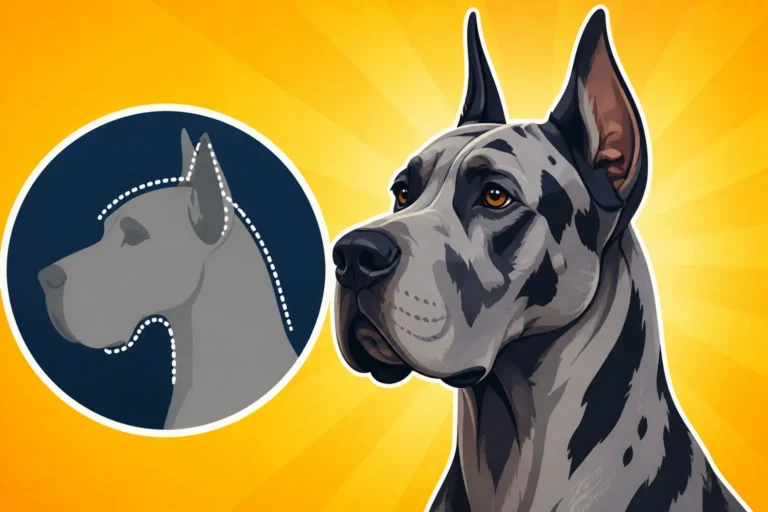
For a fawn Great Dane to truly excel in the conformation show ring, judges are looking for a precise combination of color, structure, and temperament. Beyond the golden-yellow coat and the striking black mask, the dog must possess excellent overall conformation – meaning its physical build must align closely with the breed standard. This includes a powerful, well-muscled body, a balanced head proportional to the body, a strong neck, and a long, graceful stride. The black pigmentation of the eye rims and nose must also be present and distinct, complementing the mask. The Great Dane Head the Standard Wants discusses the specific features of the Great Dane head that judges are seeking.
A dog might have a perfect fawn coat and mask but fall short if its gait is uneven, its topline isn't level, or its temperament isn't confident and friendly. Judges assess everything from the tip of the nose to the end of the tail, looking for the complete package that represents the ideal Great Dane. The challenge for breeders, then, is to produce dogs that not only have the correct color and mask but also possess all the other critical attributes that define a sound, healthy, and typical Great Dane. This pursuit of excellence ensures the preservation of the breed's unique characteristics.
The Fawn Temperament: Is There a Difference?
It’s a common misconception that coat color might influence a dog's personality. Let me assure you, a fawn Great Dane is just as much a "gentle giant" as its blue, black, or harlequin counterparts. Coat color has absolutely no bearing on a Great Dane's temperament. The breed's renowned personality—affectionate, loyal, patient, and generally good-natured—is consistent across all accepted color varieties. They are known for their calm demeanor indoors, their love for their families, and their surprising gentleness despite their colossal size.
Like all Great Danes, fawn Danes thrive on companionship and social interaction. They are highly sensitive dogs who want to be an integral part of their family's lives. Early socialization and consistent, positive training are crucial for any Great Dane, regardless of color, to ensure they grow into well-adjusted adults. If you're pondering the general character of these magnificent dogs, The Great Dane's Reputation as the Apollo of Dogs offers a deeper dive into their famed personality. Rest assured, if you bring a fawn Great Dane into your home, you'll be getting the same loving, devoted, and gentle companion that any other Great Dane color offers.
Living with a Fawn Dane: Everyday Joys and Realities
Bringing a fawn Great Dane into your life promises immense joy and an abundance of affection. Their short, smooth coats make grooming relatively straightforward compared to long-haired breeds, which is a huge bonus! While they do shed, particularly seasonally, regular brushing with a rubber curry comb can help manage loose hair and keep their coat looking sleek and shiny. Their impressive size means they need ample space, even if they're often described as "couch potatoes" indoors. They're not typically high-energy dogs, but they do require regular, moderate exercise to stay healthy and happy.
What you gain in return is an incredibly devoted family member. Fawn Danes are known for their strong bond with their humans and their surprisingly sensitive nature. Despite their intimidating stature, they often see themselves as lap dogs, oblivious to their true size! This means early training in manners, especially not jumping up, is paramount. The Manners a Great Dane Needs Before It Grows is a fantastic resource for preparing for a giant puppy. They are generally patient with children and other pets, provided they are properly socialized from a young age. Their quiet dignity and loving presence make them truly special companions, filling your home with gentle warmth and an undeniable sense of majesty.
Practical Considerations for Fawn Great Dane Owners
While owning any Great Dane comes with its own set of responsibilities, there are a few practical considerations specific to, or particularly relevant for, fawn Great Danes, especially when it comes to their health and coat care.
Protecting That Beautiful Coat and Skin
The beautiful fawn coat, especially in lighter shades, means that some fawn Great Danes can have skin that is more sensitive to the sun than dogs with darker, more heavily pigmented coats. Just like fair-skinned people, these Danes can be susceptible to sunburn, particularly on areas with sparse hair, such as the belly, inner thighs, or the bridge of the nose if the mask isn't particularly dense. Prolonged exposure to intense sunlight, especially during peak UV hours, can lead to red, irritated skin, and in severe cases, even increase the risk of skin cancer over time. This is a common concern across many breeds with lighter coats, much like the considerations you'd find for a Sunburn on a Harlequin Great Dane.
To protect your fawn Great Dane, it’s wise to limit their direct sun exposure during the hottest parts of the day. Providing shaded areas in your yard is essential, and if your Dane loves to sunbathe for extended periods, consider specialized dog sunscreens or light protective gear. These kinds of items, designed specifically for canine use, can often be found on reputable online pet supply retailers like Chewy, making it convenient to source the right protection for your beloved companion. Keeping them comfortable and safe from the sun's harsh rays will help maintain their skin health and the luster of their magnificent coat.
Grooming for the Fawn Coat: Keeping it Pristine
While the short coat of a fawn Great Dane is relatively low maintenance, it's not "no maintenance." They do shed, and sometimes quite a bit, particularly during seasonal changes. Regular grooming is crucial to keep their coat healthy, shiny, and to minimize the amount of dog hair floating around your home. A good routine involves brushing them a few times a week with a deshedding tool, a rubber curry comb, or a grooming mitt. These tools are excellent at removing loose fur, stimulating blood circulation in the skin, and distributing natural oils for a healthy sheen. If you're battling with shedding, it's worth checking out How Much Hair a Great Dane Drops for more insights.
Bathing typically isn't needed more than once a month, or when they've gotten particularly dirty. Always use a dog-specific shampoo that is gentle on their skin and coat. Given their size, bathing a Great Dane at home can be a challenge, requiring a large tub or even an outdoor setup. Afterwards, thorough drying is important to prevent skin issues. You'll find a fantastic selection of brushes, shampoos, and even large dog towels, often with helpful reviews from other giant breed owners, over at Chewy, making it easier to equip yourself for effective grooming. Consistent grooming not only keeps your Dane looking sharp but also provides an excellent opportunity for bonding and checking their skin for any unusual bumps or issues.
Essential Supplies for Your Fawn Dane
When preparing for a fawn Great Dane, or any Great Dane for that matter, you quickly realize that "normal" sized pet supplies just won't cut it. Everything needs to be bigger, sturdier, and built to last under the strain of a giant breed. From sturdy beds that cradle their joints to elevated feeding bowls that can help with digestion and potentially reduce bloat risk, having the right gear from day one is crucial. Their sheer size means they need extra-large crates if you choose to crate train, extra-long leashes for walks, and collars that can comfortably fit their substantial necks. Even toys need to be chosen carefully to be durable and large enough not to pose a choking hazard.
Investing in quality supplies from the outset will save you money and headaches in the long run. Many of these specialized items are readily available from online retailers like Chewy, offering an unparalleled selection specifically designed for large and giant breeds. This simplifies the process of finding exactly what your fawn Dane needs to thrive, from large-breed specific food that supports healthy growth and joint health, as discussed in Feeding an Adult Great Dane Six to Ten Cups, to supplements and training tools. Equipping your home with these essentials ensures comfort, safety, and proper development for your magnificent fawn Great Dane, allowing you both to fully enjoy your life together.
Disclaimer
This article is for general informational purposes only and does not constitute professional advice. Laws, prices and regulations vary by location and change over time. Consult a qualified professional for guidance on your specific situation.