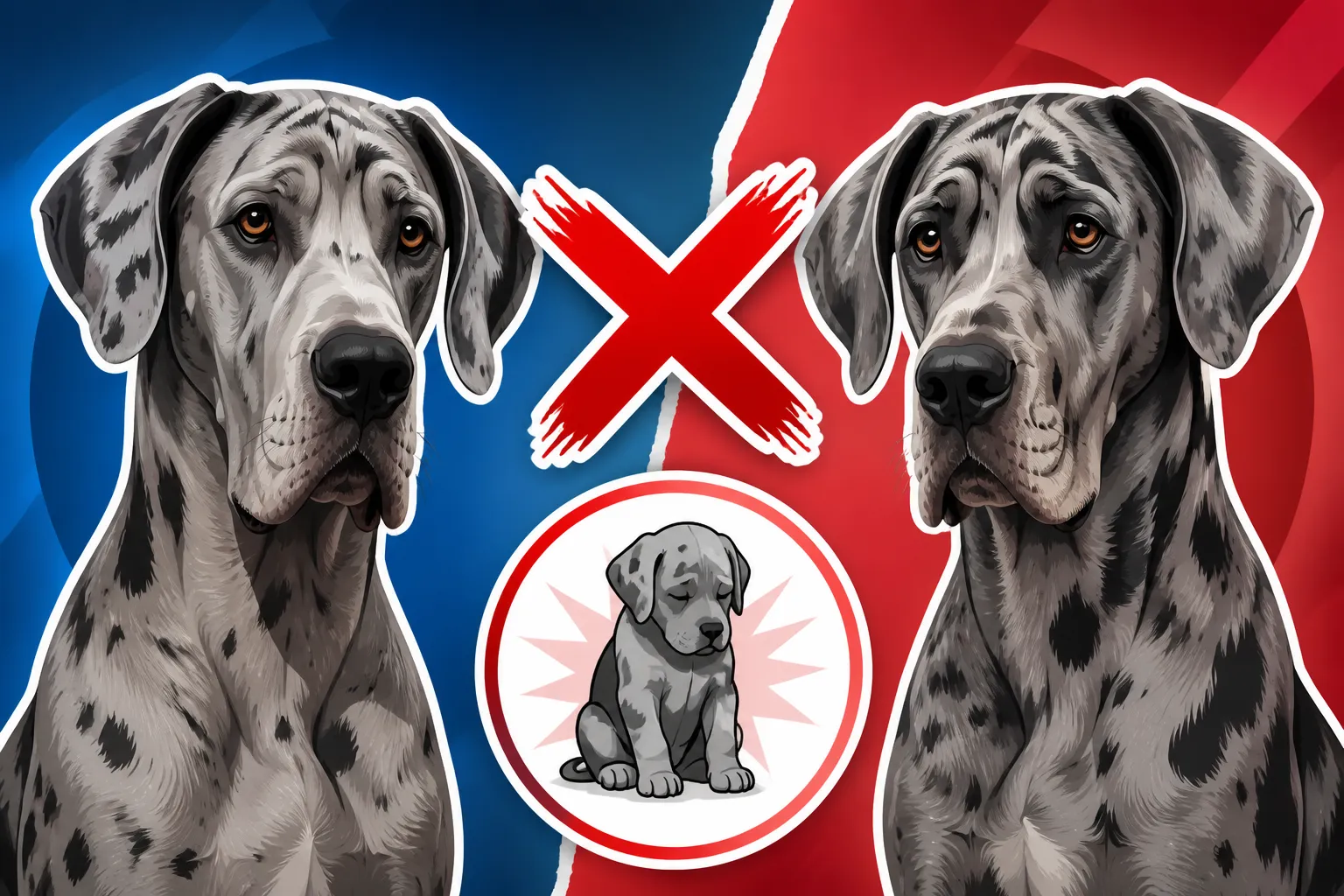
Why Two Merle Great Danes Are Never Bred
It’s a heartbreaking reality that many Great Dane enthusiasts might not be aware of: the serious, often devastating, consequences that can arise when two Merle Great Danes are bred together. This isn't just a matter of undesirable coat colors; it's about profound health issues that can compromise a puppy's quality of life from birth. This guide will walk you through the genetics, the heartbreaking risks, and the ethical responsibilities involved, ensuring you understand why this specific breeding combination is a strict no-go for any reputable breeder.
Understanding the Merle Gene in Great Danes
The merle pattern is striking and beautiful, often drawing people in with its unique appearance. But behind that pretty coat lies a genetic mechanism that, when mishandled, can lead to severe health problems. To truly appreciate why certain breedings are avoided, we first need to understand what the merle gene is and how it manifests in our beloved Danes.
What Exactly is a Merle Pattern?
When we talk about a merle Great Dane, we're describing a dog with a coat characterized by irregular, diluted patches of color, typically appearing as mottled spots over a lighter base. Imagine a solid color, like black or fawn, then picture lighter, often gray or tan, areas mixed in, creating a marbled or splashed effect. For example, a blue merle Dane might have patches of steel gray on a lighter gray background, while a fawn merle (though not a standard color) would show diluted tan areas. What makes merle so distinctive is its unpredictable nature; no two merle patterns are exactly alike. Beyond the coat, the merle gene often affects eye color, leading to stunning blue eyes or even heterochromia (one blue eye, one brown). It can also lighten paw pads and nose pigment, sometimes to a mottled pinkish shade. The overall effect is undeniably captivating, but it’s crucial to remember it's all thanks to a specific gene at play.
The Basics of Great Dane Color Genetics
Dogs inherit two copies of every gene, one from each parent. When it comes to coat color, several genes interact to produce the incredible variety we see. The merle gene, denoted by 'M', is a dominant gene. This means that a dog only needs one copy of the merle gene (Mm) to display the merle pattern. If a Great Dane inherits 'M' from one parent and 'm' (non-merle) from the other, they will be a merle dog. For example, a harlequin Great Dane, with its distinctive white coat and torn black patches, is actually a merle dog with an additional gene that modifies the merle pattern, turning the gray areas white. What Makes a Harlequin Great Dane Correct provides more insight into this specific variation. Without this modifying gene, the same dog would simply be a merle. This dominant nature is what allows the merle pattern to be so common, yet it also carries a silent warning. The challenge lies in understanding that even a single merle gene has the potential for visual differences in eyes and nose, which become crucial clues for breeders looking to make responsible pairing decisions.
The Silent Threat: What Happens with Two Merle Genes?
This is where the real heart of the issue lies, and it's something every potential Great Dane owner, and certainly every breeder, needs to understand deeply. While one merle gene gives us the beautiful, patterned dogs we admire, inheriting two copies of this gene leads to what is known as "double merle" or "homozygous merle," and the outcome is often tragic.
Decoding the Double Merle (MM)
When a Great Dane inherits a merle gene (M) from both parents, its genetic makeup for that locus becomes MM. This is the "double merle" genotype. Visually, these dogs are typically predominantly white, often with very minimal patches of merle or solid color. The dilution effect of two merle genes is so extreme that it strips away most pigment, leaving a stark, ghostly white appearance. It’s a common misconception that "white Great Danes" are just a rare color variation. In many cases, these stark white dogs are actually double merles, and their lack of pigment is a visible sign of a far deeper problem. This isn't just about aesthetics; it's a clear indicator of the genetic imbalance that can lead to severe health problems. A breeder who knowingly produces a double merle is, often inadvertently, setting up a lifetime of challenges for that puppy and its future family.
The Devastating Health Consequences
The most profound and heartbreaking consequences of the double merle gene are sensory defects. These puppies are at an extremely high risk of being born deaf, blind, or both.
- Deafness: The gene affects the development of pigment cells in the inner ear, which are critical for proper hearing. Double merle puppies can be unilaterally deaf (deaf in one ear) or, more commonly, bilaterally deaf (deaf in both ears). Imagine a puppy growing up in complete silence, unable to hear its mother's comforting sounds or the playful barks of its littermates. It's a profound isolation from the very beginning. How Common Deafness Is in a White Great Dane explores this issue further.
- Blindness and Eye Abnormalities: The merle gene also impacts eye development. Double merles frequently suffer from microphthalmia (abnormally small eyes), which can range from barely noticeable to severely underdeveloped, sometimes appearing as just tiny remnants of eyes. They may also have colobomas (missing tissue in the iris or retina), persistent pupillary membranes, or other structural defects that impair vision, leading to partial or complete blindness. In severe cases, puppies might be born without eyes entirely. Missing Eyes and Small Eyes in White Great Danes delves into these distressing conditions. Beyond these obvious issues, double merles can experience light sensitivity, making even normal daylight uncomfortable.
- Other Related Issues: While less common than the sensory defects, double merles can sometimes exhibit other health problems, including sterility, neurological issues, or even heart defects. The gene's influence isn't solely confined to pigment cells; it can affect multiple developmental pathways, creating a complex web of potential vulnerabilities. The financial and emotional toll of caring for a dog with these severe disabilities is immense, leading to expensive veterinary care and constant management.
Why Ethical Great Dane Breeders Absolutely Avoid Merle-to-Merle Breedings
For any truly responsible Great Dane breeder, the health and well-being of their dogs are paramount. This means making informed decisions that prioritize genetic health over fleeting trends or perceived aesthetic rarity. Deliberately breeding two merle Danes together is universally considered unethical due to the high probability of producing double merle puppies with severe health defects.
The Ethical Imperative and Breeder Responsibility
An ethical breeder understands that their responsibility extends far beyond simply producing puppies. It encompasses preserving the health, temperament, and integrity of the breed. This means adhering to breed standards, conducting thorough health testing, and making genetic choices that improve, not harm, the future generations of Great Danes. When it comes to the merle gene, this ethical imperative is crystal clear: avoid any breeding that carries a significant risk of producing double merles. The Health Testing a Great Dane Breeder Owes You details the types of screening reputable breeders perform. To knowingly breed a merle to a merle is to knowingly gamble with a puppy's life and its future family's emotional and financial well-being. No reputable breeder would ever intentionally subject an animal to the suffering associated with severe deafness or blindness, let alone the compounded challenges of both. The idea is to nurture a healthy companion, not to create a medical challenge for the sake of a particular look.
Predicting and Preventing Double Merles
So, how do ethical breeders manage this risk? It starts with meticulous record-keeping and, increasingly, genetic testing.
- Genetic Testing: Breeders can perform DNA tests to determine a dog's merle status. These tests identify whether a dog carries one merle gene (Mm), two non-merle genes (mm), or even if it's a "cryptic merle." A cryptic merle (Mh) is particularly tricky because they carry a shortened merle allele that might not produce a visible merle pattern on their coat, making them appear solid. However, they can still pass on the merle gene to their offspring. This is why visual inspection alone isn't enough. A solid-looking dog could still be carrying a cryptic merle gene, and if bred to a visible merle, could still produce double merles.
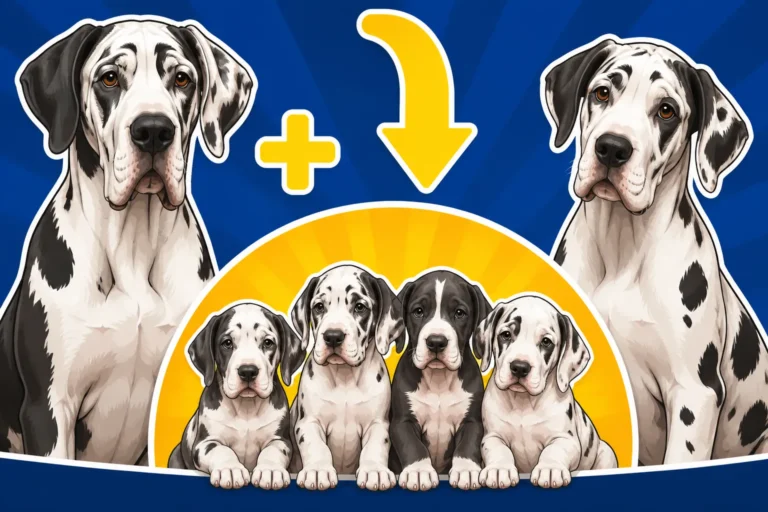
- Planned Pairings: With accurate genetic information, breeders can make responsible pairing decisions. The safest and most ethical practice is to never breed two merle-carrying dogs together, regardless of whether they are visibly merle or cryptic merle. Instead, a merle dog (Mm) should only be bred with a non-merle dog (mm). This ensures that no puppy receives two copies of the merle gene. While this pairing will still produce some merle puppies (approximately 50%), it completely eliminates the risk of producing double merles. This proactive approach is fundamental to upholding the breed's health.
Recognizing the Risks: Identifying Merle and Cryptic Merle Danes
It’s one thing to understand the genetics in theory, and another to apply that knowledge when looking at a potential puppy or adult Great Dane. Recognizing the various presentations of the merle gene, including the sneaky cryptic merle, is vital for both breeders and prospective owners.
Visual Cues of a Single Merle Great Dane
A traditional merle Great Dane is usually quite distinct. You'll see those beautiful, irregular patches of lighter color against a darker base. A blue merle will have grey patches, a fawn merle will have lighter tan patches. Beyond the coat, one of the most striking visual cues is the eyes. Many merle Danes will have captivating blue eyes, or even eyes of different colors – a condition known as heterochromia. Sometimes one eye will be blue and the other brown, or an eye might have a "marbled" appearance with flecks of blue and brown mixed together. Their noses and paw pads might also show mottling, with areas of pink mixed with black pigment.
However, the intensity and extent of the merle pattern can vary. Some merles might have very subtle patterns, appearing almost solid at first glance, especially if their base color is light or if the merle patches are small and sparse. This variability is why relying solely on visual cues can be risky when making breeding decisions. A dog that appears mostly black might still carry the merle gene, especially if you notice just a tiny merle patch or a blue fleck in an eye. Understanding these visual variations is the first step, but it's rarely the last word in responsible breeding.
The Elusive Cryptic Merle and Its Importance
Now, here's where things get really interesting and underscore the importance of genetic testing: the cryptic merle. A cryptic merle Great Dane is a dog that carries the merle gene but doesn't display the merle pattern on its coat. They can look like a solid-colored dog – black, fawn, blue, etc. – with no visible merle patches. You might not see any blue in their eyes, and their nose might be fully pigmented. They're like a stealth carrier.
The reason for this "cryptic" appearance is a shorter merle allele. It's still the merle gene, but it's not expressed strongly enough to dilute the coat color overtly. Why is this so important? Because if a cryptic merle is unknowingly bred to a visible merle, they can still produce double merle (MM) puppies with all the associated health problems. Imagine a breeder pairing a beautiful, seemingly solid black female with a handsome blue merle male, thinking they are making a safe pairing. If that black female is secretly a cryptic merle, they could end up with a litter of deaf and blind double merle puppies, through no fault of their initial visual assessment. This is why DNA testing for the merle gene is absolutely indispensable for any responsible breeder. It eliminates guesswork and ensures that even those hidden carriers are identified, preventing unintended heartbreaking outcomes.
The Cost of Irresponsible Breeding: A Community-Wide Impact
The decisions made by breeders don't just affect individual litters; they ripple outwards, impacting families, rescue organizations, and the reputation of the Great Dane breed as a whole. Irresponsible breeding practices, particularly those that lead to double merles, carry significant emotional, financial, and ethical costs.
The Emotional and Financial Toll on Owners
Bringing home a new puppy is supposed to be a joyous occasion, filled with anticipation and dreams of a loyal companion. For families unknowingly acquiring a double merle puppy, that joy can quickly turn into heartbreak and immense stress. Imagine falling in love with a tiny, beautiful white Great Dane puppy, only to discover weeks later that it cannot hear you, cannot see the ball you throw, and struggles to navigate its environment. The Great Dane Bills Nobody Mentions outlines many unexpected expenses, and the costs associated with a double merle can be astronomical.
Caring for a deaf and/or blind dog requires specialized training, constant vigilance, and often extensive veterinary interventions. Special diets, mobility aids, or even more frequent vet visits can add up. These dogs often need highly stimulating toys and tools to compensate for their sensory losses, which can be found at pet supply stores like Chewy. While these dogs are perfectly capable of living full, happy lives with dedicated owners, the journey is undeniably challenging. It requires an extraordinary commitment of time, patience, and financial resources that many families are simply not prepared for, especially if they were not informed of the issues beforehand. The emotional toll of watching a beloved pet struggle, coupled with the constant worry and expense, can be overwhelming.
Protecting the Breed's Future
When irresponsible breeding practices produce double merle puppies, the impact extends beyond individual families. It casts a shadow on the entire Great Dane breed.
- Increased Burden on Rescues: Sadly, some owners, overwhelmed by the challenges of caring for a special needs double merle dog, may surrender them to rescue organizations. This places a significant burden on already stretched resources, as rescues must then find specialized foster homes and adopters willing and able to take on a dog with significant needs. Where Surrendered Great Danes Come From often includes dogs with complex health issues like these.
- Undermining Breed Reputation: Stories of severely disabled Great Danes resulting from unethical breeding circulate within the dog community, sometimes leading to negative perceptions of the breed itself or concerns about genetic health. This can deter potential, responsible owners from considering a Great Dane, even those bred ethically.
- The Ethical Standard: Every responsible breeder contributes to the overall health and future of the Great Dane. By strictly adhering to ethical breeding practices and educating prospective owners about the risks of merle-to-merle pairings, they safeguard the breed's genetic health and ensure that the Great Dane remains known for its gentle nature and impressive presence, not for preventable genetic diseases. Maintaining rigorous standards, including genetic testing for merle, is crucial for securing a healthy future for this magnificent breed.
Here's a quick comparison of the visual and health differences between a single merle and a double merle Great Dane:
| Feature | Single Merle Great Dane (Mm) | Double Merle Great Dane (MM) |
|---|---|---|
| Appearance | Mottled/patched coat (e.g., blue merle, harlequin), blue or mismatched eyes often seen, mottled nose/pads possible. | Predominantly white coat, often with minimal or faint merle/solid patches. Eyes often very light blue or underdeveloped. Pink nose/pads. |
| Health Risks | Generally healthy. Standard Great Dane health concerns (e.g., bloat, DCM, Wobblers). | High risk of severe deafness (unilateral or bilateral), blindness (microphthalmia, colobomas, anophthalmia), and other developmental issues. |
| Breeding Status | Can be bred to a non-merle (mm) dog safely. | Should ideally not be bred due to high risk of passing on the double merle gene. |
| Ethical Standing | Result of responsible pairing with a non-merle. | Result of irresponsible pairing; ethically avoided by reputable breeders. |
Responsible Breeding Practices for Merle Great Danes
The goal for any truly dedicated Great Dane breeder is to produce healthy, well-tempered puppies. This requires a deep understanding of genetics, a commitment to ethical standards, and proactive measures to prevent foreseeable problems. When it comes to the merle gene, responsible practices are non-negotiable.
The Importance of Genetic Testing and Pedigree Research
Before any breeding takes place, a responsible Great Dane breeder will engage in extensive genetic testing. For merle, this means DNA testing all potential breeding dogs to confirm their exact merle status (Mm, mm, or Mh for cryptic merle). As we've discussed, relying solely on visual inspection is simply not enough. A solid-looking dog could be a cryptic merle, carrying that hidden gene that could lead to double merle puppies if paired incorrectly. Reading a Great Dane Puppy's Health Papers means checking for these essential genetic tests, not just for merle, but for other common breed-specific issues.
Beyond genetic testing, thorough pedigree research is crucial. A breeder will look at the lineage of both prospective parents to understand the prevalence of merle in their family lines. This historical data, combined with current genetic testing, provides a comprehensive picture of potential genetic risks. Reputable breeders are transparent about these results and readily share them with prospective buyers, ensuring an informed decision.
Never Breeding Merle to Merle
This is the golden rule, the absolute cornerstone of ethical merle Great Dane breeding: never breed a merle-carrying dog to another merle-carrying dog. This means:
- No visible merle (Mm) to visible merle (Mm) pairings.
- No visible merle (Mm) to cryptic merle (Mh) pairings.
- No cryptic merle (Mh) to cryptic merle (Mh) pairings.
The only acceptable pairing for a merle-carrying Great Dane (Mm or Mh) is with a non-merle (mm) dog. This type of pairing guarantees that no puppy will inherit two copies of the merle gene, thus completely eliminating the risk of producing double merles with their associated severe health defects. While some of the resulting puppies will still be merle (roughly 50%), all will be single merles (Mm) and therefore not at risk for the profound sensory issues that plague double merles. This strategy prioritizes the health and welfare of the puppies above all else, upholding the breed's integrity. Why Two Merle Great Danes Should Not Be Bred is a principle that simply cannot be stressed enough. When researching a breeder, be sure to ask specific questions about their merle breeding practices and genetic testing protocols. Avoid any breeder who dismisses the risks or appears to be purposefully breeding two merle-carrying dogs. Remember, a bargain Great Dane, particularly one without proper health checks and transparent breeding practices, often costs far more in the long run, both financially and emotionally. Why a Great Dane Under a Thousand Is a Warning often applies here.
Disclaimer
This article is for general informational purposes only and does not constitute professional advice. Laws, prices and regulations vary by location and change over time. Consult a qualified professional for guidance on your specific situation.