What a Great Dane Cross Inherits From Each Side
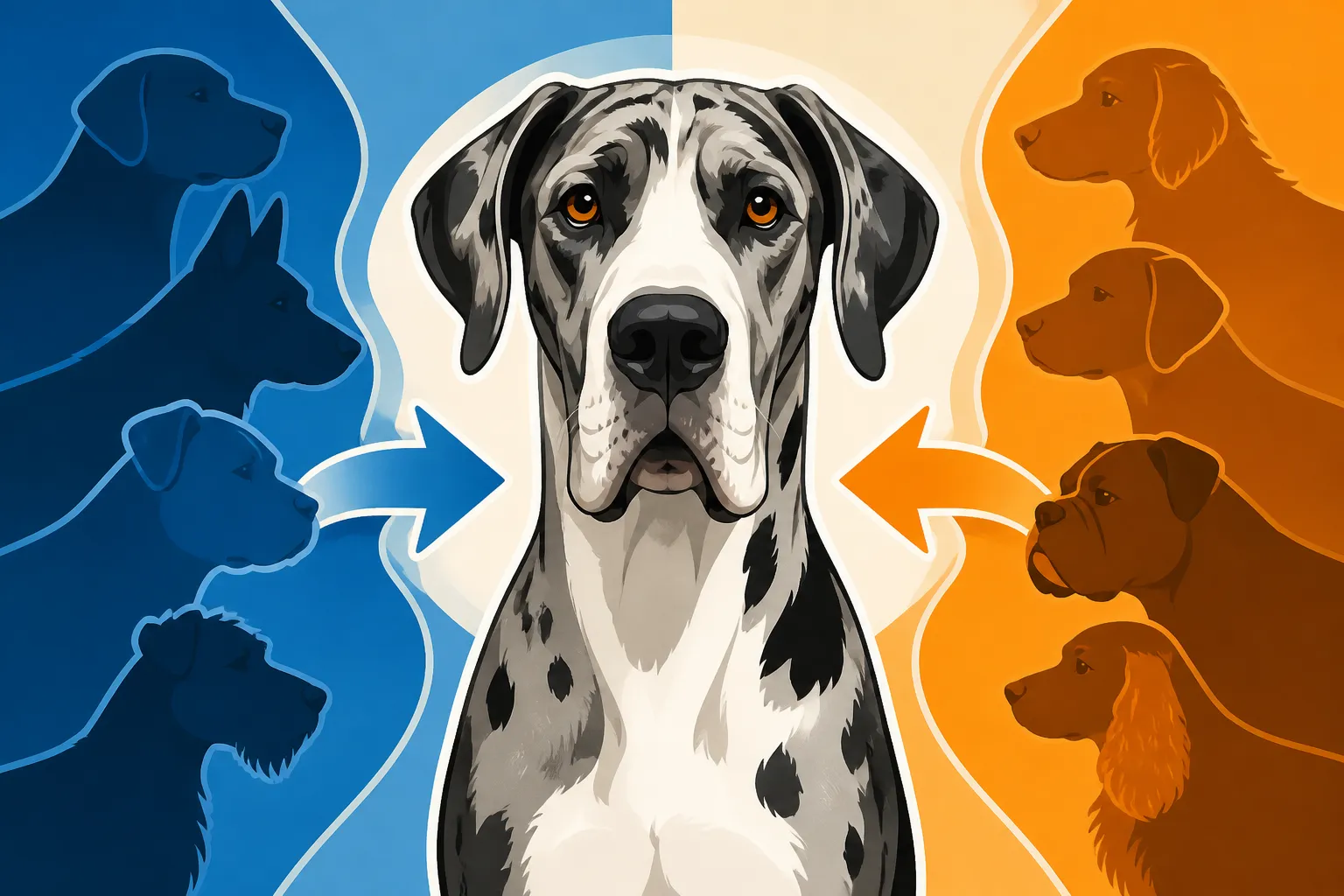
Falling in love with a Great Dane cross is an exciting journey, often filled with a unique blend of anticipation and curiosity. You look at that adorable mixed-breed puppy or noble rescue dog and wonder, what exactly will they be like when they grow up? What special traits did they inherit from their Great Dane parent, and how will those combine with the other side of their family tree? This guide aims to demystify the fascinating genetics at play, helping you understand the common physical, temperamental, and health characteristics a Great Dane mix often inherits from each side, providing a clearer picture of the wonderful dog you might welcome into your life.
The Grand Genetic Lottery: How Traits Pass Down
It’s easy to look at a mixed-breed dog and try to guess which parent they take after more, but canine genetics are rarely as simple as a 50/50 split. Think of it less like drawing a card and more like shuffling a massive deck where some cards have a higher chance of showing up. Understanding a few basic genetic principles can really help you grasp why your Great Dane mix might have the size of a Dane but the coat of a Labrador, or the ears of a Shepherd and the gentle demeanor of a Dane. It's a complex, beautiful dance of DNA.
Understanding Dominant and Recessive Genes in Large Breeds
In the world of genetics, some traits are dominant, meaning they only need one copy of the gene to express themselves, while others are recessive, requiring two copies (one from each parent) to show up. For Great Danes, many of their hallmark traits, like their short, sleek coat, tend to be dominant. So, if you have a Great Dane mixed with a breed that has a long coat, there’s a good chance the puppy will inherit the Great Dane's shorter coat, or at least a medium-length coat, rather than the long, flowing locks of the other parent. It's not a guarantee, of course, but it sways the odds. Similarly, certain coat colors might be dominant. If one parent carries a dominant black gene, for instance, a large proportion of puppies might be black, even if the other parent is fawn or brindle. It's truly a genetic roll of the dice, where some outcomes are simply more probable than others, creating endless variation in our beloved mixes.
The Complexity of Polygenic Inheritance: Size and Build
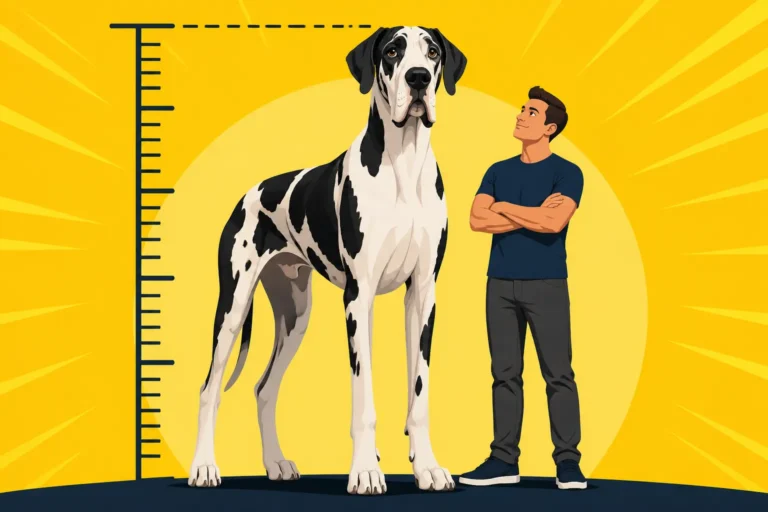
When it comes to traits as grand as a Great Dane's size and substantial build, we're not dealing with a single gene. Instead, these are polygenic traits, meaning they are influenced by many different genes working together, as well as environmental factors like nutrition during growth. This is why you can’t simply average the weight of a Great Dane (say, 150 pounds) and a smaller breed (like a 50-pound Labrador) and expect a 100-pound mix. The genetic programming for immense bone structure, long limbs, and deep chests comes from many different places in the Great Dane's DNA. Even if only some of these genes are passed on, a Great Dane mix will almost certainly be much larger than the non-Dane parent. It also means that a mix might not grow as rapidly or as tall as a purebred Great Dane, but they will still be a significant presence. This complex inheritance also plays a role in their relatively short lifespan; larger breeds like the Dane often burn through their years faster, and a mix might inherit some of this accelerated aging tendency, impacting Why a Great Dane Only Lives Seven to Ten Years. Understanding this helps manage expectations about your mixed breed's final size and overall structure.
What the Great Dane "Blueprint" Often Imparts
Despite the wild card nature of mixed breeding, there are certain physical characteristics that often act as a strong "blueprint" from the Great Dane side. Their distinctive head, with its long, powerful muzzle and often expressive brow, frequently makes an appearance, sometimes softened by the other parent's features. The deep chest and arched neck, hallmarks of the Great Dane standard, are also common carry-overs, giving the mix a noble, athletic silhouette. Even their characteristic long, muscular legs and often powerful, albeit sometimes clumsy, gait can be observed. While the other breed will certainly contribute to the overall package, that unmistakable "Dane-like" presence – the sheer scale and graceful lines – often shines through. This is why even without knowing the exact lineage, many people can often correctly identify a Great Dane in a mixed-breed dog, simply by these strong, inherent structural cues that define the breed.
Predicting the Physical Look of a Great Dane Cross
One of the most exciting, and sometimes frustrating, aspects of a mixed-breed dog is the sheer unpredictability of their appearance. While we can make educated guesses based on dominant traits and the genetic contributions of both parents, Mother Nature loves to throw in surprises. Your Great Dane mix could be a near spitting image of one parent, a perfect blend of both, or something entirely unique that seems to defy all expectations. This is where the fun, and the occasional head-scratching, really begins!
Decoding the Mix: Size, Weight, and Growth Curve
When a Great Dane is mixed with another breed, especially a smaller one, people often expect a "medium-sized" dog. However, the influence of the Great Dane's large genes means your mix will likely be a substantial dog, even if not quite as enormous as a purebred Dane. For instance, a Great Dane/Labrador mix could still easily weigh 90-120 pounds, far exceeding the typical Labrador. Their growth curve can also be influenced by both sides. Great Dane puppies have very specific growth needs to support healthy bone development, and a mix might share some of these sensitivities. Over-nutrition or improper calcium/phosphorus balance during rapid growth can still lead to issues, echoing the challenges seen in purebred Great Danes with Growth Disorders in a Great Dane Puppy. It’s vital to monitor their development carefully, ensuring they grow at a healthy, steady pace to protect their joints, rather than pushing for maximum size. Their adult weight and height will depend heavily on the specific genetic lottery played out, but always plan for a big dog with significant space and food requirements. You'll want to check out Chewy for a wide array of large breed puppy foods and adult formulas tailored to support healthy growth and development.
Coat, Color, and Markings: A Spectrum of Possibilities
The coat of a Great Dane mix is often a fascinating blend. Since the Great Dane typically has a short, smooth coat, this trait often dominates. If bred with another short-haired breed like a Boxer or a Pitbull, you’ll almost certainly get a short-coated dog. If the other parent is a long-haired breed, such as a Golden Retriever or an Old English Sheepdog, the mix could have a medium-length coat, a slightly wiry coat, or even occasionally a longer coat if the long-hair gene is particularly strong from the non-Dane side.
Colors and markings are where things get truly interesting. Great Danes come in a range of recognized colors like fawn, brindle, black, blue, mantle, and harlequin. If one parent is a Harlequin Dane, for example, the mix might inherit striking patches, but their pattern might be diluted or altered by the other parent's color genes. Understanding Harlequin and Merle Great Dane Genetics can shed light on how complex these patterns can become. You might see unique combinations, like a blue Great Dane mix with brindle stripes, or a fawn mix with the distinctive black mask, but with a different coat texture. Each mix truly is a work of art, a living canvas of genetic expression.
Facial Features and Overall Conformation
The face of a Great Dane is undeniably majestic, and these strong features often make their way into a mix. You might see the characteristic long, somewhat narrow muzzle, prominent brow, and expressive eyes. If the Great Dane parent had cropped ears, the mix might still have naturally floppy ears, unless the other breed also typically has upright or semi-prick ears, leading to an interesting hybrid ear set. The jowls, often a source of delightful slobber in purebred Danes, can also be present, though perhaps less pronounced depending on the other breed's facial structure.
Beyond the face, the overall conformation—the way the dog is built—will be a blend. You might see the powerful, deep chest of the Dane combined with a different tail set or a slightly more compact body from the other parent. The unique combination can result in a dog that carries itself with the noble bearing of a Dane, but with subtle variations that make them distinctive. It’s important to remember that these mixes are not just smaller Danes; they are unique individuals with their own composite beauty.
Blending Personalities: Temperament of a Great Dane Mix
Beyond the physical appearance, the temperament a Great Dane cross inherits from each side is perhaps the most crucial aspect for prospective owners. Great Danes are famously dubbed "gentle giants" for a reason, but every dog is an individual, and a mix brings another set of genetic predispositions into the equation. Understanding how these temperaments might blend can help you prepare for the unique personality of your mixed-breed companion.
The Gentle Giant's Influence: Calmness and Affection
One of the most cherished traits of the Great Dane is their calm, affectionate, and often laid-back demeanor, especially once they are past the exuberant puppy stage. They thrive on human companionship and are known for their gentle nature, even with children and other pets, earning them the title The Gentle Great Dane Temperament and Its Limits. This influence often shines through in mixes, lending a sense of relaxed composure and a strong desire to be close to their people. Even if the other parent breed is known for being more energetic or independent, the Dane's mellow side can often temper those traits, resulting in a dog that is still loving and devoted, but perhaps with a bit more zest for life than a purebred Dane. You might find your mix leaning into you for comfort or seeking out a snuggle on the sofa, embodying that classic Dane desire for closeness.
Activity Levels and Exercise Needs: A Balancing Act
While Great Danes are large, they aren't necessarily hyperactive dogs. They need regular exercise to stay healthy and happy, but typically aren't dogs that require hours of intense, high-impact activity every day, especially as puppies whose joints are still developing. Exercise Limits While a Great Dane Is Still Growing is crucial for purebreds and often applies to their mixes as well. The exercise needs of a Great Dane mix will be a fascinating blend of both parent breeds. If the Dane is mixed with a high-energy breed like a Border Collie or a German Shorthaired Pointer, you can expect a dog with significantly higher activity requirements than a purebred Dane. Conversely, if mixed with a less active breed, their energy levels might be more moderate. It's essential to research the typical activity levels of both parent breeds and be prepared to meet those needs. Regular walks, playtime, and mental stimulation will be key to preventing boredom and destructive behaviors in your energetic mixed giant. You can find durable toys and engaging puzzles at Chewy to help burn off some of that mixed-breed energy.
Training and Socialization: A Critical Foundation
Regardless of the mix, early and consistent training and socialization are absolutely non-negotiable for a Great Dane cross. Their potential for large size means that even minor behavioral issues can become major problems if not addressed promptly. A 100-pound dog that jumps on guests or pulls on the leash is much harder to manage than a 20-pound dog with the same habits. Starting with basic obedience cues and positive reinforcement from a young age is paramount. The Manners a Great Dane Needs Before It Grows applies universally to mixes. Early exposure to various people, places, sounds, and other friendly dogs will help shape a well-adjusted, confident adult. Without proper socialization, a large mixed breed, even one with a Dane's gentle leanings, can become fearful or anxious, which can manifest as reactivity or shyness. Enrolling in puppy classes, even virtual ones, and consistent home training are the best investments you can make in your mixed breed's future. Chewy also offers a variety of training aids, from clickers to durable leashes and harnesses suitable for powerful large breeds.
Health and Lifespan: Navigating Inherited Risks
One of the most significant considerations for any dog owner, but especially those with giant breeds or their mixes, is health. Great Danes are magnificent dogs, but they are unfortunately prone to a number of serious health conditions due to their rapid growth and sheer size. When you bring a Great Dane cross into your home, you're not just inheriting physical and temperamental traits, but also a complex tapestry of genetic health predispositions from both sides of their lineage.
Common Great Dane Health Predispositions
Purebred Great Danes face a heightened risk for several health issues. Gastric Dilatation-Volvulus (GDV), or bloat, is a life-threatening condition where the stomach twists, and Bloat in a Great Dane and the One in Three Odds highlights its prevalence. Dilated Cardiomyopathy (DCM), a severe heart condition, is another major concern, detailed in The Heart Muscle Disease Great Danes Are Prone To. They can also be susceptible to certain orthopedic problems like hip and elbow dysplasia, which can lead to painful arthritis, as discussed in Great Dane Hips, Elbows and Growing Joints. Beyond these, Wobbler's Syndrome (a cervical vertebral instability) and various cancers, including osteosarcoma, are also seen in the breed. Understanding these risks in the Great Dane parent helps you know what potential challenges your mix could inherit.
The Double-Edged Sword of Hybrid Vigor
The concept of "hybrid vigor" often suggests that mixed-breed dogs are inherently healthier than purebreds because they draw from a larger, more diverse gene pool, potentially reducing the incidence of breed-specific genetic diseases. While there's some truth to this—a Great Dane mix might be less likely to inherit some recessive conditions if the other parent doesn't carry those specific genes—it's not a magic bullet. Your Great Dane cross still carries a significant portion of the Great Dane's genetic material, meaning they can still be predisposed to many of the health issues mentioned above. Furthermore, they can also inherit health predispositions from the other parent breed. For instance, if a Great Dane is mixed with a Labrador Retriever, which also has a propensity for hip and elbow dysplasia, the risk for these joint issues in the offspring might remain high or even be compounded. It is crucial to gather as much information as possible about the health history of both parent breeds if you can, and always discuss potential inherited conditions with your veterinarian.
Proactive Care and Veterinary Preparedness
Living with a large mixed breed, particularly one with Great Dane lineage, means embracing a proactive approach to their health. Regular veterinary check-ups are paramount, and you should be vigilant for any signs of discomfort, changes in appetite, or unusual behavior. Given the potential for serious conditions like bloat, knowing What to Do the Minute a Great Dane Bloats is critical for any Great Dane owner, even of a mix. Large dogs, by their very nature, often incur higher veterinary costs simply because medication dosages are larger, anesthesia is more complex, and procedures require more resources. Why Every Great Dane Bill Is Bigger isn't just a purebred issue; it applies to large mixes too. Planning for these expenses, whether through a dedicated savings fund or considering pet insurance, is a responsible step. Discussing preventative measures, such as dietary management to reduce bloat risk or appropriate exercise levels, with your vet will be key to giving your Great Dane cross the longest, happiest, and healthiest life possible. Chewy can also be a convenient source for any prescribed joint supplements or specialized diets your vet might recommend.
| Trait Category | Great Dane (Purebred) | Great Dane Cross (Potential Blend) |
|---|---|---|
| Size | Very large (100-200 lbs), tall (28-34+ inches) | Large to very large (often 80-150 lbs), substantial |
| Coat Type | Short, smooth, dense | Short, medium, or occasionally longer (depending on mix) |
| Colors | Fawn, Brindle, Black, Blue, Mantle, Harlequin, Merle | Wide variety, often a blend of both parents' colors |
| Temperament | Gentle, affectionate, calm indoors, loyal | Gentle, affectionate, but energy levels can vary greatly |
| Exercise | Moderate, susceptible to joint issues if over-exercised | Moderate to high, influenced by other parent's drive |
| Head Shape | Distinctive long muzzle, prominent brow | Often retains some Dane features, softened by other breed |
| Health Risks | Bloat, DCM, Hip/Elbow Dysplasia, Wobbler's, Cancer | Can inherit risks from both parent breeds |
| Lifespan | 7-10 years (often shorter for giant breeds) | Variable, but generally within the giant breed range |
Disclaimer
This article is for general informational purposes only and does not constitute professional advice. Laws, prices and regulations vary by location and change over time. Consult a qualified professional for guidance on your specific situation.