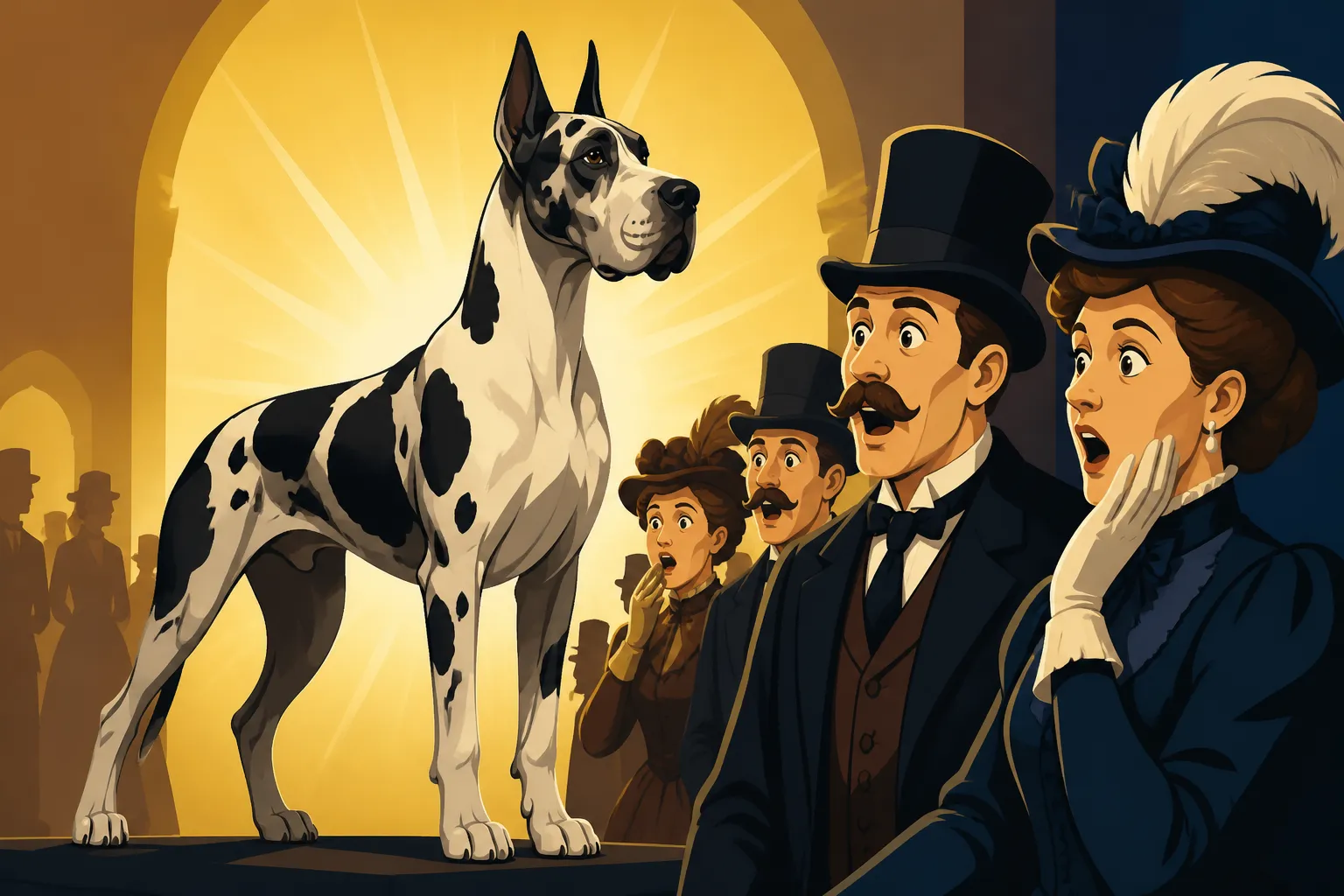
When the First Great Danes Were Shown in America
It's easy to look at the majestic Great Dane in the show ring today and imagine they've always been a staple of American dog fancy, a celebrated fixture. But like any journey, their path to becoming a recognized and beloved breed in the United States was a winding one, marked by the dedication of early enthusiasts. If you've ever wondered how these magnificent "Apollo of Dogs" first made their grand debut on American soil, this guide is for you.
The Great Dane's Journey to American Shores (Before the Show Ring)
Before a Great Dane ever trotted into an American show ring, there was a whole history across the Atlantic that shaped them, and then a quiet period of initial introductions to the states. Understanding this backdrop helps us appreciate the scale of effort required to establish the breed here.
Early European Roots and the "Deutsche Dogge"
Our beloved Great Danes didn't just spring up overnight; their lineage is deeply woven into European history, particularly in Germany, where they are affectionately known as "Deutsche Dogge" or "German Mastiff." For centuries, these dogs were not just pets but working animals, bred for their immense size, speed, and courage. Imagine a formidable dog capable of confronting wild boar – that's the powerful heritage our Danes carry. They were the ultimate hunting companions for nobility, protecting their masters and bringing down formidable prey. This demanding role meant only the strongest, most intelligent, and most reliable dogs were bred, naturally selecting for the impressive physical and mental traits we see today.
The refinement of the breed took place over generations, with breeders carefully selecting for specific characteristics. While often called "Great Danes" in English-speaking countries, and despite the name hinting at a Danish origin, the breed's primary development and standardization happened in Germany. This is why you often hear the debate about Why the Great Dane Is Not Danish and how many still prefer the term "Deutsche Dogge." These early European dogs, before they ever set paw in America, were already a testament to selective breeding for a specific purpose, combining a powerful physique with an often surprisingly gentle and loyal nature, making them highly valued by those who owned them.
First Sightings and Importations in the U.S.
The exact "first" Great Dane to land on American shores is a bit like chasing a historical ghost – records are sparse and often informal. However, it's widely understood that the earliest importations likely began in the mid to late 19th century. These weren't typically grand, organized efforts to establish a breed; rather, they were often individual dogs brought over by wealthy immigrants, merchants, or diplomats who had admired or owned these impressive canines in Europe. Imagine a grand European family moving to America, bringing their beloved giant with them, or a traveler so struck by the breed's presence that they arranged for one to come home.
These early Great Danes were likely seen as curiosities, magnificent and imposing creatures unlike many breeds then common in America. They would have drawn stares and questions, serving as living testaments to European dog breeding. At this stage, there wasn't a concerted effort to breed them extensively or establish them in competitive dog sports. They were more personal companions or status symbols, existing outside the nascent formal dog fancy. Their rarity, combined with their sheer presence, made them memorable, laying the groundwork for the growing interest that would eventually lead to their official introduction into the American kennel club scene.
Paving the Way for the American Show Ring
The journey from a few imported dogs to a recognized show breed is a significant one, requiring passion, organization, and a shared vision among dedicated individuals. The late 19th century was a time of burgeoning interest in purebred dogs, creating the perfect environment for breeds like the Great Dane to find their footing.
The Rise of Dog Fancy and Kennel Clubs
The late 1800s saw a dramatic increase in what was known as "dog fancy" in America. People weren't just keeping dogs for work or companionship anymore; they were becoming deeply interested in specific breeds, their pedigrees, and their adherence to a set ideal. This era gave birth to organized dog shows, not just as competitions, but as social events where breeders could showcase their efforts and improve their lines. Alongside these shows, kennel clubs began to form, driven by the desire to document lineage, define breed characteristics, and ensure the integrity of purebred dogs.
The establishment of the American Kennel Club (AKC) in 1884 was a pivotal moment. It provided a centralized authority for registering dogs, sanctioning shows, and, crucially, recognizing breeds by adopting specific written standards. These standards weren't just arbitrary rules; they were meticulously crafted descriptions of the ideal dog for each breed, covering everything from temperament to tail set. For a breed like the Great Dane, this meant a pathway to formal recognition, but it required a dedicated group of advocates to push for its inclusion and ensure its characteristics were properly defined for the American context. It was a time of immense growth and excitement for dog lovers, setting the stage for every breed that wanted to make its mark.
Early Great Dane Enthusiasts and Breeders
With the growing interest in dog fancy, a small but passionate group of Great Dane enthusiasts began to emerge in the United States. These individuals were often responsible for importing more Danes, carefully selecting dogs with good temperaments and conformation, hoping to lay the foundation for a robust breeding program. They were the pioneers, the ones who saw beyond the novelty of a giant dog and recognized the potential for a magnificent, standardized breed in America. They faced significant challenges, including the sheer cost of importing such large animals, the limited gene pool available, and the lack of widespread knowledge about proper care for giant breeds.
These early breeders were driven by a desire to see the Great Dane thrive and be appreciated for its true qualities. They often gathered informally, sharing knowledge, comparing their dogs, and discussing ideal traits based on the evolving European standards. They were essentially forming the backbone of what would become the organized Great Dane community in America. Without their dedication, perseverance, and often significant personal investment, the Great Dane might have remained a rare curiosity rather than becoming the beloved breed we know today. Their efforts, often unsung, were absolutely critical in transitioning the Great Dane from an occasional import to a recognized player in the burgeoning American dog scene.
The Great Dane's Official Debut in the American Show Ring
The moment a breed steps into the show ring for the first time is a landmark event, a public declaration of its arrival and an invitation for formal evaluation. For the Great Dane, this debut was a testament to years of groundwork and the growing recognition of its unique qualities.
The Historic First Appearances
The Great Dane made its official debut in American dog shows around the late 1880s. While some individual "German Mastiffs" or "Boar Hounds" might have been exhibited in earlier, less formal settings, it was in 1887 that the American Kennel Club (AKC) officially recognized the breed, paving the way for its regular inclusion in sanctioned shows. This was a monumental step, marking the Great Dane's transition from an exotic import to a legitimate contender in the world of American purebred dogs. Imagine the excitement and curiosity at these early shows! Spectators would have been awestruck by the sheer size and elegant bearing of these "new" giant dogs, a stark contrast to many of the smaller, more common breeds on display.
The shows themselves were often grand affairs, attracting society's elite and the most dedicated dog fanciers. When a Great Dane stepped into the ring, it commanded attention. Judges, used to more established breeds, would have had to apply the newly adopted standards, often relying on their knowledge of the breed's European origins and the limited examples available in the U.S. This period was crucial for educating both the public and the fancy about what a proper Great Dane should look and act like. The breed's formal acceptance by the AKC was not just a bureaucratic formality; it was a clear signal that the Great Dane was here to stay, ready to carve out its own niche in American dog history. This recognition, Why the AKC Took the Great Dane In 1887, was the culmination of efforts by many dedicated individuals.
Challenges and Triumphs of Early Show Danes
The path for these early show Great Danes wasn't always smooth. One of the biggest challenges was the limited gene pool. With relatively few imported dogs, breeders faced the daunting task of maintaining genetic diversity while simultaneously trying to improve and standardize the breed's conformation. This meant careful selection and often working with what was available, which could lead to inconsistencies in type. Some Danes might have been too fine-boned, others too coarse, as breeders strived to find the "ideal." Another hurdle was the varying interpretation of the breed standard. Without a long history in America, judges and breeders were still learning to apply the nuances of the standard, leading to debates and discussions about what truly constituted excellence in a Great Dane.
Despite these challenges, the early show Danes achieved significant triumphs. Each win in the ring, each favorable critique, helped to solidify the breed's reputation and attract new enthusiasts. The sheer majesty of a well-presented Great Dane was undeniable, winning over hearts and minds with its impressive stature and noble presence. Owners and handlers faced the unique logistics of managing such large animals at shows, from transport to handling in crowded venues. Their dedication was evident in the effort to present these magnificent dogs in the best possible light, often traveling significant distances. These triumphs were not just about ribbons; they were about building a legacy for the Great Dane in America, one dog, one show, and one passionate owner at a time, overcoming early hurdles to prove the breed's worth and beauty.
Establishing the Breed Standard and Beyond
Once the Great Dane had officially arrived on the American show scene, the focus shifted to refining and solidifying its presence, ensuring a consistent vision for the breed's future. This meant formalizing the rules and building a community to uphold them.
Solidifying the American Great Dane Standard
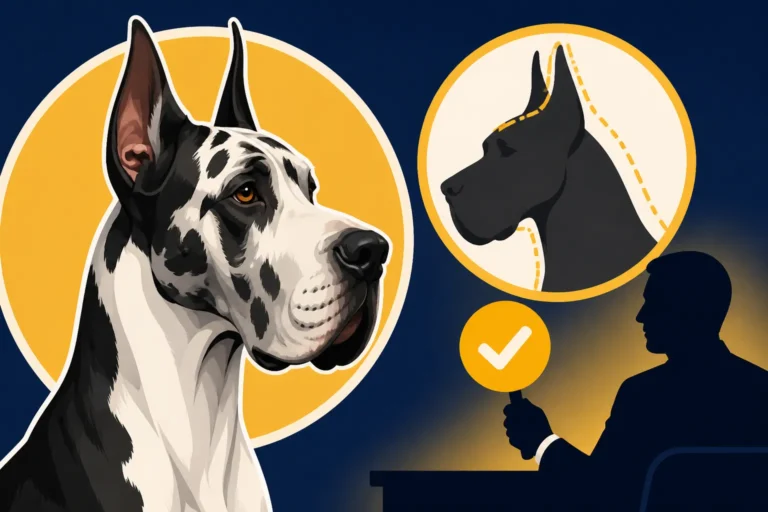
With AKC recognition, the work of solidifying the American Great Dane standard began in earnest. While the initial standard was influenced heavily by European, particularly German, ideals—after all, Germany was the breed's country of origin, with its own The First German Great Dane Standard—the American fancy gradually adapted and refined it to suit the developing lines in the U.S. This process involved extensive discussion among breeders and experts, aiming for clarity and consistency. The standard became the blueprint, detailing everything from the Great Dane's desired height and weight to the shape of its head, the set of its ears (whether cropped or natural), its powerful stride, and its gentle but courageous temperament. For instance, the majestic head, with its distinct planes and keen expression, became a critical aspect, and understanding The Great Dane Head the Standard Wants was paramount for breeders and judges alike.
This standardization wasn't just about winning ribbons; it was about protecting the integrity of the breed. It provided a clear guide for responsible breeders, helping them make informed choices about pairings and ensuring that future generations of Great Danes would conform to the ideal, maintaining the breed's health, structure, and character. It helped prevent extreme variations that could lead to health issues or a loss of breed type. The American standard served as a living document, evolving slightly over time as the breed matured in the U.S., but always with the core purpose of preserving the Great Dane's magnificent qualities for generations of admirers.
The Great Dane Club of America and Its Impact
A crucial development in the breed's establishment in America was the formation of the Great Dane Club of America (GDCA). Officially founded in 1889, just two years after AKC recognition, the GDCA quickly became the driving force behind the breed's advancement and advocacy. This dedicated group of enthusiasts understood that individual efforts, while important, needed to be unified under a common banner. The club’s purpose was multifaceted: to promote the intelligent breeding of Great Danes, to encourage their exhibition, to protect their interests, and to educate the public about the breed. Learning How Old the Great Dane Club of America Is reveals a long-standing commitment to the breed's welfare.
The GDCA played an indispensable role in refining and disseminating the breed standard, ensuring that breeders and judges across the country had a consistent understanding of the ideal Great Dane. They organized specialty shows, which allowed for deeper evaluation of the breed and provided a platform for breeders to showcase their best stock. Beyond the show ring, the GDCA became a hub for information, support, and mentorship for new and experienced owners alike. They advocated for the breed's health, responsible ownership, and even rescue efforts. Through their tireless work, the Great Dane Club of America has ensured that the "Apollo of Dogs" not only gained a foothold in the American show ring but also thrived, maintaining its noble characteristics and finding a place in the hearts and homes of countless Americans. Even today, resources for Dane owners, whether it's guidance on Feeding a Great Dane That Eats Ten Cups a Day or finding the right gear from retailers like Chewy, build upon the foundation laid by these early advocates and their enduring commitment to the breed.
Managing the Great Dane's Size: Practicalities for Owners
The sheer scale of a Great Dane is a central part of its appeal, but it also brings a unique set of practical considerations for owners. From puppyhood through their senior years, their size impacts everything from daily care to long-term health. Understanding these practicalities is essential for anyone considering bringing one of these magnificent giants into their home.
Feeding and Nutrition for the Growing Giant
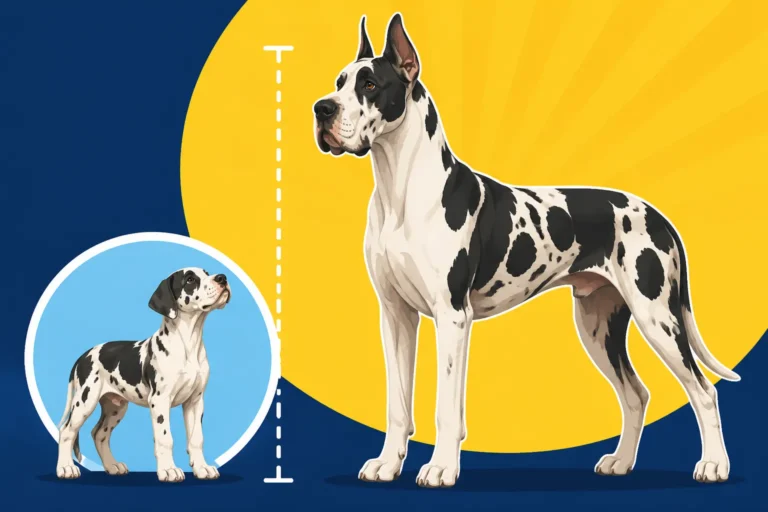
One of the most critical aspects of raising a Great Dane is managing their rapid growth. These puppies don't just get big; they get big fast. This explosive growth phase requires a specialized diet, vastly different from that of smaller breeds. Over-nutrition or incorrect calcium/phosphorus ratios during puppyhood can actually do more harm than good, leading to serious orthopedic problems later in life. Therefore, finding a high-quality, large breed puppy food designed for slow growth is paramount. This specialized food helps ensure their bones and joints develop properly, minimizing the risk of conditions like Growth Disorders in a Great Dane Puppy.
As they transition to adulthood, a Great Dane's dietary needs remain substantial. Feeding an adult Great Dane can involve quantities of six to ten cups of high-quality kibble daily, split across multiple meals to reduce the risk of bloat, a life-threatening condition. Meal Habits That Cut a Great Dane's Twist Risk are essential knowledge for all owners. Ensuring they maintain a lean body condition is also vital for joint health throughout their life. Many owners find themselves frequently restocking large bags of food, and retailers like Chewy often offer bulk purchasing options or subscription services that can be a lifesaver for managing these dietary demands. Understanding the specifics of Feeding an Adult Great Dane Six to Ten Cups is not just about quantity, but about quality and careful management to support their immense frames.
Grooming and Comfort Considerations
Despite their imposing size, Great Danes have relatively low-maintenance coats. Their short, sleek fur doesn't require elaborate grooming routines, but regular brushing is still beneficial for managing shedding and promoting healthy skin. A quick once-over with a rubber curry brush a few times a week is usually sufficient to remove loose hair and stimulate the skin. However, bathing a Great Dane at home can be an adventure, given their size. Many owners find that specialized bathing systems or even a trip to a professional groomer with large walk-in tubs makes the process much more manageable. You also need to consider The Brush That Covers a Great Dane Fastest to make the job efficient.
More important than coat grooming, however, is providing adequate comfort and protecting their joints. Great Danes, especially as they age, are prone to joint issues like arthritis. Investing in high-quality, orthopedic bedding is not a luxury; it's a necessity. Beds with thick, supportive foam help cushion their heavy bodies, preventing pressure sores and supporting their joints. Hard surfaces can exacerbate joint pain and contribute to conditions like elbow hygromas, so ensuring they have soft, comfortable places to rest is vital. Consider options for bedding from retailers like Chewy, specifically designed for giant breeds. Additionally, due to their size, Great Danes can sometimes develop calluses on their elbows and hocks from lying on hard surfaces, making protective and comfortable bedding even more important. Bedding That Prevents Great Dane Hygromas is a crucial piece of knowledge.
Training and Socialization for a Well-Adjusted Giant
The phrase "gentle giant" perfectly encapsulates the ideal Great Dane temperament, but this doesn't happen by accident. Early and consistent training and socialization are non-negotiable for a dog of this magnitude. A Great Dane puppy that jumps up in excitement is cute; a 150-pound adult doing the same is a hazard. Therefore, basic obedience, leash manners, and appropriate greetings must be instilled from a very young age. The Manners a Great Dane Needs Before It Grows cannot be overstated. Puppy classes and ongoing training throughout adolescence are essential for teaching them how to navigate the world politely, especially around children and smaller animals.
Socialization involves exposing your Great Dane puppy to a wide variety of sights, sounds, people, and other dogs in a positive way. This builds confidence and helps them grow into well-adjusted adults who are comfortable in different environments. A poorly socialized Great Dane, due to its size, can be intimidating and challenging to manage. Remember that their large size means they interact with the world differently; they can reach counters, easily knock things over, and simply take up a lot of space. Why a Great Dane Steals Food Off Counters becomes less of a problem with consistent training. Consistent positive reinforcement methods are key, as these intelligent dogs respond best to kindness and clear communication. The effort put into training and socialization during their formative years pays dividends throughout their life, ensuring your Great Dane is a joy to live with and a wonderful ambassador for the breed. Finding a trainer comfortable with handling giant breeds can be incredibly helpful.
Disclaimer
This article is for general informational purposes only and does not constitute professional advice. Laws, prices and regulations vary by location and change over time. Consult a qualified professional for guidance on your specific situation.