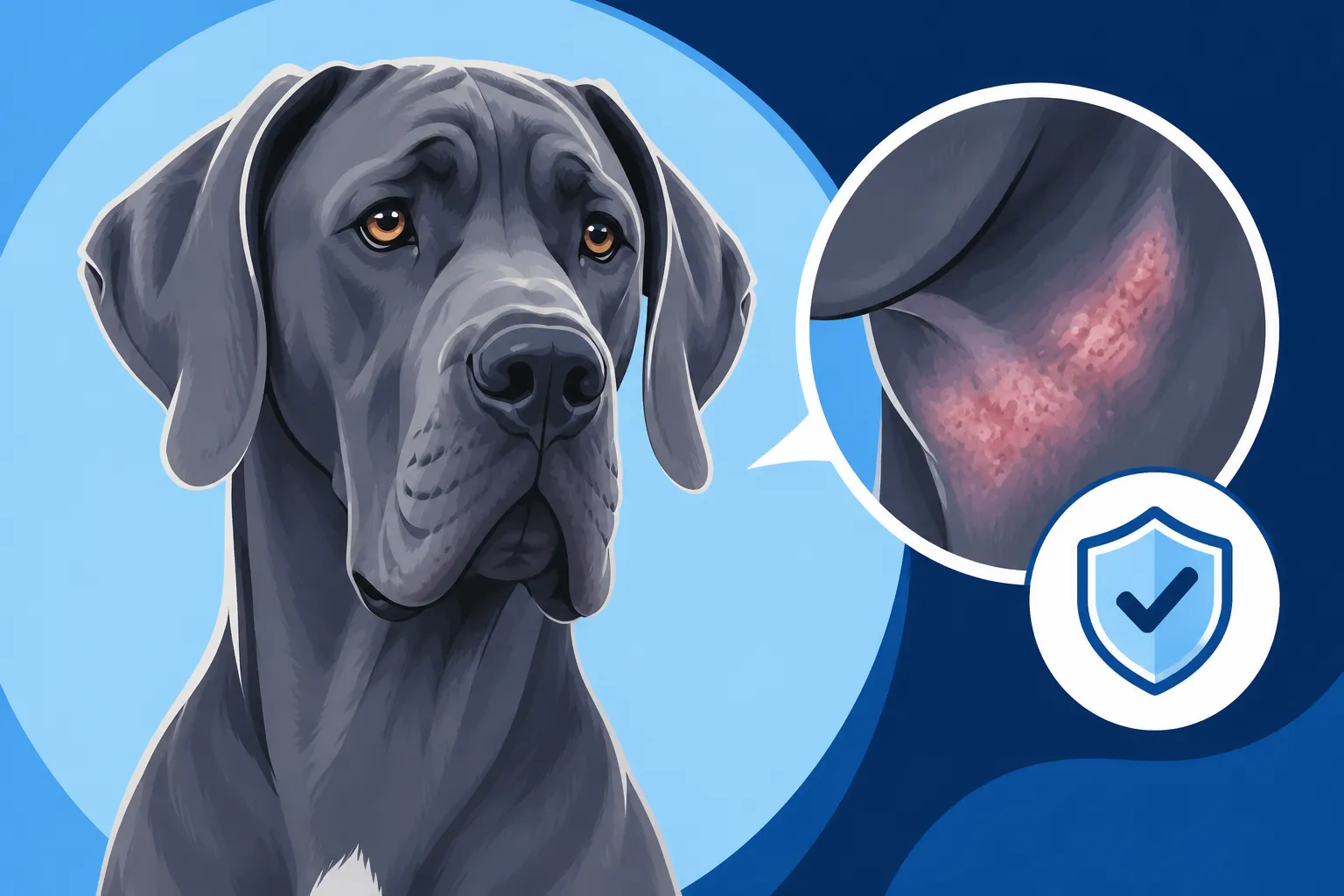
Whether a Blue Great Dane Has Skin Problems
It’s a common worry among Great Dane enthusiasts, especially those drawn to the stunning, steely blue coats: does that gorgeous color come with an increased risk of skin problems? You’re not alone in asking this, as many owners understandably want to give their gentle giants the healthiest, most comfortable life possible. This guide will dive deep into the specific concerns surrounding blue Great Danes and skin health, helping you understand the genetics, potential issues, and how to proactively care for your beloved companion.
The Genetics Behind a Blue Great Dane's Coat
When you look at a blue Great Dane, you're seeing a magnificent dog whose coat color is a result of something called 'dilution'. It's not just a shade of grey; it's literally a dilution of black pigment. Understanding this genetic trait is key to grasping why some believe it might link to skin sensitivities.
What Makes a Coat Blue? The Dilution Gene Explained
Think of it this way: all Great Danes carry genes for certain base coat colors, like black, fawn, or chocolate. For a blue Great Dane, the dog has inherited two copies of a specific recessive gene, often referred to as the "dilution" gene (denoted as 'dd'). This gene doesn't remove the black pigment entirely; instead, it modifies how the pigment granules are expressed in the hair shafts, making them clump together rather than spreading out evenly. The result is that beautiful, uniform steel-gray color we call blue. This same gene is responsible for other dilute colors in different breeds, like lilac in some cat breeds or Isabella in certain dog breeds. It's a natural genetic variation, not a defect in itself. You might also hear this color described as slate or gray, but "blue" is the common term in the Great Dane world. Why a Blue Great Dane Looks Steel Gray
How Dilution Might Affect Skin and Hair Follicles
The concern about blue Danes and skin issues stems from the fact that the same gene responsible for diluting the pigment in the hair can, in some cases, also affect the structure and function of the hair follicles themselves, and sometimes the skin. The pigment cells (melanocytes) that produce color are located within the hair follicles. When the dilution gene is at play, it's not just about the color, but potentially about how these cells and the surrounding structures develop. This isn't universally true for all dilute-colored dogs, but certain conditions have been observed more frequently in some dilute breeds and color variants. It's less about the color itself being problematic and more about the underlying genetic mechanism that produces the color having a wider, albeit subtle, impact on certain cellular processes in the skin.
Common Skin Conditions in Great Danes
Before we hone in on specific blue Dane concerns, it’s important to remember that Great Danes, like any large breed, are susceptible to a range of skin issues that aren't necessarily tied to their color. Their sheer size, fast growth rate, and sometimes specific breed characteristics can predispose them to various dermatological challenges.
Allergies and Sensitivities
Great Danes can be prone to environmental allergies (atopy), food allergies, or contact dermatitis, just like any other dog. Environmental allergies often manifest as itchy skin, redness, recurrent ear infections, or paw licking. You might notice your blue Dane constantly scratching their sides, rubbing their face against furniture, or developing hot spots. Identifying allergens can be a long process, often involving elimination diets for food sensitivities or allergy testing for environmental triggers. Managing allergies often requires a multi-pronged approach, including diet changes, topical treatments, and sometimes medication prescribed by your vet. Dandruff on a Great Dane's Back can sometimes be a sign of underlying allergies or dry skin.
Pyoderma and Skin Fold Dermatitis
Given their large size and sometimes prominent jowls, Great Danes can develop skin fold dermatitis, especially if they have loose skin around their lips, neck, or other areas. Moisture, yeast, and bacteria can get trapped in these folds, leading to inflammation and infection (pyoderma). While not exclusive to blue Danes, any Great Dane with these anatomical features needs regular cleaning and careful monitoring of skin folds. This is a common issue for many large breeds, and vigilance is key. Great Dane Skin Folds and Pressure Points are definitely areas to keep an eye on, regardless of coat color.
General Dry Skin and Dandruff
Even with their short coats, Great Danes can suffer from dry skin and dandruff. This can be exacerbated by overly frequent bathing, harsh shampoos, dry climates, or a diet lacking essential fatty acids. Dry skin often leads to itching, which then leads to scratching, and the cycle can escalate to secondary infections. Keeping their skin hydrated through good nutrition and appropriate grooming is crucial. Sometimes, a humidifier in your home can even make a difference, especially in winter. You can find quality sensitive skin shampoos and conditioners on sites like Chewy that can help manage dryness and flaking, without stripping natural oils.
Specific Skin Conditions Potentially Linked to Dilute Colors
While not every blue Great Dane will experience these issues, there are specific dermatological conditions that have been observed more frequently in dogs with dilute coat colors, including some blue Danes. These conditions are related to the way the dilution gene affects the hair follicles themselves.
Color Dilution Alopecia (CDA)
Color Dilution Alopecia (CDA) is probably the most well-known condition associated with dilute colors, and it's something blue Great Dane owners should be aware of. CDA is a genetic condition that causes poor hair growth and eventually hair loss, primarily in the dilute-colored areas of the coat. It’s typically progressive, meaning it can start subtly and worsen over time.
- Symptoms and Progression: Symptoms usually begin with a dull, dry, and brittle coat in dilute areas (like the blue patches). Owners might notice hair thinning, particularly on the trunk of the body, followed by complete hair loss in those areas. The skin in affected areas can become scaly, flaky, and prone to secondary bacterial infections (pyoderma) or yeast infections because the compromised follicles are less protective. It's often diagnosed based on breed, coat color, and clinical signs, sometimes confirmed with skin biopsies.
- Management, Not Cure: Unfortunately, there's no cure for CDA, as it's a genetic defect in the hair follicles themselves. Management focuses on preventing secondary infections and improving skin health. This can include medicated shampoos, topical treatments to moisturize the skin, antibiotics for infections, and essential fatty acid supplements to support skin barrier function. Regular grooming and avoiding harsh brushes are also important. Finding a good, gentle brush and a soothing, moisturizing shampoo from a reputable retailer like Chewy can make a world of difference for a dog with CDA.
Follicular Dysplasia
Follicular dysplasia is a broader term that encompasses a group of genetic disorders where the hair follicles develop abnormally, leading to poor quality hair, hair loss, and sometimes skin inflammation. CDA is a specific type of follicular dysplasia. In dilute color follicular dysplasia, the melanocytes (pigment cells) within the hair follicles can clump abnormally, weakening the hair shaft. This makes the hair prone to breakage and leads to patchy hair loss.
- Identifying the Signs: Unlike a simple case of dry skin, follicular dysplasia presents with hair that feels coarse, breaks easily, or just doesn't grow properly. You might see patches of very thin hair or baldness, often symmetrical, on the body. The skin beneath can look dull, dry, or even discolored due to chronic irritation and infection. It can be frustrating to see your beautiful Dane's coat suffer, especially when you're doing everything right in terms of nutrition and general care.
- Supportive Care is Key: As with CDA, the treatment for follicular dysplasia is largely supportive. This involves managing any secondary infections with antibiotics or antifungals, using hydrating shampoos and conditioners, and supplementing with omega-3 fatty acids to support skin and coat health. Special care must be taken to avoid anything that could further irritate the sensitive skin. Whether Great Dane Color Affects Health is a legitimate question, and conditions like these are precisely why.
Proactive Care for a Blue Great Dane's Skin
Even if your blue Great Dane doesn't develop specific dilute-related skin issues, it's wise to be proactive about their skin health. Prevention and early intervention are always better than trying to play catch-up with uncomfortable skin conditions.
Dietary Considerations for Skin Health
Nutrition plays an enormous role in skin and coat health. A high-quality diet provides the building blocks for healthy skin, strong hair, and a robust immune system.
- Omega Fatty Acids: Ensure your Great Dane's diet includes adequate levels of Omega-3 and Omega-6 fatty acids. These are crucial for maintaining skin barrier integrity and reducing inflammation. Many premium dog foods formulate with these, but you might also consider adding a fish oil supplement. Always talk to your vet before adding supplements, especially for a giant breed.
- Quality Protein and Vitamins: A diet rich in digestible protein and essential vitamins (like Vitamin E and B vitamins) supports healthy skin cell turnover and repair. Avoid foods with excessive fillers or common allergens if your dog shows any signs of sensitivity. Protein and Fat Levels for a Great Dane are important to get right for overall health, including skin. Chewy offers a wide selection of specialized dog foods formulated for sensitive skin or containing high levels of beneficial fatty acids.
Grooming Routines and Product Choices
Grooming a short-coated Great Dane might seem simple, but careful choices can make a big difference for skin health.
- Gentle Brushing: Regular, gentle brushing with a soft rubber curry brush or a shedding blade can help remove loose hair and stimulate circulation without irritating the skin. This is especially important if your Dane has any thinning hair. Brushing a Short-Coated Great Dane should be a relaxing experience for your dog, not a source of discomfort.
- Bathing with Care: Bathe your blue Great Dane only when necessary, using a mild, moisturizing shampoo specifically designed for dogs with sensitive skin. Avoid harsh detergents or products with strong fragrances, which can strip natural oils and cause irritation. Always rinse thoroughly to prevent residue build-up. After bathing, gently pat them dry rather than vigorous rubbing, which can irritate sensitive skin. Bathing a Great Dane at Home can be a huge undertaking, so make sure the products you use are worth the effort.
- Moisturizers and Conditioners: If your Dane has dry skin, consider using a dog-specific conditioner or a topical moisturizing spray after baths. These can help replenish moisture and protect the skin barrier. Look for products containing ingredients like colloidal oatmeal, ceramides, or essential fatty acids.
| Skin Condition | Common Symptoms | Potential Link to Blue Danes | Management Focus |
|---|---|---|---|
| Allergies (Atopy/Food) | Itching, redness, paw licking, ear infections | General Great Dane risk | Allergy identification, diet, medication, supplements |
| Pyoderma/Skin Fold Derm. | Redness, moisture, odor in skin folds, pustules | General Great Dane risk | Regular cleaning, topical treatments, antibiotics |
| Dry Skin/Dandruff | Flaking, itching, dull coat | General Great Dane risk | Moisturizing shampoos, diet, supplements |
| Color Dilution Alopecia | Hair thinning, baldness in blue areas, scaly skin | Higher risk for blue Danes | Symptomatic relief, preventing secondary infections |
| Follicular Dysplasia | Brittle hair, patchy hair loss, skin inflammation | Higher risk for blue Danes | Supportive care, infection control, supplements |
Environmental Management
Your home environment can also impact your Great Dane's skin.
- Humidity Levels: In dry climates or during winter when indoor heating is on, consider using a humidifier to add moisture to the air. This can help prevent skin from drying out and becoming itchy.
- Bedding: Provide soft, comfortable bedding that cushions pressure points and doesn't irritate the skin. Bedding That Prevents Great Dane Hygromas is crucial not just for joints, but for skin health on elbows and hocks too.
- Avoiding Irritants: Be mindful of household cleaning products, lawn chemicals, or certain fabrics that might come into contact with your Dane's skin and cause irritation. If you suspect a contact irritant, try to identify and eliminate it.
Regular Veterinary Check-ups and Early Detection
Consistent veterinary care is paramount for all Great Danes, but especially for those with potential predispositions to certain health issues.
- Routine Skin Exams: During routine check-ups, ask your vet to pay close attention to your blue Dane's skin and coat. Early detection of any changes, like excessive flaking, redness, or thinning hair, can lead to quicker diagnosis and more effective management.
- Don't Hesitate to Consult: If you notice any persistent itching, hair loss, skin lesions, or changes in coat quality, don't wait. Consult your veterinarian promptly. They can differentiate between general skin issues and those potentially linked to your dog's dilute coloring and recommend the appropriate diagnostic tests and treatment plan. It’s always best to be overly cautious, particularly with a breed like the Great Dane where health concerns can quickly escalate.
The bottom line is that while blue Great Danes can be more prone to certain skin conditions like Color Dilution Alopecia due to their genetics, it's not a guarantee. Many blue Danes live long, healthy lives with perfectly normal skin. The key is awareness, proactive care, a high-quality diet, and a close partnership with your veterinarian. By understanding the potential risks and providing diligent care, you can help your magnificent blue Great Dane maintain comfortable, healthy skin throughout their life.
Disclaimer
This article is for general informational purposes only and does not constitute professional advice. Laws, prices and regulations vary by location and change over time. Consult a qualified professional for guidance on your specific situation.