Whether Tacking Ends Great Dane Bloat Risk
One of the most terrifying realities of living with a Great Dane is the constant shadow of bloat, or Gastric Dilatation-Volvulus (GDV). It's a sudden, excruciating, and often fatal condition that can strike without warning, leaving us, as their guardians, feeling utterly helpless. The question that haunts many of us is whether stomach tacking surgery, known as a gastropexy, can truly erase this threat and offer our beloved giants a completely bloat-free future. This guide aims to thoroughly explore what a gastropexy actually does, what it prevents, and what risks might still linger, helping you understand the full picture.
The Haunting Specter of Great Dane Bloat
If you've spent any time around Great Danes, or even just researching them, the word "bloat" probably sends a shiver down your spine. It's a medical emergency specific to deep-chested breeds, and it progresses with terrifying speed. We know the statistics are grim, with many sources suggesting that a Great Dane has a one in three chance of experiencing this life-threatening event. It's not just a bad belly ache; it's a critical situation that demands immediate veterinary intervention.
Understanding Gastric Dilatation-Volvulus (GDV)
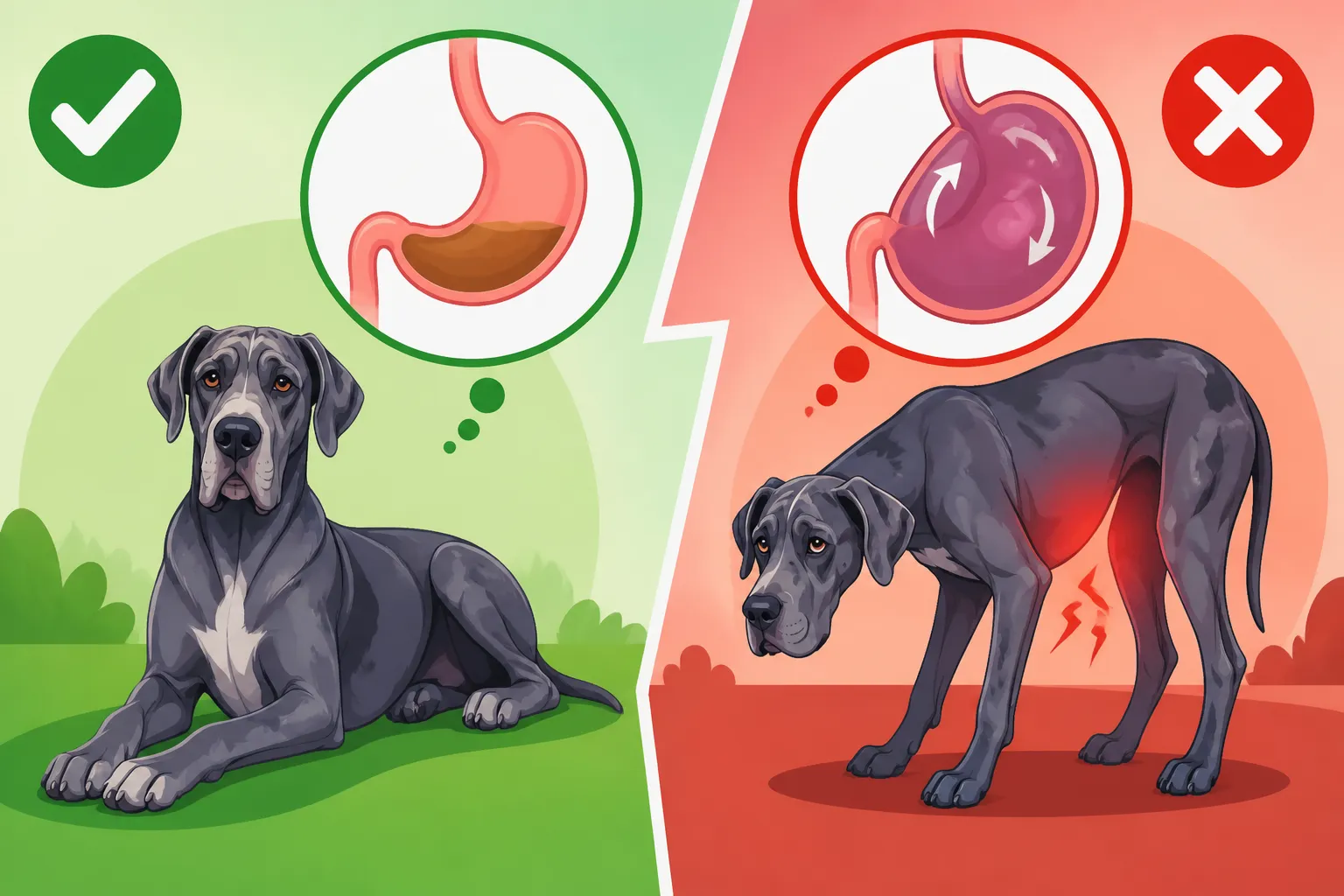
Gastric Dilatation-Volvulus, or GDV, is the full, frightening name for what we commonly call bloat. It's a two-part problem where the stomach first fills with gas, food, or fluid, causing it to dilate and swell, putting immense pressure on other organs. This alone is incredibly painful and dangerous. The second, and often more fatal, part is the volvulus, where the distended stomach then twists on its axis. This twisting cuts off blood flow to the stomach and often the spleen, and prevents anything from entering or leaving the stomach. It's a true medical catastrophe.
The symptoms are often unmistakable if you know what to look for, but they can progress so quickly that precious minutes count. A Dane might be pacing restlessly, making repeated, unsuccessful attempts to vomit, showing obvious discomfort or pain, and you'll likely notice their abdomen swelling rapidly, becoming taut like a drum. Knowing What to Do the Minute a Great Dane Bloats is absolutely crucial. There’s no time to wait and see; it’s an immediate trip to the emergency vet.
Why Great Danes Are So Prone
It’s not just bad luck; Great Danes are anatomically predisposed to GDV. Their massive, deep chests create ample space for the stomach to distend and twist. Unlike breeds with more compact bodies, a Great Dane's stomach has more room to move around within the abdominal cavity, making it easier for the fatal rotation to occur. This unique body structure, combined with factors like eating quickly, gulping air, certain meal habits, and even stress, contributes to The Lifetime Bloat Risk in a Great Dane. It’s a harsh reality that owners of these magnificent dogs have to live with every single day.
The Role of a Gastropexy
Given the dire threat of bloat, many Great Dane owners, often advised by their veterinarians, consider a preventive measure: a gastropexy. This surgical procedure is specifically designed to reduce the risk of the most dangerous part of bloat – the twisting of the stomach. It's a proactive step that many feel offers a significant measure of peace of mind.
What the Surgery Entails
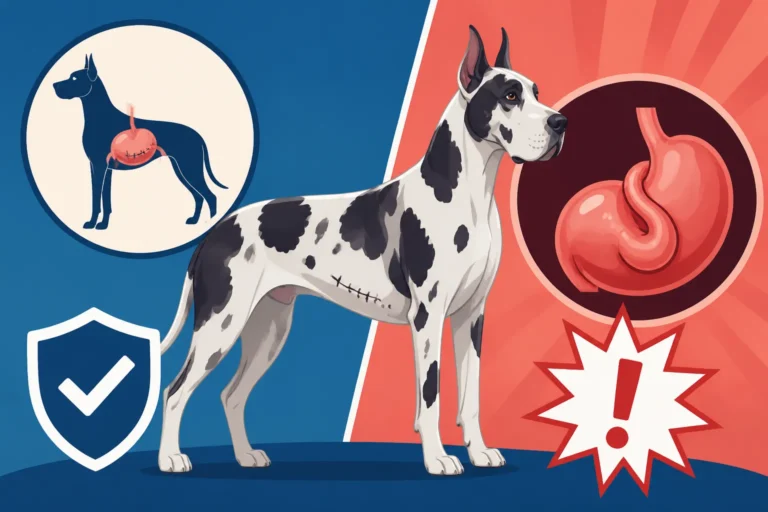
A gastropexy, often referred to as "stomach tacking," is a surgical procedure where a veterinarian permanently attaches a section of the stomach wall to the abdominal wall. This attachment prevents the stomach from rotating or twisting, which is the "volvulus" part of GDV. Essentially, it locks the stomach in place so it can't flip over, even if it distends with gas. The procedure itself can be performed in a few different ways, from traditional open surgery to less invasive laparoscopic techniques. Learning How a Great Dane Gastropexy Is Done can help you understand the process better.
Many owners opt to have a gastropexy done concurrently with other routine surgeries, such as spaying or neutering, especially because these procedures typically involve general anesthesia already. This can be a practical approach, as it means only one anesthetic event and one recovery period for your dog. It’s a common discussion point for Great Dane puppy owners, trying to decide When to Book a Great Dane Gastropexy.
The Mechanics of Prevention
The primary goal of a gastropexy is to prevent the stomach from twisting. Imagine trying to twist a balloon that's been taped down on one side – it becomes much harder, if not impossible, for it to fully rotate. That's essentially what a gastropexy achieves. By anchoring the stomach, the surgery drastically reduces the likelihood of volvulus, which is the most dangerous and often fatal component of GDV.
This mechanical prevention is why gastropexy is so highly recommended for Great Danes. While the stomach can still dilate and fill with gas – the "gastric dilatation" part – the life-threatening twist is largely averted. This means that if your tacked Dane does experience gastric dilatation, it’s still an emergency, but one that is significantly more manageable and less immediately fatal than a full GDV. This distinction is crucial for understanding the procedure's benefits.
Does Tacking End Great Dane Bloat Risk Completely?
This is the million-dollar question for every Great Dane owner considering a gastropexy, and the direct answer is: no, it does not completely end the risk of bloat. However, it drastically reduces the risk of the most life-threatening component of bloat, which is the stomach twisting. It's a critical difference that can mean the difference between life and death for your beloved giant.
Preventing the Volvulus, Not the Dilatation
A gastropexy is incredibly effective at preventing the "volvulus" – the twisting of the stomach. This is where the surgery shines. If a Great Dane's stomach is tacked, it cannot physically rotate, even if it fills with gas. This is the part that cuts off blood supply, causes tissue death, and is almost always fatal without immediate and invasive surgery. By preventing this twist, the gastropexy effectively prevents the most catastrophic outcome of bloat.
However, it's important to understand that a tacked stomach can still "dilate" – meaning it can still fill with gas and swell. This condition, known as Gastric Dilatation (GD) without Volvulus, is still a medical emergency. While less immediately fatal than GDV, a severely distended stomach causes immense pain, puts pressure on the diaphragm making breathing difficult, and can lead to shock. A dog with GD still needs veterinary attention, often involving stomach decompression (e.g., passing a tube to release gas). The good news is, a dog with GD has a much higher survival rate and generally requires less complex emergency intervention than one with GDV. This is where Whether Tacking Ends Great Dane Bloat Risk gets its nuanced answer.
Understanding Residual Risks
Even with a gastropexy, other factors can contribute to gastric dilatation. For example, your Great Dane could still gulp too much air, eat too quickly, or experience an upset stomach that produces excessive gas. These events could still lead to the stomach filling and expanding. The key difference is that with a gastropexy, that distended stomach is held firmly in place and cannot twist.
Therefore, owners of tacked Great Danes still need to be vigilant for signs of gastric dilatation. The frantic pacing, discomfort, and attempts to vomit will still be present if the stomach fills with gas. The critical missing piece will be the progressive shock and rapid deterioration often seen with the twist. While the sense of immediate, overwhelming panic might be lessened knowing the twist is prevented, a trip to the vet is still warranted. This surgery is a powerful tool in your arsenal, but it's not a magic bullet that makes your Great Dane immune to all stomach issues.
Beyond the Surgery: Comprehensive Bloat Prevention
While gastropexy is a phenomenal tool in reducing the most severe outcomes of bloat, it's not the only strategy. A multi-faceted approach, combining surgical prevention with daily management practices, offers the best protection for your Great Dane.
Lifestyle and Dietary Adjustments
Many factors beyond genetics and anatomy can influence a Great Dane's susceptibility to bloat. Our everyday routines and what goes into their food bowl play a significant role. One of the primary recommendations for all Great Danes, tacked or not, is to feed multiple smaller meals throughout the day rather than one large one. Splitting their daily ration into two or three meals reduces the sheer volume of food in their stomach at any one time, potentially lessening the risk of gas accumulation. This is a critical piece of the puzzle, influencing Meal Habits That Cut a Great Dane's Twist Risk.
Additionally, using slow feeder bowls can make a huge difference, especially for dogs who tend to "hoover" their food. These bowls have ridges or obstacles that force your Dane to eat more slowly, reducing the amount of air they gulp down with their food. Limiting exercise immediately before and after meals is another widely recommended precaution. A good rule of thumb is to wait at least an hour before and after eating before engaging in strenuous activity.
The Role of Stress and Environment
It might surprise some, but stress can actually be a contributing factor to bloat. When a dog is stressed, physiological changes occur in their body that can affect digestion and gut motility. A Great Dane that experiences significant anxiety or stress, perhaps from loud noises, separation anxiety, or changes in routine, could potentially be at a higher risk. Creating a calm, predictable environment can be beneficial.
Ensure your Great Dane has a quiet, undisturbed place to eat. Avoid chaotic mealtimes where other pets or children might bother them. Consistency in their routine can also help manage stress levels. While it's hard to quantify how much stress contributes to bloat, minimizing it is certainly beneficial for your Dane's overall health and well-being. Think about situations that might cause your dog undue stress and see where you can make improvements in their daily life.
Making the Decision: Is Gastropexy Right for Your Dane?
Deciding whether to pursue a gastropexy for your Great Dane is a significant choice, and it's one that every owner should make in close consultation with their veterinarian. There are many factors to weigh, from the age and health of your dog to the financial implications and your own peace of mind.
Weighing the Pros and Cons
On the "pro" side, the most compelling argument for gastropexy is the dramatic reduction in the risk of fatal GDV. For a breed so inherently susceptible, this surgery can be a literal lifesaver, allowing you to breathe a little easier knowing the worst-case scenario is largely averted. It also often comes with a much better prognosis if your dog experiences gastric dilatation without a twist, as the emergency intervention is usually simpler and less traumatic. The emotional relief for owners can be immense, knowing they've taken a proactive step to protect their giant.
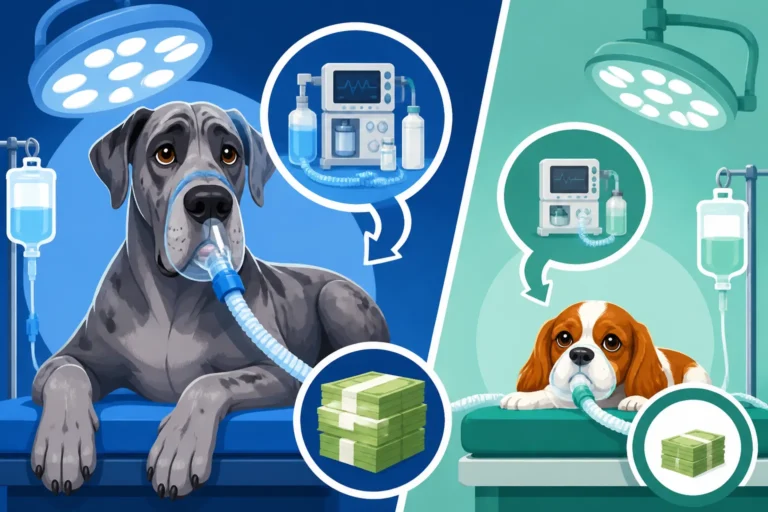
However, there are "cons" to consider. Firstly, it is a surgical procedure, which always carries inherent risks associated with anesthesia and recovery, though these risks are generally low in healthy dogs. There's also the financial aspect; while preventative gastropexy is less expensive than emergency GDV surgery, it's still an investment. Many owners factor this into their decision-making process when considering The Price of a Preventive Great Dane Gastropexy. Furthermore, as we've discussed, it doesn't eliminate all forms of bloat risk, so vigilance is still required.
Discussion with Your Veterinarian
The best person to guide you through this decision is your trusted veterinarian. They can assess your individual Great Dane's health, age, and any specific risk factors. They can discuss the different surgical techniques available, the recovery process, and the associated costs. This conversation should be comprehensive, covering all your concerns and questions.
Your vet can also help you understand the full scope of bloat prevention, including diet, exercise, and stress management strategies. Don't hesitate to ask about long-term care for a tacked Dane, and what signs you should still be looking out for. This is also a good time to discuss pet insurance, as many reputable providers like Healthy Paws offer coverage for unexpected illnesses and accidents, which can be invaluable for a Great Dane, even after a preventive gastropexy. Understanding Whether Pet Insurance Is Essential for a Great Dane can significantly impact your financial preparedness for any health challenges.
Financial Considerations and Insurance
The cost of a gastropexy can vary widely depending on your location, the veterinary clinic, and the surgical technique used (e.g., open vs. laparoscopic). While it's a significant upfront expense, it pales in comparison to the cost of emergency GDV surgery, which can easily run into thousands of dollars due to the complexity, overnight stays, and potential complications.
This is where pet insurance becomes a really valuable tool for Great Dane owners. Policies from providers like Healthy Paws can help offset these costs. While preventive procedures like a gastropexy might not always be covered by a standard accident and illness policy, having insurance in place before any issues arise means that if your tacked Dane does experience gastric dilatation, the subsequent diagnostic tests and treatment could be covered. It's definitely worth looking into Insuring a Great Dane Before the Bloat Years to ensure you're prepared for the potential health challenges these wonderful dogs face. Preparing a dedicated emergency fund, even if you have insurance, is always a wise decision for a Great Dane owner.
| Aspect | Untacked Great Dane | Gastropexied Great Dane |
|---|---|---|
| Risk of GDV (Twist) | High, with a 1 in 3 lifetime chance | Extremely low, virtually eliminated |
| Risk of GD (Dilatation) | Possible, still an emergency | Possible, still an emergency (but less critical) |
| Severity of Emergency | Life-threatening, rapid deterioration, high mortality | Serious, but generally more manageable, higher survival rate |
| Emergency Treatment | Decompression + complex surgery to untwist stomach | Decompression, often without need for untwisting surgery |
| Cost of Emergency | Very high (thousands of dollars) | Moderate to high |
| Peace of Mind | Constant worry | Significant reduction in worry about fatal twist |
| Surgical Procedure | No (unless emergency GDV surgery is performed) | Yes (preventive surgery) |
| Recovery | N/A (for preventive), difficult after emergency GDV | Post-op recovery from elective surgery |
Living with a Tacked Great Dane
Even after a successful gastropexy, your role as a diligent Great Dane owner doesn't end. While the threat of a twisted stomach is largely removed, vigilance and ongoing care are still paramount.
Continued Vigilance for Bloat Signs
It's tempting to think that once your Great Dane has had a gastropexy, you can forget all about bloat. But as we've established, they can still experience gastric dilatation – the swelling of the stomach with gas – even if it can't twist. So, you still need to be acutely aware of the signs. The restlessness, the attempts to vomit with no success, the obvious discomfort, and a distended abdomen are all red flags that warrant a call to your vet.
The difference now is the urgency. While still an emergency, a dilatation without a twist allows you a bit more breathing room than a full-blown GDV. You won't face the same terrifying race against time, but prompt veterinary attention is still crucial to decompress the stomach and address the underlying cause of the gas. Continue to observe your Dane closely, especially after meals and during times of stress. This unwavering attention to their well-being is part of Caring for a Great Dane Past Six, and at any age, really.
Optimizing Their Overall Health
A gastropexy addresses one major health concern, but Great Danes are prone to other conditions due to their size and rapid growth. Continuing to provide excellent general care is vital for their long and happy life (which is already too short, often only The Seven to Ten Year Great Dane Lifespan). This includes a high-quality diet specifically formulated for large and giant breeds, appropriate exercise to support joint health without overexertion, and regular veterinary check-ups.
Preventive care, including consistent flea and heartworm medication, and staying on top of routine vaccinations, contributes to their overall resilience. Regular check-ups allow your vet to monitor for other breed-specific issues like Dilated Cardiomyopathy (DCM), a heart condition Great Danes are prone to, and orthopedic problems like hip and elbow dysplasia. Maintaining optimal body weight is also critical to minimize strain on their joints. A holistic approach to your Dane's health ensures that while one major concern is mitigated, all aspects of their well-being are supported.
Disclaimer
The information provided in this article is for educational and informational purposes only and does not constitute veterinary advice. Always consult with a qualified veterinarian for any health concerns or before making any decisions about your pet's medical care.