Whether Crossing a Great Dane Adds Years
It's a heartbreaking truth that those of us who adore Great Danes often grapple with the knowledge that our magnificent companions typically have shorter lives than many other breeds. When you fall head over heels for these gentle giants, it's only natural to search for any glimmer of hope that might extend their precious time with us. This is where the idea of crossing a Great Dane with another breed often comes up, driven by the sincere desire to potentially add years to their life. This guide will delve into whether this common belief holds water and what factors truly influence a Great Dane's longevity, whether purebred or mixed.
Understanding Great Dane Lifespan
Let's face it, the conversation about Great Dane lifespan is often tinged with sadness. We bring these colossal puppies home, and before we know it, they're showing the first signs of aging. It's a stark reality that hits home for many owners.
The Genetic Reality of Purebred Danes
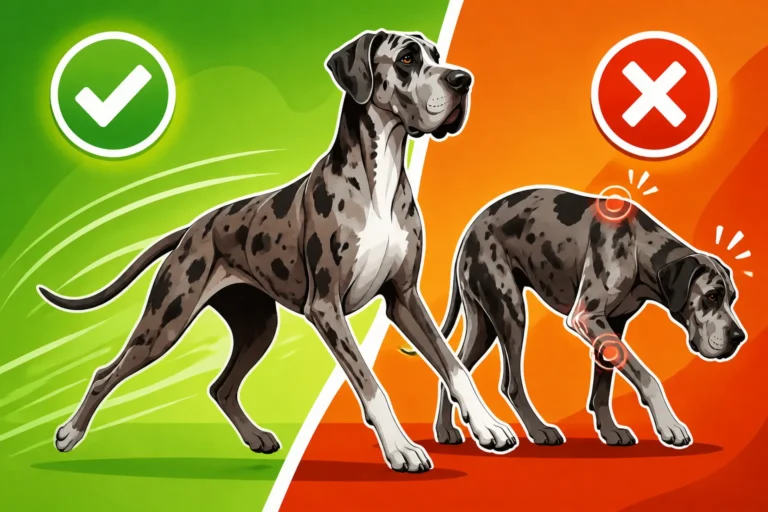
Purebred Great Danes, as wonderful as they are, are indeed prone to several serious health conditions that unfortunately contribute to their shorter average lifespan of seven to ten years. It's not a fault of the dogs themselves, but rather an outcome of centuries of selective breeding within a relatively closed gene pool, which can sometimes concentrate certain predispositions. We often worry about things like bloat, a life-threatening gastric torsion, and dilated cardiomyopathy (DCM), a severe heart condition. These aren't just minor ailments; they are significant health challenges that can drastically cut short a Dane's life. Other concerns include certain cancers, bone and joint issues like hip and elbow dysplasia, and neurological conditions such as Wobbler syndrome. It’s a lot to contend with, and it’s why understanding Why a Great Dane Only Lives Seven to Ten Years is so important for prospective and current owners.
When you're deeply invested in the health of your Great Dane, these genetic predispositions become a constant consideration. Imagine the vigilance required for managing a dog known for its susceptibility to bloat; it changes how you feed, how you exercise, and how quickly you react to any sign of discomfort. The reality is that for many Great Danes, these breed-specific health challenges, tragically, are What Great Danes Most Often Die Of.
Why Genetics Play Such a Big Role
Genetics are like a blueprint for a dog's health, determining everything from their coat color to their susceptibility to certain diseases. In purebred dogs, particular traits are selected for, often leading to a smaller gene pool. While this can preserve desired characteristics like the Great Dane's noble appearance and gentle temperament, it can also unintentionally concentrate genes for specific health problems. Think of it like a family heirloom that comes with both beauty and a hidden flaw; passed down through generations, that flaw becomes more prevalent.
This isn't to say all purebreds are unhealthy, not at all! But for a breed like the Great Dane, with such rapid growth and immense size, the physiological demands on their bodies are already extreme. When you add genetic predispositions for conditions like DCM or bloat on top of that, it creates a challenging situation. These are not minor issues that can be easily managed with diet or exercise alone; they are often deeply rooted in their genetic makeup, making prevention and early detection critical, but sometimes difficult. It’s why responsible breeding practices, including rigorous health testing of parent dogs, are so vital, as discussed in The Health Testing a Great Dane Breeder Owes You.
The Concept of Hybrid Vigor
The idea of hybrid vigor is often brought up when discussing the health and longevity of crossbreed dogs, and it's certainly a compelling thought for those hoping for a longer-lived Great Dane.
What Is Hybrid Vigor?
Hybrid vigor, also known as heterosis, is essentially the phenomenon where a crossbreed animal exhibits improved qualities like health, growth rate, or fertility compared to its purebred parents. The theory behind it is quite elegant: when you cross two genetically diverse purebreds, the offspring benefit from a wider array of genes. This increased genetic diversity means that the puppies are less likely to inherit two copies of a problematic recessive gene from each parent, which is often the mechanism for many hereditary diseases.
For instance, if one parent breed carries a gene for a particular heart condition, but the other parent breed does not, their offspring might only inherit one copy of that gene and therefore not develop the disease (assuming it's a recessive trait). This essentially "dilutes" the risk of many breed-specific conditions that are prevalent in one parent line. This is why many people hope that crossing a Great Dane with another breed might lead to a dog that's less susceptible to conditions like DCM or bloat, thereby potentially living a healthier, longer life. It's not a guarantee, but it's based on a sound biological principle.
When Hybrid Vigor Might Not Apply
While hybrid vigor sounds like a magic bullet, it’s not always guaranteed to bestow a longer lifespan or perfect health. There are a few key scenarios where the benefits might be diminished or even nonexistent. First, if the two parent breeds share similar genetic predispositions, the offspring won't gain much genetic diversity in those areas. For example, if you cross a Great Dane with another giant breed also prone to hip dysplasia or certain types of cancer, the puppies might still face similar risks. You haven’t diluted the problematic genes; you’ve just mixed them differently.
Secondly, the health and quality of the individual parent dogs are paramount. Hybrid vigor can't magically erase poor genetics from unhealthy parent lines. If a breeder uses two unhealthy purebred dogs to create a cross, the resulting puppies are still likely to inherit those health problems. This is where the "backyard breeder" problem comes in – someone breeding two dogs without any health testing, simply to create "designer dogs." Such practices often lead to puppies with just as many, if not more, health issues than well-bred purebreds. A crossbreed from unhealthy parents isn't necessarily healthier; it's just a mixed-breed dog with potentially unknown genetic risks. Finding a reputable breeder who health tests both parent breeds is critical, even for crosses.
Common Great Dane Crosses and Their Potential Lifespans
It's natural to wonder which specific crosses might offer the best chance for a healthier, longer life. While there are no guarantees, looking at some popular Great Dane mixes can give us a better idea of the possibilities and pitfalls.
Great Dane + Lab/Golden Retriever
Mixing a Great Dane with a Labrador Retriever or a Golden Retriever often results in what some call a "Great Daneador" or a "Golden Dane." These crosses are generally popular because both Labs and Goldens are known for their friendly temperaments and slightly longer lifespans compared to Great Danes, typically ranging from 10-12 years. The hope here is that the robust health and genetic diversity of the retriever breeds might offset some of the Great Dane's predispositions.
A Great Daneador, for instance, might inherit a less extreme chest conformation, potentially reducing the risk of bloat, or benefit from a more varied genetic profile for heart health. However, it's not a simple equation. Labs and Goldens can also carry their own genetic concerns, such as certain cancers, elbow and hip dysplasia, and even some heart conditions, albeit different ones from DCM. So, while the specific Great Dane risks might be diluted, the crossbreed could still face other orthopedic or cancer challenges. The lifespan might increase by a year or two on average, but it's not a dramatic leap. You'd still want to choose a puppy from parents who have excellent health clearances for their respective breeds.
Great Dane + Standard Poodle
The "Goldendane" or "Great Danoodle" is a cross between a Great Dane and a Standard Poodle, a mix that has gained some traction due to the Poodle's reputation for intelligence, a hypoallergenic coat (though this is never fully guaranteed), and a longer average lifespan of 12-15 years. The genetic diversity introduced by the Poodle, especially concerning the Great Dane's common ailments like DCM and bloat, often makes this cross particularly appealing.
Standard Poodles are generally robust, but they do have their own set of health concerns, including hip dysplasia, bloat (though less common than in Danes, it's still a risk in deep-chested breeds), and certain eye conditions. The key benefit in this cross often comes from the Poodle's smaller size and different body conformation, which could contribute to a lower incidence of the severe bloat seen in purebred Danes. However, the size of a Great Danoodle can still be considerable, leaning towards the Dane side, and thus still carry some of the same physical stresses. The potential for an increased lifespan is certainly there, perhaps pushing into the 9-12 year range, but it's crucial that both Poodle and Great Dane parents have extensive health clearances to truly maximize the benefits of hybrid vigor.
Great Dane + Mastiff/Other Giant Breed
Crossing a Great Dane with another giant breed, such as an English Mastiff, Neapolitan Mastiff, or even an Irish Wolfhound, is less likely to significantly extend the lifespan, and in some cases, might even exacerbate existing challenges. While these crosses can produce truly majestic and powerful dogs, the core issue is that many giant breeds share similar health vulnerabilities.
Mastiffs, for example, often face similar concerns to Great Danes regarding orthopedic problems like hip and elbow dysplasia, certain types of cancer, and even some heart conditions, though again, perhaps not always DCM. The sheer size and rapid growth inherent in all giant breeds place tremendous stress on their bodies, regardless of the specific mix. You aren't introducing vastly different genetic solutions for longevity; you're often just combining two sets of giant-breed challenges. Therefore, the lifespan of such a cross might remain similar to, or only slightly above, that of a purebred Great Dane, possibly still within the 7-10 year range. If you are considering a Great Dane cross, it's worth understanding the similarities and differences, as explored in The Great Dane Against the Mastiff.
Here’s a quick overview of how Great Dane mixes might compare:
| Crossbreed Type | Potential Lifespan (Years) | Common Great Dane Risks Potentially Reduced | New Risks to Consider from Other Breed |
|---|---|---|---|
| Purebred Great Dane | 7-10 | N/A | Bloat, DCM, Wobbler, Cancer, Joint Issues |
| Great Dane + Lab/Golden Retriever | 8-12 | Bloat (some), DCM (some) | Hip/Elbow Dysplasia, certain Cancers |
| Great Dane + Standard Poodle | 9-12 | Bloat (more), DCM (more) | Hip Dysplasia, Bloat (poodle-specific) |
| Great Dane + Other Giant Breed (e.g., Mastiff) | 7-11 | Minimal for shared giant breed issues | Exacerbated joint issues, shared cancers |
Note: These are general estimates and heavily depend on the health of the individual parent dogs and proper care.
The Importance of Responsible Breeding, Even for Crosses
When we talk about the health and lifespan of any dog, purebred or mixed, the foundation truly lies with responsible breeding. It’s not just about mixing two different dogs; it's about doing so thoughtfully and ethically.
Health Testing for Both Parent Breeds
This cannot be stressed enough: if you are considering a Great Dane cross, ensure both parent breeds have undergone comprehensive health testing relevant to their breed. It’s not enough for a breeder to say, "Oh, they're mixed, so they're healthier!" That's a red flag. A responsible breeder will be transparent about the health screenings of the Great Dane parent and the other purebred parent.
For a Great Dane, this means having current cardiac clearances, hip and elbow scores, and often thyroid panels. For a Labrador, it would mean hip and elbow scores, eye certifications, and testing for conditions like EIC (Exercise-Induced Collapse). A Standard Poodle parent should have hip and elbow clearances, eye exams, and potentially genetic tests for conditions like Von Willebrand's disease and sebaceous adenitis. These tests aren't cheap, and they’re not optional if the goal is truly to produce healthier offspring. A reputable breeder, whether for purebreds or thoughtful crosses, will proudly share these results and explain what they mean, not just for the parents but for the potential puppies. Don't be shy about asking for specific certificates and verifying them.
Temperament and Size Considerations
Beyond health, it's vital to consider the temperament and size implications of any Great Dane cross. Great Danes are renowned for their "gentle giant" nature, but crossing them with a breed that has a very different temperament can yield unpredictable results. For example, while a Lab is generally friendly, mixing with a breed known for high drive or guarding instincts could create a dog with a complex personality that requires experienced handling.
And then there's size. While a cross might slightly reduce the maximum height or weight of a purebred Dane, you are still likely looking at a very large dog. Even a Goldendane will be considerably larger than a standard Golden Retriever or Poodle. This means you still need all the large-dog accommodations: big enough crates, sturdy leashes, enough space, and a budget for large-dog expenses, from food to vet care. You can't escape the reality that a dog with Great Dane genes will likely be large, and will need ample training from a young age, as covered in The Manners a Great Dane Needs Before It Grows.
Finding a Reputable Breeder for a Crossbreed
Finding a reputable breeder for a crossbreed can sometimes be even trickier than finding one for a purebred. Because crossbreeds aren't typically registered with major kennel clubs in the same way, there isn't always a central database or governing body to uphold standards. This opens the door for many less scrupulous individuals to jump into "designer dog" breeding without doing the necessary health clearances or understanding genetics.
When searching for a cross, look for a breeder who:
- Health tests both parents extensively and can provide verifiable results. This is non-negotiable.
- Is transparent about their breeding practices, facilities, and the health history of their lines.
- Allows you to meet both parent dogs, if possible, or at least the dam. Observe their temperaments and overall condition.
- Screens potential puppy buyers carefully, showing they care about where their puppies go.
- Offers ongoing support and takes puppies back if needed.
- Does not breed solely for "rare" colors or charge exorbitant prices without justifying the health efforts.
Be wary of breeders who only talk about "hybrid vigor" without providing any proof of health testing or who focus heavily on the novelty of the cross. A truly responsible breeder, even of crosses, prioritizes health and temperament above all else. Remember, a longer life for your cherished companion starts with a healthy foundation from a good breeder.
Beyond Genetics: Lifestyle Factors
While genetics lay the groundwork, the day-to-day care you provide plays an enormous role in determining your Great Dane's quality of life and potentially extending their years. Even the most perfectly bred dog won't thrive without excellent care.
Nutrition and Weight Management
Feeding your Great Dane, whether purebred or a cross, with a high-quality diet appropriate for large and giant breeds is absolutely foundational. These dogs have unique nutritional needs, especially during their rapid growth phase as puppies. Over-nutrition, particularly too much calcium, can lead to serious orthopedic problems down the line. As adults, maintaining a lean body condition is critical for joint health. Every extra pound puts stress on their already hardworking joints. Think about how much a Great Dane eats; it's a lot of food to manage! You'll find many suitable large breed options on platforms like Chewy, offering formulas tailored to their specific needs.
Beyond the type of food, how you feed them matters immensely. Splitting daily rations into two or three smaller meals can reduce the risk of bloat. Avoiding vigorous exercise around meal times is also a common recommendation. Every meal is an opportunity to support their health, and getting it right can make a noticeable difference in their comfort and longevity. Feeding a Great Dane That Eats Ten Cups a Day isn't just about quantity, it's about quality and routine too.
Exercise and Joint Health
Proper exercise is a delicate balance for Great Danes. As puppies, over-exercise can be detrimental to their developing joints, leading to issues like hypertrophic osteodystrophy (HOD) or panosteitis. Structured, moderate exercise is key – no forced running or jumping until their growth plates have closed, which can be as late as 18-24 months. As adults, regular, moderate exercise helps maintain muscle tone and joint flexibility without over-stressing their large frames. Think leisurely walks, not marathon runs.
Providing soft, supportive bedding is also crucial throughout their lives to prevent pressure sores and cushion their heavy joints. Consider orthopedic beds that offer ample support, easily found on Chewy and other pet supply retailers. Avoiding slippery floors can also help prevent falls and injuries that can impact joint health. Protecting their joints from an early age can make a huge difference in their comfort and mobility as they age, possibly giving them a more active and comfortable senior life.
Regular Veterinary Care and Preventive Measures
Consistent veterinary care is non-negotiable for a Great Dane. This includes regular check-ups, appropriate vaccinations, and parasite prevention. Early detection of any health issue, from dental problems to subtle lameness, can lead to more effective treatment and better outcomes.
For Great Danes, specific preventive measures are particularly important. Discussing a prophylactic gastropexy with your vet to reduce the risk of gastric torsion (bloat) is a conversation many Great Dane owners have. This surgery, often done at the time of spay/neuter, can significantly reduce the likelihood of the stomach twisting, though it doesn't prevent bloat itself. Similarly, annual cardiac screenings are vital given the breed's predisposition to DCM. Being proactive and investing in these preventive measures and screenings can literally be life-saving. The costs can be significant, which is why many owners consider Insuring a Great Dane Against Bloat and Heart Bills early on. Investing in their health throughout their life is the best way to ensure they live as long and as happily as possible.
Disclaimer
This article is for general informational purposes only and does not constitute professional advice. Laws, prices and regulations vary by location and change over time. Consult a qualified professional for guidance on your specific situation.