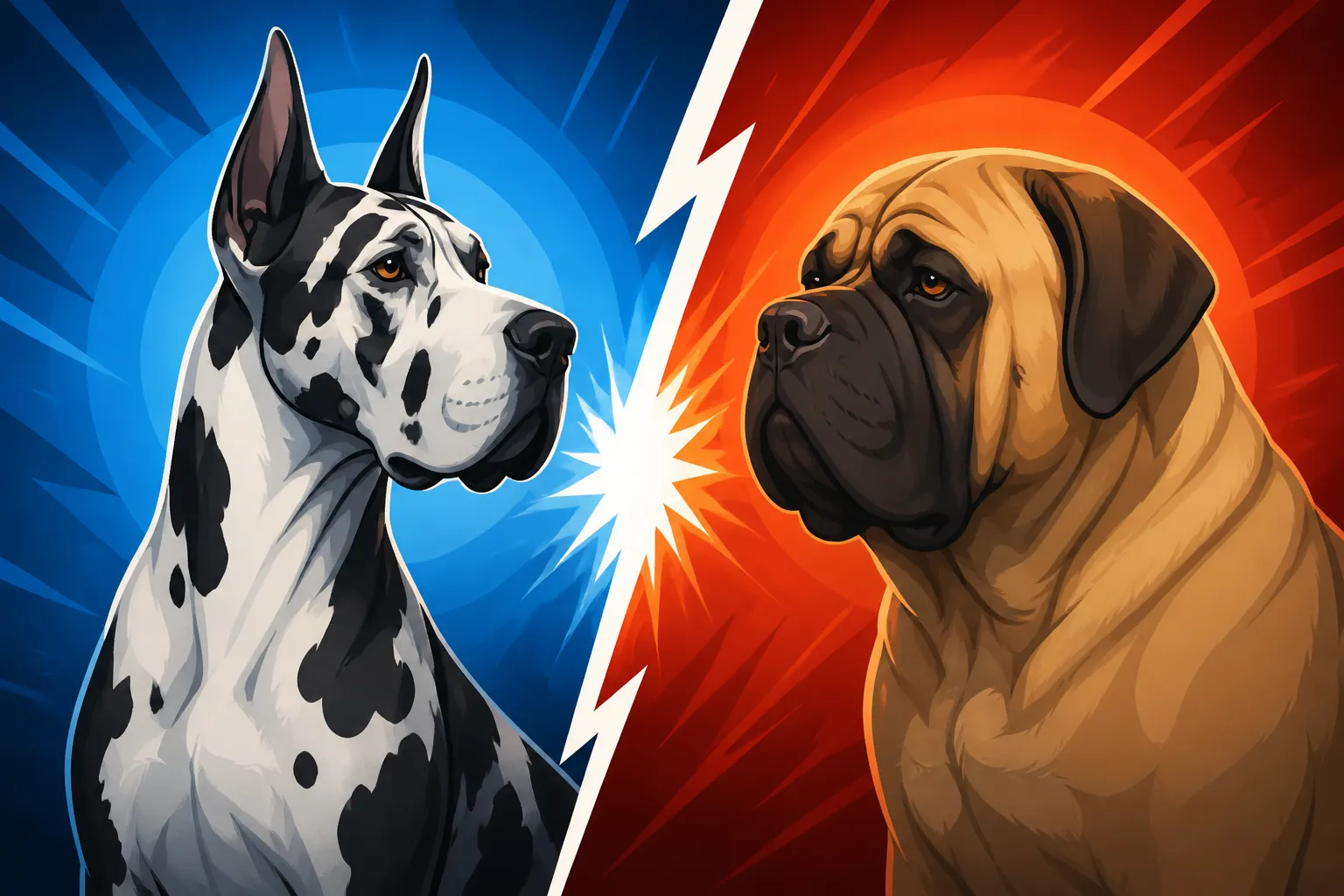
The Great Dane Against the Mastiff
Choosing between two magnificent giant breeds like the Great Dane and the Mastiff can feel like an impossible decision, especially when you’re drawn to their imposing size and gentle reputations. It’s easy to get lost in the sheer scale of these dogs and wonder how their day-to-day care, temperament, and health compare. This guide aims to clear up the common misconceptions and highlight the key differences between these incredible breeds, helping you understand which might be the best fit for your home and lifestyle.
A Tale of Two Giants: Distinguishing Physical Prowess
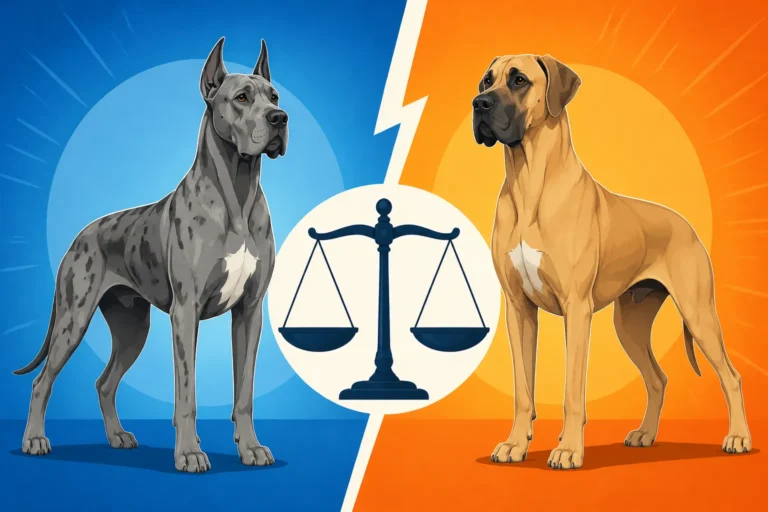
When people picture a "giant dog," often a Great Dane or a Mastiff comes to mind. While both are undeniably massive, they carry their size in very different ways, each with a distinctive look that sets them apart. It’s not just about height or weight; it’s about their entire presence and build.
Size and Stature: Towering vs. Massively Built
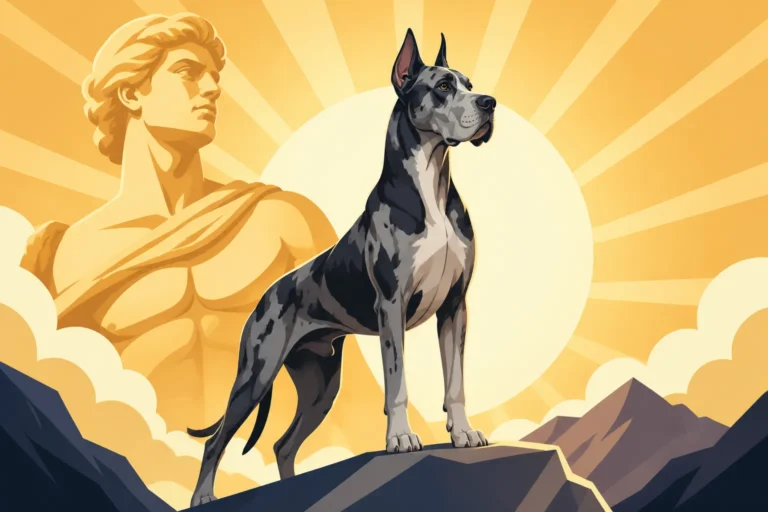
Let’s be honest, both of these breeds are going to take up a lot of space on your sofa and in your heart. However, they present their grandeur quite differently. The Great Dane is often called the "Apollo of Dogs," and for good reason. They are the epitome of elegance and athleticism in a giant package. Standing tall, often 30-32 inches or more at the shoulder for males, they possess a sleek, muscular build. Think of a marathon runner – powerful, but with a refined grace. They can easily reach weights between 100 to 180 pounds, sometimes more, but they tend to appear leaner, with long legs and a proud, upright carriage. They have a certain regal air, often looking like they're surveying their kingdom from a great height.
The Mastiff, on the other hand, embodies sheer, unadulterated mass and power. They are less about height and more about incredible bulk. While they might not always stand quite as tall as the tallest Danes, typically ranging from 27 to 30 inches at the shoulder, their weight is often astounding, easily reaching 120 to 230 pounds, and sometimes even more. This isn't just fat; it’s bone and muscle, giving them a broad, deep chest and a thick, powerful frame. They are the definition of a "gentle giant" in terms of their physical presence – a truly formidable dog built like a tank, but moving with a surprising, lumbering dignity. When a Mastiff walks into a room, you feel their presence, not just see it.
Head, Face, and Expression: The Subtle Differences
The head and facial features are where the Great Dane and the Mastiff truly begin to diverge in a way that’s immediately noticeable. A Great Dane’s head is long, rectangular, and aristocratic, fitting its "noble" reputation. Their muzzle is deep and square, and their eyes are typically medium-sized and almond-shaped, giving them an intelligent, often alert, and sometimes almost questioning expression. Whether their ears are traditionally cropped (which gives them a very sharp, commanding look) or left natural (often folding forward close to the cheek), their overall head shape contributes to their sleek profile. There's a clean, defined line to a Dane's face.
Conversely, the Mastiff's head is broad, massive, and square, often with a deep stop (the indentation between the forehead and the muzzle). They have distinct, heavy jowls that give their face a somewhat mournful or serious look, especially when combined with their dark, soulful eyes. Their forehead is often wrinkled, adding to that wise, ancient appearance. While they might not be as prone to extreme drooling as some other jowly breeds, you’ll definitely encounter more slobber than with a Dane, particularly after they drink or get excited. This heavy, expressive face is a hallmark of the Mastiff breed, conveying their calm and protective nature.
Coat and Color: A Spectrum of Standards
Both breeds feature relatively short, easy-care coats, but the range of colors and patterns they come in is quite distinct, reflecting their separate breed standards and histories. The Great Dane boasts a short, smooth, dense coat that lies close to the body. It's surprisingly low-maintenance in terms of grooming, though they do shed. The variety of colors is one of the Dane's most striking features. You'll find them in classic fawn (a golden-yellow with a black mask), elegant brindle (fawn with black stripes), sleek black, striking blue (a steel-gray), and the truly distinctive harlequin (white with irregular black patches). There are also mantle (black with white markings, often resembling a blanket) and merle (a diluted harlequin pattern) varieties. Each color has its own beauty, making the Dane a visual chameleon among giant breeds.
The Mastiff, too, has a short, straight outer coat, but it often has a dense, shorter undercoat, giving it a slightly coarser feel than a Dane's silken fur. Despite their mass, their grooming needs are also relatively simple, requiring regular brushing to manage shedding. In terms of color, the Mastiff has a more limited palette compared to the Dane. They are typically found in fawn, apricot, or brindle. All of these colors usually feature a dark mask around the muzzle, eyes, and ears, which adds to their solemn and dignified appearance. While less varied than the Great Dane's coat, the Mastiff's colors are deeply characteristic of the breed, emphasizing their powerful build and ancient lineage.
Temperament and Personality: From Playful to Protective
Beyond their physical grandeur, the true heart of these breeds lies in their temperament. Both are renowned for being "gentle giants," but their expressions of gentleness, loyalty, and their interactions with families and strangers have their own unique flavors. Understanding these nuances is crucial for any potential owner.
Family Dynamics: Gentle Giants in the Home
The Great Dane, for all its imposing size, is often described as a big goofball with a huge heart. They are incredibly loving, affectionate, and thrive on human companionship. They absolutely adore their families and are often found attempting to be lapdogs, despite their enormous size. If you’re not prepared for a 150-pound dog trying to cuddle on your knees, a Dane might surprise you! They tend to be very good with children, often displaying immense patience, though their sheer size means supervision is always necessary to prevent accidental bumps or knocks, especially with toddlers. They are playful, sometimes clumsy, and generally have a joyous approach to life. Their devotion to their family is unwavering, and they truly want to be part of every aspect of your daily life. They are generally known for their calm demeanor indoors, often content to snooze on a comfy bed right beside you.
The Mastiff, while equally known as a "gentle giant," expresses this in a more calm and dignified manner. They are incredibly loyal to their families, but perhaps less overtly boisterous than a Dane. A Mastiff is more likely to quietly lay at your feet, observing, rather than trying to climb into your lap. They are wonderfully patient and tolerant with children, making them excellent family companions, again with the caveat of their massive size requiring careful supervision. Their calm presence can be incredibly reassuring in a family setting. They possess a deep sense of contentment when they are with their people, often displaying a quiet affection that speaks volumes. They are not typically high-energy dogs indoors, preferring to lounge and keep a watchful eye on their domain.
Guarding Instincts and Stranger Sociability
When it comes to protecting their home and family, both breeds certainly have the size to deter most unwelcome visitors, but their approach differs. The Great Dane can be protective of their family and territory, often making excellent "alarm bells" with their deep, booming bark. They might appear formidable to strangers due to their size, but generally, a well-socialized Dane is friendly and outgoing. They are more likely to greet a stranger with a curious sniff and perhaps a lean than with overt aggression. However, they are highly attuned to their family's emotions; if you are uncomfortable, your Dane will pick up on that and act more cautiously. Early and consistent socialization, getting them used to many different people and situations, is key to ensuring they remain confident and well-mannered rather than shy or fearful. Socializing a Great Dane Puppy Early is incredibly important.
The Mastiff has a much more pronounced natural guarding instinct. They are inherently protective and possess a serious demeanor when it comes to strangers. They are typically reserved and wary of people they don't know, preferring to observe from a distance. Their sheer presence and quiet watchfulness are often enough to deter intruders. While not typically aggressive without reason, a Mastiff will not hesitate to protect its family if it perceives a genuine threat. This protective nature means early and extensive socialization is absolutely critical for a Mastiff puppy. They need to learn to differentiate between a friendly visitor and a genuine threat, otherwise, their protective instincts can become overwhelming. Consistent training and exposure to various people, places, and sounds from a young age are vital to ensure they grow into well-adjusted, confident protectors rather than overly suspicious or fearful dogs.
Living with Other Pets: Compatibility Challenges
Integrating a giant breed into a home with existing pets or adding other pets later requires thoughtful consideration. Great Danes generally tend to be quite amiable with other dogs and even cats, especially if they are introduced properly and raised together. Many Dane owners have multi-pet households, and the Dane often fits in beautifully, sometimes even acting as a protective big brother or sister to smaller animals. Their playful nature can extend to other dogs, and they often enjoy a good romp with a canine companion. Of course, individual personalities vary, but as a breed, they typically possess a good-natured tolerance.
Mastiffs can also live harmoniously with other pets, but there can be more potential for issues, particularly with other dogs of the same sex. Male Mastiffs, especially if intact, can sometimes exhibit same-sex aggression towards other male dogs. This isn't universal, but it's a known trait that prospective owners should be aware of. They also might not be as inclined to engage in boisterous play with other dogs as a Dane might be, preferring a more sedate interaction. Introducing a Mastiff puppy to existing pets, especially cats, should be done slowly and carefully, always under supervision, to ensure a smooth transition and positive relationships. Their sheer size means any playful interaction, even if well-intended, could accidentally injure a smaller, more fragile pet.
Exercise and Training: Managing the Mighty
Owning a giant breed means understanding their unique exercise requirements and the absolute necessity of early and consistent training. Their size amplifies every behavior, making good manners not just desirable, but essential for safety and harmonious living.
Exercise Requirements: Active Athlete vs. Couch Potato
It’s a common misconception that because Great Danes are so large, they need massive amounts of exercise. While they certainly benefit from regular activity, they are not hyperactive dogs that need to run marathons daily. Great Danes need moderate daily exercise to stay healthy and happy. This typically means a good brisk walk or two each day, totaling perhaps 30-60 minutes, along with some playtime in a securely fenced yard. They enjoy romping and playing with toys, but sustained, high-impact exercise, especially in puppyhood, needs to be carefully managed to protect their growing joints. Over-exercising a young Dane can lead to serious orthopedic problems down the line. Exercise Limits While a Great Dane Is Still Growing is a critical read for any Dane owner. They will happily join you for a hike, but a gentle pace is preferred.
Mastiffs are generally much lower energy than Great Danes. While they definitely need daily exercise to maintain muscle tone and prevent obesity, their needs are more modest. A leisurely walk or two each day, perhaps 20-40 minutes, is usually sufficient. They are not built for endurance or speed. In fact, prolonged or intense exercise, especially in hot weather, can be detrimental to a Mastiff due to their brachycephalic (short-nosed) tendencies and sheer body mass, which makes them prone to overheating. They are perfectly content to spend a significant portion of their day napping or simply lounging near their family. Don’t expect a Mastiff to be your jogging partner; they'd much rather be your couch companion.
Training Imperatives: Early Start, Consistent Hand
For both breeds, early and consistent training is not just advisable; it's non-negotiable. Imagine trying to control a fully grown, untrained dog that weighs as much as an adult human. It's simply not feasible or safe. For Great Danes, who are intelligent but can have a stubborn streak, training needs to start the moment they come home. Positive reinforcement methods work best, leveraging their desire to please their owners and their love for treats. Basic obedience commands like "sit," "stay," "come," and especially "leave it" are crucial. The Manners a Great Dane Needs Before It Grows emphasizes how important these early lessons are. Socialization with other dogs and people is also paramount to ensure they grow into well-adjusted adults, comfortable in various situations.
Mastiffs are also intelligent and generally eager to please, but they can be a bit more independent in their thinking. Their immense size means that training must focus on control and good manners from the very beginning. They respond best to gentle, consistent methods, and harsh corrections can make them shut down or become fearful. Building a strong bond based on trust and respect is key. Like Danes, early socialization is vital for Mastiffs to help them distinguish between normal situations and actual threats, managing their natural protective instincts. Focus on teaching them to walk politely on a leash, greet people without jumping, and follow basic commands to ensure they are manageable members of society, despite their intimidating appearance.
Handling Their Size: Practical Considerations
When you have a dog that can easily reach your chest while standing on all fours, practical handling becomes a daily consideration. For Great Danes, leash manners are incredibly important. A 150-pound dog pulling on a leash can easily drag an adult off their feet. Investing in proper training and equipment, such as a front-clip harness or a head halter, can make a world of difference. Great Dane Leash Manners at a Hundred and Fifty Pounds provides invaluable advice on this. You'll also need to consider how they interact with doorways, furniture, and even small children – accidental bumps are a real possibility. Teaching a solid "off" command is essential to prevent jumping.
For Mastiffs, their sheer weight compounds these challenges. A Mastiff might not pull as vigorously as a Dane, but their solid mass means that if they decide to go somewhere, you might find yourself along for the ride. Strong, durable leashes and harnesses are a must. Their size also means you need to consider how they get in and out of cars, navigate stairs (especially as they age), and fit into public spaces. Even grooming tasks like nail trims require careful handling and often a second person due to their size and weight. Thinking ahead about how to manage a dog this large in everyday situations is a cornerstone of responsible ownership.
Health and Longevity: Big Dogs, Big Concerns
The sad reality of owning a giant breed is often a shorter lifespan coupled with a propensity for certain serious health conditions. Both Great Danes and Mastiffs share some common challenges inherent to their massive size, requiring vigilant care and proactive health management from their owners.
Common Health Issues: A Shared Burden of Giants
Great Danes are famously predisposed to several significant health problems. Gastric Dilatation-Volvulus (GDV), commonly known as bloat, is perhaps the most terrifying, life-threatening emergency in Danes. The stomach twists, trapping gas and food, and can be fatal within hours. Bloat in a Great Dane and the One in Three Odds highlights just how prevalent and dangerous this condition is. Heart conditions, particularly dilated cardiomyopathy (DCM), are also common. The Heart Muscle Disease Great Danes Are Prone To delves into this serious condition. Other concerns include Wobbler Syndrome (a neck condition affecting the spinal cord), various cancers (like osteosarcoma, a Bone Cancer in a Great Dane), and joint problems such as hip and elbow dysplasia, as well as growing pains in puppies Great Dane Hips, Elbows and Growing Joints.
Mastiffs, while generally robust, also face a similar spectrum of giant-breed ailments. They, too, are at high risk for bloat and GDV, mirroring the Dane's vulnerability. Hip and elbow dysplasia are very common orthopedic issues, and eye problems like entropion (inward-rolling eyelids) and ectropion (outward-rolling eyelids) can require surgical correction. Mastiffs are also prone to various cancers, including osteosarcoma and lymphoma, and certain heart conditions. Due to their heavy frame, they can suffer from torn cruciate ligaments and other joint-related lameness. Owners need to be acutely aware of these potential issues and work closely with their veterinarian for early detection and management.
Lifespan Expectations: The Shorter Path
This is perhaps the hardest truth for any giant breed owner to face. Both Great Danes and Mastiffs have considerably shorter lifespans compared to smaller dog breeds. A Great Dane typically lives for 7 to 10 years, with some reaching slightly beyond that. The Seven to Ten Year Great Dane Lifespan covers this heartbreaking reality. The rapid growth and immense size put incredible strain on their bodies, contributing to accelerated aging and a compressed lifespan.
Mastiffs generally share a similar, often even shorter, lifespan. Many Mastiffs live between 6 and 10 years. While individual dogs can certainly exceed these averages, it's a realistic expectation that you will have fewer years with a Mastiff compared to a smaller companion dog. This knowledge deeply impacts the way you approach their care, from nutrition to preventive health, knowing that every year is precious.
Preventive Care: Proactive Health Management
Given the specific health challenges, proactive and preventative care is essential for both breeds. For Great Danes, a preventative gastropexy (stomach tacking surgery) is highly recommended to significantly reduce the risk of future gastric torsion. Stomach Tacking Surgery for a Great Dane explains this procedure, which can be life-saving. Regular cardiac screenings, including echocardiograms, are also crucial for early detection of heart disease. Owners should be vigilant for any signs of bloat, such as restlessness, unproductive retching, or a distended abdomen.
For Mastiffs, similarly, a prophylactic gastropexy is often advised due to their deep chests and risk of bloat. Regular veterinary check-ups are paramount, focusing on joint health, early cancer screening, and eye examinations. High-quality large breed puppy food formulated for slow growth is crucial for both breeds to support healthy bone and joint development and prevent accelerated growth that can exacerbate orthopedic issues. Avoiding obesity is also vital, as extra weight puts immense strain on their joints and overall system. Staying informed and working closely with a vet who understands giant breed health is the best way to give these magnificent dogs the longest, healthiest life possible.
Daily Living and Ownership: The Practicalities of Living Large
Bringing a giant breed into your home isn't just about love and cuddles; it’s about making practical adjustments to your space, budget, and daily routines. From mealtime to hygiene, the sheer scale of a Great Dane or a Mastiff impacts almost every aspect of ownership.
Feeding a Giant: Volume and Nutritional Needs
Feeding a Great Dane is a commitment, both in terms of the specific nutritional needs and the sheer volume of food. Great Dane puppies require a special large breed puppy formula that controls growth rates, typically lower in calcium and phosphorus, to prevent developmental orthopedic diseases. As adults, they often eat anywhere from six to ten cups of high-quality kibble per day, sometimes more depending on their activity level and metabolism. Feeding a Great Dane That Eats Ten Cups a Day really drives home the reality of this. Splitting their daily ration into two or three smaller meals is also a crucial strategy to help prevent bloat. Finding suitable food can be a challenge, and buying in bulk, perhaps from online retailers like Chewy, can help manage the cost and ensure you always have enough on hand.
Mastiffs have similarly substantial dietary needs. Like Danes, their puppies must be fed a large breed specific formula to support slow and steady growth. Adult Mastiffs also consume large quantities of food, often comparable to or even exceeding a Great Dane's intake. Again, multiple smaller meals throughout the day are vital for bloat prevention. The cost of feeding a Mastiff can be significant, so budgeting for high-quality food is a must. Many owners explore options like Chewy for bulk purchases or specialized giant breed formulas to ensure their Mastiff receives the proper nutrition without breaking the bank. Both breeds benefit from bowls placed on elevated stands, but the science around this and bloat prevention is still debated.
Grooming and Maintenance: More Than Just a Short Coat
You might think a short-coated dog means minimal grooming, but for giants like the Great Dane and Mastiff, there's always a bit more to it. Great Danes have a short, dense coat that sheds year-round, with heavier shedding seasons. Regular brushing, 2-3 times a week, with a rubber curry brush or a shedding blade, helps to remove loose hair and keep their coat healthy and shiny. Baths are infrequent unless they get particularly dirty, but when you do bath a Dane, be prepared for a substantial undertaking and a lot of wet dog! Their size also means you'll deal with a fair amount of drool, especially after they drink. Great Dane Drool and What to Do About It offers some tips for managing the slobber.
Mastiffs also have relatively short coats, but their denser undercoat can lead to significant shedding, especially during seasonal changes. Regular brushing is key to keeping this under control. Their deep wrinkles, especially on their face, require extra attention to keep clean and dry, preventing skin fold dermatitis. And then there's the drool. Mastiffs are generally heavier droolers than Great Danes, thanks to those magnificent jowls. Be prepared for "slobber strings" on walls, furniture, and occasionally even on guests. Regular wiping of their jowls and a towel always at the ready will become part of your daily routine. For both breeds, nail trims are essential; given their size, keeping their nails short is critical for joint health and comfort.
Space and Environment: Adapting Your Home
Despite their colossal size, both Great Danes and Mastiffs are often described as surprisingly well-suited to indoor living, sometimes even content in apartments if their exercise needs are met. They are not necessarily outdoor dogs, preferring to be close to their families. However, "well-suited to indoor living" doesn't mean they don't need space. They need room to stretch out, turn around, and simply exist without constantly bumping into things. A small, cluttered home won’t be ideal.
The most critical furnishing for either breed is a high-quality, orthopedic dog bed. These dogs carry immense weight, and providing adequate support for their joints is non-negotiable. Hard floors can be tough on their elbows and hocks, leading to calluses or hygromas. Finding beds large enough can sometimes be a challenge, but online retailers like Chewy offer a good selection of extra-large, supportive options. You'll also need sturdy crates or gates if you plan to use them, designed for a dog of their size and strength. Remember, everything for these giants needs to be giant-sized, from bowls to leashes, so plan your home setup accordingly. Orthopedic Beds a Great Dane Needs is worth reading for specific recommendations.
Which Giant is Right for You? A Comparative Look
Deciding between a Great Dane and a Mastiff ultimately comes down to a careful assessment of your lifestyle, expectations, and preparedness for the unique challenges each breed presents. Both are magnificent, loving companions, but they offer different experiences.
Lifestyle Compatibility: Matching Dog to Owner
If you're looking for an active, playful, somewhat goofy companion who will want to be involved in everything you do, and you're prepared for moderate daily walks and lots of cuddles, a Great Dane might be an excellent match. They fit well with families who enjoy a bit more energy and don't mind a dog who thinks it's a permanent fixture on your lap. Their more social nature can make them a better fit for homes with frequent visitors or varied social engagements, provided they are properly socialized from a young age.
On the other hand, if your lifestyle is more relaxed, and you seek a calm, dignified, and steadfast guardian who is content with shorter, leisurely strolls and quiet companionship, the Mastiff could be your ideal partner. They excel in homes where their natural protective instincts are respected and managed, and where their family is the center of their world, even if they show their affection in a more reserved way. They often suit individuals or families who appreciate a more solemn and watchful presence in their home.
Cost of Ownership: Expecting the Unexpected
Regardless of whether you choose a Great Dane or a Mastiff, prepare for significant financial investment. The initial purchase price or adoption fee is just the tip of the iceberg. Their enormous size translates to higher costs for everything: more food, larger doses of medications (from flea prevention to heartworm medicine), more expensive crates and beds, and dramatically higher veterinary bills, especially in emergencies. Surgical procedures, like a bloat emergency or orthopedic repairs, can be incredibly costly, potentially running into thousands of dollars.
Many owners find pet insurance to be a wise investment for these breeds, specifically to help mitigate the financial impact of unexpected illnesses or accidents. Even routine vet visits, vaccinations, and preventatives will be priced higher due to their weight. As our article The Short Expensive Life of a Great Dane aptly points out, owning a giant breed is not for the faint of heart or light of wallet. Budgeting and having an emergency fund are absolutely crucial.
Making the Right Choice: Research and Responsibility
Ultimately, the best way to decide between a Great Dane and a Mastiff is to do your homework. Read extensively about both breeds, talk to current owners, and if possible, meet adult dogs of each breed in person. Visit reputable breeders or rescue organizations to get a true feel for their temperament and size. Consider your living situation, your activity level, your family dynamics, and your financial preparedness.
Both breeds require immense dedication, responsible training, and a deep understanding of their health needs. They are not simply "big dogs"; they are complex, sensitive creatures that demand a special kind of commitment. Whether you choose the elegant athleticism of the Great Dane or the steadfast majesty of the Mastiff, you'll be bringing a truly magnificent companion into your life, one who will undoubtedly fill your home with love, slobber, and unforgettable moments. And remember, for all your large dog supply needs, from specialty food to durable toys, places like Chewy are excellent resources.
| Feature | Great Dane | Mastiff |
|---|---|---|
| Average Height | 28-32 inches (males often 30-32+) | 27-30 inches |
| Average Weight | 100-180 lbs (can be more) | 120-230+ lbs |
| Build | Tall, elegant, athletic, lean | Massive, heavy-boned, broad, powerful |
| Head Shape | Long, rectangular, aristocratic, clean lines | Broad, square, often wrinkled, heavy jowls |
| Drooling | Moderate (especially after drinking) | High (more prominent jowls, more constant slobber) |
| Energy Level | Moderate (needs daily walks, playful) | Low (needs daily walks, but less intense/shorter) |
| Temperament | Affectionate, playful, goofy, devoted, sensitive | Calm, dignified, loyal, reserved, watchful |
| Guarding Instinct | Good alarm dog, generally friendly if socialized | Strong natural guardian, reserved with strangers |
| Lifespan | 7-10 years | 6-10 years (often on the shorter end) |
| Common Health Issues | Bloat/GDV, DCM, Wobbler, Cancer, Joint Dysplasia | Bloat/GDV, Hip/Elbow Dysplasia, Eye issues, Cancer |
| Training Needs | Early, consistent positive reinforcement, crucial for manners | Early, consistent, gentle positive reinforcement, crucial for control & socialization |
Disclaimer
This article is for general informational purposes only and does not constitute professional advice. Laws, prices and regulations vary by location and change over time. Consult a qualified professional for guidance on your specific situation.