A Great Dane That Stumbles on Its Back Legs
It’s incredibly distressing to watch your majestic Great Dane, once so graceful, start to stumble or drag their back legs. This isn't just a clumsy moment; it's a deeply concerning sign that something is amiss with their mobility or neurological function, often pointing to a serious underlying condition. This comprehensive guide will walk you through the common reasons a Great Dane might be struggling with their hind limbs, how veterinarians diagnose these issues, and the various treatment and management strategies available to help your beloved companion.
Understanding Why Your Great Dane Might Stumble
When a Great Dane begins to stumble or show weakness in their back legs, it’s a symptom known as ataxia or paresis. Ataxia refers to a lack of coordination, making their movements appear drunken or uncoordinated, while paresis is a partial loss of voluntary movement or weakness. These signs are never normal, especially in a breed prone to certain musculoskeletal and neurological conditions, and they warrant immediate veterinary attention.
Pinpointing the Peculiar Gait
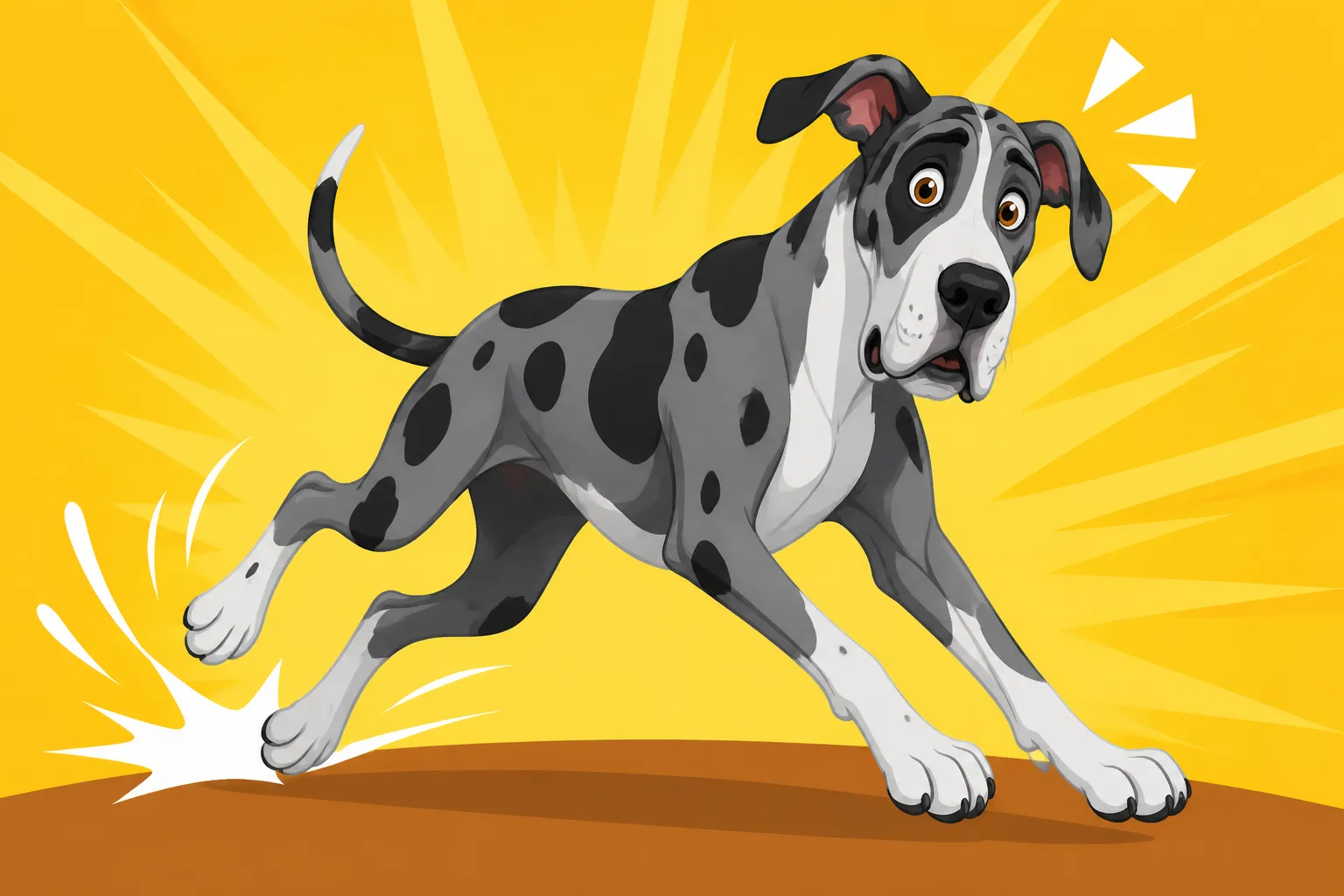
Observing how your Great Dane stumbles can offer crucial clues to your vet. Are they dragging their paws, scuffing their nails on the ground? Do their back legs seem to cross over each other, or do they spread wide like they're trying to regain balance? Perhaps they're struggling to get up from a lying position, or they might even "bunny hop" when running, using both back legs together. These nuances might seem small to you, but they paint a detailed picture for the veterinarian, helping them narrow down the possible causes. It’s not uncommon to see these changes slowly creep in, perhaps starting as an occasional misstep that then becomes more frequent and pronounced.
The Anatomy Behind the Ataxia
To understand why your Dane is stumbling, it helps to know a little about the complex systems involved in movement. The brain sends signals down the spinal cord, which then branch out through nerves to control the muscles in the legs. Any interruption or damage along this pathway—whether in the brain itself, the spinal cord, the nerves, or the muscles and joints—can manifest as hind limb weakness or incoordination. In Great Danes, given their large size and rapid growth, specific areas are particularly vulnerable, especially the neck region of the spinal cord and their major limb joints. Knowing the various anatomical components involved helps veterinarians pinpoint the source of the problem.
Wobbler's Syndrome: The Great Dane's Achilles Heel
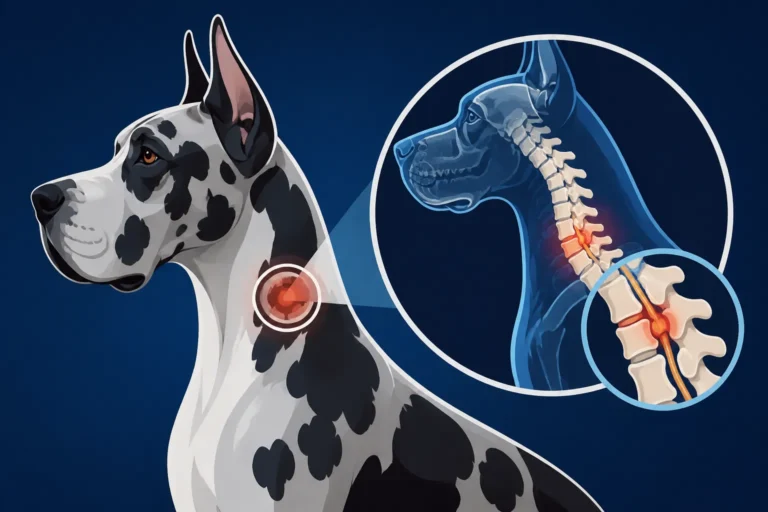
Wobbler's Syndrome, clinically known as Cervical Spondylomyelopathy (CSM), is a painful and often debilitating condition that Great Danes are unfortunately predisposed to. It's caused by compression of the spinal cord and/or nerve roots in the neck, leading to the characteristic wobbly or uncoordinated gait, especially in the hind legs. This condition can range from mild clumsiness to severe paralysis, and it’s one of the most common reasons you might notice a Great Dane stumbling on its back legs.
Identifying the Early Clues
The initial signs of Wobbler's Syndrome can be subtle and easily missed, making early detection a real challenge for concerned owners. You might first notice your Great Dane exhibiting what seems like a slight clumsiness, particularly in their hindquarters. They might take a wider stance than usual, or their back legs might seem to 'drift' outwards when they walk. A classic early sign is when your dog starts to scuff back nails on a Great Dane, wearing down the top of their toenails because they aren't lifting their feet properly. This can progress to a more obvious "drunken sailor" gait, where their hindquarters sway from side to side. Some Danes might also show signs of neck pain, being reluctant to lower their head to eat or drink, or crying out when their neck is touched or moved. These early indicators are crucial and should never be ignored, as prompt intervention can sometimes make a significant difference. You might even find yourself constantly asking, "What are The First Wobbler Signs in a Great Dane?"
The Progression of the Condition
Without intervention, Wobbler's Syndrome tends to be a progressive condition. That initial slight stumble can worsen over weeks or months into a profound lack of coordination, eventually affecting the front legs as well. The constant compression on the spinal cord leads to ongoing neurological damage. You might observe increased weakness, difficulty getting up, and eventually, the inability to walk without significant assistance. In severe cases, dogs can become tetraplegic, meaning all four limbs are affected, though the hind limbs are typically more severely impacted. It’s a heartbreaking journey to witness, watching your once powerful Dane struggle to perform basic movements. The severity and speed of progression can vary greatly between individual dogs, making it a particularly unpredictable and frustrating condition for owners. Many owners struggle with the question of Whether Great Dane Wobblers Get Worse.
Diagnostic Journey: What Your Vet Will Look For
Diagnosing Wobbler's Syndrome involves a comprehensive approach, starting with a detailed neurological examination. Your veterinarian will assess your Great Dane's reflexes, proprioception (their awareness of where their limbs are in space), and muscle tone. They'll look for signs of pain, especially around the neck. To confirm the diagnosis and determine the exact location and severity of the spinal cord compression, advanced imaging is essential. This often involves X-rays, which can show bony changes, but definitive diagnosis usually requires a CT scan or MRI. These sophisticated imaging techniques allow the vet to visualize the soft tissues, including the spinal cord, and identify the precise points of compression. This is a critical step in deciding on the most effective treatment plan. The financial aspect of What Scanning a Great Dane Neck Costs is often a major concern for owners, but it's a necessary investment for accurate diagnosis.
Common Hind Limb Mobility Issues in Great Danes
| Condition | Primary Cause | Typical Onset Age | Key Symptoms | Diagnostic Tools | Treatment Approach |
|---|---|---|---|---|---|
| Wobbler's Syndrome | Spinal cord compression in the neck | Young to Middle-aged | Hind limb ataxia, scuffed nails, neck pain, eventual front leg involvement | MRI/CT, X-rays, Neurological exam | Conservative (meds, rest) or Surgical decompression |
| Hip Dysplasia | Abnormal hip joint development | Puppy to Adult | "Bunny hopping," difficulty rising, lameness, muscle atrophy | X-rays, Physical exam | Pain management, PT, Surgery (FHO, THR) |
| Degenerative Myelopathy | Progressive spinal cord degeneration | Senior (>8 years) | Progressive hind limb weakness, ataxia, knuckling (non-painful initially) | Exclusion of other diseases, Genetic test | Supportive care, Physical therapy |
| Fibrocartilaginous Embolism (FCE) | Spinal cord infarct from cartilage blockage | Any age (acute onset) | Sudden, non-painful weakness/paralysis, usually non-progressive after 24 hrs | MRI | Supportive care, Physical therapy |
| Arthritis/Osteoarthritis | Degeneration of joint cartilage | Middle-aged to Senior | Stiffness, lameness, reluctance to move, pain in affected joints | X-rays, Physical exam | Pain meds, Joint supplements, PT, Weight management |
Other Orthopedic and Neurological Causes
While Wobbler's Syndrome often takes the spotlight for hind leg issues in Great Danes, it's certainly not the only culprit. A range of other conditions, both orthopedic (related to bones and joints) and neurological (related to the nervous system), can cause similar symptoms of stumbling, weakness, or uncoordinated movement in your gentle giant's back end. It's important for your vet to rule out these possibilities to ensure an accurate diagnosis and effective treatment plan.
When Hips Are the Culprit
Hip dysplasia is a well-known orthopedic issue that can certainly lead to hind leg instability and stumbling. While Great Danes are not as notorious for severe hip dysplasia as some other large breeds, they can still be affected. In a dog with hip dysplasia, the hip joint – where the thigh bone meets the pelvis – doesn't fit together correctly, leading to looseness, pain, and eventually degenerative joint disease (arthritis). This poor fit can cause your Dane to compensate by using their back legs inefficiently, leading to a wobbly gait, bunny hopping, difficulty rising, or reluctance to jump. You might notice them favoring one leg or exhibiting general weakness in the hindquarters. If you notice your Great Dane exhibiting signs like this, especially if they are growing or already older, discussing Great Dane Hip and Elbow Screening with your veterinarian is a smart move. Early diagnosis through physical examination and X-rays is key to managing the pain and progression of this condition, often involving a combination of pain medication, joint supplements, and physical therapy.
Degenerative Myelopathy: A Different Kind of Challenge
Degenerative Myelopathy (DM) is a progressive disease of the spinal cord that is often described as the canine equivalent of Amyotrophic Lateral Sclerosis (ALS) in humans. While more common in breeds like German Shepherds and Boxers, Great Danes can also be affected, especially in their senior years. DM typically begins with a progressive weakness and loss of coordination in the hind limbs, which can manifest as stumbling, knuckling over (walking on the tops of their paws), and difficulty getting up. What makes DM particularly challenging is that it's initially non-painful; the dog simply loses neurological function, leading to a frustrating lack of control over their movements. The condition progresses relentlessly, eventually leading to paralysis of the hind limbs and sometimes affecting the front limbs as well. Diagnosis often involves ruling out all other possible causes through extensive testing, and a genetic test can confirm the presence of the SOD1 mutation associated with the disease. There is currently no cure for DM, and management focuses on supportive care and physical therapy to maintain muscle mass and mobility for as long as possible.
Sudden Onset Weakness: FCE and Other Acute Issues
Sometimes, a Great Dane's stumbling can come on suddenly, rather than gradually. One such acute condition is a Fibrocartilaginous Embolism (FCE), often referred to as a "spinal stroke." This occurs when a tiny piece of fibrocartilage (tissue from the intervertebral discs) breaks off and blocks a blood vessel supplying the spinal cord, leading to a sudden loss of blood flow and damage to that part of the spinal cord. The result is an abrupt onset of weakness or paralysis, usually affecting one side more than the other, and it's typically non-painful. Imagine your Dane suddenly collapsing or dragging a back leg after a burst of activity, only to find they don't seem to be in pain when you examine them. That's a classic FCE presentation. While alarming, many dogs with FCE can recover significant function with intensive physical rehabilitation, though some degree of weakness may persist. Diagnosis typically requires an MRI to confirm the lesion and rule out other acute spinal conditions like disc herniation. Other acute issues causing sudden stumbling could include traumatic injuries, severe infections, or even certain metabolic emergencies, all of which require immediate veterinary attention to identify and treat the underlying cause.
Navigating Treatment Options and Supportive Care
Once your veterinarian has a clear diagnosis for why your Great Dane is stumbling, you'll be faced with a range of treatment options. These can vary dramatically depending on the specific condition, its severity, and your dog's overall health and age. It's a journey that often requires patience, dedication, and a strong partnership with your veterinary team.
Conservative Management: A First Step
For many conditions, particularly in their earlier stages or if surgery isn't an option, conservative management is often the first line of defense. This approach focuses on alleviating symptoms, improving comfort, and supporting the body's natural healing processes.
For Wobbler's Syndrome, conservative treatment often involves strict rest, anti-inflammatory medications, and pain relievers to reduce spinal cord swelling and discomfort. This might mean kennel rest for several weeks or limiting activity to short, controlled leash walks only. Your vet might also prescribe muscle relaxants or other medications to manage specific symptoms. Physical rehabilitation, including gentle exercises, hydrotherapy (swimming), and therapeutic massage, can be incredibly beneficial in maintaining muscle mass, improving balance, and strengthening core stability without putting excessive strain on the neck. Nutrition also plays a role; ensuring your Great Dane maintains a lean body condition reduces stress on all joints and the spine. While conservative management doesn't always address the root cause of spinal compression, it can significantly improve quality of life and even halt or slow progression in some cases. Your veterinarian might also recommend swapping a traditional neck collar for a chest harness to prevent further strain on the sensitive neck area. This is also a crucial consideration if you're exploring Surgery Against Management for a Wobbler Dane, as conservative approaches often precede or complement surgical interventions.
For conditions like hip dysplasia or arthritis, conservative management typically includes non-steroidal anti-inflammatory drugs (NSAIDs) for pain and inflammation, along with joint supplements containing glucosamine and chondroitin. Weight management is paramount for Great Danes with joint issues, as excess pounds put immense strain on already compromised joints. Physical therapy, including controlled exercise, stretching, and therapeutic modalities like laser therapy, can help improve range of motion and reduce pain. Many owners find significant relief for their Danes through these methods, helping them remain active and comfortable for years. Exploring options for Medication for a Great Dane With DCM and other heart issues also highlights the importance of managing co-morbidities through careful pharmaceutical and lifestyle choices.
Surgical Interventions: Weighing the Risks and Rewards
When conservative management isn't sufficient, or if the neurological deficit is severe, surgery may be considered, especially for conditions like Wobbler's Syndrome. The goal of surgery for Wobbler's is to decompress the spinal cord, relieving the pressure that causes the symptoms. There are several surgical techniques, including ventral slot procedures, dorsal laminectomies, and fusion techniques, each with its own advantages and risks. The choice of procedure depends on the exact location and nature of the compression, as identified through advanced imaging.
Surgical intervention can be highly effective in improving mobility and quality of life for many Great Danes with Wobbler's. However, it's a major undertaking, especially for a giant breed. There are inherent risks associated with anesthesia, infection, and potential post-surgical complications. The recovery period is often long and requires intensive rehabilitation. Furthermore, surgery can be quite costly, and it's important to have an honest discussion with your vet about the expected outcomes and potential challenges. For many owners, the decision to proceed with surgery is a deeply personal one, balancing the potential for improvement against the risks, recovery demands, and financial burden. This is where having pet insurance like Healthy Paws can truly make a difference, helping to alleviate some of the financial stress associated with major surgeries and extensive rehabilitation.
For severe hip dysplasia, surgical options like femoral head ostectomy (FHO) or total hip replacement (THR) can be life-changing, although a THR in a Great Dane is a significant and costly procedure. These surgeries aim to alleviate pain and restore function to the hip joint, offering a much better quality of life.
Everyday Support for Your Stumbling Dane
Beyond medical and surgical treatments, providing consistent daily support is crucial for a Great Dane with mobility challenges. Simple modifications around your home can make a huge difference in their comfort, safety, and ability to navigate their environment.
- Non-slip surfaces: Great Danes already struggle on slick floors, but for a dog with hind limb weakness, they can be downright dangerous. Lay down rugs, runners, or carpet tiles on slippery surfaces to provide traction and prevent falls.
- Ramps and steps: Avoid stairs where possible. If stairs are unavoidable, consider investing in a sturdy ramp, or carry smaller Danes if feasible. Ramps can also help them get into vehicles or onto furniture if allowed.
- Orthopedic bedding: Provide thick, supportive, orthopedic beds that cushion joints and help prevent pressure sores, especially if your Dane spends more time lying down.
- Harnesses and slings: A rear-support harness or a full-body mobility harness can be invaluable. These allow you to provide stability and assist your Dane with standing, walking, and getting up. You can learn more about Supporting a Great Dane's Back End With a Sling to understand the benefits and proper usage. Many owners swear by these devices for maintaining their Dane's independence.
- Nail care: Regular nail trims are essential, particularly if your Dane is scuffing their paws. Long nails can further impair their gait and lead to discomfort.
- Managed exercise: Work with your vet or a certified rehabilitation specialist to develop a controlled exercise plan. Too much activity can exacerbate conditions, while too little can lead to muscle atrophy.
- Regular physical therapy: Even if formal therapy sessions aren't ongoing, daily gentle stretching and massage can improve circulation and flexibility.
- Proper nutrition: A balanced diet that supports joint health and helps maintain a lean body condition is vital. Consult your vet about specific dietary needs or supplements.
- Hygiene: Dogs with hind limb weakness might struggle with house training or keeping themselves clean. Regular cleaning and hygiene can prevent skin infections.
Remember, your Great Dane relies on you for comfort and care. Being proactive and adaptable in providing everyday support can significantly improve their well-being.
Living with a Great Dane Experiencing Mobility Challenges
Having a Great Dane that stumbles on its back legs presents a unique set of challenges and heartaches. These majestic creatures are meant to move with power and grace, and witnessing their struggles can be emotionally taxing for any owner. However, with the right mindset and adaptive strategies, you can ensure your beloved companion continues to live a full and happy life, even with their limitations.
Adapting Your Home Environment
Making your home a safe and accessible haven for a Great Dane with mobility issues is paramount. Their sheer size means that even a minor stumble can lead to a serious fall, and navigating a slippery or cluttered environment becomes a monumental task. As mentioned earlier, investing in non-slip rugs, runners, or even temporary carpet tiles on hardwood or tiled floors is a game-changer. Imagine trying to walk on ice when your legs don't quite cooperate; that's what a slick floor feels like to a compromised Dane.
Consider their sleeping arrangements. A plush, orthopedic beds a Great Dane needs that provides ample support and cushioning for their joints is not a luxury, but a necessity. Elevating food and water bowls can also make mealtime more comfortable, reducing strain on their neck and back, especially if Wobbler's is a factor. Ramps, both indoors and for vehicles, can help them avoid strenuous movements like jumping into a car or tackling a flight of stairs. Think about their favorite spots – can they still easily reach them? You might need to bring their favorite resting places closer or create new, accessible ones. Simple adjustments, like rearranging furniture to create wider pathways, can minimize the risk of bumping into things and losing balance. Remember, the goal is to reduce physical effort and prevent accidents, allowing your Dane to conserve energy and move more confidently within their familiar space.
Long-Term Outlook and Quality of Life
The long-term outlook for a Great Dane struggling with hind limb issues varies significantly depending on the underlying condition, the severity of the neurological damage, and the responsiveness to treatment. For some, like those with mild Wobbler's or well-managed hip dysplasia, a good quality of life can be maintained for many years with diligent care. For others, particularly those with advanced or rapidly progressive conditions like severe DM or intractable Wobbler's, the prognosis can be more guarded.
It's vital to have ongoing, honest conversations with your veterinarian about your Dane's progress and quality of life. Are they still able to enjoy their favorite activities, even if modified? Are they experiencing chronic pain that isn't easily managed? Are they still able to eliminate on their own? These are tough questions, but they are essential for making compassionate decisions. Physical therapy, consistent medication, mobility aids, and a supportive home environment can often extend a Dane's comfortable life far beyond what you might initially expect. Pet insurance, such as Healthy Paws, can be incredibly helpful throughout this journey, as ongoing treatments, medications, and rehabilitation can accumulate significant costs over a dog's lifespan. By focusing on pain management, comfort, mental stimulation, and maintaining as much independence as possible, you can ensure your Great Dane feels loved and cherished every single day, regardless of their physical limitations. It's about cherishing their spirit and adapting to their needs, allowing them to truly embody the "gentle giant" they are.
Preventative Measures and Early Detection
While some conditions that cause hind limb stumbling in Great Danes are genetic or simply part of aging, there are proactive steps owners can take to minimize risks and ensure early detection, which can significantly impact prognosis and quality of life.
The Role of Responsible Breeding and Puppy Care
Prevention often starts long before you bring a Great Dane puppy home. Responsible breeders are the first line of defense against many inherited orthopedic and neurological conditions. They meticulously screen their breeding stock for genetic predispositions to issues like hip and elbow dysplasia, as well as certain cardiac conditions that could indirectly impact mobility. Asking a breeder about the health testing their dogs undergo, specifically for hips, elbows, and cardiac health, is crucial. A reputable breeder will happily provide documentation for The Health Testing a Great Dane Breeder Owes You. They understand that healthy parents are more likely to produce healthy puppies.
Once you have your Great Dane puppy, proper care during their rapid growth phase is paramount. Avoiding excessive exercise, especially high-impact activities like jumping or prolonged running, is critical to protect their developing joints. You don't want to overwork those Great Dane Hips, Elbows and Growing Joints. Maintaining a lean body condition is also essential; an overweight puppy puts undue stress on immature bones and joints. Feeding a high-quality large-breed puppy food specifically formulated for slow growth helps manage their calcium and phosphorus intake, preventing conditions linked to too-rapid growth. Discuss with your vet Whether a Great Dane Puppy Should Be Kept Lean to ensure optimal development. Remember, a Great Dane's growth is a marathon, not a sprint, and patience in their early months can pay dividends in their long-term joint health.
Regular Vet Visits and Vigilant Observation
Beyond responsible breeding and careful puppy care, ongoing vigilance and routine veterinary care are your best tools for early detection. Great Danes, due to their size and stoic nature, can sometimes mask discomfort until a condition is quite advanced.
Regular check-ups with your veterinarian allow for consistent monitoring of your dog's gait, muscle condition, and overall health. Your vet can perform physical and neurological examinations, catching subtle changes you might miss at home. As your Great Dane ages, these check-ups become even more important, especially when considering Caring for a Great Dane Past Six.
However, you, as the owner, are the primary observer of your dog's daily habits. Pay close attention to any changes in their gait, activity level, willingness to play, or even how they lie down and get up. Are they slower on walks? Do they seem reluctant to jump into the car? Are they struggling to climb stairs? Do you notice their scuffed back nails on a Great Dane? Even minor shifts can be early indicators of a developing problem. Keep a diary of any symptoms, noting when they occur, how long they last, and what, if anything, seems to make them better or worse. This detailed information will be invaluable to your vet. Don’t hesitate to contact your vet immediately if you notice new or worsening stumbling. Early intervention can make a world of difference in managing many of these conditions, potentially slowing progression, improving comfort, and preserving your Great Dane's quality of life. And if you're prepared with a good pet insurance plan like Healthy Paws, you'll feel much more confident pursuing any necessary diagnostics or treatments without financial stress being the primary concern.
Disclaimer
This article is for general informational purposes only and does not constitute professional advice. Laws, prices and regulations vary by location and change over time. Consult a qualified professional for guidance on your specific situation.