Anesthesia Risk in a Great Dane
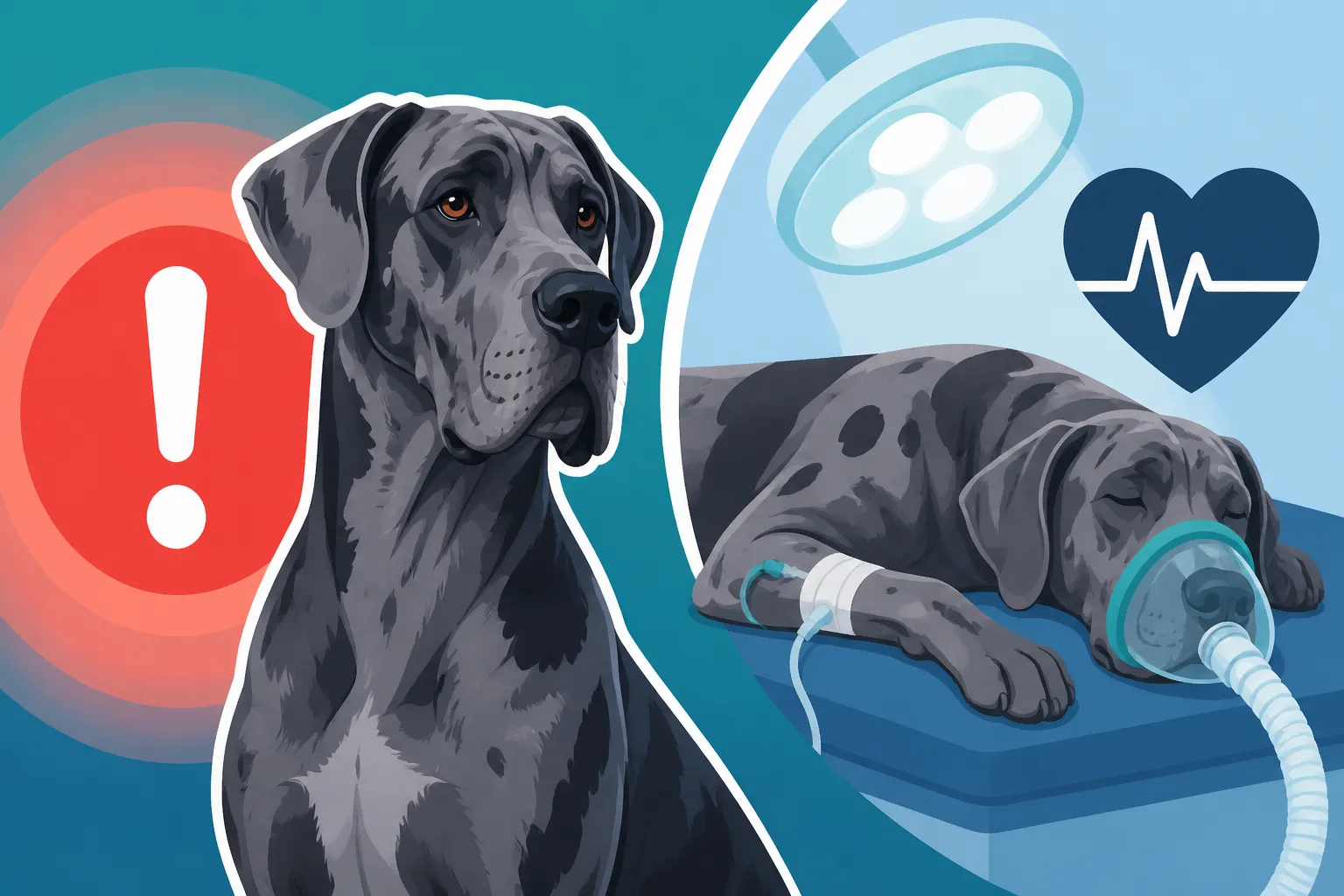
It’s a truly terrifying moment when your beloved Great Dane needs surgery or even a simple diagnostic procedure requiring sedation. The sheer size of these magnificent dogs makes everything feel more complicated, and the thought of them going under anesthesia can send shivers down any owner's spine. You're not alone in feeling this way; the unique physiology of our giant companions does mean there are specific considerations. This comprehensive guide is here to walk you through the anesthesia risks specific to Great Danes and empower you with the knowledge to work alongside your vet for the safest possible experience.
Why Great Danes Have Unique Anesthesia Concerns
Bringing a Great Dane into the family is an experience unlike any other. Their enormous size and gentle nature make them living legends, but this same grandeur presents unique challenges when it comes to medical procedures, especially those involving anesthesia. It’s not just about scaling up drug doses; their physiology differs in ways that demand extra vigilance from your veterinary team.
Their Sheer Size and Weight
When we talk about Great Danes, we’re talking about a dog that can easily weigh over 100 pounds, sometimes significantly more. This isn't just a number on a scale; it impacts everything about anesthesia. Larger dogs often have a slower metabolic rate, which means anesthetic drugs might take longer to process and clear from their system. This necessitates careful dosage calculation and monitoring to prevent over-sedation or prolonged recovery times. Imagine trying to move or position a groggy 150-pound dog without assistance – it’s a physical challenge for the veterinary staff, too. Positioning for surgery needs to be meticulous to prevent nerve damage or pressure sores, especially in a dog with such large bones and muscle mass.
Furthermore, drug distribution in such a large body can be different. Anesthetic medications need to travel through a vast circulatory system, and the volume of blood and tissue affects how quickly and evenly they reach their targets. This means vets often use a combination of drugs and carefully titrate doses to achieve the desired effect without compromising vital functions. It’s a delicate balance that requires a deep understanding of large breed pharmacology.
Cardiovascular System Peculiarities
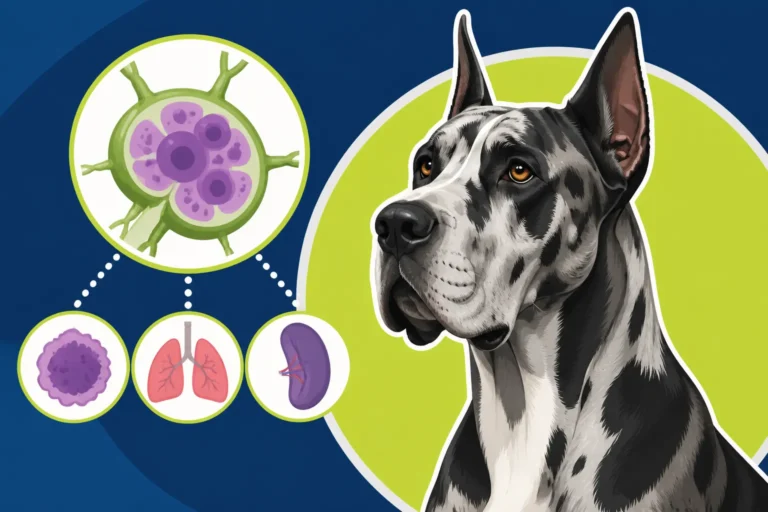
Great Danes are, unfortunately, predisposed to certain heart conditions, most notably dilated cardiomyopathy (DCM). This is a heartbreaking reality for many owners, and it makes any anesthetic event a much more serious undertaking. The Heart Muscle Disease Great Danes Are Prone To is a critical concern here. Even if your Dane hasn't been diagnosed with DCM, it's wise to consider their predisposition. Anesthetics can suppress cardiovascular function, affecting heart rate, blood pressure, and cardiac output. For a heart that's already compromised or has a genetic predisposition, this can pose a significant risk.
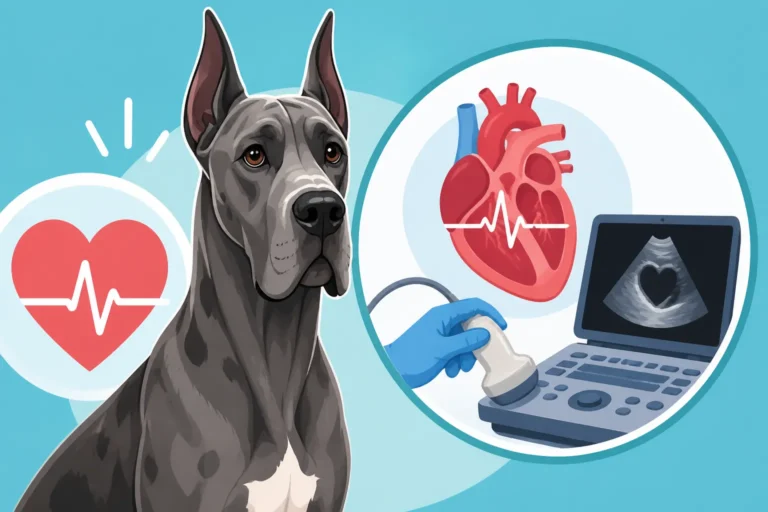
This means a thorough cardiac workup is non-negotiable before anesthesia, especially as they get older. An electrocardiogram (ECG) and an echocardiogram (ultrasound of the heart) are often recommended to assess heart function. Vets look for any arrhythmias, murmurs, or signs of weakening heart muscle. A healthy heart is vital for safely circulating anesthetic drugs and maintaining stable blood pressure throughout the procedure.
Deep Chest and Respiratory Considerations
The Great Dane's imposing, deep chest, while majestic, also presents a unique set of respiratory challenges under anesthesia. Their large lung capacity can sometimes make it harder for anesthesiologists to accurately gauge the depth of anesthesia based on breathing patterns alone, requiring more advanced monitoring. More critically, their deep chests are strongly linked to bloat, or gastric dilatation-volvulus (GDV), a life-threatening condition where the stomach twists. Even without a twist, the large stomach can press on the diaphragm, potentially affecting lung expansion.
While under anesthesia, all dogs have a reduced respiratory drive, but in deep-chested breeds, this can be even more pronounced. This increases the risk of hypoventilation (inadequate breathing) and oxygen deprivation if not managed carefully. Intubation (inserting a breathing tube into the windpipe) is standard practice for anesthesia, allowing precise control over oxygen and anesthetic gases. However, even the process of intubation itself needs to be handled with care in a large dog, ensuring the tube is the correct size and depth.
Common Procedures Requiring Anesthesia in Great Danes
From routine surgeries to unexpected emergencies, there are many reasons a Great Dane might need to go under general anesthesia. Understanding these common scenarios can help you prepare and advocate for your dog's best care.
Spays, Neuters, and Prophylactic Gastropexies
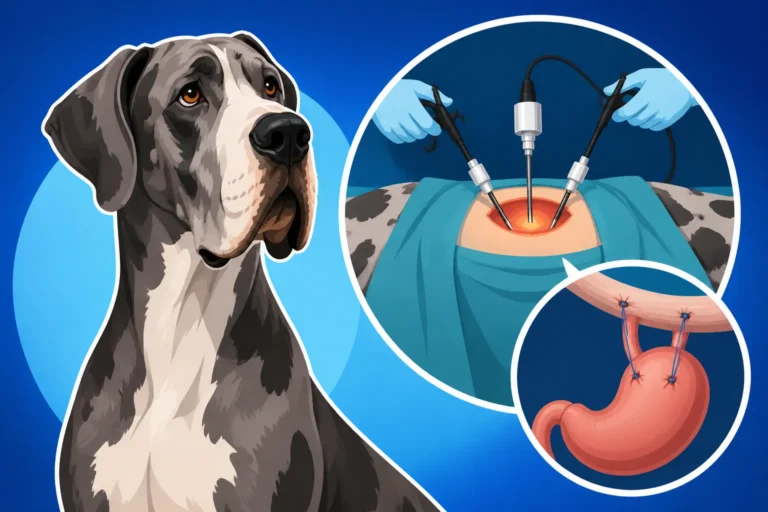
For many Great Dane owners, their first experience with anesthesia will be for a spay or neuter. While these are considered routine procedures, they are significant for giant breeds. What often goes hand-in-hand with these surgeries for Danes is a prophylactic gastropexy, a procedure where the stomach is surgically attached to the abdominal wall to prevent future bloat. Stomach Tacking Surgery for a Great Dane is widely recommended for these dogs given The Lifetime Bloat Risk in a Great Dane. This combined surgery means a longer time under anesthesia compared to a standard spay or neuter alone.
Because of this extended anesthetic time, careful monitoring of vital signs is even more crucial. The veterinary team will need to ensure your Dane remains stable, with good blood pressure and oxygenation, throughout both procedures. Many owners choose to perform the gastropexy when their Dane is young, often at the same time as their spay or neuter, to mitigate the risk of bloat early in life. This proactive approach can potentially save lives down the line, but it does mean a slightly more complex initial anesthetic event.
Orthopedic Surgeries and Dental Procedures
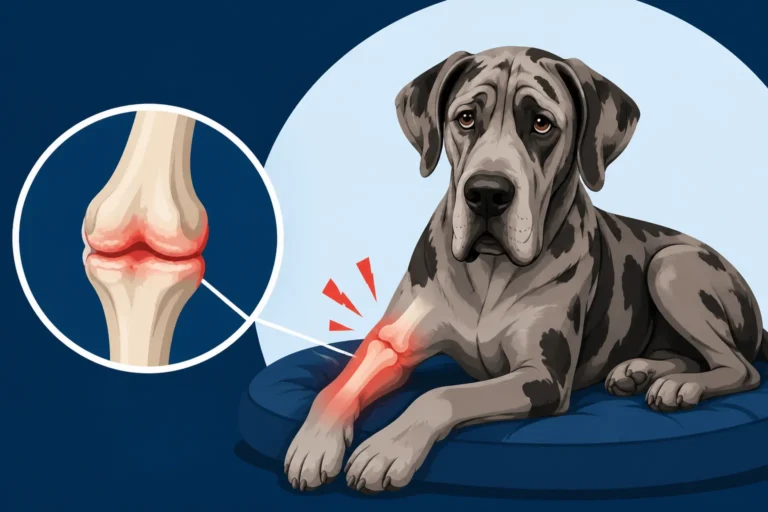
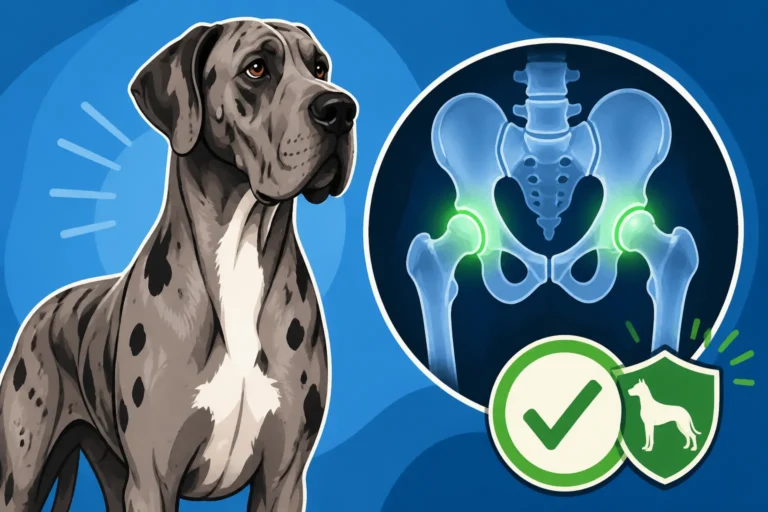
As large, fast-growing dogs, Great Danes are susceptible to a range of orthopedic issues. Conditions like osteochondritis dissecans (OCD) in their shoulders or elbows, hip and elbow dysplasia, or even cruciate ligament tears, can all necessitate significant orthopedic surgery. Great Dane Hips, Elbows and Growing Joints are under immense strain during their growth phase and throughout their lives. These surgeries can be lengthy and invasive, requiring deep and prolonged anesthesia. The recovery period also often involves significant pain management, and the anesthetic protocol will be tailored to facilitate a smooth, comfortable emergence.
Dental cleanings, while seemingly minor, also require full anesthesia. Tartar buildup, gum disease, and fractured teeth are common in all dog breeds, and Danes are no exception. Given their large mouths, a full dental scaling and polishing can take time, and extractions can add to the duration. The risk with dental procedures often lies in the proximity to the airway and the potential for aspiration if fluid or debris enters the lungs. Proper intubation and airway protection are paramount, as is vigilant monitoring of the heart, especially for older Danes who might have underlying cardiac issues.
Diagnostic Imaging and Minor Sedation Needs
Sometimes, even "minor" procedures or diagnostics call for sedation or light anesthesia. X-rays of a potentially injured joint, especially when your Dane is in pain, often require sedation to get clear, still images. Advanced imaging like an MRI or CT scan, particularly for conditions like The Neck Condition That Trips a Great Dane Up (Wobbler Syndrome), demands complete stillness and therefore full general anesthesia. These scans can last a considerable amount of time, and while they aren't surgical, the anesthetic management needs to be just as precise.
Similarly, even routine procedures like ear cleaning for a nervous Dane, or nail trims for a dog that won't cooperate, might require light sedation. While less profound than surgical anesthesia, sedation still carries risks, especially for a giant breed. The veterinary team must carefully choose drugs that provide adequate tranquility without unduly suppressing respiratory or cardiovascular function. It's a testament to the skill of modern veterinary medicine that such a wide array of options exist to keep our Danes safe and comfortable through these necessary interventions.
Pre-Anesthetic Screening and Preparation: Your First Line of Defense
Preparing your Great Dane for anesthesia isn't just about scheduling the appointment; it’s a proactive partnership with your veterinary team. The steps taken before the anesthetic even begins are arguably the most critical for ensuring a safe outcome. This is where comprehensive screening and transparent communication come into play.
Comprehensive Blood Work and Urinalysis
Before any anesthetic event, comprehensive blood work is absolutely essential for a Great Dane. This isn't just a basic check; it’s a deep dive into how their internal organs are functioning. A complete blood count (CBC) can reveal anemia, inflammation, or infection, all of which can increase anesthetic risk. A chemistry panel provides crucial insights into kidney and liver function, which are the primary organs responsible for metabolizing and eliminating anesthetic drugs from the body. If these organs aren't working optimally, drugs can linger longer, leading to a more prolonged and potentially complicated recovery.
A urinalysis complements the blood work by giving a detailed look at kidney function and can detect urinary tract infections that might not be obvious. Pre-Surgery Bloodwork on a Great Dane is non-negotiable for a good reason. By identifying any underlying issues beforehand, your vet can adjust the anesthetic protocol, choose different medications, or even postpone the procedure if the risks outweigh the benefits. This thorough internal screening provides a vital baseline and allows for informed decisions that prioritize your giant friend's safety.
Cardiac Evaluation: Echos and Holters
Given the Great Dane's propensity for heart conditions, especially DCM, a thorough cardiac evaluation is often recommended before major anesthesia. This isn't just a precaution; it's a necessity that can literally save their life. While a general practitioner might listen for a heart murmur, a more in-depth assessment by a veterinary cardiologist is ideal. This often includes an echocardiogram (echo), which is an ultrasound of the heart that allows the vet to visualize the heart's structure and function, measure chamber sizes, assess valve health, and detect any weakening of the heart muscle. Echo Prices for Screening a Great Dane are an investment in your Dane's long-term health.
In some cases, especially for breeds prone to arrhythmias like Great Danes, a Holter monitor might be recommended. This is a portable ECG device worn for 24 hours or more to detect intermittent arrhythmias that might not be present during a brief clinic exam. Identifying and addressing these cardiac issues before anesthesia allows the veterinary team to choose specific anesthetic drugs that are safer for the heart, or to implement a more intensive monitoring plan. Ignoring potential heart issues is a gamble no Great Dane owner should take.
Understanding Fasting Protocols and Medications
Proper fasting before anesthesia is crucial to prevent regurgitation and aspiration, where stomach contents are inhaled into the lungs, which can lead to life-threatening pneumonia. For large breeds like Great Danes, this protocol is particularly important. Generally, food is withheld for 8-12 hours before the procedure, but water might be allowed until a few hours prior. Your vet will provide specific instructions tailored to your Dane’s age, health, and the type of procedure. It's so tempting to give them that last treat, but resisting is a critical safety measure.
If your Dane is on any regular medications, it's vital to discuss these with your vet well in advance. Some medications, particularly certain heart drugs or anti-inflammatory medications, may need to be adjusted or withheld before anesthesia. Others, like insulin for diabetic dogs, will require a modified schedule on the day of the procedure. Always provide a complete list of all medications and supplements your Dane is taking to ensure the vet has a full picture of their health and can plan accordingly.
Monitoring During Anesthesia: The Vet's Vigilance
Once your Great Dane is under anesthesia, the real work of the veterinary team begins. This isn't just about putting them to sleep; it's about maintaining a delicate balance to keep them safe and stable throughout the entire procedure. Vigilant monitoring is the bedrock of safe anesthesia, especially for our giant companions.
Essential Vital Signs Monitored
During any anesthetic procedure, a dedicated technician or veterinarian continuously monitors several key vital signs. These include heart rate and rhythm, which are assessed using an electrocardiogram (ECG) to detect any arrhythmias or changes that could indicate cardiac distress. Blood pressure is another critical parameter, often measured repeatedly or continuously, to ensure adequate perfusion of organs. Too low a blood pressure can lead to organ damage, while too high can put a strain on the heart.
Respiratory rate and oxygen saturation (measured with a pulse oximeter) are also closely watched to ensure your Dane is receiving enough oxygen and breathing effectively. Body temperature is routinely monitored, as large dogs can be prone to hypothermia under anesthesia, which slows recovery. Monitoring these vital signs in real-time allows the veterinary team to make immediate adjustments to anesthetic depth, fluid rates, or medication doses, ensuring your Great Dane remains in the safest possible state.
Advanced Monitoring Equipment and Techniques
Modern veterinary hospitals utilize a range of advanced equipment that goes beyond basic vital sign checks, providing a comprehensive picture of your Great Dane's physiological status. Capnography, for example, measures the carbon dioxide levels in exhaled breath, offering crucial insight into ventilation and metabolism. This is especially important for deep-chested breeds where respiratory issues can be subtle. Anesthetic gas monitors ensure that your Dane is receiving the correct concentration of inhalant anesthetic and is not waking up prematurely or going too deep.
In more complex cases, or for high-risk patients, arterial blood gas analysis may be performed, providing even more precise information about oxygenation, ventilation, and acid-base balance. Esophageal stethoscopes might be used to continuously listen to heart and lung sounds. All of these tools work together to create a robust monitoring system, acting as an early warning system for any potential complications. This advanced level of care is a major factor in improving safety outcomes, especially for large and sometimes fragile patients.
Dedicated Anesthesia Technicians
Perhaps one of the most reassuring aspects of modern veterinary care is the presence of dedicated anesthesia technicians. These individuals are highly trained professionals whose sole focus during a procedure is to monitor your Great Dane. They are the eyes and ears of the veterinary team, constantly interpreting data from all the monitoring equipment, assessing your dog’s reflexes, and communicating with the surgeon. Their expertise is invaluable, especially when managing the nuances of anesthesia in a giant breed.
A good anesthesia technician understands the specific risks associated with Great Danes, from their cardiac predispositions to their deep chests. They know how to anticipate potential issues and react swiftly. This continuous, specialized attention significantly reduces risks. When discussing a procedure with your vet, don't hesitate to ask about their anesthetic protocols and who will be monitoring your Great Dane during the surgery. This level of dedicated care provides immense peace of mind.
Post-Anesthetic Recovery and At-Home Care
The journey doesn't end when the surgery is over and the anesthetic gases are turned off. The recovery period, both immediately at the clinic and in the comfort of your home, is just as critical for a Great Dane as the procedure itself. Careful management during this time ensures a smooth transition back to their normal, loving self.
Immediate Post-Op Monitoring at the Clinic
As soon as your Great Dane starts to wake up, they are still under close observation. The immediate post-operative period is when many anesthetic complications can manifest, particularly for large breeds. They'll be kept warm, often with blankets or forced-air warming systems, to counteract any hypothermia from surgery. Vital signs, including temperature, heart rate, blood pressure, and respiratory effort, will continue to be monitored frequently until they are fully awake and stable.
The veterinary staff will be watching for signs of pain, nausea, or disorientation. Great Danes, being large, can be particularly clumsy and disoriented as they emerge from anesthesia, so ensuring they are in a safe, padded recovery area is essential. They might need assistance standing and walking initially, and the team will ensure they can comfortably void their bladder before discharge. This careful transition from unconsciousness to alertness is a crucial step in preventing complications.
Managing Pain and Nausea at Home
Once your Great Dane is home, your role in their recovery becomes paramount. Pain management is key, and your vet will likely send you home with appropriate pain medications. It’s crucial to administer these exactly as prescribed, even if your Dane seems comfortable. Giant breeds often have a high pain tolerance, and you don’t want them to suffer silently. Keep an eye out for signs of pain, which can include limping, whining, loss of appetite, reluctance to move, or restlessness. If they show signs of pain, don't hesitate to contact your vet.
Nausea can also be a common side effect of anesthesia and certain pain medications. Your vet might prescribe anti-nausea medication, or recommend a bland diet for a few days. Offer small, frequent meals of easily digestible food like boiled chicken and rice, or a prescription recovery diet. Ensure they have access to fresh water. Managing these discomforts effectively will aid in a smoother, less stressful recovery. It’s comforting to know that pet insurance, such as Healthy Paws, often helps cover the costs of these necessary post-operative medications and follow-up care.
Recognizing Red Flags During Recovery
While most Great Danes recover without incident, it’s vital for owners to be vigilant and recognize potential red flags. Persistent vomiting or diarrhea, especially if accompanied by lethargy, warrants an immediate call to your vet. Excessive bleeding from the incision site, or swelling that seems abnormal, should also prompt concern. Difficulty breathing, pale gums, severe pain that isn't controlled by medication, or an inability to urinate are all urgent situations requiring immediate veterinary attention.
Because Great Danes are prone to Bloat in a Great Dane and the One in Three Odds, even if they had a gastropexy, you should still be aware of the signs of bloat (distended abdomen, unproductive retching, restlessness), especially in the days following surgery. While a gastropexy significantly reduces the risk of the stomach twisting, it doesn't entirely prevent gas accumulation. Trust your instincts; if something feels off with your giant friend, it’s always better to err on the side of caution and contact your veterinary team. Early intervention can make all the difference.
Discussing Anesthesia Protocols with Your Veterinarian
Empowering yourself with knowledge and asking informed questions is one of the best ways to ensure your Great Dane receives the safest possible anesthetic experience. Don't be afraid to have a detailed conversation with your veterinary team about their protocols and your concerns.
Asking About Anesthetic Drug Choices
It’s perfectly acceptable, and even encouraged, to ask your veterinarian about the specific anesthetic drugs they plan to use for your Great Dane. Different drugs have different profiles, some being more taxing on the heart, others on the liver or kidneys. Your vet will choose a protocol tailored to your Dane's individual health status, age, and the type of procedure. For instance, drugs that maintain good cardiovascular stability might be prioritized for a Dane with known cardiac concerns.
Don't be shy about asking about pre-medications (sedatives and pain relievers given before the main anesthetic), induction agents (to put them to sleep), and maintenance drugs (to keep them asleep). Understanding these choices can help you feel more comfortable and confident in the plan. While you won't become an expert, knowing that your vet has carefully considered these options for your giant breed offers peace of mind.
The Importance of a Detailed Anesthesia Plan
A comprehensive anesthesia plan should be discussed with you before the procedure. This plan should encompass the results of all pre-anesthetic screenings, the chosen drug protocol, the monitoring equipment that will be used, and the pain management strategy. It should also include a contingency plan for potential complications. For a Great Dane, factors like managing their large size during transport and positioning, as well as maintaining body temperature, should be part of the discussion.
This detailed plan ensures that everyone involved in your Dane's care is on the same page. It also gives you the opportunity to voice any specific concerns you might have. For example, if your Great Dane has a history of sensitivity to certain medications, this is the time to bring it up. A good veterinary team will appreciate your engagement and ensure all your questions are answered. This level of transparency fosters trust and contributes to the best possible outcome for your precious companion.
Emergency Preparedness and Cost Considerations
While we all hope for the smoothest possible procedure, it's wise to discuss emergency preparedness with your vet. Ask about their protocol for handling anesthetic complications, such as a sudden drop in blood pressure or an arrhythmia. Understanding what resources they have on hand – like emergency medications, defibrillators, or in-house specialists – can provide reassurance. For a Great Dane, where every medical bill is generally higher because of their size, discussing potential emergency costs is also a realistic and important conversation. Why Anesthesia Costs More for a Great Dane is a legitimate concern.
Having pet insurance, like a plan from Healthy Paws, can be incredibly helpful in these situations, potentially covering a significant portion of unexpected emergency care or extended hospital stays. Knowing what to expect financially, and having a plan for it, reduces stress during an already anxious time. Open communication with your vet about both the medical and financial aspects of anesthesia ensures you're fully prepared for every eventuality.
Anesthesia Monitoring Checklist
To give you a clearer idea of the level of care involved, here's a checklist of key parameters often monitored during Great Dane anesthesia:
| Monitoring Parameter | Why It's Monitored | What It Tells the Vet |
|---|---|---|
| Heart Rate & Rhythm (ECG) | Detects cardiac activity, arrhythmias. | Anesthetic depth, cardiac stability, potential for DCM. |
| Blood Pressure | Ensures adequate blood flow to vital organs. | Perfusion status, risk of organ damage, anesthetic depth. |
| Oxygen Saturation (Pulse Oximetry) | Measures oxygen levels in the blood. | How well lungs are delivering oxygen, risk of hypoxia. |
| End-Tidal CO2 (Capnography) | Measures exhaled carbon dioxide. | Ventilation efficiency, metabolic rate, proper intubation. |
| Body Temperature | Prevents hypothermia. | Risk of prolonged recovery, metabolic efficiency. |
| Respiratory Rate & Effort | Visual assessment of breathing. | Anesthetic depth, potential for respiratory depression. |
| Reflexes (e.g., eye blink, jaw tone) | Indicates depth of anesthesia. | Whether the patient is too light or too deep. |
| Fluid Administration Rate | Maintains hydration and blood pressure. | Prevents dehydration, supports cardiovascular system. |
Disclaimer
The information provided in this article is for general informational purposes only and is not a substitute for professional veterinary advice, diagnosis, or treatment. Always seek the advice of your veterinarian or other qualified health provider with any questions you may have regarding a medical condition or treatment for your Great Dane. Never disregard professional veterinary advice or delay in seeking it because of something you have read here.