How Often One in Three Great Danes Bloats
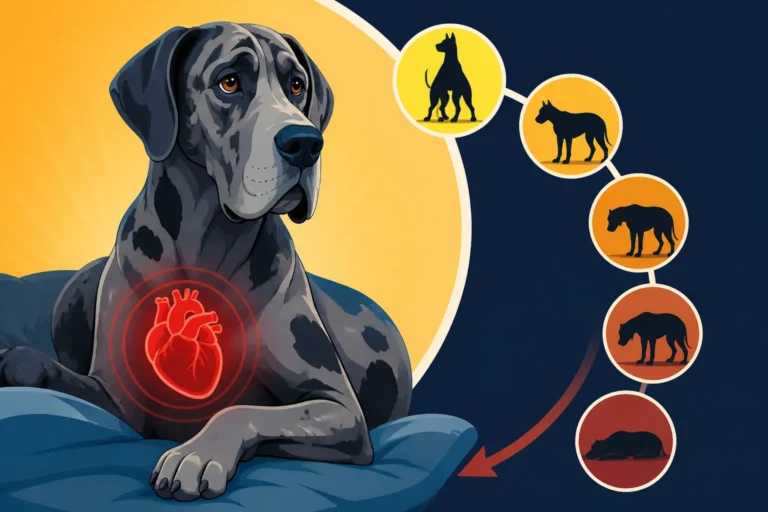
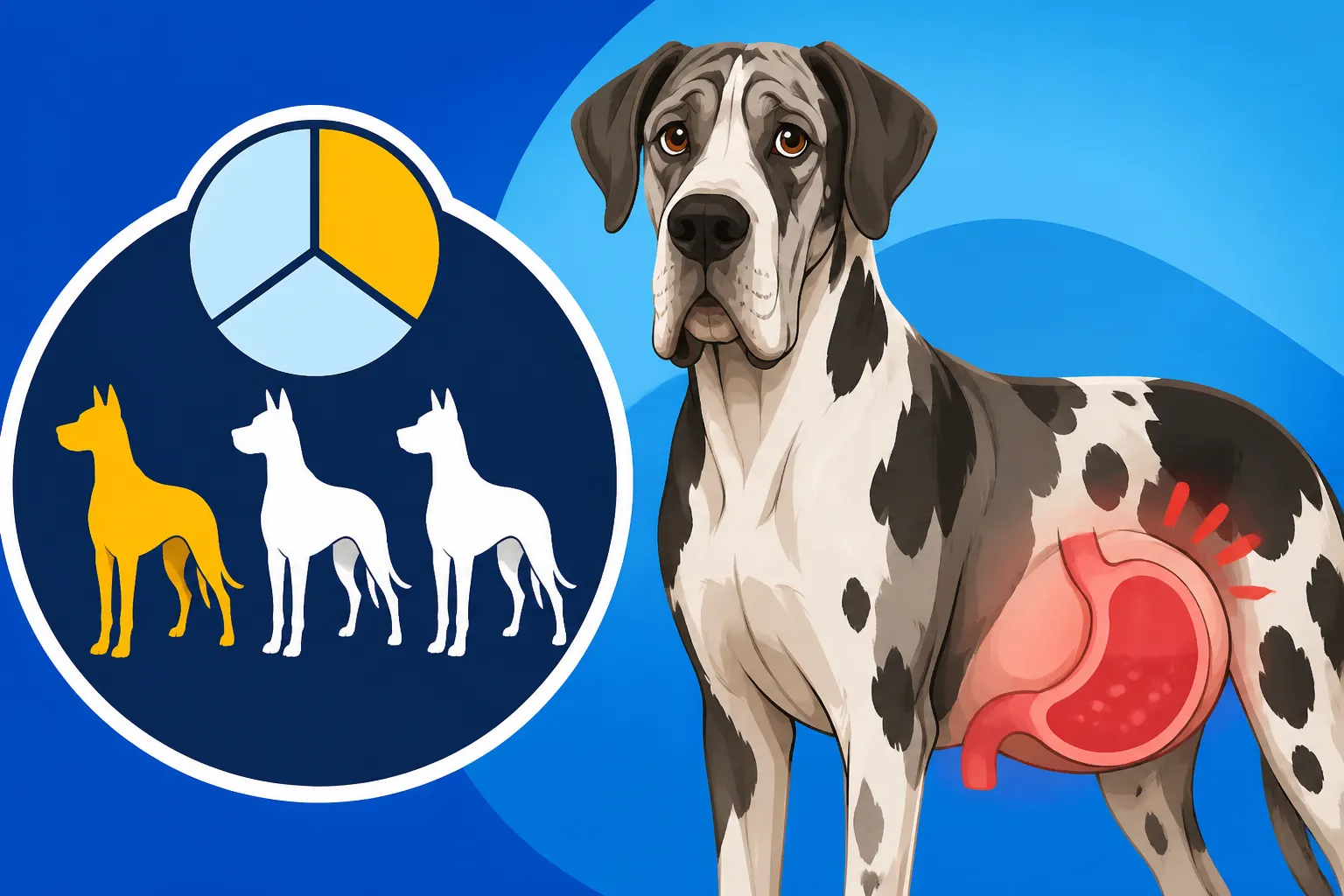
It’s a terrifying statistic that haunts every Great Dane owner: the thought that one in three of our beloved giants could face Gastric Dilatation-Volvulus (GDV), more commonly known as bloat. This isn't just an upset tummy; it's a life-threatening emergency where the stomach fills with gas and can twist, cutting off blood supply. Navigating this risk can feel overwhelming, but understanding the "how often" and "why" is the first step in protecting your gentle giant. This guide will walk you through what that statistic really means, the signs to watch for, and how to proactively manage this daunting threat.
Understanding the Alarming Statistic: One in Three Great Danes and Bloat
When you hear that "one in three" Great Danes will bloat in their lifetime, it’s not just a casual figure; it's a stark reality that underscores the unique vulnerability of this magnificent breed. For us Dane owners, it means living with a constant, nagging worry in the back of our minds, knowing that this silent killer can strike without much warning.
What "One in Three" Truly Means for Your Dane
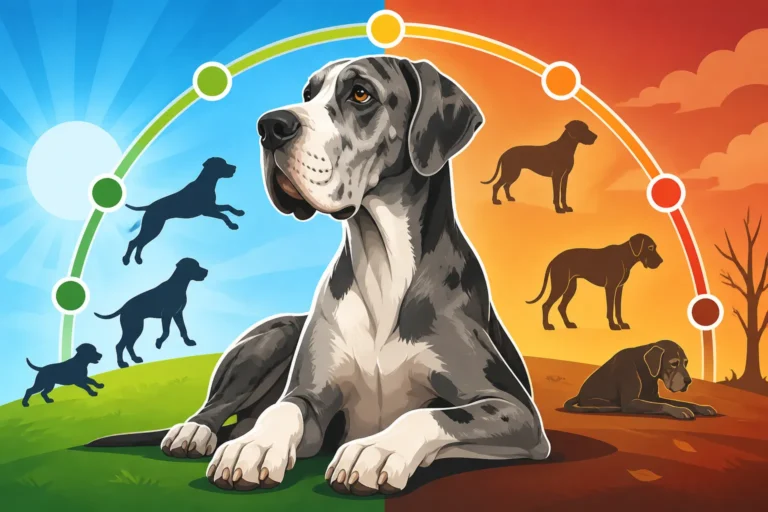
This statistic highlights the incredibly high lifetime risk associated with Gastric Dilatation-Volvulus (GDV) in Great Danes. It means that if you own three Great Danes over your lifetime, statistically, one of them is likely to experience this emergency. This isn't about specific individual incidents but rather the overall prevalence across the breed. It paints a sobering picture of why bloat is such a dominant concern, far more so than in many other breeds. The insidious nature of bloat is that it can happen at any age, though it typically becomes more common as dogs get older, usually between two and seven years of age, but puppies are not immune. It’s a constant threat that demands vigilance from the moment you bring your Dane home. The knowledge that the odds are stacked against us, even with the best care, can be a heavy burden. For more depth, consider reading about The Lifetime Bloat Risk in a Great Dane.
The Anatomy Behind the Danger
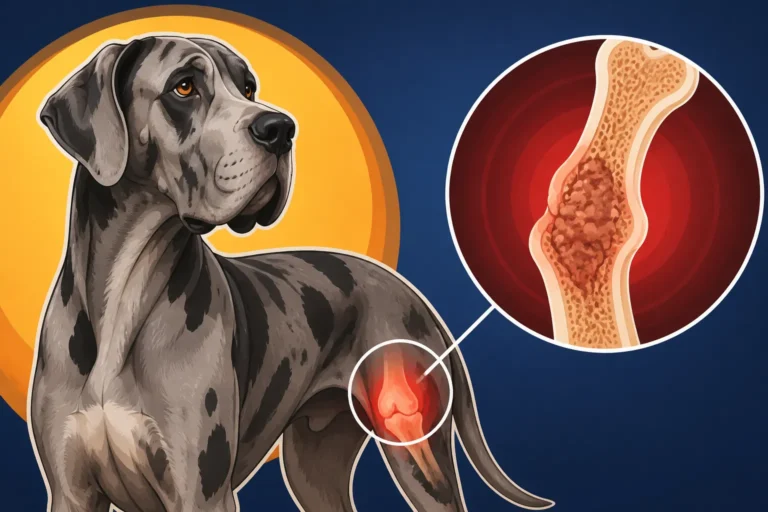
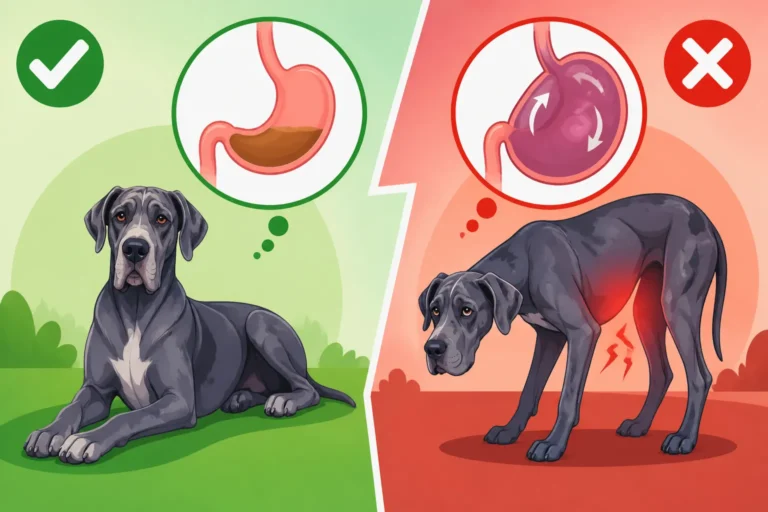
So, why Great Danes? Why are they disproportionately affected compared to other breeds? The answer lies largely in their unique physiology, particularly their deep, narrow chest and abdominal structure. Unlike breeds with more compact torsos, the Great Dane's chest provides a lot of "empty" space, allowing its stomach to move and swing more freely. When the stomach fills with gas—whether from eating too fast, drinking too much water, or even just swallowing air—it can distend rapidly. This distension, combined with the loose ligaments that hold the stomach in place, creates a perfect storm for the organ to physically twist, or "volvulus." This twisting cuts off blood flow to the stomach and often the spleen, leading to shock and rapid cell death. It’s a mechanical issue, an unfortunate design flaw, if you will, that makes our Danes so susceptible.
Beyond the Numbers: Individual Risk Factors
While the breed’s anatomy is a primary culprit, individual Great Danes can have additional risk factors that increase their chances even further. Genetics play a significant role; if a Dane’s close relatives—parents, siblings—have bloated, their own risk is elevated. Anecdotal evidence suggests that personality traits might also contribute, with anxious or stressed dogs potentially being more prone to bloat. Other factors include eating only one large meal a day, rapid eating, consuming dry food with specific ingredients like citric acid, or exercising vigorously around meal times. Age also plays a part, with older Danes facing a higher risk. Understanding these nuanced factors helps us move beyond just the "one in three" statistic to identify and address specific vulnerabilities in our own dogs. It’s not just random chance; there are often compounding elements at play.
Recognizing the Early Warning Signs of Bloat (GDV)
The challenge with bloat is its rapid progression. What starts as something seemingly minor can quickly escalate into a full-blown crisis. Being able to spot the subtle early signs is paramount, as early intervention can dramatically improve your Great Dane’s prognosis.
Subtle Cues Before the Crisis
Before the dramatic swelling and obvious distress, a Great Dane experiencing bloat often exhibits more subtle, easily missed behaviors. You might notice your Dane seems restless, pacing back and forth, unable to settle. They might look at their belly, stretch, or try to find a comfortable position. One of the most critical early signs is unsuccessful attempts to vomit, often described as retching or dry heaving. It looks like they're trying to throw up, but nothing comes out, or only foamy saliva is produced. They might also appear uncomfortable, pant excessively, or begin drooling more than usual. Sometimes, there's just an inexplicable change in their demeanor – a usually calm dog might seem agitated, or a playful dog might withdraw. Never dismiss these nuanced changes in behavior, especially if they occur an hour or two after a meal or vigorous activity. These subtle cues are your dog's way of telling you something is very wrong, long before the visible signs become impossible to ignore. For a deeper dive into these indicators, check out The Signs of a Great Dane Stomach Twisting.
The Rapid Progression to Emergency
Once the stomach twists, the situation deteriorates alarmingly fast. The distention of the abdomen becomes visibly obvious, often feeling hard and drum-like to the touch. This swelling might be more pronounced on one side than the other. Your Great Dane will likely show signs of extreme pain, grunting, groaning, or crying out when touched around the belly. Their gums may become pale or blue-tinged as they go into shock, and their heart rate will often increase. Weakness, collapse, and difficulty breathing are also common as the distended stomach presses on the diaphragm and major blood vessels. At this stage, your dog is in a critical condition, and every minute counts. This rapid progression is why bloat is such a terrifying emergency for Great Dane owners; you have a very narrow window to seek life-saving veterinary care.
Immediate Action and Veterinary Intervention
When bloat strikes, there is no time for "wait and see." This is a true veterinary emergency that requires immediate and decisive action. Your swift response is the single most important factor in your Great Dane's survival.
The Critical Race Against Time
The moment you suspect bloat, time becomes your enemy. You need to act immediately, without hesitation. Don't waste time calling your regular vet if it's after hours or if they aren't equipped for emergency surgery. Instead, know the location and phone number of the nearest 24-hour emergency veterinary hospital before an emergency happens. Call them on the way to let them know you’re coming with a suspected bloat case so they can prepare. Remember, your Great Dane cannot tell you how much pain they're in or how quickly things are worsening. They are relying solely on you to recognize the signs and get them help. Driving a bloating Great Dane to the emergency vet can be incredibly stressful, but it's a necessary race against the clock. The sooner your Dane receives medical attention, the higher their chances of survival. Knowing What to Do the Minute a Great Dane Bloats is critical.
What to Expect at the Clinic
Upon arrival at the emergency clinic, the veterinary team will immediately assess your Great Dane. They will likely start by taking X-rays to confirm GDV and determine if the stomach has twisted. This distinction is crucial: simple bloat (gas without twisting) can often be resolved less invasively, but a twisted stomach requires immediate surgery. They will also stabilize your dog by addressing shock with intravenous fluids, pain medication, and potentially decompressing the stomach by passing a tube or using a large needle (trocarization) to relieve gas pressure. This initial stabilization is vital before surgery can even be considered. The team will perform blood work to check organ function and overall health status. This chaotic, fast-paced environment is designed to save your dog’s life, and the vet staff will work quickly and efficiently.
Surgical Intervention: The Gastropexy
If GDV is confirmed, surgery is the only definitive treatment. During the operation, the veterinary surgeons will carefully de-rotate the stomach, remove any damaged tissue, and then perform a gastropexy. What Surgeons Do to a Twisted Great Dane Stomach is a complex procedure. A gastropexy involves permanently attaching a portion of the stomach wall to the abdominal wall. This crucial step prevents the stomach from twisting again in the future, although it does not prevent it from dilating (filling with gas). It significantly reduces the risk of recurrent GDV, which is why it's also often performed as a preventative measure in at-risk Great Danes. Many owners opt for a prophylactic gastropexy, often during spay or neuter surgery, to prevent the devastating effects of future twists. Understanding Whether Tacking a Great Dane Stomach Pays Off can help you make informed decisions.
Proactive Strategies to Mitigate Bloat Risk
While we can’t eliminate the risk entirely for Great Danes, there are concrete steps we can take to significantly reduce the likelihood of bloat. Proactive management is key, focusing on diet, environment, and potentially preventive surgery.
Dietary and Feeding Adjustments
The way you feed your Great Dane can make a substantial difference in their bloat risk. Instead of one large meal, which can cause excessive gas buildup, veterinarians often recommend feeding two or three smaller meals throughout the day. This reduces the amount of food and gas in the stomach at any one time. Slow feeder bowls are also incredibly beneficial for Great Danes who tend to gulp down their food, as they force the dog to eat more slowly and swallow less air.
Regarding raised bowls, the long-standing advice used to be that they were helpful. However, some studies have actually indicated a higher risk of bloat in large and giant breeds fed from raised bowls. It’s a contentious topic, and current recommendations often lean towards feeding on the floor unless there's a specific medical reason for elevation, such as arthritis in the neck. Always check with your vet for the most current advice specific to your dog.
Equally important is managing activity around meal times. Avoid strenuous exercise, running, or rough play for at least an hour before and two hours after your Dane eats. This allows their stomach to digest food without excessive movement that could lead to a twist. Even something as simple as allowing free access to water throughout the day, rather than large gulps at specific times, can help. Look into Meal Habits That Cut a Great Dane's Twist Risk for more guidance.
Stress Reduction and Environmental Management
Believe it or not, stress and anxiety can play a role in bloat incidence. A Great Dane experiencing chronic stress may be more prone to gastrointestinal issues, including bloat. Creating a calm, predictable environment for your dog is crucial. This means providing a consistent routine, a quiet space for eating away from other pets or household commotion, and regular, gentle exercise. If your Dane is particularly anxious, consider working with a professional dog trainer or veterinary behaviorist to develop strategies for stress reduction. Things like sudden changes in routine, loud noises, or separation anxiety can all contribute to an elevated stress response. If you suspect your Dane is prone to stress, understanding Whether Stress Sets Off a Great Dane Bloat is vital. Ensuring they feel secure and relaxed, especially around meal times, can be another layer of protection.
The Role of Preventative Surgery
Given the "one in three" statistic and the life-threatening nature of GDV, many Great Dane owners opt for a prophylactic gastropexy. This elective surgery, which can often be performed laparoscopically, involves permanently attaching the stomach to the abdominal wall before an emergency occurs. While it doesn't prevent the stomach from gassing up (dilating), it effectively prevents the deadly twisting (volvulus). This means that if your Dane does bloat, it will be a less critical, non-surgical emergency that can often be managed by your regular vet.
A prophylactic gastropexy significantly reduces the lifetime risk of GDV. Many vets recommend performing it when a Great Dane is already under anesthesia for another procedure, such as spaying or neutering. This reduces the overall cost and stress for your dog. While it involves surgery, the peace of mind it offers, knowing you’ve drastically lowered the risk of the most lethal aspect of bloat, is invaluable for many owners. Discussing options like Laparoscopic Gastropexy on a Great Dane or Adding a Gastropexy to a Great Dane Spay with your veterinarian is highly recommended. Pet insurance providers like Healthy Paws are increasingly recognizing the importance of such preventative measures, and it's worth exploring how policies might cover or consider these proactive steps.
Comparative Table: Bloat Symptoms vs. General Stomach Upset
It can be difficult to distinguish bloat from other less severe stomach issues. This table provides a quick comparison to help you understand the key differences.
| Symptom | Bloat (GDV) | General Stomach Upset (e.g., indigestion) |
|---|---|---|
| Pacing/Restlessness | Often intense, agitated, unable to lie down | Mild, might just be uncomfortable |
| Vomiting Attempts | Frequent, unproductive retching/dry heaving | Usually productive, actual vomit or bile |
| Abdominal Swelling | Rapid, firm, drum-like distension (can be subtle early on) | Mild, general tenderness, rarely rapidly distended |
| Pain Level | Severe, signs of acute distress | Mild to moderate, whining, reluctance to move |
| Drooling | Excessive, often foamy | Mild, if any |
| Gums | Pale, gray, or blue-tinged (sign of shock) | Normal pink, or slightly red if dehydrated |
| Breathing | Rapid, shallow, labored | Normal or slightly increased with discomfort |
| Collapse | Possible, especially in advanced stages | Unlikely, unless severe underlying illness |
| Urgency | Extreme emergency – minutes count | Can often wait for a regular vet visit, monitor at home |
Remember, when in doubt, always treat it as an emergency. It's far better to make an unnecessary trip to the vet than to delay critical care for bloat. Many pet owners find peace of mind by having a robust pet insurance plan, and companies like Healthy Paws can be invaluable when facing unexpected emergency vet bills for conditions like bloat.
Disclaimer
The information provided in this article is for educational and informational purposes only and does not constitute veterinary advice. Always consult with a qualified veterinarian for any health concerns or before making any decisions about your Great Dane's health and treatment. Bloat is a medical emergency; if you suspect your Great Dane is bloating, seek immediate veterinary attention.