Whether Great Dane Lifespan Has Improved
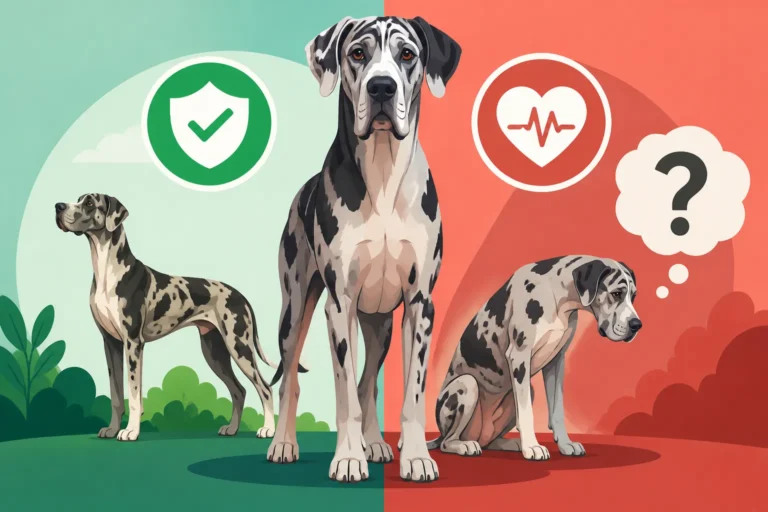
Many of us who love Great Danes grapple with the heartbreaking reality of their typically shorter lifespans. It’s a constant worry, this idea that our gentle giants might leave us too soon. You might wonder if, with all the advancements in veterinary medicine, nutrition, and breeding practices, this fundamental truth about Great Dane longevity has actually changed for the better over the years. This guide will explore the current reality of Great Dane lifespans, what factors influence them, and what owners can realistically do to support their beloved companions for as long as possible.
The Enduring Challenge of Great Dane Longevity
It’s no secret that Great Danes, like many giant breeds, are not known for their exceptional longevity. The statistics often paint a stark picture, and it’s a difficult truth for anyone who welcomes one of these magnificent dogs into their home. Despite our deepest hopes and the incredible love we shower upon them, their time with us is often tragically brief compared to smaller canine companions. This isn't just an abstract number; it's a palpable sadness many Dane owners know all too well.
The Persistent "Seven to Ten Years" Reality
For decades, the common understanding has been that the average Great Dane lives between seven and ten years. This isn't merely an old wives' tale; it's a statistic unfortunately borne out by a significant amount of research and real-world experience. While there are always outliers, those incredible Danes who defy the odds and reach twelve or even thirteen years, they remain just that—outliers. The majority of Great Danes will fall within this often-too-short window. For those of us who have shared our lives with these incredible dogs, those years fly by far too quickly, leaving us longing for more time. It often feels like just as they finish their boisterous puppyhood and settle into a calm, wise adulthood, their health begins to decline.
The immense size of a Great Dane plays a significant role in this accelerated aging process. Their bodies grow at an incredibly rapid rate, and their organs are under constant strain to support such a large mass. This rapid growth and immense scale contribute to a range of health issues that can manifest earlier and more aggressively than in smaller breeds. The sheer mechanics of their large bodies mean wear and tear on joints, hearts, and other vital systems begin much sooner. When you factor in the genetic predispositions they carry, it becomes clear why their lifespan is often limited.
How Dane Lifespan Compares to Other Breeds
To truly appreciate the Great Dane’s lifespan, it helps to put it into perspective alongside other breeds. Generally speaking, there's an inverse relationship between a dog's size and its longevity: smaller dogs tend to live longer than larger dogs. A Chihuahua might easily live to be 15-20 years old, while a standard Poodle could reach 12-15. Even many medium-sized breeds often see lifespans stretching well into their teens. The Great Dane, however, finds itself on the lower end of the spectrum among its canine counterparts.
Compare this to other giant breeds, and the picture becomes a bit clearer, though still challenging. Breeds like the Irish Wolfhound also have famously short lifespans, often in the 6-8 year range. Other large breeds like Bernese Mountain Dogs typically live 7-8 years. While Great Danes might edge out some of the very shortest-lived giant breeds, they are still firmly in the category of dogs with significantly reduced lifespans compared to the average canine. This disparity highlights the unique physiological demands placed on these magnificent animals and the specific health challenges they face.
Here’s a quick overview of typical average lifespans by dog size, illustrating where Great Danes generally fit:
| Dog Size Category | Examples of Breeds | Average Lifespan Range |
|---|---|---|
| Small | Chihuahua, Dachshund | 12 – 20 years |
| Medium | Beagle, Bulldog | 10 – 14 years |
| Large | Labrador Retriever, German Shepherd | 9 – 13 years |
| Giant | Great Dane, Irish Wolfhound, Mastiff | 6 – 10 years |
As you can see, the Great Dane falls squarely within the lower range for giant breeds, underscoring the challenges of their size. It’s a sobering thought for any potential or current owner, but understanding this reality is the first step toward proactive care.
Shifting the Tides: Modern Influences on Longevity
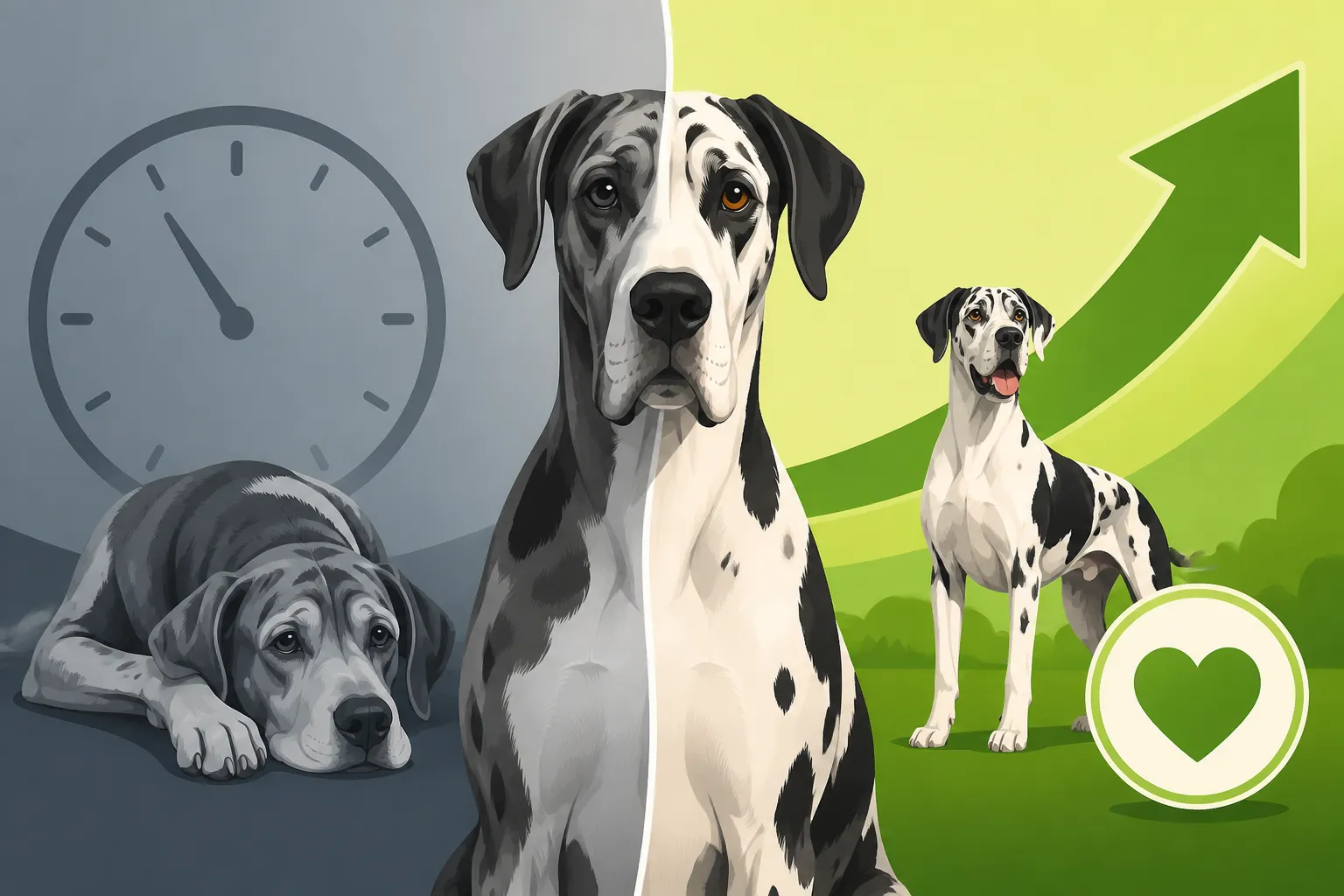
While the Great Dane's genetic predisposition to a shorter lifespan remains a fundamental challenge, it’s not entirely a static situation. Over the years, advancements in breeding practices, veterinary medicine, and owner education have certainly brought about improvements in managing their health and, in some cases, extending their lives. These changes haven't radically altered the core lifespan statistics, but they have made a significant difference in the quality of life for many Danes and potentially pushed the upper end of that "seven to ten years" range for a fortunate few.
The Role of Responsible Breeding and Genetic Screening
One of the most impactful areas for potential lifespan improvement lies in responsible breeding. A conscientious breeder is genuinely concerned with the health and longevity of their lines, actively working to minimize the incidence of inherited diseases that plague the breed. This isn't just about selling puppies; it's about safeguarding the future of the Great Dane. They undertake thorough health testing on their breeding stock for common Great Dane health issues, such as cardiac conditions and hip and elbow dysplasia, before ever considering a litter. Understanding The Health Testing a Great Dane Breeder Owes You is crucial for prospective owners.
For example, Dilated Cardiomyopathy (DCM), a devastating heart condition, is prevalent in Great Danes. Responsible breeders screen their dogs' hearts annually, often with echocardiograms and Holter monitors, to identify affected dogs and remove them from breeding programs. This proactive approach, while not eliminating the risk entirely, significantly reduces the likelihood of passing on these debilitating genes to future generations. Similarly, screening for thyroid issues and certain orthopedic conditions helps ensure that puppies begin life with the best possible genetic foundation. While these efforts may not add years to the average, they certainly improve the chances of a healthier, more robust dog, making those years more comfortable and active.
Veterinary Advances and Proactive Owner Care
Modern veterinary medicine has made incredible strides, and Great Danes benefit immensely from these developments. Diagnostic tools, surgical techniques, and pharmaceutical options are far more sophisticated than they were even a decade or two ago. For instance, the understanding and treatment of Bloat in a Great Dane and the One in Three Odds have vastly improved. Prophylactic gastropexy surgery, which tacks the stomach to the abdominal wall, can dramatically reduce the risk of life-threatening gastric torsion. If a Dane does bloat, emergency surgery is now more refined, with better outcomes if caught quickly.
Furthermore, owners are becoming increasingly proactive and educated about their Danes' specific needs. Regular veterinary check-ups are no longer just for vaccinations; they're opportunities for early detection of subtle health changes. Early Heart Signs in a Great Dane can now be picked up before clinical symptoms become severe, allowing for earlier intervention and management. This proactive approach, combined with advances in medicine, means that conditions that once rapidly led to decline can now be managed more effectively, sometimes for years. Having a comprehensive pet insurance plan, from a provider like Healthy Paws, can be instrumental here, empowering owners to pursue advanced diagnostics and treatments without the added stress of overwhelming financial burden. This allows for a focus on what truly matters: providing the best care for your Dane.
Empowering Owners: Steps for a Healthier, Longer Life
As Great Dane owners, we often feel a heavy weight of responsibility, knowing their potential health challenges. While we can’t entirely rewrite their genetic code or the fundamental realities of giant breed physiology, we can significantly influence their quality of life and, hopefully, contribute to them living at the healthier, longer end of their typical lifespan. It's about being informed, vigilant, and dedicated to their unique needs.
Optimizing Nutrition and Managing Exercise
Proper nutrition for a Great Dane, especially during their critical growth phases, is paramount. Unlike smaller breeds, Great Dane puppies require a diet specifically formulated for large and giant breeds to prevent excessively rapid growth, which can lead to serious skeletal and joint issues. This means controlled calorie intake and carefully balanced calcium and phosphorus levels. Overfeeding or supplementing calcium unnecessarily can do more harm than good, exacerbating potential issues like Great Dane Hips, Elbows and Growing Joints. Once they reach adulthood, Feeding an Adult Great Dane Six to Ten Cups means careful portion control to maintain a lean body condition. Obesity puts immense strain on their joints and cardiovascular system, shortening their comfortable years.
Exercise also needs to be carefully managed. While they are large, Great Danes are not endurance athletes, especially as puppies. Over-exercising a growing Great Dane can lead to irreversible damage to their developing joints. Moderate, consistent exercise is key: daily walks, gentle play, and opportunities for mental stimulation are far better than sporadic, intense bursts of activity. Avoiding high-impact activities during their growth plates are still open is vital. As adults, they still benefit from regular, moderate activity, but always be mindful of their comfort and any signs of lameness. Understanding The Feeding Routine That Lowers Great Dane Bloat Risk is also critical, including avoiding exercise directly before or after meals.
Prioritizing Preventive Care and Early Intervention
Preventive care is your Dane’s best friend. Regular veterinary check-ups, often twice a year for adults, allow your vet to catch subtle changes before they become major problems. This includes everything from routine blood work to keep an eye on organ function, to dental care, which is often overlooked but crucial for overall health. Staying on top of parasite prevention (heartworm, fleas, ticks) is also non-negotiable for a large breed that spends time outdoors. Your vet can provide specific recommendations tailored to your dog’s age, lifestyle, and local risks.
Beyond general health, specific preventive measures for Great Danes can be life-saving. We've already touched on the gastropexy for bloat prevention, but equally important is regular screening for cardiac issues. For breeds prone to heart conditions like Dilated Cardiomyopathy, yearly cardiac screenings, including echocardiograms, can detect disease in its early stages, allowing for medication to begin before symptoms even appear. This proactive approach to conditions like The Heart Muscle Disease Great Danes Are Prone To can significantly extend a Dane's healthy life. Investing in pet insurance, perhaps from a trusted provider like Healthy Paws, can ensure you have the financial backing to afford these preventative screenings and any necessary early interventions without hesitation. It's a safety net that truly allows you to prioritize your dog's health without added stress.
Being observant of your Dane's behavior and physical condition is also a form of preventive care. Changes in appetite, energy levels, gait, or even subtle coughs can be indicators of underlying issues. A Great Dane that coughs at night, for example, might be showing early signs of a cardiac problem. Being diligent about monitoring these changes and communicating them to your vet immediately can make all the difference in a timely diagnosis and successful outcome. For those who are Caring for a Great Dane Past Six, this vigilance becomes even more critical as the risks of age-related diseases increase.
Navigating Specific Great Dane Health Challenges
Even with the best preventive care, Great Danes are prone to certain serious health conditions due to their genetics and sheer size. Understanding these challenges and knowing how to manage them can significantly impact their comfort and longevity. It's not about being alarmist, but about being prepared and informed.
Managing Heart Conditions
Dilated Cardiomyopathy (DCM) is the most common heart disease in Great Danes, where the heart muscle thins and weakens, losing its ability to pump blood efficiently. The cruel irony is that often, by the time clinical signs like coughing, lethargy, or fainting appear, the disease is already quite advanced. This is precisely why early, regular screening with a veterinary cardiologist, including echocardiograms and Holter monitoring, is so vital. Catching DCM early, even before symptoms develop, allows for the initiation of medications that can slow the progression of the disease and improve quality of life. Screening a Great Dane's Heart Each Year is a powerful tool in extending their healthy years.
Once diagnosed, managing DCM typically involves a combination of medications designed to improve heart function, control fluid buildup, and regulate heart rhythm. These medications, dosed for a giant breed, can be quite costly, but they are crucial. Regular follow-up appointments with the cardiologist are also necessary to adjust dosages and monitor the disease's progression. While DCM is ultimately a progressive disease, effective management can provide a good quality of life for a significant period. This is where pet insurance, like a plan from Healthy Paws, can be incredibly beneficial, helping to cover the ongoing costs of these specialized diagnostics and lifelong medications, ensuring your Dane gets the continuous care they need.
Mitigating Bloat Risk
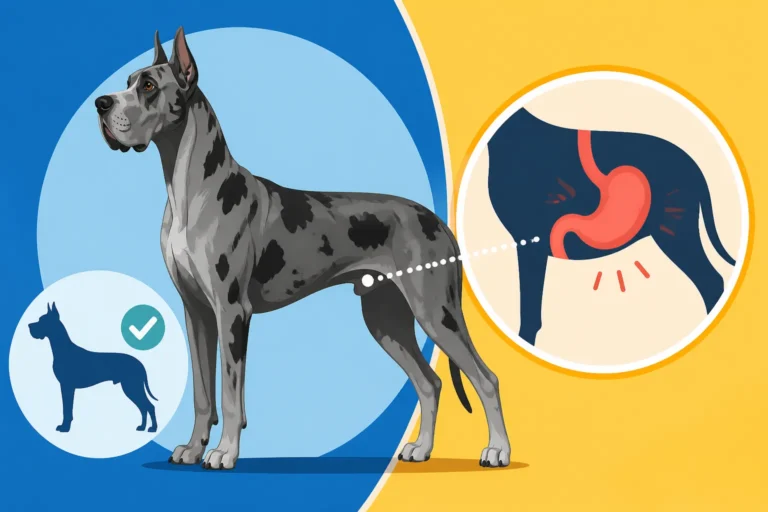
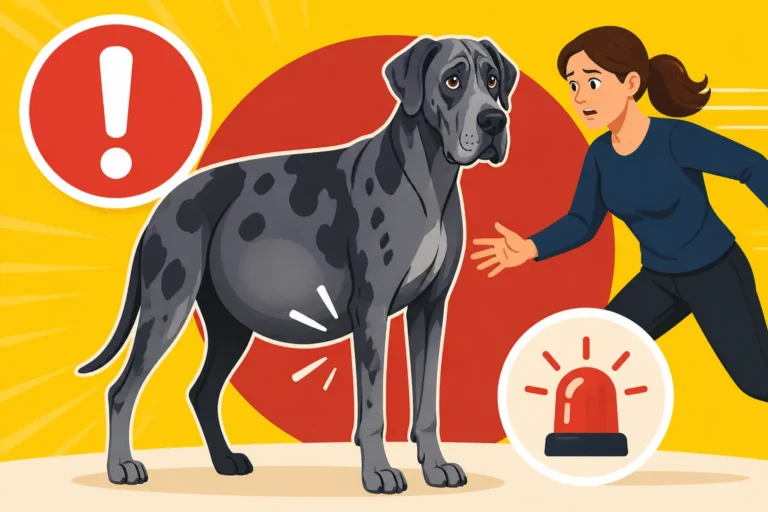
Gastric Dilatation-Volvulus (GDV), commonly known as bloat, is a life-threatening emergency that every Great Dane owner dreads. It occurs when the stomach fills with gas (dilatation) and then twists on its axis (volvulus), cutting off blood supply and trapping gas. The progression from initial symptoms to a critical state can be incredibly rapid. The statistics show The Lifetime Bloat Risk in a Great Dane is remarkably high, making it one of the leading causes of death in the breed. Symptoms include unproductive retching, pacing, drooling, and a distended abdomen. This is not a condition you can wait out; immediate veterinary intervention is critical.
The best defense against bloat is prevention. As mentioned earlier, a prophylactic gastropexy is highly recommended for all Great Danes, ideally performed when they are spayed or neutered, or as a standalone procedure. While it doesn't prevent the stomach from dilating with gas, it does prevent the deadly twisting, giving owners more time to seek veterinary care if bloating occurs. Beyond surgery, certain feeding practices can help: feeding multiple smaller meals rather than one large one, using a slow feeder, avoiding vigorous exercise an hour before and after meals, and minimizing stress around meal times. These steps, combined with surgery, drastically reduce the risk of a fatal bloat episode.
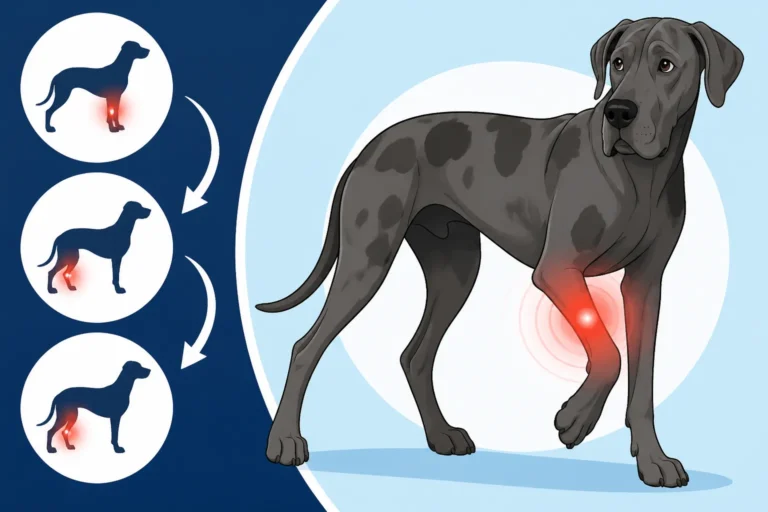
Another serious health concern that can dramatically shorten a Great Dane's life is bone cancer, specifically osteosarcoma. The Age Bone Cancer Hits a Great Dane is typically middle to older age, often presenting as a sudden lameness. While aggressive, treatments like amputation, chemotherapy, and pain management can buy precious time and improve comfort. Early detection through vigilant observation for lameness is crucial.
Ultimately, while the inherent lifespan of a Great Dane remains a significant consideration, responsible ownership, proactive veterinary care, and an understanding of their unique needs can greatly enhance their comfort and potentially extend their time with you. It's a journey of deep love and dedicated care, making every year count.
Disclaimer
The information provided in this article is for general informational purposes only and is not intended as a substitute for professional veterinary advice. Always consult with a qualified veterinarian for any health concerns or before making any decisions related to your pet's care.