Driving a Bloating Great Dane to the Emergency Vet
The moment you realize your magnificent Great Dane might be bloating is a gut-wrenching experience no owner ever wants to face. It’s a terrifying race against the clock, a sudden, life-threatening emergency that demands immediate action. This guide will walk you through the crucial steps of safely and efficiently driving your bloating Great Dane to the emergency vet, ensuring you're as prepared as possible for this critical journey.
Recognizing the Emergency: When Every Second Counts
Bloat, or Gastric Dilatation-Volvulus (GDV), is a condition where a dog's stomach fills with gas and then often twists, cutting off blood supply and trapping the gas. For a deep-chested breed like a Great Dane, it’s not just a possibility; it's a stark reality many owners live in fear of. Understanding the subtle yet crucial signs is the first step in saving your dog's life, as minutes can literally make the difference between recovery and tragedy.
The Telltale Signs of Bloat and Torsion
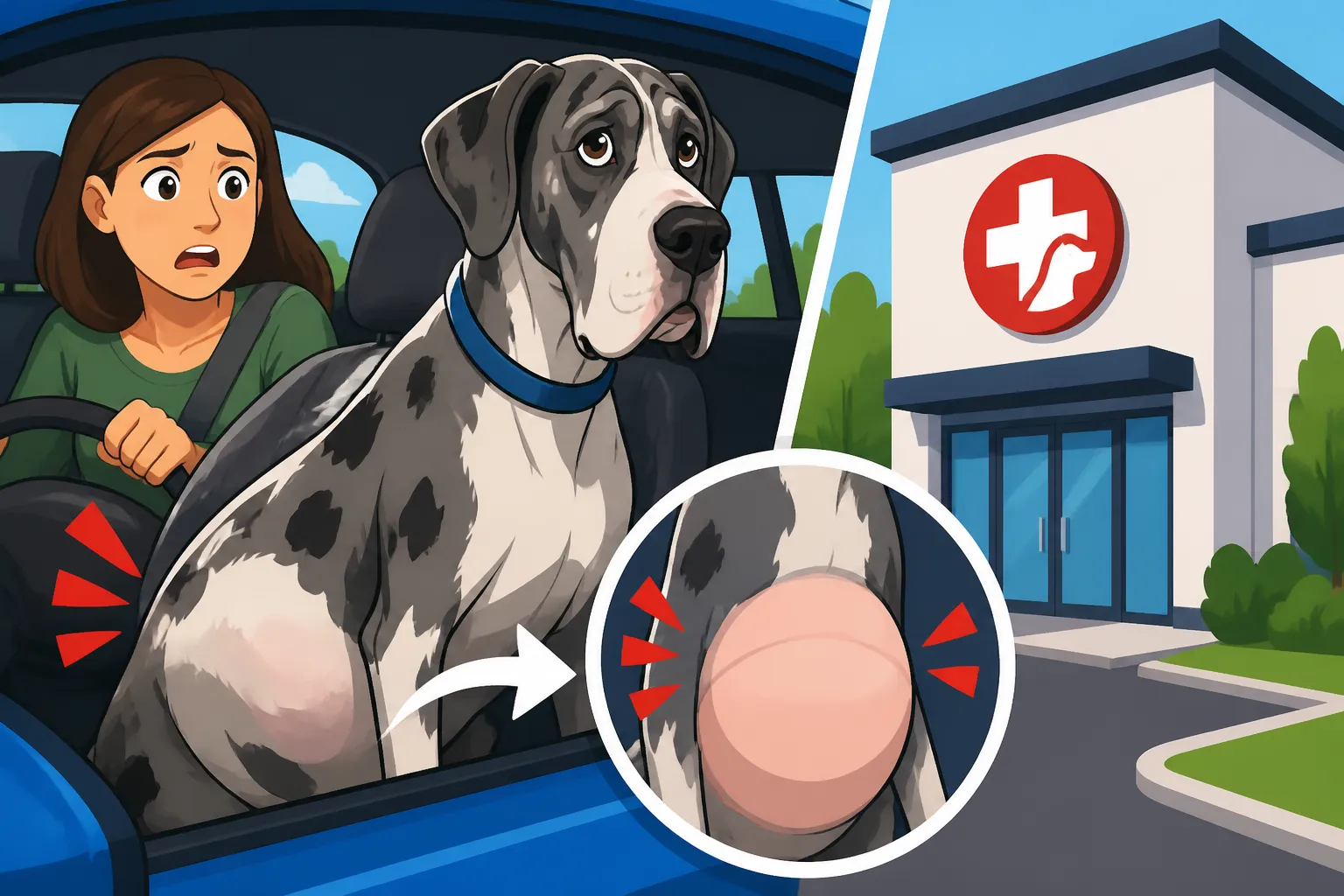
It’s easy to dismiss early bloat symptoms as just an upset stomach, but with a Great Dane, you simply cannot take that risk. One of the most common and distressing signs is unproductive retching – your dog is trying desperately to vomit, but nothing or very little comes up. Imagine the desperation as they heave and gag, but their stomach is essentially sealed off. This isn't just a bit of indigestion; it's a flashing red light. You might also notice a visibly distended abdomen, especially on the left side, which will feel tight and drum-like to the touch. This swelling can sometimes be subtle initially, but it progresses quickly.
Beyond the physical, pay close attention to behavioral changes. A bloating Great Dane will often become restless, pacing incessantly, unable to find a comfortable position. They might whine, groan, or show signs of extreme pain and discomfort. Panting heavily, drooling excessively, and exhibiting signs of shock, such as pale gums or a rapid heart rate, are all grave indicators that the situation is escalating. They might avoid lying down, preferring to stand or sit stiffly. If you've ever seen your normally calm, gentle giant exhibiting any combination of these behaviors, especially the unproductive retching or a visibly swollen belly, you need to act immediately. For more detailed information, make sure you know The Signs of a Great Dane Stomach Twisting to catch it early.
Why Rapid Response is Absolutely Critical
The reason for such urgency with Great Dane bloat is simple: the twisting stomach cuts off blood flow to vital organs, including the stomach itself and potentially the spleen. This lack of blood flow leads to tissue death, and toxins begin to build up and leach into the bloodstream, quickly sending the dog into shock. The longer the stomach remains twisted, the greater the damage, and the higher the risk of complications, including irreversible organ damage and death.
Every minute that passes increases the severity of the condition and decreases the chances of a successful outcome. This isn't a situation where you "wait and see" if your dog feels better in an hour. An hour can be too late. From the onset of symptoms, you literally have How Many Minutes a Bloating Great Dane Has before the situation becomes dire. It means that the decision to leave for the emergency vet must be made almost instantaneously once you suspect bloat. This is why having a plan, knowing the signs, and understanding the stakes is so incredibly vital for Great Dane owners.
Preparing for the Drive: Getting Your Dane Ready
Once you’ve identified the signs of bloat, the adrenaline will kick in. It’s natural to feel panicked, but try to channel that energy into swift, decisive action. Preparation, even in a crisis, can make the journey smoother and safer for your Great Dane.
Essential Items to Grab Before You Go
While speed is paramount, taking a moment to gather a few critical items can actually save time and stress once you arrive at the emergency clinic.
Here's a quick checklist:
| Item | Why It's Essential |
|---|---|
| Phone | To call the vet ahead, for GPS, and emergency contacts. |
| Leash and Collar | Even if in distress, you need to secure your dog. |
| Towel or Blanket | For comfort, to absorb drool/vomit, or for lifting. |
| Paperwork/Vet Info | Any existing medical records, especially insurance. |
| Credit Card/Payment | Emergency care is expensive; be ready. |
| Flashlight (night) | For visibility, especially if moving a large dog. |
Calling ahead is probably the most crucial step. It allows the emergency veterinary staff to prepare for your arrival, have a team ready, and potentially even advise you on the quickest route or specific instructions. Imagine rolling up to an emergency room with a 150-pound dog in distress only to find they weren't expecting you – a quick call prevents this. If you have pet insurance, like Healthy Paws, having their number or policy details handy can streamline the financial discussions later, allowing you to focus on your dog's immediate care.
Safely Moving a Distressed Great Dane
Moving a large, distressed Great Dane is no small feat, especially if they are in pain or struggling. Their sheer size and weight become a challenge. Ideally, you’ll have a second person to help. One person can guide the head while the other supports the rear. If your Great Dane is too large to carry, and many are, a sturdy blanket, rug, or even a heavy-duty tarp can be used as a makeshift stretcher. Gently roll or slide your dog onto it, then have two people lift and carry.
Keep movements slow and deliberate to avoid further stress or injury to your dog, or yourself. Their belly will be extremely sensitive, so avoid putting pressure on it. If your Great Dane can walk, let them, but be prepared to support them if they falter. Some Danes might be too weak or in too much pain to stand. Having your vehicle already open and ready, perhaps with the back seats folded down or a large crate ready, will minimize transfer time and effort. If you have a larger vehicle, like an SUV or truck, this is where it really pays off. For immediate actions once you confirm bloat, refer to What to Do the Minute a Great Dane Bloats.
The Journey to the Emergency Vet: Navigating Under Pressure
Once your Great Dane is safely in the car, the focus shifts to getting to the clinic as quickly and smoothly as possible. This is not the time for leisurely drives or wrong turns.
Finding the Fastest Route and Notifying the Clinic
Before you even put the car in drive, if you haven’t already, confirm the address of the nearest 24/7 emergency veterinary hospital and plug it into your GPS. Don't assume you know the fastest route, especially if you're under pressure; traffic patterns change, and construction can pop up unexpectedly. A quick check of a navigation app can reveal the quickest path, considering real-time traffic.
As mentioned, call the emergency clinic immediately. Tell them you suspect GDV in your Great Dane and that you are en route. Give them an estimated time of arrival. This notification is incredibly important. It gives them precious minutes to clear a treatment room, prepare necessary surgical instruments, and assemble their veterinary team. When you arrive, they will be expecting you and can immediately take action, bypassing the standard check-in process because your dog is a dire emergency. Think of it like calling ahead to the human emergency room for a major trauma case – it allows for immediate intervention upon arrival.
Keeping Your Dane Calm and Stable During Transport
During the drive, your Great Dane will likely be uncomfortable, possibly in extreme pain, and definitely anxious. Your primary goal is to minimize further stress and keep them as stable as possible. If you have a helper, one person can focus on driving safely while the other can be with your dog, offering quiet reassurance. Speak in a calm, soothing voice. Avoid loud noises, sudden stops, or aggressive acceleration. A smooth ride is crucial.
Keep the car temperature comfortable, not too hot or too cold. If your dog is panting heavily, ensure good airflow. You might place a blanket or towel under them for cushioning, but avoid anything that could make them overheat or feel confined. Watch for any changes in their breathing or responsiveness. This monitoring allows you to relay any new symptoms or deterioration to the vet upon arrival. Remember, your calm demeanor can go a long way in slightly easing their anxiety, even if they're in immense discomfort. Staying focused on the journey is key, but don't forget the importance of pet insurance like Healthy Paws, which can alleviate the financial strain that often accompanies these urgent situations, letting you focus solely on your pet's well-being.
Arriving at the Clinic: What to Expect Immediately
The moments after you arrive at the emergency vet are a whirlwind of activity, often involving immediate assessment and urgent decision-making.
The Urgency of Triage and Initial Assessment
When you pull up to the emergency clinic, because you called ahead, the staff will likely be ready and waiting for you. They will immediately take your Great Dane for a rapid triage. This isn't a typical waiting room scenario; bloat is a true "red alert." They'll quickly assess vital signs, check for signs of shock, and typically confirm the diagnosis with an X-ray. The X-ray is critical to confirm if the stomach is indeed twisted (volvulus) or just dilated with gas (dilatation), as the treatment approach will vary.
During this initial assessment, they will explain their findings and the proposed treatment plan. For GDV, surgery is almost always required to untwist the stomach and often to perform a gastropexy – a procedure to tack the stomach to the abdominal wall to prevent future twists. This conversation will happen quickly, and you'll be asked to make some very fast decisions under immense stress. Be prepared to ask questions about the prognosis, the risks involved, and the estimated costs.
Financial Realities and Emergency Care Options
Let's be blunt: emergency veterinary care for GDV is expensive. Very expensive. It can range from a few thousand dollars to upwards of $10,000 or more, depending on the severity, the necessary surgical procedures, post-operative care, and any complications. This is a difficult conversation to have when your beloved pet is in critical condition, but it's a reality you need to face. You’ll be presented with estimates and asked to approve treatment, often requiring a significant deposit upfront.
This is where having pet insurance, such as a plan from Healthy Paws, can be a literal lifesaver. Policies specifically designed for Great Danes often cover emergencies like bloat, substantially reducing your out-of-pocket costs and allowing you to focus on the best possible care for your dog rather than agonizing over the bill. If you don't have insurance, or if your policy doesn't cover enough, many clinics offer payment plans through third-party services like CareCredit. It’s also wise to have an emergency fund set aside for your Great Dane; Emergency Vet Fees for a Great Dane are a significant part of their lifetime costs. Understanding Whether Pet Insurance Is Essential for a Great Dane becomes painfully clear in these moments.
No matter the financial strain, remember that you are doing everything you can for your Great Dane. The veterinary team understands the emotional and financial burden and will guide you through the options, always prioritizing your dog's well-being. Knowing the potential costs and having a plan, whether through insurance or savings, can make a terrifying situation slightly less overwhelming.
Post-Emergency Care Considerations
While the immediate crisis involves the drive and initial treatment, the aftermath also requires careful attention and planning. Recovery from bloat surgery is a journey, not a destination.
What Comes After Surgery: The Road to Recovery
Assuming a successful surgery, your Great Dane will need intensive post-operative care, often involving several days in the veterinary hospital. They'll be monitored for pain, infection, and potential complications such as cardiac arrhythmias or further stomach issues. The first 24-72 hours after surgery are particularly critical. You can expect frequent updates from the veterinary staff, outlining their progress, or any setbacks. This period can be agonizing for owners, as you're separated from your dog during their most vulnerable time.
Once released, your Great Dane will have activity restrictions, dietary modifications, and medications to take at home. This often means careful monitoring of their incision site, ensuring they don't jump or run, and feeding small, frequent meals of a bland diet. It's a commitment that can last for weeks, but it's essential for a full recovery. Understanding Recovery After Great Dane Bloat Surgery will help you prepare for this phase.
Preventing Future Episodes: Long-Term Management
A gastropexy significantly reduces the risk of future stomach twisting, but it doesn't eliminate bloat entirely – your Dane can still experience gastric dilation (the stomach filling with gas). Therefore, long-term management strategies are crucial. This includes feeding multiple small meals throughout the day instead of one large one, using a slow-feeder bowl if your dog eats too quickly, and avoiding strenuous exercise an hour before and after meals. Some studies suggest that elevated food bowls might not prevent bloat and could even contribute to it, so discuss feeding height with your vet.
Reducing stress, which can be a trigger for some dogs, is also important. If your Great Dane is prone to anxiety, consider management techniques or consulting a veterinary behaviorist. Regular vet check-ups are also vital to monitor their overall health. For Great Dane owners, it's never a question of if you need to be prepared for bloat, but when. Being proactive and informed, even about things like Insuring a Great Dane Before the Bloat Years, is the best defense against this devastating condition.
Disclaimer
The information provided in this article is for educational purposes only and is not a substitute for professional veterinary advice. If you suspect your Great Dane is bloating or experiencing any medical emergency, seek immediate veterinary attention. Always consult with a qualified veterinarian for diagnosis and treatment.