Bone Infections After a Great Dane Fracture
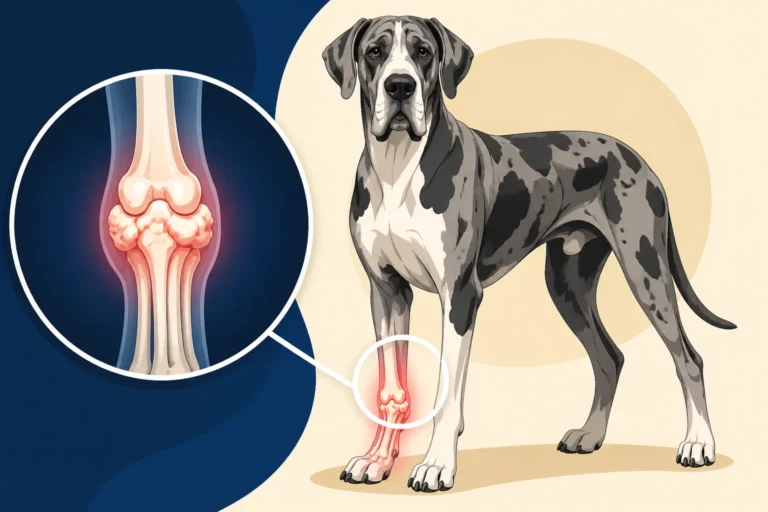
The sudden, devastating news of a fracture is enough to contend with, but for Great Dane owners, the worry often quickly shifts to potential complications, especially the terrifying prospect of a bone infection, also known as osteomyelitis. This isn't just a minor setback; it's a profound challenge that can derail recovery, demand extensive and costly medical interventions, and leave you feeling utterly overwhelmed. This guide is here to walk you through everything you need to know about bone infections after a Great Dane fracture, from understanding how they happen to navigating treatment and ensuring the best possible outcome for your gentle giant.
Understanding Osteomyelitis in Great Danes After a Fracture
When your beloved Great Dane suffers a fracture, the immediate concern is always how to get that big leg stabilized and on the road to healing. But lurking in the shadows of recovery is a formidable adversary: osteomyelitis. This isn't just a simple skin infection; it's a deep-seated bacterial invasion of the bone itself, and for a dog of your Great Dane's stature, it presents a unique and incredibly serious set of challenges.
What is Osteomyelitis and Why is it So Serious for Great Danes?
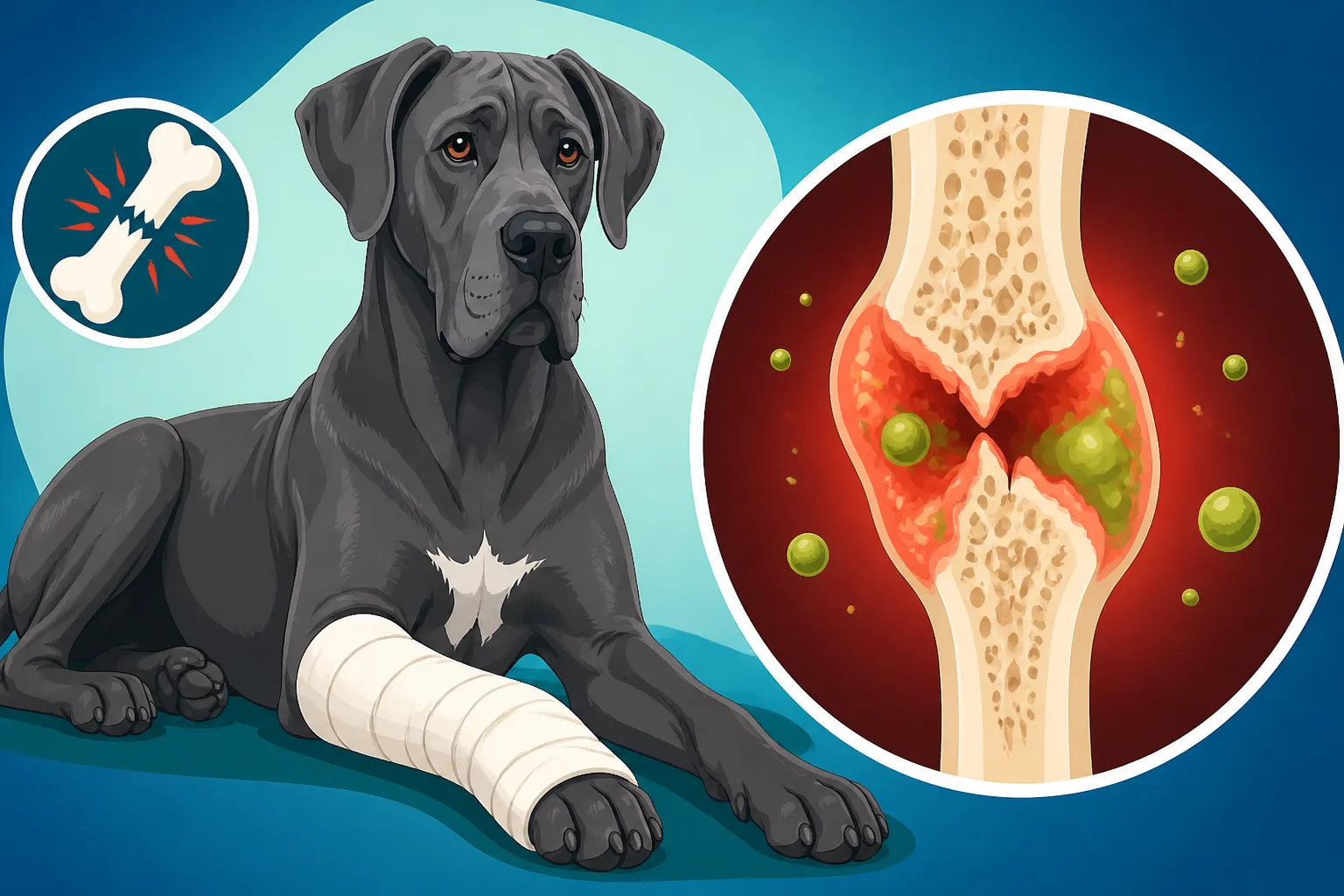
Osteomyelitis, at its core, is an inflammation or swelling of the bone tissue, almost always caused by a bacterial infection. Imagine a battle taking place deep within the very structure that supports your Dane, where bacteria are trying to colonize and destroy bone cells. This process can be incredibly painful and, if left untreated, can lead to chronic lameness, bone deformity, and in severe cases, even necessitate amputation or prove life-threatening.
For Great Danes, their sheer size magnifies every complication. Their bones are massive, bearing immense weight, which means an infection has a larger surface area to spread through and can be much harder for the body's immune system, or even antibiotics, to penetrate effectively. The huge amount of stress placed on a healing, infected bone can lead to implant failure, non-union of the fracture, or even further bone breakdown. Common culprits are bacteria like Staphylococcus, Pseudomonas, or even some from the Enterobacteriaceae family, often introduced from the environment or during surgical procedures. The implications for a Great Dane's long-term mobility and overall quality of life are profound; a dog that can't move comfortably is a dog whose world shrinks dramatically.
Common Routes of Infection After a Great Dane Fracture
Understanding how bacteria gain access to the bone is the first step in prevention and early detection. There are a few primary ways this devastating infection can take hold after a fracture, each requiring vigilance and swift action.
Open Fractures: A Direct Invasion
An open fracture, sometimes called a compound fracture, is when the broken bone pierces the skin, exposing the bone to the outside world. This is perhaps the most obvious and dangerous route for infection. Dirt, debris, and bacteria from the environment can directly contaminate the bone, setting up a prime environment for osteomyelitis. If your Great Dane experiences an open fracture, there is absolutely no time to waste. Immediate veterinary attention is crucial, not just for stabilizing the fracture but for thoroughly cleaning and debriding the wound to minimize bacterial load. Even with the best efforts, the risk remains significantly higher compared to a closed fracture where the skin remains intact.
Surgical Contamination: The Unseen Threat
Even in the most sterile surgical environments, there's always a minuscule risk of bacterial introduction during the fracture repair process. Surgeons take every precaution, using sterile drapes, instruments, and meticulous technique, but no surgery is ever 100% immune to this possibility. Additionally, the implants used to stabilize your Great Dane's fracture – things like pins, plates, and screws – can sometimes act as surfaces for bacteria to colonize. Once bacteria adhere to these implants, they can form a protective biofilm, making them incredibly difficult for antibiotics to eradicate without potentially removing the implant itself. This isn't a reflection on your vet's skill, but rather a known, albeit rare, complication of orthopedic surgery, especially in large, complex cases.
Hematogenous Spread: When Infection Travels
While less common as a direct cause after a fracture repair, it's worth noting that systemic infections can sometimes travel through the bloodstream (hematogenous spread) and settle in a compromised area, like a healing fracture site. For instance, if your Great Dane has an untreated ear infection, a dental abscess, or even a urinary tract infection, those bacteria could potentially travel and find a weakened bone ripe for colonization. This is why maintaining your Dane's overall health and addressing any other infections promptly is always important, especially when they are recovering from a major injury like a fracture.
Recognizing the Red Flags: Signs of Bone Infection
It's agonizing to see your Great Dane in pain after a fracture, and distinguishing normal post-operative discomfort from the early signs of a bone infection can feel like trying to find a needle in a haystack. Many owners, understandably, attribute persistent lameness or swelling to the recovery process itself, delaying critical intervention. However, there are key indicators that should send alarm bells ringing.
One of the most concerning signs is persistent or worsening lameness that extends beyond the expected recovery timeline. While some ups and downs are normal, a steady decline in weight-bearing or an increase in limping after an initial period of improvement warrants immediate investigation. Keep a very close eye on the fracture site for any unusual signs of swelling, redness, or heat. A healthy healing incision should look clean and gradually fade in intensity. If you notice any fluid discharge, especially pus, or if the wound develops draining tracts that seem to lead deeper into the tissue, these are definitive signs of infection.
Beyond localized signs, watch for systemic symptoms in your Great Dane. These can include a fever, which might manifest as warmth to the touch, especially around the ears or groin, or even visible shivering. Lethargy, a noticeable decrease in energy levels, and a loss of appetite are also significant red flags. If your Great Dane is usually a food enthusiast but suddenly turns up their nose, something serious is likely amiss. You might also notice your dog is more withdrawn, reluctant to move, or shows increased sensitivity when you gently touch the affected leg. If you've been concerned about your dog's gait and perhaps wondered if it's more than just a fracture, looking at issues like A Great Dane That Limps Without an Injury can sometimes help you consider other possibilities, but in this specific context, worsening lameness post-fracture is a top concern for infection.
Diagnosis and Treatment Challenges for Great Dane Osteomyelitis
Once a bone infection is suspected in your Great Dane, the journey to diagnosis and treatment can be complex and demanding. It often requires a multi-pronged approach, advanced diagnostics, and a significant commitment from both you and your veterinary team. The sheer scale of treating a Great Dane adds layers of difficulty, from the volume of medication needed to the logistical challenges of their size during extended hospital stays or specialized imaging.
The Diagnostic Maze: How Vets Confirm an Infection
Pinpointing osteomyelitis isn't always straightforward. It requires a careful combination of physical examination, laboratory tests, and advanced imaging to confirm the diagnosis and, crucially, identify the specific pathogen at play.
Your veterinarian will begin with a thorough physical examination, meticulously inspecting the fracture site for all those red flags we discussed: swelling, heat, pain on palpation, and any signs of discharge or draining. They'll assess your Dane's overall demeanor, temperature, and vital signs to look for systemic signs of illness. Blood tests are a standard first step, as they can reveal elevated white blood cell counts (leukocytosis) and other inflammatory markers that signal the body is fighting an infection. These general indicators are helpful but don't tell the whole story.
Imaging, specifically X-rays, can be useful, but the bone changes associated with osteomyelitis often take weeks to become visible. You might see signs of bone lysis (destruction), periosteal reaction (new bone formation on the surface), or even sequestration (fragments of dead bone). For earlier detection or to determine the extent of the infection, more advanced imaging like a CT scan or MRI might be necessary. These modalities offer much greater detail of the bone and surrounding soft tissues, helping to identify subtle changes. However, the most critical diagnostic step, and one that absolutely cannot be skipped, is a culture and sensitivity test. This involves taking a sterile sample – whether a swab from a draining tract, a tissue biopsy of affected bone, or an aspirate – and sending it to a lab to identify the specific bacteria causing the infection and determine which antibiotics will be most effective against it. Without this precise information, treatment can become a frustrating guessing game, and that's not something you want when dealing with your Great Dane's health. It’s also a good reminder of why comprehensive health testing, like The Health Testing a Great Dane Breeder Owes You, is so important from the very beginning.
The Multimodal Approach to Treatment
Treating osteomyelitis in a Great Dane is rarely a quick fix. It typically requires a multimodal approach, combining medical and sometimes surgical interventions over an extended period. Patience and diligence are absolutely key to achieving a successful outcome.
The cornerstone of medical treatment is long-term antibiotic therapy. Because bone is a difficult tissue for antibiotics to penetrate, and because bacteria might be protected by biofilms on implants, these courses are often much longer than a typical infection, lasting for weeks or even months. Your vet might start with intravenous antibiotics, especially if the infection is severe, before transitioning to oral medications. It is absolutely crucial to complete the entire course of antibiotics, even if your Great Dane seems to be improving, to prevent a relapse and the development of antibiotic-resistant bacteria.
In many cases, medical therapy alone isn't enough, and surgical intervention becomes necessary. This might involve surgical debridement, where the veterinarian removes all infected and dead tissue and bone, thoroughly flushes the area, and possibly places antibiotic beads or drains. If the original implants have become colonized by bacteria and are hindering healing, they might need to be removed or replaced, which means another surgery and another recovery period for your Dane. Throughout this process, robust pain management is crucial, not just for your dog's comfort but also to allow them to rest and heal. Pain can hinder recovery, and seeing your large dog struggling is heartbreaking. Owners with Great Danes experiencing severe pain from other conditions, such as Pain Relief for a Great Dane With Bone Cancer, understand the importance of comprehensive pain management, which applies here too. Beyond these, meticulous wound care, including regular cleaning and dressing changes, is vital to prevent further contamination and promote healthy tissue growth. Finally, ensuring your Great Dane has excellent nutritional support is paramount; their body is working overtime to fight infection and heal, and they need all the right building blocks.
Managing the Financial and Emotional Burden
Let's be brutally honest: treating osteomyelitis in a Great Dane is not for the faint of heart or the shallow of pocket. The extensive diagnostics, long-term medications, potential for multiple surgeries, specialized care, and ongoing monitoring can quickly accumulate into a staggering financial burden. We're talking about bills that can easily climb into the tens of thousands of dollars, pushing even the most prepared owners to their limits. This financial strain is a real, undeniable fact of Great Dane ownership, especially when facing severe health crises.
This is precisely where having robust pet insurance, like a comprehensive plan from Healthy Paws, can be an absolute lifesaver. Without it, owners are often forced to make agonizing decisions based on their ability to pay, rather than what's best for their beloved companion. Knowing that a significant portion of these emergency and ongoing treatment costs might be covered can alleviate immense stress during an already incredibly difficult time. The cost of a major health crisis for a Great Dane is often underestimated, as discussed in articles like The Night a Great Dane Bloats and What It Costs, and osteomyelitis can easily match or exceed such figures. If you're pondering Whether Pet Insurance Is Essential for a Great Dane, this scenario offers a resounding "yes."
Beyond the financial aspect, the emotional toll on owners is immense. Watching your giant, usually joyful companion suffer through a painful and protracted recovery, enduring multiple vet visits, procedures, and strict confinement, is incredibly draining. There will be days filled with worry, frustration, and exhaustion. It demands an extraordinary amount of patience, dedication, and resilience from you, the caregiver. Remember to lean on your veterinary team for support and advice, and don't be afraid to seek emotional support for yourself, too.
| Sign of Concern | Description | Urgency Level | What to Do |
|---|---|---|---|
| Worsening Lameness | Increased limping or reluctance to bear weight after initial improvement. | High | Contact your vet immediately. |
| Swelling/Redness/Heat | Noticeable increase in inflammation or warmth around the fracture site. | High | Contact your vet immediately. |
| Pus/Draining Fluid | Any discharge, especially yellowish or greenish, from the wound. | Urgent | Seek emergency veterinary care. |
| Fever | Elevated body temperature (above 102.5°F or 39.2°C). | High | Contact your vet immediately. |
| Lethargy/Loss of App. | Significant decrease in energy or refusal to eat for more than one meal. | High | Contact your vet immediately. |
| New Pain/Sensitivity | Your Dane flinches or shows increased pain when touched near the injury. | Medium-High | Monitor closely; contact vet if persistent or worsens. |
| Slight, Persistent Warmth | Mild warmth at the site that doesn't resolve in a few days. | Medium | Mention at next vet check-up, monitor for worsening. |
Prevention and Long-Term Outlook for Great Danes
The best way to deal with osteomyelitis is to prevent it from ever happening. While not every infection can be avoided, there are critical steps you can take to minimize the risk and improve the long-term prognosis for your Great Dane if they do face this challenging complication. The path forward requires vigilance, excellent communication with your veterinary team, and a deep commitment to your dog's recovery.
Proactive Steps to Minimize Infection Risk
When it comes to Great Danes and fractures, prevention truly is better than cure, especially given the severity of bone infections. Your proactive involvement in your dog's care can make a world of difference.
First and foremost, any fracture, but especially an open fracture where the bone has broken through the skin, demands immediate veterinary attention. Do not delay. The quicker an open wound is cleaned, debrided, and sterilized by professionals, the lower the chance of bacteria setting up shop in the bone. This immediate response is paramount. Second, when selecting a veterinary surgeon for your Great Dane's fracture repair, choose an experienced board-certified orthopedic specialist. While no one can guarantee zero risk, a skilled surgeon operating in a highly sterile environment significantly reduces the likelihood of introducing contaminants during the procedure. Their expertise also helps ensure proper stabilization, which is vital for good blood flow and healing.
Crucially, rigorous adherence to your veterinarian's post-operative instructions is non-negotiable. This means strictly enforcing activity restrictions – no running, jumping, or roughhousing, no matter how much your Dane tries to convince you they’re "fine." It also involves meticulous wound care at home, which might include cleaning the incision site and changing dressings as directed. And, perhaps most importantly, ensuring your Great Dane receives all prescribed medications, particularly antibiotics, for the full duration specified. Stopping antibiotics early, even if your dog seems better, can allow residual bacteria to resurface stronger and more resistant. A healthy immune system is also a powerful ally, so ensure your Great Dane is receiving excellent nutrition and is otherwise in good health, as this helps their body naturally fight off potential invaders. This level of post-operative care is similar in dedication to Recovery After Great Dane Bloat Surgery, where strict adherence to instructions dictates success.
The Role of Implants and Their Removal
Orthopedic implants – the plates, pins, and screws – are often essential to stabilize a Great Dane's massive bones during fracture healing. Without them, it would be nearly impossible for their body to bear weight and heal properly. However, these implants, while life-saving, can also become a focal point for persistent infections.
Bacteria can adhere to the surface of implants and form a protective biofilm, which acts like a shield, making them incredibly difficult for antibiotics and the body's immune cells to reach and destroy. If osteomyelitis persists despite aggressive antibiotic therapy, or if the infection recurs, the veterinary team might need to consider removing the implants once the fracture has adequately healed. This is not a decision taken lightly, as it means another surgery for your Great Dane. However, removing the foreign material often gives antibiotics a fighting chance to clear the remaining infection from the bone itself. The timing of implant removal is critical and will be determined by your veterinary surgeon based on the fracture's healing progress and the severity of the infection.
Long-Term Prognosis and Quality of Life
After battling osteomyelitis, you might wonder if your Great Dane can truly make a full recovery and live a comfortable life. The good news is that with early detection, aggressive treatment, and dedicated care, many Great Danes can and do recover well. However, it's often a long, challenging road, and the prognosis can vary widely depending on the severity of the initial infection, the specific bacteria involved, and how quickly treatment was initiated.
It's important to be realistic: even after the infection is cleared, there's a potential for chronic lameness, especially if there was significant bone destruction. Your Great Dane might develop arthritis in the affected joint or bone segment, which will require ongoing management, potentially with supplements or medications tailored for large breeds. Some Danes might also be prone to recurrent infections if any bacteria lingered or if the bone's integrity was severely compromised. Ongoing monitoring by your vet will be crucial, including regular check-ups and potentially repeat imaging to ensure the bone remains healthy. Physical therapy and rehabilitation, customized for your giant breed, can play a significant role in restoring strength, range of motion, and overall mobility.
Ultimately, the goal is to maintain the best possible quality of life for your Great Dane. This might mean adjusting their exercise routine, providing orthopedic bedding, or using ramps to help them navigate stairs or cars. Knowing that you have continued support from your pet insurance, like a policy from Healthy Paws, can also provide immense peace of mind. Such a plan can cover potential follow-up care or new issues that arise from chronic conditions, easing the financial burden and allowing you to focus on your Dane's comfort. Understanding the specific challenges large breeds face with their joints, as detailed in articles like Great Dane Hips, Elbows and Growing Joints, can help you prepare for potential long-term care needs. For older Great Danes, this commitment to long-term care becomes even more critical, mirroring the dedication required for Caring for a Great Dane Past Six. While osteomyelitis is a daunting complication, your unwavering love and commitment can help your Great Dane overcome it and continue to be the cherished member of your family they deserve to be.
Disclaimer
This article provides general information and is not a substitute for professional veterinary advice. If your Great Dane has sustained a fracture or you suspect a bone infection, please consult with a qualified veterinarian immediately for accurate diagnosis and treatment. Always follow your veterinarian's specific instructions for care.