Whether a Tacked Great Dane Can Still Bloat
If you're a Great Dane owner, the word "bloat" probably sends a shiver down your spine. It's that terrifying, lightning-fast condition that can take our gentle giants from healthy to critical in mere hours. Many of us opt for a gastropexy, commonly known as stomach tacking, hoping to banish that fear forever. But here's the honest truth, and it's a tough one to swallow: a tacked Great Dane can absolutely still bloat. This guide will walk you through exactly what that means, why it happens, and how you can still protect your beloved companion.
Understanding Gastric Dilatation-Volvulus The Great Dane Killer
Let’s start by getting clear on what we’re up against. Gastric Dilatation-Volvulus, or GDV, is a life-threatening condition predominantly seen in large, deep-chested breeds like our Great Danes. It's often referred to simply as "bloat," but that single word doesn't quite capture the horror of what happens inside your dog.
First, there's the "dilatation" part. This is when the stomach fills with gas, food, or fluid, distending like a balloon. Imagine the pain and pressure this causes. It's excruciating. Your dog might pace, attempt to vomit without success, or show signs of extreme discomfort. This initial stage, technically, is what we call "simple bloat." It's serious, but not immediately fatal like the second part. The real killer, and what makes GDV so terrifying, is the "volvulus." This is when the distended stomach twists on its axis, cutting off blood supply and trapping everything inside. Once the stomach twists, every minute counts. Without immediate surgical intervention, the prognosis is grim. It's why recognizing The Signs of a Great Dane Stomach Twisting is so vital for every owner. The breed's deep chest, while majestic, is unfortunately a significant risk factor, creating the ideal anatomical space for this rotation to occur. Many owners are acutely aware of The Lifetime Bloat Risk in a Great Dane and it’s a constant worry.
What a Gastropexy Does and Doesn't Do
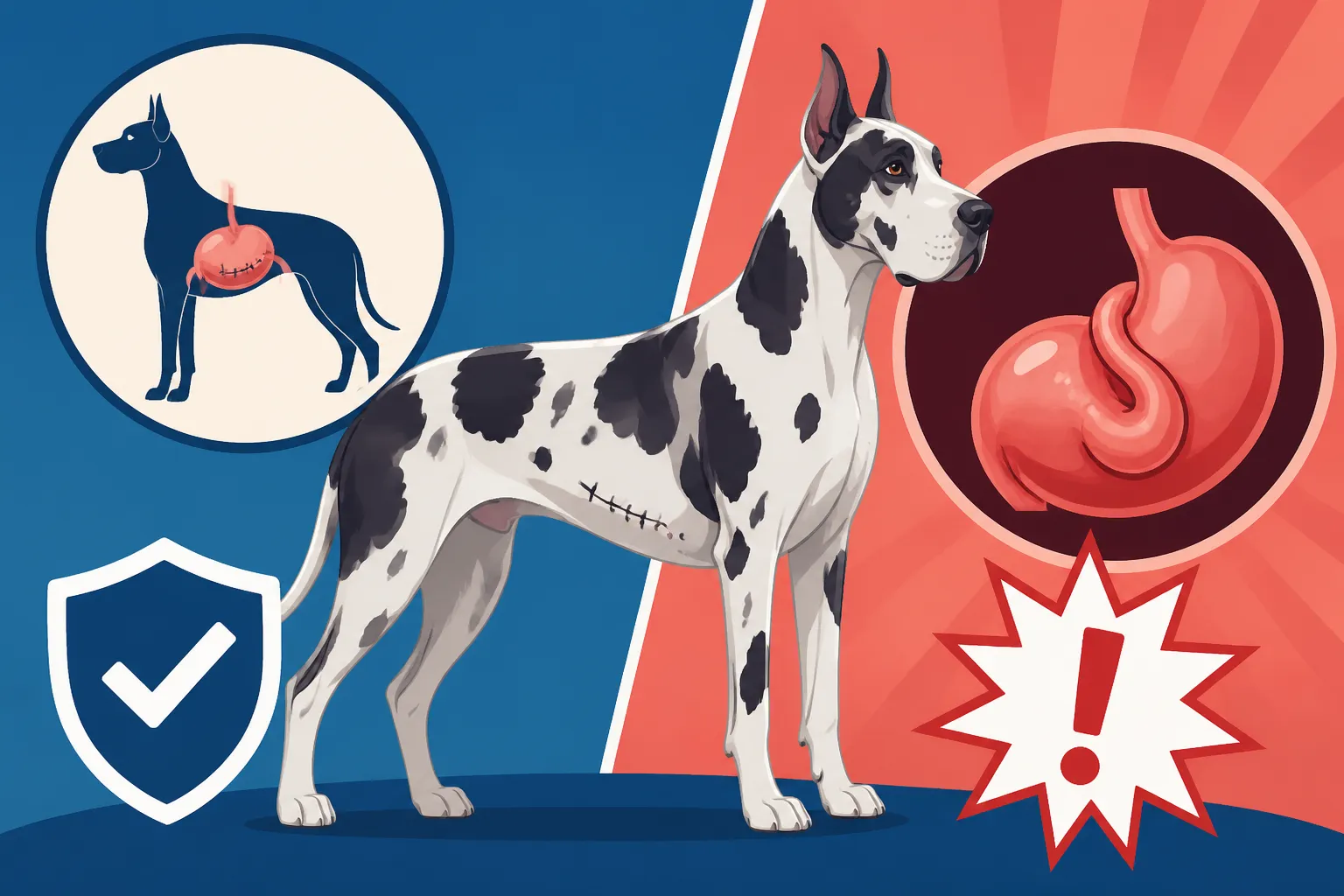
So, with that stark reality in mind, where does a gastropexy fit in? A gastropexy is a surgical procedure where the stomach is permanently attached, or "tacked," to the abdominal wall. Think of it like stitching the stomach securely in place. The primary goal of this procedure is to prevent the "volvulus" – the twisting part of GDV. If the stomach is anchored to the body wall, it simply cannot rotate freely. This is precisely why it's such a recommended prophylactic (preventative) surgery for Great Danes, often done at the same time as spaying or neutering when they are young, or even as an emergency measure after a bloat episode has been corrected. You can learn more about How a Great Dane Gastropexy Is Done if you're considering it.
However, and this is the crucial point many owners misunderstand, a gastropexy does not prevent the "dilatation" part of GDV. It does not stop the stomach from filling with gas, fluid, or food and distending. Your dog can still experience simple bloat, where the stomach is uncomfortably distended but hasn't twisted. While not as immediately fatal as a twisted stomach, simple bloat is still incredibly painful and can be dangerous, potentially leading to other complications or even, in rare cases, still causing enough internal stress to warrant veterinary attention. The peace of mind a gastropexy offers is immense, significantly reducing the risk of a full-blown, life-threatening torsion, which is why Why Recurrence Drops After a Dane Gastropexy is such a relief. But it's not an "all clear" pass to ignore future symptoms or risk factors. It simply removes the most lethal aspect of the condition. Many responsible Great Dane owners understand the financial implications of such a preventative surgery, but also the potential costs of an emergency GDV, making comprehensive pet insurance like that offered by Healthy Paws a wise investment.
Persistent Factors Contributing to Bloat in Tacked Danes
Even with a gastropexy, there are still elements that can lead to a Great Dane experiencing simple bloat. It's important to remember that the underlying physiological processes that cause excessive gas or stomach upset haven't magically disappeared.
Rapid Eating and Meal Habits
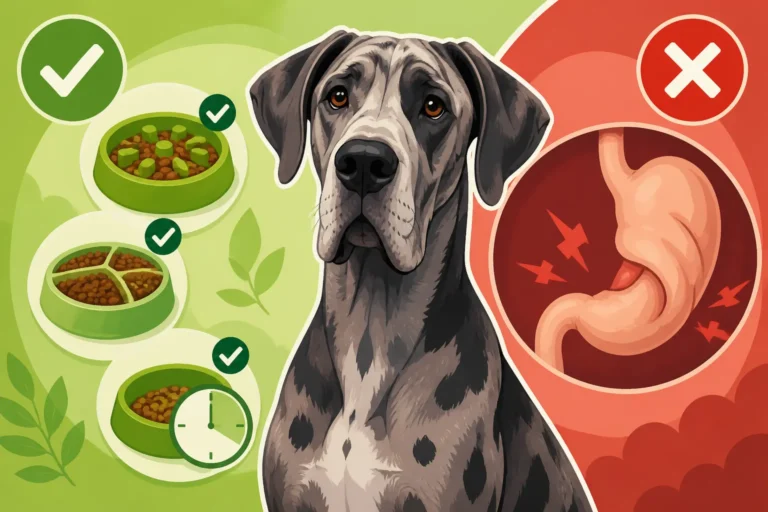
One of the biggest culprits, whether tacked or not, is rapid eating. When your Great Dane inhales their food in a matter of seconds, they're not just swallowing kibble; they're gulping down a significant amount of air too. This air, combined with digestion, can quickly lead to an uncomfortable, distended stomach. Feeding a large meal just once a day also increases the volume of food and gas that can accumulate. This is why many vets and experienced owners recommend splitting daily rations into two or three smaller meals throughout the day. Using slow-feeder bowls or puzzle feeders can also make a huge difference, forcing your Dane to eat more deliberately and ingest less air. These practical tips are part of Meal Habits That Cut a Great Dane's Twist Risk. Even after a gastropexy, these practices remain crucial for overall digestive health and to minimize simple bloat episodes.
Stress and Environmental Triggers
Our Great Danes are sensitive souls, and stress can have a profound impact on their digestive system. A sudden change in routine, a new environment, separation anxiety, or even loud noises can contribute to digestive upset, leading to increased gas production and stomach discomfort. While a gastropexy will prevent the physical twist, it won't prevent the body's stress response. It's important to understand Whether Stress Sets Off a Great Dane Bloat and to minimize stressors in your dog's life where possible. Creating a calm, predictable environment can go a long way in supporting their overall well-being, and by extension, their digestive health.
Dietary Sensitivities and Gas Production
While there's still ongoing research into the definitive link between specific diets and bloat, some Great Danes may have dietary sensitivities that lead to increased gas production. Certain ingredients, changes in food, or even specific types of kibble might not agree with your dog, causing fermentation in the gut and subsequent gas accumulation. Even a tacked stomach can fill up with this gas, causing significant discomfort. If you notice your dog regularly experiencing bloating or gas even after a gastropexy, it's worth discussing their diet with your veterinarian. They might recommend a dietary trial or specific supplements to support gut health. Keeping a close eye on their dietary intake and any associated reactions is part of being a vigilant owner.
Ongoing Vigilance and Care for a Tacked Great Dane
So, what does this mean for you, the dedicated Great Dane owner? It means that while you can breathe a huge sigh of relief knowing the most life-threatening aspect of GDV has been addressed, your vigilance shouldn't waver. A gastropexy is a safety net, not a magic shield.
Recognizing Simple Bloat
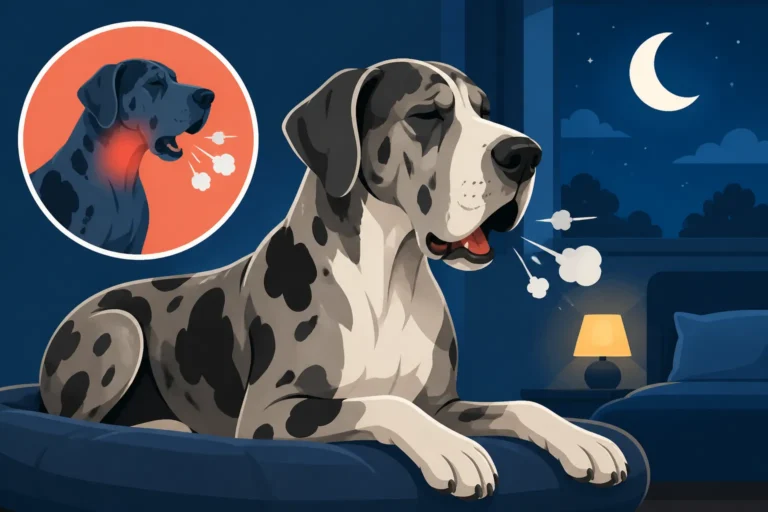
It's imperative to learn the signs of simple bloat, which can include a distended belly (though it might not be as rock-hard as with torsion), pacing, restlessness, drooling, discomfort, repeated attempts to vomit without producing anything, and general lethargy. While the stomach won't twist, the pressure from severe gas buildup can still cause pain, restrict breathing, and impact circulation. If you see your Great Dane pacing with a swollen belly, even if they are tacked, it's a sign that something is not right and warrants attention. Don’t dismiss these signs just because they’ve had the surgery. Remember, while the risk of volvulus is significantly reduced, the risk of dilatation remains.
When to Seek Veterinary Attention
If your tacked Great Dane shows any persistent signs of discomfort, abdominal distension, or unproductive retching, it's always best to contact your veterinarian immediately. While you might not be rushing out the door shouting "bloat!" in a panic like you would with an untacked dog, it's still an emergency that needs assessment. Your vet can determine the severity of the bloat, rule out other issues, and provide supportive care to help relieve the gas and discomfort. This might involve medications to reduce gas, pain relief, or other interventions. Remember, the cost of these unexpected vet visits can add up quickly, which is another reason why robust pet insurance like Healthy Paws is so valuable for Great Dane owners. Knowing that you can focus on your dog's health without financial worry is a huge relief.
Post-Gastropexy Lifestyle Adjustments
Even with a tacked stomach, maintaining healthy habits is key. Continue to feed multiple small meals, use slow feeders, and avoid strenuous exercise immediately before or after eating. Keep stress levels low and provide a consistent routine. Regularly monitor your dog's weight and overall health. A lean, healthy Great Dane is generally a healthier Great Dane, putting less strain on all their systems. These lifestyle adjustments contribute to their overall well-being and can further reduce the chances of even simple bloat episodes.
Here's a quick overview of what changes and what stays the same:
| Feature/Condition | Before Gastropexy | After Gastropexy |
|---|---|---|
| Stomach Dilatation | High risk | Still possible |
| Stomach Volvulus (Twist) | High risk (life-threatening) | Significantly reduced risk (very rare but possible) |
| Urgency of Symptoms | Extreme emergency (minutes matter) | Still urgent, but not as immediately fatal |
| Primary Goal of Surgery | Prevent the deadly twist | Prevent the deadly twist |
| Need for Vet Visit | Critical for any bloat symptom | Still critical for bloat/distension symptoms |
| Dietary Management | Crucial for prevention | Still crucial for general digestive health |
| Stress Management | Important for prevention | Still important for overall well-being |
| Long-term Vigilance | Absolutely essential | Absolutely essential |
A gastropexy is truly a remarkable surgery that has saved countless Great Dane lives by preventing the deadliest aspect of bloat. It provides an incredible layer of protection, allowing owners to worry a little less about the sudden, catastrophic twist. However, it's not a complete "cure" for bloat. Your Great Dane can still experience uncomfortable stomach distension, and remaining vigilant, understanding the signs, and practicing good digestive habits are all vital parts of responsible Great Dane ownership, whether they've been tacked or not. Pet insurance, such as a plan from Healthy Paws, can certainly help manage the financial strain of any unexpected health issues, giving you more freedom to focus on your pet's recovery. Always prioritize your dog's health and consult your vet with any concerns.
Disclaimer
This article is for general informational purposes only and does not constitute professional advice. Laws, prices and regulations vary by location and change over time. Consult a qualified professional for guidance on your specific situation.