The Age Bone Cancer Hits a Great Dane
It’s a truly heartbreaking moment when you realize your beloved Great Dane might be limping not from a simple strain, but something far more insidious. For many Great Dane owners, the fear of bone cancer, or osteosarcoma, is a heavy one, especially knowing our gentle giants often face unique health challenges. This guide is here to shed light on when bone cancer typically strikes Great Danes, what signs to watch for, and how this devastating diagnosis is managed.
Understanding Osteosarcoma: The Silent Threat to Great Danes
Osteosarcoma is an aggressive form of bone cancer that is unfortunately far too common in large and giant breed dogs, and Great Danes are right at the top of that list. It’s a primary bone tumor, meaning it originates in the bone itself, and it has a nasty habit of spreading quickly to other parts of the body, most commonly the lungs. The sheer size and rapid growth of Great Danes play a significant role in their susceptibility, making this a condition every Dane owner should be acutely aware of.
Why Great Danes Are Particularly Susceptible
The exact reasons why Great Danes and other large breeds are so prone to osteosarcoma are complex, but much of it comes down to their unique physiology. These magnificent dogs experience incredibly rapid bone growth during their puppyhood and adolescence, and this accelerated cellular activity in the bones is thought to contribute to a higher risk of abnormal cell development. Essentially, more cells dividing rapidly means more chances for a genetic mutation to occur that can lead to cancer. It's a cruel irony that the very thing that makes them so impressive – their rapid ascent to giant stature – also predisposes them to such a severe disease.
Beyond the growth rate, there's also a strong genetic component. While specific genes haven't been fully mapped for osteosarcoma in Great Danes, breeders of various giant breeds are keenly aware of the familial links. Certain lines within the breed seem to carry a higher predisposition, though it's not always predictable. It's a stark reminder that even with the best breeding practices, some health challenges are inherent to the breed's physical characteristics.
The Typical Age Range for Diagnosis
This is often the most pressing question for worried Great Dane owners. While osteosarcoma can theoretically affect a Great Dane at any age, it most commonly strikes them in their middle to senior years. We're generally talking about Danes between 7 and 10 years old. This age range often coincides with what many would consider their prime, or just as they're transitioning into their senior years. This means that for a breed whose lifespan is already shorter than many others—often only Why a Great Dane Only Lives Seven to Ten Years—this diagnosis can hit hard during a significant portion of their adult life.
It’s important to understand that this isn't a hard and fast rule. We do see cases in younger Great Danes, sometimes as early as 4 or 5 years old, and occasionally in much older dogs. However, the peak incidence is definitely within that 7-10 year window. Knowing this age range helps owners be particularly vigilant for signs as their Dane enters these years, understanding that any unexplained lameness or swelling in a leg should be taken seriously.
| Characteristic | Typical Presentation in Great Danes |
|---|---|
| Primary Age | 7 to 10 years (can occur younger/older) |
| Most Common Sites | Long bones (limbs), especially near joints like shoulder, wrist, knee, ankle |
| Initial Signs | Subtle lameness, intermittent limping, swelling near a joint, pain upon touch |
| Progression | Worsening lameness, persistent pain, visible swelling, reluctance to bear weight |
Recognizing the Early Warning Signs of Bone Cancer
Catching osteosarcoma early can make a profound difference in treatment options and quality of life for your Great Dane. However, the early signs can be incredibly subtle and easily mistaken for other, less serious conditions like arthritis or a sprain. This is why vigilance and knowing your dog's normal behavior are absolutely critical. Don't ever hesitate to discuss even minor changes with your vet, especially if your Great Dane is in that higher-risk age bracket.
Subtle Changes in Gait and Mobility
One of the very first indicators you might notice is a subtle change in your Great Dane's gait. They might start to limp slightly, particularly after exercise or resting. This lameness can be intermittent at first, meaning it comes and goes, leading many owners to think it’s just a muscle strain or an old injury flaring up. You might see your Dane shift weight off a particular leg or appear stiff when getting up after a nap. This is exactly why it's so easy to dismiss, but persistent or recurring lameness in a Great Dane warrants immediate investigation. This is especially true if you notice A Great Dane That Limps Without an Injury as a clear cause.
They might also become reluctant to engage in activities they once loved, like chasing a ball or going for long walks. Perhaps they lag behind more often or show discomfort when jumping into the car or going up stairs. Observing these seemingly minor changes in their activity level or how they move is key. Pay attention if they start favoring a limb or seem hesitant to put full weight on it.
Swelling and Pain That Doesn't Go Away
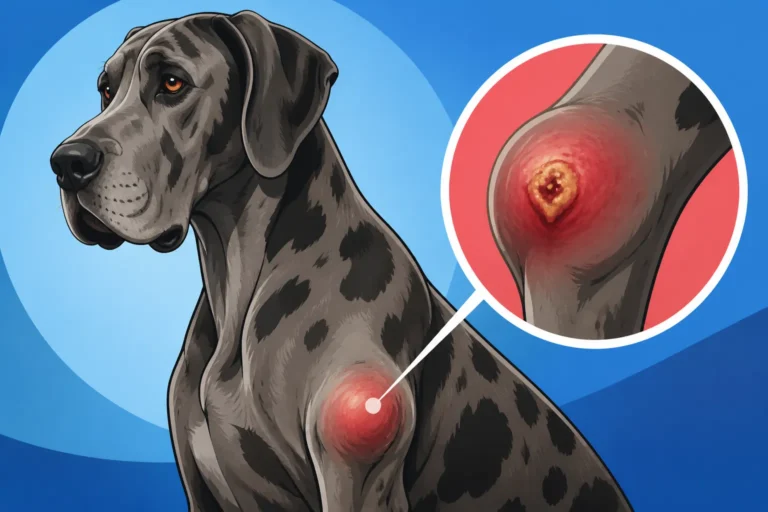
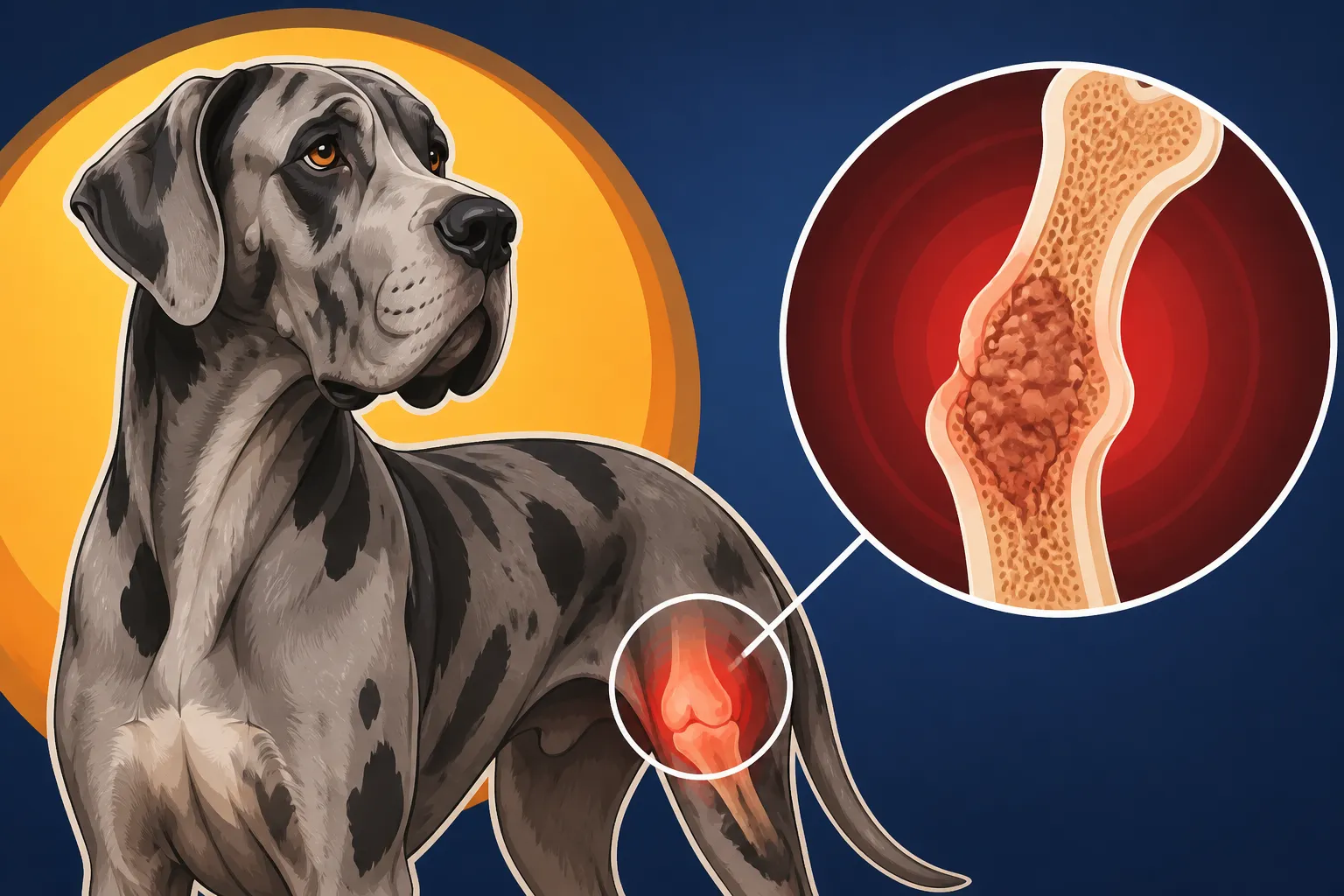
Beyond lameness, a localized swelling or bump on a leg bone is another critical sign to watch for. Osteosarcoma most commonly affects the long bones, especially those near the shoulder (proximal humerus), wrist (distal radius), knee (proximal tibia), or ankle (distal tibia). If you feel a firm, hard swelling on your Great Dane's limb that doesn't seem to be associated with an obvious injury, or if it feels warm to the touch, this is a major red flag.
The pain associated with bone cancer is often deep and persistent. Your Great Dane might vocalize when the affected area is touched, or simply pull away. They might also start licking excessively at the painful spot, sometimes to the point of creating a raw patch on their skin. Unlike the temporary pain of a bruise, this pain tends to worsen over time, even with rest, and may not respond to typical anti-inflammatory medications. If you notice your Dane experiencing unexplained Pain Relief for a Great Dane With Bone Cancer is going to be a major part of management.
Unexplained Lethargy and Appetite Changes
As the cancer progresses, or if it has already spread (metastasized), you might observe more generalized signs of illness in your Great Dane. This can include lethargy, where your usually energetic Dane seems unusually tired, sleeps more, and has less interest in interaction. They might seem generally "off" and just not their usual self.
Appetite changes can also be a red flag. A Great Dane who suddenly becomes picky or starts eating significantly less should raise concerns. Weight loss, despite no change in diet or activity, is another systemic sign that could indicate an underlying serious illness, including cancer. While these symptoms can be attributed to many different conditions, when combined with lameness or swelling, they strongly suggest a need for urgent veterinary attention.
The Diagnostic Journey: What to Expect at the Vet
Receiving a diagnosis of bone cancer is terrifying, but understanding the steps your veterinarian will take can help you feel more prepared. The diagnostic process aims to not only confirm the presence of osteosarcoma but also to determine its extent, which is crucial for planning treatment.
Initial Physical Examination and X-Rays
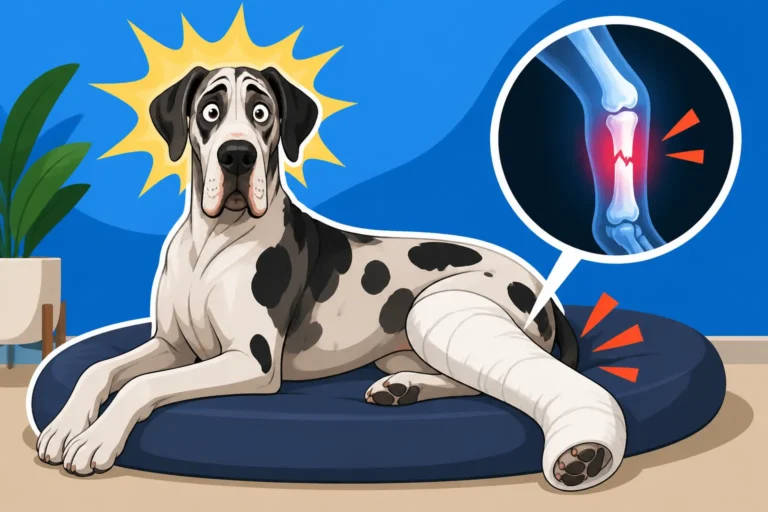
Your vet will start with a thorough physical examination, paying close attention to the lameness and any areas of swelling or pain. They’ll manipulate the affected limb, checking for range of motion, warmth, and discomfort. Based on their findings and your Great Dane’s history, the very first and most critical diagnostic step will be X-rays of the affected limb.
X-rays are often highly indicative of osteosarcoma. The cancerous growth typically appears as an aggressive lesion on the bone, characterized by bone destruction (lysis) and/or abnormal bone production (proliferation). Your vet might also see a characteristic "sunburst" pattern or a moth-eaten appearance. While X-rays can strongly suggest bone cancer, they can't always definitively diagnose it or rule out other bone conditions like Bone Infections After a Great Dane Fracture. However, they are often enough to make a strong suspicion and move to the next step.
Advanced Imaging and Biopsy for Confirmation
To definitively diagnose osteosarcoma and to get a clearer picture of its extent, advanced imaging and a biopsy are usually required. A bone biopsy involves taking a small sample of the affected bone for microscopic examination by a veterinary pathologist. This is the gold standard for confirming the diagnosis and differentiating osteosarcoma from other types of bone tumors or infections. This procedure is typically done under sedation or general anesthesia.
In some cases, especially if surgery is being considered, your vet might recommend further imaging like a CT scan or MRI. These can provide a more detailed, three-dimensional view of the bone lesion and the surrounding soft tissues, helping surgeons plan more precisely. A CT scan of the chest is also absolutely crucial at this stage to check for metastasis to the lungs, as osteosarcoma is highly aggressive and often spreads before clinical signs of metastasis are apparent.
Staging the Cancer and Prognosis
Once osteosarcoma is confirmed, the next vital step is staging the cancer. This involves determining if the cancer has spread beyond the primary tumor, which is critical for prognosis and treatment planning. The most common site for osteosarcoma to spread is the lungs, so chest X-rays or a CT scan of the lungs are essential. Other common sites for metastasis include other bones and lymph nodes, though less frequently than the lungs.
The staging process helps your veterinary oncologist give you a more accurate prognosis and discuss the most appropriate treatment options. Unfortunately, even when no visible metastasis is present on initial imaging, it's often assumed that microscopic spread (micrometastasis) has already occurred due to the aggressive nature of the disease. This understanding guides the recommendation for systemic treatments like chemotherapy, even if the primary tumor is surgically removed. Discussions about Bone Cancer in a Great Dane will often include these difficult realities.
Managing and Treating Bone Cancer in Great Danes
Hearing that your Great Dane has bone cancer is devastating, and the choices that follow are incredibly difficult. The primary goals of treatment are to alleviate pain, control the spread of the disease, and maintain the best possible quality of life for as long as possible. Given the typically The Short Expensive Life of a Great Dane, these decisions are often weighed heavily against the emotional and financial toll.
The Role of Amputation and Chemotherapy
For many Great Danes with osteosarcoma, particularly if the tumor is on a limb and hasn't visibly spread, the cornerstone of treatment is often amputation of the affected limb followed by chemotherapy. Amputation serves two main purposes: it completely removes the source of intense pain from the primary tumor, dramatically improving the dog's comfort and mobility, and it removes the bulk of the cancerous cells. While it sounds drastic, many Great Danes adjust remarkably well to life on three legs, especially with appropriate pain management and physical therapy. You might be surprised at what a determined Dane can do. For more on this, consider reading Amputation and Chemotherapy for a Great Dane.
Chemotherapy is then recommended to target any microscopic cancer cells that have already spread (micrometastasis), even if they aren't visible on scans. It's a systemic treatment designed to slow down or prevent the development of new tumors. While chemotherapy won't cure osteosarcoma, it can significantly extend a Great Dane's quality lifespan when combined with amputation. Without chemotherapy, the average survival time after amputation is only a few months, whereas with it, survival can often be extended to 10-12 months, and sometimes longer.
Palliative Care and Pain Management
For Great Danes where amputation isn't an option (perhaps due to severe arthritis in other limbs, or advanced metastasis) or for owners who choose a less aggressive path, palliative care becomes paramount. The primary focus here is pain management to ensure the dog remains as comfortable and pain-free as possible. This often involves a combination of medications, including NSAIDs, gabapentin, tramadol, and potentially even stronger opioids. Radiation therapy can also be used palliatively to shrink the tumor and reduce pain, though it's not curative.
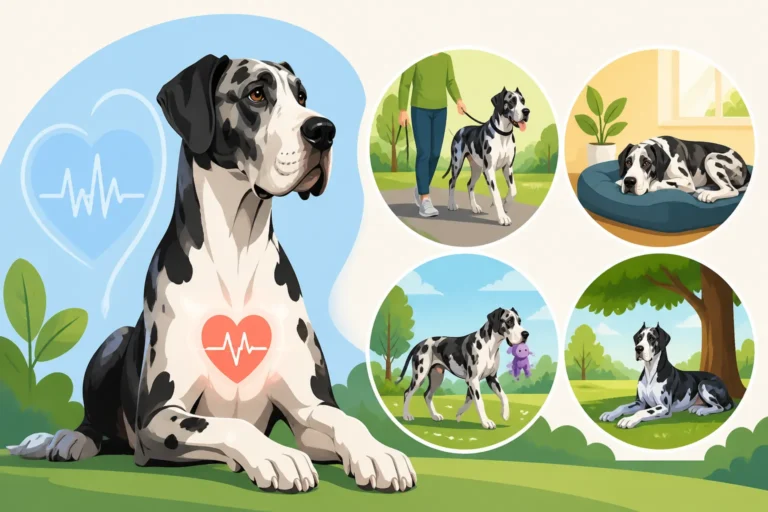
Supportive care, such as providing soft bedding (especially important for Great Dane Hips, Elbows and Growing Joints), ensuring easy access to food and water, and limiting strenuous activity, also plays a huge role. The goal is to maximize their comfort and enjoyment of life, even if the prognosis is guarded. Deciding Whether to Treat or Let a Great Dane Go, is a deeply personal and difficult choice, and palliative care offers a loving alternative to aggressive treatment.
Financial Considerations and Pet Insurance
Let's be realistic: treating bone cancer in a Great Dane can be incredibly expensive. Diagnostic tests alone can run into hundreds or thousands of dollars, and if amputation and chemotherapy are pursued, the costs can quickly climb into the many thousands, sometimes reaching $5,000 to $10,000 or more depending on where you live and the full course of treatment. This is a massive financial burden for any family.
This is precisely where pet insurance can be a literal lifesaver. Companies like Healthy Paws offer comprehensive accident and illness plans that, if enrolled before any signs of illness appear, can cover a significant portion of these immense veterinary bills. Imagine facing a diagnosis of osteosarcoma and knowing that a large percentage of the What a Great Dane Amputation Costs, the Chemotherapy Prices for a Great Dane, and ongoing pain medication would be reimbursed. Having a plan with Healthy Paws can allow you to make treatment decisions based on what’s best for your beloved Great Dane, rather than being solely driven by financial constraints. It truly offers peace of mind when you're facing one of the most challenging times in your Great Dane's life. Considering Insuring a Great Dane Against Bloat and Heart Bills, early can help safeguard against a myriad of health issues, including unexpected cancer diagnoses.
Disclaimer
This article is intended for informational purposes only and does not constitute professional veterinary advice. Always consult with a qualified veterinarian for any health concerns or before making any decisions about your Great Dane's medical care.