Where Osteosarcoma Starts on a Great Dane Leg
It’s a fear that haunts many Great Dane owners: that sudden limp, the unexplained swelling, the crushing diagnosis of bone cancer. When your gentle giant is in pain, it’s not just heartbreaking; it’s terrifying, especially when you know their large size makes them particularly susceptible to certain health issues. This guide will walk you through the most common starting points for osteosarcoma on a Great Dane’s leg, helping you understand where to look, what to watch for, and why these areas are often targeted.
Understanding Osteosarcoma in Great Danes
Osteosarcoma is an aggressive, malignant bone tumor that, sadly, is far too common in large and giant breed dogs like our beloved Great Danes. It’s not just a painful condition; it metastasizes quickly, often spreading to the lungs before any symptoms are even noticeable. The sheer size and rapid growth rate of Great Danes are believed to contribute to their heightened risk. Their long bones experience significant stress and cell turnover, creating an environment where abnormal cell growth can more easily take hold. When we talk about Bone Cancer in a Great Dane, it’s important to understand this isn't some rare fluke; it's a significant concern for the breed.
The most common signs, as many owners can attest, often begin subtly. It might start as a slight limp that comes and goes, especially after exercise, or a reluctance to put weight on a particular leg. You might write it off as a sprain or a bump, hoping it will resolve itself. But with osteosarcoma, these initial hints are crucial. It's often the first indicator that something far more serious is brewing beneath the surface. The disease typically strikes older dogs, often when they are already considered senior, but it can appear earlier. For more on this, you might look into The Age Bone Cancer Hits a Great Dane.
Common Starting Points on the Forelegs
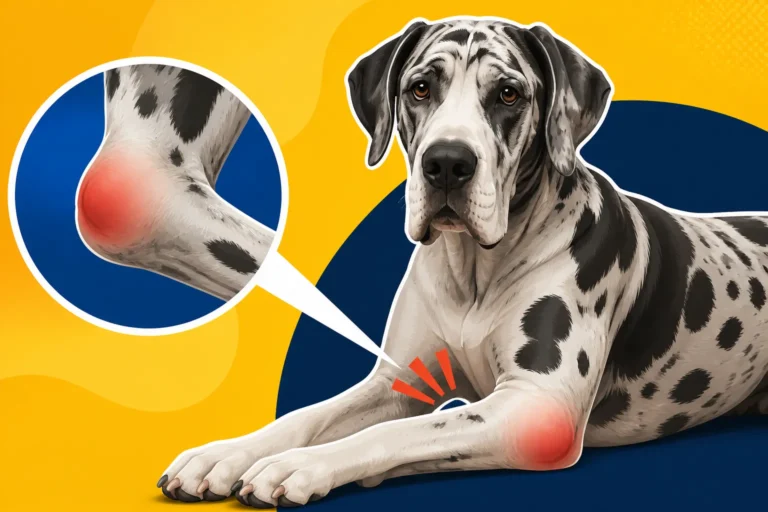
When it comes to osteosarcoma, the forelegs are unfortunately a very common battleground for Great Danes. About 75% of all canine appendicular (limb) osteosarcomas occur in the forelegs. These giant dogs put immense pressure on their front limbs, absorbing much of their considerable weight with every step, every run, and even every time they stand up from a nap. This constant stress, combined with the rapid bone growth they experienced as puppies, seems to create prime conditions for these tumors to develop.
Near the Shoulder Joint
One of the most frequent sites for osteosarcoma to develop is in the bone closest to the shoulder, specifically the proximal humerus. This is the part of the upper arm bone that articulates with the shoulder blade. Imagine the sheer leverage and force exerted on this joint as your Great Dane bounds across the yard or even just pushes off the ground. The growth plates in this area close relatively late in large breeds, and the constant micro-trauma and remodeling that happens throughout life can, unfortunately, be a precursor to cancerous changes.
When osteosarcoma starts here, you'll often see a lameness that might seem to originate from the shoulder itself. Your Dane might hold the leg slightly away from their body, be reluctant to lie down on that side, or even yelp if you gently palpate the area. It can be hard to differentiate from a soft tissue injury initially, which is why veterinary consultation is so vital when you see A Great Dane That Limps Without an Injury. As the tumor grows, it weakens the bone, making it susceptible to what are called pathological fractures – breaks that occur with little to no trauma, simply because the bone is compromised. This is a devastating complication, as a Great Dane with a fractured, tumorous humerus is in immense pain and faces a much more difficult prognosis.
Above the Wrist Joint
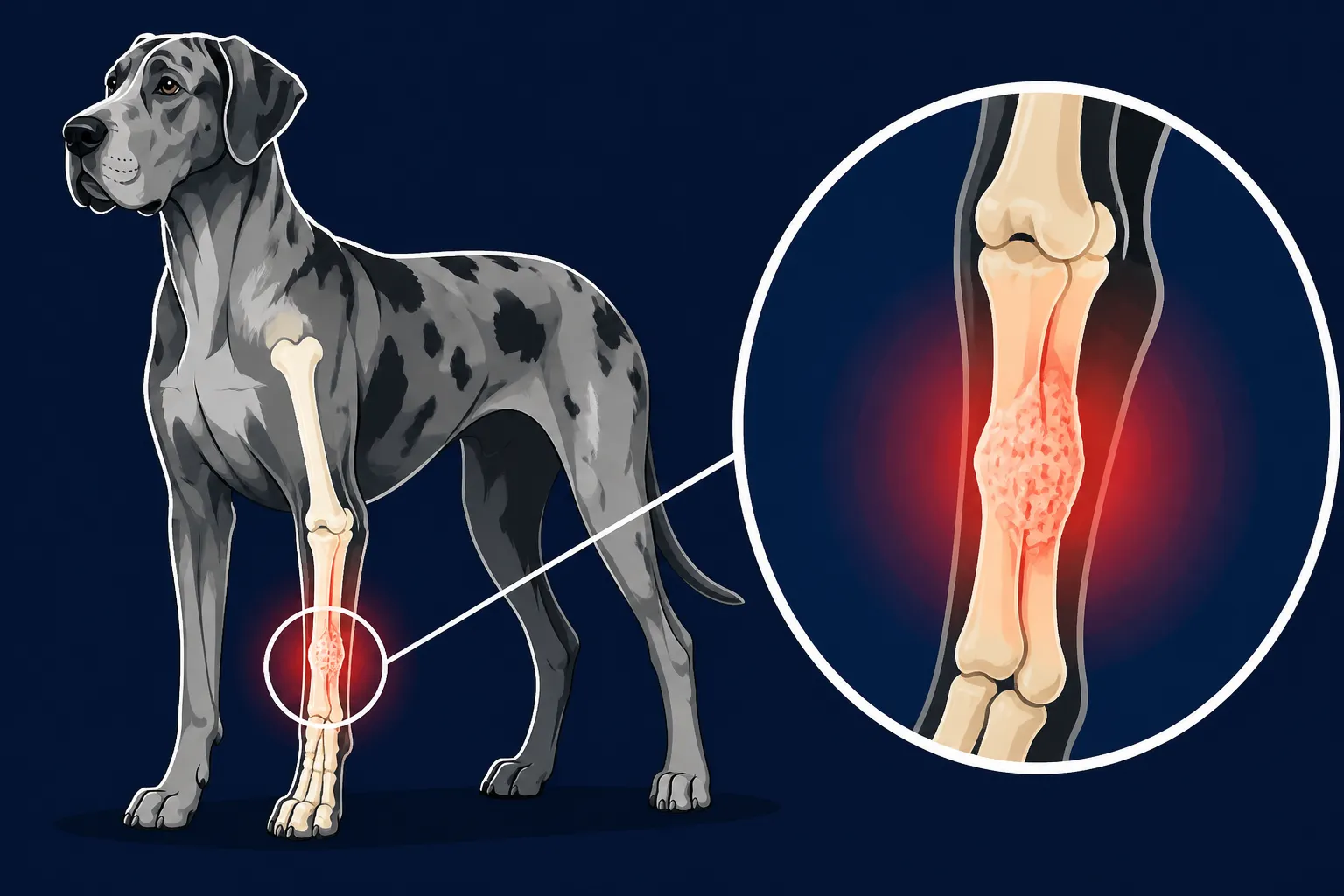
Another highly prevalent area on the foreleg is the distal radius and ulna, which are the two bones just above your Great Dane’s "wrist" or carpus. This is the other end of the long bones of the foreleg, close to the paw. The distal radius is particularly notorious as a hot spot for osteosarcoma. Just like the shoulder, this area experiences significant weight-bearing stress. Think about how many times your Great Dane uses their front paws to push off, dig, or simply stand.
When a tumor starts here, the swelling can sometimes be felt or even seen, though it's often deep-seated initially. Owners might notice their dog licking at the area excessively, or exhibiting a noticeable change in gait, almost as if they're walking on eggshells with that leg. The discomfort can lead to a compensatory shifting of weight, which might cause issues in other limbs over time. The bone here is relatively superficial, so sometimes a subtle firmness or warmth might be detected by a vigilant owner, though by the time it's easily palpable, the tumor is likely quite established.
Common Starting Points on the Hind Legs
While less common than in the forelegs, osteosarcoma can certainly develop in the hind legs, causing similar devastating effects. The powerful muscles of the hindquarters exert immense force on these bones, and again, the history of rapid growth plays a role.
Near the Knee Joint
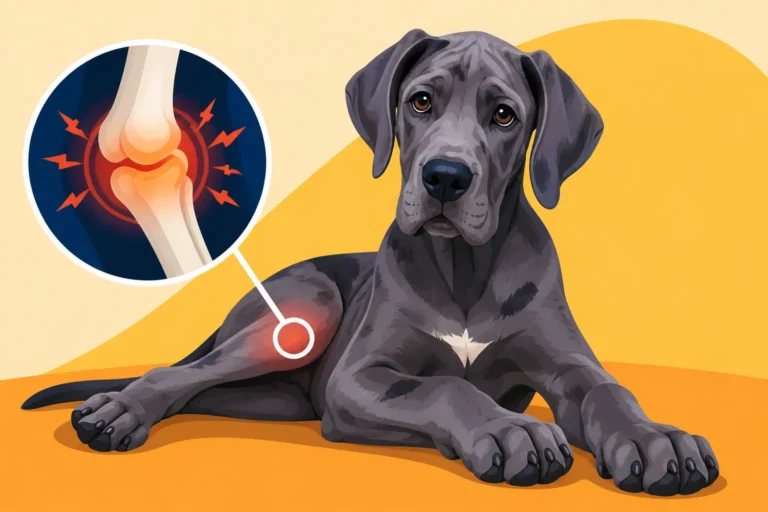
On the hind leg, the most common site is the area around the knee, specifically the distal femur (the part of the thigh bone closest to the knee) and the proximal tibia (the part of the shin bone closest to the knee). These areas are also known as "away from the elbow, towards the knee." The knee joint is incredibly complex and takes a lot of impact, especially with a dog the size of a Great Dane. Activities like jumping, running, and even just going up and down stairs put tremendous strain on these specific bone ends.
A Great Dane with osteosarcoma near the knee might show a stiff-legged gait, a reluctance to bend the knee fully, or difficulty standing after lying down. The swelling around the knee might be subtle at first, masked by muscle, but as the tumor grows, it can become quite prominent. The pain can be severe, leading to vocalization when the leg is touched or when the dog tries to put weight on it. If you have any concerns about an unexplained lameness, particularly one that persists or worsens, getting prompt veterinary attention is crucial. Diagnostics such as X-rays are key to getting a diagnosis, and you can learn more about this through resources like X-Rays That Confirm Great Dane Bone Cancer.
Above the Hock Joint
The other common hind leg location for osteosarcoma is in the distal tibia, which is the part of the shin bone just above the hock joint (the equivalent of our ankle). While less frequent than the knee, it's still a significant area of concern. The hock joint takes a lot of rotational and impact stress, especially during powerful movements, and any pain here can severely impact mobility.
When a tumor appears in this area, you might notice your Great Dane dragging their paw, scuffing their nails, or showing a generalized weakness in the hind leg. Swelling might be noticeable around the lower part of the shin bone. The pain can be constant, leading to restlessness, an inability to get comfortable, or even aggression due to discomfort. Because this area is subject to external knocks and bumps, it can sometimes be mistaken for a simple injury, delaying the correct diagnosis. Always consider the possibility of something more serious with persistent or unexplained lameness in a Great Dane.
Diagnosing and Managing Osteosarcoma
The moment you suspect something is wrong, a trip to the vet is absolutely non-negotiable. Early diagnosis of osteosarcoma is incredibly important, even though it’s such an aggressive cancer. Your vet will likely start with a physical exam, checking for lameness, pain, and any noticeable swelling. If suspicion is high, the next step is typically radiographs (X-rays) of the affected limb. These X-rays can often show characteristic changes associated with osteosarcoma, such as bone lysis (destruction) or abnormal bone proliferation.
Sometimes, further imaging like a CT scan or MRI might be recommended to get a more detailed picture of the tumor's extent and to check for metastasis, particularly in the lungs. A definitive diagnosis usually requires a biopsy of the bone, where a small sample of the bone is taken and examined under a microscope. This can be a challenging procedure given the fragile nature of tumorous bone, but it’s essential for confirmation.
Treatment Options and Prognosis
Once osteosarcoma is diagnosed, the conversation turns to treatment, which can be incredibly daunting. The primary goal is usually pain management and, if possible, extending quality of life. Treatment often involves a combination of approaches. Amputation of the affected limb is a common recommendation, especially for tumors on the forelegs or hind legs, to remove the primary source of pain and prevent further local spread. This might sound drastic, but many Great Danes adapt surprisingly well to life on three legs, especially with proper support and rehabilitation. You can explore Amputation and Chemotherapy for a Great Dane for more insights.
Chemotherapy is almost always recommended after amputation to target any microscopic cancer cells that have already spread, especially to the lungs. While it doesn't typically cure osteosarcoma, it can significantly extend the dog's lifespan and improve their quality of life. For dogs where amputation isn't an option due to other health issues or owner preference, radiation therapy can be used to manage pain and slow tumor growth in the affected limb. Pain Relief for a Great Dane With Bone Cancer is a critical part of any treatment plan, regardless of whether surgery is performed.
Navigating the costs of such intensive treatment can be a significant burden. This is where having pet insurance, like a plan from Healthy Paws, can make a monumental difference, potentially covering a substantial portion of the expenses for surgery, chemotherapy, and ongoing care. Without it, owners often face heartbreaking decisions, especially given The Short Expensive Life of a Great Dane.
Supportive Care and Quality of Life
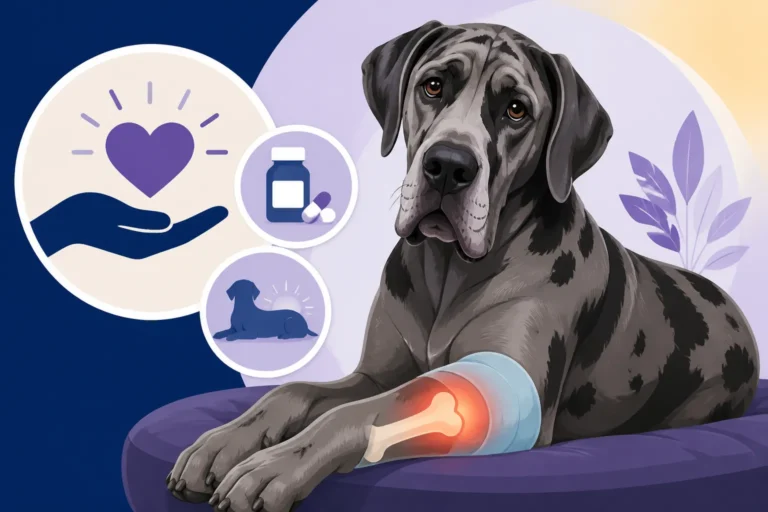
Beyond medical interventions, supportive care at home is vital for a Great Dane battling osteosarcoma. This includes meticulous pain management, often with a combination of prescribed medications, to keep them as comfortable as possible. Providing soft, orthopedic bedding can alleviate pressure points and encourage rest. Non-slip rugs are also essential, especially if mobility is compromised, to prevent falls on slick floors.
Monitoring your Great Dane for changes in appetite, energy levels, and any new limping or discomfort is an ongoing process. Maintaining their quality of life, allowing them to enjoy their favorite activities within their new limits, and showering them with love are paramount. It's about making every day count, focusing on their comfort and happiness, even as you manage a difficult diagnosis. Many owners struggle with the agonizing decision of Whether to Treat or Let a Great Dane Go, and prioritizing comfort is always key.
| Location on Leg | Specific Bone Area | Common Symptoms | Why It's a Target |
|---|---|---|---|
| Foreleg | Proximal Humerus (near shoulder) | Shoulder lameness, reluctance to lie on side, pain on palpation. | High leverage, late closing growth plates, constant stress. |
| Foreleg | Distal Radius/Ulna (above wrist) | Wrist lameness, excessive licking, visible/palpable swelling, changed gait. | Significant weight-bearing stress, superficial bone location. |
| Hind Leg | Distal Femur / Proximal Tibia (near knee) | Stiff gait, reluctance to bend knee, difficulty rising, swelling around knee. | Complex joint, high impact from powerful hindquarters. |
| Hind Leg | Distal Tibia (above hock/ankle) | Paw dragging, scuffed nails, generalized hind leg weakness, swelling. | Rotational and impact stress, often mistaken for simple injury. |
Disclaimer
The information provided in this article is for educational purposes only and is not intended to be a substitute for professional veterinary advice, diagnosis, or treatment. Always seek the advice of your veterinarian or other qualified health provider with any questions you may have regarding a medical condition. Never disregard professional veterinary advice or delay in seeking it because of something you have read in this article.