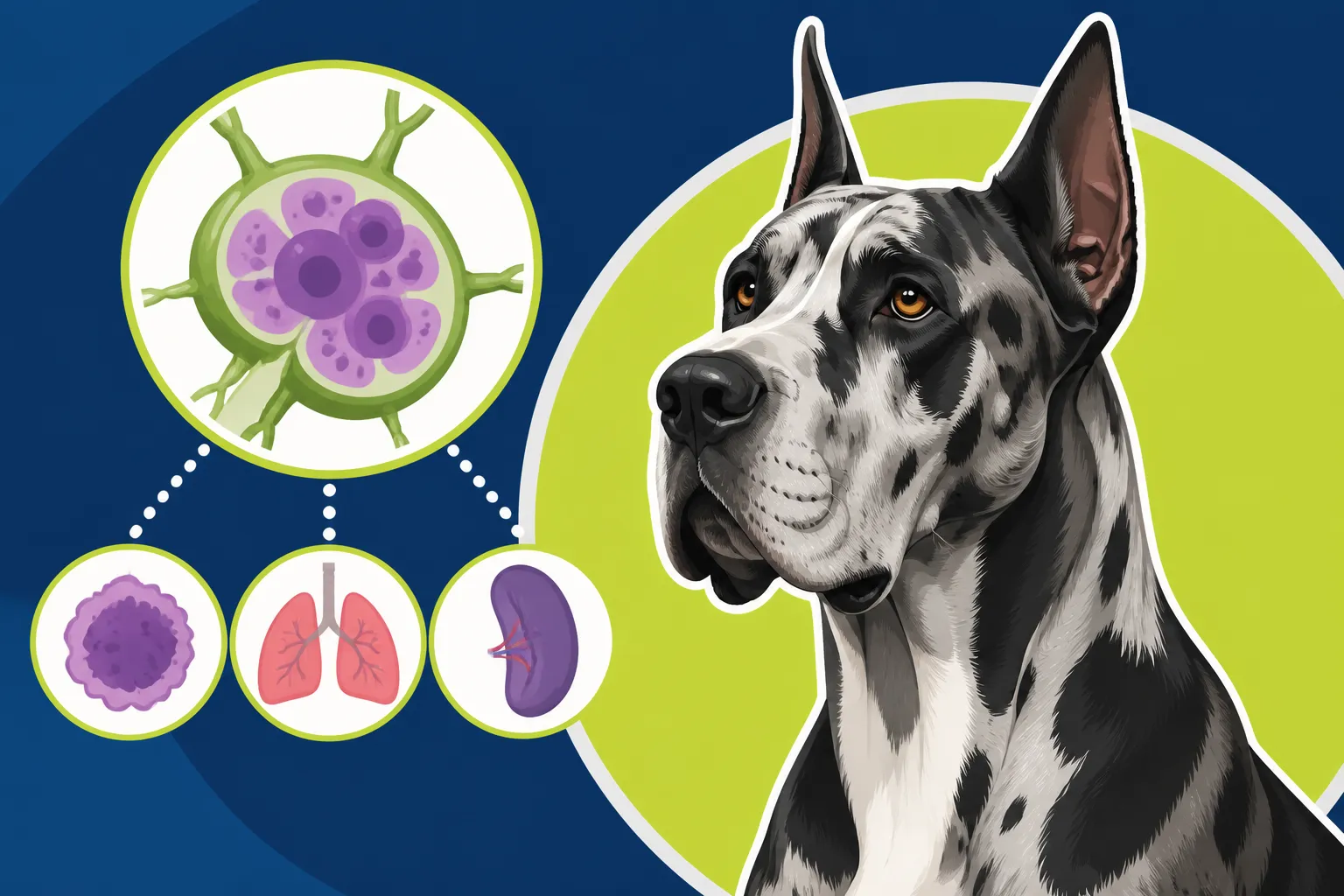
Lymphoma and Other Great Dane Cancers
One of the hardest truths about sharing your life with a magnificent Great Dane is the heartbreaking reality of their shorter lifespans, often compounded by a higher propensity for certain aggressive cancers. It's a cruel twist that these gentle giants, who fill our homes and hearts with so much love, are so vulnerable. This guide aims to shed light on lymphoma and other common cancers affecting Great Danes, helping you understand what to look for, how to approach diagnosis, and the treatment paths available, so you can advocate effectively for your beloved companion.
Understanding Lymphoma in Great Danes
Lymphoma, a cancer of the lymphatic system, is unfortunately one of the more common and aggressive cancers seen in Great Danes. It's a disease that attacks the lymphocytes, a type of white blood cell crucial for the immune system, leading to widespread issues throughout the body. When you think about it, a Great Dane’s immune system has a lot of ground to cover, and when that system goes awry, the consequences can be devastating.
What is Canine Lymphoma?
At its core, canine lymphoma is a diverse group of cancers that originate from lymphocytes. These cells are found in various parts of the body, including lymph nodes, spleen, liver, bone marrow, and gastrointestinal tract. Because of this widespread presence, lymphoma can appear in many different forms, making it a tricky disease to pinpoint and treat effectively. It's not just one disease but many, each with its own characteristics and challenges.
We often categorize lymphoma based on where it manifests. The most common form in dogs is multicentric lymphoma, affecting multiple lymph nodes, often visibly swelling those in the neck, armpits, and groin. Then there’s alimentary lymphoma, which targets the gastrointestinal tract, causing digestive upset and weight loss. Less common but equally serious are mediastinal lymphoma (affecting the chest cavity) and extranodal lymphoma, which can pop up in organs like the skin, eyes, or central nervous system. Each type presents its own unique set of symptoms and diagnostic challenges, but all share the common thread of uncontrolled lymphocyte growth.
Why Great Danes Are Prone to Lymphoma
While the exact reasons why Great Danes seem to have a higher incidence of lymphoma compared to some other breeds aren't fully understood, a combination of genetic factors and their large size is often implicated. Many researchers believe there's a hereditary component to cancer susceptibility in certain breeds, and Great Danes, unfortunately, appear to be on that list for lymphoma and other cancers like osteosarcoma. It’s a sad reality when you consider Why a Great Dane Only Lives Seven to Ten Years and how much of that time is spent worrying about their health.
Their rapid growth rate and sheer size might also play a role, as cell division and growth are inherently linked to cancer risk. The more cells dividing, the higher the chance of a mutation leading to uncontrolled growth. There are ongoing studies into specific genetic markers in Great Danes that may predispose them to this disease. It’s a frustrating situation for owners, who do everything right for their dogs, only to face such formidable health challenges. Understanding this predisposition doesn't make it easier, but it does emphasize the importance of vigilance and proactive health management.
Other Common Cancers Affecting Great Danes
Beyond lymphoma, Great Danes are unfortunately susceptible to several other significant cancers that can severely impact their health and shorten their lives. It's a sobering thought that What Great Danes Most Often Die Of often includes these formidable diseases. Knowing about them can help you be a more informed and vigilant owner.
Osteosarcoma: The Bone Cancer Threat
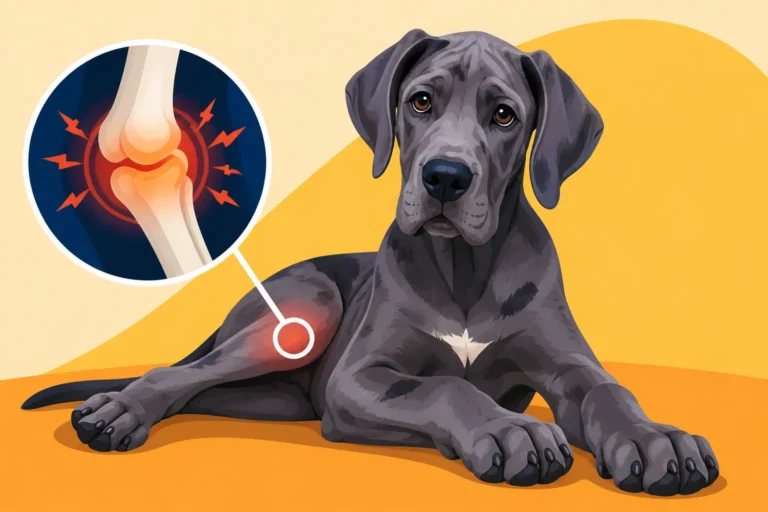
Perhaps one of the most devastating cancers for Great Danes, given their massive bone structure, is osteosarcoma, a highly aggressive bone cancer. This cancer tends to develop in the long bones of the limbs, though it can appear elsewhere. It’s an insidious disease because the first sign often mimics a simple lameness or a minor injury, making it easy to dismiss initially. However, it progresses rapidly and is incredibly painful.
The pain results from the tumor actively destroying healthy bone tissue, making the affected limb incredibly fragile and prone to pathological fractures – meaning the bone breaks from minimal stress. You might notice your Great Dane suddenly limping badly, favoring a leg, or even refusing to bear weight. Over time, a noticeable swelling may develop around the tumor site. This is why if your Dane starts limping inexplicably, especially without a clear traumatic injury, it's absolutely crucial to have it checked out by a vet immediately. Early detection, while still challenging, is key for any chance at managing Bone Cancer in a Great Dane effectively.
Mast Cell Tumors
Mast cell tumors are another type of cancer frequently diagnosed in Great Danes, and they can be particularly tricky because they present in such varied ways. Mast cells are part of the immune system, involved in allergic reactions, and they can become cancerous, forming tumors that range from relatively benign to highly aggressive. These tumors can appear anywhere on or under the skin, or even internally, making them a "great imitator" of other conditions.
On the skin, a mast cell tumor might look like a harmless fatty lump, a wart, an insect bite, or even an ulcerated lesion. This variability means that any new lump or bump on your Great Dane, regardless of how innocent it appears, warrants investigation. Vets often recommend a fine needle aspirate (FNA) to collect cells for microscopic examination. Internal mast cell tumors, found in organs like the spleen or liver, are often more serious and harder to detect until they've caused significant issues. Due to their unpredictable nature and potential for rapid spread, prompt diagnosis and appropriate staging are crucial.
Hemangiosarcoma
Hemangiosarcoma is a particularly insidious and aggressive cancer that originates from the cells lining blood vessels. This means it can occur anywhere in the body where there are blood vessels, but in Great Danes, it commonly affects the spleen, heart, or skin. What makes it so dangerous is its tendency to grow silently, often without noticeable symptoms, until it's quite advanced.
When it affects the spleen or heart, these tumors can rupture, leading to severe internal bleeding. This can cause a sudden and life-threatening emergency, often presenting as acute weakness, lethargy, pale gums, a distended abdomen (if bleeding into the belly), or even collapse. The rapid and often catastrophic onset of symptoms means that many dogs with hemangiosarcoma are rushed to emergency vets in critical condition. Prognosis for internal hemangiosarcoma is generally poor due to its aggressive nature and tendency to metastasize rapidly, highlighting the need for vigilance and knowing the early, subtle signs of distress in your Great Dane.
Recognizing the Signs and Early Detection
Spotting cancer in its early stages is undeniably one of the greatest challenges for Great Dane owners. Our dogs can't tell us what's wrong, and many initial symptoms are vague, easily mistaken for normal aging or minor ailments. However, knowing what to look for, and being proactive about your Dane’s health, can make all the difference. This is where your bond and keen observation skills truly shine.
Behavioral Changes to Watch For
Sometimes, the first hint that something is amiss isn't a physical lump, but a subtle shift in your Great Dane's behavior or energy levels. These gentle giants are usually quite predictable, so any deviation should raise a flag.
- Changes in Energy or Stamina: Is your Dane suddenly less enthusiastic about walks? Are they tiring out much faster than usual, or spending more time sleeping? A gradual decline in stamina, or a reluctance to engage in play they once loved, could be a sign.
- Appetite and Thirst Fluctuations: A sudden decrease in appetite, picking at food, or outright refusal to eat for more than a day warrants a vet visit. Conversely, an unexplained increase in thirst could also be a symptom of certain underlying conditions, including some cancers.
- Changes in Demeanor: Is your normally gregarious Dane becoming withdrawn, irritable, or less tolerant of touch? Pain, especially from bone cancer, can make a dog grumpy or reactive. Or perhaps they seem anxious or restless without an obvious cause.
- Difficulty Breathing or Persistent Cough: A cough, especially one that persists or worsens, or any sign of labored breathing, needs immediate attention. This could indicate lung metastases, mediastinal lymphoma, or heart issues.
- Unexplained Weight Loss: If your Great Dane is losing weight without a change in diet or exercise, it’s a significant red flag. This often happens with more advanced cancers as the body struggles to maintain itself.
Physical Indicators to Never Ignore
While behavioral changes can be subtle, there are also concrete physical signs that should never be dismissed. Being diligent with your regular checks of your Great Dane can help you catch things early.
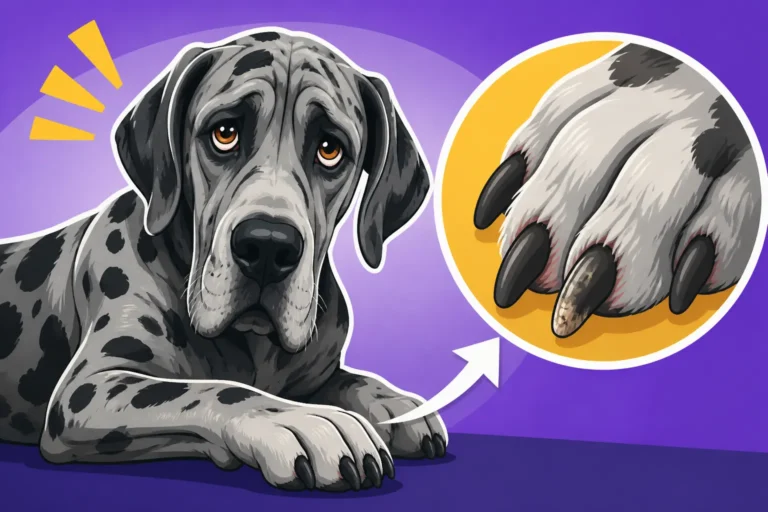
- New Lumps or Bumps: This is perhaps the most obvious and critical sign. Perform regular "pat down" checks of your Great Dane, feeling for any new lumps or bumps under their skin, especially in areas like their neck (lymph nodes), armpits, groin, and belly. Pay attention to the size, texture, and mobility of these lumps. While many are benign fatty tumors (lipomas), it's impossible to tell without veterinary investigation. Any rapidly growing lump, or one that changes in size or texture, needs immediate attention.
- Swollen Lymph Nodes: Lymph nodes are small, bean-shaped glands found throughout the body, acting as filters for the immune system. When they enlarge, it's often a sign of infection or inflammation, but significantly, it can also be a primary sign of lymphoma. Feel for them, especially under the jaw, in front of the shoulders, and behind the knees. Normal lymph nodes are small and barely palpable; swollen ones are noticeably enlarged.
- Persistent Lameness or Swelling: As mentioned with osteosarcoma, unexplained lameness that doesn’t resolve, or a swelling on a limb, is a serious concern. While a Great Dane can certainly get strains and sprains, persistent pain in a bone or joint needs to be thoroughly investigated with X-rays.
- Changes in Urination or Defecation: Any difficulty urinating, blood in the urine, or persistent changes in bowel habits (diarrhea, constipation) could indicate tumors in the urinary tract or gastrointestinal system.
- Bleeding or Discharge: Unexplained bleeding from the mouth, nose, anus, or any other body opening, or any unusual discharge, should prompt a vet visit.
It can be incredibly stressful to find a lump or notice a troubling change in your Great Dane. Remember, you are your dog's best advocate. Don't hesitate to contact your veterinarian if you have any concerns. It’s always better to be safe than sorry, and catching cancer early often improves treatment options and outcomes.
Diagnosis and Treatment Options
Once you and your vet suspect cancer, the journey moves into diagnosis and treatment planning. This phase can be emotionally taxing, but understanding the steps involved will empower you to make the best decisions for your Great Dane.
Diagnostic Procedures
Diagnosing cancer in a Great Dane usually involves a multi-pronged approach, moving from initial observations to more specific tests.
- Physical Exam and Bloodwork: Your vet will start with a thorough physical examination, assessing your dog's overall health and focusing on any areas of concern. This is often followed by routine blood tests, including a complete blood count (CBC) and a biochemistry panel. While these tests won't diagnose cancer directly, they can reveal abnormalities like anemia, inflammation, or organ dysfunction, which can point towards a neoplastic process or rule out other conditions.
- Imaging: X-rays are a common first step, especially if bone cancer (osteosarcoma) is suspected, or if there's a cough suggesting lung issues. For a deeper look, ultrasounds can evaluate internal organs like the spleen, liver, and abdominal lymph nodes. More advanced imaging like CT scans or MRIs can provide even more detailed views of tumors, their extent, and potential spread, particularly useful for things like Imaging a Great Dane Neck for Wobblers or assessing complex internal masses.
- Biopsy and Histopathology: The definitive diagnosis of cancer almost always requires a tissue sample (biopsy) or a sample of cells (cytology via fine needle aspirate, FNA). An FNA is less invasive and can often be done during a regular appointment for superficial lumps. If the FNA is inconclusive or suggests a more serious issue, a surgical biopsy may be needed. The collected samples are then sent to a veterinary pathologist who examines the cells or tissue under a microscope to determine if cancer is present, what type it is, and its grade (how aggressive it appears). This information is critical for guiding treatment decisions.
- Staging: Once cancer is diagnosed, your vet will often recommend "staging" tests. This involves further imaging (X-rays of the chest, abdominal ultrasound) and potentially bone marrow biopsies, particularly for lymphoma, to determine if the cancer has spread to other parts of the body. Staging helps classify the disease's extent, which is crucial for prognosis and treatment planning.
Treatment Modalities for Great Dane Cancers
Treatment for Great Dane cancers, like in humans, varies widely depending on the type of cancer, its stage, and your dog's overall health. The goal is often to extend a good quality of life rather than necessarily cure the disease, though remission is certainly hoped for.
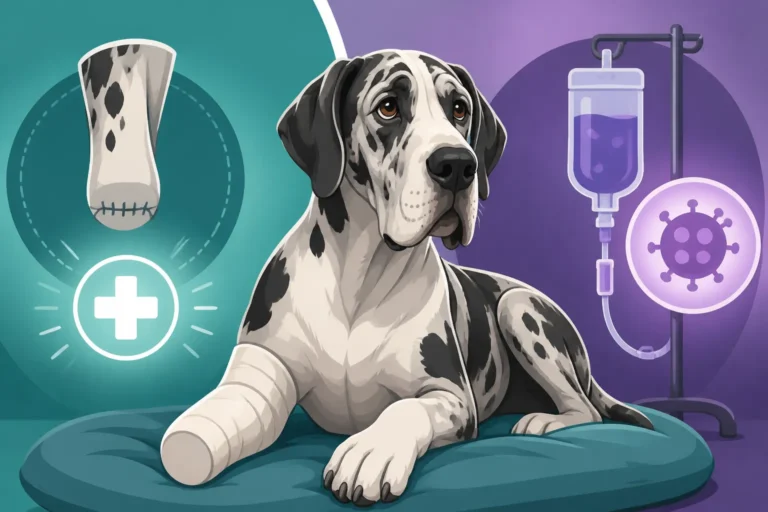
- Surgery: For localized tumors that can be fully removed, surgery is often the treatment of choice. This is common for many mast cell tumors and some types of soft tissue sarcomas. In cases of osteosarcoma affecting a limb, Amputation and Chemotherapy for a Great Dane is often recommended, as difficult as that decision is. For Great Danes, due to their size, surgery can be more complex and require specific anesthetic protocols because Why Great Dane Anesthesia Is Billed Higher.
- Chemotherapy: Chemotherapy uses drugs to kill cancer cells or slow their growth. It's often used for widespread cancers like lymphoma, or as an adjunctive therapy after surgery to target any remaining cancer cells or micrometastases. Chemotherapy in dogs is typically much less aggressive than in humans, focusing on maintaining a good quality of life with minimal side effects. Your vet or veterinary oncologist will outline the specific protocols, expected side effects, and prognosis.
- Radiation Therapy: Radiation therapy uses high-energy rays to damage and destroy cancer cells. It's typically used for localized tumors that can't be fully removed surgically, or to alleviate pain, especially in cases of bone cancer. Radiation requires multiple anesthetic events, which is something to consider with a giant breed.
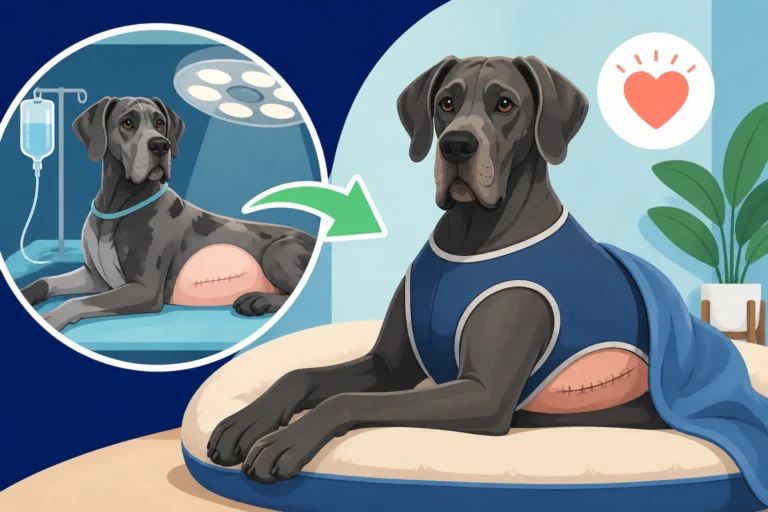
- Palliative Care: When curative treatment isn't an option, or if an owner chooses not to pursue aggressive therapy, palliative care focuses on managing pain and maintaining comfort and quality of life. This can involve pain medications, anti-inflammatory drugs, and supportive care to ensure your Great Dane remains as comfortable and happy as possible for as long as possible.
The cost of cancer treatment can be substantial. This is where comprehensive pet insurance, such as a plan from Healthy Paws, can be an absolute lifesaver. Having a good policy in place can help alleviate the financial stress, allowing you to focus on what truly matters: your Great Dane's health and comfort.
Living with a Great Dane with Cancer
Receiving a cancer diagnosis for your Great Dane is undoubtedly one of the most challenging experiences a pet owner can face. It's a journey filled with difficult decisions, emotional highs and lows, and the need for unwavering dedication. But remember, you're not alone, and there are many ways to ensure your beloved Dane continues to live their best life, no matter the prognosis.
Managing Expectations and Quality of Life
It's natural to hope for a cure, but with many canine cancers, especially in giant breeds, the focus often shifts to extending quality of life. This means working closely with your veterinary oncologist to understand realistic expectations for treatment outcomes, potential side effects, and prognosis.
- Open Communication with Your Vet: Don't hesitate to ask every question that comes to mind. Understand the pros and cons of each treatment option, including costs, time commitment, and the likely impact on your Great Dane's daily life. A good vet will help you weigh these factors against your Dane’s specific needs and your family's circumstances.
- Monitoring Your Dane's Comfort: This is paramount. Learn to recognize subtle signs of pain, discomfort, or nausea from treatment. Your vet can provide pain management strategies, anti-nausea medications, and appetite stimulants as needed. Keeping a daily log of their eating, drinking, energy levels, and any new symptoms can be incredibly helpful for you and your vet.
- Adapting Daily Routines: Your Great Dane might not be able to enjoy the same level of activity as before. Gentle, shorter walks, comfortable bedding, and easy access to food and water become even more important. Providing a peaceful, predictable environment can reduce stress and promote healing or comfort. Remember, Caring for a Great Dane Past Six often involves similar adjustments, regardless of a cancer diagnosis.
The Emotional and Financial Toll on Owners
Dealing with a Great Dane’s cancer diagnosis is an immense emotional and financial burden. These dogs become integral parts of our families, and their suffering deeply affects us.
- Emotional Support: It's okay to grieve, to feel overwhelmed, or to need support. Reach out to friends, family, or online communities dedicated to Great Danes or pet cancer support. Sharing your experiences and feelings can be incredibly therapeutic. Your veterinary team often sees families through these tough times and can be a great source of empathy and guidance.
- Financial Planning and Support: The costs associated with diagnostics, treatments, and ongoing care for a Great Dane with cancer can quickly escalate. This is a tough reality, and it's important to be honest with your vet about your financial limits. They can help you explore different treatment plans, prioritize necessary care, and discuss payment options. Having pet insurance, like a plan from Healthy Paws, can significantly reduce the out-of-pocket expenses for such extensive care, transforming a daunting financial hurdle into a manageable one. It means you can make decisions based on what’s best for your dog, not just your wallet.
- Making Difficult Decisions: There may come a time when you need to make the heartbreaking decision about euthanasia. This is perhaps the kindest, most selfless act you can do for a pet suffering from an incurable or painful disease. Your vet will guide you through this process, helping you assess your Dane's quality of life and recognizing Knowing When a Great Dane Is Done. It's a decision made out of love, to prevent further suffering, and one that many Great Dane owners face given their health challenges.
Throughout this journey, remember the incredible love and joy your Great Dane brings into your life. Focus on creating as many happy, comfortable moments as possible, cherishing every single day you have together.
Cancer Comparison Table for Great Danes
To help you quickly reference the key characteristics of the cancers commonly seen in Great Danes, here's a helpful table.
| Cancer Type | Common Locations | Typical Early Signs | Aggressiveness | Treatment Approaches |
|---|---|---|---|---|
| Lymphoma | Lymph nodes, Spleen, Liver, GI Tract, Bone Marrow | Swollen lymph nodes (neck, armpits, groin), lethargy, decreased appetite, weight loss, vomiting/diarrhea | High | Chemotherapy, sometimes surgery or radiation |
| Osteosarcoma | Long bones (limbs), jaw, ribs | Unexplained lameness, swelling at tumor site, pain, reluctance to bear weight, fractures | Very High | Amputation, chemotherapy, pain management, radiation (palliative) |
| Mast Cell Tumor | Skin (lumps), Spleen, Liver | New skin lumps (variable appearance: fatty lump, wart, ulcer), itching, internal organ dysfunction if metastatic | Variable | Surgical removal, chemotherapy, radiation |
| Hemangiosarcoma | Spleen, Heart, Skin, Liver | Sudden weakness, collapse, pale gums, distended abdomen, lethargy, skin lumps that bleed | Very High | Emergency surgery (splenectomy), chemotherapy |
Disclaimer
The information provided in this article is for educational purposes only and should not be considered a substitute for professional veterinary advice. Always consult with a qualified veterinarian for any health concerns or before making any decisions about your Great Dane's care, diet, or treatment. Every dog is an individual, and only a veterinarian can provide an accurate diagnosis and personalized treatment plan.