Hypertrophic Osteodystrophy in a Great Dane
It's absolutely terrifying when your vibrant, growing Great Dane puppy, full of boundless energy one minute, suddenly can't put weight on a leg or cries out in pain. You watch them limp, refuse to play, or develop mysterious swollen joints, and your heart sinks. This isn't just normal puppy clumsiness or a minor sprain; sometimes, these alarming signs point to a serious condition known as Hypertrophic Osteodystrophy, or HOD. This guide will walk you through what HOD is, how to spot its tell-tale signs, the journey of diagnosis, and the critical steps you can take to manage this challenging condition in your beloved giant.
Understanding Hypertrophic Osteodystrophy (HOD) in Great Danes
Hypertrophic Osteodystrophy is one of those tongue-twisting medical terms that sounds scary, and for good reason. It's a developmental bone disease that primarily affects rapidly growing large and giant breed puppies, and unfortunately, Great Danes are notoriously susceptible. It involves an inflammation and abnormal development in the growth plates of long bones, most commonly affecting the bones in their legs near the joints. Imagine your puppy's bones, which are supposed to be growing strong and straight, suddenly becoming inflamed and misshapen at the crucial growth points. It's a painful and often debilitating condition that can strike fear into any Great Dane owner's heart.
What HOD Really Means for Your Puppy's Bones
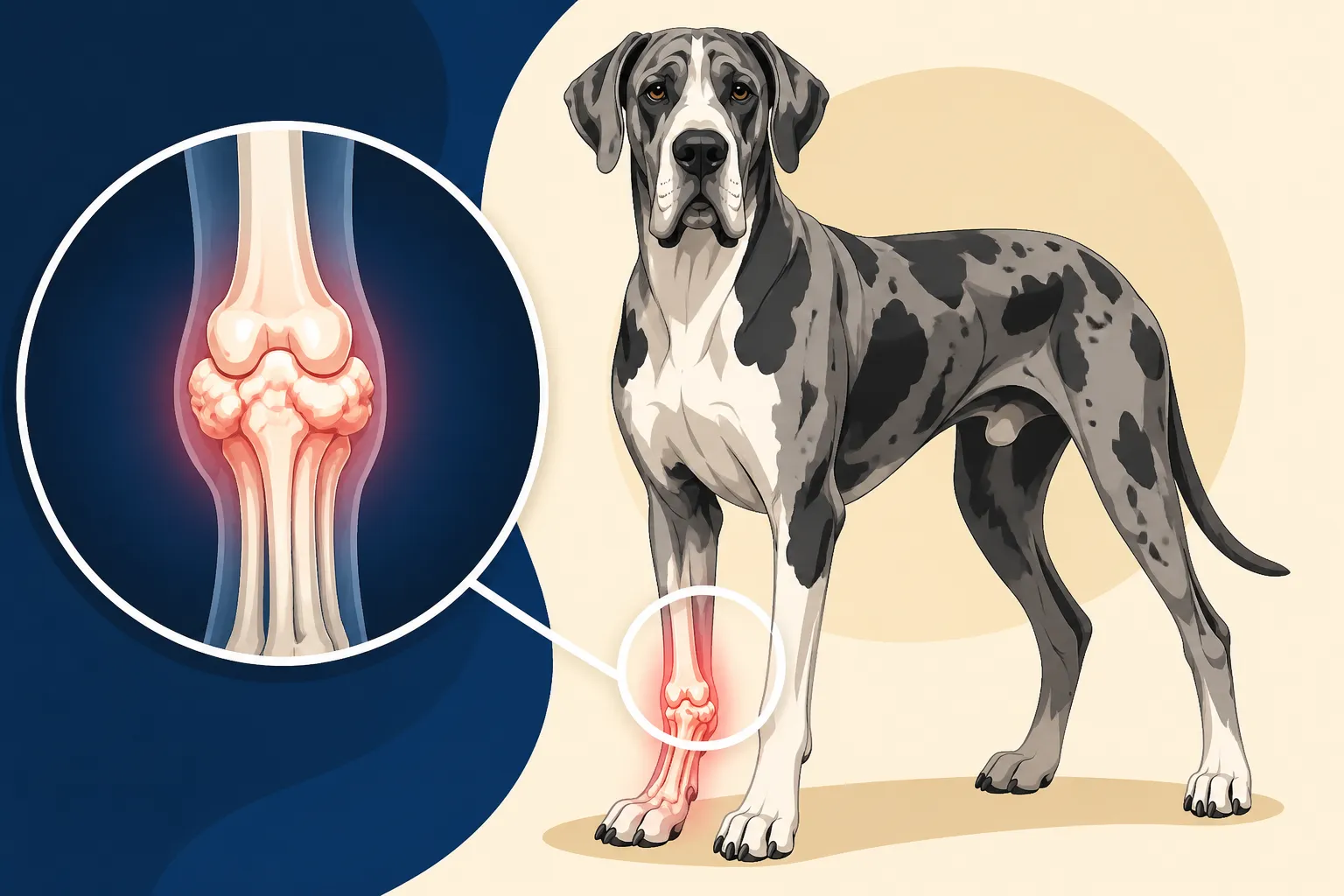
At its core, HOD is a disruption in the orderly process of bone formation at the metaphysis—the area of the bone right next to the growth plate. During normal growth, cartilage cells in the growth plate divide and mature, then eventually turn into bone. In puppies with HOD, this process goes haywire. Instead of a smooth transition, the cartilage cells near the growth plate become disorganized, degenerate, and sometimes even bleed. This creates an inflammatory reaction, leading to swelling, pain, and sometimes bone abnormalities that can be seen on X-rays. It's not a uniform problem across all bones; it often affects multiple limbs, and can even shift from one leg to another, making it incredibly confusing for owners. This is why understanding Growth Disorders in a Great Dane Puppy is so crucial, as HOD falls into this broader category. It's a stark reminder that a Great Dane puppy's rapid growth isn't always smooth sailing.
The Suspected Triggers and Risk Factors
While the exact cause of HOD isn't fully understood, veterinary experts point to a combination of factors, with rapid growth and nutrition often being at the forefront. Great Danes are genetically programmed to grow at an astonishing rate, but this blessing can sometimes become a curse if not managed properly. Overfeeding, especially with diets high in calories, protein, or, most critically, excessive calcium and phosphorus, is a significant risk factor. Many owners, in their eagerness to ensure their giant puppy grows big and strong, inadvertently provide a diet that accelerates growth beyond what their developing bones can handle. This excess can disrupt the delicate mineral balance needed for healthy bone development. This is why we often talk about Why a Great Dane Puppy Should Grow Slowly and how Why Calcium Supplements Damage a Great Dane are real concerns. Beyond nutrition, other theories include genetic predisposition, viral infections, and even certain vaccinations, though these are less consistently proven. Breeders who don't prioritize The Health Testing a Great Dane Breeder Owes You might unknowingly perpetuate lines prone to such issues.
Recognizing the Distressing Signs of HOD
The onset of HOD can be quite sudden and alarming, often appearing in puppies between 2 and 7 months of age, which is a prime period for rapid growth. One day your puppy is romping around, and the next they're limping, whimpering, or refusing to move. It's a heartbreaking sight, made even more confusing by how quickly symptoms can change or move from one limb to another.
The Sudden Onset of Lameness and Pain
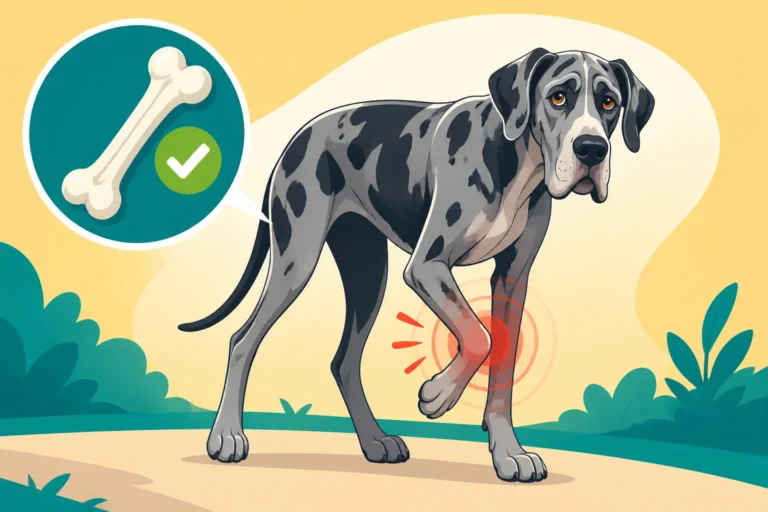
One of the most common and distressing signs of HOD is acute lameness, meaning your puppy will suddenly start limping or be unwilling to bear weight on one or more limbs. This isn't just a slight favoring of a paw; it can be severe, causing them to cry out when you touch their legs or even when they try to stand up. The pain is intense, usually localized around the joints of the long bones, especially the wrists (carpus), ankles (tarsus), and below the knee and elbow. They might hold a leg up completely, or try to take small, hesitant steps. This sudden pain can be incredibly frightening for both puppy and owner, as it feels so out of the blue. You might see them struggling with tasks they easily did yesterday, like getting up from a nap or climbing a single step.
Swelling and Fever: More Than Just "Growing Pains"
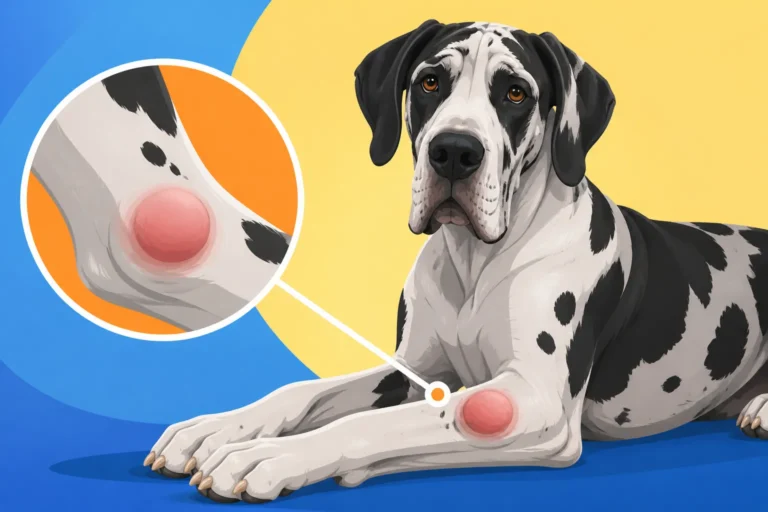
Beyond lameness, HOD often brings noticeable swelling around the affected joints, making them feel warm to the touch. This swelling is a direct result of the inflammation happening within the growth plates. It’s not subtle; you might see a visible bulge or thickening, particularly around the "knees" (stifles) and "wrists" (carpals) of your Great Dane. These are the areas where the rapid growth is most concentrated. Accompanying this local inflammation, many puppies with HOD will also develop a fever, which can fluctuate. They might become lethargic, lose their appetite, and generally seem unwell. This combination of pain, swelling, and systemic signs like fever and lethargy is a strong indicator that something more serious than typical "growing pains" is at play. It's a common misconception that all aches and pains in a growing puppy are just normal, but with HOD, the severity and accompanying symptoms should always prompt a veterinary visit.
How HOD Can Mimic Other Growing Joint Issues
The tricky thing about HOD is that its symptoms can overlap with other developmental orthopedic diseases that affect large breed puppies. Conditions like panosteitis, osteochondritis dissecans (OCD), or even simple sprains can present with lameness and pain. This makes accurate diagnosis absolutely critical. Panosteitis, for example, is also characterized by shifting lameness and bone pain, but it involves inflammation of the outer shaft of the bone rather than the growth plates. Meanwhile, issues affecting Great Dane Hips, Elbows and Growing Joints can also manifest as discomfort during growth. Because of these similarities, it’s vital not to self-diagnose but to seek professional veterinary advice immediately. A veterinarian will use specific diagnostic tools, primarily X-rays, to differentiate HOD from these other conditions and ensure your puppy receives the correct treatment.
Here’s a quick overview of potential symptoms:
| Symptom | Description | Common Onset Age | Severity | Requires Vet? |
|---|---|---|---|---|
| Acute Lameness | Sudden, severe limp or inability to bear weight on one or more limbs. | 2-7 months | Moderate-Severe | YES |
| Joint Swelling | Visible, warm, painful swelling around affected joints (wrists, ankles). | 2-7 months | Moderate-Severe | YES |
| Fever | Elevated body temperature (103-106°F or 39.4-41.1°C), often fluctuating. | 2-7 months | Moderate-Severe | YES |
| Lethargy | Unusually tired, reluctant to play or move. | 2-7 months | Mild-Severe | YES |
| Loss of Appetite | Refusal to eat or significant decrease in food intake. | 2-7 months | Mild-Severe | YES |
| Pain on Palpation | Crying or flinching when affected joints are touched. | 2-7 months | Moderate-Severe | YES |
| Shifting Lameness | Lameness that appears to move from one leg to another over days or weeks. | 2-7 months | Moderate | YES |
Navigating Diagnosis and Treatment Options
If you suspect HOD, the first and most important step is a prompt visit to your veterinarian. Early and accurate diagnosis is key to effective management and improving your puppy's comfort and long-term prognosis. Don't wait, hoping it will just go away; the pain can be intense, and delaying treatment prolongs their suffering.
The Diagnostic Journey at the Vet
When you bring your Great Dane puppy to the vet with suspected HOD, the diagnostic process usually begins with a thorough physical examination. Your vet will palpate your puppy's limbs, checking for pain, swelling, and warmth around the growth plates, carefully noting which joints are affected. They'll also assess your puppy's overall condition, checking for fever, dehydration, or other systemic signs of illness.
The definitive diagnostic tool for HOD is typically radiography, or X-rays. Your vet will take images of the affected limbs. What they look for are specific changes in the metaphysis—the area adjacent to the growth plate. Characteristic X-ray findings include a "double physis" (a visible line of decreased bone density parallel to the growth plate) and irregular, flared-out bone at the ends of the long bones. These distinct patterns help differentiate HOD from other conditions like panosteitis or soft tissue injuries. Blood tests may also be performed to rule out other underlying conditions, although they are not usually diagnostic for HOD itself. It's a relief to get a clear diagnosis, even if the news is challenging, because it means you can finally start targeted treatment.
Conventional and Supportive Treatments
The treatment for HOD is primarily supportive, focusing on managing pain and inflammation until the puppy outgrows the condition. There’s no single "cure," but rather a comprehensive approach to keep your Great Dane comfortable and minimize long-term damage.
- Pain Management: This is paramount. Your vet will likely prescribe non-steroidal anti-inflammatory drugs (NSAIDs) such as carprofen, meloxicam, or deracoxib, which help reduce both pain and inflammation. In severe cases, stronger pain medications or even a short course of corticosteroids might be used. Remember, never give human pain relievers to your dog, as they can be toxic. Pain Relief for a Great Dane With Bone Cancer discusses managing severe pain, and while HOD isn't cancer, the principles of comfort are shared.
- Rest: Restricting your puppy's activity is crucial during flare-ups. This means no vigorous play, running, or long walks. Controlled, short leash walks for potty breaks are usually acceptable, but the goal is to minimize stress on the inflamed growth plates. Sometimes, strict crate rest might be recommended for a period.
- Antibiotics: While HOD is not primarily a bacterial infection, sometimes secondary bacterial infections can occur, or a vet might prescribe antibiotics as a precaution if there's a strong fever or concern about systemic infection.
- Fluid Therapy: If your puppy is severely lethargic, not eating, or dehydrated due to fever, intravenous fluids may be administered to support them.
Managing the ongoing vet visits, medications, and potential emergency care can certainly add up, which is why having a robust pet insurance plan can be a huge relief. Companies like Healthy Paws can help alleviate the financial burden of these unexpected and often extensive treatments, allowing you to focus on your Great Dane's recovery.
The Role of Nutrition in HOD Management
Nutrition plays a surprisingly critical role, not just in preventing HOD, but also in managing it. As we touched on earlier, overfeeding and inappropriate nutrition can exacerbate the condition. If your puppy is diagnosed with HOD, your vet will likely review their diet and recommend adjustments.
- Controlled Growth: The goal is to slow down their growth rate without compromising their nutritional needs. This usually means feeding a high-quality, large-breed puppy food specifically formulated for slow growth. These diets have carefully controlled levels of calcium, phosphorus, and calories, which are vital for proper bone development. Avoid feeding adult dog food too early or supplementing with calcium unless specifically instructed by your vet. For more information, you can read Why Fast Growth Wrecks Great Dane Joints.
- Feeding Schedule: Instead of free-feeding, which can lead to overconsumption, your vet might recommend specific meal portions given two to three times a day.
- Weight Management: Keeping your Great Dane puppy at a lean body condition is essential. Excess weight puts additional strain on their already compromised joints. Your vet can help you assess your puppy's body condition score and guide you on appropriate food amounts.
Working closely with your veterinarian on dietary modifications is paramount, as an improper diet can significantly worsen HOD symptoms and prolong recovery.
Living with HOD and Ensuring Long-Term Comfort
A diagnosis of HOD can be daunting, but with diligent care, many Great Dane puppies can recover and lead full lives. The key is consistent management, patience, and a deep understanding of your puppy's needs during this challenging period.
Pain Management Strategies at Home
While your vet prescribes the core medications, there are many things you can do at home to help manage your Great Dane's pain and improve their comfort.
- Administering Medications Reliably: The most crucial step is to consistently administer all prescribed pain medications on schedule. Missing doses can lead to breakthrough pain, making your puppy suffer unnecessarily. Use pill pockets or other creative methods if your Dane is reluctant to take pills.
- Soft, Supportive Bedding: Provide extra-cushy, orthopedic bedding. Hard surfaces put more pressure on inflamed joints. A thick, memory foam bed can make a world of difference. Consider having multiple comfortable resting spots throughout the house.
- Warm Compresses: Applying warm compresses to swollen, painful joints for 10-15 minutes a few times a day can help soothe inflammation and provide relief. Always check the temperature to ensure it's comfortably warm, not hot.
- Gentle Massage: Once the acute pain has subsided a bit, very gentle massage around the affected muscles (not directly on the inflamed joints) can help with circulation and relaxation. Always consult your vet or a veterinary physical therapist for proper techniques.
- Monitoring Pain Levels: Learn to recognize subtle signs of pain in your Great Dane—lip licking, panting, restlessness, reluctance to move, guarding an area. Keeping a pain diary can help you track their discomfort and communicate effectively with your vet.
This continuous care and attention to comfort can be demanding, and the associated costs for specialized bedding, multiple vet visits, and ongoing medication can really add up. Having pet insurance, especially from a provider like Healthy Paws, can significantly ease this financial burden, allowing you to focus on your dog's well-being without constant worry about bills.
Exercise, Rest, and Environmental Modifications
Balancing activity and rest is vital for a Great Dane recovering from HOD. Too much activity can aggravate the condition, while too little can lead to muscle atrophy and stiffness.
- Strict Rest During Flare-Ups: During acute painful episodes, strict rest is often necessary. This might mean confining your puppy to a crate or a small, safe area where they can't run or jump. Short, controlled leash walks for bathroom breaks are usually the only permitted activity.
- Gradual Return to Activity: As symptoms improve, activity should be reintroduced very gradually. This means short, gentle walks on soft surfaces, avoiding stairs, slippery floors, and rough play with other dogs. Always err on the side of caution.
- Slippery Surfaces: Great Danes, with their large size, already struggle on slippery floors. For a puppy with HOD, these surfaces can be incredibly dangerous, leading to slips, falls, and further injury. Use runners, rugs, or anti-slip socks to create safe pathways.
- Stairs: Avoid stairs completely during recovery. If you live in a multi-story home, either restrict your puppy to one level or be prepared to carry them, which can be a significant challenge with a growing Great Dane. For insights into joint health, consider reading Whether a Great Dane Should Climb Stairs.
- Ramps and Steps: For getting into vehicles or onto furniture (if allowed), consider using sturdy ramps or pet steps to minimize jumping and impact on their joints.
Patience is key. Your Great Dane puppy needs time to heal and grow properly without further stress on their delicate growth plates.
When to Seek Emergency Veterinary Care
While HOD is typically managed with ongoing veterinary care, there are times when emergency attention is warranted. Knowing these signs can literally save your puppy's life or prevent severe suffering.
- Sudden Worsening of Lameness or Pain: If your puppy suddenly becomes unable to bear weight on a limb that was previously improving, or their pain becomes uncontrollable despite medication, seek emergency care.
- High, Persistent Fever: A fever that spikes dramatically, persists for an extended period, or doesn't respond to prescribed fever reducers needs immediate attention, as it could indicate an infection or a severe HOD flare.
- Severe Lethargy, Anorexia, or Dehydration: If your puppy becomes extremely weak, refuses to eat or drink for more than 12-24 hours, or shows signs of severe dehydration (e.g., sunken eyes, sticky gums), they need immediate veterinary assessment and possibly IV fluids.
- New or Worsening Swelling: If new joints suddenly swell up, or existing swelling becomes much larger, hotter, or more painful, it's a cause for concern.
- Signs of Other Illness: HOD can stress a puppy's system, potentially making them more susceptible to other issues. If you notice any other alarming symptoms like persistent vomiting, diarrhea, difficulty breathing, or seizures, contact an emergency vet immediately.
Always trust your instincts as a pet parent. If something feels seriously wrong with your Great Dane, it's always better to be safe and seek professional help. The peace of mind that comes with knowing you have done everything you can for your beloved companion is immeasurable.
Disclaimer
This article is intended for informational purposes only and does not constitute medical advice. Always consult with a qualified veterinarian for any health concerns or before making any decisions about your Great Dane's care.