Entropion and Ectropion in a Great Dane
It’s truly disheartening when you notice something isn't quite right with your gentle giant’s eyes. One moment, they’re looking at you with those deep, soulful eyes, and the next, you catch a glimpse of an eyelid that seems to be rolling inward or sagging outward. These aren't just cosmetic issues; they can cause significant discomfort and even threaten your Great Dane's vision. This comprehensive guide will walk you through understanding entropion and ectropion, what to watch for, and how to navigate treatment options to keep your Dane's eyes healthy and happy.
Understanding Entropion in Great Danes
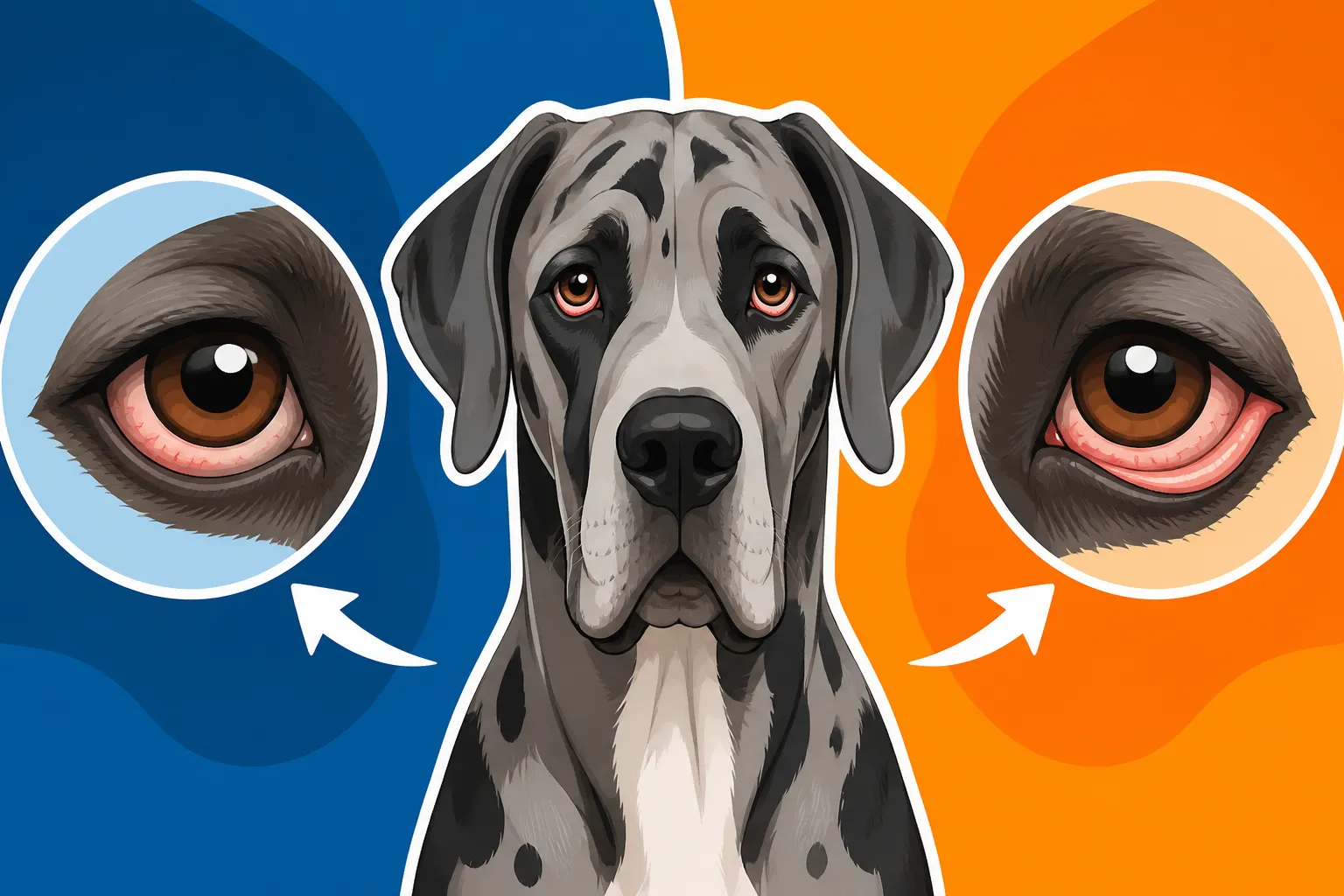
Entropion is a condition that often catches new Great Dane owners by surprise, and it’s certainly not a pleasant discovery. It’s essentially an inward rolling of the eyelid margin, meaning the eyelashes and surrounding hair rub directly against the surface of the eye. Imagine having a constant poke in your eye, and you start to get a sense of the discomfort your dog feels.
What Exactly is Entropion?
When a Great Dane has entropion, the eyelid, most commonly the lower one, tucks inward. This seemingly small anatomical quirk causes a cascade of problems. The delicate cornea, the clear front surface of the eye, is constantly irritated by the stiff hairs and lashes. This persistent rubbing can lead to excessive tearing, a gooey discharge, and your dog squinting or blinking more than usual. You might also notice redness around the eye, and your Dane pawing at its face, trying to relieve the irritation.
Great Danes, with their distinct facial structure and often somewhat loose skin around the eyes, are unfortunately more predisposed to entropion than many other breeds. It’s often a hereditary condition, meaning it’s passed down through generations. The breed standard, aiming for a certain look, sometimes inadvertently contributes to this predisposition by favoring certain head and eye sets. Left unaddressed, this constant irritation can escalate from mere discomfort to serious eye damage. Prolonged rubbing can abrade the cornea, leading to painful corneal ulcers. These ulcers are open sores on the eye's surface that can become infected, potentially causing scarring, pigment deposits, and in severe, untreated cases, even vision impairment or loss. It’s a vicious cycle of pain and damage that no loving owner wants for their dog.
Diagnosing and Managing Entropion
If you suspect your Great Dane has entropion, the first and most crucial step is a visit to your veterinarian. They’ll perform a thorough ophthalmic examination, carefully observing how your dog’s eyelids sit and checking for any signs of corneal damage. Sometimes, a veterinary ophthalmologist might be recommended for a more specialized assessment. The diagnosis itself is usually straightforward, as the inward rolling of the eyelid is quite visible. What's more critical is assessing the extent of the damage to the cornea, which might involve special eye stains to highlight ulcers.
For temporary relief, especially in mild cases or while awaiting surgical correction, your vet might prescribe lubricating eye drops or ointments. These help create a barrier between the lashes and the cornea, reducing friction and soothing irritation. Gentle cleaning around the eyes with a warm, damp cloth can also help remove discharge and prevent secondary skin infections. However, for most Great Danes with significant entropion, surgical correction is the definitive solution. For puppies, a temporary procedure called "tacking" might be performed, where sutures are used to roll the eyelid outward, allowing the puppy to grow without constant irritation. This often needs to be followed by a permanent correction once the Dane reaches full growth, typically around 6 to 12 months of age, as their facial structure stabilizes.
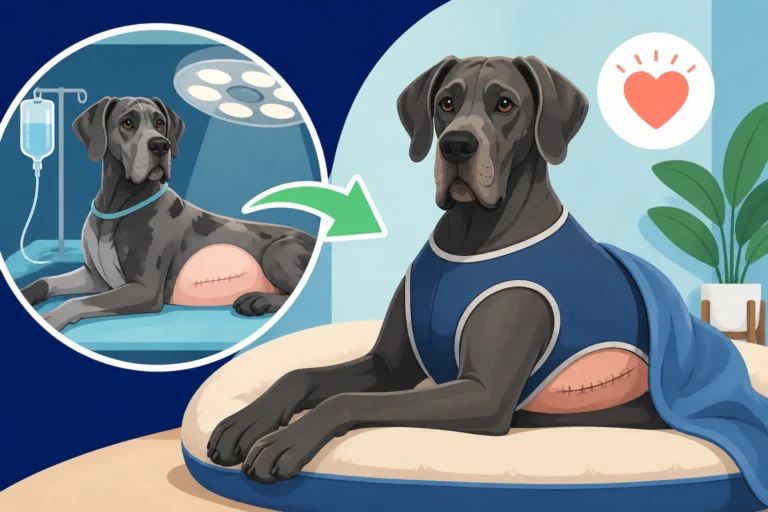
Permanent surgical correction involves carefully removing a small, crescent-shaped piece of skin and muscle from the affected eyelid, then stitching the remaining edges together to roll the eyelid back into its correct position. The goal is to prevent the lashes from touching the eye without over-correcting and causing ectropion. Post-surgery, your Great Dane will likely need to wear an Elizabethan collar (e-collar) to prevent them from rubbing or scratching at the incision site, which could disrupt healing or introduce infection. You’ll also be sent home with eye drops, oral antibiotics, and pain medication to ensure a comfortable recovery. Follow-up visits are essential to monitor healing and ensure the correction is effective. It’s a commitment, but the relief it brings your dog is invaluable.
Exploring Ectropion in Great Danes
While entropion involves an eyelid rolling inward, ectropion is its opposite: the eyelid sags or rolls outward, exposing the delicate conjunctiva lining the inside of the eyelid. While it might look less immediately painful than entropion, ectropion can lead to its own set of chronic problems for your Great Dane.
What Causes Ectropion?
Ectropion often gives a dog a rather sleepy or droopy-eyed appearance, sometimes referred to as a "hound dog" look. With ectropion, the lower eyelid droops away from the eyeball, creating a pocket where dust, dirt, and other environmental irritants can easily collect. The exposed conjunctiva is more vulnerable to drying out and becoming inflamed, leading to chronic conjunctivitis – a persistent redness and irritation of the eye lining. You might notice your Dane’s eyes appear constantly red, watery, or have a sticky discharge. This exposed "haw," as the inner eyelid is sometimes called, is also a prime spot for debris to accumulate, increasing the risk of bacterial infections.
Similar to entropion, Great Danes are genetically predisposed to ectropion due to their specific breed characteristics, often having a significant amount of loose skin around their faces and heads. This relaxed skin can cause the lower eyelids to sag naturally. While genetics are a primary cause, other factors can contribute to ectropion. Trauma or injury to the face or eye can sometimes damage the delicate structures supporting the eyelid, leading to it rolling outward. Nerve damage, which might affect the facial muscles controlling the eyelids, can also be a culprit. In some cases, as Great Danes age, the natural loss of skin elasticity and muscle tone can contribute to the development or worsening of ectropion. Caring for a Great Dane Past Six often means keeping an extra watchful eye on these age-related changes.
Treatment Approaches for Ectropion
For milder cases of ectropion, where irritation is minimal and there's no significant risk to the eye, conservative management might be sufficient. This typically involves diligent daily care, such as regular cleaning of the eyes to remove any accumulated debris and prevent infections. Your vet may also recommend lubricating eye drops to keep the exposed conjunctiva moist and reduce the likelihood of dryness and inflammation. It's about proactive care to manage the symptoms and prevent them from escalating.
If ectropion is caused by an underlying issue like nerve damage or trauma, addressing that primary cause becomes part of the treatment plan, if possible. However, for most cases of persistent and problematic ectropion in Great Danes, surgical intervention is often the most effective solution, similar to entropion. The surgical procedure for ectropion is called blepharoplasty. This involves carefully removing a wedge of tissue from the eyelid to tighten it and help it lie properly against the eyeball. The goal isn’t just aesthetic; it's primarily to restore proper eyelid function, protect the eye from exposure, and alleviate chronic irritation and infection.
Following blepharoplasty, your Great Dane will require careful post-operative care. An e-collar will be necessary to prevent your dog from interfering with the surgical site, and you’ll likely administer eye drops, oral antibiotics, and pain medication. Regular follow-up appointments with your vet are crucial to monitor the healing process, ensure the eyelid has settled into the correct position, and address any potential complications. While the idea of surgery can be daunting, successfully treating ectropion can significantly improve your Great Dane’s comfort and long-term eye health.
The Impact on Your Great Dane and Your Wallet
Dealing with eye conditions like entropion or ectropion is a journey that affects not just your beloved Great Dane's physical well-being but also your peace of mind and, let's be honest, your bank account. It’s important to understand the full scope of this impact.
Quality of Life Considerations
Imagine living with a constant irritant in your eye, day in and day out. That's the reality for a Great Dane suffering from untreated entropion or ectropion. The chronic discomfort can manifest in various ways, from frequent squinting and pawing at their face to a general reluctance to engage in play or walks. They might seem more withdrawn or irritable, simply because they're in pain. This persistent irritation isn't just annoying; it can seriously diminish their overall quality of life. Think about how a persistent headache can make you feel; now imagine that feeling centered in such a sensitive area as the eye.
Beyond discomfort, severe cases, especially of entropion, carry the very real risk of vision impairment. Corneal ulcers, if they become deep or infected, can lead to permanent scarring on the cornea. This scarring can obstruct light from reaching the retina, effectively blurring or even blocking a portion of your dog's vision. A Great Dane that stumbles on its back legs might be showing signs of a neurological issue, but vision problems can also cause awkward navigation. For a dog that relies on its sight to navigate the world, interact with its family, and safely enjoy its environment, reduced vision is a significant handicap. Early intervention isn't just about alleviating pain; it’s about preserving their sight and ensuring they can live a full, happy life without the constant threat of vision loss looming over them.
Financial Burdens of Eye Conditions
Let's talk about the practical side of things: the cost. Diagnosing eye conditions like entropion and ectropion often begins with a general vet visit, but depending on the severity and complexity, your vet might recommend a consultation with a veterinary ophthalmologist. These specialists have advanced equipment and expertise, but their consultations come with a higher price tag. Diagnostic tests might include specialized eye stains, tear production tests, and possibly even imaging if there's concern about deeper structural issues. All these add up.
Once diagnosed, the cost of treatment can vary widely. Conservative management with daily eye drops and cleaning supplies is an ongoing expense. However, if surgery is required, you're looking at a more substantial bill. Surgical costs typically include pre-operative bloodwork to ensure your Dane is a good candidate for anesthesia (which, by the way, comes with its own considerations for a giant breed, leading to higher Anesthesia Risk in a Great Dane), the surgical procedure itself, post-operative medications (antibiotics, pain relief, anti-inflammatory drugs), and several follow-up appointments. These can easily run into the thousands of dollars, making The Great Dane Bills Nobody Mentions a very real concern for many owners.
This is where planning ahead with pet insurance can make a huge difference. Companies like Healthy Paws offer comprehensive plans that can cover a significant portion of unexpected veterinary expenses, including specialized surgeries for conditions like entropion and ectropion, provided the condition isn't pre-existing before you enroll. Understanding Whether Pet Insurance Is Essential for a Great Dane, especially with their predisposition to various health issues, is key to managing potential financial burdens. It’s always wise to enroll your Great Dane in a good pet insurance plan early in their life, before any health issues arise, to ensure coverage. When considering different plans, look closely at the Premiums Quoted on a Great Dane and what percentage of the vet bill they cover, along with any deductibles or annual limits. Having a plan like Healthy Paws can provide invaluable peace of mind, allowing you to focus on your Dane’s recovery rather than the daunting cost.
Prevention and Proactive Care for Great Dane Eyes
While some eye conditions are unavoidable, there are definite steps you can take as a Great Dane owner to minimize risks and ensure your dog’s eye health is a priority. Proactive care starts even before you bring your puppy home.
Choosing a Responsible Breeder
The foundation of a healthy Great Dane often begins with responsible breeding practices. When looking for a puppy, it is absolutely paramount to choose a breeder who performs comprehensive health screenings on their breeding stock. For eye conditions like entropion and ectropion, this means asking about the eye health history of both parent dogs. A reputable breeder will be transparent about any known issues in their lines and will actively work to breed them out. They understand that The Health Testing a Great Dane Breeder Owes You goes beyond just hips and elbows.
Ideally, breeders should have their breeding dogs certified by organizations like the Orthopedic Foundation for Animals (OFA) or the Canine Eye Registration Foundation (CERF, now often replaced by OFA Eye Certification). These certifications indicate that the parent dogs have been examined by a veterinary ophthalmologist and found to be free of hereditary eye diseases. Be wary of any breeder who dismisses concerns about eye health or claims "their lines don't have those problems" without providing verifiable health certificates. Understanding Reading a Great Dane Puppy's Health Papers will empower you to scrutinize these documents and ask informed questions. Remember, genetic predispositions are strong in Great Danes, and making an informed choice about your puppy's origins can significantly reduce the likelihood of facing these painful eye conditions down the road. Some genetic conditions, like those leading to Why a White Great Dane Is Often Deaf or Missing Eyes and Small Eyes in White Great Danes, highlight the importance of careful breeding practices for overall health.
Daily Eye Care and Vigilance
Even with the best breeding, daily vigilance is your next line of defense. Incorporate routine eye checks into your Great Dane's daily grooming. This doesn't have to be a major undertaking; just a quick glance when you're cuddling on the couch or giving them their breakfast. Look for any redness, excessive tearing, discharge (especially if it’s thick or colored), cloudiness, or any signs that the eyelids aren’t sitting correctly. Does your dog seem to be squinting, blinking more, or pawing at their face? These are all red flags that warrant attention.
Gentle cleaning around your Great Dane's eyes can prevent irritation and infection, especially for dogs with naturally droopier eyelids. Use a soft, damp cloth (separate for each eye to prevent cross-contamination) to wipe away any crust or discharge. Always wipe away from the eye. Be mindful of environmental factors; dusty environments, strong winds, or even certain allergens can irritate sensitive eyes. If your Great Dane spends a lot of time outside, ensure their sleeping areas are clean and free of irritants. For any persistent or concerning symptoms, don't hesitate to contact your veterinarian. Whether a Great Dane Needs an Eye Exam should be a regular part of their overall health routine, not just something done when problems arise. Early detection of any issues, even minor ones, can often prevent them from becoming severe, painful, and costly problems in the future.
Entropion vs. Ectropion: A Quick Comparison
To help differentiate between these two common Great Dane eye conditions, here's a brief overview:
| Feature | Entropion | Ectropion |
|---|---|---|
| Definition | Eyelid rolls inward toward the eyeball | Eyelid sags or rolls outward away from the eyeball |
| Primary Effect | Eyelashes/hair rub on cornea | Exposed conjunctiva and inner eyelid |
| Key Symptoms | Squinting, excessive tearing, eye discharge, pain, corneal ulcers, redness | Droopy eyelid appearance, chronic conjunctivitis, dryness, debris collection, redness |
| Common Causes | Genetic predisposition, breed facial structure | Genetic predisposition, loose facial skin, trauma, nerve damage, aging |
| Treatment | Lubricating drops, temporary tacking (puppies), surgical correction (blepharoplasty) | Lubricating drops, regular cleaning, surgical correction (blepharoplasty) |
| Risks | Corneal ulcers, scarring, vision impairment | Chronic infection, conjunctivitis, dryness, debris accumulation |
Disclaimer
The information provided in this article is for general informational purposes only and is not intended as a substitute for professional veterinary advice. Always seek the advice of your veterinarian or other qualified animal health provider with any questions you may have regarding a medical condition or the health and welfare of your pet. Never disregard professional veterinary advice or delay in seeking it because of something you have read in this article.