Kidney and Liver Values in an Old Great Dane
Watching our beloved Great Danes transition into their golden years is a bittersweet experience. We cherish every grey muzzle and slow, deliberate step, but it also brings a gnawing worry about their health. One of the most common anxieties, and often one of the silent battles many senior Danes face, revolves around their internal organs, specifically their kidneys and liver. These organs are vital filters and processors, and when they start to falter, it can be incredibly distressing for owners, especially when the signs are subtle at first. This guide will walk you through understanding kidney and liver values in an old Great Dane, what those numbers mean, and how you can best support your gentle giant through these challenges.
Understanding Kidney Function in Senior Great Danes
As our Great Danes age, their bodies, just like ours, become a little less efficient. The kidneys, those amazing bean-shaped organs, are crucial for filtering waste products from the blood and maintaining a healthy balance of fluids and electrolytes. When kidney function starts to decline, it's often a gradual process, and our big dogs are particularly susceptible to age-related changes that can impact these vital filters.
The Role of Kidneys and Age-Related Changes
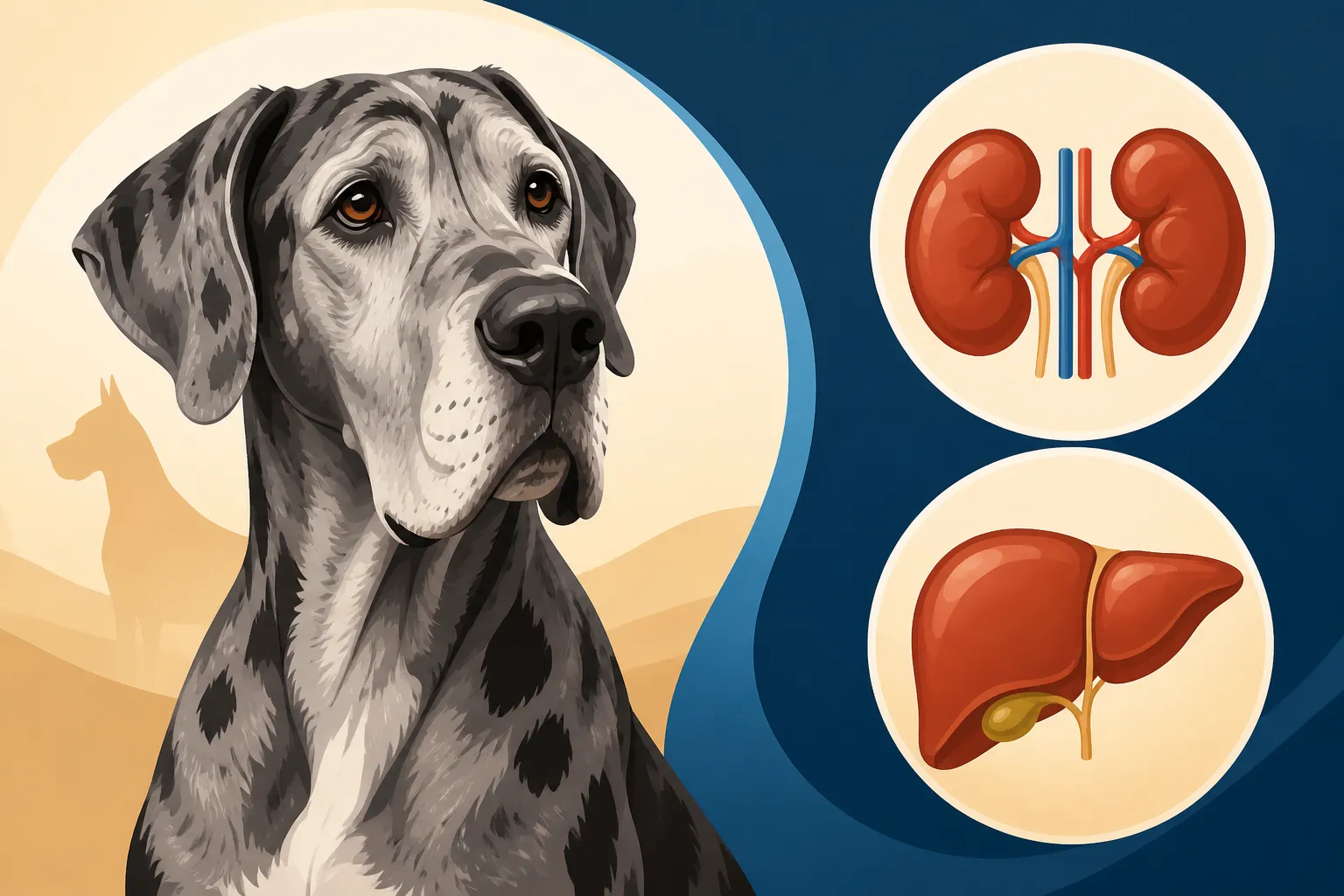
Think of your Great Dane's kidneys as the body's meticulous waste disposal and recycling plant. They're constantly working to remove toxins like urea and creatinine, regulate blood pressure, produce hormones essential for red blood cell production, and ensure the right amount of water is kept in the body. It's a huge job, and they perform it tirelessly for years.
However, as a Great Dane enters their senior years, typically around six or seven years old – a period often referred to as The Great Dane Years That Count as Senior – the nephrons, which are the tiny filtering units within the kidneys, can start to lose their efficiency. This isn't usually a sudden breakdown but rather a slow, progressive wear and tear. Over time, fewer nephrons are available to do the work, meaning waste products can begin to build up in the bloodstream. This decline can be compounded by other age-related issues, making it even more important to monitor kidney health closely in our older Danes.
Early Signs of Kidney Trouble
The frustrating part about kidney disease in dogs, especially in stoic breeds like Great Danes, is that they are masters at hiding discomfort. Early signs are often subtle and easily mistaken for "just old age." You might notice your Great Dane drinking more water than usual, which naturally leads to more frequent urination. They might have accidents in the house, or wake you up more often at night needing to go outside.
Another common symptom is a decrease in appetite or pickiness with food. Your Dane might seem generally lethargic, sleeping more, or showing less enthusiasm for walks or playtime. Sometimes, there can be a change in coat quality, making it appear dull or unkempt. Bad breath, or an ammonia-like smell, can also be a red flag. It’s a challenge because these aren't dramatic symptoms, but if you’re attuned to your Dane’s normal behavior, even small shifts can signal that something deeper is going on.
Interpreting Kidney Bloodwork Values
When your veterinarian runs a senior panel, they'll be looking at specific kidney values to gauge how well these organs are functioning. These are the numbers that can reveal a lot about what's happening inside.
Blood Urea Nitrogen (BUN): This measures urea, a waste product formed when protein is broken down. High BUN can indicate kidney disease, but it can also be elevated due by dehydration, a high protein diet, or gastrointestinal bleeding. So, a high BUN on its own isn't definitive but definitely warrants further investigation.
Creatinine (CREA): Creatinine is a waste product from muscle metabolism. Unlike BUN, creatinine levels are less affected by diet and hydration, making it a more reliable indicator of kidney function. When creatinine is high, it usually means the kidneys aren't filtering waste as effectively as they should be. It's often used in conjunction with BUN to confirm kidney issues.
Symmetric Dimethylarginine (SDMA): This is a newer, incredibly sensitive biomarker for kidney function that can detect kidney disease much earlier than BUN or creatinine, sometimes years before traditional markers show a problem. SDMA levels increase when kidney function decreases by as little as 25%, whereas BUN and creatinine often don't rise until 75% of kidney function is lost. This early detection is a game-changer for Great Danes, allowing for earlier intervention and potentially slowing the progression of the disease.
| Kidney Health Marker | What it Measures | What High Levels Can Indicate | Importance in Great Danes |
|---|---|---|---|
| BUN | Urea nitrogen, a protein waste product | Kidney disease, dehydration, high protein diet | Less specific, but alerts to potential issues. |
| Creatinine | Waste product from muscle metabolism | Kidney disease (more reliable than BUN alone) | Good indicator when paired with BUN, often rises later. |
| SDMA | Symmetric Dimethylarginine, a kidney biomarker | Early kidney disease (detects 25% function loss) | Crucial for early detection and intervention in large breeds. |
| Urine Specific Gravity | Concentration of urine | Inability to concentrate urine (early kidney failure) | A key indicator even before blood values change significantly. |
Navigating Liver Health in Aging Great Danes
The liver is another powerhouse organ that often faces increased challenges as a Great Dane ages. It's involved in so many critical processes that any decline in its function can have widespread effects on their overall health and well-being. Keeping an eye on liver health is just as important as monitoring kidney function in our senior gentle giants.
The Liver's Vital Functions and Senior Vulnerabilities
Your Great Dane's liver is truly a multi-tasker, performing hundreds of essential functions every single day. It acts as the body's main detoxification center, metabolizing drugs, breaking down toxins, and filtering harmful substances from the blood. Beyond that, it's a crucial player in digestion, producing bile to help break down fats. It also stores vitamins and minerals, synthesizes proteins necessary for blood clotting, and regulates blood sugar levels. It's a hugely resilient organ, but not invincible.
As Great Danes get older, the liver can become more vulnerable to damage from various sources. Chronic exposure to certain medications, dietary indiscretions (let's face it, Danes are often food thieves!), or even other underlying health conditions can put a strain on it. The regenerative capacity of the liver, while remarkable, can also start to slow down with age. This makes our senior Danes more susceptible to liver inflammation, fatty liver disease, or even chronic hepatitis, which can be particularly insidious given how quietly these conditions can progress.
Recognizing Liver Disease Symptoms
Just like kidney disease, liver problems in Great Danes can be sneaky. The symptoms often develop gradually and can be vague, making them easy to overlook in their early stages. One of the most common signs is a general malaise, where your Dane just seems "off." They might lose their appetite, become more lethargic, or experience weight loss. Vomiting and diarrhea are also common, as the liver plays such a significant role in digestion and detoxification.
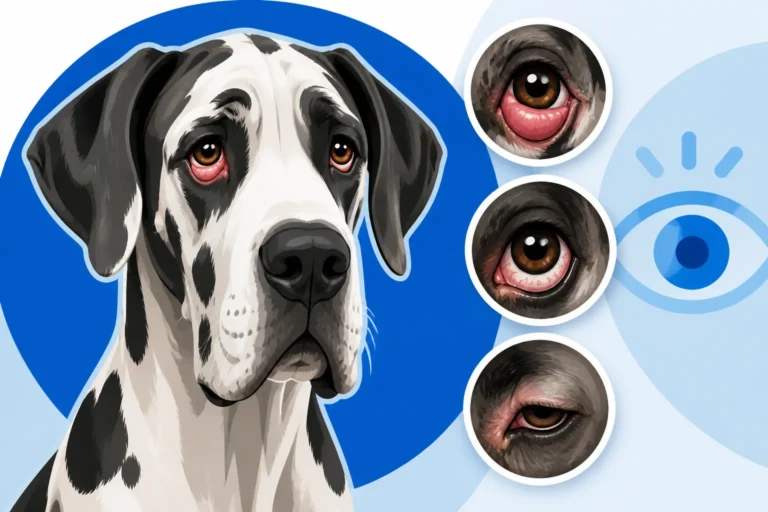
More specific signs of liver disease can include jaundice, where the whites of their eyes, gums, or skin take on a yellowish tint due to the buildup of bilirubin. You might also notice increased thirst and urination, similar to kidney disease, because the liver's role in metabolism can impact fluid balance. In advanced cases, some Danes might develop ascites, which is a fluid buildup in the abdomen, causing a distended belly. Neurological signs, like disorientation or seizures, can occur if toxins accumulate in the bloodstream and affect the brain, a condition known as hepatic encephalopathy.
Decoding Liver Enzyme Readings
A comprehensive blood panel will include several markers that give your vet insight into your Great Dane's liver health. These enzymes aren't direct measures of liver function, but rather indicators of liver damage or inflammation.
Alanine Aminotransferase (ALT): This enzyme is found primarily in the liver cells. When liver cells are damaged, ALT is released into the bloodstream, causing its levels to rise. A high ALT usually indicates active liver cell damage.
Alkaline Phosphatase (ALP): ALP is present in many tissues, including the liver, bones, and intestines. Elevated ALP can point to liver disease, but it can also rise due to certain medications (like steroids), bone growth (common in growing puppies, but less relevant for senior Danes unless there's bone disease), or even certain endocrine disorders like Cushing's disease. Therefore, ALP needs to be interpreted in context with other liver enzymes.
Gamma-Glutamyl Transferase (GGT): GGT is another enzyme found in liver cells, particularly those lining the bile ducts. Its elevation usually suggests cholestasis (bile flow obstruction) or liver damage. GGT is often used to differentiate between liver issues and other causes of elevated ALP.
Bilirubin: Bilirubin is a byproduct of red blood cell breakdown, which the liver normally processes and excretes. Elevated bilirubin levels in the blood can lead to jaundice and indicate a problem with the liver's ability to process and excrete bile, or excessive red blood cell destruction.
Diagnostic Steps and Ongoing Monitoring for Your Older Dane
Getting a clear picture of your senior Great Dane's kidney and liver health often requires a multi-faceted approach. It's not just about a single blood test; it's about a combination of tests, observation, and sometimes more advanced diagnostics to truly understand what's happening. The sooner you catch potential issues, the better the chances of managing them effectively and maintaining your Dane's quality of life.
Comprehensive Blood Panels and Urinalysis
When you take your senior Great Dane for a check-up, especially if you've noticed any subtle changes, your vet will almost certainly recommend a full senior blood panel. This panel includes the kidney (BUN, creatinine, SDMA) and liver (ALT, ALP, GGT, bilirubin) values we've discussed, but also other important indicators like electrolyte levels, blood sugar, and a complete blood count. These can reveal anemia (common in chronic kidney disease), infections, or other systemic issues that might be contributing to organ strain.
Alongside bloodwork, a urinalysis is absolutely critical for assessing kidney health. This simple test examines your Dane's urine for its specific gravity (concentration), protein levels, presence of blood, bacteria, and crystals. A low urine specific gravity, even with normal blood kidney values, can be one of the earliest signs that the kidneys are losing their ability to concentrate urine, indicating early kidney disease. High protein in the urine can also be an early indicator of kidney damage. These two tests, bloodwork and urinalysis, provide a powerful diagnostic duo that forms the foundation of monitoring your senior Dane's internal organ health.
Advanced Imaging and Biopsies
Sometimes, blood and urine tests don't tell the whole story, or the results warrant further investigation. In these cases, your veterinarian might recommend advanced imaging techniques. An abdominal ultrasound, for example, allows the vet to visualize the size, shape, and internal architecture of the kidneys and liver. They can look for tumors, cysts, stones, signs of inflammation, or structural abnormalities that wouldn't show up on blood tests alone. This non-invasive procedure can be incredibly helpful in pinpointing the exact nature and extent of the organ damage.
In certain situations, particularly if masses are detected or if the diagnosis remains unclear, a biopsy of the kidney or liver might be recommended. This involves taking a small tissue sample for microscopic examination by a veterinary pathologist. While more invasive, a biopsy can provide a definitive diagnosis, differentiate between various types of liver or kidney disease, and guide more precise treatment plans. Of course, any procedure involving anesthesia for a Great Dane, especially a senior one, requires careful consideration due to Why Anesthesia Costs More for a Great Dane and the increased risks associated with age and organ dysfunction.
Proactive Care and Regular Check-ups
The single most important thing you can do for your senior Great Dane's kidney and liver health is to prioritize regular veterinary check-ups. For Danes over the age of six, twice-yearly visits are often recommended. These appointments allow your vet to establish baseline values, monitor trends over time, and catch any changes as early as possible. Remember, early detection is key to managing chronic conditions like kidney or liver disease.
During these visits, be sure to discuss any subtle changes you've observed in your Dane's behavior, appetite, water intake, or energy levels. Your observations are invaluable. Proactive care also involves maintaining a healthy weight for your Great Dane, ensuring they have access to fresh water at all times, and providing a high-quality, age-appropriate diet. Thinking about Caring for a Great Dane Past Six means adapting their lifestyle to support their aging body, and that includes diligent medical oversight. For many owners, the financial strain of these ongoing diagnostics and potential treatments for an aging Great Dane can be significant. This is where options like pet insurance, for example from providers such as Healthy Paws, can offer a huge sense of relief, helping to cover unexpected and ongoing veterinary expenses without having to compromise on care.
Management and Support for Kidney and Liver Conditions
Once a kidney or liver condition is diagnosed in your senior Great Dane, the focus shifts to management. While these conditions are often progressive, there's a lot you can do to slow their progression, alleviate symptoms, and maintain your Dane's comfort and quality of life. It’s a marathon, not a sprint, and it requires a dedicated partnership with your veterinarian.
Dietary Considerations
Dietary management is one of the cornerstones of treating both kidney and liver disease in Great Danes. For kidney disease, your vet will likely recommend a prescription renal diet. These diets are specifically formulated with reduced protein (but still high-quality protein), controlled phosphorus, and often added omega-3 fatty acids. The goal is to reduce the workload on the kidneys by minimizing the waste products they need to filter, while still providing adequate nutrition. High phosphorus, in particular, can accelerate kidney damage, so managing it is crucial.
For liver disease, dietary recommendations vary depending on the specific condition, but often involve a highly digestible, moderate protein diet with specific amino acids, lower copper levels, and antioxidants. The aim is to support liver regeneration, reduce metabolic stress, and prevent the accumulation of harmful substances. Always consult your vet before making any drastic dietary changes for your senior Dane, as the wrong diet can do more harm than good. Finding food in Fresh Delivered Food at Great Dane Volume can be challenging, but some specialized brands offer options.
Medications and Supplements
Beyond diet, your vet may prescribe various medications to manage symptoms and support organ function. For kidney disease, this might include medications to control phosphorus levels (phosphate binders), drugs to manage blood pressure, anti-nausea medications, and appetite stimulants to help your Dane eat. Sometimes, subcutaneous fluids may be administered at home to keep your Dane hydrated, especially if they are refusing to drink adequately.
For liver disease, medications could include ursodiol to help with bile flow, SAMe (S-Adenosylmethionine) or milk thistle for liver cell protection and detoxification, and antibiotics if there's an associated infection. If hepatic encephalopathy is a concern, lactulose might be prescribed to reduce ammonia absorption from the gut. It’s important to remember that all medications, especially for a Great Dane, are dosed by weight, meaning Monthly Medications Dosed at Great Dane Weight can quickly add up, making a strong case for having pet insurance like Healthy Paws to help cover the costs. Discuss all options with your vet to create a comprehensive treatment plan tailored to your Dane’s specific needs.
Quality of Life and Comfort Care
Managing kidney or liver disease in an old Great Dane isn't just about the numbers; it's about their day-to-day comfort and happiness. Ensure they have a warm, comfortable bed and easy access to food and water. Consider Mobility Aids for a Failing Great Dane like ramps or slings if their weakness or discomfort makes movement difficult. Continue with gentle, short walks as tolerated, focusing on quality over quantity.
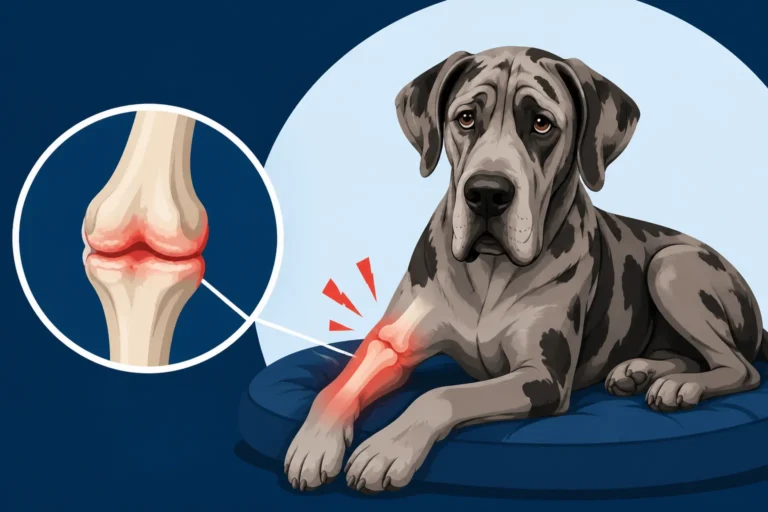
Pain management is also paramount. Many older Danes develop arthritis or other joint issues alongside organ disease, and keeping them comfortable can significantly improve their appetite and overall demeanor. Your vet can help you find appropriate pain relief that won't further stress their kidneys or liver. Most importantly, continue to provide love, attention, and gentle care. Nursing a Great Dane Through Its Last Weeks or months is about making every day count, offering them peace and comfort, and making informed decisions about their care in partnership with your veterinary team. The emotional and financial toll of these later stages of life can be immense, reinforcing why understanding your options and planning ahead is so vital.
Disclaimer
The information provided in this article is for educational purposes only and is not a substitute for professional veterinary advice. Always consult with a qualified veterinarian regarding your Great Dane's specific health concerns and treatment options.