The Night a Great Dane Bloats and What It Costs
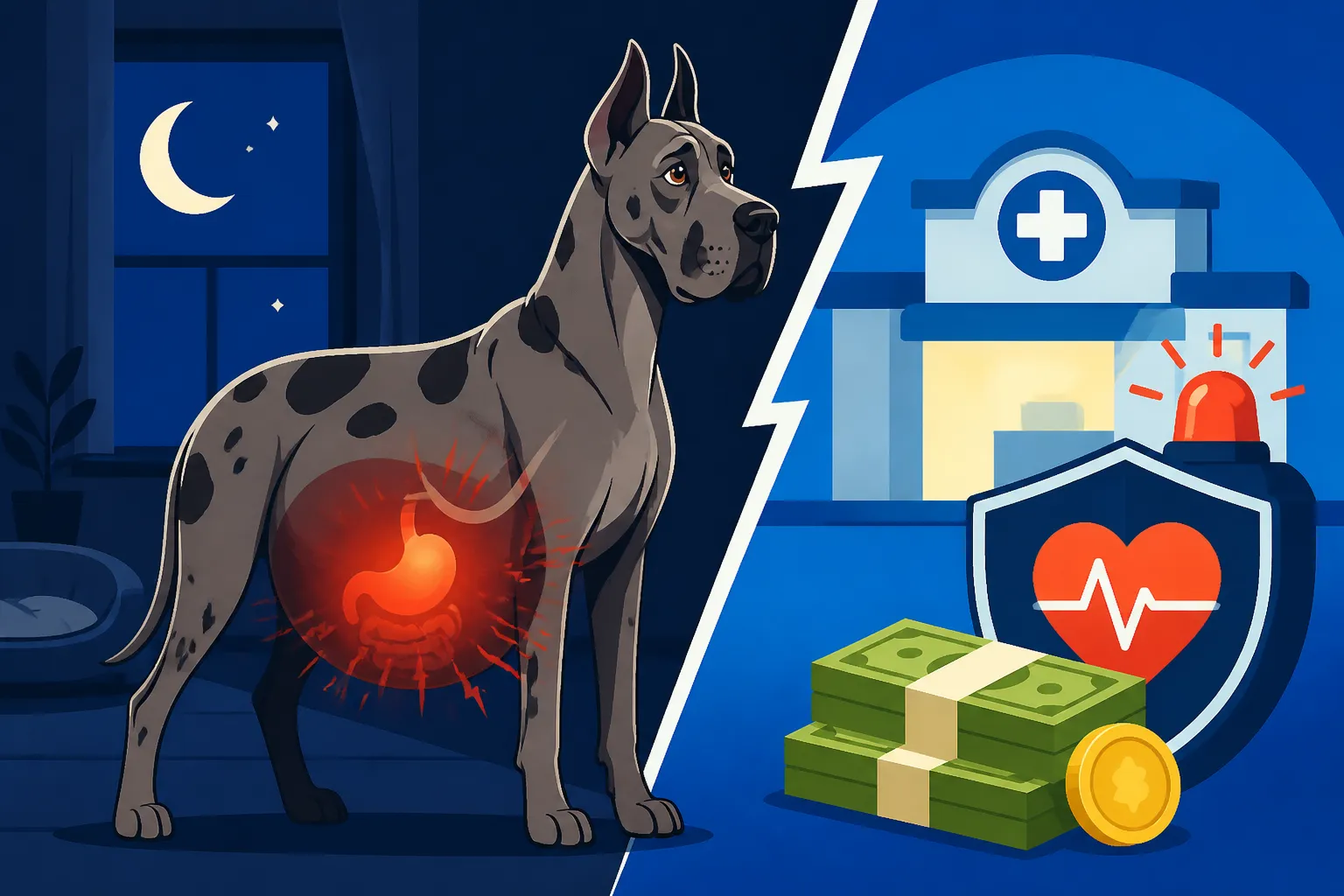
Few things are as terrifying for a Great Dane owner as waking in the middle of the night to the sounds of distress and realizing your beloved giant might be experiencing bloat. This isn't just a stomachache; it's a rapidly progressing, life-threatening emergency that can easily cost a life, and invariably, a small fortune. Dealing with the fear, the frantic rush to the emergency vet, and the immediate financial burden of such a critical event is a nightmare that too many Great Dane families unfortunately experience. This guide will walk you through what happens during a night of bloat and the significant costs involved.
Understanding Great Dane Bloat Gastric Dilatation-Volvulus
When your Great Dane bloats, you're not just dealing with an upset stomach. You're confronting a condition known as Gastric Dilatation-Volvulus, or GDV, which is a veterinary emergency of the highest order. It's truly a race against the clock, and understanding what's happening inside your dog can help you react faster, even in the blur of a midnight crisis. The stomach first fills with gas and fluid (dilatation), expanding like an overinflated balloon. This initial stage is uncomfortable and concerning, but it quickly escalates.
What Exactly Is GDV? A Deep Dive into the Physiology
The horror truly begins when that dilated stomach twists on its axis (volvulus). Imagine a garden hose that's full of water and then gets a knot tied in it; nothing can pass through. When a Great Dane's stomach twists, both the entrance (esophagus) and exit (duodenum) are pinched off, trapping everything inside. This prevents the dog from expelling the gas and fluid, leading to immense pressure. But it's not just about discomfort. This twist also cuts off blood flow to vital organs. The spleen, which sits near the stomach, can be dragged into the torsion, also losing its blood supply. The pressure inside the abdomen can also compromise blood return to the heart, leading to shock. The tissues of the stomach wall quickly start to die without oxygen, releasing toxins into the bloodstream. It's a cascade of failure that can lead to death within hours if not treated. The brutal truth is that this condition, often referred to simply as "bloat," carries a high mortality rate even with prompt surgical intervention. It's why recognizing the Bloat in a Great Dane and the One in Three Odds is so critical for every owner of this majestic breed.
Recognizing the Urgent Signs, Especially at Night
Bloat doesn't usually announce itself with a polite knock. It often strikes suddenly, and frequently in the quiet, dark hours when vets are closed and only emergency clinics are open. You might be jolted awake by your Great Dane pacing restlessly, unable to settle. They might look at their side, as if trying to understand the sudden, intense pain. One of the most classic and alarming signs is unproductive retching – they try desperately to vomit, but nothing comes up, or perhaps only foamy saliva. This is because the twisted stomach is blocking the exit. Their abdomen will likely appear distended, hard, and painful to the touch. You might also notice excessive drooling, rapid shallow breathing, pale gums, and signs of shock like weakness or collapse. Don't waste a second if you observe these; every minute counts. The article on The Signs of a Great Dane Stomach Twisting offers more specific details that could save a life.
Why Great Danes Are Uniquely Susceptible
It's a cruel twist of fate that Great Danes, with their deep chests and generally placid temperaments, are among the breeds most prone to GDV. Their characteristic deep, narrow chest conformation creates a larger abdominal cavity space where the stomach has more room to swing and twist. This anatomical predisposition, combined with other factors like eating habits, stress, and genetics, significantly increases their risk. Research suggests that the incidence of bloat in Great Danes is higher than in any other breed. The concern about The Lifetime Bloat Risk in a Great Dane is a constant shadow for many owners, making education and preparedness paramount.
The Immediate Emergency Vet Response
When you arrive at the emergency veterinary clinic in the dead of night, heart pounding and your Great Dane struggling, the team springs into action immediately. There's no time for pleasantries; it's all about stabilizing your dog and assessing the severity of the situation. This initial phase is critical, costly, and can feel like a whirlwind, but it’s essential for giving your Dane a fighting chance.
The Crucial First Steps Upon Arrival
The veterinary staff will immediately take your Great Dane to the treatment area. The very first thing they’ll typically do is assess vital signs: heart rate, respiratory rate, temperature, and gum color. They'll also check for signs of shock. An intravenous (IV) catheter will be placed to administer fluids, which are crucial for combating shock and maintaining blood pressure. Pain medication is also usually given promptly, as GDV is incredibly painful. Simultaneously, the veterinary team will often attempt to decompress the stomach by passing a tube down the esophagus. This isn't always successful if the twist is severe, but if they can release some of the trapped gas, it can provide immense, albeit temporary, relief and buy precious time. This immediate, high-pressure response is why knowing What to Do the Minute a Great Dane Bloats is so vital for owners, even before you reach the clinic.
Initial Diagnostic Tests and Procedures
Once your Great Dane is somewhat stabilized, diagnostics will begin. The most crucial diagnostic tool is usually an X-ray of the abdomen. This allows the veterinarian to visually confirm if the stomach is indeed twisted. They'll be looking for a characteristic "double bubble" appearance, which is indicative of a volvulus. Blood work will also be drawn to assess organ function, check for electrolyte imbalances, and evaluate the degree of shock. They’ll be particularly interested in lactate levels, which can indicate how much tissue damage is occurring due to poor blood supply. An electrocardiogram (ECG) might also be performed to check for cardiac arrhythmias, which are common complications of bloat. These initial tests are non-negotiable and add significantly to the overall bill, as they provide the information necessary for the surgical team to proceed with confidence.
Stabilization Before Surgery
Before your Great Dane can undergo surgery, they need to be as stable as possible. This means continuing IV fluid therapy, carefully monitoring blood pressure and heart rhythm, and ensuring pain is managed. If the stomach couldn't be decompressed with a tube, the vet might perform a trocharization – carefully inserting a large-bore needle directly into the stomach through the side of the body to release trapped gas. This is a temporary measure, not a fix, but it can alleviate pressure and improve comfort, helping to stabilize your dog enough for anesthesia. The goal here is to optimize your Dane's condition for surgery, reducing anesthetic risks and improving the chances of a successful outcome. This pre-surgical stabilization can take anywhere from an hour to several hours, all under constant, intensive care, further adding to the cumulative costs.
The Cost of Emergency Surgery Gastropexy
Once your Great Dane is stable enough, surgery becomes the only option to untwist the stomach and prevent immediate recurrence. This procedure, known as a gastropexy, is complex and requires specialized skills, equipment, and extensive post-operative care. It’s the single largest component of the bloat bill, and rightly so, given its life-saving nature.
Breaking Down the Surgical Expenses
The cost of GDV surgery itself is substantial, often ranging from $2,500 to $7,500 or more, depending on your location, the specific veterinary hospital, and the severity of the case. This figure typically includes the surgeon's fees, operating room charges, and the cost of surgical supplies. During the surgery, the vet will manually untwist the stomach, assess the viability of the stomach wall and spleen (removing parts if they've suffered irreversible damage), and then perform a gastropexy. A gastropexy is a procedure where the stomach is permanently tacked to the abdominal wall. This crucial step is what helps prevent future episodes of volvulus, though it doesn't entirely eliminate the risk of dilatation. Understanding How a Great Dane Gastropexy Is Done really highlights the technical skill involved in saving your dog. Without this preventative measure, the chance of recurrence is extremely high, often cited as 70-80%.
Anesthesia and Monitoring for Giant Breeds
Anesthesia for a Great Dane is a significant undertaking, even for routine procedures, let alone an emergency. Their massive size means they require higher doses of anesthetic drugs, and giant breeds can be more sensitive to certain medications. The veterinary team will have a dedicated anesthetist or technician continuously monitoring your Great Dane's vital signs throughout the entire surgery. This includes heart rate, respiratory rate, blood pressure, oxygen saturation, and carbon dioxide levels. Advanced monitoring equipment, such as an ECG and capnography, is standard. The goal is to keep your Dane safely under anesthesia while minimizing any adverse reactions, especially considering their already compromised state due to shock and organ stress. This intensive monitoring is a critical part of the cost but is absolutely non-negotiable for safety.
Post-Operative Care and Hospitalization
The surgery is only the first hurdle. The recovery period is just as critical and demands intensive care. Your Great Dane will likely spend several days in the hospital, often in an intensive care unit (ICU) setting, for constant monitoring and support. This includes continued IV fluids, strong pain management, antibiotics to prevent infection, and anti-nausea medications. The veterinary team will closely watch for complications such as cardiac arrhythmias, further stomach or splenic damage, aspiration pneumonia, or sepsis. They will also slowly reintroduce small amounts of water and food. Each day of hospitalization, especially in an ICU setting, can add hundreds of dollars to the bill. Nurses and veterinary technicians will be on hand 24/7 to administer medications, monitor vitals, and provide comfort. The comprehensive article on Recovery After Great Dane Bloat Surgery details the challenges and expectations during this delicate time.
Factors Influencing the Total Bill
It would be nice if there was a fixed price tag for a bloat emergency, but the reality is that the final bill can vary wildly. Several factors come into play, from where you live to the specific complications your Great Dane might face. Understanding these variables can help explain why costs fluctuate so dramatically.
Geographic Location and Vet Specialty
Just like human healthcare, veterinary costs are significantly influenced by geographic location. Emergency veterinary clinics in major metropolitan areas, for instance, tend to have higher overheads and therefore higher prices than those in rural settings. Furthermore, if your Great Dane's case is particularly complex and requires the expertise of a board-certified veterinary surgeon or an internal medicine specialist, their specialized fees will be added to the total. These specialists bring advanced training and experience, which translates into better outcomes but also higher costs. For example, a bloat surgery in New York City could easily be at the higher end of the range, while a similar procedure in a smaller town might be more affordable, though still substantial.
Complications and Extended Stays
The severity of the bloat and any complications that arise are perhaps the biggest drivers of cost escalation. If the stomach has been twisted for a long time, parts of the stomach wall might become necrotic (dead tissue) and need to be resected (removed). The spleen might also be severely damaged and require removal, a procedure called a splenectomy. These additional surgical procedures add significant time, complexity, and expense to the operation. Post-operatively, if your Great Dane develops complications like severe cardiac arrhythmias, sepsis, or aspiration pneumonia, their hospital stay will be prolonged, requiring more medications, diagnostic tests, and intensive nursing care. Each additional day in the ICU, especially with around-the-clock monitoring and specialized treatments, can add hundreds or even over a thousand dollars to the bill. It's during these moments that the cumulative costs can quickly spiral.
Additional Medications and Follow-Up
Even after your Great Dane is discharged from the hospital, the expenses don't stop. You'll likely go home with a regimen of medications, which could include antibiotics, pain relievers, and sometimes drugs to help with gut motility or heart rhythm. Given the size of a Great Dane, these medications are often prescribed in large doses, leading to higher prices. Follow-up visits to your regular veterinarian are also crucial to monitor recovery, check surgical incision sites, and ensure no lingering issues. If any complications are detected during these follow-up visits, further diagnostics or treatments may be required. This ongoing care, while not as dramatic as the emergency surgery itself, is a necessary part of ensuring a full recovery and managing The Great Dane Bills Nobody Mentions.
Navigating Financial Options in a Crisis
When faced with a sudden, devastating bill for emergency bloat surgery, many Great Dane owners feel overwhelmed. It’s not just the emotional toll, but the immediate pressure of finding thousands of dollars. Thankfully, there are several avenues to explore to help manage these unexpected costs.
Pet Insurance Coverage
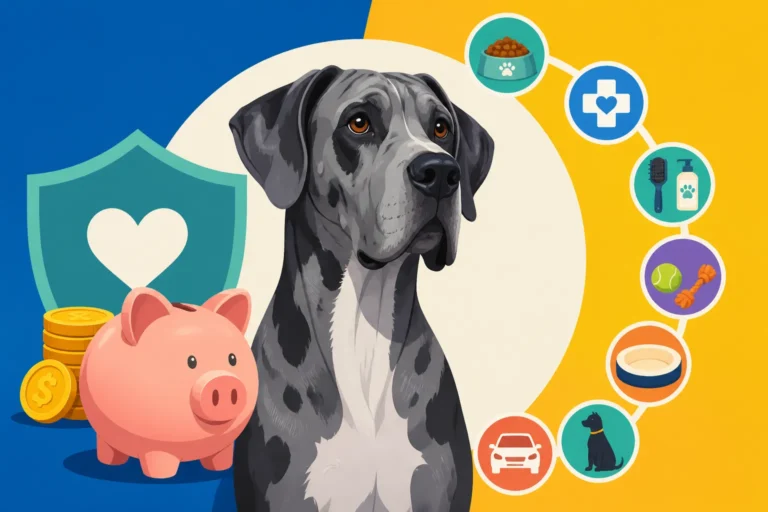
One of the most proactive steps any Great Dane owner can take is to invest in pet insurance. While it won't cover pre-existing conditions, if you enroll your Dane before any health issues arise, a good policy can be an absolute lifesaver when bloat strikes. Providers like Healthy Paws, known for their comprehensive coverage, can reimburse a significant portion of your emergency veterinary bills. Many policies cover 70-90% of eligible costs after your deductible is met. It's crucial to understand your policy's specifics, including deductibles, reimbursement percentages, and annual limits, long before an emergency occurs. The article on Whether Pet Insurance Is Essential for a Great Dane truly underscores the importance of this safety net, especially for breeds prone to such catastrophic events. Having a policy in place, particularly for conditions like bloat, can turn a financial catastrophe into a manageable expense, allowing you to focus on your dog's recovery rather than the daunting price tag.
Payment Plans and Veterinary Credit
If pet insurance isn't an option or doesn't cover the full cost, many veterinary hospitals offer internal payment plans or work with third-party financing companies. CareCredit is a common option, providing a credit card specifically for healthcare expenses that often includes promotional periods with 0% interest if the balance is paid within a certain timeframe. It's not a solution for everyone, but it can provide crucial flexibility in an emergency. Some clinics might also allow you to pay a portion upfront and set up a payment schedule for the remaining balance. It's always worth discussing these options with the veterinary administration team. They understand the financial strain these emergencies cause and are often willing to explore solutions.
Emergency Funds and Savings
For those without pet insurance or immediate access to credit, an emergency fund specifically designated for your pet can be a godsend. Ideally, every Great Dane owner should aim to have at least $5,000 to $10,000 set aside for unforeseen medical emergencies. While this might seem like a large sum, it’s a realistic reflection of the costs associated with giant breed critical care. Alternatively, some owners turn to personal savings, credit cards, or even crowdfunding platforms like GoFundMe in desperate situations. While less ideal, these can provide a lifeline when no other options are available. The reality is, being prepared financially for the inevitable health challenges of a Great Dane is as important as any other aspect of their care.
| Expense Category | Low Estimate (USD) | High Estimate (USD) | What it Covers |
|---|---|---|---|
| Emergency Visit & Stabilizaton | $500 | $1,500 | Exam, IV catheter, fluids, pain meds, initial diagnostics (X-ray, bloodwork), gastric decompression attempts. |
| GDV Surgery (Gastropexy) | $2,500 | $7,500 | Surgeon fees, OR time, anesthesia, surgical supplies, untwisting stomach, stomach tacking. |
| Additional Surgical Procedures | $500 | $2,500 | Spleen removal (splenectomy), bowel resection (if tissue necrotic). |
| Post-Op Hospitalization | $300/day | $1,000+/day | ICU care, 24/7 monitoring, IV fluids, pain management, antibiotics, anti-nausea, refeeding. |
| Medications (Take-Home) | $100 | $400 | Antibiotics, pain meds, gut motility drugs. |
| Follow-Up Visits | $50 | $200 | Suture removal, incision checks, general health assessment. |
| Total Estimated Cost | $3,950 | $13,100+ | (Excludes potential long-term complications or additional specialist consultations) |
Note: These are estimates and can vary significantly based on location, clinic, and individual case complexity.
Preventive Measures and Their Costs
While you can never completely eliminate the risk of bloat in a Great Dane, there are certainly proactive steps you can take to significantly reduce the likelihood. Many of these measures come with their own costs, but they are a small investment compared to the price of an emergency.
Prophylactic Gastropexy
Perhaps the most definitive preventive measure is a prophylactic gastropexy. This is an elective surgery where a veterinarian permanently attaches the stomach to the abdominal wall before bloat ever occurs. It doesn't prevent the stomach from dilating with gas, but it almost entirely prevents it from twisting. Many Great Dane owners choose to have this procedure done when their dog is spayed or neutered, as it can often be performed at the same time, reducing the need for a second anesthetic event. The article The Price of a Preventive Great Dane Gastropexy details the financial aspect, which typically ranges from $400 to $1,500, a fraction of the cost of emergency surgery. It's a choice that can bring immense peace of mind and is one of the most impactful decisions you can make for your Dane's long-term health, as highlighted in When to Book a Great Dane Gastropexy.
Dietary Considerations
Diet plays a significant role in bloat prevention. The general recommendation is to feed multiple small meals throughout the day rather than one large one. Two to three meals are often advised. This helps prevent the stomach from becoming overly full at any single time. Avoid feeding immediately before or after strenuous exercise. Some studies suggest that certain kibble characteristics might be linked to bloat, such as those with citric acid or fat listed among the first four ingredients, but research is ongoing. The brand Ollie, for example, offers fresh, pre-portioned meals that some owners find helpful for managing meal sizes and ingredient quality, though portion control is still key. Slow feeder bowls, available through retailers like Chewy, can also be beneficial, as they force your Great Dane to eat more slowly, reducing the amount of air they gulp down with their food. More insights on Meal Habits That Cut a Great Dane's Twist Risk can help you fine-tune your Dane's feeding schedule.
Lifestyle Adjustments
Beyond diet, certain lifestyle adjustments can also help reduce bloat risk. Minimize stress for your Great Dane, as stress can be a contributing factor. Ensure they have a calm, quiet place to eat without competition from other pets. Limit strenuous exercise for at least an hour before and after meals. While the debate around The Raised Bowl Argument for Great Danes has been long and varied, current veterinary consensus tends to suggest raised bowls do not reduce the risk and may even increase it in some individuals, possibly due to increased air gulping. Therefore, feeding on the floor is often preferred. Regular, moderate exercise is important for overall health, but always ensure it's not immediately tied to meal times. Maintaining a healthy weight for your Great Dane is also crucial, as obesity can put additional strain on their system.
The Emotional Toll and Long-Term Impact
Beyond the financial hit, experiencing a bloat emergency with your Great Dane leaves a lasting emotional impact. It’s a traumatic event that can shake even the most experienced dog owners, reminding us of the fragility of life and the depths of our bond with these gentle giants.
Stress on Owners During and After
The moment you realize your Great Dane is bloating, a wave of panic washes over you. The frantic drive to the emergency vet, the terrifying wait, the heartbreaking decision-making, and the overwhelming financial burden create an intense emotional storm. Many owners report feeling immense guilt, wondering if they could have done something differently. Even after successful surgery, the anxiety doesn't simply vanish. There's a lingering fear of recurrence, a heightened awareness of every gasp and tummy gurgle. This sustained stress can impact an owner's well-being, leading to sleepless nights and constant worry. It's a profound reminder that owning a Great Dane means facing their unique health challenges head-on.
Recovery at Home and Potential Ongoing Care
Bringing your Great Dane home after bloat surgery is a joyous relief, but it's also the start of another recovery phase. They will need restricted activity for several weeks, meaning no running, jumping, or rough play. You'll be administering medications, monitoring their incision, and slowly reintroducing food and water. This period requires dedicated attention and can be challenging, especially with a large, energetic breed that doesn't understand why they can't resume their normal activities. In some cases, there might be long-term complications, such as chronic heart arrhythmias or digestive sensitivities, requiring ongoing medication or dietary adjustments. This means continuous monitoring and potentially more vet visits down the line, adding to both the emotional and financial commitment.
The Value of Preparedness
Ultimately, the night a Great Dane bloats is one of the most challenging experiences an owner can face. But being prepared can make all the difference. Understanding the signs, having an emergency vet's number on speed dial, making proactive decisions like a prophylactic gastropexy, and having a financial plan in place – whether through pet insurance like Healthy Paws, savings, or access to credit – can significantly improve your Great Dane's chances of survival and ease your own burden. It's a sobering reality, but one that every Great Dane parent must acknowledge and prepare for to ensure they can provide the best possible care for their beloved companions when the unthinkable happens.
Disclaimer
The information provided in this article is for educational purposes only and is not a substitute for professional veterinary advice. Always consult with a qualified veterinarian for any health concerns or before making any decisions about your pet's health or treatment plan. Emergency situations, such as bloat, require immediate veterinary attention.