The Price of a Preventive Great Dane Gastropexy
The overwhelming worry of gastric dilatation-volvulus, or bloat, looms large in the minds of Great Dane owners, often feeling like a ticking time bomb. This terrifying condition can turn a happy day into a life-or-death emergency in mere minutes, and the thought of it is enough to keep anyone up at night. This comprehensive guide is here to shed light on one of the most proactive steps you can take to mitigate this risk: the preventive gastropexy, focusing specifically on the costs involved so you can plan effectively and gain some much-needed peace of mind.
Understanding Gastric Dilatation-Volvulus (GDV) in Great Danes
Few things strike more fear into the heart of a Great Dane owner than the word "bloat." It's not just a stomach ache; it's a catastrophic medical emergency that progresses with terrifying speed and, without immediate intervention, is almost always fatal. For our gentle giants, this isn't a rare occurrence; it’s an ever-present threat.
The Silent Threat of Bloat
Imagine your majestic Great Dane, happy and playful one moment, then suddenly restless, pacing, and trying to vomit with no success. Their belly might start to swell rapidly, becoming tight and painful to the touch. This scenario describes gastric dilatation-volvulus (GDV), a condition where the stomach fills with gas, food, or fluid (dilatation) and then twists upon itself (volvulus). This twist cuts off blood supply to the stomach and often the spleen, and it can quickly send the dog into shock. The pain is immense, and every minute counts.
The problem isn't just the discomfort; it's the systemic shock that follows, affecting vital organs, and leading to organ damage and heart issues. It's a race against time to get your dog to an emergency veterinary clinic for life-saving surgery. Sadly, even with prompt surgery, the mortality rate for bloat can be as high as 15-30%. The unpredictability and rapid progression are what make it so utterly terrifying for us as owners. We all live with the knowledge that The Lifetime Bloat Risk in a Great Dane is significant, and it’s a burden we constantly carry.
Why Great Danes Are So Susceptible
It's not just bad luck that makes Great Danes so prone to bloat; it’s largely down to their unique anatomy. These magnificent dogs are characterized by their deep, narrow chests. Think of it like a football suspended by two points in a very long, narrow hallway. If that football starts to spin, it has a lot of room to move around before it hits the walls. In a deep-chested dog, their stomach has more space to rotate or twist within the abdominal cavity compared to breeds with broader, shallower chests.
This anatomical predisposition means that factors like eating too quickly, exercising too soon after a meal, stress, or even just genetic luck can trigger the stomach to flip. It's truly a perfect storm of genetics and physiology. You can do everything "right" – feed smaller, more frequent meals, use a slow-feeder bowl, avoid strenuous exercise around meal times – and still, the risk remains. This is why understanding Why a Great Dane's Chest Shape Invites a Twist is so crucial, as it highlights the inherent vulnerability our Danes face.
What is a Preventive Gastropexy?
Given the dire consequences of bloat, many Great Dane owners proactively choose a preventive measure called a gastropexy. This surgery is designed to drastically reduce the risk of the stomach twisting, offering a significant layer of protection and, for many, invaluable peace of mind.
The Procedure Explained
A preventive gastropexy is a surgical procedure where a veterinarian permanently attaches a section of the stomach wall to the abdominal wall. Think of it like tacking the stomach in place so that it cannot physically twist or rotate. While the stomach can still dilate (fill with gas) if bloat occurs, it won't be able to undergo the life-threatening volvulus (twisting). This distinction is incredibly important: a tacked stomach can still bloat, but the stomach itself is prevented from twisting, which is the truly deadly part of the GDV equation.
The procedure is usually performed on healthy, young Great Danes, often between 6 months and 2 years of age, or whenever they are spayed or neutered. It's a far less invasive and less complicated surgery than an emergency bloat correction, which involves detwisting the stomach, assessing damage, and often performing the gastropexy under much more stressful and dangerous circumstances. Knowing How a Great Dane Gastropexy Is Done as a planned, preventive measure highlights how much safer and more effective it is compared to waiting for an emergency.
Benefits Beyond Bloat Prevention
The primary and most critical benefit of a preventive gastropexy is, of course, the dramatic reduction in the risk of gastric volvulus. It doesn't eliminate bloat entirely, but it takes away the most dangerous component of the condition. This means if your Great Dane's stomach still fills with gas, it can be relieved, either naturally or by a veterinarian, without the imminent threat of tissue death, systemic shock, and rapid fatality. This alone is a huge burden lifted for any Great Dane owner.
Beyond the immediate medical benefits, the psychological impact on owners is profound. The constant anxiety of "is this normal panting or bloat?" or "did I wait long enough after dinner before our walk?" can be mentally exhausting. A gastropexy offers immense peace of mind, allowing you to enjoy your Great Dane more freely without the shadow of impending bloat. While it's important to remember Whether Tacking Ends Great Dane Bloat Risk (it doesn't completely, only the twist), the vastly reduced life-threatening risk makes it a truly invaluable procedure.
Breaking Down the Costs of a Preventive Gastropexy
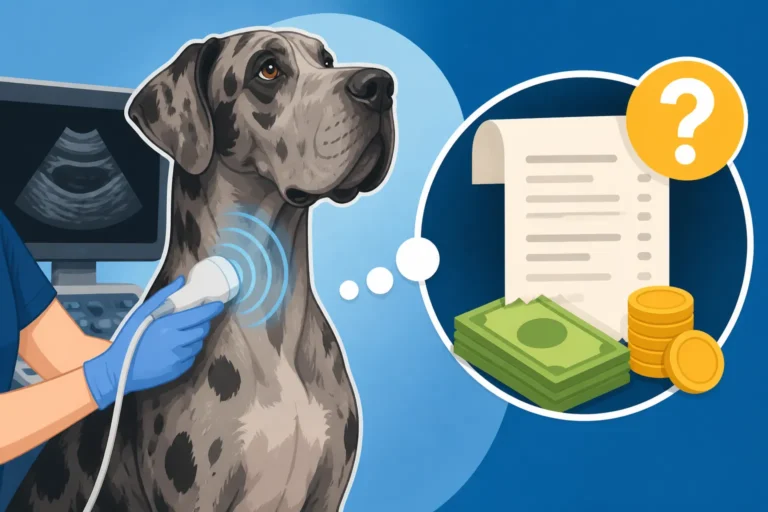
Understanding the cost of a preventive gastropexy is crucial for any Great Dane owner considering this important surgery. It's not a single, flat fee but rather a sum of several components, each contributing to the final bill.
Initial Consultation and Pre-Surgical Workup
Before any surgery, especially for a giant breed like a Great Dane, your veterinarian will require a thorough examination and a series of diagnostic tests. This initial phase is vital to ensure your dog is healthy enough for anesthesia and surgery.
Typically, this includes a comprehensive physical exam, bloodwork (to check organ function, blood cell counts, and clotting abilities), and sometimes a urinalysis or an EKG to assess heart function. For Great Danes, given their predisposition to certain cardiac conditions, an EKG or even a referral to a cardiologist for a full cardiac workup might be recommended to fully clear them for anesthesia. These pre-surgical diagnostics are non-negotiable for safety and can vary in cost depending on the clinic and the extent of testing required. Ensuring your Dane is in tip-top shape before hitting the operating table is paramount, especially when considering Pre-Surgery Bloodwork on a Great Dane to catch any hidden issues. This phase alone can range from a few hundred dollars to upwards of $500, especially if specialized cardiac screening is needed.
Surgical Fees and Anesthesia
This is where the bulk of the cost lies. The surgical fee encompasses the surgeon's time, the use of the operating room, and the specialized equipment. For Great Danes, given their size, the anesthesia costs alone are typically higher. This isn't just because they need more medication; it’s because giant breeds often require more intensive monitoring during and after surgery. Their large body mass can affect how they metabolize drugs, and they have unique physiological considerations that demand skilled veterinary and technical staff to oversee their anesthesia protocols.
The specific type of gastropexy performed also impacts this cost. A traditional open gastropexy, where a larger incision is made, might be less expensive upfront than a laparoscopic gastropexy. However, laparoscopic surgery, which uses small incisions and a camera, often results in less pain, a quicker recovery, and potentially fewer complications, which can offset the higher initial cost in the long run. The phrase Why Anesthesia Costs More for a Great Dane rings true here – it's an investment in their safety. Depending on the technique and the clinic, this portion of the bill can range from $1,000 to $3,000 or more.
Post-Operative Care and Medication
The care doesn't stop once the surgery is over. Your Great Dane will need careful post-operative attention, which includes a stay at the veterinary hospital for monitoring. They'll be given pain medication, anti-inflammatories, and sometimes antibiotics to prevent infection. The duration of their hospital stay can vary, typically one to two nights, but complications or slower recovery can extend this, adding to the cost.
Once home, you'll need to administer prescribed medications and ensure your Dane restricts activity to allow proper healing. You’ll also have follow-up appointments with your vet to check the incision site and overall recovery. These post-op medications and follow-up visits are essential for a successful recovery and add another layer to the total expenditure. Think about needing softer, easily digestible food for a few days, which you might pick up from a pet supply store like Chewy, or even specialized fresh food options from services like Ollie, to aid in gentle digestion during recovery. This phase can typically add another $100-$500 to the overall cost.
Factors Influencing the Final Bill
The exact price you pay for a preventive Great Dane gastropexy can fluctuate quite a bit. It’s not a one-size-fits-all situation, and several key factors come into play that will influence the final total.
Geographic Location and Clinic Type
Just like human medical procedures, veterinary costs vary significantly by geographic location. A veterinary practice in a major metropolitan area, like New York City or Los Angeles, will almost certainly have higher overheads for rent, staff salaries, and equipment, which translates to higher prices for surgical procedures. Conversely, clinics in rural or less populated areas often have lower costs.
The type of veterinary facility also plays a huge role. A general practice veterinary clinic might offer a gastropexy at a lower price point than a specialized veterinary surgical center or a large veterinary teaching hospital. While specialty centers often have state-of-the-art equipment and board-certified surgeons with extensive experience in advanced procedures, that expertise and technology come with a premium. It’s worth calling around to several clinics in your area to get a few quotes, but always balance cost with the experience and reputation of the surgical team.
Surgical Technique Used
As briefly mentioned, the method used for the gastropexy has a direct impact on the cost.
- Traditional Open Gastropexy: This involves a larger incision in the abdomen, through which the surgeon directly accesses the stomach to tack it to the abdominal wall. It's often less expensive in terms of surgical time and specialized equipment needed compared to laparoscopic options. However, the larger incision means more post-operative pain, a longer recovery period, and potentially a higher risk of incisional complications.
- Laparoscopic Gastropexy: This minimally invasive technique uses a small incision (or sometimes two) through which a tiny camera (laparoscope) and specialized instruments are inserted. The surgeon performs the procedure guided by the camera's view on a monitor. The advantages include less pain, smaller incisions, faster recovery, and reduced risk of infection. However, the specialized equipment and training required mean that a Laparoscopic Gastropexy on a Great Dane is almost always more expensive upfront. Many owners feel the quicker, less painful recovery for their giant breed is worth the extra investment.
Bundling with Other Procedures
One of the most common ways owners opt for a preventive gastropexy is by combining it with another necessary surgical procedure, such as spaying or neutering. When performed simultaneously, there can be a significant cost saving. This is because your Great Dane only needs to undergo anesthesia once, reducing the combined cost of pre-surgical diagnostics, anesthesia fees, and hospital stay.
Instead of paying for two separate procedures, two sets of anesthesia, and two recovery periods, you consolidate the costs. For instance, Adding a Gastropexy to a Great Dane Spay is a very popular and sensible option for many owners. Not only does it make financial sense, but it also means only one period of surgical recovery for your dog. Your vet will typically offer a package price for bundling these procedures, which is usually considerably less than the sum of the two procedures performed individually. Discussing this option with your veterinarian is highly recommended, especially if you have a young Great Dane due for their spay or neuter.
Average Cost Ranges and What to Expect
It’s completely normal to feel overwhelmed by the potential costs when considering a preventive gastropexy for your Great Dane. While prices can fluctuate significantly, having a general idea of the average ranges can help you budget and prepare.
General Price Spectrum
For a preventive gastropexy in a Great Dane, you can generally expect the total cost to range anywhere from $800 to $4,000 or more. This wide range accounts for all the variables we’ve discussed: geographic location, the specific veterinary clinic, the surgeon's experience, the type of gastropexy (open vs. laparoscopic), and whether it's bundled with another procedure.
- Lower End ($800 – $1,500): This might be for an open gastropexy performed at a general practice clinic in a more rural or lower cost-of-living area, potentially bundled with a spay/neuter, with minimal pre-surgical diagnostics (though this should always be questioned for adequacy).
- Mid-Range ($1,500 – $2,500): This is a more common range for many general practices, especially if it’s a standalone procedure or includes more comprehensive pre-op work. Laparoscopic procedures might start around the higher end of this range in some areas.
- Higher End ($2,500 – $4,000+): This typically includes a laparoscopic gastropexy performed by a board-certified surgeon at a specialty clinic or a large veterinary hospital in an urban area. It will likely include extensive pre-surgical diagnostics, state-of-the-art monitoring, and perhaps a longer or more intensive post-operative care plan.
It’s crucial to get a detailed estimate from your veterinarian that breaks down all the expected costs, so you understand what you are paying for.
Comparing Costs: Table Time!
To give you a clearer picture, here’s a hypothetical comparison table illustrating how costs might vary based on different scenarios. Remember, these are estimates and actual prices will differ.
| Procedure Type | Location | Bundled with Spay/Neuter | Estimated Cost Range | Notes |
|---|---|---|---|---|
| Open Gastropexy (Standalone) | Rural/Suburban | No | $1,500 – $2,500 | Includes basic pre-op, anesthesia, surgery, 1-day post-op stay. |
| Open Gastropexy (Bundled) | Rural/Suburban | Yes | $1,000 – $2,000 | Reduced cost due to shared anesthesia time; still robust procedure. |
| Laparoscopic Gastropexy (Standalone) | Urban | No | $3,000 – $4,500+ | Higher cost for specialized equipment, surgeon; quicker recovery. |
| Laparoscopic Gastropexy (Bundled) | Urban | Yes | $2,500 – $3,500+ | Significant saving compared to two separate procedures in an urban setting. |
| Open Gastropexy (Standalone) | Urban | No | $2,000 – $3,500 | Higher overheads in city; still a robust procedure. |
| Laparoscopic Gastropexy (Standalone) | Rural/Suburban | No | $2,000 – $3,000 | Specialized option gaining popularity, even in less urban areas. |
This table highlights that while bundling can save you money, the type of procedure and where you live are major cost drivers.
Unexpected Fees and Complications
Even with the most careful planning and comprehensive estimates, unforeseen circumstances can arise, potentially adding to your final bill. No surgery is without risk, and complications, though rare in preventive gastropexies, can happen.
For example, if your Great Dane has an unexpected reaction to anesthesia, requires a longer hospital stay for recovery, or develops an infection at the incision site, these issues will incur additional costs for diagnostics, medications, and extended care. While it's impossible to predict these, it's wise to have a small buffer in your budget, perhaps 10-20% above the high end of your estimate, just in case. Discuss with your vet what their protocol is for complications and what those services would typically cost. Preparing for the unexpected is simply part of being a responsible Great Dane owner, as their size and unique physiology can sometimes lead to bigger bills for even minor issues.
Managing the Financial Impact
The cost of a preventive gastropexy is a significant investment, but it’s one that many Great Dane owners consider essential for their dog's safety and their own peace of mind. Thankfully, there are several ways to manage this financial commitment.
The Role of Pet Insurance
Pet insurance can be an absolute lifesaver when it comes to the health of a Great Dane, particularly with their predispositions to conditions like bloat and various orthopedic and cardiac issues. If you have pet insurance, a preventive gastropexy might be covered under your policy, especially if it’s recommended by your veterinarian as a medically necessary procedure to prevent a life-threatening condition. However, it's crucial to understand your specific policy. Most insurance plans have waiting periods before coverage begins, and they almost universally exclude pre-existing conditions.
This means it's best to Enrolling a Great Dane Before Anything Happens, ideally when they are a young puppy, to ensure conditions like bloat don't become classified as pre-existing before you opt for the gastropexy. Companies like Healthy Paws are known for their comprehensive coverage, but it's vital to read the fine print regarding preventative procedures, elective surgeries, and any breed-specific exclusions. Call your provider, explain the procedure, and confirm what percentage they will reimburse. This kind of proactive planning is key to making sure Whether Pet Insurance Is Essential for a Great Dane is answered with a resounding yes, especially for preventing catastrophic costs.
Payment Plans and Financial Aid
If pet insurance isn't an option or doesn't cover the full cost, don't despair. Many veterinary clinics understand that large, unexpected (or even planned, but expensive) vet bills can be a burden, and they offer solutions.
- Veterinary Financing Options: Companies like CareCredit or ScratchPay specialize in healthcare financing, allowing you to pay for your vet bills in installments, often with low or even 0% interest for a promotional period. Applying is usually quick and can be done right at your vet's office.
- Clinic Payment Plans: Some individual veterinary practices might offer their own in-house payment plans. It's always worth asking if this is an option, although it's less common for large surgical expenses.
- Emergency Funds or Savings: The most straightforward way to manage these costs is by having an emergency fund dedicated to your pet's health. Consciously Building a Fund Before a Great Dane Needs It means you're prepared for procedures like a gastropexy or any other unexpected medical issue.
- Veterinary Charities: In some cases of financial hardship, there are veterinary assistance charities that may offer grants or aid. These are usually for emergency situations or when owners are facing the difficult decision of euthanasia due to cost, but it's worth exploring if you truly face a financial crisis.
Weighing the Cost Against the Risk
Ultimately, the decision to proceed with a preventive gastropexy comes down to weighing the upfront cost against the very real and devastating risk of bloat. The cost of an emergency bloat surgery is almost always significantly higher than a preventive gastropexy. An emergency procedure often involves after-hours or weekend rates, extensive stabilization, complex surgery to detwist the stomach and assess damage, and potentially a longer, more intensive recovery period. Emergency bloat surgery can easily run from $4,000 to $10,000 or more, especially if there are complications or significant stomach tissue damage.
When you compare these figures, the preventive gastropexy, even at the higher end of its range, starts to look like a wise investment. It’s not just about the money, though; it’s about the stress, the fear, and the potential heartbreak of losing your beloved Great Dane to a preventable cause. The peace of mind alone that comes from knowing you’ve drastically reduced your dog’s risk of succumbing to a twisted stomach is immeasurable. For many, this makes the cost of a preventive gastropexy a small price to pay for the extended life and well-being of their cherished companion, affirming that Whether Tacking a Great Dane Stomach Pays Off is absolutely true.
A preventive gastropexy is more than just a surgical procedure; it's a proactive step that can add years of happy, less anxious companionship with your Great Dane. It allows you to embrace the joy of owning this magnificent breed without the constant, gnawing fear of bloat.
Disclaimer
This article is for general informational purposes only and does not constitute professional advice. Laws, prices and regulations vary by location and change over time. Consult a qualified professional for guidance on your specific situation.