Merle Great Dane Puppy Prices
Oh, the allure of a Merle Great Dane puppy! It’s easy to get swept away by those stunning, mottled coats – they truly are breathtaking. But if you’ve started looking into bringing one of these beauties home, you've probably already realized that the price tag can be a bit of a moving target, sometimes surprisingly high, other times alarmingly low. This guide is here to walk you through what influences Merle Great Dane puppy prices, what those costs really mean, and how to navigate the search for your future gentle giant.
Understanding the Merle Great Dane and Its Unique Appeal
There's something undeniably captivating about a Merle Great Dane. Their distinctive patterns make them stand out in a crowd, and it's easy to see why so many people fall in love with them. But there’s a bit more to the merle coat than just good looks, especially when it comes to understanding pricing.
What Exactly is a Merle Great Dane?
At its heart, "merle" refers to a specific gene that creates patches of diluted color against a solid base. For Great Danes, this often means beautiful grey, blue, or sometimes even liver-colored patches over a lighter background, often with black spots (like a Harlequin, but with the mottled base). You might see blue merles, fawn merles, or even chocolate merles, though the blue and grey variations are probably the most common and widely recognized. These puppies truly look like living works of art, each one with a unique design. The gene works its magic to dilute pigment in a seemingly random fashion, leading to those gorgeous, irregular splotches and sometimes even blue or partially blue eyes. It’s no wonder they fetch so much attention.
Why Merle is Often Misunderstood and Why That Matters for Price
Here’s where it gets a bit more complicated, and why understanding the genetics is crucial for anyone considering a merle Great Dane. The merle gene, while producing beautiful coats, can carry significant health risks if bred improperly. When two merle dogs are bred together, there's a 25% chance of producing what's called a "double merle" puppy. These double merles often appear largely white and, tragically, are at a very high risk of being blind, deaf, or both. This isn't just about aesthetics; it's about severe health and welfare issues.
Because of these risks, responsible breeders will never breed two merle Great Danes together. Instead, they will breed a merle dog with a non-merle dog (a solid, mantle, or fawn, for example) to ensure they produce healthy puppies while still getting those coveted merle patterns. This responsible breeding practice directly impacts the price. A well-bred merle puppy from parents who have been properly screened and bred responsibly will understandably come with a higher price tag. Conversely, if you see a merle puppy advertised for an unusually low price, especially if the breeder seems evasive about the parents or their health, it could be a red flag that they're cutting corners and potentially producing double merles or puppies with other serious health concerns. It’s a sad reality, but the unique demand for merle coats can sometimes attract unscrupulous breeders looking to make a quick profit without concern for the puppies' long-term health.
Factors Influencing Merle Great Dane Puppy Prices
When you start digging into the cost of a Merle Great Dane puppy, you'll quickly find a wide range of prices. It’s not just arbitrary; several key factors play a significant role in determining what you’ll pay.
The Breeder's Reputation and Health Testing
This is, without a doubt, the most critical factor influencing the price of any Great Dane, especially a merle. Responsible Great Dane breeders invest an enormous amount of time, effort, and money into their breeding programs. This includes extensive health testing on both parent dogs before they are ever bred. For Great Danes, this means screening for common, devastating genetic conditions like hip and elbow dysplasia, certain eye conditions, and most crucially, Dilated Cardiomyopathy (DCM), a serious heart condition that is unfortunately prevalent in the breed.
A reputable breeder will perform OFA (Orthopedic Foundation for Animals) certifications for hips and elbows, and will have an echocardiogram performed annually to check for heart health. They may also do eye exams through the Canine Eye Registry Foundation (CERF). These tests aren't cheap, and the cost is naturally factored into the price of their puppies. When a breeder is transparent about their health testing, providing verifiable results, you’re paying for the peace of mind that comes with knowing they've done everything in their power to produce healthy puppies. This also covers the care of the pregnant dam, proper nutrition, and early veterinary care for the puppies themselves, including their first vaccinations and deworming. You can read more about The Health Testing a Great Dane Breeder Owes You to understand the full scope of what should be done. Regularly Screening a Great Dane's Heart Each Year is a non-negotiable for any responsible breeder.
Pedigree, Show Lines, and "Pet Quality" vs. "Show Quality"
Another significant factor is the pedigree of the puppy. Puppies from "show lines" with a history of champion titles in their lineage, or those whose parents are active show dogs, will generally command higher prices. These puppies are bred to meet the strict breed standard set by organizations like the American Kennel Club (AKC), not just in terms of health, but also conformation, temperament, and movement. The breeding of such lines requires deep knowledge of genetics and careful selection over generations.
Within a single litter, there can be a distinction between "show quality" and "pet quality" puppies. A "show quality" puppy might have perfect markings, ideal structure, and an exemplary temperament for the ring, leading to a higher price. A "pet quality" puppy, on the other hand, might have an incorrect marking, a slight imperfection that disqualifies it from showing, or simply isn't deemed "top tier" for competition, but is otherwise perfectly healthy and has a wonderful temperament suitable for a loving family home. These "pet quality" pups are often sold with a spay/neuter contract to prevent them from being bred, and at a slightly lower price than their show-prospect littermates. However, even a pet-quality puppy from a reputable show breeder will still have undergone the same rigorous health screenings and received the same excellent early care.
Geographic Location and Local Market Demand
Just like real estate, the cost of a Great Dane puppy can vary depending on where you live. In areas with a high demand for Great Danes, or where there are fewer reputable breeders, prices might be higher. Conversely, in regions with many breeders, there might be more competitive pricing. The specific color, merle, can also influence demand. While once considered "non-standard" by some, merles have become incredibly popular, driving up their value. However, a breeder who solely focuses on "rare colors" without prioritizing health and temperament is a massive red flag, regardless of local market trends.
What's Included in the Price?
When you’re comparing prices, it’s crucial to understand what you're actually getting for your money. A higher price from a reputable breeder often includes:
- First Vaccinations and Deworming: The puppy will have received its initial shots and regular deworming treatments.
- Microchipping: Many breeders microchip their puppies before they go to their new homes.
- Health Guarantee/Contract: A responsible breeder will provide a written contract, often including a health guarantee against genetic diseases for a certain period.
- Initial Bag of Food: Often, a breeder will send you home with a small supply of the food the puppy has been eating to help with the transition. Brands like Chewy offer a wide range of high-quality large-breed puppy foods that reputable breeders often recommend.
- Lifetime Support: Good breeders offer ongoing support and advice throughout your dog’s life. They genuinely care about their puppies and are a fantastic resource.
- AKC Registration (limited): Most reputable breeders will offer limited AKC registration, meaning the dog is registered but any offspring cannot be. Full registration (breeding rights) typically costs significantly more.
If a breeder charges extra for these basic components, it might be a sign they are trying to maximize profit rather than ensure the best start for their puppies.
Typical Price Ranges for Merle Great Dane Puppies
So, let's talk numbers. What kind of financial commitment are we really looking at for one of these magnificent Merle Great Dane puppies?
Decoding the Price Tag: What to Expect
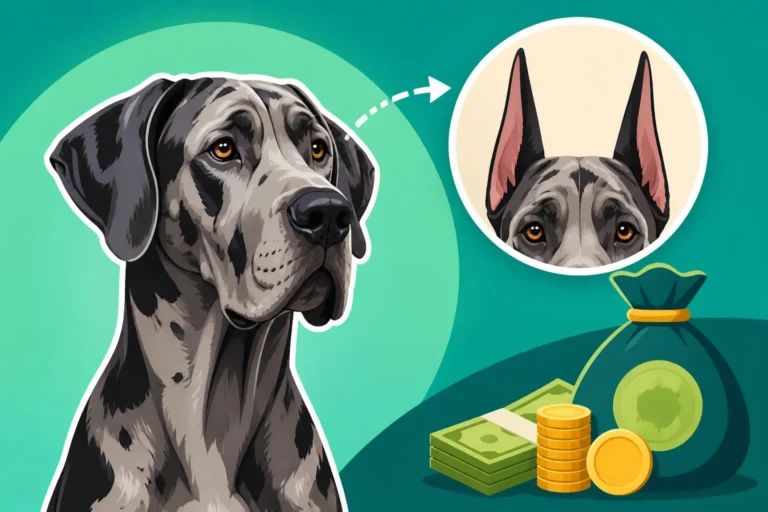
Generally speaking, you can expect a Merle Great Dane puppy from a reputable breeder to fall in the range of $2,000 to $4,000. Sometimes, a truly exceptional show-prospect puppy from highly decorated lines might even exceed this, reaching $4,500 or more.
Why such a range?
- On the lower end (around $2,000 – $2,500): You might find a pet-quality merle puppy from a responsible breeder who has done all the necessary health testing. This puppy will be healthy, well-socialized, and come with a health guarantee, but perhaps has a marking that isn't perfect for the show ring, or is from lines not as heavily invested in the show circuit. This is still a significant investment, but it's an appropriate price for a healthy, well-started Great Dane.
- On the higher end (above $3,000): This is typically for puppies with strong show potential, impeccable pedigrees, and parents who have achieved titles in conformation, obedience, or other dog sports. These puppies are usually bred by breeders with decades of experience, who have carefully selected their breeding stock for health, temperament, and adherence to the breed standard.
Be extremely wary of Merle Great Dane puppies priced significantly below $1,500. While a lower price can sometimes indicate an urgent rehoming situation, more often than not, it's a huge red flag for an irresponsible breeder. These individuals often skip crucial health testing, breed dogs without regard for genetic health conditions (especially the risks associated with merle-to-merle breeding), and provide minimal care or socialization for their puppies. What might seem like a bargain upfront can quickly turn into astronomical veterinary bills down the line, not to mention the heartbreak of dealing with a chronically ill dog.
Beyond the Purchase Price: Hidden Costs of a Great Dane
The sticker price of the puppy is just the beginning of the financial journey. Owning a Great Dane, especially one with potential genetic predispositions, is a significant long-term investment. They are truly magnificent, but their size means everything costs more.
Consider the ongoing expenses:
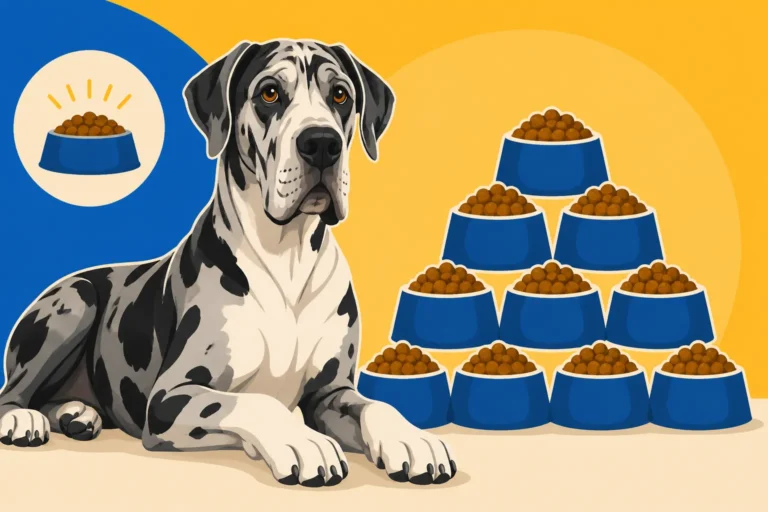
- Food: Great Danes eat a lot – truly, a lot! You can expect to feed an adult Great Dane six to ten cups of high-quality kibble per day. This adds up quickly, with monthly food bills easily hitting $100-$200 or more. High-quality fresh food options, like those from Ollie, can be even more expensive, but many owners find the health benefits worth the cost. You might want to check out Feeding a Great Dane That Eats Ten Cups a Day for a more in-depth look at this expense.
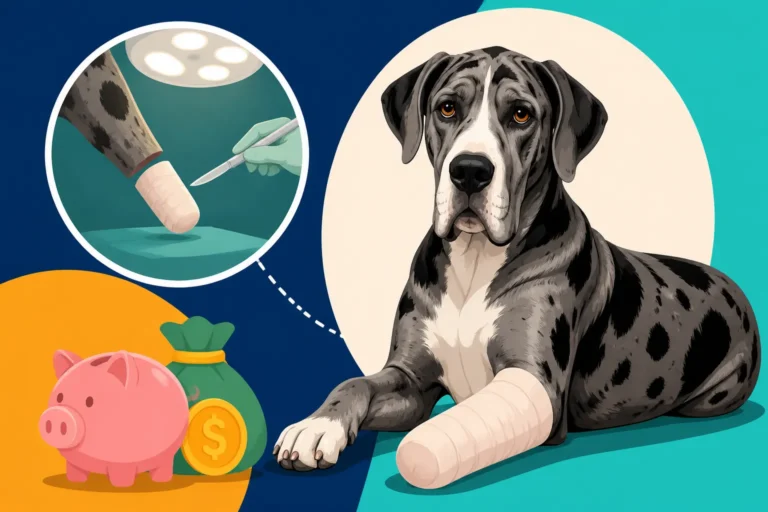
- Veterinary Care: Routine vet visits, vaccinations, and parasite prevention are standard for any dog, but Great Danes require doses meant for the heaviest weight bands, which increases costs. Beyond routine care, Great Danes are prone to several serious health conditions, including bloat (gastric dilatation-volvulus), Dilated Cardiomyopathy (DCM), and various orthopedic issues. An emergency bloat surgery can run into many thousands of dollars. Having a fund for these emergencies, or robust pet insurance like Healthy Paws, is almost essential. The overall range for The Fifteen Hundred to Three Thousand Great Dane purchase price quickly expands when considering annual and emergency vet bills.
- Pet Insurance: This is not a luxury, but a necessity for a Great Dane. Given their propensity for expensive health issues like bloat and DCM, having a good pet insurance policy can literally save your dog's life and your wallet. Policies tailored to large breeds, especially one with potential genetic conditions, are critical. Explore options for Insuring a Great Dane Against Bloat and Heart Bills well before any issues arise.
- Supplies: Everything from beds to collars to toys needs to be "Great Dane sized" and durable. Large, orthopedic beds are crucial for their joints. Strong leashes and harnesses are a must.
- Training: Early and consistent training is non-negotiable for a dog that will easily outweigh many adults. Professional puppy classes or one-on-one training can be an added expense, but a worthwhile one for manners and safety.
Avoiding Pitfalls and Finding a Reputable Breeder
The initial excitement of finding a Merle Great Dane can sometimes cloud judgment. It's crucial to approach the search with a clear head and a critical eye to ensure you're getting a healthy, well-adjusted puppy from an ethical source.
Red Flags to Watch Out For
Sadly, the demand for striking colors like merle can attract individuals who are more interested in profit than the well-being of their dogs. Here are some serious red flags to watch out for:
- No Health Testing (or Vague Claims): If a breeder can't provide verifiable documentation (OFA certificates, echocardiogram reports from a veterinary cardiologist) for both parents, walk away. Claims like "my vet checked them, they're healthy" or "they're healthy so they don't need testing" are simply not good enough. You should be able to see the specific test results, not just be told they exist. This is especially true when you encounter Great Dane Ads With No Cardiac Paperwork, which is a significant red flag for a breed prone to heart conditions.
- Breeding Two Merles Together: As discussed, this is a dangerous practice that often results in blind and/or deaf puppies. If you learn a breeder has done this, or has litters with a high number of white puppies (especially those marketed as "rare" white merles), avoid them at all costs.
- Multiple Litters from Different Breeds: Puppy mills often breed many different types of dogs simultaneously. A reputable Great Dane breeder typically specializes in one or two breeds at most, and focuses on quality, not quantity.
- No Access to Parents or Breeding Environment: You should always be able to meet the puppy's mother (and ideally the father, or at least see pictures and health records). The breeding environment should be clean, safe, and clearly a loving home, not a kennel facility with dozens of dogs.
- "Rare Color" Surcharges without Justification: While merle is a specific color, reputable breeders focus on health and temperament first. If a breeder is charging an exorbitant amount solely because the puppy is "rare" and can't back it up with health testing, proper socialization, and proven lineage, it's a sign they're exploiting an uninformed market.
- No Contract or Guarantee: A responsible breeder will have a comprehensive contract that outlines health guarantees, return policies, and often requires spay/neuter. If there’s no formal agreement, it’s a huge warning.
Questions to Ask a Breeder
Don't be shy about asking questions! A good breeder will welcome your inquiries and be just as keen to know about you as you are about them.
- "Can I see the health clearances for both parents?" Specifically ask for OFA certifications for hips/elbows, a current echocardiogram report from a board-certified veterinary cardiologist (not just a regular vet), and eye clearances. Understand what's on Reading a Great Dane Puppy's Health Papers so you can interpret the results.
- "What is the temperament of the parents like?" A good breeder will be able to describe their dogs' personalities and how they interact with people and other animals.
- "How do you socialize your puppies?" Puppies should be exposed to various sights, sounds, textures, and people from an early age.
- "What kind of food are the puppies eating?" This helps ensure a smooth transition to your home.
- "What is your philosophy on breeding?" Listen for answers that emphasize health, temperament, and adherence to the breed standard, not just "making pretty puppies."
- "What is included with the puppy?" (Vaccinations, deworming, microchip, health guarantee, limited AKC registration, etc.)
- "What is your return policy, should unforeseen circumstances arise?" Reputable breeders will always take back a dog at any point in its life if the owner can no longer care for it, no questions asked.
Reputable vs. Irresponsible Merle Great Dane Breeding
Here’s a quick overview of what to expect from responsible breeders versus what to watch out for with less scrupulous sources:
| Feature | Reputable Breeder | Irresponsible Breeder (Puppy Mill/Backyard Breeder) |
|---|---|---|
| Price Range | $2,000 – $4,500+ | Often $500 – $1,500 (may claim "rare" for high price) |
| Health Testing | Extensive, verifiable OFA hips/elbows, yearly cardiac echo, eye exams on parents | None, or vague claims like "vet checked" |
| Parent Access | Encourages meeting mother, provides info on father | May only show puppies, makes excuses about parents |
| Breeding Practices | Never breeds merle to merle; focuses on genetic diversity | May breed merle to merle; prioritizes "rare" colors |
| Included with Puppy | First shots, deworming, microchip, health guarantee, starter food, lifetime support | Minimal or extra charges for basics, no guarantee |
| Environment | Clean, safe, enriching home environment, puppies well-socialized | Often dirty, crowded, lack of socialization |
| Contract | Detailed health guarantee, spay/neuter clause, return policy | None, or vague, non-binding agreements |
| Long-Term Costs | Lower, due to investment in healthy genetics | Potentially astronomical vet bills, behavioral issues |
Remember, a Merle Great Dane is a commitment for years, and the initial puppy price is just one piece of a much larger financial and emotional picture. Investing wisely in a well-bred puppy will save you countless headaches, heartaches, and expenses down the road.
Disclaimer
Please remember that this article is intended for informational purposes only and is not a substitute for professional veterinary advice. Always consult with a qualified veterinarian regarding your Great Dane's health, care, and any specific concerns. Pricing information is an estimate and can vary based on location, breeder, and current market conditions.