Pet Sitters Who Can Handle a Great Dane
Leaving your beloved Great Dane with a pet sitter can be a nerve-wracking experience. It’s not just about finding someone trustworthy; it’s about finding someone who truly understands the unique needs and challenges that come with caring for a giant breed. This guide is here to walk you through everything you need to know to find a pet sitter capable of handling your magnificent Dane, giving you peace of mind whether you're away for a weekend or a longer trip.
The Unique Demands of Sitting a Great Dane
Caring for a Great Dane isn't the same as looking after a smaller dog, and any potential pet sitter needs to grasp this fundamental truth from the outset. Their sheer size, combined with specific health predispositions and often misunderstood temperaments, makes them a breed apart when it comes to temporary care.
Size and Strength Considerations
Let's be honest, a Great Dane is a lot of dog. Even the most well-behaved Dane can inadvertently knock someone over with a happy tail wag or a sudden lean. A sitter must be physically capable of managing a dog that can easily outweigh an adult human. This isn't just about walks; it's about control in unexpected situations. What if your Dane gets spooked by a squirrel and decides to bolt? Can the sitter hold on? What if the dog decides to try and jump on the counter for a rogue crumb? Their reach is incredible. A sitter needs to be strong enough to manage them on a leash, guide them gently, and command their respect without resorting to force, which can be detrimental to a Dane's sensitive nature. They need to understand that A Great Dane That Pulls You Off Your Feet is a very real scenario if not properly managed.
Beyond raw strength, sitters need to understand how to move around a Great Dane safely within a home. These dogs aren't always graceful in confined spaces, and a sudden turn can lead to bumped shins or even a knocked-over lamp. It's not malice; it's just being a big, sometimes clumsy, creature. The right sitter will be mindful of their presence, moving with purpose and awareness.
Breed-Specific Health Concerns
Great Danes, unfortunately, are prone to several serious health conditions that a pet sitter should be acutely aware of, especially in an emergency. The most notorious is Gastric Dilatation-Volvulus (GDV), commonly known as bloat, which can be fatal within hours. A sitter must know The Signs of a Great Dane Stomach Twisting and understand that time is of the essence if it occurs. They need to know How Many Minutes a Bloating Great Dane Has to get to an emergency vet. This isn't something they can "wait and see" about.
Other issues like The Heart Muscle Disease Great Danes Are Prone To (DCM) or certain joint issues like Bone Cancer in a Great Dane require specific medication schedules and an understanding of the dog's limitations. An older Great Dane might be dealing with arthritis or cognitive decline, needing extra patience and specific handling, as explored in Caring for a Great Dane Past Six. A sitter isn't expected to be a vet, but they must be observant and ready to act on clear instructions. This level of health awareness goes beyond general pet sitting and is a non-negotiable for a Great Dane owner.
Temperament and Socialization Nuances
While often called "gentle giants," Great Danes can still be intimidating to those unfamiliar with the breed. They are incredibly sensitive dogs, forming deep bonds with their families. They can be wary of strangers or simply overwhelmed by new people if not properly socialized from a young age, as discussed in Socializing a Great Dane Puppy Early. A sitter needs to understand that a Dane's initial standoffishness isn't aggression; it's often caution. They need to know how to approach, interact, and build trust without rushing the dog.
Furthermore, Danes thrive on companionship. Many are not suited to being left alone for extended periods and can develop separation anxiety if their human is absent for too long. This is why A Great Dane That Cannot Be Left in the House is a common challenge. A good sitter provides consistent interaction, reassurance, and adheres to the dog's usual routine, which is crucial for their emotional well-being. They also need to understand that a Great Dane's "play" can look rough, especially if they are playing with smaller dogs or children, and know how to supervise safely.
What to Look for in a Great Dane Pet Sitter
Finding the right pet sitter for your Great Dane is about more than just a quick search. It requires careful consideration of their experience, capabilities, and personality. You're entrusting them with a massive, sensitive, and potentially fragile companion, so due diligence is paramount.
Experience with Giant Breeds
This is non-negotiable. A sitter who has only cared for Shih Tzus or Labs might be completely out of their depth with a Great Dane. You need someone who has direct, hands-on experience with giant breeds – not just "big dogs," but genuinely giant ones. Ask specific questions:
- What breeds have they cared for that weighed over 100 pounds?
- How do they handle a dog that might try to counter-surf or open doors?
- Have they ever had to manage a large dog in an emergency, like a sudden illness or injury?
- How do they manage walks and leash control with a powerful dog?
- Do they understand the difference between a head halter and a regular flat collar for a strong puller?
Their answers will reveal their depth of understanding. Look for someone who speaks confidently about the physical demands and the unique temperament traits of giant breeds. They should be able to articulate strategies for managing their size and strength respectfully and effectively, rather than relying on brute force.
Physical Capability and Strength
While experience is key, physical capability goes hand-in-hand. A sitter needs to be strong and able-bodied enough to handle a Great Dane if they pull on the leash, need help standing, or in an emergency situation. This isn't about being a bodybuilder, but about having a sturdy build and good balance. You don't want someone who could be easily pulled over or injured by your dog's enthusiasm.
Observe them during your initial meeting. Can they comfortably hold the leash? Do they seem confident around your dog's size? If your Great Dane likes to lean, can they take that weight without issue? If your dog needs assistance getting into a car or up a step, can the sitter offer support? These are practical considerations that are often overlooked until a problem arises. It's also important that they are comfortable with any specific handling requirements your Dane might have, such as assisting with standing up if they have Arthritis in a Six-Year-Old Great Dane.
Calm Demeanor and Confidence
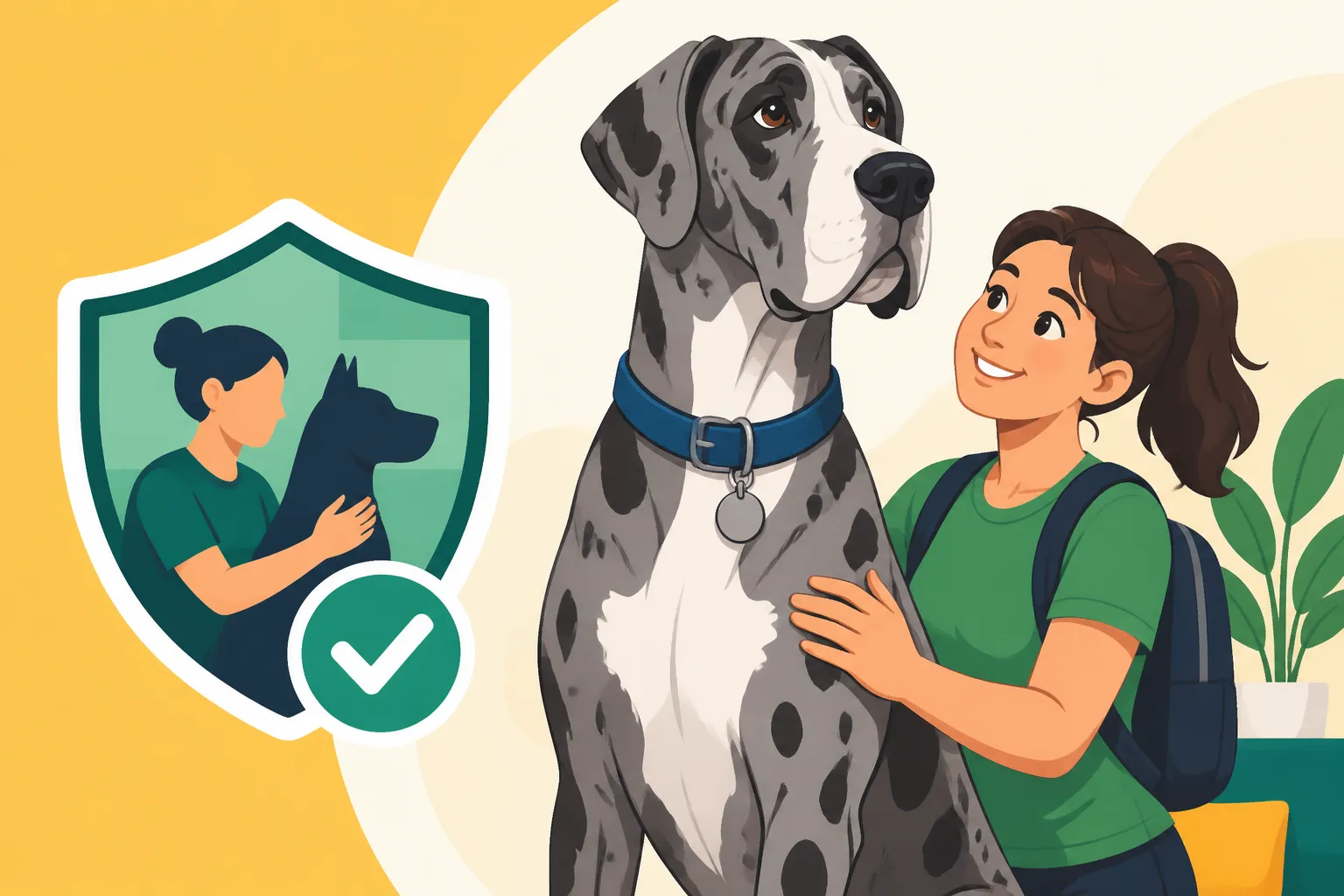
Great Danes are incredibly intuitive. They pick up on human emotions and can become anxious if their caregiver is nervous or easily flustered. A truly great Great Dane sitter will possess a calm, confident, and patient demeanor. This helps to establish trust and leadership, making your Dane feel secure in their care.
Someone who rushes, speaks loudly, or seems intimidated by your dog's size is not a good fit. Look for a sitter who approaches your dog gently, allowing the Dane to initiate interaction. They should understand that consistent routine and a quiet, reassuring presence are often more effective than loud commands or frantic energy. This calm approach extends to potential emergencies too; a level-headed sitter is much more likely to make clear decisions under pressure.
Attention to Detail and Communication
With a Great Dane, the details matter. From specific feeding schedules—like Feeding an Adult Great Dane Six to Ten Cups spread across multiple meals to reduce bloat risk—to medication timing, joint supplements, or unique grooming needs, a sitter must be meticulous. They need to pay attention to your instructions, ask clarifying questions, and be able to follow a detailed routine without fail. If your dog is on a special diet, perhaps a fresh food service like Ollie, they need to understand the preparation and portioning precisely.
Excellent communication is also vital. You'll want a sitter who provides regular updates (texts, photos, videos) about your dog's well-being. They should be proactive in reporting any changes in appetite, energy levels, or behavior. This transparency builds trust and allows you to relax, knowing your Dane is well-cared for. Before you leave, establish how often and through what method you'd like updates.
Preparing Your Great Dane and Home for a Sitter
Once you've found a pet sitter you feel confident about, the next crucial step is thorough preparation. This involves getting your Great Dane accustomed to the sitter and making sure your home is set up for their success.
Introduction and Acclimation Sessions
Never just drop off your Great Dane with a new sitter on departure day. This is a recipe for anxiety for both dog and sitter. Instead, arrange several "meet and greet" sessions. Start with short visits where you are present, allowing your dog to get to know the sitter in their own home territory. These initial meetings should be low-pressure, focusing on positive interactions, playtime, and perhaps a short walk together.
As your comfort grows, escalate to longer periods. This could mean the sitter coming over for an hour while you run errands, then a half-day, and eventually an overnight stay while you're still nearby. These acclimation sessions allow your Great Dane to build trust and familiarity with the sitter and their routine. It also gives the sitter a chance to experience your dog's true personality and specific quirks in a controlled environment. Pay attention to how your Dane reacts; do they seem comfortable? Are they engaging positively with the sitter? This gradual introduction is key to a smooth transition when you're truly away.
Detailed Care Instructions and Emergency Plan
Leave nothing to chance. Prepare a comprehensive guide for your sitter, covering every aspect of your Great Dane's care. This should include:
- Feeding Schedule: Exact times, food type, portion sizes (e.g., specific kibble, maybe from Chewy, or fresh food from Ollie), and any supplements. Specify if Whether One Big Meal Bloats a Great Dane is a concern and why you split meals.
- Exercise Routine: How many walks, duration, where they go, and any limits on activity, especially for Growth Disorders in a Great Dane Puppy or an older Dane.
- Medications: Detailed instructions for any medications, dosages, and times. Include pictures of the medication bottles.
- Medical History: A brief overview of current health issues, known allergies, and vet contact information.
- Habits and Quirks: Any specific behaviors (good or bad), favorite toys, fears, or comfort items. For instance, Why a Great Dane Leans on People is a common trait, and sitters should understand it's usually affection, not a challenge.
- Household Instructions: How to operate appliances, security systems, where supplies are kept, and any rules about visitors.
Crucially, create a clear emergency plan. This should include:
- Your primary veterinarian's contact info.
- The nearest 24-hour emergency veterinary hospital's address and phone number.
- A letter authorizing the sitter to seek veterinary care and make necessary decisions in your absence, potentially with a monetary limit if you're comfortable.
- Information about your pet insurance, such as Healthy Paws, including policy number and how to contact them for pre-approvals or claims. Knowing this ahead of time can significantly reduce stress and financial burden during an emergency.
Keep this document readily accessible, ideally laminated and posted on your fridge, and also provide a digital copy.
Stocking Supplies and Safety-Proofing Your Home
Ensure you have an ample supply of everything your Great Dane needs for the duration of your absence, plus a little extra for good measure. This includes food, treats, medications, waste bags, and any specific cleaning supplies for drool or accidents. Ordering through a service like Chewy can ensure these supplies are regularly topped up and delivered right to your door, preventing any last-minute sitter scrambles.
Double-check your home for any potential hazards. This is especially important as Great Danes are tall and curious. Items left on counters, accessible cleaning supplies, or anything they could accidentally knock over and break should be secured. Baby-Proofing a Kitchen From a Great Dane is often necessary. Ensure sturdy, comfortable bedding, like Orthopedic Beds a Great Dane Needs, are available for their joint health. Make sure gates are secure and doors are locked. A well-prepared home allows the sitter to focus on your Great Dane, not on managing household accidents.
Emergency Protocols and Financial Preparedness
Even with the most meticulous planning, unexpected situations can arise when you have a Great Dane. Being prepared for emergencies, both medically and financially, is paramount. This foresight protects your dog and gives your sitter clear direction when minutes count.
Establishing Clear Emergency Contact and Vet Protocols
Your emergency plan needs to be crystal clear and readily available, not just for your sitter, but for you to communicate effectively from afar. Provide your sitter with a laminated card or sheet that includes:
- Your primary contact numbers: Cell phone, work phone, and any secondary contacts (partner, trusted family member, close friend).
- Your veterinarian's name, phone number, and address. Be sure to call your vet before you leave and inform them that your sitter will be caring for your Great Dane and has permission to bring them in for care.
- The closest 24-hour emergency veterinary hospital's name, phone number, and address. This is absolutely critical for conditions like bloat, where every second matters. It's not enough to list your regular vet if they close at 5 PM.
- Pet insurance details: Policy number and customer service line. If you have a plan with Healthy Paws, for example, ensure the sitter knows how to access information or communicate with them if a claim needs to be filed or pre-authorization is required.
Discuss with your sitter the types of situations that warrant immediate vet attention versus those that can wait for your input. For a Great Dane, symptoms like persistent vomiting, unproductive retching (a major sign of bloat), severe lethargy, collapse (A Great Dane That Collapses and Recovers), or any noticeable lameness or swelling should be considered urgent. Having a pre-signed authorization for treatment, with a specified financial limit, can prevent delays during a crisis when you might be unreachable.
Financial Planning for Great Dane Emergencies
Let's face it: Great Danes are expensive, and their emergencies can be astronomically so. The Night a Great Dane Bloats and What It Costs can easily run into thousands of dollars. It's a sobering reality, but one we must confront.
Pet Insurance: This is where a robust pet insurance policy truly shines. Companies like Healthy Paws offer coverage that can significantly offset the cost of major surgeries, emergency care, and long-term treatments. Enrolling your Great Dane early, before any pre-existing conditions develop, is crucial. Discuss with your sitter how to initiate a claim or contact the insurance provider if an emergency arises. Knowing you have this safety net can reduce a huge burden during a stressful time.
Emergency Fund: Even with insurance, deductibles and co-pays can add up quickly. It's always wise to have a dedicated emergency fund specifically for your Great Dane's health needs. This could be a separate savings account or a credit card reserved for such situations. Provide your sitter with clear instructions on how to access funds if necessary for immediate life-saving care that might exceed an authorization limit or isn't covered by insurance. This isn't about giving them free reign, but empowering them to act decisively when your dog's life is on the line.
Post-Emergency Communication and Follow-Up
In the event of an emergency, your sitter should immediately contact you after contacting the vet. Establish a clear communication hierarchy:
- Sitter calls emergency vet.
- Sitter calls you (and secondary contacts).
- Sitter provides updates from the vet.
Even if the emergency resolves without a vet visit, discuss how you want to be informed about any unusual events. A good sitter understands that you want to be kept in the loop and will document any incidents, however minor, along with your Dane's reactions and their actions. Upon your return, debrief thoroughly with your sitter. Thank them for their care, especially if they handled a difficult situation. This open communication fosters trust and ensures a positive relationship for future sitting needs.
Pet Sitting Options for Great Danes
When it comes to pet sitting for your Great Dane, you have a few different options, each with its own pros and cons. Understanding these can help you choose the best fit for your specific dog and household.
| Pet Sitting Option | Description | Pros for Great Danes | Cons for Great Danes |
|---|---|---|---|
| In-Home Pet Sitter | A professional sitter stays at your home with your dog. | Familiar environment, one-on-one attention, maintains routine. | Can be more expensive, potential privacy concerns. |
| Daily Drop-In Visits | Sitter visits your home multiple times a day for short periods. | Your Dane stays home, less intrusive than a live-in. | Not suitable for Danes with separation anxiety or intense needs. |
| Boarding Kennel | Your Great Dane stays at a dedicated facility. | Supervised environment, social interaction (if suitable). | Unfamiliar environment, can be stressful, limited specialized care. |
| Doggy Daycare | Day-long supervised care, typically for socialized dogs. | Socialization, exercise, break from being home alone. | Not for overnight, large groups can be overwhelming, physical strain. |
In-Home Pet Sitters
For many Great Dane owners, an in-home pet sitter who stays at your house is the gold standard. This option allows your Dane to remain in their familiar environment, surrounded by their own smells, toys, and routine. This minimizes stress, which is particularly beneficial for sensitive breeds like Danes, and for dogs prone to anxiety when left alone. The sitter can adhere to your exact feeding schedule, maintain exercise routines, and administer medications precisely. There's also less disruption to your dog's sleep patterns and potty breaks.
The key here is finding a professional sitter with excellent references and giant breed experience. Someone like this can offer your Great Dane consistent companionship, which is vital as A Great Dane That Cannot Be Left in the House is a common issue. They also provide a level of home security in your absence. While potentially more expensive than other options, the peace of mind and tailored care often make it worthwhile. You'll want to ensure they understand specific household quirks, like where to find cleaning supplies for Great Dane Drool and What to Do About It or how to manage your specific dog's leaning habits.
Daily Drop-In Visits
If you're only away for a shorter period, say a workday or an overnight trip, and your Great Dane is generally comfortable being alone for a few hours, daily drop-in visits can be an alternative. A sitter comes to your home several times a day to feed, let your dog out for potty breaks, administer medication, and provide some playtime or a short walk.
However, this option is generally not recommended for Great Danes for extended absences, especially if your dog suffers from separation anxiety or has complex medical needs. Great Danes thrive on companionship, and being alone for many hours between visits can be detrimental to their mental well-being. Furthermore, if a medical emergency like bloat were to strike between visits, critical time could be lost. Always assess your individual Dane's personality and needs carefully before choosing this option. If you do go this route, ensure the visits are frequent enough to mitigate anxiety and health risks.
Boarding Kennels and Doggy Daycare
Traditional boarding kennels are a mixed bag for Great Danes. On the one hand, a reputable facility will have staff on-site 24/7, providing constant supervision. Some facilities offer larger runs or play yards suitable for bigger dogs. However, a new, loud, and unfamiliar environment can be incredibly stressful for a Great Dane, potentially leading to anxiety, loss of appetite, or even behavioral issues. The level of individual attention might also be significantly less than what your Dane is used to at home. You'll need to research carefully to find a facility that has experience with giant breeds, understands their unique needs (like specialized bedding for joint support), and maintains a calm, clean environment.
Doggy daycare is a fantastic option for daily socialization and exercise, especially for younger, well-socialized Great Danes. It offers mental stimulation and physical activity. However, it's typically a daytime service and not suitable for overnight stays. When choosing a daycare, ensure they have:
- Separate play areas for large dogs to prevent accidental injuries to smaller dogs.
- Staff trained in large dog behavior and group management.
- Protocols for over-exertion, as Exercise Limits While a Great Dane Is Still Growing are important.
It's also crucial to remember that even in a well-run daycare, group play can be physically demanding, and you need to ensure your Dane is healthy enough for that level of activity.
Disclaimer
This article is for general informational purposes only and does not constitute professional advice. Laws, prices and regulations vary by location and change over time. Consult a qualified professional for guidance on your specific situation.