Bundling a Great Dane Gastropexy With Neutering
Bringing a Great Dane into your life is an unparalleled joy, but it also comes with a unique set of responsibilities, not least of which is navigating their significant health needs. One of the biggest worries many Great Dane owners face involves major elective surgeries, particularly the prophylactic gastropexy to prevent bloat and, of course, neutering. The thought of two separate surgical events, with all the associated costs, recovery time, and anesthesia risks, can feel incredibly overwhelming. This guide is here to help you understand the possibility of combining a Great Dane's gastropexy with their neuter procedure, exploring the benefits, challenges, and what you need to consider to make the best decision for your beloved giant.
Understanding the Great Dane Gastropexy
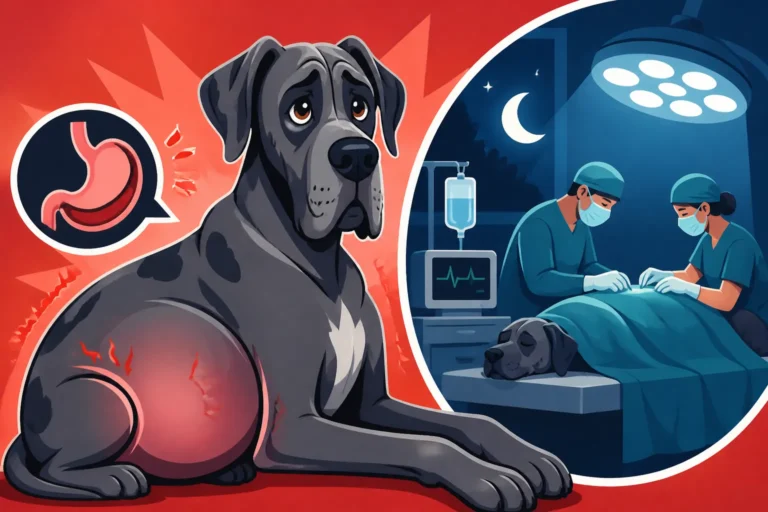
Let's be real, the word "bloat" strikes fear into the heart of every Great Dane owner. Gastric Dilatation-Volvulus, or GDV, commonly known as bloat, is a terrifying condition where a dog's stomach fills with gas, food, or fluid, and then twists on its axis. It's an emergency, and it's often fatal if not treated immediately. This isn't just a small risk; it's a huge shadow hanging over the breed.
Why a Gastropexy is Crucial for Great Danes
Great Danes are incredibly prone to bloat. Their deep, narrow chests are a significant anatomical factor, making them highly susceptible. When a Great Dane's stomach twists, it cuts off blood supply, leading to rapid tissue death, shock, and an excruciating death. The statistics are chilling: studies show that around one in three Great Danes will experience bloat in their lifetime. You can learn more about The Lifetime Bloat Risk in a Great Dane. This isn't just bad luck; it's a breed-specific vulnerability that responsible owners must actively address.
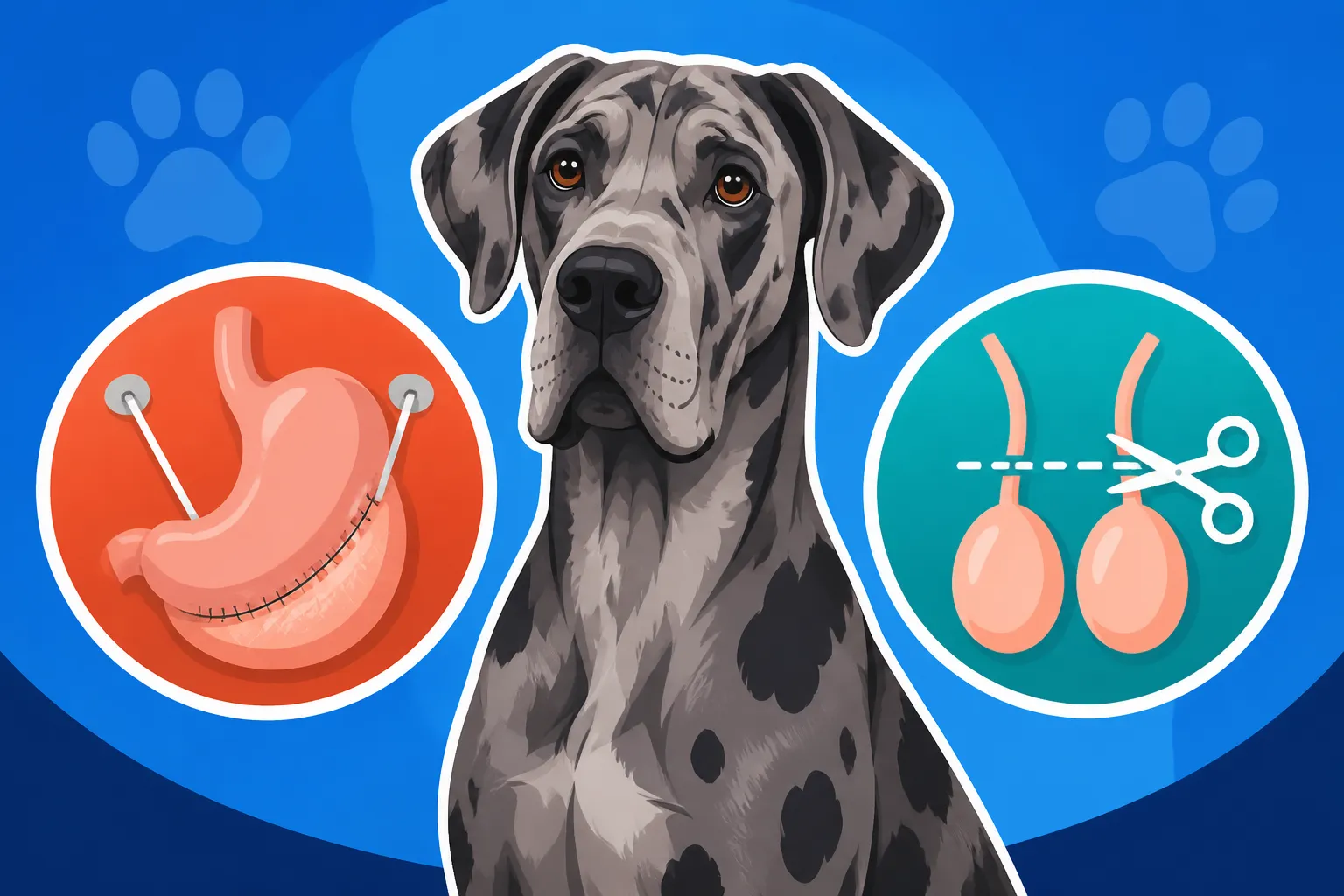
A gastropexy is a surgical procedure where the stomach is permanently attached to the abdominal wall. It doesn't prevent the initial gas build-up (dilatation), but it absolutely prevents the stomach from twisting (volvulus). This means if your tacked Great Dane experiences bloat, it's typically less severe and has a much higher chance of survival, buying you critical time to get them veterinary attention. Knowing that you've done everything you can to prevent the most catastrophic outcome can bring immense peace of mind. Without this procedure, witnessing the onset of The Signs of a Great Dane Stomach Twisting is a truly terrifying race against the clock.
The Gastropexy Procedure Itself
When considering this surgery, it’s helpful to understand what it entails. A gastropexy can be performed in a couple of ways. The traditional method involves an open abdominal incision, where the surgeon directly manipulates the stomach and sutures it to the abdominal wall. This is a very effective and durable method. More recently, laparoscopic gastropexy has become an option for some clinics. This minimally invasive technique uses a camera and specialized instruments inserted through small incisions, which can lead to a quicker recovery time, though it might not be available everywhere.
Regardless of the technique, the goal is the same: to create a strong, permanent adhesion between the stomach and the body wall. This attachment ensures that the stomach cannot rotate, even if it distends with gas. The procedure is typically performed on younger Great Danes, often between six months and two years of age, or around the same time as their spay or neuter. Thinking about Stomach Tacking Surgery for a Great Dane and when to schedule it is a proactive step that can save your dog's life down the road. The decision for the timing of this procedure, especially for preventative measures, often coincides with other necessary surgeries.
The Neutering Decision for Your Great Dane
Neutering is a common surgical procedure for male dogs, but for giant breeds like the Great Dane, the timing and considerations can be a bit more complex than with smaller dogs. It's not just about preventing unwanted litters; it's about a host of other health and behavioral factors that warrant careful thought.
Timing and Health Considerations for Neutering
For many years, the standard recommendation was to neuter dogs around six months of age. However, for large and giant breeds, current veterinary understanding has evolved. There's a growing body of evidence suggesting that early neutering might impact the development of growth plates and increase the risk of certain orthopedic issues like hip and elbow dysplasia, or even some cancers later in life. This is because sex hormones play a crucial role in bone development and growth plate closure.
Many veterinarians now recommend waiting until a Great Dane is closer to full maturity, often between 12 to 18 months, or even up to two years, to allow their skeletal system to fully develop. This later timing can be a big factor when considering if and when to bundle the gastropexy. You'll want to have a detailed conversation with your vet about the ideal age for your specific Great Dane, weighing the risks and benefits of delaying neutering against the immediate need for bloat prevention. Factors like your dog's individual growth rate and temperament will also play a role in this important decision.
What the Neutering Procedure Involves
Neutering, or orchiectomy, is a routine surgical procedure where a male dog's testicles are removed. It's typically performed under general anesthesia. The surgeon makes an incision just in front of the scrotum, removes both testicles, and then closes the incision with sutures. The procedure is generally straightforward and, for a healthy dog, has a low complication rate.
Beyond preventing unwanted pregnancies, neutering offers several health benefits. It eliminates the risk of testicular cancer and significantly reduces the risk of certain prostate problems later in life. Behaviorally, it can help reduce roaming instincts, marking, and some forms of aggression, though individual results vary. However, it's important to remember that it's still a major surgery requiring careful monitoring during recovery. While simpler than a gastropexy, it still demands a recovery period, pain management, and activity restriction to ensure proper healing.
The Practicalities of Bundling Both Surgeries
The idea of tackling two significant surgeries at once might seem daunting, but for Great Dane owners, combining a gastropexy with neutering often presents compelling advantages that are worth discussing with your veterinary team.
Potential Benefits of Combined Procedures
The most significant benefit of bundling these two procedures is undoubtedly the single anesthetic event. Anesthesia always carries some risk, especially for giant breeds like Great Danes who can be more sensitive or require specialized protocols. Reducing your dog's exposure to anesthesia to just one session rather than two separate ones can be a major advantage. You can also gain insight into Anesthesia Risk in a Great Dane to understand this better.
Beyond that, you're looking at a single recovery period. Instead of going through two separate rounds of incision care, pain medication, and activity restrictions, you consolidate it into one. This means less stress for both you and your dog, fewer days off work to monitor them, and a streamlined healing process. Financially, bundling can often result in overall cost savings. While the initial bill will be higher than for either procedure alone, you'll typically save on the "setup" costs associated with separate surgeries, such as pre-surgical bloodwork, facility fees, and some medication costs. When you're considering The Price of a Preventive Great Dane Gastropexy, combining it can sometimes be a more economical approach in the long run.
Navigating the Risks and Downsides
Of course, combining two surgeries also means a longer time under anesthesia and a potentially more extensive and intense initial recovery period. A longer surgery naturally carries a slightly elevated risk of complications compared to a shorter, single procedure. Your veterinary team will meticulously assess your Great Dane's overall health to ensure they are a good candidate for a combined surgery. They'll consider factors like age, weight, and any pre-existing conditions.
The recovery after a combined procedure might also require more stringent activity restriction and pain management, simply because there are two surgical sites to heal. While you save on the number of recovery periods, the intensity of that single recovery might be higher initially. It’s crucial to discuss these factors thoroughly with your vet. A skilled surgical team, experienced with giant breeds, will be able to guide you through these considerations and help you prepare for a comprehensive recovery plan.
Cost Implications and Insurance Considerations
The cost of owning a Great Dane is substantial, and elective surgeries are a big part of that. While bundling can offer some savings, it's still a significant investment. The total bill for a combined gastropexy and neuter will vary widely depending on your location, the veterinary clinic, the specific surgical techniques used (e.g., laparoscopic vs. open), and any additional monitoring or medications.
This is precisely where pet insurance becomes invaluable, especially for a breed with so many potential health concerns. If you've enrolled your Great Dane in a comprehensive pet insurance plan like those offered by Healthy Paws before any signs of bloat or other conditions appear, a portion of the surgical costs for the gastropexy could potentially be covered. It's essential to understand your policy's terms, deductibles, and reimbursement percentages. Waiting until a problem arises might mean the condition is considered pre-existing, making it ineligible for coverage. Considering Whether Pet Insurance Is Essential for a Great Dane early in their life can really make a difference. Always check with your insurance provider directly about what is covered for elective and preventative procedures.
Recovery and Aftercare for Your Dane
Bringing your Great Dane home after a combined gastropexy and neuter procedure requires a dedicated approach to recovery. Their comfort, safety, and proper healing are paramount. This phase is critical to ensuring the success of the surgeries and your dog's long-term well-being.
Managing Post-Operative Pain and Activity
Your Great Dane will be sent home with pain medication, and it's absolutely vital to administer this exactly as prescribed. Don't skip doses, even if your dog seems to be feeling better, as breakthrough pain can lead to increased stress and impact healing. Your vet might also prescribe anti-inflammatory medications. Keeping your Great Dane calm and restricting their activity is perhaps the biggest challenge. This means no running, jumping, stairs, or rough play for several weeks, usually two to four, depending on your vet's specific instructions. This can be tough for a big, active dog, but it's non-negotiable for proper healing of both the abdominal incision from the gastropexy and the scrotal incision from the neuter.
A large, comfortable orthopedic bed is essential during this time. Think about options from retailers like Chewy for sturdy, supportive bedding that can protect their joints and provide a soft place to rest, like Bedding That Prevents Great Dane Hygromas. You might need to use a large crate or a confined space within your home to limit their movement, especially when you can't supervise them directly. Short, leashed walks for potty breaks are usually the only permitted activity, and even then, make sure they don't strain or pull.
Long-Term Monitoring and Support
Beyond the initial recovery period, you'll need to monitor your Great Dane closely for any signs of complications. Watch the incision sites daily for redness, swelling, discharge, or any signs that sutures have come undone. Report any concerns to your vet immediately. Your dog will likely need a follow-up appointment to check healing and remove any external sutures if they weren't dissolvable.
In terms of diet, your vet may recommend a bland, easily digestible diet for a few days post-op to avoid stomach upset. When transitioning back to their regular food, consider their overall health and joint support. Some owners choose to explore fresh food options, like those offered by Ollie, to ensure high-quality nutrition. Always introduce new foods slowly to avoid digestive issues. Remember that even with a gastropexy, proper feeding habits remain crucial for Great Danes to minimize the risk of bloat, such as splitting meals and avoiding exercise directly before or after eating. Following Recovery After Great Dane Bloat Surgery protocols, even for a prophylactic one, will set your Dane up for the best outcome. The goal is to provide a calm, supportive environment that promotes full healing and allows your magnificent Great Dane to return to their happy, healthy self.
Disclaimer
This article is for general informational purposes only and does not constitute professional advice. Laws, prices and regulations vary by location and change over time. Consult a qualified professional for guidance on your specific situation.