Wearing Out a Great Dane Without Wrecking Its Joints
One of the biggest struggles we face as Great Dane owners is wanting to give our majestic companions all the joy of running and playing, but knowing deep down that their rapid growth makes their joints incredibly vulnerable. It's a constant tightrope walk: how do you burn off that boundless puppy energy without inadvertently setting them up for a lifetime of pain? This guide is all about navigating that challenge, helping you keep your Great Dane happy, active, and most importantly, healthy, through every stage of their magnificent life.
The Giant Puppy Paradox: Energy vs. Fragile Growth Plates
Bringing home a Great Dane puppy is like welcoming a tiny tornado of joy and clumsy potential. They’re full of beans, always ready to play, and utterly adorable in their gangly phases. But beneath that playful exterior lies a skeletal system that is undergoing some of the most rapid and profound changes in the canine world. This creates a genuine paradox: they have the energy of a typical puppy, but their bones and joints are nowhere near as robust. Many owners feel this deep conflict, wanting to satisfy their pup's desire to run and tumble, but constantly second-guessing if they're doing more harm than good. It's a real and valid concern that often keeps us up at night.
Understanding the Great Dane Growth Spurt
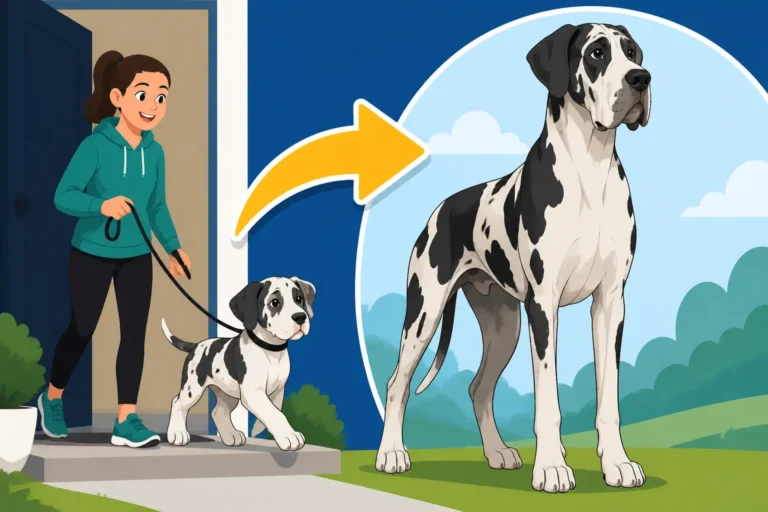
Great Danes don't just grow; they explode in size. In a matter of months, a tiny bundle of fluff can transform into a lanky teenager that seems to add inches overnight. This incredible growth rate, while awe-inspiring, puts immense stress on their developing bones and cartilage. Their growth plates, the soft areas at the ends of long bones where new bone tissue forms, are particularly vulnerable during this period. These plates don't fully close and harden until a Great Dane is typically between 18 and 24 months old, sometimes even a little later. Until then, they are susceptible to injury, inflammation, and abnormal development.
It’s easy to look at a six-month-old Great Dane who is already bigger than many adult dogs and assume they're physically mature. But their physical size is deceiving; their skeletal system is still very much in its infancy. A sudden twist, an awkward jump, or repetitive high-impact activities can cause microscopic damage to these growth plates, leading to conditions like hypertrophic osteodystrophy (HOD) or osteochondritis dissecans (OCD). These aren't just minor growing pains; they can result in chronic lameness and require extensive veterinary intervention, greatly impacting your Dane's quality of life and potentially shortening their already brief Why a Great Dane Only Lives Seven to Ten Years. Understanding this distinction between outward size and internal skeletal development is crucial for responsible exercise.
Why Forced Exercise is a No-Go
Given their delicate developing structures, anything that constitutes "forced exercise" is a major red flag for a growing Great Dane. What do I mean by forced exercise? Think about activities where you dictate the pace, duration, and intensity, pushing your dog beyond what they might naturally choose. This includes long, structured runs, especially on hard surfaces like pavement, where the repetitive impact can be incredibly damaging. Imagine the jarring impact on tiny, still-soft growth plates with every stride.
Other problematic activities include jumping from significant heights, such as off the back of a truck, out of a car, or even repeatedly off a sofa. The sudden impact and torque on their joints can be catastrophic. Similarly, intense, high-impact games like prolonged, vigorous fetch with hard stops and starts, or agility training that involves tight turns and jumps, should be avoided until skeletal maturity is confirmed. These activities, while harmless for a mature, smaller breed, can contribute to serious orthopedic issues in a Great Dane puppy, potentially exacerbating conditions discussed in Great Dane Hips, Elbows and Growing Joints and even leading to lifelong pain or the need for expensive surgeries. It’s a harsh reality that a momentary lapse in judgment during their growth phase can have such long-lasting repercussions.
Safe Exercise for Great Dane Puppies: Building Blocks, Not Burpees
So, if intense exercise is off-limits, what can you do with that wiggly, energetic Great Dane puppy? The answer lies in controlled, low-impact activities that allow them to explore and burn energy without putting undue stress on their developing bodies. Think of yourself as building blocks for their future athleticism, carefully placing each one to ensure a stable foundation, rather than throwing them into a competitive event. It’s about quality and safety over quantity and intensity during these crucial early months.
Controlled Play and Short Walks
The best exercise for a Great Dane puppy is often self-directed play and short, supervised walks. Let them explore your yard at their own pace, sniffing, meandering, and occasionally bursting into a short sprint, but allowing them to stop when they're ready. The key word here is "self-directed." If they want to play, great! If they want to lie down and chew a toy, also great! The goal is to let them set the intensity. Invest in a variety of durable, but not overly rigid, toys from places like Amazon that can withstand their burgeoning jaws for gentle games of tug or retrieve, always keeping the play low to the ground to avoid jumping.
When it comes to walks, a commonly cited guideline is the "five-minute rule": five minutes of structured walking per month of age, twice a day. So, a four-month-old puppy would get two 20-minute walks a day. These walks should be on soft surfaces like grass or dirt trails, avoiding pavement as much as possible, and focusing more on exploration and sniffing than on covering long distances or maintaining a brisk pace. These walks help build muscle and coordination gradually without overtaxing their fragile growth plates, which are still closing. For more guidance on appropriate distances, check out How Much a Growing Great Dane Should Walk.
Mental Stimulation: The Unsung Hero
Many new Great Dane owners underestimate the power of mental exercise. A mentally stimulated dog is often a calmer, more satisfied dog, and it can be just as tiring, if not more so, than a vigorous physical workout, especially for a rapidly growing giant breed. Engaging their brains helps to satisfy their natural curiosity and intelligence without putting any strain on their joints. This is particularly vital when you realize Why a Great Dane Puppy Should Not Jog.
Think about incorporating short, frequent training sessions throughout the day. Even just 5-10 minutes of working on basic obedience cues like sit, stay, down, and coming when called can be incredibly taxing on their young minds. Puzzle feeders, snuffle mats, and hiding treats around the house for them to sniff out are fantastic ways to engage their powerful noses and problem-solving skills. These activities encourage natural foraging behaviors and provide a wonderful outlet for their energy. Programs like those offered by BAXTER & Bella can provide excellent virtual training resources and ideas for mental enrichment that you can do safely at home, helping you teach The Manners a Great Dane Needs Before It Grows without any physical strain.
Transitioning to Adult Activity: Gradual and Mindful
The transition from a fragile giant puppy to a robust adult Great Dane isn't a sudden flip of a switch; it's a gradual journey that requires continued mindfulness and patience. Just because they hit their full height doesn't mean their skeletal system is instantly ready for anything. Rushing this phase can lead to problems that manifest years down the line, even if they seem fine in the short term. It's about slowly introducing more challenging activities while still paying close attention to their body's signals.
When "Adult" Really Means Adult
For Great Danes, "adult" in terms of physical maturity doesn't necessarily mean "skeletally mature." While many dogs reach their full height around 12-18 months, Great Danes typically continue to fill out and their growth plates often aren't fully closed and hardened until they are closer to 18-24 months of age, sometimes even later. This is the critical window you need to watch. Prematurely introducing high-impact activities before those growth plates have completely solidified can significantly increase the risk of orthopedic issues, potentially leading to debilitating conditions like those mentioned in Growth Disorders in a Great Dane Puppy.
Once your veterinarian confirms that your Dane's growth plates are closed (often through x-rays if there's any doubt or concern), you can begin to gradually introduce more strenuous forms of exercise. The keyword here is gradually. Don't go from zero to sixty overnight. A good rule of thumb is to increase intensity and duration by no more than 10-15% each week. For example, if you've been doing 30-minute walks, increase to 35-40 minutes for a week before adding more. This slow progression allows their muscles, ligaments, and tendons to strengthen and adapt to the increased demands, providing better support for their large joints.
Here's a general guideline for exercise transition, but always consult your vet:
| Age of Great Dane | Type of Exercise | Duration/Frequency (General) | Important Considerations |
|---|---|---|---|
| 8 weeks – 6 months | Self-directed play, short leash walks | 5 mins per month of age, twice daily | Avoid forced running, jumping. Focus on soft surfaces. Prioritize mental stimulation. |
| 6 – 12 months | Longer leash walks, gentle fetch | Up to 30-45 mins, twice daily | Still avoid high-impact, repetitive jumping, long-distance running. Continue on softer surfaces. |
| 12 – 18 months | Increased walk duration, light jogging (brief) | Up to 60 minutes, once or twice daily | Gradually increase. Monitor for stiffness or lameness. Introduce very light jogging only if vet approves and dog shows no signs of discomfort. |
| 18 – 24 months | Moderate activities, short hikes | 60-90 minutes, once or twice daily | Most growth plates closed. Can start gradually adding more vigorous activities like swimming or longer hikes on varied terrain. Always watch for signs of fatigue. |
| 24+ months | Full adult activities | 1-2 hours of moderate activity, daily | Can engage in more active sports like hiking (as discussed in Whether a Great Dane Can Hike), but still mindful of high-impact repetitions for joint longevity. |
Recognizing Limits and Avoiding Overexertion
Even when your Great Dane is fully mature, their sheer size means they still have unique exercise considerations. It's incredibly easy for a well-meaning owner to push their Dane too far, leading to exhaustion, muscle soreness, or even injury. Great Danes often have a high pain tolerance and a strong desire to please, which means they might push through discomfort long before they show obvious signs. It's up to us, as their caretakers, to be vigilant and understand their subtle cues.
Signs of overexertion or discomfort can include lagging behind on a walk when they usually lead, excessive panting or drooling even after resting, stiffness or reluctance to move after a period of activity, a change in gait (even a subtle limp), or an unusual reluctance to get up. They might also try to lie down more frequently during a walk or seek out cooler spots to rest. Pay close attention to their breathing and overall demeanor. If you notice any of these signs, it's time to cut the activity short, rest, and consider consulting your vet if symptoms persist. Always err on the side of caution; a missed walk is far better than a debilitating injury.
Creative Ways to Exercise an Adult Great Dane
Once your Great Dane is truly an adult, typically around two years old, a whole new world of activity opens up. But even then, given their immense size and predisposition to certain joint issues, a thoughtful approach to exercise is still paramount. We want them to live their best, most active lives, but always with an eye on longevity and joint health. This means focusing on activities that support their majestic frame rather than breaking it down.
Low-Impact Fun for Big Dogs
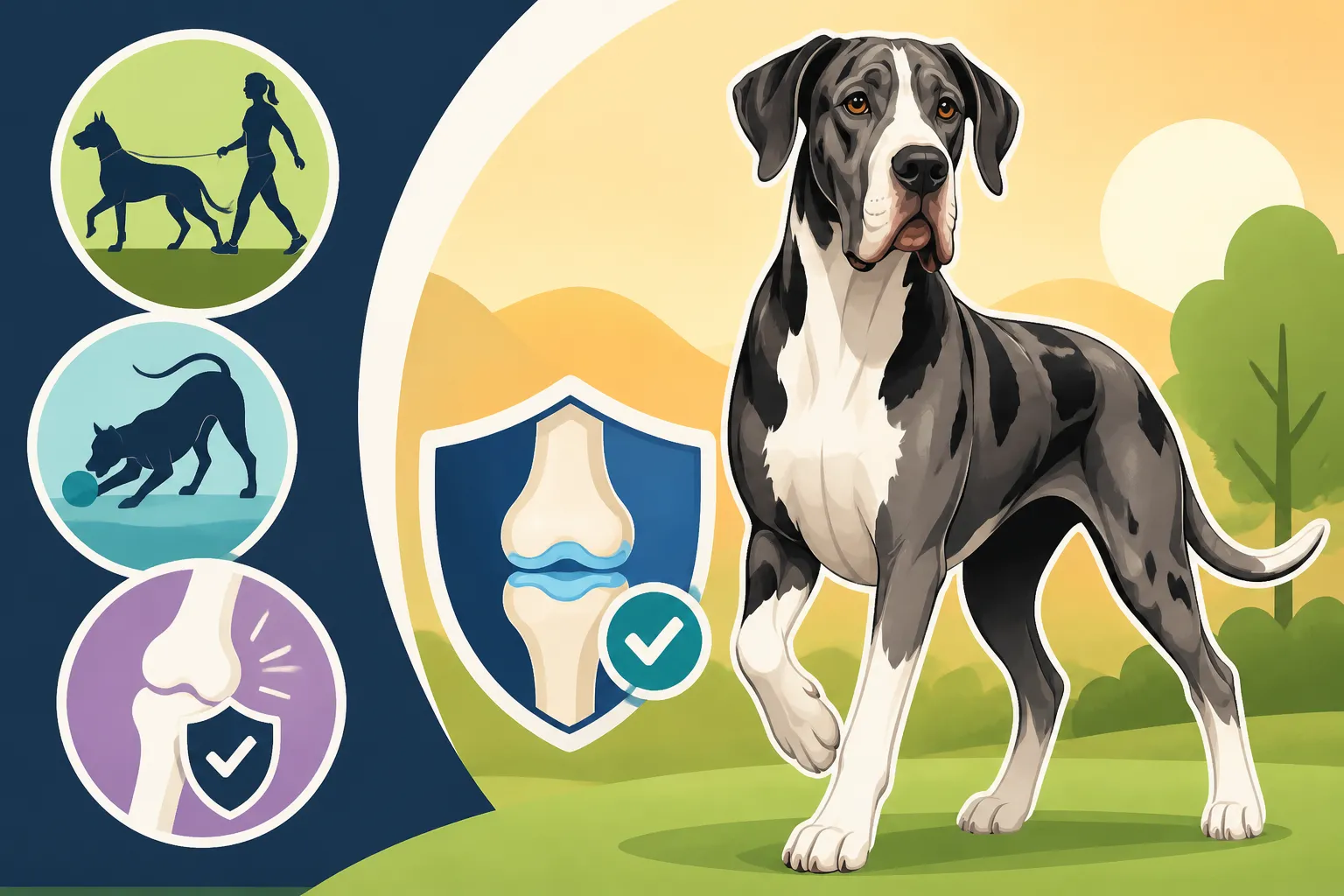
The best physical activities for adult Great Danes are those that are low-impact but still engaging. Think about activities that build muscle and stamina without the jarring forces of high-speed turns or hard jumps. Swimming, if your Dane enjoys it and has access to a safe pool or calm body of water, is absolutely fantastic. It provides a full-body workout with virtually no impact on their joints. Many Great Danes love to splash around, and even just wading or doing short swimming stints can be incredibly beneficial. For more on this, you might find Whether a Great Dane Can Swim at All helpful.
Long, leisurely sniff walks on varied terrain are another excellent option. Instead of focusing on speed, allow them to explore and use their nose. Walking on soft trails, through fields, or even just around a park with plenty of interesting smells engages both their body and mind. The varied surfaces help strengthen their stabilizer muscles without the repetitive stress of pavement. Gentle hiking on moderate trails, avoiding steep inclines or declines that put extra strain on their joints, can also be a wonderful way to bond and exercise. This kind of activity is far more beneficial than endless laps in a small backyard.
Incorporating Training into Movement
Training isn't just about teaching commands; it can also be a powerful tool for physical and mental exercise, especially for a large, intelligent breed like the Great Dane. Once they're fully grown, you can explore more advanced obedience work or even dog sports that focus on precision and control rather than speed and impact. Think about rally obedience, where dogs and handlers navigate a course of numbered stations, performing different exercises. This involves movement, focus, and teamwork, without the high-flying jumps of traditional agility.
Even simple retrieve games can be excellent, as long as you use soft, easily gripped toys and encourage a controlled return rather than a frantic dash. Practice "come" from longer distances, "stays" with distractions, or "place" commands in different locations. The mental effort required to perform these tasks accurately and consistently, combined with the physical movement, can be very tiring for your Dane. Continued online training programs, perhaps with a focus on specific skills or mental challenges, like those offered by BAXTER & Bella, can keep them engaged and active even on days when weather or other factors limit outdoor adventures. It’s about making every movement purposeful and enriching.
Managing Exercise for Senior Great Danes
As our beautiful Great Danes gracefully transition into their senior years, which sadly begins earlier for giant breeds—often around six to seven years old—their exercise needs shift dramatically. It's heartbreaking to see their boundless energy wane, but adapting our approach is the kindest and most responsible thing we can do. The goal now moves from building endurance to maintaining comfort, mobility, and a good quality of life for as long as possible. This phase truly highlights the journey we share with these magnificent dogs.
Adjusting to the Golden Years
The signs of aging can manifest differently in each Great Dane, but common indicators include a decrease in overall stamina, more frequent stiffness, difficulty getting up after resting, and a general slowing down. Conditions like arthritis, which can severely impact their comfort and mobility, become much more prevalent. If your Great Dane is showing signs of discomfort or stiffness, or struggling with movements they once found easy, it's a clear signal to adjust their exercise routine. You might notice they're less enthusiastic about walks or prefer shorter jaunts around the block instead of long treks.
It's crucial to acknowledge these changes and not push them beyond their comfort zone. Continuing to force a senior Dane to keep up with their younger self will only exacerbate pain and potentially accelerate joint degeneration. Instead, focus on shorter, more frequent, and very gentle outings. A long, slow walk for 15-20 minutes, two or three times a day, might be much more beneficial than one long, strenuous walk. On days when they seem particularly stiff, a very brief sniff-around the yard might be all they need. For a deeper understanding of what to expect and how to care for them, reading Caring for a Great Dane Past Six can be incredibly helpful.
Supporting Joint Health Through Activity
While intense exercise is off the table, complete inactivity is also detrimental for senior Great Danes. Gentle, consistent movement is key to maintaining muscle mass, which in turn supports their joints, and helps keep those joints lubricated and flexible. Think of it as "use it or lose it" – but very, very gently. Activities that encourage range of motion without impact are ideal.
Hydrotherapy, performed in a controlled environment with a certified canine therapist, is an absolutely fantastic option for senior Great Danes. The buoyancy of the water takes all the weight off their aching joints, allowing them to move freely and build muscle without pain. Even just short sessions in warm water can make a huge difference in their comfort and mobility. At home, ensure they have proper footing on slippery floors by using runners or carpets, and consider investing in an orthopedic dog bed from Amazon that provides excellent support for their aging body. Regular, gentle stretching prescribed by a veterinary physiotherapist can also be immensely beneficial. It's about finding that sweet spot where movement brings relief and strength, rather than pain. For those dealing with existing joint issues, Arthritis in a Six-Year-Old Great Dane offers further insights.
Disclaimer
This article is for general informational purposes only and does not constitute professional advice. Laws, prices and regulations vary by location and change over time. Consult a qualified professional for guidance on your specific situation.