What Gentle Giant Means for a Great Dane
The term "Gentle Giant" is lovingly applied to Great Danes, conjuring images of calm, docile behemoths, but this endearing nickname often masks the significant responsibilities and proactive training required to truly bring out this gentle nature. Many new owners are surprised by the sheer strength and puppy-like exuberance of a young Dane, leading to frustrations when an untrained dog inadvertently knocks over furniture or people. This guide will delve into what "Gentle Giant" truly means, exploring the balance between their innate sweet disposition and the crucial role training and socialization play in shaping a well-mannered, truly gentle companion.
Unpacking the "Gentle Giant" Stereotype
The phrase "Gentle Giant" has become almost synonymous with the Great Dane, and for good reason—they truly can be incredibly sweet, patient, and affectionate. However, this romanticized image often omits the vital efforts owners must undertake to cultivate such a temperament. It’s not an automatic setting; it’s a commitment.
The Origin of the Nickname and Its Appeal
The appeal of the "Gentle Giant" is undeniable. Who wouldn't want a magnificent dog that commands respect by its presence yet melts into a puddle of affection at your feet? Historically, Great Danes were bred for hunting formidable wild boar, requiring courage, strength, and intelligence. Yet, they also developed a close bond with their human families, often serving as guardians and companions. This dual nature—powerful yet loyal and often reserved—likely contributed to the "Gentle Giant" moniker. People are drawn to their imposing size combined with stories of their docile nature, envisioning a magnificent, calm presence in their home. It's a powerful image: a dog so large it could be intimidating, yet chooses to be tender.
Where the Perception Can Go Wrong
Where the perception often goes astray is in assuming that "gentle" means "effortless" or "naturally well-behaved." A Great Dane puppy, just like any other puppy, is a whirlwind of sharp teeth, boundless energy, and zero impulse control. The difference is that a tiny puppy's antics are cute; a Great Dane puppy's antics, even when gentle in intent, can be destructive or even accidentally dangerous due to their rapid growth and sheer mass. Imagine a four-month-old Dane puppy, already weighing 60 pounds, jumping up in excitement. That's not a gentle tap; that's a significant impact. Misinterpreting "gentle giant" as a free pass on training can lead to an adult dog that, despite having a good heart, simply doesn't know how to navigate the human world without causing chaos.
Size Doesn't Automatically Equal Docility
It's a common misconception that larger dogs are inherently calmer or more docile than smaller breeds. While Great Danes generally have a laid-back temperament as adults, this docility isn't guaranteed by size alone. It's built through consistent training, proper socialization, and appropriate exercise from a young age. A poorly socialized or untrained Great Dane can be anxious, fearful, or even reactive, and their size amplifies these issues considerably. A small dog might bark incessantly at strangers; a Great Dane doing the same can intimidate an entire neighborhood. Their imposing stature means that any behavioral issue, no matter how minor in a smaller breed, becomes a major challenge with a Great Dane. They need just as much, if not more, structured guidance than a smaller dog, precisely because of their size.
The Physical Realities of a Great Dane's Gentleness
When we talk about a Great Dane being "gentle," it's crucial to distinguish between their intent and their impact. Most Great Danes truly do have a gentle spirit, but their immense size and strength mean that even innocent actions can have significant physical consequences for their human companions and their environment.
Unintended Collisions and Happy Tails
Anyone who has lived with a Great Dane knows the distinct thump of a large body turning a corner too quickly, or the sweeping arc of a powerful tail. Imagine your Dane, perhaps The Hundred and Forty Pound Great Dane Male, happily trotting through a doorway and misjudging the space, resulting in a minor collision with a wall, a piece of furniture, or even a person. Their intentions are pure, but their body mass is simply enormous. A Great Dane's tail, often described as a "lethal weapon" by owners, can clear a coffee table in a single joyful wag. A ceramic vase, a stack of books, or even a glass of water can become collateral damage when your beloved Dane expresses excitement. It’s not malice; it's physics. Owners quickly learn to keep valuable or fragile items out of tail-swiping range, or invest in sturdier, less delicate home decor.
Accidental Knock-Overs: When Playfulness Meets Power
A Great Dane expressing affection or playfulness can easily knock over an adult, let alone a child or a smaller pet. When they jump up to greet you, even if they mean it as a friendly hug, their weight can send you stumbling. This is why Stopping a Great Dane Jumping Up on People is not just about manners, but about safety. A Dane might lean into you with all their weight, a common behavior for the breed, sometimes to seek comfort or simply because they don't quite understand their own heft. If you're standing on uneven ground or caught off guard, this gentle lean can easily unbalance you. For families with young children, teaching both the dog and the kids how to interact safely is paramount. A Great Dane doesn't understand that a happy leap could send a toddler flying, or that a playful body slam could hurt an elderly relative. Their gentleness is a state of mind, but their physical presence is a force to be reckoned with.
The Strength Behind a Lean or a Nudge
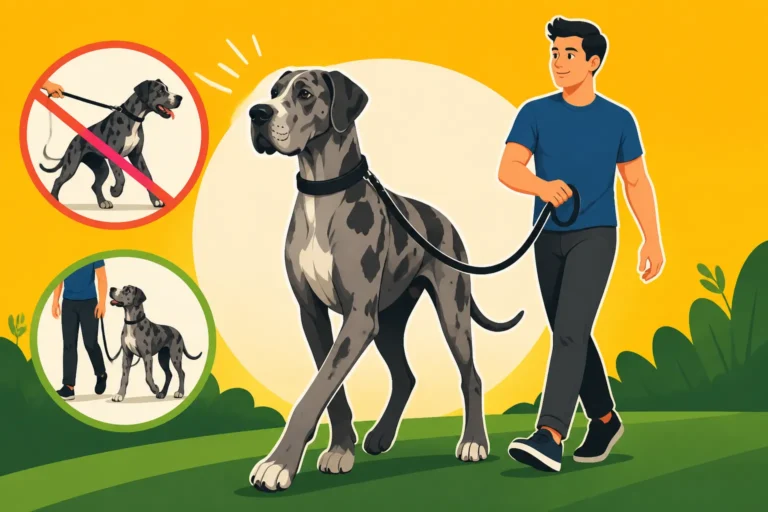
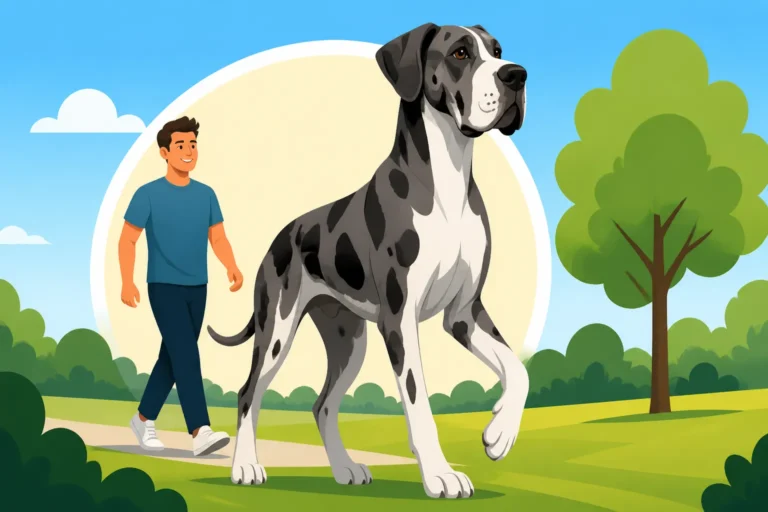
The sheer physical strength of a Great Dane is something you feel in every interaction. A seemingly gentle nudge with their head can move your arm, a soft push against your leg can shift your stance, and when they pull on the leash, it requires significant effort to hold them back. This is why Great Dane Leash Manners at a Hundred and Fifty Pounds are not optional; they are critical for comfortable and safe walks. Even when they're not pulling, their purposeful stride means you need to be steady and aware. Their gentleness is a conscious choice and a result of training, not a lack of power. Imagine trying to gently redirect a playful Great Dane puppy who just decided to grab a toy and run—their speed and strength are already formidable. This power needs to be understood and respected, channeled through consistent positive training methods.
Why "Gentle Giant" Relies Heavily on Training and Socialization
The "Gentle Giant" reputation is truly earned, not inherited. It's a testament to the dedication of Great Dane owners who understand that nurturing a well-behaved dog of this size requires unwavering commitment to training and early, comprehensive socialization. Without it, their gentle nature can be overshadowed by unmanaged exuberance or anxiety.
The Critical Window for Early Training
The growth trajectory of a Great Dane is astounding; they go from tiny puppies to imposing adolescents in a blink of an eye. This means the window for foundational training is incredibly short and critically important. Why Great Dane Training Cannot Wait is not an exaggeration. By six months old, many Great Danes are already larger than most adult dog breeds, weighing upwards of 80-100 pounds. Trying to teach basic manners like "sit," "stay," or "down" to a dog of that size who has never learned impulse control is significantly more challenging than teaching a smaller breed. Puppy classes, starting as early as your vet advises after vaccinations, are invaluable. They provide a structured environment for learning basic commands, expose your puppy to different people and other puppies, and give you, the owner, the tools to manage their rapid growth. Online resources, like those offered by BAXTER & Bella, can be incredibly helpful for new Great Dane owners, providing flexible training schedules and comprehensive guidance specifically designed for young puppies and their unique needs, teaching owners how to approach training with the right mindset from day one.
Consistent Reinforcement for a Lifetime of Manners
Training isn't a one-time event; it's an ongoing conversation that evolves throughout your Great Dane's life. What they learn as a puppy needs to be reinforced consistently as they mature and their physical capabilities change. For example, teaching a small puppy not to jump is easy; teaching a 150-pound adult Dane not to jump requires years of consistent positive reinforcement and redirection. Every interaction, every walk, every guest visiting your home is a training opportunity. Reward desired behaviors generously and consistently. If you allow your Dane to counter-surf "just this once," they learn that sometimes it's okay, making Why a Great Dane Steals Food Off Counters a recurring battle. Remember, they are intelligent dogs who thrive on routine and clear expectations. Consistency from all family members is key to ensuring your Dane understands the rules of the house and lives up to their "gentle giant" potential.
Exposure to the World: Building a Confident Canine
Socialization isn't just about meeting other dogs; it's about exposing your Great Dane puppy to a wide variety of sights, sounds, people, and experiences in a positive and controlled manner. A well-socialized Dane is a confident Dane, less likely to be fearful or reactive in new situations. Take your puppy on car rides, introduce them to people of all ages and appearances (wearing hats, glasses, or in wheelchairs), expose them to different environments like parks, stores (where allowed), and busy streets. Positive experiences during their critical socialization period help them develop into well-adjusted adults. Without proper socialization, their natural protective instincts, combined with their imposing size, can lead to fear-based aggression or extreme shyness, which can be challenging to manage. Socializing a Great Dane Puppy Early helps them understand that the world is a safe and interesting place, not a threat.
Common Behavioral Nuances of the Great Dane
Beyond the fundamental training, Great Danes exhibit several breed-specific behaviors that new owners often find unique, charming, or occasionally challenging. Understanding these nuances helps you better anticipate and manage your Gentle Giant's interactions.
The Leaning Habit: Affectionate or Anxious?
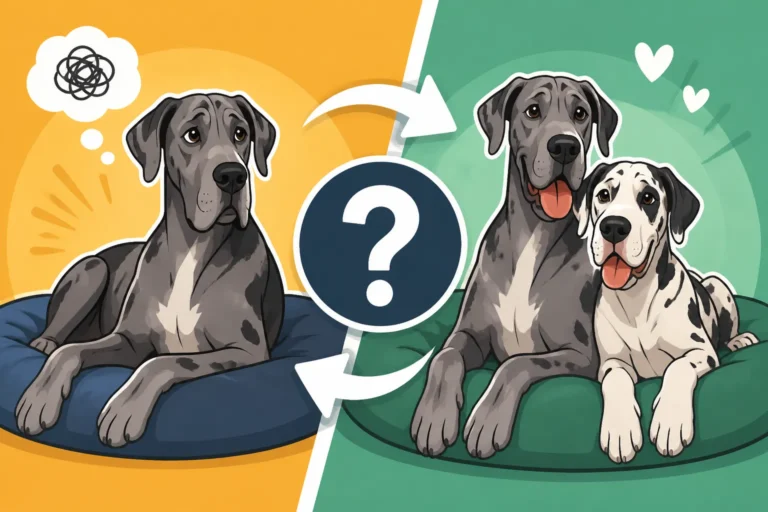
One of the most characteristic Great Dane behaviors is "the lean." You'll often find your Dane pressing their full weight against your legs, whether you're standing, sitting, or even just walking by. For many, this is a heartwarming display of affection and connection. They want to be close, to feel your presence, and to show their bond. However, the lean can sometimes also be a sign of mild anxiety or insecurity. A nervous Dane might lean into you for reassurance in an unfamiliar situation or when feeling unsure about a new person. Learning to differentiate between an affectionate lean and a hesitant or anxious lean is crucial for understanding your dog's emotional state. If it's consistent across all situations, it's likely just a beloved part of Living With a Great Dane That Leans on You. If it's paired with other signs of stress, such as lip licking, yawning, or tail tucking, it might warrant offering some extra reassurance or removing them from an overwhelming situation.
Counter Surfing and the "Table Height" Advantage
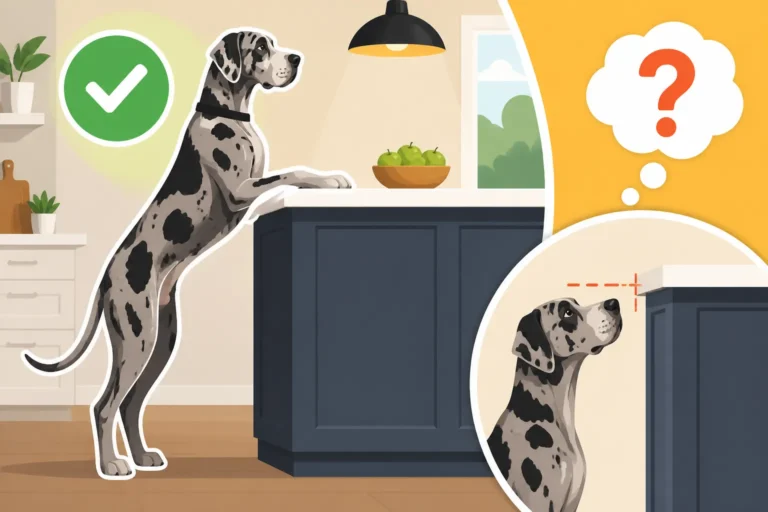
With their impressive height, Great Danes have an undeniable advantage when it comes to kitchen counters and dining tables. What might be a stretch for other breeds is often eye-level for a tall Dane. This makes counter surfing a very real and persistent challenge. A Great Dane doesn't need to jump to swipe a sandwich off the counter; they just need to stretch their neck. This behavior can be incredibly frustrating and potentially dangerous if they ingest something toxic. Teaching a strong "leave it" command and consistently reinforcing boundaries around food preparation areas is essential. Many owners use baby gates (extra tall ones, found easily on Amazon) to block off kitchen access when they can't supervise directly. It takes vigilance, as they are opportunistic and quick, and their long reach means that leaving anything remotely edible unattended is an invitation for trouble.
Barking and Alerting: More Than Just a Deep Woof
While Great Danes are often thought of as quiet giants, they certainly have a bark, and it's a deep, resonant one that carries. They are natural protectors and can be quite vocal when alerting their families to perceived intruders or unusual sounds. This can range from a low rumble in their chest to an authoritative "WOOF" that vibrates through the house. It's important to understand that this isn't necessarily aggression, but rather their way of saying, "Hey, I noticed something!" However, unchecked alert barking can become excessive and problematic, especially in apartment settings or close-knit neighborhoods. Early training should include teaching a "quiet" command to help manage their vocalizations. Socialization also plays a role here; a Dane confident that their owners will handle perceived threats might be less prone to excessive barking. Their bark, though powerful, is often just another facet of their watchful and loyal nature.
Practical Strategies for Living with Your Gentle Giant
Successfully integrating a Great Dane into your life and home requires proactive planning and a commitment to providing the right tools, environment, and ongoing support. Their size truly impacts every aspect of daily living.
Managing Space and Possessions
Living with a Great Dane means adapting your home to accommodate their large presence. Their broad shoulders and long bodies require ample space to move around without constantly bumping into things. Consider open floor plans or decluttering narrow hallways to prevent accidental collisions. Fragile items should be moved to higher shelves or secured to prevent being swept away by a happy tail. Investing in durable, heavy furniture can also be a wise decision, as lighter pieces might be nudged out of place. When choosing dog beds, opt for orthopedic options that are appropriately sized and offer excellent support for their joints, especially as they age. Bedding That Prevents Great Dane Hygromas is a crucial consideration to prevent pressure sores on their elbows and hocks. Think about how they'll navigate stairs (if you have them) and if ramps might be beneficial for car access as they get older.
Tools and Resources for Training Success
Effective training requires the right tools. For a Great Dane, these aren't just luxuries; they are necessities for safety and control.
- Leashes and Harnesses: A strong, durable leash and a properly fitted harness (like a front-clip harness) are essential for managing a powerful Great Dane on walks. A front-clip harness can help redirect their pulling power more effectively than a collar alone, making walks more enjoyable for both of you. Harnesses and Collars That Control a Great Dane are designed specifically to handle their strength without causing discomfort.
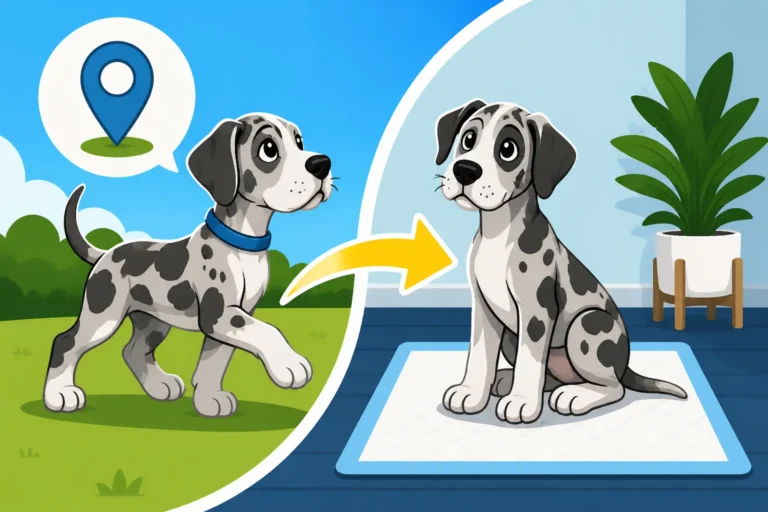
- Crates: Even if you don't plan to crate train long-term, a large, sturdy crate can be invaluable for house training, safe confinement when unsupervised, and providing a secure den for your dog. Make sure it's sized appropriately so your Dane can stand, turn around, and lie down comfortably.
- Training Aids: Positive reinforcement is the most effective method for Great Danes. High-value treats, clickers, and interactive toys are excellent motivators. For behavioral challenges, professional trainers comfortable with giant breeds can provide tailored guidance. Online courses, such as those from BAXTER & Bella, offer a structured curriculum covering everything from basic obedience to more complex manners, often with live support that can be invaluable for navigating specific Great Dane challenges.
- Durable Toys: Great Danes have powerful jaws. Invest in toys made for giant breeds and strong chewers. Items readily available on Amazon can include heavy-duty Kongs, Nylabones, or other interactive puzzle toys that can withstand their chewing power and provide mental stimulation.
- Slow Feeder Bowls: For Great Danes, eating too quickly can increase the risk of bloat. A slow feeder bowl can help manage their eating pace, turning mealtime into a more controlled and safer experience.
| Training Tool | Benefit for Great Danes | Considerations |
|---|---|---|
| Front-Clip Harness | Reduces pulling, better control on walks | Must be properly fitted to avoid rubbing or restricting movement |
| Long, Strong Leash | Provides control for a large, powerful dog | Choose durable materials; consider length for various settings |
| Extra-Large Crate | Safe confinement, aid in house training, personal den | Ensure adequate size for standing, turning, and lying down |
| High-Value Treats | Powerful motivator for positive reinforcement | Use sparingly to avoid weight gain; cut into small pieces |
| Interactive Puzzle Toys | Mental stimulation, slows eating, redirects destructive chewing | Must be durable enough to withstand strong chewing |
| Slow Feeder Bowl | Prevents rapid eating, reduces bloat risk | Choose a size appropriate for a Great Dane's meal volume |
Ensuring Safety with Children and Other Pets
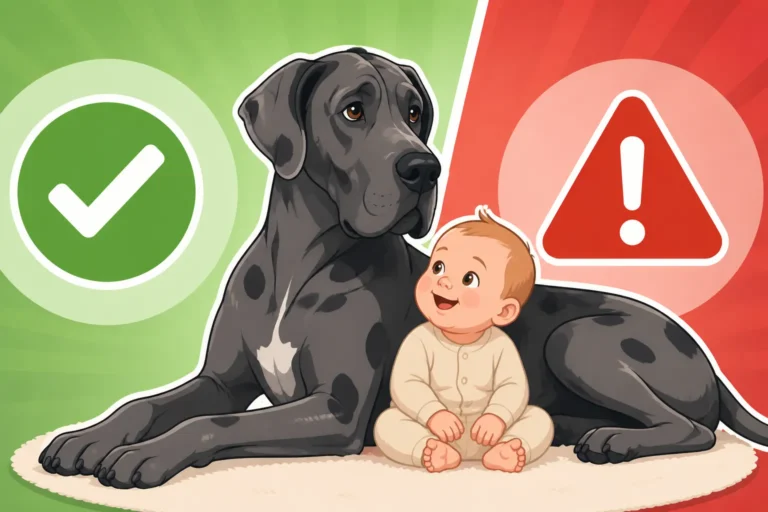
Bringing a Great Dane into a home with children or other pets requires careful management and supervision. While generally gentle, their size alone presents potential for accidental injury. Great Danes With Children and Small Dogs need specific guidelines.
- Supervision: Never leave a Great Dane unsupervised with very young children or fragile smaller pets. Even the gentlest dog can accidentally knock over a toddler or play too roughly with a tiny cat.
- Teach Both Sides: Educate children on how to respectfully interact with a large dog, including avoiding pulling tails or ears, not climbing on the dog, and understanding the dog's personal space. Simultaneously, train your Dane to be gentle around smaller beings, teaching them to "be soft" or to settle calmly.
- Separate Spaces: Ensure all pets have a safe retreat where they can go to be alone and feel secure. This is especially important for smaller pets who might feel overwhelmed by a boisterous Dane.
- Controlled Introductions: Introduce new pets slowly and positively, always on neutral territory and under strict supervision. Reward calm, gentle interactions.
- Manage Excitability: Train your Dane to greet people calmly without jumping. Getting a Great Dane to Greet Without Standing Up is vital for households with children, preventing accidental bumps. This often involves teaching them to sit or stay when someone approaches.
Cultivating the True Gentle Giant Within Your Dane
Ultimately, the "Gentle Giant" isn't a passive characteristic but an active role your Great Dane embodies thanks to your dedication, understanding, and love. It's about fostering their natural kindness while providing the structure they need to thrive.
Building a Strong Bond Through Positive Reinforcement
The foundation of a truly gentle Great Dane lies in a strong, trusting bond with their human family. This bond is best built through positive reinforcement training, which focuses on rewarding desired behaviors rather than punishing unwanted ones. Great Danes respond incredibly well to kindness, clear communication, and consistency. They are sensitive souls, despite their imposing appearance, and harsh corrections can easily make them shut down or become anxious. Celebrate their successes, no matter how small. A happy, confident Great Dane, one who feels secure and understood, is far more likely to embody the gentle, loving companion you envision. This means celebrating their eagerness to please, their capacity for affection, and their inherent desire to be close to their people. A positive relationship makes all the hard work of training feel like a joy.
Prioritizing Health for a Harmonious Life
Finally, a truly gentle giant is a healthy giant. Physical discomfort or pain can drastically alter a dog's temperament, making even the sweetest Dane grumpy or withdrawn. Regular veterinary check-ups are paramount, especially given the breed's predispositions to certain health issues like bloat, heart conditions, and orthopedic problems. Addressing health concerns promptly ensures your Dane remains comfortable and happy. Proper nutrition, appropriate exercise for their age and growth stage, and preventive care are all vital components of their well-being. For instance, Exercise Limits While a Great Dane Is Still Growing are crucial to protect their developing joints. By prioritizing their physical health, you contribute significantly to their mental and emotional well-being, allowing their gentle nature to shine consistently throughout their shorter-than-average lifespan.
Disclaimer
This article is for general informational purposes only and does not constitute professional advice. Laws, prices and regulations vary by location and change over time. Consult a qualified professional for guidance on your specific situation.