A Great Dane That Backs Away From Strangers
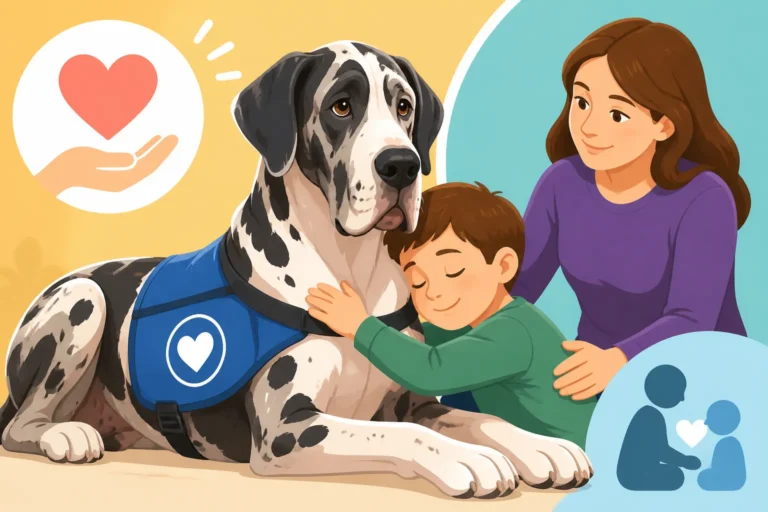
It can be incredibly disheartening, and frankly, a little confusing, when your magnificent Great Dane, a breed often lauded as a "gentle giant," shies away from new people. You might have envisioned a friendly, outgoing companion, only to find your big dog backing up, trying to hide behind your legs, or even retreating to another room when a stranger comes near. This guide will walk you through understanding why your Great Dane might be displaying this behavior and provide practical, empathetic strategies to help them build confidence and feel more comfortable around new faces.
Understanding Why a Great Dane Might Back Away
When your Great Dane backs away from strangers, it's not a sign of aggression or defiance; it's almost always rooted in fear or discomfort. These magnificent dogs, despite their intimidating size, can be incredibly sensitive souls. It’s crucial to delve into the potential reasons behind this behavior so we can address it effectively.
The "Gentle Giant" Misconception vs. Reality
We often hear Great Danes called "gentle giants," and while many certainly embody this nickname with their loving, calm demeanor, it's a generalization that can lead to misunderstandings. This expectation can sometimes blind us to the fact that, like any dog, a Great Dane can have anxieties, fears, and insecurities. Their sheer size doesn't automatically equate to an absence of fear; in fact, their size can make fearful interactions even more challenging because their reactions, even if mild, can appear exaggerated or concerning due to their stature.
Think about it: a small dog might cower, and it's seen as cute or a little timid. A Great Dane doing the same can be perceived as potentially dangerous or unstable, simply because of their massive presence. This perception often puts more pressure on owners and can inadvertently worsen the dog's anxiety if not managed with understanding. Recognizing that your Dane is a unique individual, capable of shyness despite their breed reputation, is the first step towards helping them.
Past Experiences and Lack of Socialization
A dog's past experiences, or lack thereof, significantly shape their reactions to new situations and people. For Great Danes from rescue situations, their history can be a huge factor. They might have experienced neglect, abuse, or simply a lack of positive exposure to various types of people in different environments. A dog that spent its early life in a kennel, or moved between multiple homes, might not have developed the resilience needed to comfortably greet strangers.
Even for dogs who haven't had a traumatic past, insufficient socialization during their critical puppy development period can lead to shyness. If a Great Dane puppy wasn't exposed to a wide variety of friendly people—different ages, genders, hats, glasses, beards, uniforms—in a positive and controlled manner, they might develop apprehension. This lack of exposure can leave them ill-equipped to process new stimuli as adults, leading to them backing away when faced with the unknown. Early, positive Socializing a Great Dane Puppy Early experiences are paramount for building a confident adult.
Inherited Temperament and Genetic Predisposition
Sometimes, a Great Dane's shyness can be traced back to genetics. Just like people, dogs inherit personality traits from their parents. If a puppy's parents or grandparents were naturally timid or prone to anxiety, there's a higher chance the puppy will inherit similar predispositions. Responsible breeders go to great lengths to screen for temperament, ensuring they breed dogs with sound, confident dispositions. Unfortunately, not all breeders prioritize this, and puppies from less scrupulous sources, like puppy mills, are more likely to exhibit inherent fearfulness.
Understanding that shyness can be genetic doesn't mean it's untreatable; it simply means you might need to approach behavior modification with even greater patience and consistency. It’s not your fault, nor is it entirely your dog's, if a genetic predisposition to nervousness is at play. However, recognizing this can help you tailor your approach to Building Confidence in a Nervous Great Dane and manage your expectations for progress.
Recognizing the Signs of Fear and Anxiety
Before your Great Dane performs a full retreat, they often display a series of subtle, and sometimes not-so-subtle, cues that indicate their discomfort. Learning to read these signals is vital for intervening early and preventing your dog from feeling overwhelmed, which ultimately helps them build confidence.
Subtle Cues Before the Full Retreat
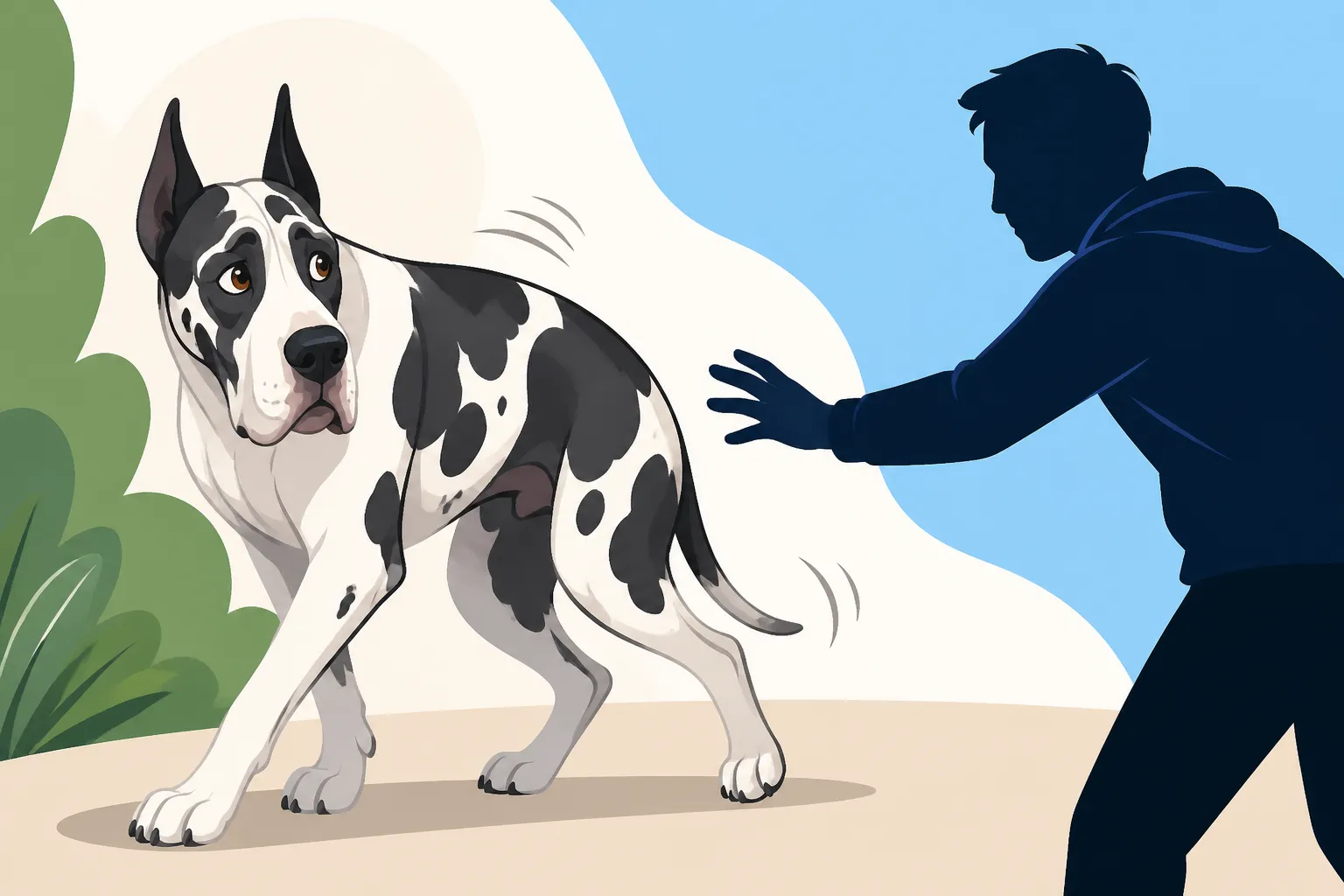
Dogs communicate primarily through body language, and a fearful Great Dane will give you plenty of warning signs if you know what to look for. These can include a tucked tail (not necessarily between the legs, but perhaps lower than its usual carriage), flattened ears pulled back against their head, or lip licking when no food is present. You might notice them yawning excessively, especially in inappropriate situations, which is a common stress signal. Averted gaze, where they refuse to make eye contact with the stranger and instead look away, is another key indicator. Their body might appear stiff or frozen, as if they’re trying to become invisible.
These subtle cues are your Great Dane's way of saying, "I'm uncomfortable, please give me space." If you catch these signals early, you can often de-escalate the situation before your dog feels the need to back away completely. Ignoring these early warnings can lead to increased anxiety and potentially a stronger, more pronounced fear response. It’s all about listening to what your dog is trying to tell you with their entire body.
The Full "Flight" Response
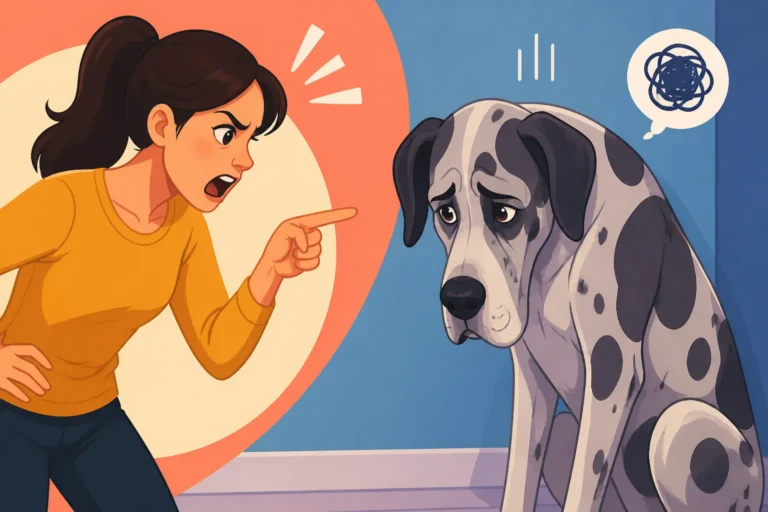
When the subtle cues have been missed or ignored, a Great Dane will often resort to a more overt "flight" response. This is precisely when you see them physically backing away from a stranger, sometimes slowly and deliberately, other times with surprising speed for a dog of their size. They might try to put an object or person (you!) between themselves and the perceived threat, creating a barrier. This often looks like them trying to A Great Dane That Hides Behind Its Owner, pressing their body against your legs or trying to duck behind you.
In some cases, they might attempt to leave the room entirely, perhaps heading for a crate or a specific corner they deem their safe space. This is their way of disengaging from a situation that makes them feel vulnerable and unsafe. It's important to respect this flight response, as forcing an interaction when your dog is already this uncomfortable can seriously erode their trust in you and potentially worsen their fear in the long run.
Distinguishing Fear from Aloofness
It’s important to note that not every Great Dane who doesn't rush to greet a stranger is fearful. Some Great Danes are naturally more reserved or aloof, which is a distinct personality trait from fear. An aloof Great Dane might observe new people with a calm, neutral expression, without the stress signals like lip licking or tucked tail. They might choose not to engage, perhaps offering a polite sniff before wandering off, but they won't actively try to escape or hide. They might just take their time deciding if a new person is worth their attention.
A fearful Dane, on the other hand, will exhibit visible signs of stress and anxiety, as described above. Their body language will be tense, their movements hesitant, and their overall demeanor will convey distress. Learning to differentiate between a naturally reserved personality and genuine fear is crucial for appropriate intervention. If your Great Dane is merely aloof, they don't need "fixing," just respect for their personality. If they are fearful, they need your compassionate guidance and support to overcome their anxieties.
Strategies for Helping a Shy Great Dane
Helping a shy Great Dane is a journey that requires immense patience, understanding, and consistent positive reinforcement. It’s about building their confidence slowly and carefully, allowing them to feel safe and secure in the world around them.
Building a Strong Foundation of Trust and Confidence
The cornerstone of helping any fearful dog is establishing an unshakable bond of trust between you and your Great Dane. Your dog needs to see you as their protector and source of security. This means providing predictable routines, consistent training using positive reinforcement, and never forcing them into situations that scare them. Regular, gentle handling, positive interactions, and ensuring their basic needs are always met (food, water, exercise, comfort) contribute to this foundation. When they feel secure with you, they're more likely to look to you for guidance when faced with something new or scary.
Every positive interaction, every successful training session, and every moment of calm reassurance from you adds to their emotional bank account. If your Dane comes to you when scared, that's a huge win – it means they trust you to help them. A strong foundation also means that you are their advocate; you protect them from people who might ignorantly rush them or make them uncomfortable. This consistent support will gradually build their resilience and confidence.
Controlled Exposure and Positive Associations
The goal isn't to force your Great Dane to love every stranger, but to help them tolerate new people without fear. This is achieved through controlled, positive exposure. Start by arranging very brief, structured "meet and greets" with people your dog already knows and trusts, or with calm, dog-savvy friends who understand the need for space. These interactions should always involve high-value rewards, like delicious Treats a Great Dane Will Work For. The stranger should avoid direct eye contact and allow your Dane to approach on their own terms. They can toss treats from a distance, gradually shortening the distance as your Dane becomes more comfortable.
The key is to keep these exposures short, positive, and always end them before your Great Dane shows signs of significant stress. If your Dane retreats, it means you've gone too far, too fast. We want them to associate the presence of strangers with good things happening, not with fear or discomfort. This might involve sitting far across a park from people, just observing them from a safe distance, rewarding calm behavior, and slowly decreasing the distance over many, many sessions.
Harnessing the Power of Training and Desensitization
Formal training, particularly methods focused on desensitization and counter-conditioning, can be incredibly effective. Desensitization means gradually exposing your dog to the feared stimulus (strangers) at a level where they don't react negatively, slowly increasing the intensity over time. Counter-conditioning involves changing your dog's emotional response from fear to a positive one. For example, every time a stranger appears, immediately give your Great Dane a high-value treat. Over time, the stranger's presence predicts something wonderful.
Teaching specific cues like "look at me" or a solid "settle" can give your Great Dane a job to do when they feel anxious, redirecting their focus away from the perceived threat. Enrolling in a positive reinforcement training class can also provide structured opportunities for controlled exposure and expert guidance. Look for trainers who are experienced with giant breeds and sensitive temperaments, as a heavy-handed approach will only worsen the issue. Why Great Dane Training Cannot Wait is critical here, as addressing these behaviors early is much easier than later.
Tools and Resources to Aid Socialization
You don't have to tackle this challenge alone. There are numerous tools and resources available that can significantly assist you in helping your shy Great Dane navigate the world more confidently.
Specialized Training Programs and Professional Help
For Great Danes with significant fear issues, professional help is invaluable. A certified professional dog trainer (CPDT-KA) or a veterinary behaviorist can assess your dog's specific needs, identify triggers, and develop a tailored behavior modification plan. They can teach you the nuances of reading your dog's body language and guide you through desensitization and counter-conditioning protocols. Group classes, specifically those for shy or anxious dogs, can also provide a safe, controlled environment for your Dane to gain confidence around other dogs and people, though individual coaching may be needed first.
Many excellent online resources and programs are available for those who prefer to work at home or need supplementary guidance. Brands like BAXTER & Bella offer comprehensive online puppy and dog training programs that focus on positive reinforcement and confidence-building. These can be a fantastic way to access expert advice and structured lessons from the comfort of your home, allowing you to work at your Great Dane's pace. Remember, Finding a Trainer Comfortable With a Great Dane is paramount, as not all trainers have experience with the unique needs and sensitivities of giant breeds.
Equipment for Safe and Controlled Interactions
The right equipment can make a huge difference in managing and training a shy Great Dane. A well-fitting, comfortable harness is essential, as it provides better control than a collar, especially if your Dane decides to back away quickly. Front-clip harnesses can be particularly helpful as they redirect your dog's pulling power back towards you, making them less likely to surge forward or bolt. Look for durable, well-padded options on platforms like Amazon that are designed for large breeds to ensure comfort and security.
For training, a long line (a lightweight leash 15-30 feet long) can give your Dane a sense of freedom to explore while still allowing you control, especially in an open, safe area. High-value treats, carried in a readily accessible treat pouch, are crucial for rewarding positive behavior the instant it occurs. These tools aren't meant to be crutches, but rather aids to help you safely and effectively guide your Great Dane through new experiences. Using appropriate Harnesses and Leads for a Great Dane ensures safety for everyone involved.
Creating a Safe Space and Retreat Options
Every Great Dane, especially a shy one, needs a designated safe space within your home where they can retreat and feel completely secure. This might be a roomy crate, a specific dog bed in a quiet corner, or even a whole room that's off-limits to visitors. This space should be comfortable, quiet, and easily accessible. When your Dane chooses to go to their safe space, respect that decision and ensure they are not disturbed. This teaches them that they have control over their environment and can escape overwhelming situations.
When you have guests over, consider giving your Great Dane the option to stay in their safe space. You can even set up a baby gate to provide a barrier but still allow them to observe from a distance if they choose. This empowers them to manage their own comfort level. Knowing that a quiet retreat is always available reduces pressure and can actually make them more likely to eventually venture out on their own terms. Choosing a Crate a Great Dane Can Stand In is important, making sure it’s large enough for them to stretch out comfortably.
Managing Interactions in Real-World Scenarios
Even with careful planning, real-world interactions with strangers can be unpredictable. Being prepared and proactive in these situations is key to protecting your Great Dane's emotional well-being and continuing their progress.
Educating Guests and Strangers
One of your most important roles is to be your Great Dane's advocate. Before guests arrive, explain to them that your dog is a bit shy and needs space. Ask them to ignore your Dane initially, avoid direct eye contact, and let the dog approach them. Suggest they sit down and perhaps toss a treat or two from a distance, rather than trying to pet or engage directly. Many people, out of good intentions, will rush up to a large dog, but this can be terrifying for a shy Dane. Clearly communicating your dog's needs helps set everyone up for success.
When out and about, if a stranger approaches and asks to pet your dog, it's perfectly acceptable to politely decline. You can say something like, "He's a little shy with new people, we're working on building his confidence," or "He prefers to observe from a distance." Don't feel guilty for protecting your dog's boundaries. Your Great Dane depends on you to manage these interactions for them.
Handling Unpredictable Encounters on Walks
Walks can be a minefield for a shy Great Dane if not managed carefully. Always be aware of your surroundings. If you see someone approaching who might overwhelm your dog (e.g., loud children, someone with an off-leash dog, or a person who seems eager to greet), you have options. Change direction, cross the street, or duck into a doorway if possible. The goal is to avoid forcing your Great Dane into an uncomfortable interaction.
If an encounter is unavoidable, keep your Dane on a short leash, create space, and use a verbal cue like "leave it" or "let's go" to redirect their attention to you. Offer a high-value treat as the person passes. Your calm demeanor is also incredibly important; if you become anxious, your Great Dane will pick up on it. Remember, these are learning opportunities, and sometimes the best lesson is avoiding an overwhelming situation altogether.
Recognizing When to Step In or Remove Your Dog
Knowing your Great Dane's threshold for stress is paramount. Every dog has a point beyond which they can no longer cope positively. Learn to recognize when your dog is approaching this point – perhaps they're showing more intense stress signals, or their desire to retreat becomes urgent. At this stage, it's not about pushing them further; it's about stepping in and removing them from the situation.
This might mean asking a guest to give your dog more space, taking your dog to their safe room, or simply ending a walk early if it's becoming too much. Prioritizing your Great Dane's comfort and emotional safety over politeness or pushing for progress in that moment will reinforce their trust in you. It teaches them that you will always have their back, which is ultimately what builds confidence in the long run. If your Great Dane is A Great Dane That Is Anxious Rather Than Gentle, these intervention skills are even more critical.
Long-Term Outlook and Continued Support
Helping a shy Great Dane is not a quick fix; it's a commitment for their lifetime. The goal is continuous improvement, not necessarily a complete personality overhaul.
Patience and Consistency Are Key
It's impossible to overstate the importance of patience and consistency when working with a shy Great Dane. You might see slow progress, or even experience setbacks. There will be days when your Dane seems more confident, and days when they seem to regress. This is completely normal. Celebrate the small victories – perhaps they didn't bark at the new delivery person today, or they only backed up a little instead of running away. Every tiny step forward is progress.
Consistency means that everyone in the household is on the same page with the training protocols and interaction rules. It means continuing the positive exposure and reinforcement even after you've seen improvement. This journey is a marathon, not a sprint, and your unwavering support will be the most powerful tool in helping your Great Dane thrive.
Regular Health Check-ups
Sometimes, underlying medical conditions can contribute to, or exacerbate, anxiety and fearfulness in dogs. Pain, discomfort, or hormonal imbalances (like those associated with thyroid issues) can make a dog feel more vulnerable and less tolerant of new situations. It’s always a good idea to ensure your Great Dane has regular veterinary check-ups to rule out any physical health problems.
If your Great Dane's shyness seems to have developed suddenly or worsened inexplicably, a trip to the vet is highly recommended. A clean bill of health means you can focus entirely on behavioral strategies with confidence, knowing you're not missing a physical cause. For instance, The Thyroid Test a Slow Great Dane Needs is something to consider as thyroid issues can sometimes manifest in behavioral changes.
Embracing Your Dane's Unique Personality
Ultimately, it’s important to embrace your Great Dane for who they are. Some dogs are naturally more gregarious, while others are inherently more reserved. Your Great Dane might always be a bit more cautious around strangers than a truly outgoing dog, and that's perfectly okay. The goal isn't to force them into a mold they don't fit, but to help them feel safe, happy, and comfortable in their own skin.
If your Dane prefers a smaller circle of trusted friends and family, that's a valid and acceptable personality trait. Focus on building their confidence so they can navigate the world without undue stress, rather than striving for them to be the "life of the party." Many Great Danes, even shy ones, are incredibly loving and devoted companions within their trusted circle. Understanding and accepting Whether a Shy Great Dane Grows Out of It is part of the journey. Your big, beautiful, sensitive Great Dane deserves to be loved and understood exactly as they are.
| Behavior / Cue | Fearful/Anxious Dane | Aloof/Reserved Dane |
|---|---|---|
| Body Posture | Low, crouched, stiff, may lean away, tucked tail, hunched back | Relaxed, confident, neutral or slightly interested, high or neutral tail carriage |
| Facial Expression | Lip licking, yawning, tense mouth, furrowed brow, wide eyes, pupils dilated, ears flat/back | Calm, neutral, relaxed mouth, ears attentive or relaxed |
| Eye Contact | Averted gaze, looking away, darting eyes, whale eye | Direct, calm observation, may break contact but not due to fear |
| Movement | Hesitant, slow, backing away, freezing, trying to hide behind owner, trembling | Calm approach, polite sniff, may wander away |
| Vocalizations | Low growl (if cornered), whine, nervous whimper | Quiet, may offer a low "woof" of curiosity |
| Interaction | Avoids interaction, retreats, tries to escape | Observes, may ignore, allows interaction but doesn't seek it |
Disclaimer
This article is for general informational purposes only and does not constitute professional advice. Laws, prices and regulations vary by location and change over time. Consult a qualified professional for guidance on your specific situation.