Whether Great Danes Are Really Calm Indoors
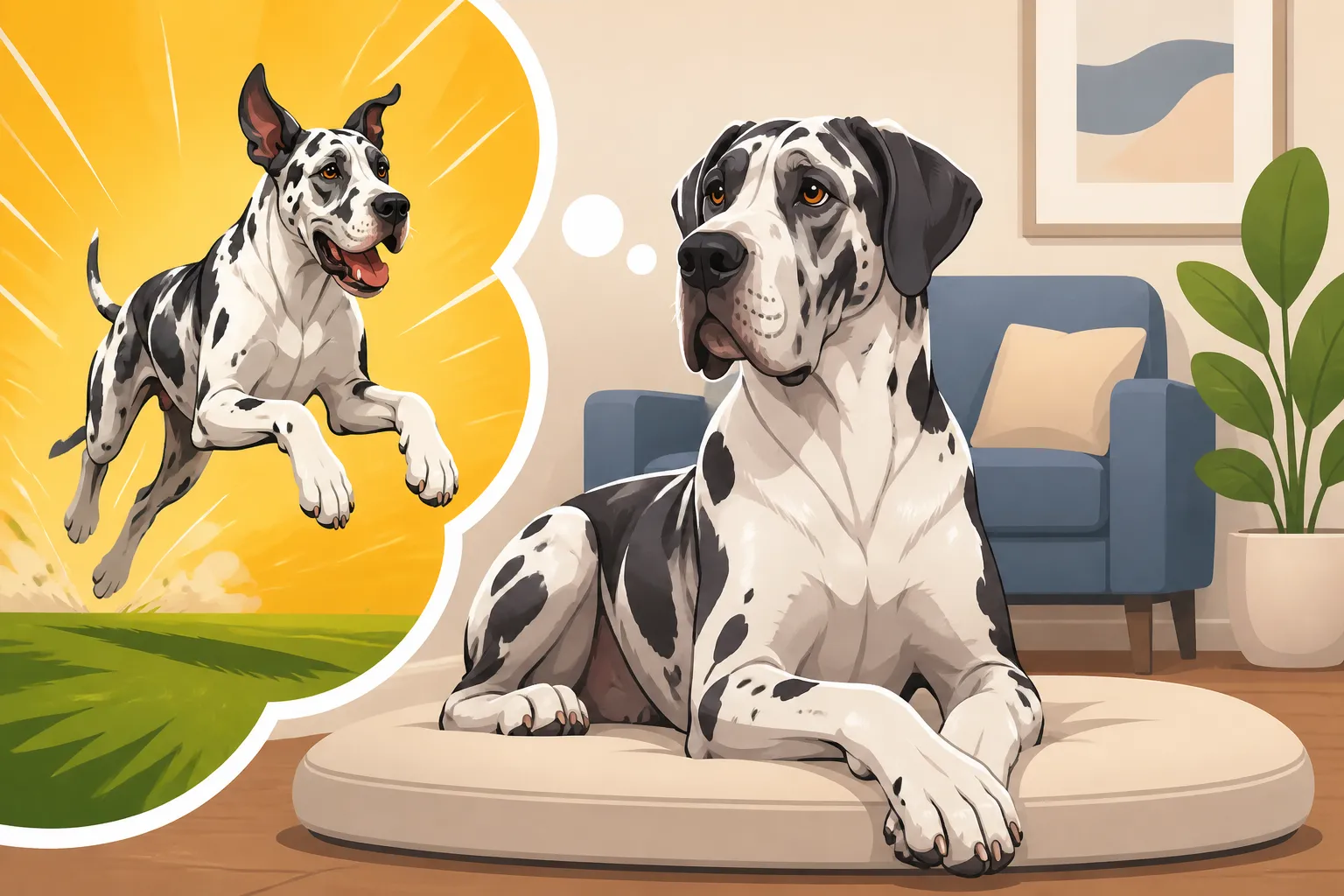
One of the most common images people conjure when they think of a Great Dane is a massive, elegant dog gracefully lounging on a sofa, a picture of serene calmness. While the "gentle giant" moniker certainly holds truth, the reality of living with a Great Dane indoors isn't always quite so tranquil, especially in their younger years. This guide will dive deep into what truly makes a Great Dane calm indoors, what factors disrupt that peace, and practical steps you can take to foster a harmonious home life with your colossal companion.
The "Gentle Giant" Stereotype vs. Reality
It's easy to fall in love with the idea of a Great Dane as a perpetually calm, living room fixture, content with quiet naps and the occasional affectionate lean. We've all seen the pictures and heard the stories. But the truth is, while many Great Danes mature into incredibly laid-back, even lazy, indoor companions, this isn't an automatic setting. Expecting a puppy or adolescent Dane to fit this mold right out of the gate can lead to a lot of frustration and misunderstandings.
The Myth of Instant Zen
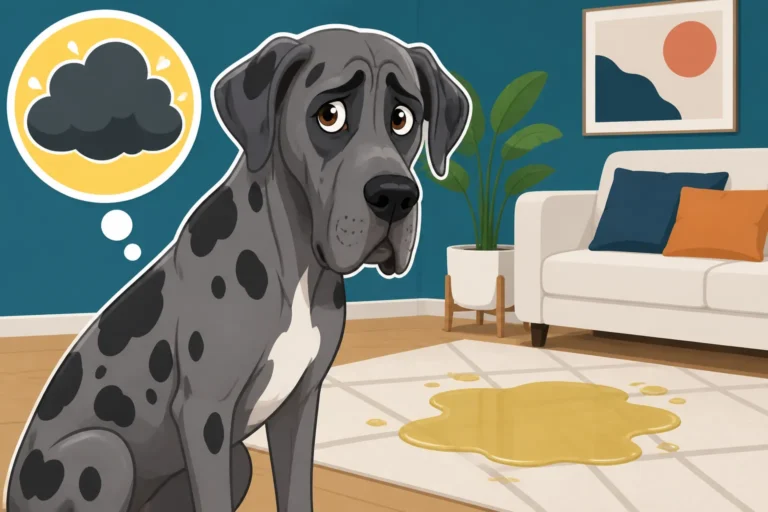
When you bring home a Great Dane puppy, you're not getting a miniature, pre-programmed statue. You're getting a puppy, albeit one that grows at an astonishing rate. Like all puppies, they have bursts of energy, an insatiable curiosity, and a complete lack of understanding about personal space or the value of your antique vase. The idea that their sheer size means they'll be inherently less active than a terrier is a misconception that often catches new owners off guard. These pups are still learning, still exploring, and still figuring out how to control their rapidly growing bodies. They can be clumsy, goofy, and yes, sometimes a whirlwind of destructive energy indoors if not properly guided.
Understanding the Breed's Temperament Nuances
The phrase "gentle giant" isn't a marketing gimmick; it truly describes the ideal temperament of a mature Great Dane. They are generally known for being affectionate, tolerant, and good-natured. However, that "gentle" part often comes with maturity and consistent training. A young Dane, full of hormones and boundless energy, can still be gentle in spirit, but less so in execution when they barrel through the house or inadvertently use your coffee table as a launchpad. Their size can amplify any boisterous behavior, turning what might be a minor annoyance in a smaller dog into a significant home disruption. They are eager to please, which is a massive advantage in training, but they need clear boundaries and direction to channel their enthusiasm appropriately. For a deeper dive, check out The Gentle Great Dane Temperament and Its Limits.
Factors Influencing a Great Dane's Indoor Calmness
Several key elements play a huge role in whether your Great Dane is a serene indoor presence or a chaotic force of nature. It's rarely just one thing, but rather a combination of genetics, environment, and consistent effort on your part.
Age and Maturity
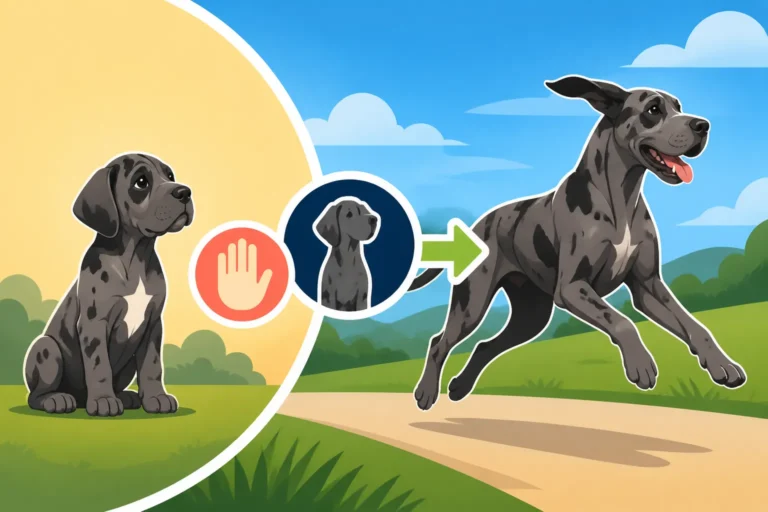
This is perhaps the biggest factor. A Great Dane puppy or adolescent, typically up to two or even three years old, is still very much a work in progress. They are physically growing at an incredible pace, which often means their coordination lags behind their size. You might see them trip over their own feet, misjudge distances, or simply have an excess of pent-up energy that needs an outlet. Around 18 months to two years is often when you start seeing that true "calm giant" personality emerge, as their bodies settle and their minds mature. Before that, expect exuberance.
Adequate Exercise and Mental Stimulation
This is non-negotiable for any dog, but especially a large, intelligent breed like a Great Dane. A bored Dane is a destructive Dane. They might be calm in the sense of not running laps around your living room, but they'll find other ways to entertain themselves if their needs aren't met – usually involving your furniture or personal belongings.
Physical Outlets for Energy
While you might think a dog of their size needs miles of running, it's more about consistent, appropriate exercise. Growing Great Danes, especially, need careful management to protect their developing joints. Long, leashed walks, a good romp in a secure yard, or structured play sessions are crucial. Exercise Limits While a Great Dane Is Still Growing is a must-read for new owners. An adult Dane might enjoy a brisk walk or two a day, with some dedicated playtime. The key is to ensure they are tired, but not over-exercised, before settling indoors. If they haven't had enough physical activity, that energy will manifest inside.
The Power of Mental Engagement
Physical exercise alone isn't always enough. Great Danes are smart, and their minds need a workout too. Puzzle toys, interactive feeders, training sessions, and even just novel environments during walks can provide much-needed mental stimulation. A dog that has had to think often settles much better than one that has just run aimlessly. For example, a snuffle mat filled with their kibble can turn a regular meal into a 15-minute mental challenge. Regularly engaging in training, even simple refreshers of basic commands, keeps their minds active and reinforces good behavior.
Training and Socialization
A well-trained dog understands boundaries and expectations. For a Great Dane, whose size means even minor behavioral issues can become major problems, training from an early age is paramount.
Early and Consistent Training
Starting puppy classes as soon as possible is vital. A Great Dane puppy needs to learn basic obedience, polite leash manners, and appropriate greetings long before they reach their full imposing size. Imagine trying to teach a 150-pound adult Dane not to jump on guests if it hasn't learned basic manners! This early foundation is critical for their indoor behavior. Commands like "place," "stay," and "off" become essential tools for managing their presence in your home. Companies like BAXTER & Bella offer online puppy training programs that can be incredibly helpful for new owners, teaching these crucial early skills from the comfort of your home, and guiding you through each stage of your Dane's development. Think of it as investing in your future peace and sanity.
Socialization Beyond the Dog Park
Socialization isn't just about meeting other dogs; it's about exposing your Great Dane to a wide variety of sights, sounds, people, and experiences in a positive way. A well-socialized Dane is generally more confident and less prone to anxiety or reactive behaviors indoors. This means fewer instances of barking at every passerby or becoming overly agitated when unfamiliar guests arrive. Socializing a Great Dane Puppy Early provides a great starting point for integrating your puppy into your world effectively.
Health and Comfort
Sometimes, what appears as restlessness or inability to settle might stem from an underlying health issue or discomfort.
Addressing Physical Discomfort
Pain, whether from growing pains, arthritis, or other conditions, can make a dog restless and unable to find a comfortable position. If your typically calm Dane suddenly seems agitated or can't settle, a vet check-up is always a good idea. Joint issues are a common concern in large breeds, and discomfort can manifest as pacing, shifting positions frequently, or generally seeming ill at ease. Ensure their sleeping arrangements are comfortable and supportive. An orthopedic dog bed, perhaps one found on Amazon, can make a huge difference in their ability to truly relax and rest, especially as they get older.
Environmental Comfort
Great Danes are not built for extreme temperatures. They have short coats and aren't well-insulated. If your home is too hot or too cold, they might struggle to settle. Providing a comfortable temperature, along with soft, supportive bedding, contributes significantly to their ability to relax and be calm indoors. Many Great Danes also adore having a spot near a window where they can observe the world outside without having to be in it, satisfying their curious nature in a calm way.
Diet and Feeding Routine
What and how you feed your Great Dane can also subtly influence their energy levels and digestive comfort, which in turn impacts their calmness.
The Impact of Diet
A balanced, high-quality diet appropriate for large breed dogs is crucial. Some lower-quality foods can contain fillers or ingredients that might lead to digestive upset or inconsistent energy spikes, which can make settling difficult. Feeding an Adult Great Dane Six to Ten Cups discusses the importance of appropriate nutrition. Ensuring they are not overfed or underfed is also key.
Structured Meal Times
For some Danes, especially those prone to bloat, a consistent feeding routine with multiple smaller meals can aid digestion and prevent discomfort. A dog with an upset stomach or feeling overly full might not be able to relax effectively. Using slow-feeder bowls, even for Great Danes who aren't necessarily fast eaters, can extend mealtime and provide a touch of mental engagement, contributing to a more settled state post-meal. The Feeding Routine That Lowers Great Dane Bloat Risk offers important insights into this.
Strategies for Cultivating a Calm Indoor Great Dane
It takes intentional effort to foster that desired indoor calmness, especially with a breed as large and energetic in its youth as a Great Dane. Here are some actionable strategies:
Establish a Predictable Routine
Dogs thrive on routine. Knowing when to expect meals, walks, playtime, and quiet time helps them regulate their energy and settle down more easily.
Consistency is Key
Try to feed, walk, and play with your Great Dane at roughly the same times each day. This predictability helps them understand the rhythm of your household and anticipate when active periods end and quiet periods begin. For instance, a vigorous morning walk followed by breakfast, then a long nap, can set a calm tone for the rest of the day. A structured evening wind-down routine, perhaps a final potty break followed by a quiet chew toy and cuddles on their bed, signals that it's time to settle.
Designated "Quiet Zones"
Every Great Dane needs a comfortable, private space where they can retreat and relax undisturbed. This might be a giant dog bed in a quiet corner, a large crate, or a specific spot on the sofa that's "theirs." Teach them that this is their safe haven. Make it appealing with soft blankets or their favorite toy. When they are in their quiet zone, respect their space. For tips on appropriate bedding, consider Bedding That Prevents Great Dane Hygromas to ensure their comfort and health.
Master the Art of "Settling"
Teaching a Great Dane to settle on command is an invaluable skill. This isn't just about lying down; it's about being calm and relaxed in one spot for an extended period.
"Place" or "Mat" Training
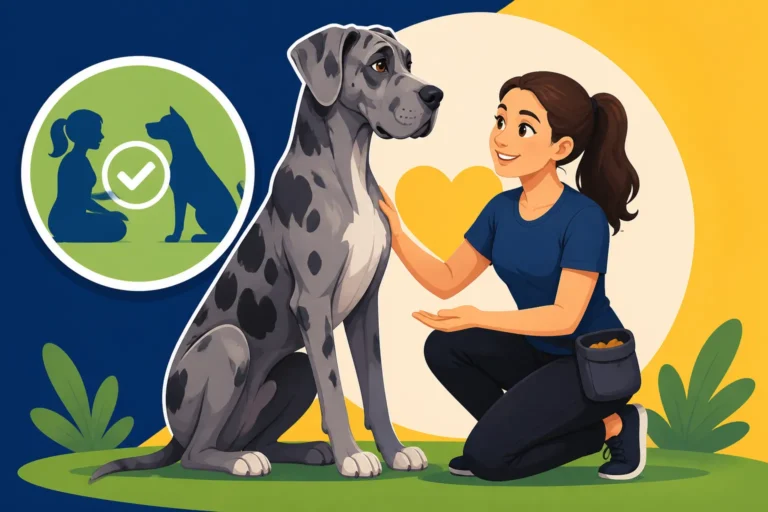
Using a specific bed or mat, teach your Dane the "place" or "mat" command. Start with short durations and gradually increase the time they must stay there, rewarding their calmness. This command is fantastic for managing their presence when guests are over, during meal times, or when you just need a moment of peace. You can find excellent resources for this kind of structured training through online programs, such as those offered by BAXTER & Bella, which break down complex behaviors into manageable steps.
Capturing Calmness
Actively reward your Great Dane when you see them exhibiting calm behavior naturally. If they lie down quietly on their own, toss a treat their way or offer gentle praise. This reinforces the behavior you want to see. Don't just wait for them to be wild and then try to calm them; proactively reward their moments of zen.
Management and Environmental Control
Sometimes, prevention is the best medicine when it comes to maintaining indoor calm.
"Dane-Proofing" Your Home
Given their height, Great Danes have access to counters and tables that smaller dogs can only dream of. Remove temptations like food, glasses, or anything fragile from accessible surfaces. Use baby gates (extra tall ones, of course!) to restrict access to certain rooms when you can't supervise directly. This prevents them from practicing undesirable behaviors and allows them to learn what areas are 'theirs' versus 'off-limits.' A well-placed gate purchased from Amazon can save you a lot of headache. Baby Gates a Great Dane Cannot Step Over offers great advice on this.
Appropriate Toys and Chews
Provide a variety of stimulating toys and durable chews that are appropriately sized for a Great Dane. This gives them an acceptable outlet for their natural chewing instincts and keeps them engaged. If they have appropriate things to chew, they're less likely to turn to your baseboards or sofa legs. Rotating toys keeps them novel and interesting.
When "Calm" Might Be a Warning Sign
While we often strive for a calm Great Dane, it's crucial to understand that sometimes excessive or sudden "calmness" can be a red flag, especially if it's out of character for your dog.
Lethargy vs. Calmness
There's a distinct difference between a Great Dane who is calmly napping after a good walk and one who is lethargic or withdrawn. Lethargy is a lack of energy, disinterest in usual activities, and often accompanies illness. If your normally playful or curious Dane suddenly seems unusually quiet, unresponsive, or uninterested in food or walks, it's time for a vet visit.
| Behavior | Description | Potential Meaning |
|---|---|---|
| Normal Calmness | Relaxed posture, soft gaze, occasional sighs, responds to gentle cues. | Well-adjusted, exercised, content. |
| Lethargy | Unresponsive, heavy eyelids, uninterested in food/play, slow to move. | Sign of illness, pain, or significant discomfort. |
| Restlessness | Pacing, frequent position changes, inability to settle, panting. | Could be pain, anxiety, or unmet exercise needs. |
| Anxiety-Induced Stillness | Stiff posture, wide eyes, lip licking, tucked tail, avoids interaction. | Dog is stressed, fearful, or anxious. |
Signs of Anxiety or Depression
Sometimes, a seemingly "calm" dog might actually be internalizing anxiety or even experiencing depression. This isn't the relaxed, peaceful calm we're aiming for. Signs might include:
- Excessive sleeping: Beyond what's normal for an adult Dane (which is quite a bit, but not all day every day).
- Loss of interest: No longer interested in favorite toys, walks, or interactions.
- Changes in appetite: Eating significantly more or less.
- Hiding or withdrawal: Seeking isolation more than usual.
- Subtle body language: Lip licking, yawning (not sleepy), averted gaze, tucked tail.
If you suspect your Great Dane is experiencing anxiety rather than true calmness, it's important to investigate. A Great Dane That Is Anxious Rather Than Gentle delves into this important distinction. Stress can significantly impact a dog's well-being and their ability to settle comfortably in their home environment. Sometimes, calming aids found on Amazon, or consulting a professional trainer or vet, might be necessary.
Medical Conditions Masked as Calmness
Certain medical conditions can present as a sudden onset of unusual calmness or lethargy. For instance, cardiac issues can lead to reduced energy and a reluctance to move. Early Heart Signs in a Great Dane discusses this. Hypothyroidism can also cause a general slowing down and lethargy. The Thyroid Test a Slow Great Dane Needs is an excellent resource for understanding this condition. Always err on the side of caution and consult your veterinarian if your Great Dane exhibits a sudden, unexplained change in energy or behavior, especially a marked decrease in activity.
In conclusion, while Great Danes certainly have the potential to be wonderfully calm indoor companions, it's a state that is largely cultivated through appropriate training, sufficient exercise, a comfortable environment, and proactive health care. They don't arrive with a "calm switch" built-in, but with your consistent effort, your home can indeed be a haven of peace for you and your majestic Dane.
Disclaimer
This article is for general informational purposes only and does not constitute professional advice. Laws, prices and regulations vary by location and change over time. Consult a qualified professional for guidance on your specific situation.