The Feeding Routine That Lowers Great Dane Bloat Risk
One of the most terrifying fears for any Great Dane owner is the thought of bloat, a sudden and life-threatening condition where your dog's stomach fills with gas and can even twist. It hits with alarming speed, and the statistics are grim, making it a constant source of anxiety. This comprehensive guide will walk you through the feeding routines and practices that can genuinely help reduce your beloved Great Dane's risk of experiencing this devastating health crisis.
Understanding Bloat The Great Dane's Achilles Heel
If you own a Great Dane, you've heard the word "bloat." It's almost a rite of passage, a looming shadow over every mealtime and every playful romp. This isn't just an upset tummy; it's a condition medically known as Gastric Dilatation-Volvulus, or GDV, and it's nothing short of a veterinary emergency that demands immediate action. The sheer panic when you realize your normally robust dog is suddenly distressed, pacing, and trying to vomit unsuccessfully, is something no owner ever wants to experience.
What Happens During Bloat
Imagine your Great Dane's stomach as a balloon. In simple bloat, this balloon rapidly fills with gas, expanding and putting immense pressure on other organs and blood vessels. This alone is incredibly painful and dangerous. The really terrifying part, though, is when the stomach then twists on itself, cutting off blood flow and trapping everything inside. This is the "volvulus" part of GDV, and it's a race against the clock. The Great Dane's deep chest, while majestic, is sadly thought to contribute to this risk, giving the stomach more room to swing and flip. Knowing Bloat in a Great Dane and the One in Three Odds can feel overwhelming, but understanding the mechanism is the first step in prevention.
When the stomach twists, blood supply to the stomach wall is compromised, leading to tissue death. The spleen, often attached to the stomach, can also be pulled and damaged. The pressure on the diaphragm makes it hard for your Dane to breathe, and the restricted blood flow back to the heart can quickly send them into shock. This cascade of events can be fatal within hours, sometimes even less, if not treated immediately.
Why Great Danes Are So Susceptible
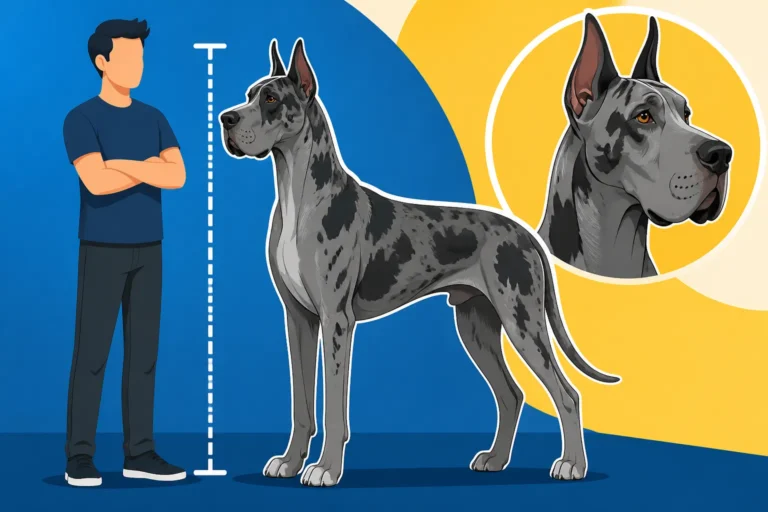
It's an unfair reality that Great Danes are disproportionately affected by bloat. Their large, deep-chested conformation is often cited as a primary physical risk factor. Think of a long, narrow hallway versus a small, round room – there's simply more space for things to move and get tangled in the long hallway. Beyond physical structure, there are other contributing factors that we'll delve into, but the breed's inherent risk means that as owners, we must be perpetually vigilant and proactive.
The breed's size isn't the only element at play. Genetics can also play a role, with some lines appearing more predisposed than others. Certain temperaments, such as anxious or high-strung dogs, have also been anecdotally linked to higher bloat incidence, though more research is needed to fully understand this connection. Older Great Danes tend to have a higher risk, and males are often cited as being more susceptible than females, adding to the complexity of this devastating condition. It’s truly a nightmare that many owners unfortunately face, making prevention paramount.
The Science Behind Meal Frequency and Bloat
One of the most widely discussed and debated topics in bloat prevention centers around how we feed our Great Danes, not just what. The idea of spreading out meals, rather than offering one large one, is a cornerstone of many veterinarians' recommendations, and it's rooted in a logical understanding of canine digestion. It's about minimizing the volume of food and gas in the stomach at any given time, thereby reducing the chances of it becoming overdistended and unstable.
Why Smaller, More Frequent Meals Help
Think about it: a single, massive meal means a huge volume of food and digestive juices all entering the stomach at once. This sudden influx can cause the stomach to expand significantly, making it heavier and more prone to movement. By breaking that same amount of food into two or even three smaller meals throughout the day, you're essentially reducing the peak load on the stomach. Each smaller meal is processed more efficiently, with less overall distention.
For a Great Dane, who might consume 6-10 cups of food a day, dividing this into three distinct meals dramatically lessens the chance of gastric overload. This approach helps maintain a more stable gastric environment, reducing the immediate expansion and fermentation that can lead to gas buildup. It also means there's less "stuff" in the stomach that could be involved if a twist were to occur, theoretically making it less likely for the stomach to rotate. It might seem like a small change, but for a breed with The Lifetime Bloat Risk in a Great Dane, every little bit helps.
The Problem with One Large Meal
Feeding your Great Dane just once a day, while perhaps convenient for busy owners, is generally considered a higher risk feeding strategy for bloat. A large volume of food can sit in the stomach for longer, potentially leading to increased gas production as digestion occurs. This increased gas, combined with the sheer weight and volume of the meal, can put undue stress on the ligaments and attachments that hold the stomach in place.
Imagine trying to juggle a bowling ball versus three tennis balls. The single large meal is like the bowling ball—heavy, unwieldy, and if it starts to move, it has significant momentum. This is why many experts advise against this practice, despite how simple it might seem from a human perspective. The risk simply isn't worth the convenience for a breed so vulnerable to GDV. It's an adjustment that takes discipline, but it could literally save your dog's life.
Choosing the Right Food for a Bloat-Prone Breed
Beyond when you feed, what you feed your Great Dane also plays a critical role in bloat prevention. The ingredients, consistency, and even the shape of the kibble can influence gas production and the speed at which food is consumed. It's not just about meeting nutritional needs; it's about minimizing risk factors through careful dietary choices.
The Role of Kibble Size and Shape
It might sound odd, but the physical characteristics of your dog's kibble can impact how quickly they eat and how much air they ingest. Many experts recommend larger kibble sizes for Great Danes. The theory is that bigger kibble forces your dog to chew more thoroughly instead of simply gulping down smaller pieces. This slower eating pace reduces the amount of air swallowed with each mouthful, which is a significant factor in bloat.
Look for kibble specifically designed for large or giant breeds. These often feature larger, sometimes irregularly shaped pieces that encourage chewing. While not a foolproof solution, combining this with a slow-feeder bowl (which we'll discuss next) can create a powerful strategy for slowing down even the most enthusiastic eaters. Companies like Purina Pro Plan and Royal Canin often have large breed formulas with appropriately sized kibble, readily available through retailers like Chewy or Amazon.
Wet Food, Dry Food, and Ingredients
The debate between wet and dry food, or a mix of both, is ongoing. Some studies suggest that diets with a higher proportion of dry kibble may be associated with increased bloat risk, while others show no significant link. What is generally agreed upon is that a consistent, high-quality diet is crucial. If you feed dry kibble, consider adding a small amount of warm water or low-sodium broth to it. This can make the food less dense, easier to digest, and potentially slow down eating. However, avoid soaking kibble for too long, as this can lead to fermentation and gas production before it's even eaten.
When it comes to ingredients, the focus is on avoiding those that might contribute to excessive gas. While there's no single "bloat-proof" ingredient, some owners prefer to avoid foods high in fermentable ingredients or those that are known to cause gas in sensitive dogs. Protein sources, fat content, and overall digestibility are key. Some owners explore fresh food options, like those offered by Ollie, as they perceive them to be more digestible and less prone to fermentation than some heavily processed kibbles, though scientific evidence specifically linking fresh food to reduced bloat risk is still developing. Always choose a reputable brand with complete and balanced nutrition, formulated for large or giant breeds.
Smart Feeding Practices to Minimize Risk
Beyond the what and when, how you physically present food to your Great Dane makes a big difference. These practices are all about controlling the speed of consumption, preventing air intake, and creating a calm, predictable mealtime environment. They might seem like minor details, but collectively, they form a robust defense against the dreaded bloat.
The Pace of Eating: Slow it Down!
Great Danes, like many large breeds, can be absolute vacuum cleaners when it comes to food. They inhale their meals at warp speed, and this rapid ingestion is a significant risk factor for bloat. When a dog eats too fast, they swallow excessive amounts of air along with their food. This air then gets trapped in the stomach, contributing to the initial gastric distention that can precede a twist.
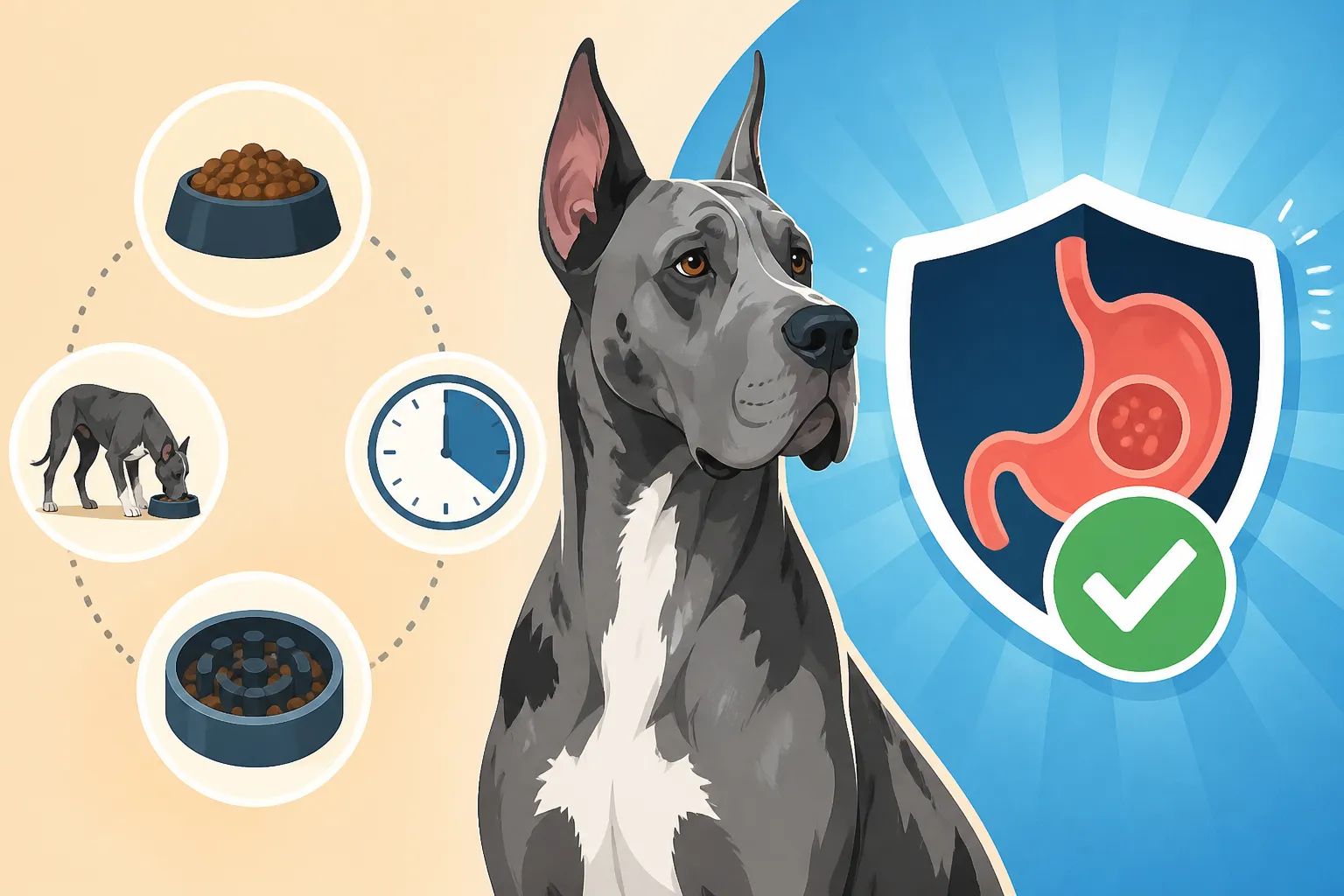
The solution here is simple yet effective: slow down their eating. This is where tools like slow-feeder bowls become invaluable. These bowls have various ridges, mazes, or pillars inside that force your dog to eat around obstacles, making each mouthful take longer. You can find a wide variety of these bowls on Chewy or Amazon, designed to challenge even the most determined eater. Alternatively, you can use puzzle feeders, spread the food across a large baking sheet, or even place a large, non-removable object (like a clean, heavy rock) in their regular bowl to create obstacles. Anything that makes them work a little harder for their food is a win.
The Raised Bowl Debate: To Elevate or Not To Elevate?
This is perhaps one of the most contentious topics in bloat prevention, and the science has actually shifted over the years. For a long time, it was widely believed that elevated bowls reduced bloat risk, presumably by making it easier for deep-chested dogs to eat without stretching down. However, more recent large-scale studies have actually indicated the opposite: that elevated feeding might increase the risk of bloat in some large and giant breeds. This finding completely flipped conventional wisdom on its head and has left many owners understandably confused.
The current understanding is that when dogs eat from an elevated bowl, they might still gulp air, and the positioning could potentially make stomach rotation easier, though the exact mechanism isn't fully understood. Because of these conflicting views and the potential for increased risk, many veterinarians now advise against elevated feeding unless there's a specific medical reason for it (like severe arthritis or megaesophagus, which would be diagnosed by your vet). For most healthy Great Danes, feeding on the floor is now the generally recommended practice. It's a tough pill to swallow when you've been doing something you thought was helpful for years, but it's crucial to stay updated on the research, especially when it comes to something as serious as bloat. This is definitely one of those areas where The Raised Bowl Argument for Great Danes really highlights the complexity of prevention.
Creating a Calm Mealtime Environment
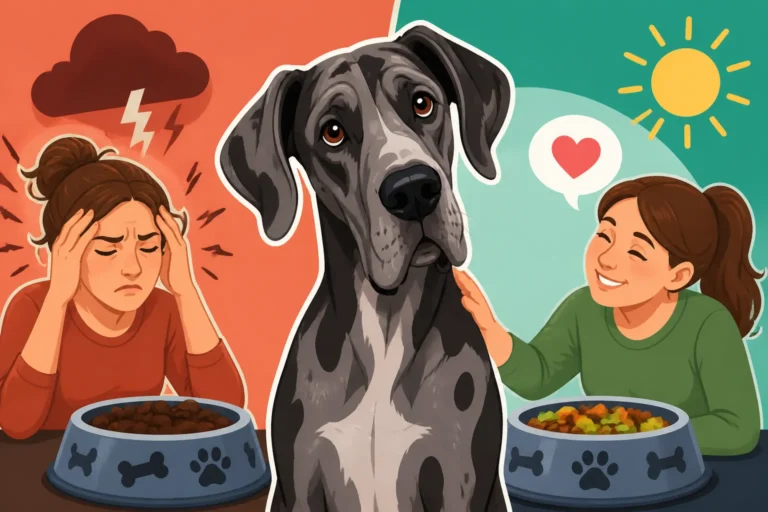
Stress and anxiety aren't just bad for humans; they can affect our dogs' digestive systems too. A frantic, rushed, or competitive mealtime can lead to faster eating, increased gulping of air, and overall digestive upset, all of which could potentially contribute to bloat risk. Your Great Dane needs to feel secure and relaxed when they eat.
This means providing a quiet, dedicated space for feeding where they won't be bothered by other pets, children, or household commotion. If you have multiple dogs, feed them in separate rooms or at a safe distance from each other to prevent competition and resource guarding. Establish a consistent feeding schedule and stick to it; predictability can greatly reduce anxiety. During mealtime, speak calmly to your dog, pet them gently if they respond well, and let them eat at their own pace without interruption. A calm dog is often a dog with a calmer digestive system.
Hydration and Its Role in Digestive Health
Water is life, and for a Great Dane, proper hydration is absolutely critical, not just for overall health, but also for supporting a healthy digestive system and potentially mitigating bloat risk. It's easy to overlook, but the way your dog drinks and the availability of fresh water can be surprisingly influential.
Preventing Excessive Water Gulping
Just like rapid eating, rapid drinking can lead to your Great Dane swallowing a lot of air. After exercise, or on a hot day, a thirsty Dane might practically dive into their water bowl, gulping down huge volumes in a short amount of time. This can cause the stomach to expand rapidly with water and air, which is not ideal. While the direct link to bloat isn't as strong as with food, it's still a practice worth moderating.
To mitigate this, always ensure your Great Dane has access to fresh water throughout the day, so they don't get excessively thirsty. After strenuous exercise, don't immediately offer an unlimited bowl of water. Instead, give them small amounts frequently, allowing them to quench their thirst gradually over 15-20 minutes, rather than letting them guzzle. If you find your dog is a compulsive gulper, a slow-water dispenser or a few ice cubes in their bowl can help break up the surface tension and encourage slower drinking. Remembering How Much Water a Great Dane Drinks a Day can help you recognize normal vs. excessive consumption patterns.
The Importance of Consistent Water Access
Restricting water is never a good idea for a Great Dane. Constant access to fresh, clean water is paramount for their general health and digestive function. Water helps move food through the digestive tract, keeps stools soft, and aids in nutrient absorption. Dehydration can slow down digestion and potentially lead to other health issues that compromise overall well-being.
Keep multiple water bowls around the house, especially in areas where your dog spends a lot of time. Ensure they are always full and clean. Consider a large water fountain designed for multiple pets if your Dane enjoys drinking from moving water, as this can encourage more frequent, smaller sips. It's a simple, foundational aspect of care that supports all bodily functions, including digestion.
The Impact of Exercise and Stress on Mealtime
Feeding isn't just about the food and the bowl; it's about the entire context surrounding mealtime. Your Great Dane's activity levels and emotional state before and after eating can significantly influence their digestive process and, crucially, their risk of bloat. This is where holistic care truly comes into play.
Avoiding Strenuous Activity Around Meals
This is perhaps one of the most widely accepted and critical rules for bloat prevention: avoid strenuous activity immediately before or after meals. Imagine eating a huge Thanksgiving dinner and then going for a run. Your stomach would protest! The same applies, even more intensely, to a Great Dane. High-impact exercise like running, jumping, or intense play can cause the stomach to jostle and move significantly. If the stomach is full, this movement can literally encourage it to twist.
A good rule of thumb is to create a "no-activity zone" of at least one hour before and two hours after your Great Dane eats. This means no vigorous play, no long walks, and definitely no running. Stick to calm activities during these periods – a gentle sniff-walk in the yard, quiet cuddle time, or just resting. This allows the food to settle and begin its digestive journey without mechanical interference. Many owners find Whether Exercise After Meals Bloats a Great Dane to be a critical piece of information.
Managing Stress and Anxiety
As mentioned earlier, stress and anxiety are not just uncomfortable for your Great Dane; they can have real physiological effects, including on the digestive system. Anxious dogs may eat faster, gulp more air, and experience slower or irregular digestion, all of which are potential contributors to bloat risk. A Great Dane that is naturally anxious or experiences high levels of stress around certain events (like thunderstorms, visitors, or being left alone) needs extra consideration.
If your Great Dane tends to be anxious, work with a professional trainer or veterinary behaviorist to develop strategies for managing their stress. Create a predictable daily routine, provide plenty of mental enrichment through puzzle toys, and ensure they have a safe, quiet "den" where they can retreat. For mealtime specifically, ensure it's a calm, solitary affair. Avoid any situations that might cause agitation or excitement just before or after eating. Understanding Whether Stress Sets Off a Great Dane Bloat is vital for proactive prevention.
Monitoring Your Great Dane's Eating Habits
Being a Great Dane owner means being exceptionally observant. Your dog's eating habits can tell you a lot about their health and even give you early warnings about potential issues. Paying close attention to how they eat, their appetite, and any changes in behavior can be a lifesaver.
Recognizing Changes in Appetite or Eating Behavior
A sudden change in appetite is always a red flag, regardless of breed, but for a Great Dane, it warrants even closer attention. If your normally ravenous Dane suddenly turns their nose up at food, eats significantly less, or seems reluctant to approach their bowl, something is likely amiss. This could be anything from a minor upset stomach to a more serious underlying health issue.
Beyond appetite, pay attention to how they're eating. Are they eating faster than usual? Slower? Are they showing any signs of discomfort while eating, such as pawing at their mouth, dropping food, or whimpering? Any deviation from their normal eating routine should prompt you to monitor them closely and consider a vet visit, especially if accompanied by other symptoms. Sometimes, subtle changes are the first The Signs of a Great Dane Stomach Twisting that something is wrong.
The Importance of Body Condition Scoring
It's not just about what they eat, but also how their body reflects that nutrition. Keeping your Great Dane at a healthy, lean body weight is crucial for overall health, including joint health and potentially bloat prevention. An overweight Great Dane carries extra strain on their joints and might have a higher risk of various health problems.
Learn how to body condition score your Great Dane. You should be able to easily feel, but not necessarily see, their ribs when you run your hands along their side. They should have a visible waist when viewed from above and a slight tuck-up from the side. If you can't feel their ribs without pressing hard, they're likely overweight. If their ribs are very prominent, they might be underweight. Regular body condition scoring helps you adjust their food intake as needed and ensures they are in optimal health, which also supports digestive function. For more on this, check out Reading Ribs on a Great Dane.
Debunking Common Bloat-Related Feeding Myths
In the world of Great Dane ownership, where bloat is such a pervasive fear, rumors and old wives' tales abound. It's easy to get caught up in anecdotal advice, but it's crucial to rely on scientific understanding and veterinary guidance. Let's clear up some common misconceptions that often circulate among concerned owners.
The Myth of Free-Feeding for Bloat Prevention
Some owners believe that free-feeding (leaving food out all day for the dog to graze on) can prevent bloat, reasoning that small, frequent nibbles are the ultimate way to reduce stomach overload. While it's true that very small, frequent meals can be beneficial, free-feeding often doesn't actually work this way for many dogs. Many Great Danes, given unlimited access, will still eat large amounts at once, or graze intermittently in a way that doesn't significantly reduce total stomach volume at any one time.
Furthermore, free-feeding makes it very difficult to monitor your dog's actual food intake, which is critical for managing weight and detecting changes in appetite. It can also lead to issues with hygiene (food sitting out getting stale or attracting pests), food guarding, or simply overeating. Controlled, portioned meals, even if multiple times a day, are generally preferred over free-feeding for managing bloat risk and overall health.
Grain-Free Diets and Bloat
In recent years, grain-free diets have become very popular, driven by marketing and the perception that grains are somehow "bad" for dogs. However, there is no scientific evidence to suggest that grain-free diets specifically reduce the risk of bloat. In fact, some studies have even linked certain grain-free, legume-heavy diets to cases of dilated cardiomyopathy (DCM) in dogs, though this is a complex and evolving area of research.
The focus for bloat prevention should be on digestibility, appropriate kibble size, and feeding practices, not solely on the presence or absence of grains. If your Great Dane is thriving on a grain-inclusive diet, there's no inherent reason to switch to grain-free for bloat prevention. Always consult your veterinarian before making significant dietary changes, especially if you're concerned about a specific health condition.
Putting It All Together A Bloat-Prevention Feeding Routine
So, with all this information, what does a solid, bloat-prevention feeding routine actually look like for your Great Dane? It's about combining all these best practices into a cohesive, daily rhythm that prioritizes their safety and well-being. It requires consistency and attention, but the peace of mind it offers is invaluable.
A Sample Daily Feeding Schedule
Let's outline a practical routine that incorporates the advice we've covered. This is a general guide, and you might need to adjust based on your Great Dane's specific age, activity level, and any individual health concerns, always in consultation with your vet.
Morning (e.g., 7:00 AM):
- Before Eating: A calm, short potty break. Absolutely no strenuous exercise.
- Meal 1: Offer 1/3 to 1/2 of their total daily food allowance in a slow-feeder bowl on the floor. Add a little warm water to dry kibble.
- After Eating: Immediately remove the bowl. Ensure a calm, quiet period of at least 1-2 hours of rest. No vigorous play or walks. A short, leash-only potty break is fine if absolutely necessary, but keep it low-key.
Midday (e.g., 1:00 PM – 2:00 PM, optional for very active Danes or those requiring 3 meals):
- Before Eating: A relaxed period.
- Meal 2 (if applicable): Offer another small portion (e.g., 1/4 of total daily food). Use a slow-feeder bowl.
- After Eating: Another calm rest period of at least 1-2 hours.
Evening (e.g., 6:00 PM – 7:00 PM):
- Before Eating: A calm, short potty break or a very gentle, relaxed walk if it's been a few hours since activity.
- Meal 2 or 3: Offer the remaining portion of their daily food. Again, slow-feeder, on the floor, perhaps with added water.
- After Eating: Crucially, enforce a strict rest period of at least 2 hours. This is often the most challenging time for excited pups but is paramount. No roughhousing, no running around the yard. Just calm time.
Throughout the Day:
- Constant access to fresh, clean water in multiple bowls.
- Monitor water intake, especially after activity, and offer smaller amounts more frequently rather than one large gulp.
When to Seek Veterinary Advice
Despite all your best efforts, bloat can still happen. That's the terrifying reality of owning a Great Dane. Knowing What to Do the Minute a Great Dane Bloats is just as important as prevention. You need to be able to recognize the signs and act immediately. Symptoms often include:
- Restlessness, pacing, inability to settle.
- An enlarged or hard abdomen, especially on the left side.
- Unsuccessful attempts to vomit (retching, dry heaving).
- Excessive drooling.
- Weakness, collapse, or signs of pain.
- Rapid, shallow breathing.
If you suspect bloat for even a second, do not wait. This is an emergency. Get your Great Dane to the nearest emergency veterinary clinic immediately. Every minute counts. Having a plan, knowing your vet's emergency number, and even having the address pre-programmed into your GPS can make a critical difference. While implementing Meal Habits That Cut a Great Dane's Twist Risk is essential, vigilance remains your strongest tool.
| Feeding Practice | Recommendation for Great Danes | Why it Matters |
|---|---|---|
| Meal Frequency | 2-3 smaller meals per day | Reduces the volume of food in the stomach at any one time, minimizing distention and weight, which can make the stomach more stable and less prone to twisting. |
| Eating Speed | Slowed significantly | Rapid eating causes excessive air intake, contributing to gastric distention. Slow-feeder bowls or puzzle feeders are highly recommended. |
| Bowl Height | On the floor (not elevated) | Recent studies suggest elevated bowls may increase bloat risk. Unless medically advised, floor feeding is currently recommended for most healthy Great Danes. |
| Kibble Size | Larger kibble, specifically for large/giant breeds | Encourages chewing rather than gulping, reducing air intake. |
| Food Consistency | Dry kibble, possibly with warm water/broth | Soaking kibble can aid digestion and slow eating, but avoid over-soaking. Maintain a high-quality, consistent diet. |
| Hydration | Constant access to fresh water; moderate gulping after exercise | Prevents excessive thirst and rapid water intake, which can lead to stomach distention. Adequate hydration supports overall digestive health. |
| Exercise & Meals | No strenuous activity 1 hour before and 2 hours after meals | Physical jostling of a full stomach is a major risk factor for twisting. Calm rest periods allow food to settle safely. |
| Stress Management | Calm, consistent mealtime environment | Anxiety and stress can impact digestion and lead to faster eating and air gulping. Create a quiet, undisturbed space for feeding. |
| Body Condition | Maintain a lean, healthy weight | Overweight dogs may have increased health risks, and maintaining proper body condition is crucial for overall well-being and potentially reduces strain on the digestive system. |
| Observation | Monitor appetite, eating behavior, and physical signs daily | Early detection of changes in habits or symptoms is critical for prompt veterinary intervention if bloat or another issue arises. |
Disclaimer
This article is for general informational purposes only and does not constitute professional advice. Laws, prices and regulations vary by location and change over time. Consult a qualified professional for guidance on your specific situation.