Whether a Great Dane Is Safe With a Baby
Bringing a new baby home is an incredibly exciting time, but if you share your life with a magnificent Great Dane, it can also bring a unique set of worries. Many new parents wonder if their beloved "gentle giant" will truly be safe around a tiny, fragile infant, given their immense size and sometimes clumsy nature. This guide will walk you through the realities, preparations, and ongoing management strategies to ensure a harmonious and safe household for both your Great Dane and your new baby.
The Myth of the "Gentle Giant" with Infants: A Realistic Look
Great Danes are rightfully adored for their docile and affectionate personalities, earning them the nickname "gentle giants." It’s a reputation well-deserved, as many are incredibly patient and loving with their human families. However, when it comes to the delicate, unpredictable presence of a newborn or infant, the term "gentle" needs a heavy dose of realism. We often project human understanding onto our pets, but their motivations and physical capabilities are vastly different from ours.
Understanding the Breed's Temperament
It's absolutely true that many Great Danes possess a wonderfully calm and tolerant nature. They often form deep bonds, seeking to be close to their people, and can exhibit a surprising amount of patience, especially with older children who know how to interact respectfully with a large dog. This inherent sweetness is what draws many families to the breed, and it’s why a well-socialized Dane can be an incredible family companion. They're not typically prone to aggression, and their protective instincts are usually more about alerting than attacking. The Gentle Great Dane Temperament and Its Limits is something every owner needs to understand, particularly when a baby is in the picture.
However, the leap from "gentle" to "inherently safe around a baby" is where we need to be cautious. A dog's general disposition doesn't account for the sheer physical impact of its body. A happy tail wag, an enthusiastic greeting, or even a sudden shift in weight can accidentally injure an infant dueore to the sheer force and mass involved. Your Dane might be the sweetest soul on four legs, but their actions, even when well-intentioned, carry significant physical weight.
Moreover, a baby is not an older child. An infant is entirely unaware of personal space, dog cues, or even its own fragility. They can grab, pull, cry suddenly, and make unpredictable movements that might startle or annoy even the most patient dog. While an adult or older child can usually remove themselves or redirect a dog, an infant is utterly helpless. This dynamic requires vigilant human intervention and management, not just a reliance on the dog's good nature.
Why Size is the Biggest Safety Factor
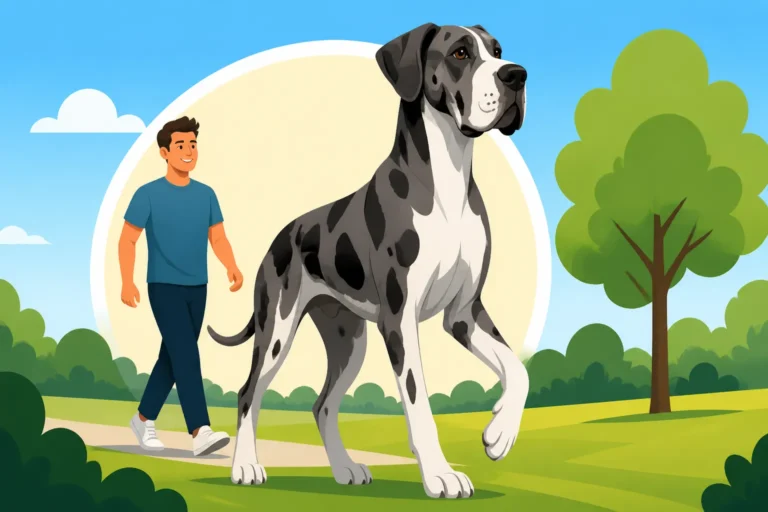
Let's not sugarcoat it: a Great Dane is a physically imposing animal, often weighing in at 100 to 200 pounds. This incredible size is both magnificent and, in the context of an infant, a primary safety concern. It's not about aggression; it's about pure, unadulterated physics. A loving nudge from that giant head could easily knock a baby's bottle out of place, or worse, accidentally knock over a bassinet. A sudden enthusiastic lean – a classic Dane behavior – could send an unsuspecting parent holding a baby off balance.
Consider the common behaviors of a large dog:
- Tail Wags: A Great Dane's tail is thick, strong, and often wags with immense force. It's at eye-level for a crawling baby and can easily sweep objects, or even a child, off their feet or out of the way. We've all seen the devastation a happy Dane tail can wreak on a coffee table!
- Clumsiness: Despite their graceful appearance, many Great Danes can be surprisingly clumsy, especially when excited or navigating tight spaces. They might back up without looking, step over something, or simply misjudge their own impressive dimensions. This lack of Whether a Great Dane Understands Its Own Size is a trait that needs constant monitoring around fragile beings.
- Jumping Up: While we diligently train our Danes not to jump on adults, a sudden burst of excitement when a new person enters the room, or even just a playful leap, can be incredibly dangerous if a baby is nearby or in someone's arms. A paw can easily hit a baby's head or body.
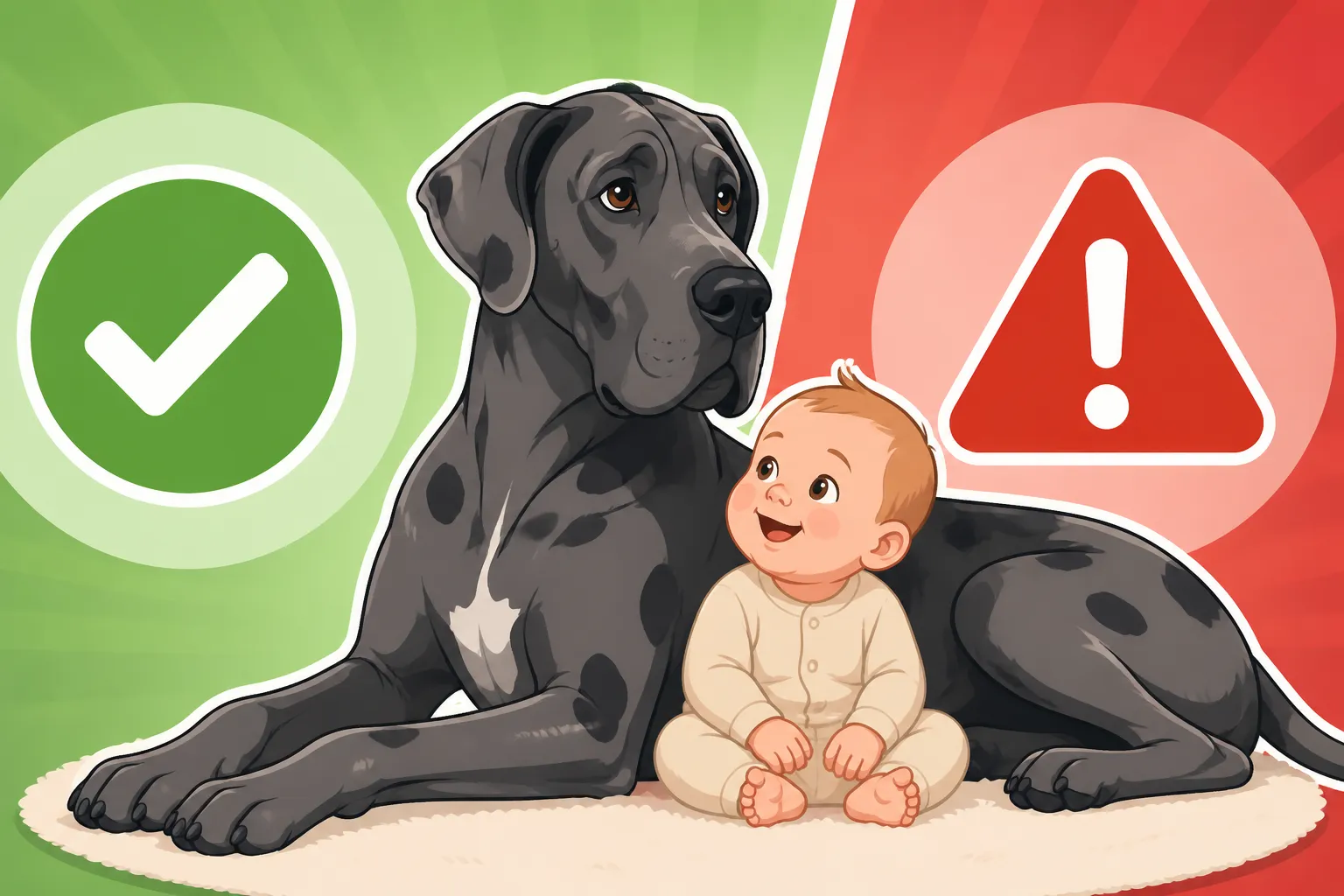
These aren't signs of a "bad" dog; they're simply realities of sharing your home with a giant breed. The potential for accidental harm means that even with the most loving and well-behaved Dane, supervision and physical barriers are absolutely non-negotiable when a baby is present.
Preparing Your Great Dane for the New Arrival: Proactive Steps
Bringing a baby home isn't just a big change for you; it's a monumental shift for your Great Dane. Their entire routine, the attention they receive, and the sounds and smells of the house will be profoundly altered. Preparing them well in advance is critical to a smooth transition and enhanced safety.
Gradual Introduction to Baby Sights, Sounds, and Smells
Long before the baby arrives, start preparing your Great Dane for the sensory onslaught. This isn't about scaring them, but rather normalizing the new experiences so they're not overwhelming on the big day.
- Sounds: Get your Dane accustomed to baby sounds. Play recordings of babies crying, cooing, and gurgling at low volumes, gradually increasing the intensity. Observe your Dane's reaction. Do they seem curious, anxious, or unbothered? Reward calm behavior. This desensitization can prevent a startled reaction when real baby cries fill the house.
- Smells: Babies come with a whole new scent profile – lotions, powders, diapers, and formula. Start introducing these smells to your Dane before the baby comes home. Let them sniff baby blankets, lotions, and even a soiled diaper (empty, of course!) while offering praise and treats for calm interest. This helps them associate these new smells with positive experiences, rather than seeing them as alien or threatening.
- Equipment: Set up all baby equipment well in advance: cribs, changing tables, swings, strollers. Let your Dane explore these items at their own pace, under supervision. You want them to view these new objects as part of the furniture, not mysterious invaders. If your Dane typically jumps on furniture, reinforce "off" commands around the crib or changing table. Use gates or boundaries if necessary to establish "baby zones" even before the baby arrives.
Reinforcing Essential Manners and Obedience
A well-trained Great Dane is a safer Great Dane, especially around children. Now is the time to double down on obedience training, focusing on commands that will be crucial for managing their behavior around a baby.
- "Leave It" and "Stay": These are paramount. Your Dane needs to understand that "leave it" means to disengage from whatever they are focusing on, whether it's a dropped toy, a baby's hand, or a crying infant. A strong "stay" command will allow you to maintain distance or keep them settled while you attend to the baby. If your Great Dane is still a puppy, start with The Cues a Great Dane Needs Before Six Months and build from there. For adult dogs, consider refreshers with a professional trainer, perhaps even one specializing in family dog integration. BAXTER & Bella, for example, offers online programs that can be incredibly helpful for owners needing flexible training solutions from home.
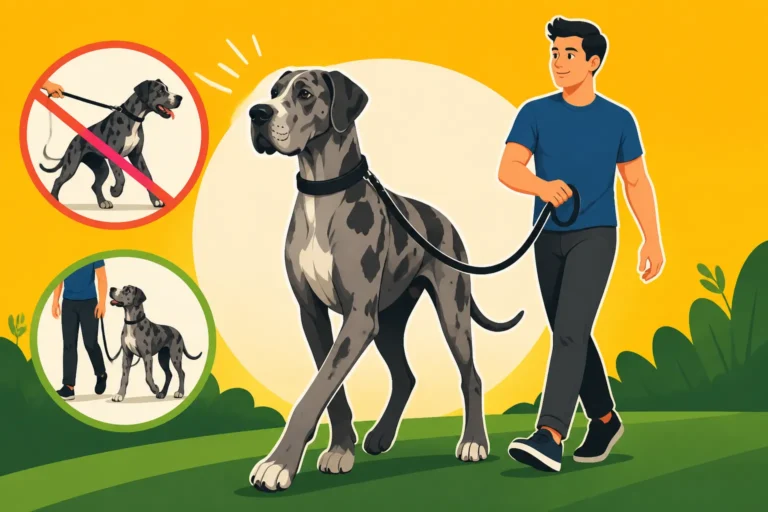
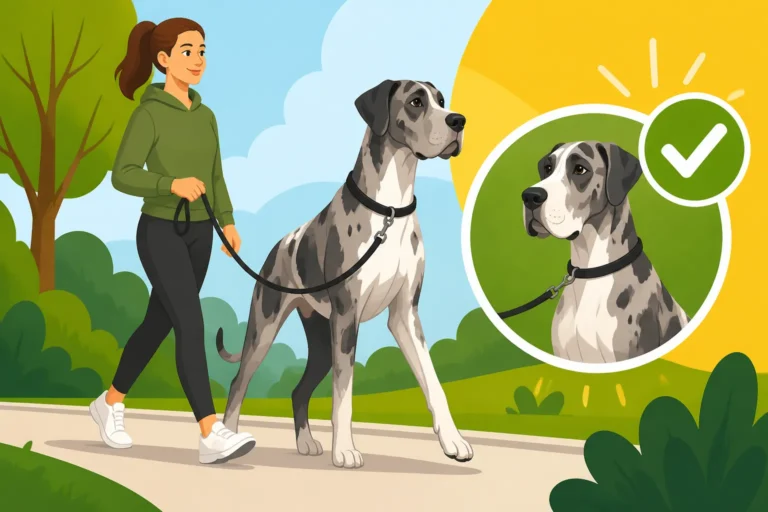
- Loose-Leash Walking: Even inside, practicing walking on a loose leash can be helpful, especially if you plan to use a leash indoors during initial introductions. More importantly, A Great Dane That Pulls You Off Your Feet on a walk is not only frustrating but downright dangerous if you're also pushing a stroller or carrying an infant.
- "Place" or "Settle": Teach your Dane to go to a designated "place" (like their bed or mat) and stay there until released. This provides a safe, comfortable spot for them during busy times, ensuring they aren't underfoot when you're moving around with the baby. Reward them heavily for staying in their place calmly, even when there's commotion.
- No Jumping: This cannot be stressed enough. Stopping a Great Dane Jumping Up on People is essential. A playful jump that's fine for an adult can be catastrophic for a baby in arms. Always reward all-four-on-the-floor greetings. Practice this diligently with visitors as well, as excited guests can sometimes inadvertently reinforce jumping.
Invest in durable, large safety gates that your Great Dane cannot easily knock over or step over. Brands found on Amazon often have extra-tall and extra-wide options suitable for giant breeds, which will be essential in creating safe zones.
Establishing Safe Boundaries and Supervised Interactions
Once your baby is home, the real work of integration begins. This phase is all about vigilant supervision, clear boundaries, and managing interactions to ensure safety for everyone.
The Importance of Constant Supervision
This is the golden rule: Never leave your Great Dane unsupervised with your baby, not even for a second. This applies whether the baby is awake or asleep, in a crib, on the floor, or in a swing. Even the most trustworthy dog can have an unpredictable reaction to a sudden sound, smell, or movement from an infant. A split second is all it takes for an accident to happen, and with a Great Dane's size, those accidents can be severe.
- Active Supervision: Supervision isn't just about being in the same room. It means actively watching your dog's body language and the baby's movements. Look for any signs of stress, discomfort, or over-excitement in your Dane. Are their ears back? Are they lip licking? Are they fixated on the baby? Conversely, monitor the baby to ensure they aren't inadvertently pulling fur or grabbing ears, which could provoke a reaction from even a patient dog.
- Physical Barriers: Utilize baby gates and playpens to create physical separation. Establish "no-dog zones" around the baby's crib or play mat. This isn't a punishment for your Dane; it's a preventative measure. It gives your dog a break from the baby's unpredictable nature and gives you peace of mind when you need to step away for a moment, even if it's just to grab something from the next room. Ensure the gates are sturdy enough that your Great Dane cannot just push them over. Crates and Gates Sized for a Great Dane are critical investments.
Controlled and Positive Introductions
The first introductions should be calm, controlled, and short. Your goal is to create positive associations between your Dane and the new baby, always under strict supervision.
- Initial Sniff: When you first bring the baby home, have someone else hold the baby while you greet your Dane first, calmly. Then, with the baby securely in your arms or a carrier, allow your Dane a controlled, brief sniff. Keep your Dane on a leash, or ensure they are calmly in their "place." Reward calm curiosity with praise and a treat. Avoid allowing your Dane to lick the baby's face, especially a newborn's delicate skin and immune system.
- Gradual Exposure: Don't force interactions. Allow your Dane to observe the baby from a distance at first. As they become accustomed to the baby's presence, you can gradually decrease the distance, always maintaining control and supervision. Continue to associate the baby's presence with positive things for your Dane, such as quiet praise, gentle petting, or special chew toys.
- Managing Excitement: Babies can be very exciting for dogs, even if it's positive excitement. A baby's sudden movements or cries might trigger a playful reaction in your Dane that is simply too much for an infant. If your Dane becomes overly excited or shows any signs of stress, calmly redirect them to their "place" or a separate room. You might want to consider Whether a Great Dane Manages a Full Work Day alone to evaluate how they handle solitude; if they struggle, adding a baby to the mix requires even more careful management of their emotional state.
Addressing Common Challenges and Ongoing Management
The journey of integrating a Great Dane and a baby is ongoing, with new challenges arising as your baby grows and becomes more mobile. Proactive management and understanding typical Great Dane behaviors will be key to long-term success.
When Your Baby Becomes Mobile
As your baby starts to crawl and eventually walk, the dynamic with your Great Dane will change significantly. Now, the baby can actively seek out the dog, potentially creating situations where accidental harm is more likely.
- Crawling and Toddler Stage: This is arguably the most challenging phase for dog-baby integration. A crawling baby might grab at your Dane's fur, pull an ear, or even try to climb on them. Even the most tolerant Dane has a limit, and an inadvertent snap or growl (even if well-warranted from the dog's perspective) could be terrifying or harmful to a small child. This is where physical barriers and active management become even more crucial.
- Teaching Respectful Interaction: As your child grows, it's vital to teach them how to interact respectfully with your Great Dane. Show them how to gently pet, explain that pulling tails or ears is not allowed, and teach them to give the dog space, especially when the dog is eating or sleeping. This is a continuous process. You can find excellent resources on Teaching Children to Move Around a Great Dane as they get older.
- Dog's Retreat: Ensure your Great Dane always has a safe, private space where they can retreat from the baby. This could be their crate, a bed in a separate room, or an elevated platform that the baby cannot reach. Teach your children to respect this space as the dog's personal sanctuary. This gives your dog a much-needed break and prevents them from feeling overwhelmed or cornered.
Managing Feeding Times and High-Value Items
Food and toys can be flashpoints for conflict between dogs and children, even in the most harmonious homes. Great Danes, like all dogs, can be protective of their resources.
- Mealtime Separation: Always feed your Great Dane in a separate room or behind a sturdy gate where the baby cannot access their food bowl. Meal Habits That Cut a Great Dane's Twist Risk also often involve feeding in a quiet, undisturbed environment, which is naturally safer for the baby too. This prevents accidental knocks, grabs, or potential resource guarding.
- High-Value Chews and Toys: Be mindful of high-value treats or toys, especially those that your Dane might guard. Provide these items when the baby is napping or in a separate, secure location where your Dane can enjoy them undisturbed. Teach your child not to approach your Great Dane when they are chewing on something, or better yet, remove the baby from the area during these times.
- Dropped Food: Babies are notoriously messy eaters. Bits of dropped food can be highly tempting for a Great Dane, leading them to get too close to the baby during meal times. Use a placemat under the high chair or sweep up dropped food immediately. Again, reinforcing "leave it" and "place" commands will be invaluable here.
Here's a quick reference guide on Great Dane and Baby Interactions:
| Baby's Stage | Great Dane's Primary Behavior | Key Safety Concerns | Management Strategy |
|---|---|---|---|
| Newborn | Curiosity, gentle sniffing, observing, potential anxiety. | Accidental bumps, tail wags, licking. | STRICT supervision, physical barriers (gates), controlled sniff, positive association. |
| Crawler | Observing, potential for playful nudges, attempts to interact. | Accidental stepping, tail grabs, ear pulls. | NEVER unsupervised, elevated baby zones, constant monitoring of dog's body language. |
| Toddler | More direct interaction, increased energy, seeking attention. | Rough play, unintended grabs, resource guarding. | Teach child respectful interaction, dog's safe retreat, separate during meals/high-value treats. |
| Older Child | Established bond, more predictable interaction (ideally). | Still accidental bumps, miscommunication. | Continued supervision, reinforce dog's good manners, child understands dog's cues. |
Ultimately, living safely and happily with a Great Dane and a baby is absolutely achievable. It requires a realistic understanding of the breed's size, meticulous preparation, unwavering supervision, and a commitment to ongoing training and boundary setting. Your Great Dane can be a wonderful, loving companion to your child, but it's your responsibility to orchestrate that relationship with care and foresight.
Disclaimer
This article is for general informational purposes only and does not constitute professional advice. Laws, prices and regulations vary by location and change over time. Consult a qualified professional for guidance on your specific situation.