Whether a Great Dane Puppy Can Meet Big Dogs
Bringing home a Great Dane puppy is an incredible experience, filled with boundless joy and, let's be honest, a healthy dose of anxiety about how this rapidly growing giant will interact with the world around them. One of the biggest questions new Great Dane parents often grapple with is how to safely and effectively introduce their precious, yet fragile, puppy to larger adult dogs without causing fear, harm, or setting them up for behavioral issues down the road. This guide is here to walk you through those critical early interactions, offering practical advice to ensure your gentle giant grows into a confident, well-adjusted canine citizen.
Why Early Socialization Is Crucial for Great Dane Puppies
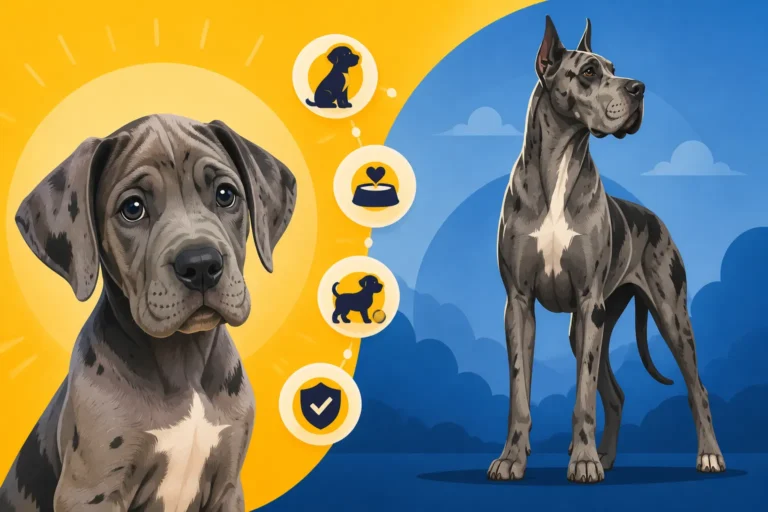
It’s easy to think of a Great Dane puppy as just a small version of their adult self, but they are incredibly vulnerable both physically and mentally during their formative months. While you might be tempted to shelter your tiny Dane until they’re bigger, proper socialization during this critical window is absolutely non-negotiable for their future well-being. This isn't just about meeting other dogs; it's about building a foundation of positive experiences that shape their entire personality.
The Foundation of a Confident Gentle Giant
Great Danes are renowned for their "gentle giant" temperament, and that reputation isn't just something they're born with; it's heavily influenced by their early experiences. A well-socialized Great Dane puppy learns appropriate canine etiquette, how to read other dogs' signals, and how to respond in a balanced way. Without this exposure, even the most naturally sweet-natured Dane can become fearful, anxious, or even reactive when encountering unfamiliar dogs later in life. Imagine a colossal adult dog that has no idea how to properly greet another canine – it’s a recipe for awkward, potentially dangerous, encounters due to sheer size alone.
Early, positive interactions teach them how to navigate the complex world of dog-to-dog communication. They learn bite inhibition from gentle play, how to take cues from more experienced, calm dogs, and how to respect personal space. This is especially vital for a breed that will soon outweigh most other dogs by a significant margin. It gives them the confidence to understand that not every new dog is a threat, and teaches them that a polite sniff is usually much better than an enthusiastic, full-body tackle, which might be acceptable to another Great Dane, but terrifying to a smaller breed. This foundation is crucial for avoiding issues as they mature, ensuring you don't end up with A Great Dane That Is Anxious Rather Than Gentle.
Preventing Fear and Reactivity
One of the most profound benefits of early socialization, particularly with larger, stable adult dogs, is the prevention of fear and subsequent reactivity. A Great Dane puppy who only ever meets small dogs, or no dogs at all, might develop an unwarranted fear of larger canines simply because they're unfamiliar and imposing. This fear can manifest as barking, lunging, or trying to hide – behaviors that are manageable in a small dog but become incredibly challenging, even dangerous, when performed by a full-grown Great Dane.
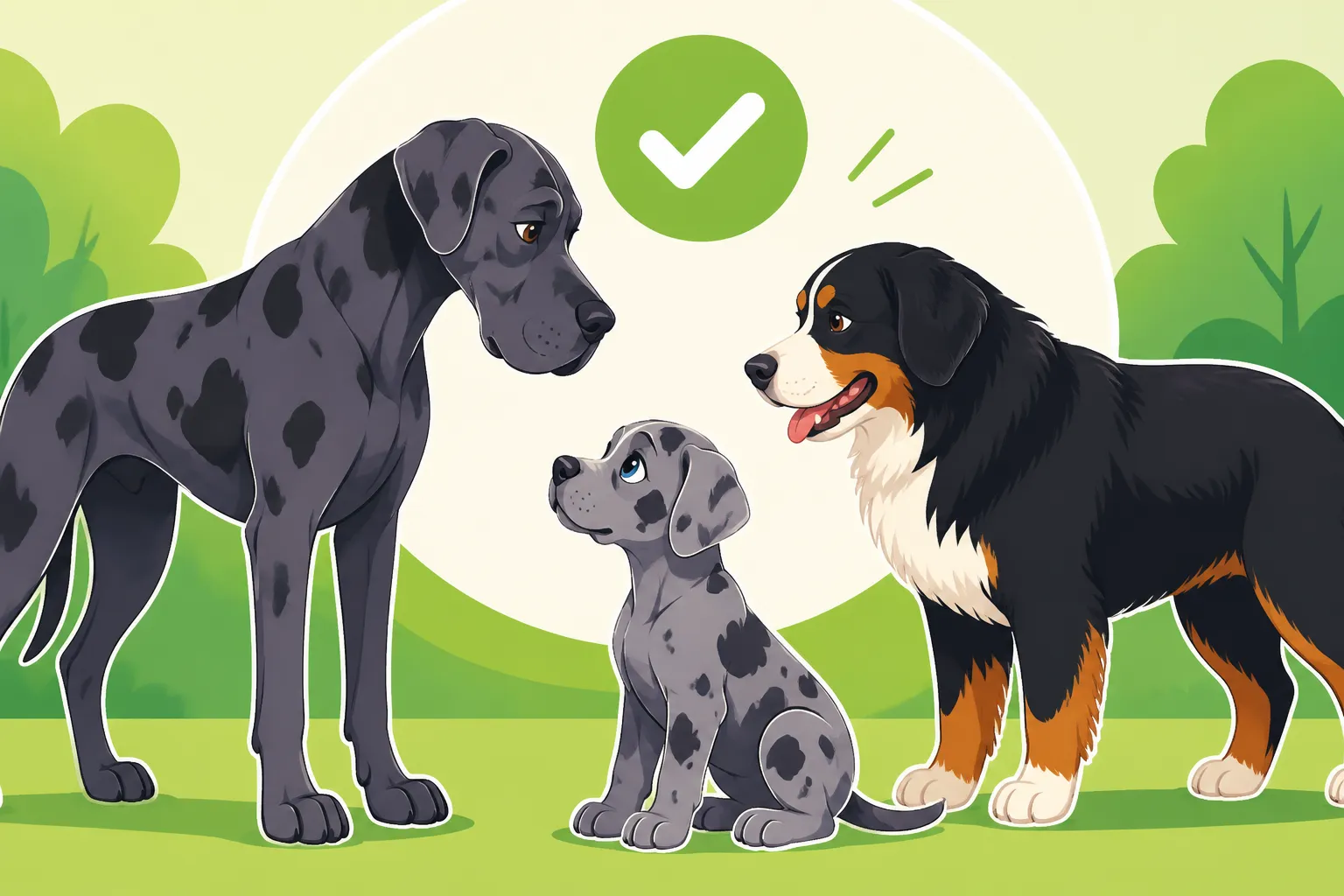
By thoughtfully exposing your Great Dane puppy to a variety of calm, well-behaved adult dogs, you're building resilience and positive associations. They learn that big dogs can be friends, that their size isn't something to be afraid of, and that interactions can be enjoyable. This proactive approach helps to head off potential behavioral problems before they ever take root, fostering a confident and emotionally secure adult dog. It's about showing them the world isn't scary, one gentle interaction at a time, making sure that when they're a massive teenager, they still have that same secure outlook on life. This early work impacts everything from walks in the park to vet visits, ensuring your Dane can handle various social situations with grace.
Understanding the Risks of Big Dog Interactions
While early socialization is vital, it's equally important to recognize that not all interactions are created equal, and there are very real risks involved when introducing a delicate Great Dane puppy to larger, potentially boisterous adult dogs. Our goal is always to maximize the benefits while minimizing any potential for physical or psychological harm. It's easy to get caught up in the "they need to play!" mindset, but being judicious about who they play with and how is paramount.
Accidental Injury to the Puppy
Let's be frank: a Great Dane puppy, despite its rapid growth, is a fragile creature. Those gangly legs and soft joints are susceptible to injury, and a well-meaning but overly enthusiastic playmate, especially a large adult dog, can inadvertently cause harm. Imagine a playful Boxer or Labrador bounding over, not realizing the immense difference in size and stability. A gentle nudge from them could send your puppy tumbling, potentially leading to sprains, fractures, or other orthopedic issues. This is especially concerning for a breed like the Great Dane, which already has predispositions to joint problems; we want to protect those growing bones as much as possible.
The rough-and-tumble play style of many large adult dogs, which involves body slams, wrestling, and chase games, is simply too much for a young Great Dane. Their bones are still ossifying, their growth plates are open, and their coordination is still developing. A bad fall or an impact from another dog could have long-lasting consequences. Therefore, choosing canine friends with a calm demeanor and a gentle play style is non-negotiable. It's not about prohibiting play, but about curating safe, supervised encounters. This attention to physical safety is also important when considering Exercise Limits While a Great Dane Is Still Growing to prevent orthopedic damage.
Overwhelm and Negative Experiences
Beyond physical harm, there's the very real risk of psychological trauma. A single negative experience with another dog can set a puppy back significantly, instilling fear or reactivity that can be incredibly difficult to overcome. If a large dog growls too intensely, nips too hard, or simply overwhelms the puppy with incessant sniffing and pushing, that puppy might learn to associate all large dogs with unpleasantness. This can lead to a lifetime of anxiety around other canines, manifesting as defensive barking, avoidance, or even aggression as they mature and feel the need to protect themselves.
A good interaction should always leave the puppy feeling confident and happy, not scared or stressed. Signs of overwhelm include tucking the tail, flattening ears, lip licking, yawning, trying to hide behind you, or incessantly trying to escape the interaction. It's our job as guardians to advocate for our puppies and end any interaction that shows these signs, even if the other dog isn't being overtly aggressive. We want them to associate other dogs with fun and safety, not fear and intimidation. This careful management is critical for fostering The Gentle Great Dane Temperament and Its Limits.
Potential for Transmission of Illness
This risk is often overlooked but is crucial, especially for very young puppies who haven't completed their full vaccination series. While a Great Dane puppy typically starts its initial vaccinations around 6-8 weeks, they aren't fully protected against common canine diseases like parvovirus or distemper until after their final booster, usually around 16 weeks of age. During this vulnerable period, exposure to unvaccinated or ill dogs, or even environments frequented by many unknown dogs (like dog parks), poses a significant health risk.
Responsible dog owners will ensure their adult dogs are up-to-date on vaccinations, but you can't always guarantee this for every dog you encounter. When planning socialization, prioritize interactions with dogs whose vaccination status you can confirm and whose owners you trust. Avoiding high-traffic dog areas until your puppy is fully vaccinated is a wise precaution. The last thing you want is a preventable illness derailing your puppy's healthy development and potentially racking up huge vet bills. Always discuss your puppy's vaccination schedule and safe exposure guidelines with your veterinarian.
Best Practices for Introducing Your Great Dane Puppy to Larger Dogs
Once you understand the 'why' and the 'what not to do,' it's time to focus on the 'how.' Successfully introducing your Great Dane puppy to larger dogs requires a thoughtful, controlled, and patient approach. It’s not about throwing them into the deep end, but about guiding them through safe, positive experiences. Remember, every interaction is a learning opportunity, so let's make them good ones.
Choosing Appropriate Canine Companions
This is perhaps the most critical step in successful puppy socialization. Not all adult dogs are suitable playmates for a young, impressionable Great Dane puppy. You need to be incredibly selective. Look for adult dogs that are:
- Calm and Stable: Avoid dogs that are overly energetic, pushy, or prone to rough play. You want a dog that can tolerate puppy antics without overreacting.
- Well-Socialized: An adult dog that has a history of positive interactions with puppies and smaller dogs is ideal. They understand how to self-handicap their play and read puppy signals.
- Vaccinated and Healthy: As mentioned, your puppy is vulnerable. Ensure the adult dog is current on all vaccinations and appears healthy. Ask the owner for confirmation if you're unsure.
- Known to You and Trusted: The absolute best scenario is introducing your puppy to a friend's or family member's dog whose temperament you know inside and out. This minimizes unpredictability.
Think of it like choosing a mentor for your child – you wouldn't pick just anyone. The same goes for your Great Dane puppy. Quality over quantity is key here. One or two fantastic, gentle adult dog friends are far better than a dozen questionable encounters. Consider dogs that are a bit older, perhaps seven or eight years old, who have a calm wisdom about them. They often have lower energy and more patience, making them ideal teachers for a bouncy pup.
Controlled Environments and Leashed Introductions
Once you've found a suitable canine friend, the next step is managing the environment. Impromptu meetings at the dog park are rarely ideal for a young puppy. Instead, opt for controlled, neutral territory.
Here’s a step-by-step approach:
- Neutral Ground: Start introductions in a neutral, quiet area that isn't strongly associated with either dog's territory. A fenced yard you both have access to, or a quiet park during off-peak hours, can work well.
- On Leash (Initially): For the very first meeting, keep both dogs on leashes. This allows you to maintain control and separate them quickly if needed. Use a flat collar or a comfortable harness for your Great Dane puppy and a standard leash – no retractable leashes, please! Long lines, easily found on Amazon, can offer more freedom in a safe way while still allowing you to intervene. Allow them to approach each other naturally, sniffing and observing. Keep the leashes loose; tension can transfer down the leash and create anxiety.
- Short and Sweet: Keep initial meetings very brief – just a few minutes. The goal is positive exposure, not a marathon play session. End the interaction before either dog shows signs of stress or over-excitement. You want to leave them wanting more, reinforcing the idea that other dogs are fun.
- Observe Closely: Pay rapt attention to both dogs' body language. Are tails wagging loosely? Are ears relaxed? Is there soft eye contact? Or are you seeing stiff bodies, hard stares, tucked tails, or excessive lip licking? Your vigilance is key. If things are going well, you can move to off-leash play in a secure area, but only if both dogs are clearly comfortable.
- One-on-One: Avoid introducing your puppy to a group of large dogs all at once. Start with one calm adult dog, and gradually introduce others as your puppy gains confidence. A pack environment can be overwhelming and intimidating for a small puppy.
Remember, this isn't a race. Slow, deliberate, positive introductions are far more beneficial than rushed, potentially negative ones. You want your puppy to build confidence gradually. For more guidance on their overall development, check out What a Great Dane Puppy Must Know by Six Months.
Positive Reinforcement and Supervision
Every interaction, especially with a Great Dane puppy, should be an opportunity for positive reinforcement. When your puppy exhibits calm, polite behavior during an introduction, reward them generously with high-value treats and praise. This helps them associate positive feelings with meeting new canine friends. If they're a bit nervous but remain curious and respectful, that's still a win!
Supervision is non-negotiable. Never, ever leave your Great Dane puppy unsupervised with an adult dog, regardless of how gentle you believe the adult dog to be. Accidents can happen in a split second, and even the most well-behaved dog can react unpredictably. Your presence allows you to:
- Intervene: If play gets too rough, if one dog is overwhelming the other, or if any signs of stress appear, you can step in immediately to redirect or separate them.
- Provide Breaks: Puppies, like toddlers, don't always know when to stop. You might need to enforce "time outs" by gently separating them for a minute or two to allow them to de-escalate and relax.
- Advocate for Your Puppy: If an adult dog is being too pushy, you are your puppy's protector. Don't be afraid to politely remove your puppy from the situation or ask the other owner to manage their dog more closely.
Consider enrolling in an online puppy training program like BAXTER & Bella. They often provide structured guidance on socialization, including video tutorials and expert advice, which can be invaluable for navigating these crucial early stages. Such programs can help you recognize subtle body language cues and give you the confidence to manage interactions effectively. Remember, building good manners and proper social skills from an early age is a lifelong investment for your Dane, setting them up for success. You can find many helpful resources and tools for training on Amazon as well, from treat pouches to clickers.
Monitoring and Continuing Socialization as Your Dane Grows
Socialization isn't a one-and-done event; it's an ongoing process that evolves as your Great Dane puppy grows. Their needs and capabilities will change, and your approach to their social life needs to adapt accordingly. The goal is to cultivate a dog that is consistently confident, friendly, and appropriate in various social settings.
Reading Body Language
Understanding canine body language is your superpower as a Great Dane owner. With a dog that will soon be towering over most others, knowing how to interpret their signals, and the signals of other dogs, is paramount to ensuring safe and positive interactions. Your puppy is learning, and you need to be their guide and advocate.
Here’s a quick guide to some common body language signals:
| Signal | Interpretation (Generally) | Action for Owners |
|---|---|---|
| Loose, Waving Tail | Happy, relaxed, friendly | Continue to observe, positive interaction |
| Stiff, High Tail | Aroused, potentially alert/tense | Monitor closely, be ready to intervene |
| Tucked Tail | Fearful, anxious, submissive | End interaction, remove puppy, comfort |
| Relaxed Body Posture | Comfortable, at ease | Good to go, but continue supervision |
| Stiff, Frozen Stance | Tense, wary, potentially defensive | Interrupt, redirect, or separate |
| Play Bow (front low) | Inviting play, friendly | Good sign, encourage if appropriate |
| Lip Licking/Yawning | Stress, appeasement (in context of others) | Watch for other stress signals, reduce pressure |
| Avoiding Eye Contact | Submissive, uncomfortable | Respect their space, don't force interaction |
| Soft Eyes, Blinking | Relaxed, non-threatening | Generally positive |
| Hard Stare | Challenge, threat, highly aroused | Immediately intervene and separate |
| Growling (low) | Warning, discomfort | Always take seriously, intervene immediately |
By consistently observing these cues, you can step in before a situation escalates or before your puppy becomes overly stressed. It teaches you to prevent rather than react, which is infinitely better for everyone involved. For specific Great Dane behaviors, you might find insight in A Great Dane That Shuts Down When Scolded as body language often reveals their internal state.
Scaling Up Social Experiences
As your Great Dane puppy grows and gains confidence, you can gradually increase the complexity and variety of their social experiences. This doesn't mean jumping straight to the busiest dog park, but rather thoughtfully expanding their horizons.
- Variety of Dogs: Continue to introduce them to different breeds, sizes, and temperaments of dogs, always prioritizing calm, well-mannered canines.
- New Environments: Visit different parks, pet-friendly stores (if allowed), or quiet walking trails. The exposure to new sights, sounds, and smells, combined with the presence of other dogs, helps them generalize their positive experiences.
- Structured Classes: Puppy kindergarten and obedience classes are excellent ways to continue socialization in a controlled, positive environment. Reputable trainers ensure interactions are safe and productive, and it's also a great way for you to learn more about canine behavior. For instance, finding A Trainer Comfortable With a Great Dane is key, as their size needs specific handling.
- Supervised Playdates: Continue to arrange playdates with those trusted, well-socialized adult dogs. These consistent positive interactions reinforce good behavior and deepen your Dane's confidence. Remember, Great Danes keep filling out until around two years of age, so continued care and socialization are always needed. The Age a Great Dane Stops Listening highlights that even as they mature, training and positive reinforcement should be ongoing.
Remember, the goal is balanced exposure, not overwhelming your puppy. Each new step should be a positive, manageable experience. You’ll know your puppy is ready for more when they consistently display relaxed, confident body language and engage in appropriate interactions with the dogs they already know.
Avoiding Over-Socialization or Habituation
It might sound counterintuitive, but there's such a thing as "too much" socialization, or rather, the wrong kind of socialization. We want a well-adjusted dog, not one who thinks every dog they see is a playmate, or worse, one who becomes overly dependent on canine interactions to the point of ignoring you.
- Quality over Quantity: Focus on meaningful, positive interactions rather than simply exposing your puppy to as many dogs as possible. A few truly good experiences are more valuable than many indifferent or mildly stressful ones.
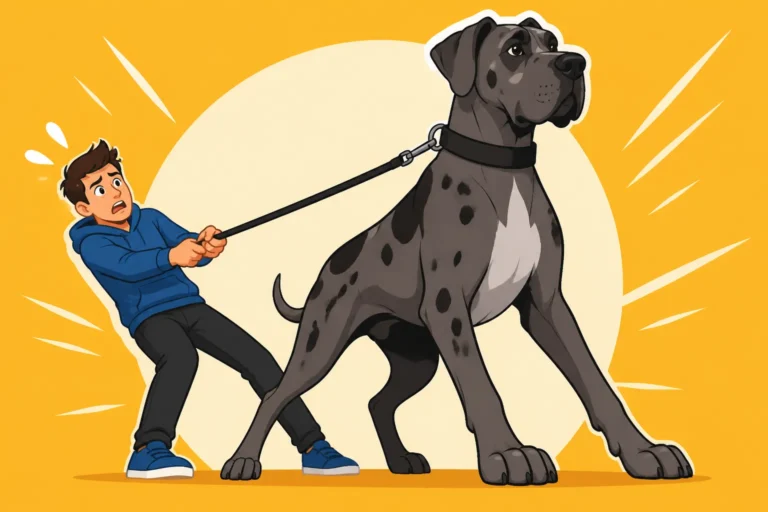
- Focus on You: Your Great Dane should always prioritize you over other dogs. This means they should be able to calmly walk past other dogs on a leash without pulling excessively, and they should respond to your commands even when other dogs are present. If your Dane is constantly looking for other dogs and ignoring you, you might have created an over-socialized dog who values other canines more than their handler. This is especially important for Great Dane Leash Manners at a Hundred and Fifty Pounds.
- Alone Time: Ensure your puppy also learns to be calm and content in their own company, as well as with their human family. Not every dog interaction needs to be an all-out play session. Sometimes, just calmly observing other dogs from a distance is a valuable lesson in self-control.
- Preventing "Bully" Behavior: As Great Danes grow, their sheer size can unintentionally intimidate smaller or more timid dogs. Ensure your Dane is learning to adjust their play style, to offer appropriate calming signals, and to respect the boundaries of other dogs. A Great Dane that doesn't understand its own strength can accidentally become a bully, even with the best intentions. If you notice your Dane being too boisterous, redirect them immediately.
By focusing on a balanced approach to socialization, you're helping your Great Dane develop into a truly "gentle giant" – one who is confident, well-behaved, and a joy to live with, both in the home and out in the wider world. It's a journey, not a destination, but one that is incredibly rewarding for both you and your magnificent companion.
Disclaimer
This article is for general informational purposes only and does not constitute professional advice. Laws, prices and regulations vary by location and change over time. Consult a qualified professional for guidance on your specific situation.