A Great Dane That Collapses and Recovers
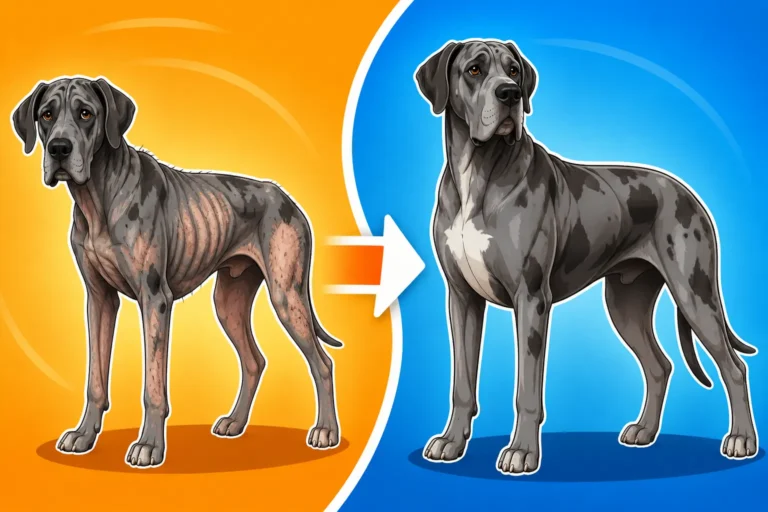
There's almost nothing more terrifying than watching your giant, majestic Great Dane suddenly collapse to the ground. One moment they're there, trotting along or standing by your side, and the next, they're a massive heap, seemingly lifeless. The panic that sets in is immediate and overwhelming. What makes it even more unsettling is when, just as quickly, they seem to "recover," shake it off, and attempt to get back on their feet, leaving you wondering if it was a fluke, a stumble, or something far more sinister. This guide is here to help you understand why a Great Dane might collapse and then recover, what those scary moments might mean, and most importantly, what vital steps you need to take when it happens.
Understanding Why a Great Dane Collapses and Recovers
Witnessing your Great Dane collapse is undoubtedly one of the most frightening experiences a dog owner can face. The sheer size of these dogs means any sudden loss of coordination or consciousness is not only terrifying but also a significant practical challenge. It's easy to dismiss it as a momentary stumble, especially if they recover quickly, but it's crucial to understand that even a transient collapse is a huge red flag.
Distinguishing True Collapse from Weakness or Stumbling
When we talk about a dog collapsing, we're generally referring to a sudden, involuntary loss of strength that causes them to fall to the ground, often unable to regain their footing immediately. This can range from a complete loss of consciousness, known as syncope or fainting, to extreme weakness (paresis) or an inability to control their limbs. It's different from a simple stumble over an uneven surface or a momentary slip.
A true collapse often involves a limpness or stiffness that is distinctly not under the dog's control. They might hit the ground hard, their eyes might roll back, or they could become unresponsive for a few seconds or minutes. Sometimes, they might even urinate or defecate involuntarily. While a stumble might look dramatic, a dog that stumbles usually remains conscious and quickly tries to correct themselves, often due to pain, joint issues like those seen in Great Dane Hips, Elbows and Growing Joints, or minor neurological deficits that don't entirely incapacitate them. Observing the exact nature of the fall, how quickly they lost control, and whether they were conscious throughout is key information for your vet.
The "Recovery" Aspect and Its Deceptive Nature
The most perplexing and, frankly, dangerous part of this scenario is the "recovery." Your Great Dane might lie there for a moment, perhaps looking dazed, and then, as if nothing happened, slowly push themselves up. They might even wag their tail and seem perfectly normal, eager to continue their walk or resume whatever they were doing. This rapid return to normalcy can be incredibly misleading.
It’s tempting to breathe a sigh of relief and tell yourself it was nothing, a fluke. However, a quick recovery absolutely does not mean the underlying problem has resolved or isn't serious. In fact, many serious conditions, particularly cardiac arrhythmias or mild seizures, are characterized by these transient episodes where the dog collapses and then seems to bounce back. This "recovery" is merely a temporary stabilization, and the root cause is still present, ready to strike again. Always treat a collapse, even with a quick recovery, as an emergency warranting immediate veterinary attention.
Common Cardiovascular Causes of Collapse in Great Danes
Great Danes are unfortunately predisposed to a number of heart conditions, many of which can lead to sudden collapse or fainting spells. Given their size and metabolism, their cardiovascular system works hard, and any compromise can have dramatic effects.
Dilated Cardiomyopathy DCM and Arrhythmias
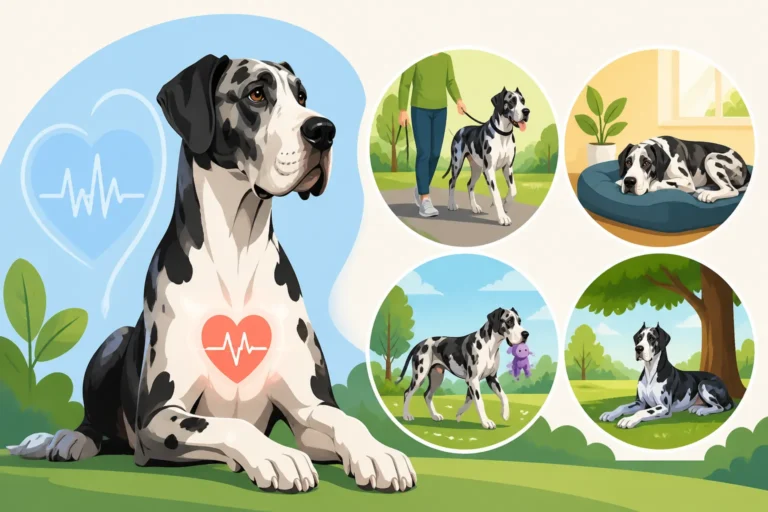
One of the most devastating heart conditions prevalent in Great Danes is Dilated Cardiomyopathy, or DCM. This disease causes the heart muscle to become thin and weak, leading to an enlarged heart that struggles to pump blood effectively. As the heart enlarges, it often develops abnormal electrical activity, leading to arrhythmias – irregular heartbeats. These arrhythmias can be so severe that they momentarily disrupt the flow of blood to the brain, causing the dog to faint or collapse. It's a truly terrifying experience for an owner to witness.
A Great Dane with DCM might collapse during excitement, exercise, or even at rest. The collapse is often sudden, and they may appear lifeless for a few seconds to a minute before regaining consciousness. This "recovery" can give a false sense of security, but it's vital to remember that the heart is still failing. Early signs might include a Great Dane That Coughs at Night or a Great Dane That Cannot Finish a Walk, but collapse is a late-stage symptom. Regular screenings, like those discussed in Screening a Great Dane's Heart Each Year, are crucial for catching DCM early.
Other Heart Conditions Affecting Blood Flow
While DCM is a primary concern, other less common heart issues can also lead to collapse in Great Danes. These can include certain congenital heart defects (though these are usually identified earlier in life), or other acquired diseases that impair the heart's function or the blood vessels leading to and from it. Any condition that compromises the heart's ability to maintain adequate blood pressure and oxygen supply to the brain can result in syncope.
For instance, conditions causing severe pulmonary hypertension (high blood pressure in the arteries leading to the lungs) or blockages in major blood vessels could also lead to similar episodes. These are less frequent but equally serious. The key takeaway here is that any collapse, especially one that resolves quickly, demands a thorough cardiac workup by a veterinarian, potentially involving an echocardiogram and an EKG, to rule out or diagnose these life-threatening conditions.
Neurological Issues Leading to Collapse in Great Danes
Beyond the heart, the intricate network of the nervous system can also be a culprit when a Great Dane collapses and recovers. Problems with the brain, spinal cord, or peripheral nerves can manifest as sudden weakness, loss of coordination, or even seizures that appear as a collapse.
Wobbler Syndrome and Spinal Cord Compression
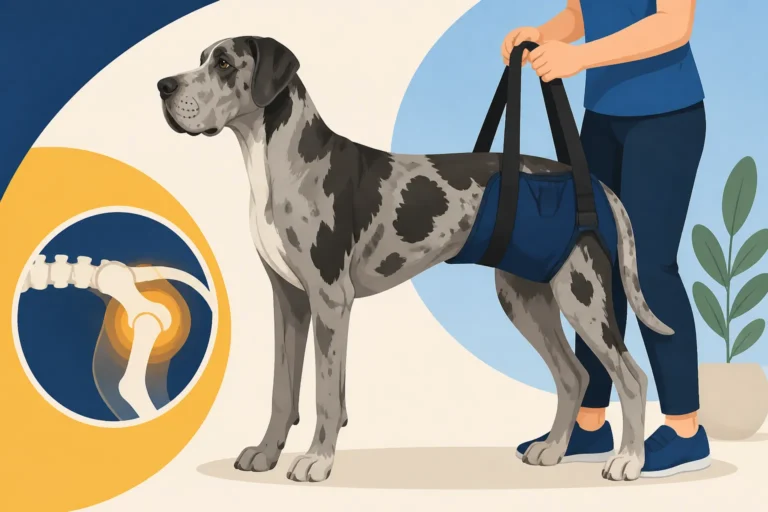
Wobbler Syndrome, also known as Cervical Spondylomyelopathy, is a serious neurological condition common in large breeds like Great Danes. It involves compression of the spinal cord and/or nerve roots in the neck region. This compression can be caused by various factors, including malformed vertebrae, bulging discs, or thickened ligaments. The classic presentation involves a wobbly, uncoordinated gait, especially in the hind legs, which can lead to stumbling and, in severe cases, outright collapse. You might notice Scuffed Back Nails on a Great Dane as an early sign.
A Great Dane with Wobbler Syndrome might suddenly lose balance, particularly when turning its head or moving quickly, and fall. If the compression is significant, the collapse can be quite dramatic, with the dog unable to get up for a period. When they do "recover," they often appear dazed or continue to show the characteristic uncoordinated gait. It’s not a loss of consciousness in the same way as a heart-related syncope, but rather a temporary inability to control their body due to nerve dysfunction. Understanding Why Great Dane Neck Vertebrae Pinch the Cord is crucial for owners of predisposed breeds.
Seizures and Post-Seizure States
Another neurological cause for sudden collapse and subsequent "recovery" is a seizure. Seizures in dogs can manifest in many ways, not always as the dramatic, full-body convulsions we typically associate with epilepsy. A focal or partial seizure might cause only a momentary loss of awareness, twitching, or staring, while a grand mal seizure involves complete loss of consciousness, uncontrolled muscle activity, and sometimes urination or defecation.
After a seizure, dogs often enter a "post-ictal" phase, where they might appear disoriented, confused, restless, or even temporarily blind. This phase can last from minutes to hours, and to an owner, it might look like the dog is slowly "recovering" from the collapse. The key difference from a cardiac collapse is usually the presence of uncontrolled movements or behavioral changes during the episode or immediately afterward. Tracking the timing and specific behaviors during such events is incredibly helpful for your vet in diagnosing the cause.
Metabolic and Systemic Reasons for Transient Collapse
Sometimes, the cause of a collapse isn't directly related to the heart or brain but rather to systemic imbalances or acute medical emergencies that affect the entire body. Great Danes, being large, can be prone to certain conditions that rapidly deplete their reserves or cause widespread bodily distress.
Hypoglycemia Low Blood Sugar Episodes
Hypoglycemia, or dangerously low blood sugar, can lead to sudden weakness, disorientation, and collapse. While less common in adult Great Danes unless there's an underlying medical condition (like an insulinoma, severe liver disease, or certain infections), it can be a concern in very young puppies or adult dogs with specific health issues. The brain relies heavily on glucose for energy, so a rapid drop in blood sugar can quickly impair neurological function.
When a dog experiences hypoglycemia, they might become lethargic, weak, disoriented, and then collapse. Seizures can also occur. The "recovery" in these cases often happens once blood sugar levels rise again, either naturally or with intervention like sugar rubs on gums. However, the underlying cause of the hypoglycemia needs to be identified and managed to prevent future episodes. It’s not something to ever dismiss.
Anemia and Acute Blood Loss
Severe anemia, a condition where the blood lacks sufficient healthy red blood cells, can lead to collapse due to a lack of oxygen being carried to the body's tissues, especially the brain. While chronic anemia might cause gradual weakness and lethargy, acute and severe blood loss, perhaps from an internal injury, a ruptured tumor (like a splenic hemangiosarcoma), or a serious accident, can cause a sudden, profound drop in blood volume and oxygen-carrying capacity.
In such a scenario, a Great Dane might suddenly become extremely weak, pale, and collapse. The "recovery" would be partial and temporary at best, as the underlying issue of blood loss would still be ongoing. This is an immediate, life-threatening emergency requiring rapid veterinary intervention to stabilize the dog and identify the source of bleeding.
Bloat GDV and Its Profound Systemic Impact
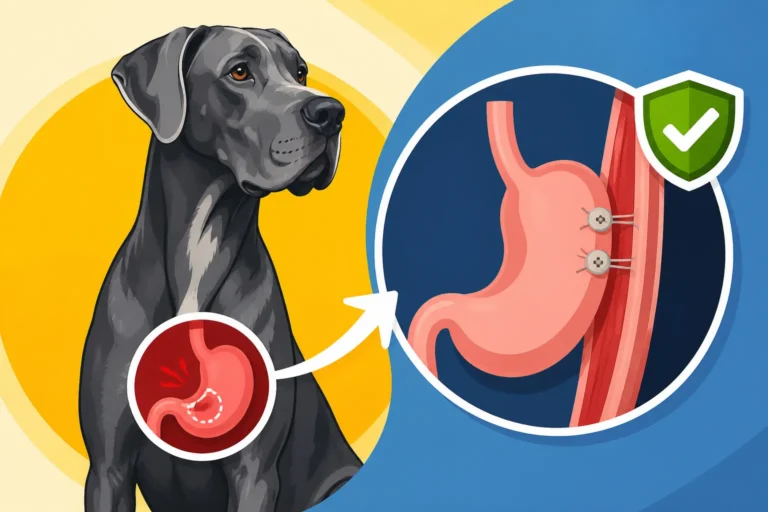
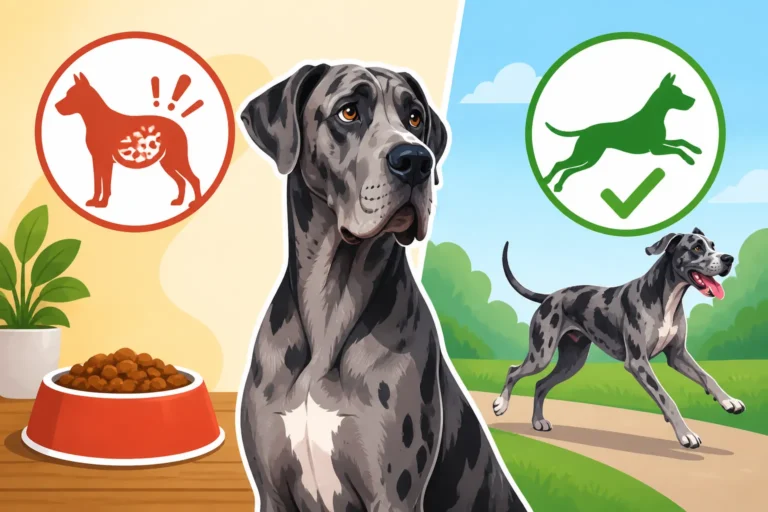
One of the most terrifying and rapidly progressive emergencies for Great Danes is Gastric Dilatation-Volvulus, commonly known as bloat or GDV. This condition involves the stomach filling with gas and/or fluid (dilatation) and then twisting upon itself (volvulus). The twisting cuts off blood supply to the stomach and often the spleen, and rapidly progresses to shock. It is an excruciatingly painful and life-threatening condition. Knowing The Lifetime Bloat Risk in a Great Dane is critical for all owners.
While bloat usually presents with a distended abdomen, unproductive retching, and restlessness, in severe and advanced stages, a Great Dane can collapse due to profound shock. The "recovery" would be incredibly unlikely and certainly not complete; if they manage to get up, it would be a brief, desperate attempt before succumbing further. Bloat requires immediate surgery and is a true veterinary emergency where every minute counts. If you see A Great Dane Pacing With a Swollen Belly or A Great Dane Trying to Vomit and Failing, head to the vet immediately.
What to Do Immediately When Your Great Dane Collapses
The moments after your Great Dane collapses are critical. Panic is a natural reaction, but quick, decisive action is what could save your beloved companion's life.
Assessing the Situation Safely
First and foremost, prioritize safety – both yours and your dog's. A distressed or collapsed dog, even the gentlest Great Dane, might act unpredictably due to fear, pain, or confusion. Approach them calmly and speak in a soothing voice. Avoid putting your face too close to theirs. Check for signs of breathing and a pulse if you can safely do so. Note the exact time of the collapse and how long it lasts. Observe everything:
- Were they conscious or unconscious?
- Were there any uncontrolled movements (twitching, paddling, stiffness)?
- Did they urinate or defecate?
- What was their color like (gums, tongue)?
- Was their breathing labored or shallow?
- Did they seem to recover fully or remain dazed?
Gather as much information as possible without delaying getting to veterinary care. This information will be invaluable to the emergency veterinarian. If your Great Dane is struggling to breathe, try to ensure their airway is clear by gently extending their neck. Do not attempt to force anything into their mouth or try to move them unless absolutely necessary and safe to do so.
Emergency Veterinary Care: Time is Critical
Even if your Great Dane appears to recover quickly and seems completely normal afterward, do not wait. A transient collapse is always an emergency. Call your nearest emergency veterinary clinic immediately while you are preparing to leave. Inform them you're on the way with a Great Dane who has collapsed and recovered, so they can be ready for your arrival. Transporting a large Great Dane can be a challenge. If they can walk, slowly and calmly guide them to your vehicle. If they are unable to move, you will need assistance. Large, sturdy blankets or makeshift stretchers can be used by two or more people to carefully lift and move them.
The urgency cannot be overstated. Conditions like DCM or bloat can progress rapidly, and timely intervention dramatically improves prognosis. Don't be swayed by their apparent "recovery" into thinking it can wait until morning or until your regular vet opens. This is precisely the kind of emergency that pet insurance, like a comprehensive plan from Healthy Paws, is designed to help with, easing the financial burden during these high-stress situations.
Diagnostic Steps a Veterinarian Will Take
Once you arrive at the emergency clinic, the veterinary team will jump into action to stabilize your Great Dane and begin the process of diagnosing the cause of the collapse. Expect a thorough and methodical approach, as identifying the underlying issue is paramount.
Comprehensive Physical Exam and History
The first thing the veterinary team will do is a rapid assessment to ensure your Great Dane is stable. This involves checking their vital signs – heart rate, respiratory rate, temperature, and blood pressure. They'll examine their mucous membranes (gums) for color, listen to their heart and lungs, and palpate their abdomen. This initial assessment helps them determine if your dog is in immediate distress or shock.
Critically, they'll ask you for a detailed history of the event. Every piece of information you observed during and after the collapse is important. They'll want to know:
- What was your dog doing right before the collapse? (e.g., exercising, sleeping, eating)
- How long did the collapse last?
- What exactly did you see? (e.g., limp, stiff, paddling, foaming at mouth)
- Did they lose consciousness?
- How long did the recovery take, and did they seem fully normal afterward?
- Have there been any previous episodes, no matter how minor?
- Are there any other symptoms you've noticed recently, even subtle ones? (e.g., changes in appetite, cough, lethargy)
Don't hold back any details, even if they seem insignificant. Your observations are key clues in piecing together the puzzle.
Advanced Diagnostics: From Bloodwork to Imaging
Based on the physical exam and history, the vet will formulate a list of possible causes and recommend further diagnostic tests. These can be extensive, but they are necessary to pinpoint the problem accurately:
- Bloodwork: A full complete blood count (CBC) and biochemistry panel can reveal anemia, infection, electrolyte imbalances, organ dysfunction, or indications of internal bleeding. A blood glucose test will check for hypoglycemia.
- Electrocardiogram (ECG/EKG): This test measures the electrical activity of the heart and is crucial for detecting arrhythmias, which are common causes of collapse in Great Danes. They might also recommend a Holter monitor for 24-hour heart monitoring.
- Echocardiogram (Cardiac Ultrasound): This is a non-invasive ultrasound of the heart that allows the vet to visualize the heart's structure, measure chamber sizes, assess valve function, and detect abnormalities like DCM, often performed by a veterinary cardiologist. This is often part of a What a Great Dane Cardiologist Measures in a Great Dane Heart workup.
- Radiographs (X-rays): Chest X-rays can show heart enlargement, fluid in the lungs (pulmonary edema), or masses. Abdominal X-rays are vital for diagnosing bloat or other abdominal issues.
- Ultrasound (Abdominal): This can further investigate abdominal organs for bleeding, masses, or other abnormalities.
- Neurological Exam: If neurological causes are suspected, a specialized exam will assess reflexes, coordination, and cranial nerves.
- Advanced Imaging (MRI/CT): For conditions like Wobbler Syndrome or other spinal/brain issues, an MRI or CT scan of the neck or brain may be necessary for a definitive diagnosis. Imaging a Great Dane Neck for Wobblers is often a critical step.
These diagnostics can be costly, which is why having pet insurance from a provider like Healthy Paws can be such a lifesaver, allowing you to focus on getting the best care for your Great Dane without added financial stress.
Long-Term Management and Prognosis
The journey doesn't end once a diagnosis is made. Treating the underlying cause of your Great Dane's collapse is the next crucial step, and often involves long-term management and significant lifestyle adjustments.
Tailored Treatment Plans Based on Diagnosis
The treatment for a collapse-and-recover episode is entirely dependent on the diagnosis. There is no one-size-fits-all solution, which highlights why accurate diagnostics are so essential.
- For DCM and Arrhythmias: Treatment often involves a cocktail of medications to support heart function, control arrhythmias, and manage fluid buildup. These might include ACE inhibitors, diuretics, and positive inotropes like Pimobendan for a Great Dane. The goal is to improve quality of life and slow disease progression, as DCM is typically a progressive disease.
- For Wobbler Syndrome: Management can range from conservative approaches like strict crate rest, anti-inflammatory medications, and physical therapy, to surgical intervention to decompress the spinal cord. The decision depends on the severity and specific type of compression.
- For Seizure Disorders: Anticonvulsant medications are typically prescribed to reduce the frequency and severity of seizures. Finding the right medication and dosage can take time and regular monitoring.
- For Bloat (GDV): This is a surgical emergency. The twisted stomach must be untwisted, and often a gastropexy (stomach tacking) is performed to prevent recurrence. This is an extensive surgery with a significant recovery period.
- For Metabolic Issues: If hypoglycemia is the culprit, the underlying cause needs to be addressed. This might involve dietary changes, management of an endocrine disorder, or treatment of a tumor.
Each of these conditions requires a dedicated and often lifelong commitment to their treatment plan. The prognosis varies widely depending on the condition and its severity, but early diagnosis and consistent treatment offer the best chance for a good outcome.
Lifestyle Adjustments and Ongoing Monitoring
Regardless of the specific diagnosis, a Great Dane who has experienced a collapse will likely need significant lifestyle adjustments. This could include:
- Activity Restriction: High-impact exercise, strenuous activity, or prolonged play might be limited, especially for dogs with heart conditions or Wobbler Syndrome. Understanding How Much a Great Dane With a Weak Heart Can Do is crucial.
- Dietary Modifications: Special diets may be recommended to support heart health, manage weight, or address metabolic needs.
- Stress Reduction: Minimizing stress can be beneficial for dogs with cardiac issues or seizure disorders.
- Regular Veterinary Check-ups: Frequent follow-up appointments, including recheck examinations, blood tests, and imaging, are essential to monitor the effectiveness of treatment and adjust as needed. This ongoing care is a part of Caring for a Great Dane Past Six and throughout their life.
Living with a Great Dane who has experienced collapse can be challenging and emotionally taxing. It requires vigilance, commitment, and a strong partnership with your veterinary team. While the recovery from a single episode might seem complete, it's a stark reminder of the serious health issues these magnificent dogs can face, emphasizing the importance of preventive care and having a plan in place for emergencies, possibly with the help of pet insurance like Healthy Paws, which can mitigate the financial impact of such intensive care.
Summary of Collapse Causes and Actions
To help you quickly grasp the potential causes and crucial steps, here's a table summarizing common reasons a Great Dane might collapse and recover:
| Potential Cause | Key Signs & Symptoms | Immediate Action |
|---|---|---|
| Dilated Cardiomyopathy (DCM) | Sudden fainting, brief unconsciousness, quick recovery; may have prior cough, lethargy, reduced exercise tolerance. | EMERGENCY VET IMMEDIATELY. Even if recovered, it's critical. |
| Arrhythmias | Very sudden, short collapse, quick recovery; often no other symptoms initially, or mild lethargy. | EMERGENCY VET IMMEDIATELY. Cardiac monitoring is essential. |
| Wobbler Syndrome | Stumbling, wobbly gait (especially hind legs), weakness, may fall; often conscious during the episode, slow to get up, may still appear uncoordinated after. | VET APPOINTMENT URGENTLY. Not always immediate emergency, but needs prompt neurological assessment. |
| Seizure | Collapse with uncontrolled movements (paddling, twitching), staring, vocalization, drooling, loss of bladder/bowel control; followed by confusion/disorientation. | EMERGENCY VET IMMEDIATELY. Even if short, needs evaluation and potential medication. |
| Hypoglycemia (Low Blood Sugar) | Weakness, lethargy, disorientation, collapse, sometimes seizures; may improve with sugar (rubbing karo syrup on gums). | EMERGENCY VET IMMEDIATELY. Give small amount of sugar if conscious, then transport. |
| Acute Blood Loss / Severe Anemia | Sudden weakness, pale gums, collapse; may be triggered by injury or internal rupture. | EMERGENCY VET IMMEDIATELY. Life-threatening, requires rapid intervention. |
| Bloat (GDV) | Distended, hard abdomen, unproductive retching, restlessness, pain; collapse is a very late and grave sign. | EMERGENCY VET IMMEDIATELY. THIS IS THE HIGHEST EMERGENCY. Every minute counts. |
Disclaimer
The information provided in this article is for educational and informational purposes only, and does not constitute veterinary advice. Always consult with a qualified veterinarian for any health concerns or before making any decisions about your Great Dane's medical care. In case of an emergency, contact your nearest veterinary emergency clinic immediately.